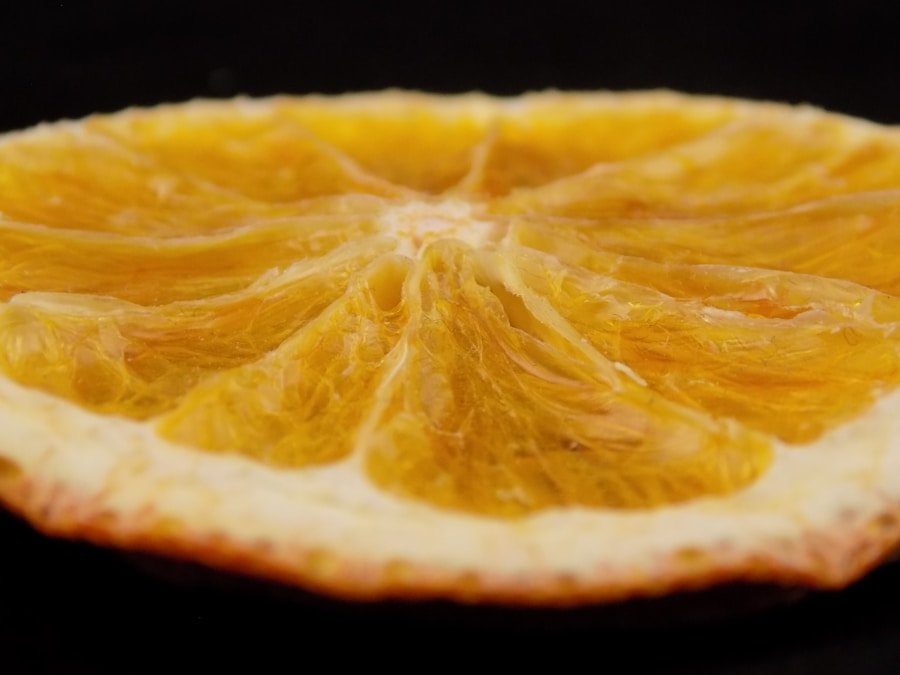
Citrus zest is the colorful outer layer of a lemon, lime, orange, grapefruit, or other citrus peel. It holds fragrant essential oils that add fresh, bright flavor to food and drinks without adding much juice or liquid. When you zest citrus correctly, you get the flavorful colored peel while leaving the bitter white pith behind.
You can use citrus zest in cakes, cookies, marinades, salad dressings, sauces, cocktails, tea, roasted vegetables, and grilled meats. The trick is simple: use a sharp tool, press lightly, rotate the fruit often, and stop as soon as you reach the white layer.
Quick Answer
To zest citrus without bitterness, remove only the thin colored peel and avoid the white pith underneath. A microplane gives fine, fluffy zest, a zester makes strips, and a vegetable peeler works for larger pieces. Use light pressure, rotate the fruit, and add zest late in cooking for the freshest flavor.
Key Takeaways
- Citrus zest is the outer colored peel, not the white pith.
- The pith can make food taste bitter, especially when you grate too deeply.
- A microplane is best for fine zest, while a citrus zester or peeler works better for strips.
- Wash and dry citrus before zesting, especially if you plan to use the peel directly in food.
- Fresh zest gives the strongest aroma, but you can freeze or dry extra zest for later.
- Add zest near the end of cooking when you want a brighter, fresher citrus flavor.
At a Glance
| Time Required | 1 to 5 minutes, depending on the fruit and tool |
| Difficulty | Easy with a microplane or citrus zester |
| Tools Needed | Microplane grater, citrus zester, vegetable peeler, or sharp paring knife |
| Cost | Low; most tools are basic kitchen items |
What Citrus Zest Is
Citrus zest refers to the outermost colored layer of the peel of citrus fruits, such as lemons, limes, oranges, and grapefruits. This vibrant, aromatic layer is rich in essential oils and provides a burst of flavor that can elevate a dish or beverage. The zest is usually bright in color, reflecting the fruit it comes from, and cooks often use it in cooking and baking to add a fresh, tangy note.
Unlike the flesh of the fruit, which is juicy and sweet or tart, the zest carries a more concentrated flavor profile. It can enhance both sweet and savory dishes without adding extra liquid. Zest also improves visual appeal. A small sprinkle of orange, lemon, or lime zest can add color to desserts, salads, sauces, and finished plates.
In addition to its culinary uses, citrus zest works well in cocktails, marinades, dressings, infused sugar, spice blends, and flavored salts. You can use it fresh, frozen, or dried, which makes it a flexible ingredient for everyday cooking. Understanding how to properly extract and use citrus zest can significantly improve your results in the kitchen.
Note: Zest is not the same as peel. Peel includes both the colored outer layer and the white pith. Zest should include only the colored outer layer.
The Importance of Avoiding the Bitter Pith
The Pith’s Unpleasant Impact
The white pith sits directly under the colorful zest. It has a spongy texture and a much more bitter taste than the outer peel. If you grate too deeply, the pith can overpower the fresh citrus flavor and make the final dish taste harsh.
This problem matters most in delicate recipes, such as lemon cookies, citrus glazes, vinaigrettes, whipped cream, and cocktails. These recipes often depend on clean aroma and balance. A small amount of pith may not ruin a large stew or braise, but it can stand out quickly in a simple dessert or drink.
The pith can overpower the palate with its bitterness, detracting from the intended flavor profile of a recipe. This is especially important for novice cooks who may unintentionally include pith in their zesting efforts. The bitterness of the pith can vary depending on the type of citrus fruit being used, with oranges typically having a thicker pith than lemons or limes.
Choosing the Right Citrus Fruits
Understanding the characteristics of different citrus fruits can help cooks make informed decisions about which ones to use and how to approach zesting them. By focusing only on the colorful outer layer and avoiding the pith, cooks can keep their dishes bright and flavorful without unwanted bitterness.
Choose citrus that feels firm, heavy for its size, and fragrant. Smooth, thinner-skinned fruit is often easier to zest because the colored peel is more even. Thick-skinned oranges and grapefruits can still work well, but you need a lighter hand and more attention as you zest.
Wash citrus under running water and dry it before zesting. This step removes surface dirt and helps your tool grip the peel better. If the fruit has a waxy coating, scrub it gently with a clean produce brush before using the zest.
Mastering the Zesting Technique
By mastering the zesting technique and avoiding the pith, cooks can unlock the full potential of citrus fruits and add a burst of flavor to their recipes. With practice and patience, anyone can become confident at zesting citrus fruits and creating delicious, balanced dishes.
The most important technique is pressure control. Press lightly and make short passes over the peel. Rotate the fruit after each pass so you do not scrape the same area twice. When the colored layer disappears and the white layer shows, move to a new section.
Warning: Do not scrape back and forth over the same spot. That usually pulls in the white pith and can make your zest bitter.
Tools for Zesting Citrus Fruits

To effectively zest citrus fruits, several tools can be used, and each one gives a slightly different result. One of the most common tools is a microplane grater, which has fine, sharp blades that remove the colored peel in small, fluffy shreds. This tool is popular with chefs and home cooks because it creates zest that blends easily into batters, sauces, dressings, and glazes.
The microplane grater also minimizes the risk of including pith when you use light pressure. It removes only the very outer layer of the peel, which is exactly what you want for most recipes. Hold the fruit firmly and move it gently across the grater, stopping as soon as the white pith appears.
Another popular option is a citrus zester, which usually has small holes or a curved edge designed specifically for removing zest. This tool often creates longer strips of zest. Some zesters also include a channel knife that can make decorative twists or curls for drinks and desserts.
While citrus zesters are effective for creating longer strips, they may not produce as fine a texture as a microplane. That makes them better for garnishes, cocktails, and recipes where the zest will be strained out later.
Some cooks prefer using a vegetable peeler to remove larger strips of zest from citrus fruits. This method works well for syrups, tea, infused oil, marinades, and sauces where you want the flavor of the zest but plan to remove the peel before serving. After peeling, you can finely chop the strips if you need smaller pieces.
A sharp paring knife can also work, but it requires more control. Use it only when you feel comfortable trimming the white pith away from the back of the peel. For beginners, a microplane is usually the easiest and most reliable option.
[Amazon Products Picked for You]
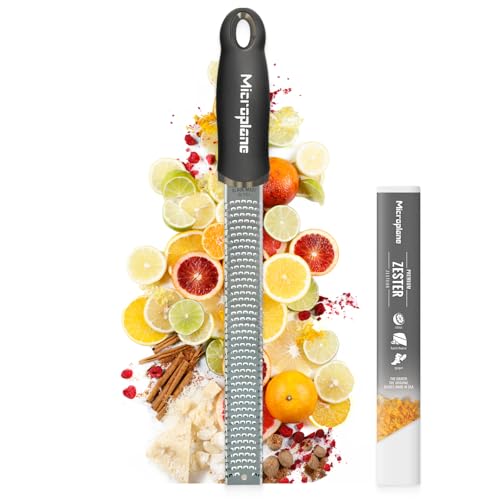
Zest Citrus: The blade is designed with a specific tooth set that takes the flavorful rind directly off the citrus fruit, while leaving behind the bitter white pith. Zest adds flavor to vinaigrettes, stir fries, salads, and baked goods! Change your life, with a little zest!

ZEST CITRUS: The blade is designed with a specific tooth set that takes the flavorful rind directly off the citrus fruit, while leaving behind the bitter white pith. Zest adds flavor to vinaigrettes, stir fries, salads, and baked goods! Change your life, with a little zest!

Ultra Sharp Made in USA blades: Microplane uses photo-etched technology to make ultra sharp grating blades right here in America! BPA free plastic handle.
Techniques for Zesting Citrus Fruits
| Technique | Efficiency | Difficulty |
|---|---|---|
| Zester | High | Low |
| Microplane Grater | High | Low |
| Vegetable Peeler | Medium | Medium |
| Knife and Cutting Board | Low | High |
Zesting citrus fruits requires a careful approach to ensure that only the flavorful outer layer is removed while avoiding the bitter pith underneath. When using a microplane grater, hold the fruit firmly in one hand and the grater in the other. Gently rub the fruit against the grater in a downward motion, rotating it as you go to cover all areas of the peel.
This technique allows for even zesting and helps prevent excessive pressure that could lead to grating into the pith. If you are using a citrus zester, position the tool at an angle against the fruit’s surface and press down lightly while pulling it toward you. This motion creates thin strips of zest without digging too deeply into the pith.
If you use a vegetable peeler, carefully slice off strips of zest from the fruit’s surface while avoiding any white pith. If some pith comes off with the strip, lay the strip flat on a cutting board and gently scrape the white part away with a paring knife.
Once you have collected your desired amount of zest, you can chop it finely if needed for specific recipes. Each technique has its own strengths, and experimenting with different methods can help you find what works best for your cooking style.
[Amazon Products Picked for You]
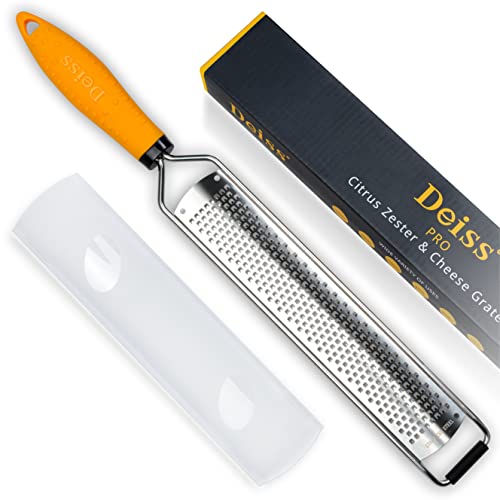
Comfortable to Use & Built to Last ✔ The Hand Grater has a razor-sharp stainless steel blade that won't rust and a comfortable, non-slip handle. Its unique curved sides make it extremely rigid and allow you to apply more force when it's needed.
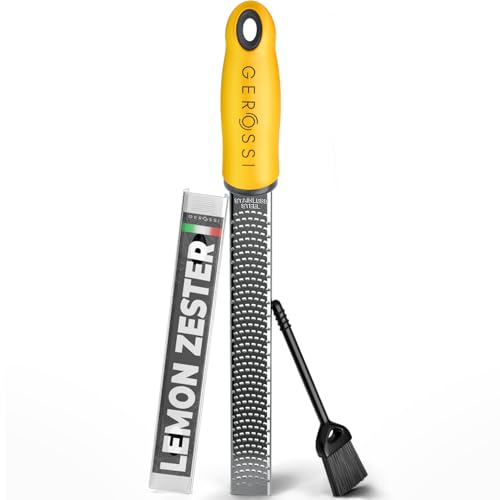
Add extra flavor to your dish: this zester grater with handle lifts fresh lemon zest in one pass with its razor-sharp blade. Use it as a lemon grater, a garlic mincer, a ginger grater, a nutmeg grater or a spice grater.
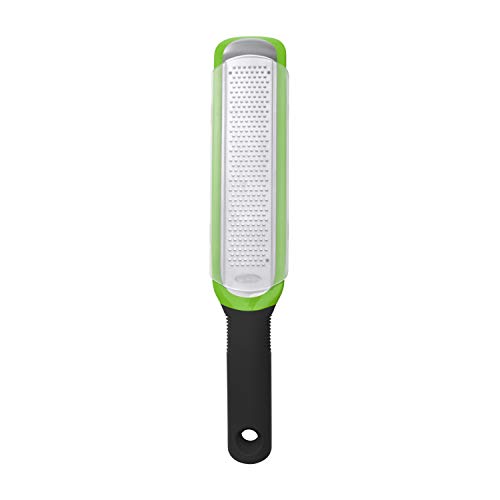
Sharp and durable etched surface lets you easily grate and zest ingredients for your favorite recipes
How Much Zest You Get From One Fruit
The exact amount of zest depends on the fruit size, peel thickness, and tool. As a practical kitchen estimate, one medium lemon usually gives about one tablespoon of finely grated zest. One medium lime gives slightly less, while one orange or grapefruit can provide more because it has a larger surface area.
For the best flavor, zest the fruit before cutting and juicing it. A whole citrus fruit is easier to hold, rotate, and control. Once the fruit is cut, the peel becomes softer and harder to grate cleanly.
Pro Tip: When a recipe calls for both juice and zest, zest first and juice second. This saves time and keeps your fingers safer.
How to Avoid the Bitter Pith While Zesting
To successfully avoid incorporating bitter pith while zesting citrus fruits, it helps to understand how deep to go when removing the peel. Only the very top layer of the skin contains the aromatic oils that create the zest’s bright flavor. When using tools like microplanes or zesters, focus on light pressure and quick motions to minimize contact with the pith.
Another effective strategy is to choose ripe citrus fruits with thinner skins, as these tend to have less pith compared to thicker-skinned varieties. For example, Meyer lemons often have thinner skin and a sweeter, floral flavor compared with regular lemons. That makes them a good choice for desserts, dressings, and recipes where the zest stands out.
When working with larger fruits like oranges or grapefruits, consider removing wide strips with a vegetable peeler instead of using a fine grater. This gives you more control. You can then trim away any white pith from the back of the strips before chopping or using them for infusions.
[Amazon Products Picked for You]

Ultra sharp Made in USA blades: Microplate uses Photo-Etched technology to make Ultra sharp grating blades right here in America!

Food Grade Lemon Zester - All parts of Cambom lemon zester are made of food grade material, and each one comes with a protective shell. Super cost performance.. perfect to make food preparation easier and faster, keep your ingredients safe and health.

Premium Lemon Zester Tool - The blade is razor-sharp and made of Commercial Grade 304 18/8 Stainless Steel that won't bend or rust.
Simple Step-by-Step Method
- Wash the citrus fruit under running water and dry it well.
- Hold the fruit firmly over a plate, bowl, cutting board, or sheet of parchment.
- Place the microplane or zester against the colored peel.
- Use light pressure and scrape only until the color disappears.
- Rotate the fruit and repeat on a fresh area of peel.
- Stop when you have enough zest or when most colored peel has been removed.
- Check the zest and remove any visible white pieces before adding it to food.
Common Zesting Mistakes
- Pressing too hard: Heavy pressure digs into the pith and creates bitterness.
- Zesting one area for too long: Rotate often so you only remove the colored surface.
- Using a dull tool: Dull blades tear the peel and make you press harder.
- Zesting after juicing: Cut fruit is harder to hold and easier to scrape unevenly.
- Skipping the wash: Since zest comes from the outside of the fruit, clean it before use.
Tips for Using Citrus Zest in Cooking and Baking

Citrus zest can be an incredibly versatile ingredient in both cooking and baking. When incorporating zest into savory dishes, consider adding it toward the end of cooking to preserve its bright flavor and aroma. For instance, when preparing a pasta dish with lemon zest, add it just before serving so the fresh notes stay clear and lively.
Similarly, when making dressings or marinades, whisk in freshly grated zest along with the other ingredients for an added layer of complexity. Lemon zest works well with olive oil, garlic, herbs, and black pepper. Lime zest pairs nicely with cilantro, chili, seafood, and grilled chicken. Orange zest can add warmth to glazes, roasted carrots, cranberry sauce, and spice blends.
In baking, citrus zest can enhance everything from cakes to cookies by giving them a refreshing flavor. When making batters or doughs, mix in the zest with sugar or dry ingredients to distribute it evenly throughout the mixture. Rubbing zest into sugar with your fingertips can also release more fragrant oils before you add the rest of the ingredients.
For example, lemon zest can elevate a simple pound cake by adding brightness that complements its buttery richness. Orange zest can deepen the flavor of chocolate desserts, and lime zest can make coconut or cream-based desserts taste fresher. You can also use citrus zest in frostings, glazes, whipped cream, and fillings for an extra burst of flavor.
A small amount of citrus zest can change the whole flavor of a dish because the peel holds concentrated aromatic oils.
Best Pairings for Different Citrus Zests
| Citrus Zest | Best Uses | Flavor Notes |
|---|---|---|
| Lemon zest | Cakes, pasta, fish, dressings, roasted vegetables | Bright, sharp, fresh |
| Lime zest | Tacos, marinades, rice, seafood, cocktails | Tangy, floral, bold |
| Orange zest | Chocolate, glazes, muffins, sauces, roasted meats | Sweet, warm, fragrant |
| Grapefruit zest | Salads, drinks, seafood, vinaigrettes | Bitter-sweet, sharp, complex |
Storing Citrus Zest for Future Use
If you find yourself with excess citrus zest after preparing a recipe, there are several effective methods for storing it for future use. One popular option is to freeze the zest in small portions. Simply spread freshly grated zest onto a parchment-lined baking sheet and place it in the freezer until solid.
Once frozen, transfer the zest into airtight containers or resealable bags for easy access later on. This method preserves much of the flavor and aroma while allowing you to use only what you need when you are ready to cook or bake again. Label the container with the fruit type and date so you do not confuse lemon, lime, orange, and grapefruit zest.
You can also freeze zest in small measured portions. For example, place one teaspoon of zest in each section of a small ice cube tray, freeze it, and then move the frozen portions into a bag. This makes it easier to add a measured amount to sauces, soups, batters, and marinades.
Alternatively, you can dry citrus zest for longer-term storage. To do this, spread it out on a baking sheet and place it in an oven set to its lowest temperature, or use a dehydrator until the zest is completely dry. Once dried, store it in an airtight container away from light, heat, and moisture.
Dried citrus zest retains much of its flavor but may lose some of its fresh aroma over time. It still works well in spice blends, tea blends, rubs, flavored salts, and baked goods. Use a little more dried zest than fresh zest if the aroma seems mild.
How to Tell If Stored Zest Is Still Good
Stored zest should smell fresh and citrusy. If it has little aroma, tastes stale, feels damp, or shows any sign of mold, discard it. Fresh and frozen zest usually gives a stronger flavor than dried zest, so choose the storage method based on how you plan to use it.
Creative Ways to Incorporate Citrus Zest Into Recipes
Citrus zest can be creatively incorporated into a wide array of recipes beyond traditional uses in baking or cooking. For instance, consider adding lemon or lime zest to homemade salad dressings for an invigorating twist that brightens up greens and vegetables. A simple vinaigrette made with olive oil, vinegar, salt, pepper, and freshly grated citrus zest can transform even the most basic salads into something more flavorful.
In addition to dressings, citrus zest can enhance beverages as well. Infusing water or tea with orange or grapefruit zest adds a refreshing note that makes hydration more interesting than plain water. Cocktails also benefit from a touch of citrus. Adding lime or lemon zest as a garnish enhances presentation and releases aromatic oils that contribute to smell and flavor.
You can also incorporate citrus zest into savory dishes like roasted vegetables, grilled meats, grain bowls, compound butter, and seafood. It provides an unexpected brightness that balances richer flavors beautifully. Lemon zest over roasted asparagus, orange zest in a pan sauce, or lime zest over grilled shrimp can make a simple dish taste fresher.
Citrus zest also works well in pantry staples. Mix it into sugar for citrus-infused sugar, blend it with salt for a finishing salt, or stir it into softened butter with herbs. You can also add it to breadcrumbs before topping casseroles, pasta, or baked fish.
By exploring these creative ways to use citrus zest, you can unlock new layers of flavor while making your dishes more vibrant and appealing. Whether you are enhancing baked goods or adding zing to savory meals, understanding how to use this ingredient well will enrich your cooking experience.
If you’re looking to elevate your cooking skills, you may also be interested in learning about the 5 Best Milk Frothers for Lattes. Frothing milk can add a creamy and luxurious touch to your coffee beverages, making them taste like they came from a fancy cafe. Mastering the art of frothing milk can take your homemade lattes to the next level, so be sure to check out this article for some top recommendations on milk frothers.
Related Guides
Frequently Asked Questions
What is citrus zest?
Citrus zest is the outermost colored part of the peel of citrus fruits such as lemons, limes, oranges, and grapefruits. It contains essential oils and aromatic compounds that give citrus fruits their strong flavor and fragrance.
Why is it important to avoid the bitter pith when zesting citrus fruits?
The bitter white pith underneath the zest can add an unpleasant taste to food. By removing only the colored peel, you keep the zest bright, fragrant, and citrusy without adding bitterness.
What are some methods for zesting citrus fruits without getting the bitter pith?
You can use a microplane grater, citrus zester, vegetable peeler, or sharp paring knife. A microplane is best for fine zest, while a peeler is better for wider strips. In every method, remove only the colored part of the peel.
How can I avoid getting the bitter pith when zesting citrus fruits?
Use a sharp tool, press lightly, and rotate the fruit after each pass. Stop zesting each area as soon as the colored peel is gone and the white pith begins to show.
What can I use citrus zest for?
Citrus zest can add flavor and aroma to baked goods, desserts, marinades, dressings, sauces, cocktails, tea, roasted vegetables, grilled meats, and garnishes. It adds a fresh citrus note without adding extra juice.
Is dried citrus zest as good as fresh zest?
Dried citrus zest is useful, but fresh zest usually has a stronger aroma. Use fresh zest when the flavor is central to the recipe, and use dried zest in spice blends, rubs, teas, and baked goods.
Should I zest citrus before or after juicing it?
Zest citrus before juicing it. Whole fruit is firmer, easier to hold, and safer to grate. Once you cut or squeeze the fruit, the peel becomes harder to control.
Sources
- USDA FoodData Central — general citrus ingredient and nutrition reference.
- University of Minnesota Extension — guidance on preparing and preserving citrus fruits.
- Penn State Extension — produce handling and fruit safety guidance.
