
Hot weather can expose weak tires, low coolant, an aging battery, restricted airflow, or an underperforming air conditioner. A focused Toyota Camry summer maintenance check helps you catch those problems before a long trip, heavy traffic, or an especially hot day. Match every fluid, replacement part, pressure, and service interval to your Camry’s model year and powertrain.
Quick Answer
Prepare your Toyota Camry for summer by checking cold tire pressure, tread and tire age, coolant, engine oil, battery condition, A/C performance, wipers, lights, brakes, and washer fluid. Inspect hoses, the radiator area, and any hybrid-battery cooling intake. Schedule service for leaks, overheating, weak cooling, damaged tires, or warning lights.
Key Takeaways
- Check tire pressure when the tires are cold and use the driver-door placard, not the maximum pressure printed on the tire.
- Never remove a cooling-system cap from a hot engine or add an unverified “universal” coolant.
- Test A/C performance from inside the cabin, but leave leak diagnosis, refrigerant recovery, evacuation, and charging to properly equipped technicians.
- Inspect tire age and damage, the battery, brakes, wipers, fluids, hoses, lights, floor mat, and emergency equipment before a summer road trip.
- Hybrid Camrys may have a traction-battery cooling intake or filter that requires model-specific inspection or cleaning.
- Use Toyota’s manual locator and NHTSA’s VIN lookup for information that applies to your exact Camry.
At a Glance
| Time Required | About 20 to 30 minutes for a basic inspection |
| Difficulty | Easy for visual checks; professional service may be needed |
| Tools Needed | Owner’s manual, tire-pressure gauge, flashlight, clean cloth, tread-depth gauge or penny, and gloves |
| Cost | The inspection is usually free if you own the tools; replacement parts and professional service vary |
Why Summer Maintenance Matters for a Toyota Camry

Summer heat does not create every vehicle problem, but it can reveal parts that are already weak, worn, damaged, restricted, or low on fluid. The cooling system must control engine and, on applicable hybrid models, inverter temperatures while the air conditioner works harder during slow traffic and long periods of idling.
Hot pavement, highway speeds, heavy cargo, old or damaged tires, and low tire pressure can increase tire stress. A pre-summer inspection gives you time to address leaks, worn tread, poor A/C output, slow battery cranking, weak brakes, or damaged wiper blades before those problems interrupt a trip.
Start by finding the owner’s manual and maintenance guide for your exact model year. Toyota provides a manual and warranty locator so you can select the applicable vehicle instead of relying on a universal interval or specification.
Toyota Camry Summer Maintenance Checklist
Complete these checks before the hottest part of the season and repeat the key safety checks before a long road trip:
- Check cold tire pressure: Compare all road tires and the spare, when fitted, with the pressure specifications for your vehicle.
- Inspect tread, age, and tire damage: Look for cuts, bulges, exposed cords, embedded objects, cracking, and uneven wear.
- Check coolant safely: Inspect the correct reservoir only when the engine and cooling system are fully cool.
- Inspect hoses and the radiator area: Look for cracks, swelling, wet spots, loose connections, corrosion, or debris blocking airflow.
- Test the A/C: Confirm that airflow is strong and the discharge air becomes consistently cool.
- Inspect the 12-volt battery: Look for corrosion, a loose hold-down, leakage, case damage, swelling, or slow starting.
- Check wipers and washer fluid: Replace blades that chatter, streak, split, deform, or miss part of the glass.
- Check oil, brakes, and warning lights: Follow the manual’s oil procedure and investigate abnormal pedal feel, noises, leaks, or active warnings.
- Check lights and the driver’s floor mat: Confirm exterior lights work and the mat is secured without obstructing either pedal.
- Inspect hybrid cooling components when applicable: Check the traction-battery cooling intake or filter only as the exact hybrid manual directs.
When to Complete the Summer Checks
Perform the full inspection one or two weeks before a major trip. That leaves time to replace a tire, diagnose weak A/C output, order a model-specific filter, or repair a cooling-system leak.
On the day before departure, recheck tire pressure when cold, fluid levels, exterior lights, washer operation, and emergency equipment. On departure morning, look under the parked car for a new leak and confirm that no warning light remains on after startup.
Warning: Stop driving if a temperature warning appears, steam comes from under the hood, or the engine loses power while overheating. Move to a safe location, switch off the engine, and let it cool. Never remove a radiator, pressurized reservoir, or other cooling-system cap while the system is hot.
How to Check and Maintain the Air Conditioning System
You can check basic A/C performance without connecting gauges or adding refrigerant. A qualified technician should handle leak testing, refrigerant identification, recovery, evacuation, and charging.
[Amazon Products Picked for You]
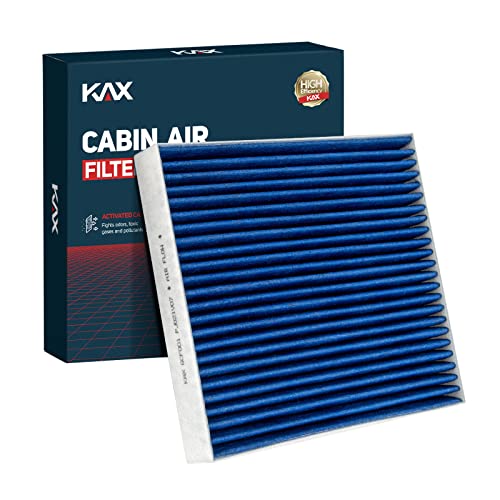
Vehicle Application: KAX premium cabin air filter CF10285 replacement for Toyota Corolla 1.8/2.4L 2009-2019, Camry 2007-2017, RAV4 2006-2018, Highlander 2008-2019, Tundra 2007-2021, 4Runner 2010-2024, Sienna 2011-2020, Prius(To 10/2015) 2010-2016, Yaris(w/ A/C) 2007-2018, Avalon 2005-2018, Venza 2009-2015, Prius C 2012-2019, Sequoia 2008-2022, Prius V 2012-2017, Matrix 2009-2013, Corolla iM 2017-2018, Prius Plug-In 2012-2015, Land Cruiser 2008-2021, Mirai 2016-2020
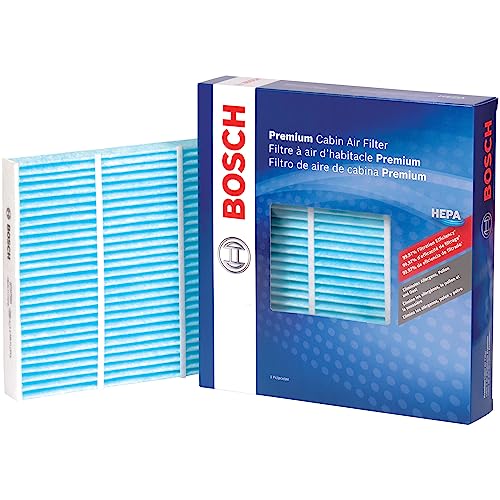
High Efficiency Particulate Cabin Air Filters Are Designed To Trap Microscopic Pollutants Including Pollen, Mold And Common Allergens

[Vehicle Fitment]: Replacement for Toyota: Avalon (2019-2022), Camry (2018-2025), Corolla (2019-2025), Corolla Cross (2022-2025), CROWN (2023-2024), C-HR (2018-2022) [IMPORTANT: Fits Japan Built Models ONLY, VIN starts with 'J'],Highlander (2020-2025), Prius (2016-2025), Prius AWD-E (2019-2022), Prius Prime (2017-2024), RAV4 (2019-2025), RAV4 Prime (2021-2024), Sienna (2021-2025), Venza (2021-2024), Grand Highlander (2024-2025), GR Corolla (2023-2025).
Inspect A/C Performance and Components
Park the Camry outdoors, start it, close the windows, set the A/C to its coldest setting, and select recirculation. Allow the system a few minutes to stabilize while you compare airflow from the vents.
Watch for weak airflow, cooling that fades at idle, rapid or abnormal compressor cycling on systems that normally cycle, rattling, squealing, or a musty smell. Leaves and road debris can collect near the condenser at the front of the vehicle, so inspect the area without bending its thin fins.
A persistent odor may come from a dirty cabin filter, moisture in the evaporator housing, or organic debris in the air intake. Replace the filter when inspection or the model-specific maintenance guide calls for it.
Check Refrigerant Safely
Do not judge refrigerant charge from a universal low-side pressure such as 30 to 40 PSI. System pressure changes with ambient temperature, refrigerant type, compressor design, engine speed, airflow, humidity, and the amount of refrigerant already in the system.
Check the under-hood A/C label and owner information before any service. Camry model years may use different refrigerants, oils, service fittings, and specified charge weights.
Low refrigerant usually points to leakage rather than normal consumption. Toyota’s A/C troubleshooting guidance recommends professional inspection because leaks can occur at the condenser, seals, fittings, hoses, or other components.
Warning: Escaping refrigerant can cause cold burns or frostbite. Do not intentionally vent refrigerant, mix refrigerants, add stop-leak products, or connect a recharge can when the reason for poor cooling is unknown. EPA generally prohibits intentional automotive-refrigerant venting and requires Section 609 certification for technicians who service motor-vehicle A/C systems for payment. See EPA motor-vehicle A/C servicing requirements.
Schedule diagnosis when the A/C blows warm air, loses cooling repeatedly, makes unusual noises, or leaves oily residue around a hose or connection. A shop can identify a leak and charge the system with the manufacturer-specified refrigerant amount measured by weight.
Note: Clear water dripping beneath the passenger area after A/C use is usually normal condensation. Oily residue, colored coolant, a sweet smell, repeated fluid loss, or water entering the cabin requires inspection.
Inspect or Replace the Cabin Air Filter
A restricted cabin air filter can reduce airflow even when the refrigerant system works correctly. Remove and inspect the filter according to the manual, noting its airflow-direction arrow before installation.
Replace a filter that is heavily loaded with dust, leaves, pollen, or debris. It may need inspection more often when you drive on dusty roads, park under trees, encounter wildfire smoke, or experience heavy pollen.
Pro Tip: Weak airflow and warm air are different symptoms. Weak airflow often points toward a dirty filter, blower, fuse, or airflow-door problem. Strong airflow that remains warm more often requires refrigerant-system or temperature-control diagnosis.
How to Check Toyota Camry Coolant Safely

Check the applicable coolant reservoir only after the vehicle has cooled completely. The level should remain between the marked limits, although the number of reservoirs, label wording, and checking procedure vary by model and powertrain.
Use the coolant type listed in the Camry’s manual. Do not assume every vehicle requires a homemade 50/50 mixture because some specified coolants are sold pre-diluted and should not receive extra water.
Inspect visible reservoirs, the radiator area, water-pump area, and hoses for dried residue, wet spots, cracks, swelling, rubbing, or loose clamps. A falling coolant level indicates a possible leak and should not be dismissed as normal evaporation.
Note: Hybrid Camrys may have more than one cooling circuit, such as engine and inverter cooling. Do not add fluid to a reservoir based only on its position or color. Identify it in the exact manual first.
[Amazon Products Picked for You]

Formulated to replace the OEM fluid in Asian make vehicles such as Toyota , Lexus , Scion and others requiring a red, silicate free HOAT antifreeze/coolant

1 GALLON ENGINE ANTIFREEZE/COOLANT: Fully compatible with other extended life antifreeze/coolants. This item contains a bittering agent called Denatonium Benzoate.

Single Quantity
What to Do if a Toyota Camry Overheats
- Turn off the A/C and move away from traffic as soon as you can do so safely.
- Stop the engine if the temperature warning remains on, steam appears, or the vehicle loses power.
- Keep your hands away from electric fans, belts, hot hoses, wiring, and pressurized caps.
- Wait for the vehicle to cool before checking a reservoir or looking for an obvious leak.
- Arrange roadside assistance if coolant is pouring out, a hose has failed, the warning returns, or the correct next step is uncertain.
Do not continue driving an overheating Camry simply because the warning disappears briefly. Repeated overheating can indicate a leak, cooling-fan problem, thermostat fault, damaged pump, restricted airflow, electrical fault, or another cooling-system issue.
Toyota Camry Tire Pressure, Tread, and Age Checks
Tire condition affects braking, steering, ride quality, tread life, and fuel consumption. NHTSA recommends inspecting tires at least monthly and before long trips, using the pressure specified by the vehicle manufacturer.
[Amazon Products Picked for You]
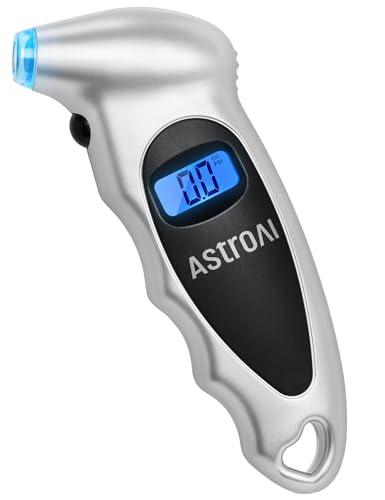
Accurate, Dependable Readings: Factory‑calibrated to ±1 PSI, so you can confidently match your vehicle’s recommended PSI (check the door jamb sticker). Ideal for monthly checks and road trips — consistent results every time, cold or warm.

RUGGED DESIGN: The stainless steel components prevent rust and corrosion while the precision-crafted nozzle seamlessly seals onto the valve stems for highly accurate readings (±2% span). We also provide 4 valve stem caps for convenient replacement.

PROCESS LEVEL ACCURACY: Each ETENWOLF’s digital tire pressure gauge is calibrated manually to ANSI B40.7 Grade 2A(plus-minus 1 PSI).Presta valve adapter not included, if used for bicycles, it must be purchased separately
Check Tire Pressure When Cold
Measure pressure when the tires are cold, which NHTSA defines as at least three hours after driving. Use the pressure printed on the driver-door Tire and Loading Information label, not the maximum pressure molded into the tire sidewall.
Do not release air from a warm tire merely because its reading is higher than the cold specification. Driving heats the tire and raises its pressure naturally.
Check all four road tires and the spare if the Camry carries one. A tire-pressure monitoring warning may not appear until pressure has already fallen substantially, so the system does not replace manual checks.
FuelEconomy.gov estimates that proper inflation can improve gas mileage by about 0.6% on average and by up to 3% in some cases. A 1 PSI drop in the average pressure of all tires can reduce mileage by about 0.2%.
Review the official figures at FuelEconomy.gov.
Rotate Tires for Even Wear
Rotation can reduce irregular wear and help tires last longer. NHTSA gives a general range of 5,000 to 8,000 miles when rotation is recommended by the vehicle manufacturer, but the Camry’s maintenance guide should control the actual interval and pattern.
Ask for an alignment inspection if the car pulls on a level road, the steering wheel sits off-center, or one side of a tire wears faster. Vibration can point toward a balance issue, tire damage, road-force variation, or a bent wheel.
Inspect Tread Depth and Damage
Check several places across each tire because tread may not wear evenly. NHTSA says tires should be replaced when tread reaches 2/32 inch, but cracking, a bulge, exposed material, recurring pressure loss, impact damage, or poor wet traction can require earlier replacement.
For a quick screen, insert a penny into a main tread groove with Lincoln’s head upside down. If you can see the top of his head, the tread is at or near the replacement threshold. A tread-depth gauge provides a more precise reading.
Check Tire Age and the Spare
Find the tire identification number on the sidewall. Its final four digits normally identify the production week and year; for example, 2423 indicates the 24th week of 2023. The complete code may appear on only one side of the tire.
There is no single replacement age that overrides every tire and vehicle manufacturer. Follow the Camry manual and tire maker’s guidance, and have an older tire inspected for cracking, hardening, deformation, previous repairs, and storage damage even when tread remains.
Inspect the spare for age, pressure, cracking, and correct mounting equipment. Compact temporary spares often require a different pressure from the road tires, so use the label or manual specification.
| Action | When to Do It | What to Check |
|---|---|---|
| Check pressure | Monthly and before long trips | Cold pressure against the door placard; include the spare |
| Inspect tread and damage | Monthly | Depth, uneven wear, cuts, bulges, cracking, and objects |
| Check tire age | During seasonal checks and before buying used tires | DOT date code, cracking, hardness, repairs, and manufacturer guidance |
| Rotate tires | At the manual’s interval | Correct pattern, damage, and irregular wear |
| Check alignment | When symptoms appear | Pulling, off-center steering, and edge wear |
| Replace a tire | At 2/32 inch or whenever unsafe | Wear bars, damage, age, pressure loss, and traction |
See NHTSA’s tire-maintenance guidance for pressure, tread, rotation, age, and tire-label information.
Keep the 12-Volt Battery Healthy
Inspect the 12-volt battery for loose connections, corrosion, leakage, cracks, or a swollen case. Make sure the hold-down keeps the battery from moving.
Have the battery and charging system tested if starting becomes slow, the headlights dim during startup, a battery warning appears, or the battery has become unreliable. A battery can show acceptable open-circuit voltage yet still lack enough capacity for dependable starting.
Most modern batteries are sealed or maintenance-free. Do not pry open caps or add water unless the battery manufacturer clearly identifies serviceable cells and provides instructions.
Warning: Do not touch a leaking or badly swollen battery, and keep sparks, flames, and smoking materials away from it. Arrange professional service if the case is damaged or the battery repeatedly needs a jump-start.
Note: A hybrid Camry still uses a 12-volt battery for control systems and vehicle startup functions. The vehicle also contains a separate high-voltage traction system that owners should not open or service.
Wiper Blade Care for Summer Rain

Sunlight and heat can harden wiper rubber, while dust, sap, and insects can create streaks. Inspect each blade for splits, missing pieces, stiffness, contamination, deformation, or an edge that no longer sits evenly against the glass.
Clean the windshield and blade edges with a damp cloth before replacing otherwise intact blades. Install new blades when they chatter, smear, skip, or leave an uncleared area.
Fill the washer reservoir with automotive washer fluid suitable for the climate. Test the spray pattern and confirm that each nozzle reaches the windshield without leaking.
Additional Checks Before a Summer Road Trip
Check Engine Oil and Other Fluids
Check the engine-oil level using the procedure in the manual, usually on level ground after allowing the oil to settle. Use only the viscosity and performance specification listed for the engine.
Look for warning lights and visible fluid leaks. Brake-fluid level, transmission service, power-steering fluid on applicable older models, and hybrid-system fluids require model-specific procedures. Do not add an unfamiliar fluid based only on color or reservoir location.
A low brake-fluid level can reflect pad wear or leakage. Do not simply top it off repeatedly without identifying why the level fell.
Check Brakes and Secure the Floor Mat
Before a long trip, confirm that the brake pedal feels firm and consistent. Arrange inspection for grinding, scraping, pulling, vibration, a sinking or unusually soft pedal, reduced braking, a burning smell, or an illuminated brake or ABS warning.
Use a driver’s floor mat designed for the Camry’s model year, secure it with the factory retainers, and make sure it cannot slide beneath the accelerator or brake pedal. Never stack one mat on another.
Inspect Lights, Belts, and Hoses
Confirm that headlights, brake lights, turn signals, hazard lights, reverse lights, and license-plate lights work. Ask another person to assist or use a safe reflection to verify rear lamps.
Inspect visible rubber hoses for cracking, swelling, rubbing, blistering, or wet connections. Some Camry engines use externally visible drive belts, while other components may be difficult to access. Have a technician investigate squealing, frayed belt material, charging problems, or repeated overheating.
Pack Basic Roadside Supplies
- Drinking water for passengers
- A phone charger or charged power bank
- A flashlight and reflective warning equipment
- A basic first-aid kit
- A tire gauge and portable inflator
- Jumper cables or a properly rated jump pack
- The correct wheel-lock key, jack tools, and spare-tire equipment if fitted
- Roadside-assistance contact information
- Necessary medications stored within their labeled temperature requirements
Never leave a child or pet unattended in a parked vehicle. Store medications, aerosol products, electronics, and battery-powered devices according to their manufacturer’s temperature and safety instructions rather than leaving them in extreme cabin heat.
Gas and Hybrid Camry Summer Maintenance Differences
Gas and hybrid Camrys share many summer checks, including tires, wipers, the 12-volt battery, cabin filter, brakes, fluids, and exterior lighting. Their cooling circuits, under-hood layouts, traction-battery ventilation, and maintenance schedules can differ.
A hybrid contains high-voltage cables and components, commonly identified by orange coverings or warning labels. Do not disconnect, probe, cut, open, or attempt to repair these parts.
Inspect the Hybrid Battery Cooling Intake
Some hybrid Camrys use a cabin-air intake and filter to cool the traction battery. Dust, lint, pet hair, seat covers, bags, or other objects can restrict that airflow.
Locate the intake in the exact owner’s manual, keep the opening unobstructed, and clean the filter only by the specified procedure and interval. For example, Toyota’s 2025 Camry Warranty and Maintenance Guide includes scheduled cleaning of the HV battery cooling intake filter.
Do not remove high-voltage covers, insert tools deeply into the vent, apply liquids, or assume that one model year’s filter location and procedure apply to another.
Warning: High-voltage hybrid components can remain dangerous after the vehicle has been switched off. Orange wiring, warning-labeled parts, collision damage, fluid near electrical components, or hybrid-system warnings require trained service personnel.
When to Schedule Professional Summer Service
Arrange professional diagnosis when you notice any of the following:
- The temperature warning appears or coolant level keeps falling
- The A/C remains warm, cools intermittently, or repeatedly loses performance
- Fluid drips, dried coolant residue, oily A/C residue, smoke, or steam appears
- The battery requires frequent jump-starts or the vehicle starts slowly
- A tire has a bulge, deep cut, exposed cords, recurring pressure loss, severe cracking, or uneven wear
- The brake, charging, engine, hybrid-system, ABS, or tire-pressure warning remains on
- The brake pedal becomes soft, low, inconsistent, or slow to return
- The car pulls, vibrates, makes a new mechanical noise, or develops a burning smell
- A hybrid-battery cooling warning appears or the cooling intake cannot be cleaned safely
Ask the shop to identify the cause before replacing parts, topping off repeatedly, or adding refrigerant. Keep the inspection report and service receipt with the maintenance records.
Search the 17-character VIN through the official NHTSA recall lookup. Recall eligibility is tied to the individual vehicle rather than the model year alone, and covered repairs are completed without charge.
Note: NHTSA says its VIN tool may not show some newly announced recalls before all affected VINs are identified, certain recalls more than 15 years old, international vehicles, or non-safety customer-service campaigns. Recheck a recently announced recall and contact Toyota when the result is unclear.
Frequently Asked Questions
What is the recommended maintenance schedule for a Toyota Camry?
The schedule depends on the model year, engine or hybrid system, mileage, time, market, and driving conditions. Use Toyota’s manual locator to retrieve the Warranty and Maintenance Guide for the exact Camry. Follow its intervals for oil, filters, tires, coolant, inspections, and other services.
What is the 30-60-90 rule for car maintenance?
The 30-60-90 rule is an older shorthand for major service around 30,000-mile increments. It is not a universal Toyota schedule. Modern fluids, spark plugs, filters, inspections, and hybrid components can have different intervals, so use the guide for the exact vehicle.
What year should you stay away from when buying a Toyota Camry?
There is no responsible universal answer based on model year alone. Evaluate the specific vehicle’s service history, mileage, condition, ownership records, warning lights, accident history, and VIN-specific recalls. Have an independent technician complete a pre-purchase inspection before buying.
What does it mean when a Toyota Camry says maintenance required?
On many Camrys, the maintenance-required indicator is a mileage- or time-based reminder that scheduled service may be due. It does not identify a mechanical failure and does not always call for the same service. Check the odometer and model-year maintenance guide before resetting it.
How often should you check Camry tire pressure in summer?
Check it at least once a month and before long trips. Measure after the tires have been parked for at least three hours and compare the readings with the Tire and Loading Information label on the driver’s side, not the maximum pressure printed on the tire.
Should you let air out of a warm tire in summer?
No. Tire pressure normally rises as the tire warms during driving. Do not bleed a warm tire down to the cold placard specification. Let it cool for at least three hours, then measure and adjust it.
Can you add A/C refrigerant to a Toyota Camry yourself?
A recharge can may physically connect to some vehicles, but adding refrigerant without identifying the leak, refrigerant type, remaining charge, and specified weight can overcharge or contaminate the system. It can also release refrigerant. Professional diagnosis is the safer choice when cooling performance drops.
Is water dripping under a Camry after using the A/C normal?
A small amount of clear, odorless water beneath the passenger area is usually normal condensation from the evaporator drain. Oily residue, colored liquid, a sweet smell, repeated coolant loss, or water entering the cabin is not normal and requires inspection.
Does a hybrid Camry need different summer maintenance?
It shares most checks with a gas Camry, but it may have separate cooling circuits and a traction-battery cooling intake or filter. Keep the intake unobstructed and follow the exact hybrid manual for inspection or cleaning. Never open or probe orange high-voltage components.
What should you do if your Camry starts overheating?
Turn off the A/C, move safely out of traffic, and stop the engine if the warning remains on, steam appears, or power drops. Wait for the vehicle to cool and never open a hot cooling system. Arrange assistance when coolant is leaking or the warning returns.
Conclusion
A useful Toyota Camry summer maintenance routine focuses on actual condition rather than generic replacement rules. Check cold tire pressure, tread, tire age, coolant, oil, battery connections, A/C performance, brakes, wipers, lights, the floor mat, and visible hoses before temperatures peak or you begin a long trip.
Hybrid owners should also keep the traction-battery cooling intake unobstructed and follow the exact cleaning procedure when their maintenance guide calls for it. Promptly investigate overheating, recurring coolant loss, weak A/C output, tire damage, abnormal braking, slow starting, or active warning lights.
Use the manual for the exact model year whenever you select a fluid, part, pressure, or service interval. A careful 20-minute inspection can reveal a problem early, but diagnosis involving pressurized cooling systems, refrigerant, damaged tires, brakes, or high-voltage hybrid equipment belongs with a qualified professional.
Sources
- Toyota Manuals and Warranties — model-specific owner’s manuals and maintenance guides
- NHTSA Summer Driving Tips — A/C, tires, coolant, batteries, lights, wipers, belts, hoses, and emergency supplies
- NHTSA TireWise — tire pressure, tread, rotation, age, labeling, and damage guidance
- FuelEconomy.gov: Keeping Your Vehicle in Shape — official tire-pressure and fuel-economy estimates
- U.S. EPA Motor Vehicle Air Conditioner Servicing — refrigerant handling, equipment, and technician requirements
- NHTSA Recall Lookup — VIN-specific unrepaired safety recalls and lookup limitations
