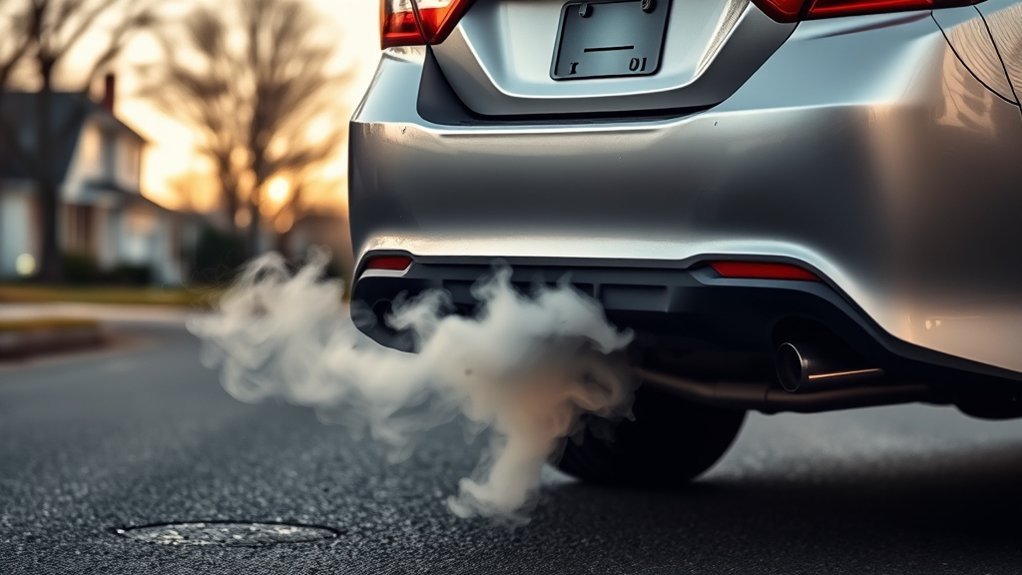
White exhaust from your Toyota Camry is not always a sign of engine failure. A thin cloud that disappears within a few minutes on a cold or humid morning is usually condensed water vapor. Thick white exhaust that continues after the engine warms up, especially with coolant loss, a sweet odor, overheating, or a rough-running engine, needs prompt diagnosis.
Last updated: September 19, 2026 — reviewed against Toyota owner guidance, current exhaust-diagnosis references, and Toyota service-bulletin information.
Quick Answer
Brief white vapor during a cold start is usually normal condensation. Persistent, dense white exhaust from a warm Toyota Camry may mean coolant is entering a cylinder through a failed head gasket, damaged cylinder head, or another internal leak. A normal-looking temperature gauge does not make persistent warm-engine smoke harmless. Stop driving if the engine overheats, loses power, misfires badly, or rapidly loses coolant.
Key Takeaways
- Thin white vapor that fades as the exhaust warms is normally condensation.
- Thick white exhaust that remains after warm-up can indicate coolant entering the combustion chamber.
- Oil burning usually creates blue or blue-gray smoke, not true white smoke.
- Coolant loss, overheating, misfires, warning lights, or milky oil increase the urgency.
- A normal temperature reading does not rule out a small or early internal coolant leak.
- A head gasket should not be replaced based on smoke alone. Cooling-system, combustion-gas, compression, or leak-down tests may be needed.
At a Glance
| Fastest Distinction | Vapor that fades as the exhaust warms is usually condensation. Dense white exhaust that remains after full warm-up, especially with coolant loss or rough running, needs diagnosis. |
| Stop Driving When | The engine overheats, rapidly loses coolant, misfires severely, loses substantial power, or produces heavy persistent white exhaust with other warning symptoms. |
| Time Required | About 10 to 15 minutes for basic observations after the engine has cooled; professional testing takes longer. |
| Difficulty | Easy for visual checks; advanced for pressure, combustion-gas, compression, or leak-down testing. |
| Tools Needed | Flashlight, gloves, clean paper towel, and the correct Toyota owner’s manual. An OBD-II scanner is optional. |
| Cost | Visual checks cost nothing. Diagnostic and repair costs depend on the failed component, engine, model year, and labor required. |
Warning: If the temperature warning appears, the gauge moves into the hot range, or steam rises from under the hood, pull over safely and shut the vehicle off. Do not remove a radiator or pressurized coolant cap while the engine is hot. Scalding coolant and steam can escape under pressure.
Understanding White Smoke: What It Means for Your Camry
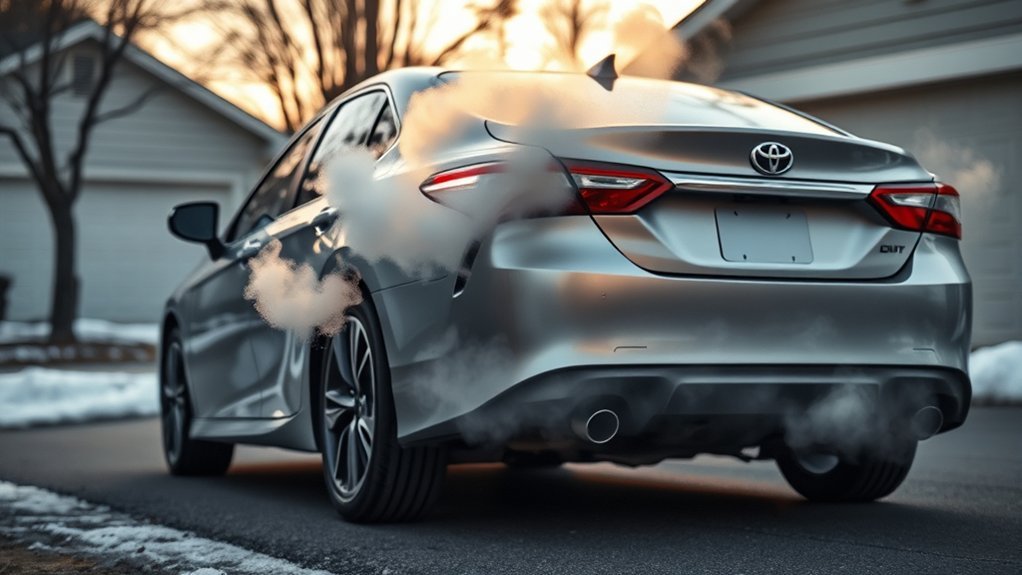
What drivers call white smoke is often water vapor. Gasoline combustion naturally creates water, and moisture can collect inside a cold exhaust system. When the engine starts, that moisture becomes a light white plume. It should thin out as the exhaust reaches operating temperature.
The concern begins when the plume stays dense after the engine is warm. Persistent white exhaust can mean coolant is reaching one or more cylinders and leaving the tailpipe as steam. Possible leak paths include a failed head gasket, a cracked or warped cylinder head, a cracked engine block, or another engine-specific internal sealing failure.
A Camry does not have to be visibly overheating before an internal coolant leak becomes possible. A small leak may first show up as repeated cold-start misfires, falling coolant, a sweet exhaust odor, or white exhaust that remains after warm-up. Treat the combination of symptoms as more important than the dashboard temperature reading alone.
The most useful first clue is not simply the color. Watch how long the plume lasts, whether the engine is warm, and whether coolant level, temperature, or engine performance changes.
White, Blue, and Black Exhaust Compared
| Appearance | Common Meaning | What to Check |
| Thin white vapor that fades quickly | Normal exhaust condensation, especially in cool or humid weather | Confirm that it disappears as the engine and exhaust warm |
| Dense white exhaust that continues when warm | Possible coolant entering a cylinder | Coolant level, overheating, misfires, sweet odor, and professional leak tests |
| Blue or blue-gray smoke | Engine oil burning | Oil level, PCV system, valve seals, piston rings, and turbocharger where fitted |
| Dark gray or black smoke | Excess fuel or insufficient air | Air intake, injectors, fuel control, ignition, and sensor data |
Note: Steam from under the hood is different from white exhaust at the tailpipe. Under-hood steam usually points to an external cooling-system leak, boiling coolant, or overheating and requires immediate attention.
Common Causes of White Smoke in Toyota Camrys
A visible white plume can have several causes. Do not assume the head gasket has failed until the engine has been tested.
Normal Exhaust Condensation
Condensation is the least serious explanation and the most likely when the plume:
- Appears during a cold start
- Looks thin and mist-like
- Disappears after a few minutes
- Leaves small water droplets at the tailpipe
- Does not accompany coolant loss, overheating, warning lights, or rough running
Cold-weather exhaust condensation is common enough to affect vehicle-sensing systems and has been documented in automotive research. It is not, by itself, evidence of an engine defect.
Coolant Entering the Combustion Chamber
Coolant vapor is more likely when the exhaust remains thick after warm-up and the coolant level continues to fall. Possible sources include:
- Failed head gasket: A breach may allow coolant into a cylinder, combustion pressure into the cooling system, oil and coolant to mix, or fluid to leak externally. A gasket does not have to produce every symptom.
- Warped or cracked cylinder head: Severe overheating can distort or damage the head and create an internal leak path.
- Cracked engine block: This is less common but can produce persistent coolant loss and white exhaust.
- Engine-specific internal seal or casting leak: The exact possibilities depend on the Camry’s year, engine, and market.
Camry-Specific Clue: 2002–2006 2AZ-FE Head-Bolt Threads
Toyota Technical Service Bulletin T-SB-0015-11 applies to specified 2002–2006 Camry vehicles equipped with the 2AZ-FE engine and addresses damaged cylinder-head bolt threads in the cylinder block. This bulletin does not mean that white exhaust on one of these Camrys automatically proves damaged threads or a failed head gasket. However, if testing confirms a cylinder-head sealing problem on an applicable 2AZ-FE Camry, the technician should check bulletin applicability and the block threads before treating the repair as a routine gasket replacement. See the T-SB-0015-11 bulletin summary.
Cooling-System Failures That Can Lead to Overheating
A cooling-system fault may cause overheating before a head gasket or cylinder head is damaged. Check for evidence of:
- Low coolant caused by an external leak
- A leaking hose, radiator, reservoir, water pump, or connection
- A thermostat that does not open correctly
- A cooling fan that does not operate when required
- A weak pressure cap or damaged sealing surface
- Restricted coolant flow or trapped air after cooling-system service
These faults do not always create white tailpipe smoke on their own, but continued overheating can lead to internal engine damage.
If coolant is disappearing but the tailpipe symptom is unclear, see Toyota Camry coolant leak causes and fixes. If overheating is the main symptom, see Toyota Camry overheating at highway speeds for a separate cooling-system diagnostic path.
Oil Smoke Mistaken for White Smoke
Oil burning can look pale in poor light, but it normally has a blue or blue-gray tint. Common causes include worn valve-stem seals, worn piston rings or cylinder walls, a PCV-system fault, or another path that allows oil into the intake or combustion chamber.
If the oil level falls while the coolant remains stable, observe the exhaust in daylight. Blue-gray smoke after idling, during acceleration, or after a cold start points toward an oil-consumption problem rather than a coolant leak.
Recognizing Symptoms of White Smoke
Record when the plume appears and what the engine is doing at the time. A short video can help a technician see a symptom that disappears before the vehicle reaches the shop.
Identifying Cold Start Smoke
During the first start of the day, check the following:
- Duration: Condensation should fade as the exhaust warms. A dense plume that continues is more concerning.
- Engine behavior: A rough start, shaking, or flashing check-engine light can indicate a cylinder misfire.
- Odor: A sweet chemical smell can support suspicion of burning coolant, but odor alone does not prove the cause.
- Fluid level: Check the coolant only after the engine is fully cold and parked on level ground.
- Weather: Cool, damp conditions make normal exhaust vapor more visible.
A brief puff at startup can occur with a small internal leak, but it can also be normal condensation. Repeated fluid checks and proper testing are more reliable than plume color alone.
Why Does White Smoke Change With Acceleration or Engine Load?
White exhaust that becomes heavier during acceleration or sustained load deserves more attention than vapor that appears only during a cold start. Higher cylinder pressure, heat, and cooling-system load can make a small internal coolant leak more noticeable, but the change does not prove that a head gasket has failed. Smoke color can also be misread, especially when oil burning creates a pale blue-gray plume. Note whether the symptom occurs only under throttle, whether coolant or oil levels are changing, whether the engine misfires, and whether the smoke remains after the engine is fully warm. Those observations help a technician choose the right pressure, combustion-gas, compression, or leak-down tests.
- White exhaust that becomes heavier under load may point toward a more active internal coolant leak.
- A startup misfire that clears may occur when a small amount of coolant enters a cylinder while the vehicle is parked.
- Blue-gray smoke after a long idle may suggest valve-seal leakage.
- Blue-gray smoke during acceleration may suggest oil passing the piston rings or another oil-control problem.
- Steam from the engine compartment suggests an external cooling-system leak rather than a tailpipe problem.
Pro Tip: Check the coolant reservoir at the same cold engine temperature, on the same level parking surface, for several days. A single reading taken while the engine is warm can be misleading because coolant expands and moves between the engine and reservoir.
Why You Should Regularly Check Coolant and Oil Levels
Coolant and oil levels help you identify the type and severity of the problem, but neither reading can confirm a head-gasket failure by itself.
What the Coolant Level Can Tell You
A falling cold coolant level means fluid is leaving the system. Look for wet areas, dried pink or white residue, a coolant smell, damp carpet from a heater-core leak, or a puddle beneath the vehicle. If no external leak is visible, an internal leak becomes more likely and the system should be pressure-tested.
Hybrid Camry note: Some hybrid Camrys have separate engine and inverter coolant circuits with separate reservoirs. Identify the correct reservoir from the owner’s manual before checking or adding fluid. White exhaust from the tailpipe concerns the gasoline engine’s combustion and exhaust path; an inverter-cooling problem is a separate diagnostic issue.
What the Oil Can Tell You
Check the oil according to the procedure for your exact Camry. Depending on the owner’s manual, this may require a warm engine, level ground, shutting the engine off, waiting a specified time, wiping the dipstick, reinserting it, and checking again.
Look for:
- An oil level that consistently falls between correctly performed checks
- A level that unexpectedly rises, which can indicate fluid contamination
- Milky, tan, or frothy oil
- Blue-gray exhaust
- A strong fuel or coolant odor in the oil
Moisture beneath the oil cap after repeated short trips does not automatically prove a head-gasket problem. The full dipstick condition, coolant behavior, driving pattern, and test results matter.
Use Toyota’s manual and warranty portal to select the correct year and model before adding coolant or oil. Do not assume that one Camry generation uses the same fluid or checking procedure as another.
Effective Solutions for White Smoke in Your Camry
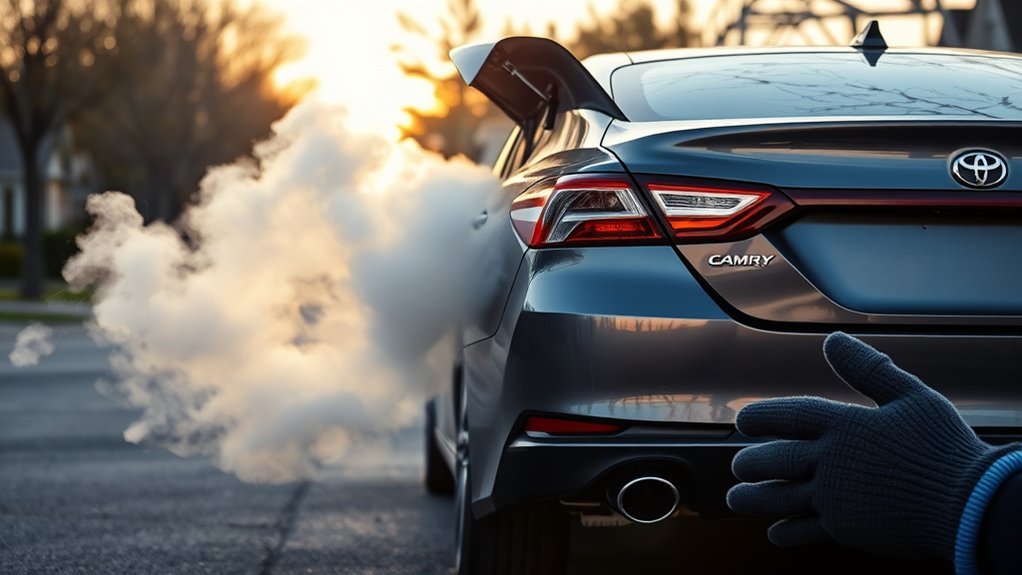
The correct solution depends on whether you are seeing condensation, an external leak, an internal coolant leak, or oil smoke that only appears white.
[Amazon Products Picked for You]
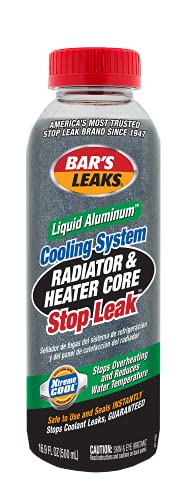
Bar's Leaks Liquid Aluminum Stop Leak seals radiator leaks. Seals freeze plug leaks. Repairs gasket leaks and heater core leaks. Lowers water temperature.
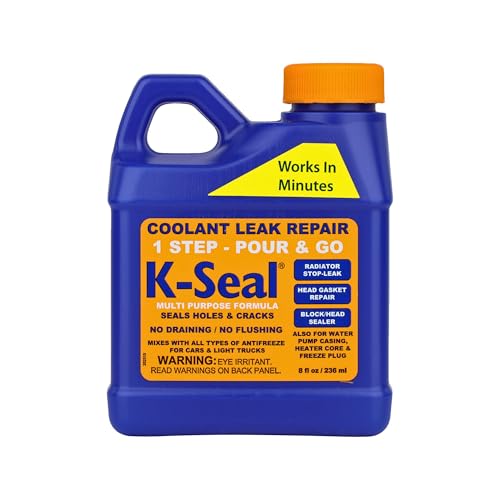
FIX IT FAST: Our multi-purpose solution works in minutes to quickly seal leaks in the radiator, head gasket, freeze plugs, block, heater matrix & water pump. Fixes most leaks in water-cooled engines

VEHICLE FIT: Compatible with Toyota Camry 1992-2001 and Lexus GS300/LS400 1993-2004; NOT compatible with hybrid trims or 2005+ models
Safe Owner Checks
- Decide where the vapor is coming from. Confirm whether it exits the tailpipe or rises from the engine compartment.
- Watch the plume after warm-up. Normal condensation should decrease as the exhaust heats.
- Check the instrument panel. Look for an overheating warning, check-engine light, hybrid-system warning, or other message.
- Let the engine cool fully. Do not open a hot pressurized cooling system.
- Check the cold coolant level. Compare it with the marks specified for your model.
- Inspect for external leaks. Use a flashlight to examine the reservoir, visible hoses, radiator area, water-pump area, and the ground beneath the vehicle.
- Check the engine oil correctly. Note the level, color, odor, and consistency.
- Record the conditions. Note outside temperature, startup duration, smoke color, odor, fluid changes, warning lights, and whether the engine runs roughly.
If the plume disappears, fluids stay stable, and no warning or performance problem appears, condensation is the likely explanation. Continue monitoring it rather than replacing parts.
When a Repair Is Needed
Possible repairs include fixing an external coolant leak, replacing a failed thermostat or cooling fan component, repairing a water-pump or radiator fault, replacing a damaged gasket, machining or replacing a cylinder head, or addressing worn oil-control components. The correct repair must follow diagnosis.
A cooling-system top-up is not a permanent repair when the level keeps dropping. Repeatedly adding coolant can hide the rate of loss while the engine continues to overheat or contaminate the catalytic converter.
How a Mechanic Diagnoses Persistent White Exhaust
A technician may use several tests because no single visual symptom proves the failed part.
[Amazon Products Picked for You]
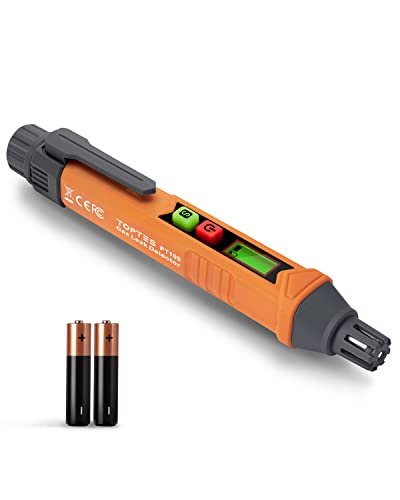
Combustible Gas Leak Detector: The TopTes PT199 detects natural gas, methane, propane, butane, LPG, and more, pinpointing leaks to reduce the risk of explosion, keeping your family and property safe
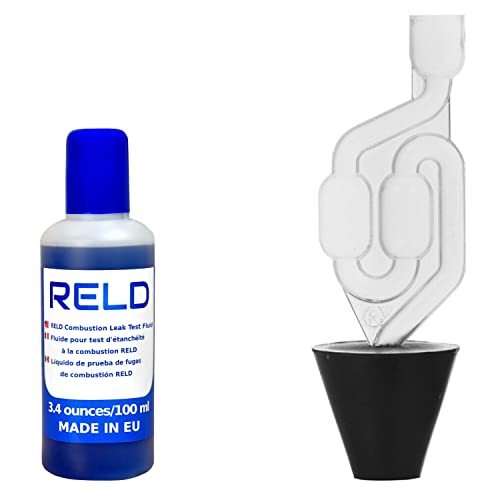
The original head gasket tester kit of the reputable brand “RELD”

Effective Gas Leak Detector: The TOPTES PT520A natural gas detector detects leaks of methane, propane, natural gas, LPG, butane, and more in tight spaces
Scan-Tool and Misfire Check
The technician can scan the engine control module for misfire, coolant-temperature, fuel-control, or sensor-related trouble codes. Live data may show whether the engine temperature behaves normally and which cylinder is misfiring.
Cooling-System Pressure Test
A pressure tester applies controlled pressure to a cold cooling system. A pressure drop may reveal an external leak or coolant entering the engine. Pressure-testing equipment should be used according to the vehicle and tool instructions.
Combustion-Gas Test
A block tester or exhaust-gas analyzer can help detect combustion gases in the cooling system. A positive result supports a leak between a combustion chamber and the cooling system, although the technician should still identify the exact failure before disassembly.
Compression and Leak-Down Tests
Compression and cylinder leak-down tests compare cylinder sealing. During a leak-down test, bubbles appearing in the cooling system can point toward a path between the cylinder and a coolant passage. These tests can also reveal worn rings or leaking valves.
Spark-Plug and Cylinder Inspection
A spark plug from the affected cylinder may look unusually clean if coolant has been entering that cylinder. A borescope can help inspect the piston crown and cylinder, but these observations should be combined with the other test results.
NAPA’s diagnostic guidance lists compression, leak-down, and combustion-gas testing among the methods used to investigate suspected head-gasket failures.
Key Symptoms of White Smoke to Watch For
The following combinations deserve more attention than white vapor by itself:
| Symptoms | Urgency | Recommended Action |
| Thin vapor only during a cold start; no other symptoms | Low | Allow the engine to warm and monitor the plume |
| Persistent white exhaust with stable temperature and no obvious fluid loss | Moderate | Arrange an inspection soon and continue checking cold coolant level |
| White exhaust with coolant loss, rough running, or repeated misfires | High | Limit operation and arrange professional diagnosis or towing |
| Overheating warning, steam under the hood, major power loss, or rapid coolant loss | Immediate | Stop safely, shut the vehicle off, and have it towed |
When to Consult a Mechanic for White Smoke Problems
Schedule an inspection when white exhaust remains after warm-up, returns during every drive, or occurs with a fluid, warning-light, temperature, or performance change. Seek immediate help when the engine overheats or runs so poorly that continued driving may be unsafe.
[Amazon Products Picked for You]

Universal Compatibility: 17 color-coded test caps and 3 test covers fit most Japanese, European, and American cars. Quickly identify the right adapter for efficient cooling system diagnosis

Over 100 Tests Per Kit: Keep your engine’s health and performance in peak shape with this Combustion Leak + Head Gasket Test Kit, including an 8oz bottle of leak test fluid. With enough fluid to test over 100 times, you can regularly check for leaks to prevent severe engine damage and maintain optimal performance

[ Multi-function]: Our radiator pressure tester kit can test the leakage in the radiator system, replace the coolant and remove air bubbles. You can use the tester to quickly and easily solve any problems related to radiator pressure, making your work easier and faster.
Persistent White Smoke Issues
Persistent dense white exhaust should be tested even when the temperature gauge appears normal. A small internal leak may occur before overheating becomes obvious. Do not rely on the dashboard gauge alone if the coolant level is falling or the engine repeatedly misfires during startup.
Overheating Engine Symptoms
Stop driving if you notice:
- A high-temperature warning or gauge reading
- Steam from under the hood
- Coolant boiling or overflowing
- Sudden loss of cabin heat together with rising engine temperature
- Strong coolant odor and rapid fluid loss
- Loss of power, knocking, or severe roughness
After stopping in a safe place, shut the vehicle off and allow it to cool. Do not stand over a steaming engine or remove a pressurized cap. Towing is safer than risking cylinder-head, gasket, catalytic-converter, or engine damage.
Unusual Oil Consumption
Do not use a universal distance or dipstick fraction to judge oil consumption. Camry engines, dipstick scales, oil capacities, and Toyota specifications differ.
Instead:
- Check the oil using the same correct procedure each time.
- Record the odometer and amount of oil added.
- Inspect for external leaks.
- Determine whether the exhaust is white or blue-gray in daylight.
- Have the PCV system, valve seals, piston rings, cylinders, and other likely oil paths checked if the level continues to fall.
Oil consumption may exist separately from a coolant leak. A vehicle can also have more than one fault, so stable coolant does not automatically make persistent smoke harmless.
Maintaining Your Camry: Preventing Future Issues
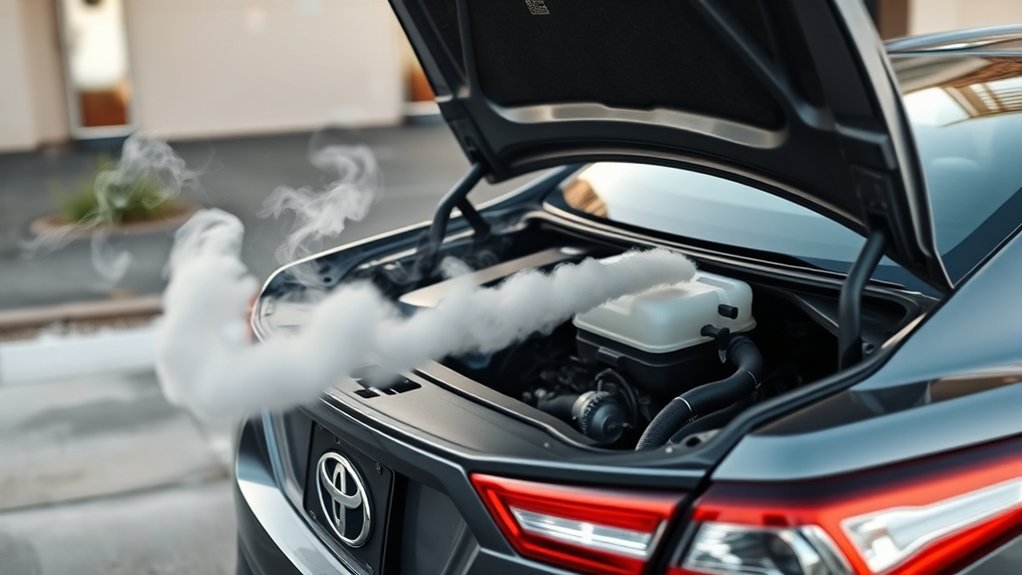
Preventive maintenance cannot stop every gasket or casting failure, but it can reduce the chance that a small cooling-system problem becomes major engine damage.
- Check the cold coolant level at regular intervals and investigate repeated loss.
- Use the coolant specified for the exact model year and engine.
- Check the engine oil correctly and use the specified grade and quantity.
- Inspect visible hoses, connections, the reservoir, and the ground beneath the vehicle for leaks.
- Address overheating, warning lights, misfires, and coolant odors immediately.
- Keep the radiator and condenser area free of heavy debris without damaging the fins.
- Follow the maintenance schedule in the Toyota manual for your vehicle.
- Keep records of fluid additions, warning lights, temperatures, and repairs.
The PCV system should also be inspected when the engine consumes oil or produces blue-gray smoke. A PCV fault relates more directly to crankcase pressure and oil control than to a true white coolant plume.
Frequently Asked Questions
What is the most common cause of white exhaust from a Toyota Camry?
A thin plume during a cold start is commonly normal condensation. Persistent thick white exhaust after the engine warms is not normal and may indicate coolant entering a cylinder. The exact failed part cannot be confirmed from smoke alone.
Why does my Camry have white exhaust but no visible coolant loss?
The plume may be condensation, the leak may be too small or intermittent to notice, or the smoke color may have been misidentified. Check the coolant only when fully cold and under the same conditions. Arrange testing if the plume remains after warm-up or other symptoms appear.
Can a Camry have white smoke without overheating?
Yes. A small or early internal coolant leak may produce persistent white exhaust, a startup misfire, coolant loss, or a sweet odor before the temperature gauge shows an obvious problem. Persistent smoke after warm-up still deserves diagnosis even when the displayed temperature appears normal.
Why does my Camry produce more white smoke when accelerating?
Higher engine load can make an internal coolant leak more noticeable because cylinder pressure, heat, and cooling-system load increase. However, smoke behavior alone cannot prove a head-gasket failure. Check coolant and oil levels and have the vehicle tested if the smoke continues after warm-up.
Can I drive my Camry while it is producing white smoke?
Do not continue driving if the engine overheats, rapidly loses coolant, misfires badly, loses power, or produces heavy white exhaust after warm-up. Have the vehicle towed. Brief condensation without any other symptom normally does not require towing.
Does white smoke always mean the head gasket has failed?
No. Condensation is common, and internal coolant leakage can come from more than one component. A technician may need a pressure test, combustion-gas test, compression test, leak-down test, scan data, and cylinder inspection before confirming the cause.
Can burning oil look like white smoke?
Oil smoke can look pale in poor lighting, but it normally has a blue or blue-gray tint and an oily odor. Check it outdoors in daylight. Falling oil with stable coolant points more toward an oil-control problem than an internal coolant leak.
Can a Camry have a head-gasket leak without milky oil?
Yes. A gasket can leak coolant into a cylinder or combustion gases into the cooling system without mixing coolant into the engine oil. Clean-looking oil does not rule out an internal coolant leak.
Conclusion
A light white cloud that disappears as your Toyota Camry warms up is usually condensation. Persistent thick white exhaust is different, especially when it appears with falling coolant, overheating, rough running, a sweet odor, or warning lights. A normal temperature reading does not rule out an early internal leak if the smoke remains after warm-up.
Check the source of the vapor, let the engine cool, inspect the coolant and oil correctly, and look for external leaks. Do not keep driving an overheating vehicle or assume that smoke alone proves a blown head gasket. A cooling-system pressure test, combustion-gas test, compression test, or leak-down test can identify the problem before major parts are replaced.
Sources
- Toyota Manuals and Warranties — model-year-specific owner information, fluid guidance, warnings, and maintenance instructions.
- NAPA: Exhaust Smoke Color Diagnosis — distinction between condensation, coolant-related white exhaust, oil-related blue-gray smoke, and rich-fuel black smoke.
- NAPA: Eight Signs of a Blown Head Gasket — head-gasket leak paths, symptoms, compression tests, leak-down tests, and combustion-gas testing.
- NAPA: What to Do If Your Car Is Overheating — safe response to an overheating engine and the risks of continued operation.
- Detection of Condensed Vehicle Gas Exhaust in LiDAR Point Clouds — research documenting visible cold-weather exhaust condensation.
- Toyota T-SB-0015-11 summary: Cylinder Head Bolt Threads Damaged (2AZ-FE) — bulletin applicability and repair context for specified 2002–2006 Camry vehicles equipped with the 2AZ-FE engine.
