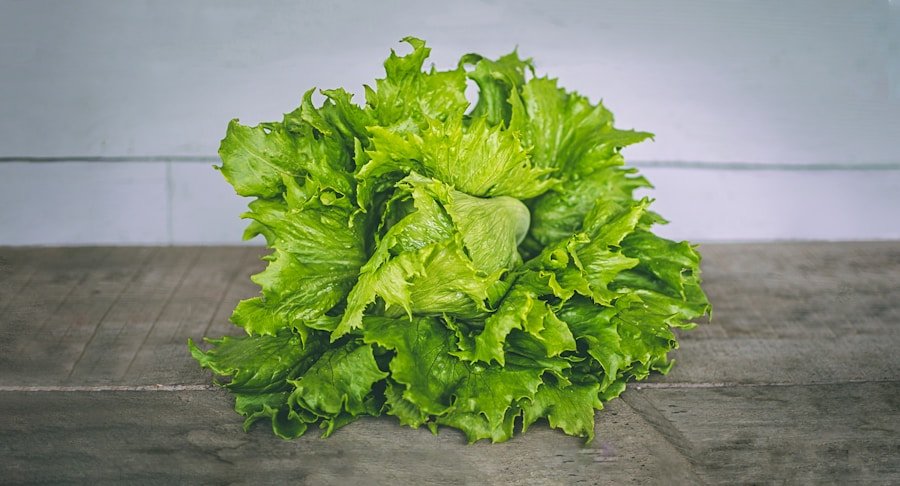
Fresh lettuce stays crisp longer when you control three things: moisture, airflow, and temperature. After lettuce is cut or washed, extra water can collect between the leaves and speed up wilting, browning, and spoilage. The goal is not to keep lettuce completely dry. Instead, you want the leaves dry on the surface, lightly cushioned, and stored in a cold container that prevents both sogginess and dehydration.
Proper storage also helps you reduce food waste and get better texture from every salad, sandwich, wrap, or garnish. Lettuce is delicate because its leaves lose water quickly, yet too much trapped moisture can encourage slime and mold. With the right washing, drying, and storage routine, you can keep romaine, leaf lettuce, butter lettuce, and iceberg fresher for several days.
Quick Answer
To keep lettuce crisp after washing, separate the leaves, rinse them gently, dry them very well with a salad spinner or clean towel, then store them in a sealed container or bag with a dry paper towel. Keep the lettuce in the refrigerator crisper drawer and replace the towel when it feels damp.
Key Takeaways
- Dry lettuce thoroughly after washing because trapped water can make leaves limp, slimy, or moldy.
- Use a salad spinner first, then blot with a clean towel if the leaves still feel wet.
- Store washed lettuce with a dry paper towel to absorb extra moisture inside the container.
- Keep lettuce cold in the refrigerator, ideally in a crisper drawer away from ethylene-producing fruits.
- Revive slightly wilted lettuce with an ice-water soak, then dry it again before storing or serving.
At a Glance
| Time Required | 5 to 15 minutes, depending on how much lettuce you wash |
| Difficulty | Easy |
| Tools Needed | Large bowl, cold water, salad spinner or clean towel, paper towels, storage container or bag |
| Cost | Low. You can use items already in most kitchens. |
Fresh produce begins to lose quality after harvest. Temperature changes, bruising, moisture, and exposure to air can all speed up decay. Leafy greens like spinach and lettuce are especially sensitive because they have thin leaves and a high water content. If they are stored loosely in the refrigerator without protection, they can wilt within days. If they are stored wet in a sealed bag, they can turn slimy even faster.
Good storage habits help preserve flavor, texture, and nutrition. Many nutrients are sensitive to heat, oxygen, and light, so cold storage helps slow quality loss. You do not need complicated equipment. A clean container, absorbent towel, and steady refrigerator temperature can make a noticeable difference.
Pre-Washing Preparation
Before storing fresh lettuce, decide whether you really need to wash it right away. If you will not use the lettuce for several days, it often keeps better unwashed. Extra water can create a damp environment that speeds up spoilage. If you prefer to wash lettuce ahead of time for meal prep, drying becomes the most important step.
Start by removing any damaged, slimy, brown, or wilted leaves. Do not store them with the good leaves because one spoiled piece can affect the rest of the container. Trim the stem end only if needed, then separate the leaves so dirt can rinse away more easily.
Use cold running water or a bowl of cold water to rinse the lettuce. Swish the leaves gently instead of crushing them. For sandy lettuce, lift the leaves out of the bowl after rinsing instead of pouring the water over them again. This keeps grit at the bottom of the bowl.
Warning: Do not wash lettuce with soap, bleach, or household cleaners. Rinse fresh produce with clean water and remove damaged leaves before storage.
You should also check nearby produce before storing lettuce. Bruised or damaged fruits can release more ethylene gas as they ripen. Ethylene can speed up aging in sensitive greens, so keeping lettuce separate from ripe bananas, apples, avocados, and tomatoes helps protect its texture.
Drying Techniques

Drying is the step that most affects whether washed lettuce stays crisp. After rinsing, shake off extra water and place the leaves in a salad spinner. Spin once, pour out the water, loosen the leaves, and spin again if needed. This removes water trapped between folds and ribs.
If you do not have a salad spinner, spread the leaves on a clean kitchen towel or paper towel. Pat them gently until the surface feels dry. You can also roll the leaves loosely in the towel for a few minutes. Avoid pressing hard because bruised leaves break down faster.
Some produce, such as cucumbers and zucchini, also needs airflow because it naturally holds a lot of water. Lettuce needs a similar balance. It should not sit in standing water, but it also should not dry out completely. That is why a paper towel inside the storage container works so well. It absorbs extra moisture while leaving enough humidity to protect the leaves.
Pro Tip: If you meal prep lettuce for the week, line the bottom of the container with one dry paper towel and place another towel on top before closing the lid.
[Amazon Products Picked for You]

Versatile Kitchen Gadget: This 3-in-1 salad greens and vegetable cleaning spinner is a triple threat—washing, drying, and chopping all in one device. Equipped with 5 different blades, it effortlessly slices, shreds, and dices, meeting the preparation needs for a variety of dishes in your kitchen

One-Touch OXO Salad Spinner: Did you know that OXO invented the one-touch salad spinner? Its one-handed pump gives you maximum drying of lettuce with minimum effort

Maximum Lettuce-Drying, Minimum Effort: Use the OXO Salad Spinner's one-handed pump to thoroughly dry greens, beans, even use it as a fruit washer. The salad spinners best rated always include a superior rinse, spin, and dry like ours
Best Way to Store Washed Lettuce Step by Step
Once the lettuce is clean and dry, use this simple method to keep it crisp:
- Sort the leaves. Remove any bruised, brown, or slimy pieces before storage.
- Rinse with cold water. Use a gentle rinse or swish the leaves in a bowl of cold water.
- Dry thoroughly. Use a salad spinner, clean towel, or paper towels until the leaves are no longer wet on the surface.
- Line the container. Place a dry paper towel in the bottom of a clean storage container or resealable bag.
- Add the lettuce loosely. Do not pack the leaves tightly because crushed lettuce wilts faster.
- Add another towel. Put a dry paper towel on top to catch condensation.
- Seal and refrigerate. Store the container in the crisper drawer or a cold area of the refrigerator.
- Check every few days. Replace damp towels and remove any leaves that are starting to spoil.
This method works for romaine, green leaf, red leaf, butter lettuce, and many salad mixes. For chopped lettuce, use it sooner because cut edges brown faster than whole leaves.
[Amazon Products Picked for You]

PRODUCE STORAGE CONTAINER + COLANDER: This produce saver features an adjustable air vent & water reservoir to create the ideal environment for fresh fruits & vegetables, keeping them fresh longer.
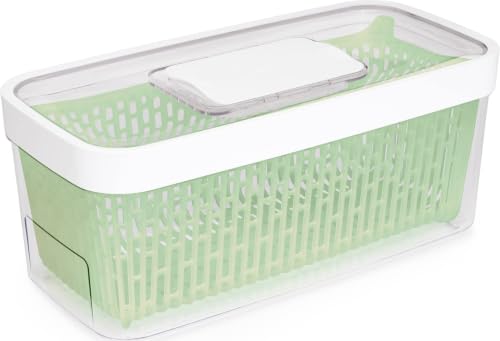
GreenSaver Produce Keeper prevents fruits and vegetables from spoiling too quickly

【1-Piece Capacity Large 106 oz (3.15L)】 Includes Large sized container with removable colander (3.15L) to fit all food storage needs. Perfect for whole lettuce heads, strawberries, blueberries, chopped veggies, salad leaves, meats, and pre-cut snacks.
Choosing the Right Storage Container
| Storage Container Type | Material | Capacity (liters) | Dimensions (inches) | Price |
|---|---|---|---|---|
| Plastic Bin | Plastic | 50 | 24 x 18 x 15 | 20.00 |
| Cardboard Box | Cardboard | 30 | 20 x 14 x 12 | 5.00 |
| Wooden Crate | Wood | 40 | 22 x 16 x 14 | 30.00 |
Selecting the right storage container is vital for maintaining freshness. Different types of produce need different storage conditions. Lettuce usually does best in a container that limits air exposure while still controlling moisture. A lidded plastic or glass container lined with paper towels is one of the easiest choices.
Breathable produce bags can also work well, especially if the leaves are dry and not packed too tightly. If you use a resealable plastic bag, press out some extra air without crushing the lettuce. Then add a paper towel before sealing it.
Airtight containers help protect lettuce from refrigerator odors and slow moisture loss. Clear containers also make it easier to see what you have, so lettuce is less likely to sit forgotten in the fridge. For best results, do not overfill the container. Leaves need a little space so they do not bruise.
[Amazon Products Picked for You]

Better for different produce : You will get 4 sized fridge organizers and 4 matched colanders that could be used in the container or separate. Size from 0.32 L to 2.7 L [ 0.34 - 2.85 qt ]. Suited for berries, fruits, vegetables, meats

5 Different Sizes & Space Saving: This set of 5 fresh produce containers includes sizes: 300ml, 800ml, 1700ml, 3200ml, 4300ml (equivalent to 10.1 oz, 27 oz, 57.5 oz, 108 oz, and 145 oz). These versatile fruit and vegetable storage containers are perfect for storing fruits, vegetables, berries, and meats. The large food storage containers with lids are designed to maximize space in your fridge, freezer, or cabinet, keeping your kitchen neat and organized.

8 PCS Food Containers : Fruit containers for fridge includes include 8 pack of large size 91.31 OZ (2.7L)*2 + medium size 54.45 OZ(1.61L)*2 +small size 27.73 OZ(0.82L)*2 + mini size 10.82 OZ(0.32L)*2. Various capacities perfect for storaging most fruit, berry, vegetable, lettuce, produce and other food.
Temperature and Humidity Control
Temperature and humidity control are critical for prolonging the freshness of lettuce and other produce. Leafy greens prefer cold refrigerator storage. A crisper drawer is often the best place because it helps moderate humidity and protects delicate leaves from the coldest airflow near the back of the refrigerator.
Most refrigerators should stay at 40°F or below for food safety. Lettuce often keeps best when it is cold but not frozen. If leaves touch an icy back wall or sit under a very cold vent, they may develop water-soaked spots and lose texture. Store the container where the temperature stays steady.
Humidity also matters. High humidity helps leafy greens avoid wilting, but too much trapped water can cause slime. Paper towels help solve this problem by absorbing condensation. If the towel becomes wet, replace it with a dry one. This small step can extend the life of washed lettuce.
Note: If your refrigerator has adjustable crisper drawers, use a higher-humidity setting for lettuce and other leafy greens. Use a lower-humidity setting for many fruits.
Preventing Ethylene Gas Exposure

Ethylene gas is a natural plant hormone produced by many fruits as they ripen. It helps some produce ripen, but it can also make sensitive vegetables age faster. Lettuce is ethylene-sensitive, so it should not be stored right beside strong ethylene producers.
Bananas, avocados, apples, pears, and tomatoes can release ethylene as they ripen. Storing these foods next to lettuce may speed up yellowing, browning, and wilting. Keep lettuce in its own crisper drawer when possible. If you only have one drawer, use a sealed container to create separation.
Paper bags can help ripen fruits at room temperature, but they are not the best choice for storing washed lettuce. Washed lettuce needs cold storage and careful moisture control. Use paper towels inside the lettuce container instead of a paper bag.
How to Store Different Types of Lettuce
Different lettuce types need slightly different handling. The same basic rules apply, but a few small adjustments can improve results.
- Romaine lettuce: Separate the leaves, rinse near the base where grit collects, dry well, and store loosely with paper towels.
- Iceberg lettuce: Keep the head whole if possible. If you wash and chop it, dry it well and use it sooner because cut edges brown faster.
- Butter lettuce: Handle gently because the leaves bruise easily. Store in a roomy container, not a tightly packed bag.
- Green leaf and red leaf lettuce: Remove damaged outer leaves, dry carefully, and store with paper towels above and below the leaves.
- Bagged salad greens: After opening, add a dry paper towel to the bag or move the greens to a lined container.
Reviving Wilted Lettuce
Even with good storage, lettuce can sometimes wilt because of temperature changes, air exposure, or age. You can often revive leaves that are limp but not slimy, moldy, or bad-smelling. The easiest method is an ice-water soak.
Fill a large bowl with cold water and ice. Add the wilted lettuce leaves and let them sit for 10 to 15 minutes. The cold water helps the leaves rehydrate and firm up. After soaking, drain the lettuce and dry it thoroughly before serving or storing.
You can also place slightly wilted lettuce in a bowl with a damp paper towel over the top. Cover it loosely and refrigerate it for a short time. This can help restore some texture, but the ice-water method usually works faster.
Do not try to save lettuce that feels slimy, smells sour, has visible mold, or has dark wet patches. Those signs usually mean the lettuce is no longer worth keeping.
Common Mistakes That Make Lettuce Wilt Faster
A few storage mistakes can undo your work even if you washed the lettuce correctly. Avoid these problems when you want the crispest results:
- Storing lettuce while it is still wet: Extra water collects between leaves and causes sogginess.
- Packing the container too tightly: Crushed leaves bruise and break down faster.
- Skipping the paper towel: Condensation has nowhere to go, especially in sealed containers.
- Leaving damaged leaves in the batch: Spoiled leaves can affect nearby fresh leaves.
- Storing lettuce near ethylene-producing fruits: Ripening fruits can speed up lettuce aging.
- Letting the refrigerator get too warm: Warm storage shortens freshness and can affect food safety.
Other Tips for Prolonging Freshness
In addition to drying and storing lettuce correctly, you can use a few simple habits to keep more produce fresh. Store herbs like cilantro or parsley upright in a glass with a little water, much like flowers. Cover them loosely with a plastic bag and refrigerate them to help maintain humidity while still allowing some airflow.
Some people use a diluted vinegar rinse for certain fruits and vegetables before storage. If you do this, rinse carefully with clean water afterward and dry the produce well. For lettuce, plain cold water is usually enough. The drying and storage method matters more than adding extra rinses.
Check stored produce every couple of days. Remove leaves that are starting to wilt, brown, or soften. Replace damp paper towels and wipe out any moisture at the bottom of the container. This quick check keeps one weak leaf from spoiling the whole batch.
By using these storage habits, you can improve the quality and longevity of fresh produce. You will waste less food, save money, and enjoy better texture from lettuce that is ready when you need it.
If you’re looking to upgrade your kitchen with some smart appliances, you might want to check out this article on the 5 Top Voice-Controlled Microwaves for Effortless Cooking. In the meantime, if you’re trying to keep your lettuce crisp after washing, follow the drying, paper towel, and cold-storage tips above for the best results.
Frequently Asked Questions
What is the best way to keep lettuce crisp after washing?
The best way to keep lettuce crisp after washing is to dry it thoroughly with a salad spinner or clean towel, then store it in a clean container or bag with a dry paper towel. Keep it refrigerated and replace the towel when it becomes damp.
Why is it important to keep lettuce crisp after washing?
Crisp lettuce has better texture, flavor, and appearance. Good storage also helps prevent sogginess, slime, and early spoilage, so you waste less food.
How long can you keep lettuce crisp after washing?
When stored properly, washed lettuce can often stay crisp for several days and sometimes up to a week. The exact time depends on the lettuce type, freshness when purchased, drying quality, and refrigerator temperature.
Are there any other methods to keep lettuce crisp after washing?
Yes. You can wrap lettuce loosely in a clean, dry kitchen towel, use a lettuce storage container, or place it in a plastic bag with a paper towel. The key is to remove surface water while keeping the leaves protected from drying out.
Can you revive wilted lettuce after washing?
Yes. Soak wilted lettuce in ice water for 10 to 15 minutes, then dry it thoroughly before serving or storing. Do not use lettuce that is slimy, moldy, sour-smelling, or badly discolored.
Should lettuce be stored in an airtight container?
Airtight containers can work well if the lettuce is dry and you add a paper towel to absorb condensation. If the lettuce is still wet, an airtight container can trap moisture and make the leaves spoil faster.
Is it better to wash lettuce before storing it or right before eating?
Washing right before eating is usually best for longest storage. However, washing ahead can be convenient if you dry the leaves very well and store them with paper towels in the refrigerator.
Sources
- U.S. Food and Drug Administration — safe washing and handling guidance for fresh produce
- FoodSafety.gov Cold Food Storage Charts — refrigerator storage and food safety guidance
- USDA Food Safety and Inspection Service — refrigeration basics and safe cold storage temperatures

1 thought on “Keeping Lettuce Crisp: Tips for Post-Washing Storage”