
Disclosure: As an Amazon Associate, we earn from qualifying purchases. If you click a link on this page and make a purchase, we may receive a small commission at no extra cost to you.
Replacing tires means balancing wet-road safety, ride comfort, tread life, and cost without buying more performance than you need. The Goodyear Assurance All-Season 215/55R17 94H targets commuters and family-car drivers who want predictable year-round road manners. Its main strengths are a quiet tread design, useful wet and light-snow traction, and a 65,000-mile (105,000 km) tread-life limited warranty. Its main limitation is winter capability, because it is an all-season touring tire rather than a severe-snow-rated winter tire.
Quick Verdict
Rating: 8/10, recommended with caveats
Best For: Daily commuters and family-car owners in mild to moderate climates
Bottom Line: You get a comfort-focused standard touring tire with dependable wet and dry behavior, light-snow capability, and a long mileage warranty. You should skip it if you regularly face deep snow, ice, aggressive driving, or off-road use.

Key Specifications
| Specification | Detail |
|---|---|
| Brand | Goodyear |
| Model | Assurance All-Season |
| Manufacturer part number | 407213374 |
| Product type | Passenger-car standard touring all-season tire |
| Size | 215/55R17 |
| Service description | 94H |
| Load range | SL (standard load) |
| Maximum load | 1,477 pounds per tire |
| Starting tread depth | 9/32 inch |
| UTQG | 600 A B |
| Overall diameter | 26.3 inches |
| Approved rim-width range | 6.0 to 7.5 inches |
| Maximum sidewall pressure | 51 psi, not the vehicle’s recommended operating pressure |
| Tread design | Symmetric, non-directional all-season pattern |
| Warranty | 65,000-mile (105,000 km) tread-life limited warranty; terms and exclusions apply |
| Package note | One tire only; wheel and installation are not included |
What Is the Goodyear Assurance All-Season?
The Goodyear Assurance All-Season is a standard touring radial tire designed for everyday passenger vehicles. In the 215/55R17 94H size, it fits only vehicles approved for that size, load index, and speed rating. You should verify all three details on the driver-side tire placard or in your owner’s manual rather than assuming every 17-inch wheel is compatible.
Goodyear uses multiple biting edges for year-round traction, wide grooves to move water and slush away from the contact patch, an optimized pattern to limit road noise, and stable shoulder blocks to support dry and wet handling. These features suit commuting, school runs, and highway travel better than aggressive cornering, deep-snow driving, or rough off-road use.
Before You Buy: Match the full 215/55R17 94H service description to your vehicle requirements. The 51 psi figure is the tire’s maximum sidewall pressure, not the pressure you should use. Inflate the tire to the cold-pressure value on your vehicle placard or in the owner’s manual.
Who Should Buy It?
Best For
- Drivers whose vehicle placard specifies 215/55R17 with a compatible 94H or higher requirement
- Commuters who value a quiet ride, predictable wet handling, and long tread-life coverage
- Drivers in mild or moderate climates who encounter rain, slush, and occasional light snow
Skip If
- You regularly drive on packed snow or ice and need a 3PMSF-rated tire
- You want sharp sport-tire response, high-performance cornering, or frequent track use
- You need an all-terrain tire for mud, rocks, deep gravel, or unmaintained roads
[Amazon Products Picked for You]

Designed for use on passenger cars
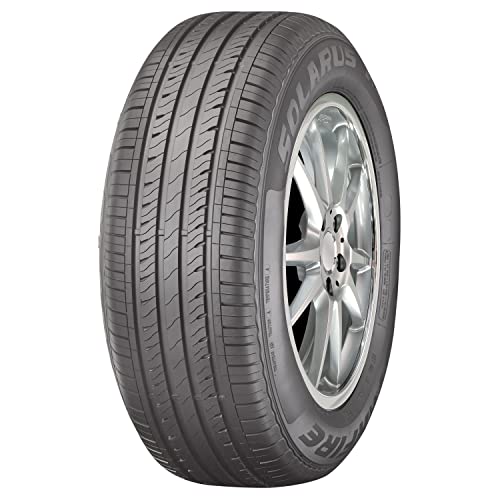
50,000 mile warranty

Reinforced joint less full cover belt improves tire strength and stability
Fit and Compatibility
The size code matters more than wheel diameter alone. A 215/55R17 tire has a 215 mm nominal section width, a sidewall height equal to 55 percent of that width, radial construction, and a 17-inch rim diameter. This Goodyear version carries a 94 load index and H speed rating, so your vehicle must accept those specifications.
The approved rim-width range is 6.0 to 7.5 inches. Even when the size appears correct, confirm clearance, load capacity, speed rating, and original-equipment requirements with a qualified tire installer. The Amazon listing is for one tire, so check the quantity before checkout if you need a pair or full set.
Tread Design and All-Season Traction
Dry-Road Handling
Large, stable shoulder blocks help the tread maintain a consistent footprint during routine steering and braking. You should expect controlled, predictable response on city streets and highways, but not the immediate steering feel of a performance-focused tire.
Wet Roads and Standing Water
Wide circumferential grooves help channel water and slush away from the tread. That design supports wet traction and reduces hydroplaning risk, but no tread can overcome excessive speed, deep standing water, worn tread, or incorrect pressure. Slow down when conditions deteriorate and leave extra stopping distance.
Light Snow and Slush
Multiple biting edges give the tire usable grip in occasional light snow and slush. However, this model does not carry the severe-snow 3PMSF rating. You should choose a dedicated winter tire or a 3PMSF-rated all-weather tire if your winter routes regularly include packed snow, ice, steep grades, or unplowed roads.
Ride Comfort, Noise, and Everyday Handling
The optimized tread pattern is designed to reduce road noise, which makes this tire a practical match for commuting and longer highway trips. Surface type, vehicle insulation, wheel condition, inflation pressure, and tread wear still affect how much noise reaches the cabin.
The 94H service description and SL construction place the tire firmly in the passenger-car touring category. You get stability and comfort rather than a stiff, aggressive feel. That tradeoff works well for family sedans and compatible crossovers, but enthusiastic drivers may prefer a sport-oriented alternative.
Installation and Safety
New tires should be mounted and balanced by a qualified technician. Ask the shop to inspect the wheels, valve stems, alignment, and suspension before installation. A tire can develop vibration or uneven wear when the wheel is bent, the assembly is unbalanced, or the alignment is outside specification.
Use the cold inflation pressure listed by the vehicle manufacturer, not the 51 psi maximum molded on the tire. Check pressure at least monthly and before long trips. Inspect the tread for uneven wear, cuts, cracks, punctures, or bulges, and replace a damaged tire rather than relying on the tread warranty as a safety guarantee.
Pro Tip: Photograph the odometer, tire placard, and installation invoice when the tires are fitted. Keep rotation and alignment records together, because warranty claims often require proof of proper maintenance.
What Drivers Say
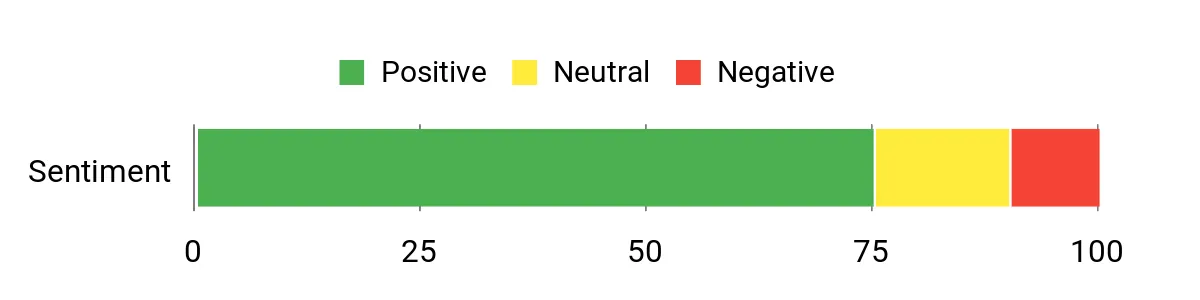
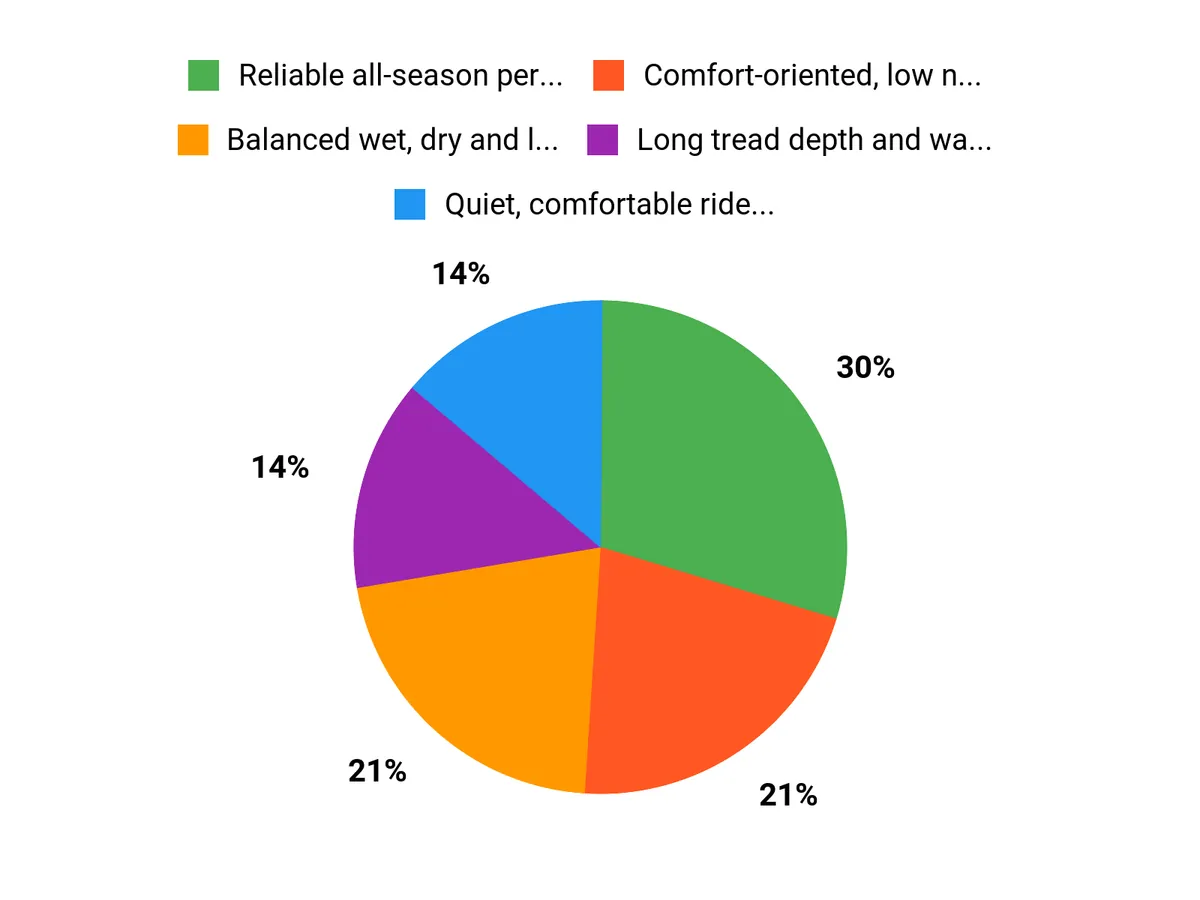
Buyer feedback commonly highlights a comfortable ride, controlled road noise, and steady performance on wet and dry pavement. Drivers who use the tire for commuting tend to value its balanced character more than outright sport performance.
Some buyers mention installation-related problems or uneven behavior after mounting. Those reports reinforce the need for correct balancing, pressure, and alignment, because the tire cannot compensate for a wheel or suspension problem.
Overall Sentiment: Positive
Pros and Cons
Pros
- Wide grooves and multiple biting edges support wet, dry, and light-snow traction
- Optimized tread pattern focuses on lower road noise and commuting comfort
- 9/32-inch starting tread depth and 600 A B UTQG suit long-term touring use
- 65,000-mile tread-life limited warranty adds useful long-ownership protection
- Non-directional design allows flexible rotation patterns when the vehicle setup permits
Cons
- Not 3PMSF-rated, so it is not the best choice for severe winter conditions
- Comfort-focused steering will feel less responsive than a performance tire
- Listing is for one tire, and professional mounting, balancing, and alignment cost extra
How It Performs in Real Use
Daily Commuting
For stop-and-go traffic, the tire’s touring design favors smooth response and low noise. The wet-traction grooves also help when your commute includes frequent rain, although safe speed and proper tread depth remain essential.
Highway Travel
The stable shoulder blocks and H speed rating support predictable highway behavior when the tire is correctly loaded and inflated. You should still inspect pressure before a long trip, especially when carrying passengers or luggage.
Rain, Slush, and Occasional Light Snow
The tread gives you more versatility than a summer tire in changing seasonal weather. It works best where snow is light and roads are cleared quickly. For repeated ice or heavy snowfall, its lack of a 3PMSF rating becomes a clear limitation.
Maintained Gravel and Coarse Pavement
The tire can handle occasional maintained gravel or rough pavement at sensible speeds, but it remains a passenger touring tire. Sharp rocks, deep loose gravel, mud, and off-road trails call for a more durable all-terrain design.
Maintenance Tips for Longer Tire Life
- Check cold tire pressure monthly and use the vehicle placard specification.
- Rotate the tires according to your owner’s manual, often every 5,000 to 8,000 miles when the vehicle permits rotation.
- Have alignment checked if the vehicle pulls, the steering wheel sits off-center, or tread wear becomes uneven.
- Rebalance the assembly if you feel vibration through the steering wheel or seat.
- Measure tread depth regularly and replace the tire at 2/32 inch or sooner when weather conditions require more grip.
- Keep purchase, installation, rotation, and alignment records for warranty support.
Is It Worth the Price?
The Assurance All-Season sits as a value-oriented standard touring option within Goodyear’s lineup. You get a recognized brand, a 65,000-mile tread-life limited warranty, comfort-focused road manners, and useful all-season traction without paying specifically for severe-snow or sport-performance capability.
It offers strong value for the price when your priorities are commuting comfort, wet-road confidence, and predictable wear. It is not the best fit if you need maximum winter traction, sharper steering, or off-road durability, because those needs require a different tire category.
[Amazon Products Picked for You]

All Season traction: Biting tread block edges designed to provide all-season traction in wet, dry and snowy conditions

GOODYEAR EAGLE TOURING - 285/45R22 114H XL VSB
50,000 mile warranty
How It Compares to Alternatives
The Goodyear Assurance MaxLife 2 is worth comparing if tread-life coverage is your top concern, while the Assurance ComfortDrive focuses more heavily on ride comfort. For drivers who need stronger winter capability, the Assurance WeatherReady 2 carries the severe-snow 3PMSF symbol. The Assurance All-Season makes the most sense when you want a simpler, value-focused commuter tire and do not need those upgrades.
[Amazon Products Picked for You]

Features an all-season tread design
50,000 mile warranty

Size: 185 75 R14, Tire Only - Wheel/Rim Not Included. Features 185/75R14 radial passenger car tire.
Why Drivers Choose
You choose this tire for a balanced mix of wet traction, low road noise, predictable handling, and long mileage coverage. It avoids the cost and firmer feel of a performance tire, but you accept limited severe-winter capability in return.
Related Guides
Frequently Asked Questions
Will the Goodyear Assurance All-Season 215/55R17 fit my car?
It fits only vehicles approved for the 215/55R17 size and a compatible 94H service description. Check the driver-side tire placard, owner’s manual, or a professional fitment database before ordering.
Does the Amazon listing include one tire or a full set?
The listing identifies a unit count of one tire. A wheel, mounting, balancing, valve service, and alignment are not included, so confirm the seller’s quantity before checkout.
Is this tire good for snow and ice?
It offers usable traction in light snow and slush, but it is not severe-snow 3PMSF-rated. Choose a dedicated winter tire or 3PMSF-rated all-weather model for frequent packed snow, ice, or unplowed roads.
Should I inflate it to the 51 psi maximum?
No. The 51 psi number is the tire’s maximum sidewall pressure. Use the vehicle manufacturer’s recommended cold pressure shown on the tire placard or in the owner’s manual.
How often should I rotate these tires?
Follow your vehicle owner’s manual and Goodyear’s warranty requirements. Many vehicles use a 5,000-to-8,000-mile interval, but staggered sizes, directional setups, or vehicle-specific guidance can change the pattern or interval.
Can I replace only one tire?
That depends on remaining tread depth, axle requirements, drivetrain, and the vehicle manufacturer’s instructions. Ask a qualified installer, especially for all-wheel-drive vehicles, because mismatched tread depth can affect handling and drivetrain operation.
What does the 65,000-mile warranty cover?
It is a tread-life limited warranty, not a promise that every driver will reach exactly 65,000 miles. Coverage depends on Goodyear’s terms, exclusions, maintenance, wear uniformity, and documentation, so keep your invoices and rotation records.
Who should choose a different tire?
Choose another model if you need severe-winter certification, sporty steering response, off-road protection, or a different load and speed rating. A tire professional can help you compare options that match your vehicle and climate.
The Bottom Line
The Goodyear Assurance All-Season 215/55R17 94H is a sensible choice for compatible passenger vehicles when you prioritize quiet commuting, wet-road confidence, and long tread-life coverage. You should skip it for severe winter driving, aggressive performance use, or rough off-road conditions, because its strongest qualities are comfort and balanced everyday traction.
Ready to Buy?
Check the latest price, seller quantity, and product details before you decide.
