You want a digital piano that supports proper technique without overwhelming your room or your routine. This guide compares three beginner-friendly 88-key models with weighted or hammer-action keys, built-in speakers, headphone support, and useful connectivity for lessons, recording, or home practice.
Quick Verdict: The Yamaha P143 is the best all-around choice when you want a compact, straightforward piano with a convincing graded key feel. Choose the Alesis Recital Pro for stronger lesson, recording, and sound-shaping features. Pick the Donner DEP-20 when you want a stand-and-pedal home package instead of buying those parts separately.
Fast decision: Yamaha for simplicity and portability, Alesis for learning features, and Donner for a complete home setup.
Top Picks
|
Category |
Product |
Why It Stands Out |
|---|---|---|
|
🏆 Best Overall |
Compact 88-key design, graded hammer action, simple controls, USB audio/MIDI, and included footswitch. |
|
|
🎯 Best for Learning |
Hammer-action keys, 12 voices, 128-note polyphony, Lesson Mode, Record Mode, and flexible outputs. |
|
|
🏠 Best Home Package |
Full weighted keyboard plus a furniture stand, three-pedal unit, broad voice selection, and home-friendly connections. |
Selection Criteria
We compared the features that matter most for a beginner digital piano: key action, full-range playability, piano sound, polyphony, headphone practice, USB or MIDI connectivity, included accessories, portability, and the amount of space each setup requires. We also considered whether each model solves a clear buyer need without relying on unsupported scores, vague awards, or changing price claims.
Before You Buy:
- Choose hammer or graded action when technique development is your priority.
- Check whether a stand, bench, sustain pedal, or three-pedal unit is included.
- Confirm the headphone-jack size and the cable needed for your phone, tablet, or computer.
- Measure the full width and depth, including the stand, before ordering.
- Review the current Amazon listing because bundles and included accessories can change.
The P143 solves a common problem: you get a full 88-key piano feel without committing to a large furniture-style cabinet. The GHC action is designed to feel heavier in the lower register and lighter in the upper register, while the streamlined controls keep setup simple.
USB to HOST carries MIDI and audio, which helps when you want to use lesson software, record into compatible music software, or control settings through Yamaha apps. The included footswitch, music rest, and AC adaptor reduce the number of accessories you need on day one.
Why You’ll Like It
- 88 graded hammer-action keys support proper fingering and dynamic control.
- Compact depth and moderate weight make it easier to place or move than a console piano.
- USB audio and MIDI simplify computer or mobile-device integration.
- Duo Mode lets two players use matching pitch ranges for lessons or shared practice.
Consider before buying: The P143 prioritizes piano essentials over a large voice library, onboard recording controls, or a furniture stand. Its 64-note polyphony is suitable for normal beginner practice, but players using dense layers or extensive sustain may prefer more headroom.
Buyer Feedback Snapshot
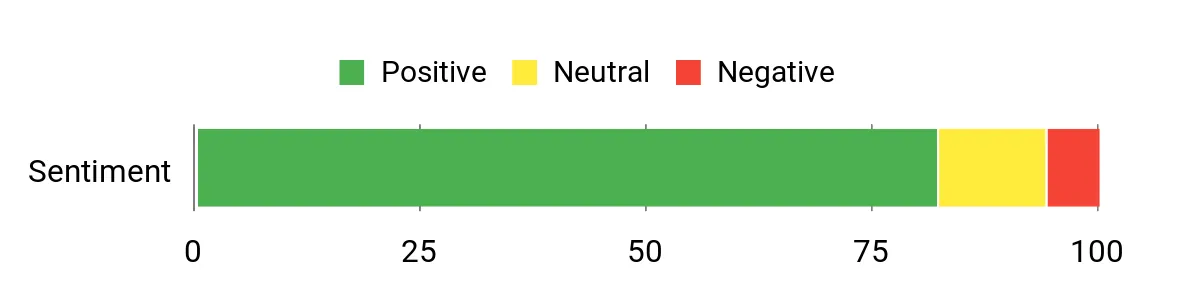
The original roundup summarizes buyer feedback as positive, especially around portability, key feel, and straightforward setup. Treat the chart below as a visual summary only because the source does not document its sample size or analysis method.
Ease of Use
|
Feature |
Ease Level |
|---|---|
|
Initial setup |
Easy |
|
Basic controls |
Easy |
|
App and USB setup |
Moderate |
|
Moving between rooms |
Easy for two careful hands |
Versatility
This model suits beginner lessons, quiet headphone practice, daily technique work, app-based learning, and basic home recording. It can also handle informal performances when the built-in speakers are sufficient or when your setup supports an external audio connection.
Key Benefits
- 88-key Graded Hammer Compact action
- 64-note maximum polyphony
- USB to HOST for MIDI and audio
- Smart Pianist and Rec’n’Share support
- Included footswitch, music rest, and AC adaptor
Check Product Details on Amazon
The Recital Pro works well when you want more learning and sound-control features than a minimal portable piano provides. Lesson Mode divides the keyboard into two matching pitch zones so a teacher and student can play side by side. Record Mode lets you capture a performance and listen back without setting up separate recording software.
You also get split and layer functions, adjustable touch response, built-in modulation, chorus, and reverb, plus stereo outputs for connecting to an amplifier, mixer, or recorder. The included power adaptor handles normal home use, while six D-cell batteries can power the instrument when an outlet is unavailable.
Why You’ll Like It
- Hammer-action keys offer firmer resistance than semi-weighted beginner keyboards.
- Lesson and Record modes support teaching and self-review.
- 12 voices and built-in effects provide more sound variety than the Yamaha P143.
- Stereo outputs, headphone output, USB-MIDI, and battery power support varied setups.
Consider before buying: A sustain pedal is not included. The Recital Pro is also heavier and deeper than the Yamaha P143, so it is less convenient when you move your piano often.
Buyer Feedback Snapshot
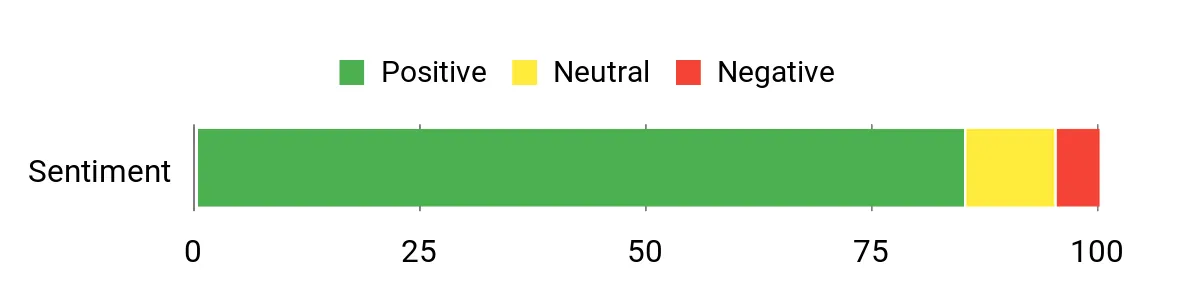
The original roundup presents overall sentiment as positive and highlights the key action, onboard sound, and lesson functions. The chart below has no documented sample size or methodology, so use it as a general visual summary rather than a verified survey result.
Ease of Use
|
Feature |
Ease Level |
|---|---|
|
Initial setup |
Easy |
|
Playing feel |
Moderate adjustment for new players |
|
Lesson and Record modes |
Easy |
|
USB and external-audio setup |
Moderate |
|
Portability |
Moderate |
Versatility
This piano fits teacher-student lessons, daily practice, headphone sessions, home recording, sound experimentation, and small amplified performances. Battery power is useful for temporary setups, although six D-cell batteries add weight and ongoing cost.
Key Benefits
- 88 full-sized hammer-action keys with adjustable touch response
- 12 voices with split and layer functions
- 128-note maximum polyphony
- Lesson Mode and Record Mode
- USB-MIDI, stereo outputs, headphone output, and optional battery power
Check Product Details on Amazon
The DEP-20 makes sense when you want a piano that looks settled in a living room, bedroom, or practice area. The included stand and three-pedal unit provide a more traditional playing position than a keyboard placed on a temporary table, and the package reduces the need to match separate accessories.
The 88 full-sized weighted keys support technique practice, while the broad voice library, dual-tone mode, recording functions, and audio connections offer room for experimentation. The built-in display and controls provide direct access to more functions, although they also create a steeper learning curve than the Yamaha’s simpler panel.
Why You’ll Like It
- The stand and three-pedal unit create a ready-to-use home station.
- Weighted full-sized keys support beginner and intermediate technique work.
- 238 tones and 128-note polyphony provide broad sound options.
- MIDI USB, audio inputs and outputs, headphone support, and recording functions add flexibility.
Consider before buying: The complete setup weighs about 24.75 kg and needs assembly. It is better for a mostly fixed practice area than frequent transport, despite the keyboard portion being described as portable.
Buyer Feedback Snapshot
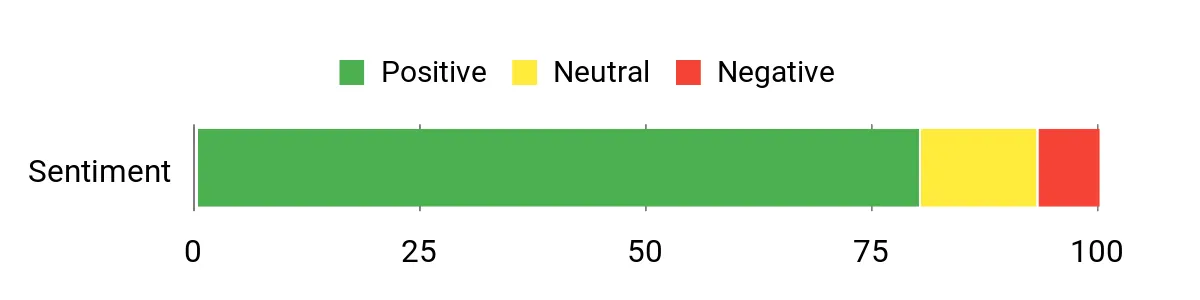
The original roundup summarizes feedback as positive around the weighted feel, included stand and pedals, and overall package value. The chart below does not include a transparent sample size or methodology, so it should not be treated as formal consumer research.
Ease of Use
|
Feature |
Ease Level |
|---|---|
|
Keyboard setup |
Easy |
|
Stand assembly |
Moderate |
|
Pedal use |
Easy after setup |
|
Sound and recording controls |
Moderate |
|
Moving the full setup |
Less convenient |
Versatility
This package works best for daily home practice, formal lessons, beginner recording, sound exploration, and casual room performances. The stand and pedal unit support classical and contemporary practice, while the connections help you add headphones, a computer, or external audio equipment.
Key Benefits
- 88 full-sized weighted keys with adjustable touch response
- Furniture stand and three-pedal unit included
- 238 tones and 128-note maximum polyphony
- Recording, dual-tone, MIDI USB, and audio connectivity
- Built-in display and speaker system
Check Product Details on Amazon
Digital Piano Buying Guide
Weighted, Hammer, and Graded Key Action
Weighted keys add resistance, but not every weighted system feels the same. Hammer-action designs use a mechanism intended to imitate an acoustic piano more closely. Graded actions make lower keys feel heavier than higher keys. Beginners who want long-term piano technique should prioritize the action over a large number of novelty sounds.
Polyphony and Sound
Polyphony is the maximum number of notes the sound engine can produce at one time. Sustain pedal use, layered voices, accompaniment, and dense chords can consume several notes quickly. A 64-note limit can handle normal beginner piano practice, while 128 notes offer more room for sustained passages, layering, and recording features.
Headphones, USB, MIDI, and Audio Outputs
A headphone jack supports quiet practice, but check whether it uses a 3.5 mm or 6.35 mm connector. USB-MIDI sends performance data to compatible apps or music software. USB audio can also carry the piano’s sound through one cable, while dedicated line outputs are useful for mixers, recorders, or powered speakers.
Portable Piano or Home Package
A portable slab piano is easier to move, but you may need to buy a stand, bench, and pedal separately. A home package gives you a more stable setup and consistent pedal position, but it takes more floor space and is harder to relocate. Compare the full installed dimensions, not only the keyboard body.
Included Accessories and Ongoing Costs
Confirm the exact bundle before ordering. Some models include only a basic footswitch, while others include no sustain pedal. Furniture stands and three-pedal units can add convenience, but they also add assembly time and weight. Battery-powered models may also require six large batteries that are not included.
FAQ
How Do I Choose the Right Digital Piano?
Start with your main goal. Choose 88 weighted or hammer-action keys for structured piano lessons and long-term technique. Then compare polyphony, headphone support, USB or MIDI, speaker power, included pedals, stand options, and the space available in your home. A simpler piano can be easier to practice on consistently, while a feature-rich model offers more teaching and recording tools.
Do Beginners Need 88 Keys and Weighted Keys?
You can begin on fewer keys, but an 88-key weighted piano avoids an early upgrade when you progress to full-range music. Weighted action also helps you learn finger control and dynamics. A smaller unweighted keyboard can still suit casual music-making, travel, or children exploring sounds, but it is not the closest substitute for acoustic-piano practice.
Which Pick Is Easiest to Move?
The Yamaha P143 is the lightest and most compact of these three listed setups. The Alesis Recital Pro remains portable but is heavier and deeper. The Donner DEP-20 bundle is best treated as a mostly fixed home setup because the included stand and pedal unit increase the total weight and assembly needs.
Do These Pianos Include a Sustain Pedal?
The Yamaha P143 listing includes a footswitch. The Donner DEP-20 bundle includes a three-pedal unit. The Alesis Recital Pro has a sustain-pedal input, but the pedal is not included in the listed package. Always check the current product page because bundle contents can change.
Can I Connect a Digital Piano to Learning Apps?
Yes, but the connection method varies. The Yamaha P143 supports USB audio and MIDI plus compatible Yamaha apps. The Alesis Recital Pro offers USB-MIDI for educational software and virtual instruments. The Donner DEP-20 lists MIDI USB and additional audio connections. You may need a separate cable or adaptor for your phone or tablet.
Final Recommendation
Choose the Yamaha P143 when you want the cleanest balance of realistic key feel, compact size, and simple daily use. Pick the Alesis Recital Pro when lesson tools, onboard recording, sound variety, and external outputs matter more than minimum weight. Select the Donner DEP-20 when you want a stable home package with a stand and three-pedal unit included.
Best overall decision: The Yamaha P143 is the safest starting point for most beginners. The Alesis offers more features, while the Donner offers more included furniture and pedal hardware. Your best choice depends on whether you value portability, learning controls, or a complete home station.
Quick Specs Comparison
| Product Name | Image | Number of Keys | Special Highlights | Power Source | Listed Weight |
|---|---|---|---|---|---|
|
Yamaha P143 Check Price |
 |
88 |
|
Corded electric | 24.5 lb |
|
Alesis Recital Pro Check Price |
 |
88 |
|
AC adaptor or 6 D-cell batteries | 32.62 lb |
|
Donner DEP-20 Check Price |
 |
88 |
|
Electric | 24.75 kg |
