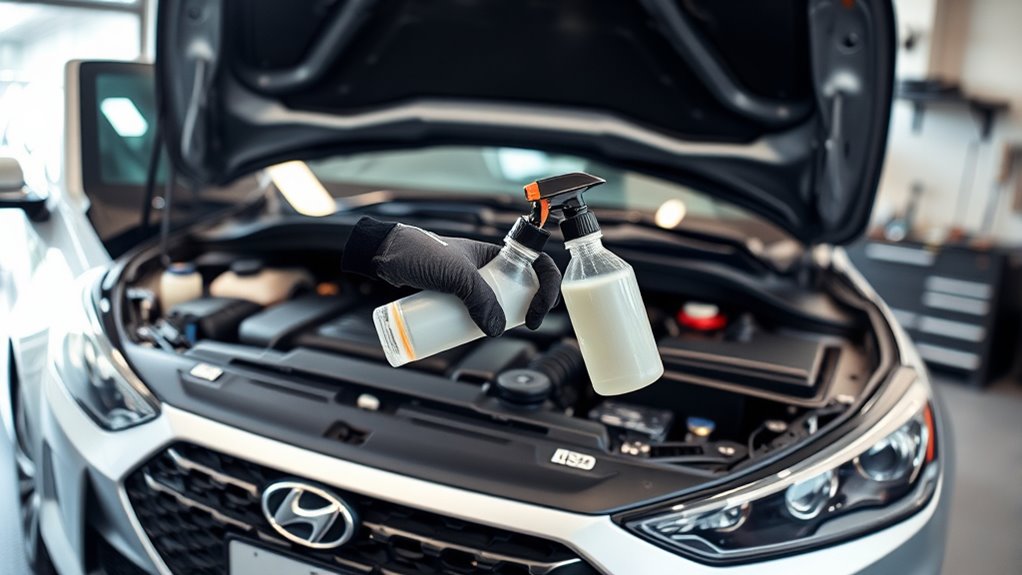
The Hyundai i30 may benefit from a fuel cleaner system, especially in GDI versions where carbon buildup is more common. Regular fuel additives can help stabilize combustion, reduce rough idle, and support injector cleanliness. The key is using the right product at the right interval, not overdoing it. Some cleaners are better suited to modern Hyundai engines than others, and the setup details can make a noticeable difference.
Does the Hyundai i30 Need Fuel Cleaner?
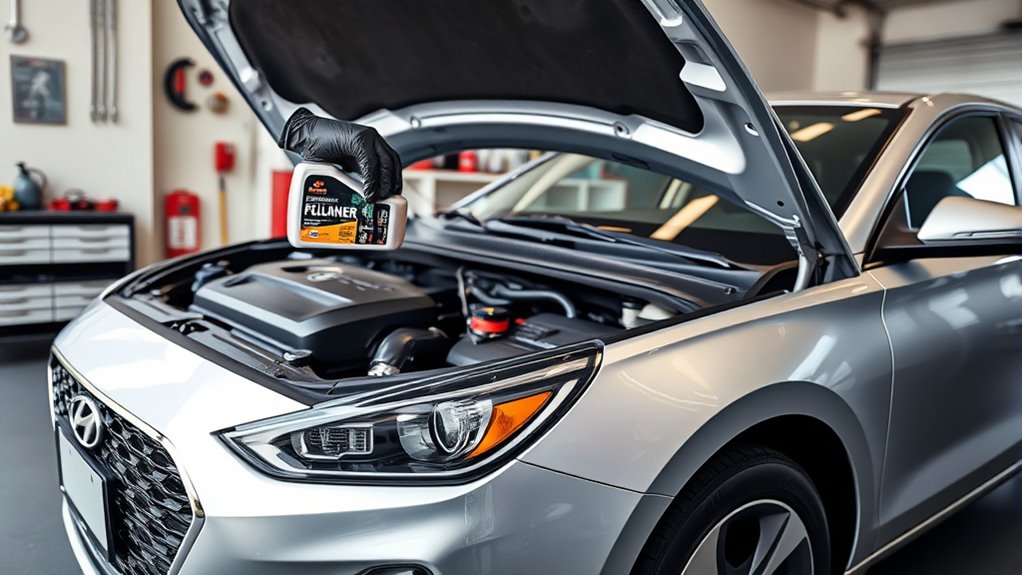
Yes, the Hyundai i30 can benefit from periodic fuel cleaner use to help maintain engine performance and efficiency, particularly if it shows signs of rough running.
Fuel system cleaners are a practical part of regular maintenance, especially for direct injection variants where carbon deposits accumulate faster on injectors, valves, and combustion chambers. A cleaner such as Hyundai Complete Fuel System Cleaner is commonly used every 3,000 miles or at oil changes to help remove contaminants and support stable combustion.
Fuel system cleaners can help direct injection engines stay cleaner, smoother, and more efficient between regular maintenance intervals.
For drivers seeking reliable, low-friction ownership, this approach can reduce hesitation, uneven idle, and gradual fuel economy loss. It does not replace mechanical repair, but it can help preserve engine health when used at sensible intervals.
Driving style, fuel quality, and mileage should guide frequency. Monitoring symptoms and consulting a qualified mechanic remain the best way to set an appropriate cleaning schedule for the vehicle.
What Fuel Additives Actually Do
Fuel additives are chemical treatments poured into the gas tank to clean injectors, valves, and related fuel-system parts, helping maintain efficient combustion and smoother engine operation. They dissolve deposits, limit dirt build-up, and can assist high-mileage engines running on lower-quality gasoline. In direct injection Hyundai i30 variants, additives may reduce carbon on injectors and combustion chambers.
| Additive effect | Result | Caution |
|---|---|---|
| Deposit removal | Cleaner fuel system | Follow dosage |
| Water dispersal | Stable combustion | Avoid overuse |
| Extra detergency | Better injector flow | Check compatibility |
Modern gasoline already contains some cleaners, but fuel additives can add further detergency, especially with ethanol blends or high humidity exposure. Selection matters: the wrong product can stress sensors and seals. For the i30, the practical rule is simple: use only specification-matched fuel additives when the fuel system shows contamination risk, and avoid routine use without a clear need.
When Fuel Cleaner Helps the Hyundai i30
When does a Hyundai i30 actually benefit from fuel cleaner? It helps when rough idle, hesitation, or uneven acceleration suggest deposits in injectors, valves, or the combustion chamber.
In GDI versions, carbon build-up can develop faster, so cleaner use supports steadier combustion and longer engine life. A quality fuel cleaner can also improve efficiency by restoring spray pattern and reducing contamination-related losses.
Hyundai’s own guidance is practical: use the branded cleaner about every 3,000 miles or at each oil change, unless the owner’s manual specifies a different interval.
That schedule is not cosmetic; it is a maintenance discipline that keeps the fuel system free enough for the engine to respond without resistance.
With good fuel and routine service, the i30 stays freer from operating faults, preserving performance and reliability.
Which Fuel Cleaner Works Best for Hyundai?
For Hyundai vehicles, the most suitable cleaner is often the Hyundai Complete Fuel System Cleaner, since it is formulated for the brand and is typically used every 3,000 miles or at each oil change. It offers direct support for fuel system performance and keeps maintenance simple.
Chevron Techron is a solid alternative, valued for injector cleaning and combustion efficiency, with a full tank treatment about every 5,000 miles.
Chevron Techron offers reliable injector cleaning and better combustion, with full-tank treatment every 5,000 miles.
BGS products, including MOA, EPR, and 44K, are also widely used by owners who want disciplined upkeep; EPR fits pre-oil-change service, while 44K suits use during oil changes.
Berryman B-12 provides a low-cost option without sacrificing basic cleaning results.
These cleaning frequency tips help drivers choose a practical schedule, not a restrictive one. Regular additive use can reduce deposit growth and support engine longevity benefits, letting the vehicle remain responsive, efficient, and less dependent on intrusive repairs.
Why GDI Engines Need Extra Care
GDI engines inject fuel directly into the combustion chamber, which improves efficiency but also increases carbon buildup on intake valves because fuel no longer washes over them.
Injector cleaning becomes more important in this design, since deposits can affect spray pattern, combustion quality, and fuel economy.
For that reason, GDI systems benefit from regular use of cleaners formulated to control carbon deposits and support long-term performance.
GDI Carbon Buildup
Hyundai i30 models with gasoline direct injection can be more prone to carbon buildup on the intake valves because fuel is sprayed directly into the combustion chamber rather than over the valves.
Oil mist from the PCV system and EGR gases can settle there, creating deposits that restrict airflow. This makes carbon deposit prevention essential for smooth operation.
Unlike port injection, GDI offers no fuel wash to keep the valves clean, so intake valve maintenance must be planned, not assumed.
Periodic cleaning services and GDI-compatible fuel system cleaners help limit buildup, especially in short-trip or stop-and-go use.
Left unchecked, deposits may cause rough idle, lower fuel efficiency, and knock.
For drivers seeking mechanical freedom, consistent care supports GDI engine longevity and keeps the i30 responsive.
Injector Cleaning Needs
Because gasoline direct injection routes fuel straight into the combustion chamber, the Hyundai i30’s injectors and intake system require extra attention to prevent deposit-related efficiency loss.
GDI hardware benefits from disciplined injector maintenance tips: use a Hyundai-approved fuel system cleaner, monitor idle quality, and watch for uneven throttle response.
Cleaning frequency recommendations should follow service intervals, but proactive treatment is often justified in hard-use driving or short-trip conditions.
Since direct injection does not wash intake valves, periodic manual cleaning may still be needed to restore flow and release trapped performance.
Practical performance enhancement strategies include maintaining clean injectors, using quality fuel, and applying additives before drivability worsens.
This approach supports smoother operation, stronger economy, and longer component life without unnecessary intervention.
Intake Valve Deposits
Even though fuel is injected directly into the combustion chamber, the Hyundai i30’s GDI layout leaves the intake valves exposed to carbon build-up from EGR and PCV gases, since no fuel passes over them to wash away deposits.
This creates hidden resistance that can dull throttle response and limit clean combustion. Engine performance impacts may appear as rough idle, higher consumption, and rising emissions.
Regular valve cleaning techniques help restore airflow, while carbon removal methods such as walnut blasting or intake-safe additives support long-term freedom from restriction.
- Reduced hesitation under load
- Smoother idle and starts
- Lower fuel waste
- Less emission stress
Preventative cleaning every 3,000 miles or at oil changes is practical for GDI protection and sustained control.
How Often Should You Use Fuel Cleaner?
Fuel cleaner is typically used every 3,000 miles or at each oil change as a basic service interval to support injector cleanliness and engine efficiency.
In GDI-equipped Hyundai i30 models, regular treatment is more important because carbon buildup can develop faster and affect performance.
Additives are also useful when rough running, reduced efficiency, or other signs of fuel system contamination appear.
Service Interval Basics
For the Hyundai i30, fuel system cleaner is commonly recommended about every 3,000 miles, or at each oil change, to help maintain performance and efficiency.
This fuel system maintenance routine supports clean injectors and steadier combustion, giving drivers a more independent, predictable drive. Cleaning frequency recommendations should stay tied to engine performance monitoring, not guesswork.
- Rough idle signals buildup.
- Reduced fuel economy signals restriction.
- High-mileage use demands closer intervals.
- Lower-quality fuel may require more regular care.
A qualified mechanic can refine the schedule for driving habits and conditions.
In GDI engines, consistent cleaning helps limit carbon deposits and preserve response. The result is practical control: fewer losses, better efficiency, and less dependence on corrective repairs.
When Additives Help
When rough idle, reduced fuel economy, or high-mileage use appears, a Hyundai i30 can benefit from a fuel cleaner to limit injector and combustion-chamber deposits. Additive effectiveness rises when symptoms, low-grade fuel, or GDI carbon build-up are present.
| Use case | Guidance |
|---|---|
| High mileage | Add cleaner every 3,000 miles |
| Oil change | Synchronize treatment |
| GDI engine | Prioritize deposit control |
| Humid climate | Periodic cleaning helps |
| Ethanol fuel | Watch performance decline |
Hyundai-approved cleaner gives the most predictable performance improvement. Well-maintained cars may not need constant dosing, but periodic use can protect injectors, support fuel efficiency, and extend engine longevity. Monitoring response after each treatment keeps maintenance disciplined, free from guesswork, and aligned with practical engine care.
What Happens If You Overuse Additives?
Excessive use of fuel additives can do more than help a Hyundai i30’s fuel system; it can accelerate wear on sensors and seals, interfere with emissions controls, and even trigger failed emissions tests.
Additive consequences are not subtle: Sensor damage may appear as unstable readings, rough idle, or warning lights. Emission failures can follow when catalysts and oxygen sensors receive altered exhaust chemistry.
- Overuse can erode seals and shorten component life.
- Deposits may build instead of clear, reducing efficiency.
- Fuel combustion can shift, causing knock or misfire.
- The owner’s manual remains the safest limit for dosage.
Practical use means restraint, not escalation. A balanced treatment supports cleaner operation; repeated dosing can trap the driver in avoidable faults.
Freedom from repairs comes from measured maintenance, not chemical excess.
How Much Fuel Cleaning Costs
Fuel system cleaning for a Hyundai i30 usually costs only tens to hundreds of dollars, depending on whether the service is done at a workshop, dealership, or by a mobile mechanic.
These cost variations reflect the service provider, local labor rates, and location impact. A Hyundai Complete Fuel System Cleaner bottle typically retails around $16 to $17, while dealership service can be considerably higher due to diagnostics, branded fluids, and higher overhead.
Budget alternatives such as Berryman B-12 may cost about $3.50, giving owners a low-cost option for routine fuel cleaning.
Mobile mechanics can reduce labor and travel charges, making the service more accessible and time-efficient.
Compared with the expense of drivability faults or clogged injectors, regular fuel system cleaning remains a modest maintenance outlay.
For drivers seeking practical independence from avoidable repair bills, the pricing structure is straightforward: choose the cheapest suitable product or a local service with transparent labor terms, and avoid unnecessary premium pricing.
How To Get Better Results From Maintenance
Regular maintenance delivers better results for a Hyundai i30 when a fuel system cleaner is used on a consistent schedule, such as every 3,000 miles or at each oil change, with Hyundai-approved products like Complete Fuel System Cleaner or Chevron Techron.
This maintenance frequency supports cleaner injectors, steadier combustion, and stronger engine performance tips.
- Use approved cleaner only.
- Match service intervals to driving patterns.
- Watch for rough idle or weak economy.
- Ask a qualified mechanic for a tailored plan.
Short trips and low-quality fuel raise carbon risk, especially in GDI engines, so earlier treatment may be justified.
Tracking performance symptoms helps identify when additive intervention is needed before drivability suffers.
Reliable fuel efficiency strategies come from disciplined service, not guesswork.
With the right product and schedule, the i30 can operate with less restriction, lower waste, and more freedom from preventable maintenance issues.
Frequently Asked Questions
Does Hyundai Recommend a Fuel Additive?
Hyundai does recommend a fuel additive in specific cases, though it is not required for routine operation.
The approved cleaner supports fuel system maintenance, may deliver additive benefits, and can provide performance enhancement when fuel quality is poor or drivability declines.
Use is typically advised every 3,000 miles or at oil changes.
For model-specific guidance, the owner’s manual or a service advisor remains the most reliable reference.
Are Fuel System Cleanings Necessary?
Yes, fuel system cleanings are necessary. On the money, they support fuel system maintenance, preserving injector flow and combustion efficiency.
The benefits of cleaning include smoother operation, better mileage, and reduced deposits. Signs of contamination—rough idle, hesitation, and poor throttle response—indicate service is due.
For liberation from costly repairs and lost performance, periodic cleaning every 3,000 miles or at oil changes is a practical, technical safeguard for Hyundai i30 owners.
What Type of Fuel Is Recommended for a Hyundai i30?
The Hyundai i30 is recommended to use unleaded gasoline with at least 91 RON, with fuel octane ratings selected to match the engine variant.
Higher-octane fuel may improve engine performance, especially in turbocharged models, and can support cleaner combustion. Ethanol blends up to 10% are generally acceptable.
Practical fuel efficiency tips include using quality fuel consistently and checking the owner’s manual, ensuring reliable operation without unnecessary dependence.
Do GDI Engines Need Fuel Injector Cleaner?
Yes, GDI engines often benefit from fuel injector cleaner. Their direct-injection design can promote deposits that reduce GDI engine performance and atomization.
Regular fuel injector maintenance helps prevent clogging, especially in high-mileage or stop-and-go use. Common cleaning frequency recommendations are every 3,000 miles or at oil changes.
A quality cleaner, ideally GDI-specific, can support efficiency, restore response, and keep the engine operating with greater independence.
Conclusion
In conclusion, the Hyundai i30 does not strictly require a fuel cleaner system, but GDI variants can benefit from periodic use. Fuel additives will not repair heavy deposits, yet they can help keep injectors, valves, and combustion chambers cleaner when used correctly. The safest approach is modest, scheduled dosing during routine servicing. For owners, the truth is practical: prevention costs little, while neglect can quietly reduce smoothness, efficiency, and long-term engine health.

