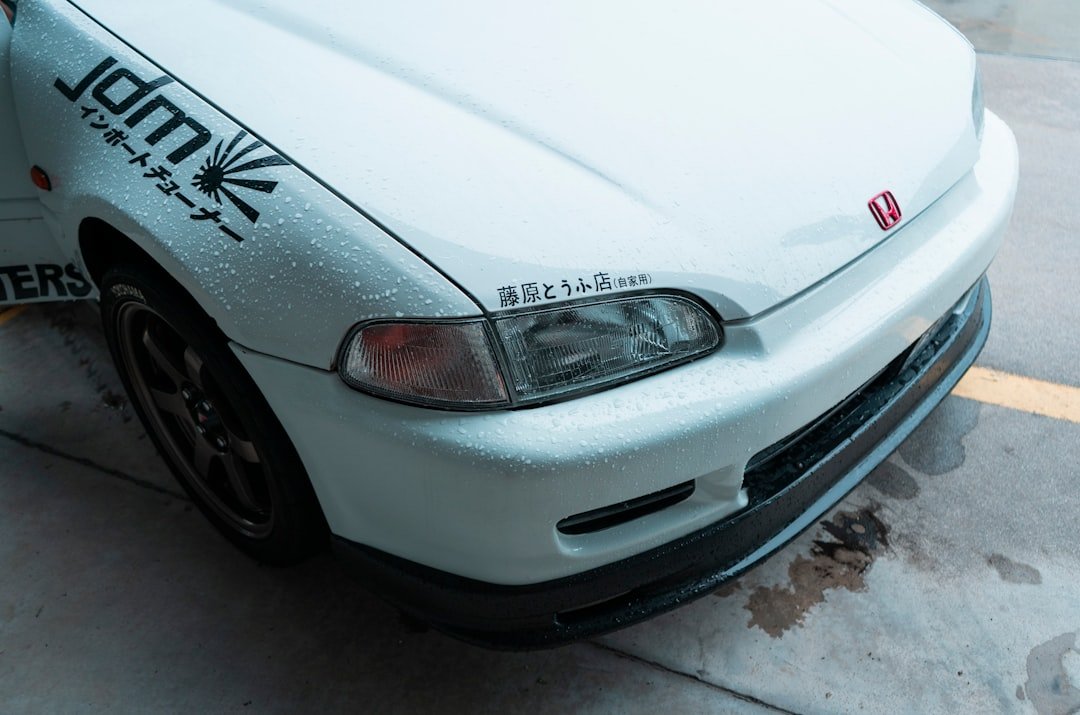
Car wax protects your vehicle’s paint, adds gloss, and makes routine washing easier. It creates a thin sacrificial layer between the paint and everyday contaminants such as UV exposure, bird droppings, tree sap, rain, and road grime. With the right wax and a careful application process, you can help your car look cleaner, shinier, and better cared for over time.
Quick Answer
Car wax helps protect automotive paint by adding a temporary barrier that improves shine, repels water, and reduces how strongly dirt and contaminants stick to the surface. For most daily drivers, waxing every three to four months is a practical schedule, although harsh weather and frequent washing may require more frequent applications.
Key Takeaways
- Car wax helps protect your car’s paint from environmental damage and gives it a glossy finish.
- Common wax types include natural, synthetic, spray-on, and hybrid waxes.
- Durability, ease of application, climate, paint finish, and budget all matter when choosing car wax.
- Apply car wax in a cool, shaded area using a clean applicator and microfiber cloth.
- Popular options include Meguiar’s Ultimate Liquid Wax, CarGuys Hybrid Wax Sealant, Collinite 845 Insulator Wax, Meguiar’s Gold Class Carnauba Plus Wax, Chemical Guys Butter Wet Wax, Turtle Wax Ice Seal N Shine, and Griot’s Garage Best of Show Wax.
Different Types of Car Wax
Car waxes come in several forms, and each type has a different balance of gloss, durability, price, and ease of use. The best choice depends on how much time you want to spend waxing, how often your vehicle sits outside, and whether your priority is deep shine or longer-lasting protection.
Natural Waxes
Natural waxes, such as carnauba wax, are derived from the leaves of the Brazilian carnauba palm. Known for their deep gloss and warm shine, these waxes are favored by enthusiasts who prioritize aesthetics. However, they may require more frequent reapplication because heat, sun, rain, and frequent washing can wear down the finish.
Natural wax is often a good choice for show cars, weekend vehicles, or drivers who enjoy detailing and want a rich, warm look. It may not be the longest-lasting option for a car that stays outdoors every day.
Synthetic Waxes
Synthetic waxes are engineered products that often contain polymers and other advanced materials. These waxes provide a longer-lasting protective layer compared with many natural options. They are designed to withstand harsh weather conditions and resist fading from UV exposure. Many synthetic waxes also offer enhanced water beading properties, which can help keep your vehicle cleaner for longer periods.
Synthetic waxes are a strong fit for daily drivers because they usually last longer, apply easily, and perform well in changing weather. They are also popular with beginners because many liquid and spray formulas wipe on and buff off with less effort than traditional paste waxes.
Spray-On Waxes
Spray-on waxes are convenient products designed for quick shine and light protection. They usually take less time to apply than paste or liquid waxes, making them useful after a wash or between full waxing sessions.
Most spray waxes do not last as long as traditional paste or liquid formulas. Still, they are helpful for maintaining gloss, boosting water beading, and refreshing an already protected surface. They work best when the paint is clean and cool.
Hybrid Waxes
Hybrid waxes combine the best features of both natural and synthetic options. They aim to deliver the rich shine associated with carnauba while also providing the durability and longevity of synthetic formulations. This versatility makes hybrid waxes an appealing choice for many car owners who seek a balance between aesthetics and protection.
Hybrid waxes can be a practical middle ground if you want the visual warmth of carnauba but also need better durability for regular driving. They are available in paste, liquid, and spray formats.
Factors to Consider When Choosing Car Wax

When selecting the right car wax for your vehicle, several factors come into play. One of the primary considerations is the type of finish on your car’s paint. For instance, if your vehicle has a matte finish, you will need a specialized product designed for that surface to avoid altering its appearance.
Glossy finishes can benefit from a variety of wax types, including natural, synthetic, spray-on, and hybrid options. If your car has an older or faded finish, you may also need to polish the paint before waxing. Wax can add gloss and protection, but it does not truly correct oxidation, scratches, or swirl marks.
Another important factor is the climate in which you live. If you reside in an area with extreme weather conditions, such as intense sun exposure or heavy rainfall, choosing a wax with superior durability becomes essential. Synthetic waxes often excel in these environments due to their resistance to fading and their ability to repel water effectively.
Note: If your car has matte, satin, vinyl-wrapped, or paint-protection-film surfaces, check the product label before applying wax. Some traditional waxes can add unwanted shine or leave residue on textured finishes.
Consider how often you are willing to reapply wax. A high-gloss carnauba product may look beautiful, but a synthetic or hybrid formula may make more sense if you want longer protection with less maintenance.
The ease of application is also a significant consideration. Some waxes come in paste form, while others are available as liquids or sprays. Liquid waxes tend to be easier to apply and remove, making them suitable for beginners or those looking for a quick solution.
Paste waxes may require more effort but can provide a deeper shine when applied correctly. Spray waxes are the fastest option, although they usually offer shorter protection. Ultimately, your personal preferences, climate, vehicle condition, and experience level will guide your choice.
How to Apply Car Wax
At a Glance
| Time Required | About 45 minutes to 2 hours, depending on vehicle size and product type |
| Difficulty | Easy to moderate |
| Tools Needed | Car wash soap, clean water, drying towel, foam applicator pad, microfiber towels, and your chosen wax |
| Cost | Low to moderate for DIY waxing; higher for professional detailing |
| Steps | Details |
|---|---|
| 1 | Wash the car thoroughly to remove dirt and grime. |
| 2 | Dry the car completely with a clean microfiber cloth. |
| 3 | Apply a small amount of car wax to a foam applicator pad. |
| 4 | Spread the wax onto the car’s surface in a thin, even layer. |
| 5 | Allow the wax to dry to a haze if the product instructions require it, then buff it off with a clean microfiber cloth. |
| 6 | Repeat the process for the entire car, working in small sections. |
| 7 | Enjoy the shiny and protected finish of your car. |
Applying car wax is a straightforward process that can yield impressive results when done correctly. Begin by washing your vehicle thoroughly to remove any dirt or contaminants that could interfere with the waxing process. It’s essential to dry the car completely before applying wax. Moisture left on the surface can hinder adhesion and lead to uneven results.
Once your vehicle is clean and dry, choose an applicator pad or microfiber cloth for applying the wax. If you’re using paste wax, scoop a small amount onto the applicator. For liquid wax, apply a few drops directly onto the pad. Work in small sections, applying a thin, even layer in circular motions or straight lines, depending on the manufacturer’s instructions.
Warning: Do not wax a hot surface or apply wax in direct sunlight unless the product label says it is safe. Heat can make wax dry too quickly, which may cause streaking, smearing, or difficult removal.
Allow the wax to haze over before buffing it off with a clean microfiber towel, but always follow the product’s specific directions. Some modern spray and synthetic products do not require the same haze time as traditional paste wax. This step is important because it helps you achieve an even finish without streaks or heavy residue.
After buffing off the haze, inspect your work under different lighting conditions to ensure even coverage. If necessary, apply a second coat for added protection and shine. Remember that patience is key. Rushing through the process can lead to subpar results. Taking your time will enhance the appearance of your vehicle and help protect it against environmental elements.
Top 5 Car Waxes on the Market
Several car wax products stand out in today’s market due to their performance, ease of use, and user satisfaction. The right option depends on whether you want deep gloss, long durability, quick application, or a balanced all-around finish.
Meguiar’s Gold Class Carnauba Plus Wax
Meguiar’s Gold Class Carnauba Plus Wax is a popular option that combines natural carnauba with synthetic polymers for a deep shine and durable protection. This product is well-regarded for its ease of application and impressive results, especially for drivers who want a warm, glossy finish.
Chemical Guys Butter Wet Wax
Chemical Guys Butter Wet Wax is known for its exceptional gloss and hydrophobic properties. This liquid wax is easy to apply and helps protect against UV rays and contaminants while enhancing the vehicle’s shine. It is a user-friendly choice for people who want a slick, wet-look finish without a complicated process.
Collinite 845 Insulator Wax
Collinite 845 Insulator Wax is often recommended for its durability and resistance to harsh weather conditions. This product is particularly favored by enthusiasts who want long-lasting protection without sacrificing shine. It can be a strong option for vehicles exposed to rain, sun, and frequent driving.
Turtle Wax Ice Seal N Shine
Turtle Wax Ice Seal N Shine is another excellent choice that offers both ease of use and impressive results. This spray-on product provides instant shine and protection while being safe for many exterior surfaces, including painted panels, glass, and plastic when used as directed.
Griot’s Garage Best of Show Wax
Griot’s Garage Best of Show Wax is celebrated for its deep gloss finish and ease of application. This paste wax is designed for those who want a professional-grade shine without needing extensive experience in waxing. It is a good fit for careful detailers who enjoy spending extra time on the final finish.
DIY Car Waxing Tips

For those who prefer a hands-on approach to car care, DIY waxing can be both rewarding and effective. One essential tip is to work in a shaded area or during cooler parts of the day. Applying wax in direct sunlight can cause it to dry too quickly, making it difficult to buff off evenly. Also, ensure that your vehicle’s surface is cool to the touch before starting the waxing process.
Using high-quality applicators can make a significant difference in achieving optimal results. Microfiber applicator pads are gentle on paint surfaces and help distribute wax evenly without scratching. When buffing off excess wax, opt for clean microfiber towels that won’t leave lint behind. This attention to detail will enhance the final appearance of your vehicle.
Pro Tip: Use less wax than you think you need. A thin, even coat usually buffs off easier and looks better than a thick layer that smears or leaves residue.
Another useful tip is to break down the waxing process into manageable sections rather than attempting to cover large areas at once. This approach allows you to focus on achieving an even application without feeling rushed. After completing one section, step back and assess your work before moving on. This practice helps ensure that you maintain consistency throughout the entire vehicle.
Before waxing, inspect the paint for bonded contaminants. If the surface feels rough after washing, a clay bar or synthetic clay mitt may help remove embedded grime before wax application. Wax works best on a clean, smooth surface because it can spread evenly and bond better.
Benefits of Using Car Wax
The benefits of using car wax extend beyond mere aesthetics. They include protection, maintenance ease, and even potential financial savings over time. One of the most significant advantages is that waxing creates a barrier against harmful environmental elements such as UV rays, acid rain, bird droppings, and tree sap.
By helping prevent contaminants from directly bonding to your vehicle’s paint, car wax can reduce the risk of oxidation, staining, and dullness that may lead to more expensive paint correction later.
Regular waxing can also enhance your vehicle’s resale appeal. A well-maintained exterior with a glossy finish signals to potential buyers that the car has been cared for properly. This attention to detail can support a better first impression when it comes time to sell or trade in your vehicle.
Furthermore, waxing contributes to easier cleaning routines. A well-waxed surface repels dirt and grime more effectively than an unwaxed one, meaning that routine washes require less effort and time. This convenience is particularly appealing for busy individuals who want their vehicles looking great without dedicating excessive hours to maintenance.
Common Mistakes to Avoid When Waxing Your Car
While waxing may seem straightforward, several common mistakes can undermine your efforts and lead to unsatisfactory results. One prevalent error is failing to properly clean the vehicle before application. Any dirt or debris left on the surface can cause scratches during waxing or buffing. Always ensure that your car is thoroughly washed and dried before applying any product.
Another mistake involves applying too much product at once. Many novice users believe that more wax equals better protection. However, this can lead to uneven application and difficulty in buffing off excess material. Instead, use a small amount of product on your applicator pad and build up layers gradually as needed.
Neglecting to follow manufacturer instructions can also result in subpar performance or possible damage to your vehicle’s finish. Each product may have specific guidelines regarding application techniques, curing time, drying time, surface temperature, and removal. Following those directions closely will usually produce better results.
Another common mistake is using dirty towels. A towel that touched the ground or picked up grit can scratch the paint during buffing. Keep several clean microfiber towels nearby and switch to a fresh towel as soon as one becomes loaded with wax residue.
How Often Should You Wax Your Car?
The frequency with which you should wax your car depends on several factors, including climate conditions, driving habits, storage, and personal preferences regarding appearance. Generally speaking, many vehicle owners wax every three to four months as a standard practice for consistent protection and shine.
If you live in an area with harsh weather conditions, such as extreme heat, heavy rainfall, snow, road salt, or intense sun exposure, you may need to increase this frequency due to accelerated wear on the protective layer provided by wax. A car parked outdoors every day will usually need more frequent protection than a garage-kept weekend vehicle.
Conversely, if your vehicle is primarily garaged or used infrequently, you might find that waxing every six months is enough. It’s also essential to consider how often you wash your car. Frequent washes can wear down the protective layer more quickly than infrequent cleaning sessions.
Monitoring your vehicle’s appearance will help you determine when it’s time for another application. If you notice that water no longer beads on the surface or if the paint appears duller than usual, it’s likely time for a fresh coat of wax.
Professional Car Waxing Services
For those who prefer not to tackle waxing themselves or want a higher level of expertise, professional car waxing services are widely available. These services often utilize high-quality products and advanced techniques that may not be accessible to the average consumer. Professional detailers typically have experience assessing paint conditions and selecting appropriate products for different vehicle types.
One advantage of opting for professional services is that they often include additional detailing steps beyond just waxing, such as clay bar treatments or paint correction. These processes help remove embedded contaminants from the paint surface before applying wax, resulting in a smoother finish with greater depth of shine.
While professional waxing services may cost more than DIY methods, many car owners find value in the time saved and the quality achieved through expert care. For those with luxury vehicles or classic cars where maintaining pristine condition is a priority, investing in professional detailing can be well worth it.
Related Guides
FAQs About Car Waxing
Car waxing often raises numerous questions among vehicle owners seeking clarity on best practices and product choices. One common inquiry revolves around whether it’s necessary to use a specific type of wax for different colors of paint. While some products are marketed toward specific colors, such as dark or light paint, most high-quality waxes are formulated to work effectively across various shades without causing discoloration.
Another frequently asked question is whether waxing can remove scratches or swirl marks from paint surfaces. Waxing can temporarily mask minor imperfections by filling them in with product residue, but it does not actually repair damage. For deeper scratches or swirl marks, additional steps such as polishing may be necessary before applying wax.
Many people also wonder about compatibility between different brands of products. Generally speaking, mixing brands should not pose significant issues as long as each product is compatible with automotive finishes. However, it is wise to test new products on a small, hidden area before applying them to the entire vehicle.
Understanding car waxing, from its importance and types to application techniques, can help vehicle owners protect their cars’ finishes and keep them looking clean, glossy, and well maintained.
If you are looking for the best car wax to keep your vehicle looking shiny and protected, you may also be interested in learning how to perfect the art of searing scallops for a golden crust. Check out this article on perfecting the art of searing scallops for a golden crust for some delicious cooking tips.
Frequently Asked Questions
What is car wax?
Car wax is a product used to protect and enhance the appearance of a car’s paint. It is typically made from natural waxes, such as carnauba, or synthetic polymers. Some formulas combine natural and synthetic ingredients for a balance of gloss and durability.
What does car wax do?
Car wax provides a protective layer on the car’s paint, which helps repel water, dirt, and other contaminants. It also enhances the shine and depth of the paint, giving the car a glossy finish.
How often should I wax my car?
It is recommended to wax your car every three to four months to maintain its protective layer and shine. However, this can vary depending on the type of wax used, how often the vehicle is washed, where it is parked, and the environmental conditions it is exposed to.
What is the best car wax?
The best car wax depends on your vehicle, climate, budget, and preferred finish. Factors to consider include durability, ease of application, paint type, and the desired level of shine. Popular options include natural carnauba waxes, synthetic waxes, spray waxes, and hybrid formulas.
Can car wax remove scratches?
Car wax cannot truly remove scratches. It may temporarily hide very light marks by adding gloss and filling tiny imperfections, but deeper scratches usually require polishing, compounding, or professional paint correction before waxing.
Should I wax or polish my car first?
Polish comes before wax when the paint needs correction. Polish helps improve dullness, oxidation, swirl marks, and light defects. Wax is applied afterward to add shine and protection to the corrected surface.
Sources
- Consumer Reports — practical guidance on waxing a car and choosing suitable conditions for application.
- Meguiar’s — product and car-care guidance related to automotive waxes and detailing.
- Griot’s Garage — detailing product guidance and wax-care information.
- Turtle Wax — manufacturer information for wax, sealant, and exterior protection products.
