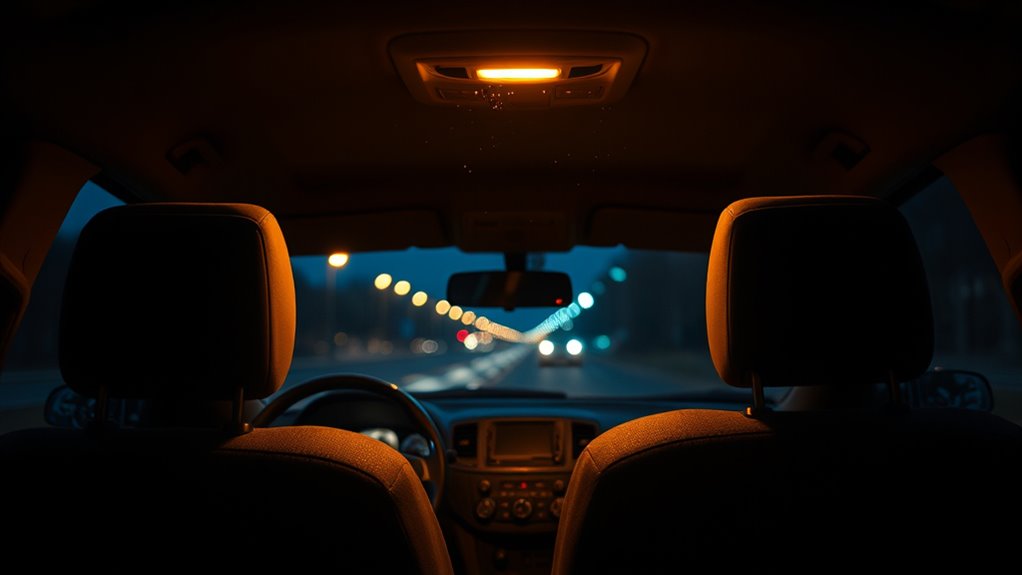
Car interior lights often look warm because they usually use low color temperature bulbs, typically around 2700K to 3000K. That range produces an amber tone with less blue output, so the cabin feels softer and less harsh. Incandescent and halogen lamps naturally create this effect, and warm white LEDs can mimic it well. Cooler LEDs above 5000K look more clinical and bright. More details on bulb types and fitment help confirm the best match.
Key Takeaways
- Interior car lights often use warm white bulbs around 2700K–3000K, which create a cozy amber glow.
- Lower color temperature reduces blue light, making the cabin feel softer and less harsh on the eyes.
- Warm LEDs are designed to mimic incandescent or halogen bulbs, which people associate with comfort.
- Cooler white lights above 5000K look clinical and can make the interior feel colder and more glaring.
- Check the bulb size and socket fitment, since correct warm bulbs like 194 or 3022 vary by fixture.
Why Interior Lights Look Warm?
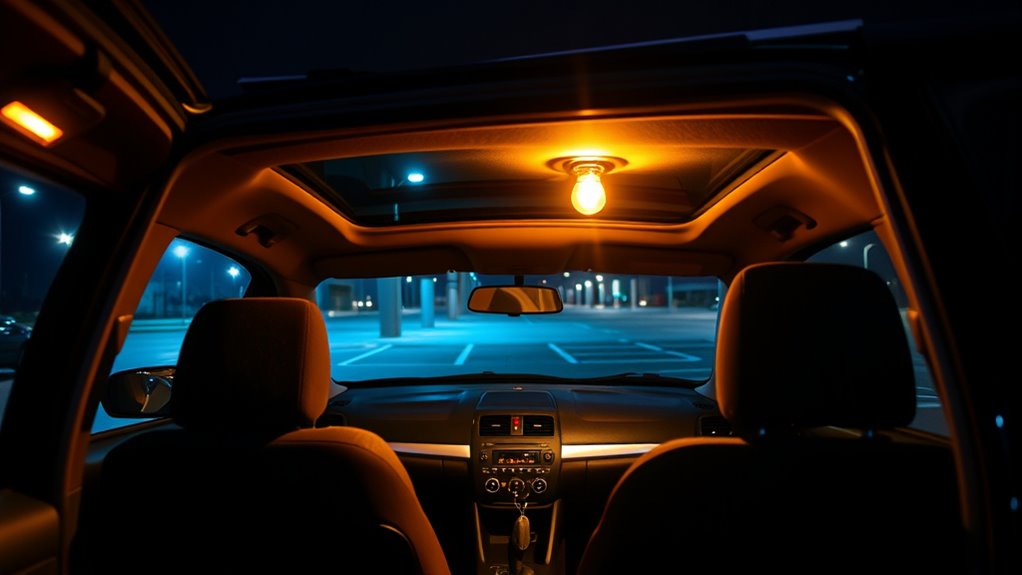
Interior car lights often look warm because their color temperature is usually below 3000K, producing a soft, amber-toned glow similar to incandescent lighting. This color temp reduces blue output and shifts perception toward warm lighting, which the eye reads as less sterile and more relaxed.
In practice, warm white LEDs are engineered to approximate filament spectra, so their output can preserve the familiar cabin feel without the harshness of cooler white sources. Older incandescent and halogen lamps created this effect naturally, and their legacy shapes present expectations for interior comfort.
When the light is warmer, occupants often experience a calmer entry environment at night, with less visual strain and a more inviting cabin. The perceived warmth is thus a controlled optical result, not a vague preference.
Selecting around 3100K generally yields a warmer impression than 5000K, reinforcing a freeing, low-stress interior atmosphere.
Which Bulbs Give The Warmest Glow?
The warmest glow is produced by bulbs with lower color temperatures, typically in the 2700K to 3000K range.
Incandescent and halogen bulbs fall in this band and are commonly associated with a soft, inviting interior light.
Warm white LEDs near 3000K can approximate this effect while reducing power draw and extending service life.
Warm Color Temperatures
Warm color temperatures below 3000K produce a softer, more inviting cabin glow, closely resembling traditional incandescent lighting.
In vehicle interiors, warm color temperatures, warm white output, and a cozy glow reduce glare and support a calmer visual field for occupants seeking freedom from harsh illumination.
- 2700K–3100K is the practical target range.
- Warm white LEDs can match incandescent appearance.
- Cool white LEDs above 5000K often look severe.
- Super Bright LEDs style warm white bulbs improve cabin aesthetics.
This spectrum selection is diagnostic: lower Kelvin values generally yield smoother shadow shifts and less visual stress.
The result is a liberated, comfortable interior environment with efficient lighting performance.
Incandescent Style Bulbs
Incandescent-style bulbs remain the benchmark for the warmest cabin glow, typically centered around 2700K and driven by a tungsten filament that produces soft, inviting light.
In diagnosis, these incandescent bulbs deliver a clear warm light that reduces glare and preserves a relaxed interior tone.
Halogen variants, still within the incandescent family, raise output near 3000K, adding brightness and modest efficiency without abandoning the familiar glow.
For older vehicles, this spectrum often restores a welcoming, liberated feel that modern lighting can miss.
By contrast, LED options usually appear cooler unless selected in warm white form.
Drivers seeking an incandescent-like result in newer cabins should target LED options around 3000K, where the visual profile stays close to traditional warmth while improving durability and electrical load.
What LED Color Temperature Feels Cozy?
Warm white LEDs in the 2700K to 3100K range are typically the cozy sweet spot for car interiors, as they emulate the soft glow of incandescent lighting.
Below 3000K, the output reads as warm, relaxed, and visually comfortable, supporting a more inviting cabin atmosphere.
Cooler whites above 5000K tend to look harsher and less welcoming, so they are generally a poor fit for cozy interior lighting.
Warm White Sweet Spot
The cozy range for interior lighting typically sits below 3000K, with 2700K to 3000K producing the soft, inviting tone most closely associated with incandescent illumination.
Warm white in this band yields a cozy atmosphere and preserves a vintage aesthetic in older cabins. Diagnostic reading is simple: lower Kelvin values reduce glare and support a calmer visual field.
- 2700K: closest to incandescent behavior.
- 3000K: still warm, slightly cleaner.
- Warm white LEDs: efficient, durable, familiar.
- Result: stronger emotional comfort, less visual strain.
For vehicle owners seeking liberation from harsh, clinical lighting, this sweet spot offers a balanced solution.
It maintains nostalgic character while improving energy efficiency and lifespan, making it a practical upgrade without sacrificing warmth or authenticity.
Avoid Harsh Cool Whites
Cooler LED tones above 5000K tend to flatten the cabin’s visual comfort, producing a bluish, clinical look that feels less inviting than warmer options.
In diagnostic terms, cool white output often increases perceived glare and can contribute to eye strain during night driving.
By contrast, warm white LEDs near 3000K replicate incandescent softness, supporting a cozy atmosphere without visual aggression.
This spectrum shift matters because interior light is not merely illumination; it shapes emotional tone and perceived freedom inside the vehicle.
Warm white also preserves older-car nostalgia, which many users associate with ease and release from sterile design.
For a cabin that feels open, settled, and human, avoid harsh cool whites and select a warmer correlated color temperature.
Why Cool White LEDs Feel Harsh
Cool white LEDs, typically rated above 5000K, produce a stark, clinical output that many occupants perceive as harsh inside a car. Their white spectrum shifts toward blue, and that tint can make cabin surfaces appear colder, less settled, and less human.
In a liberation-minded diagnostic sense, the issue is not brightness alone; it is spectral balance.
- Higher color temperature amplifies visual severity.
- Blue-leaning emitters increase perceived glare.
- Harsher shadows weaken interior comfort cues.
- Warm white, something similar to incandescent, is easier to accept and does not take longer to feel natural.
Older vehicles often conditioned users to associate softer light with ease and freedom.
How To Match Incandescent Light
To reproduce incandescent cabin light, a warm white LED near 3000K is typically the closest match, as it preserves the soft yellow cast and relaxed visual tone associated with filament bulbs. This selection supports warm light aesthetics without the clinical edge of cooler diodes.
The target is not brightness alone, but spectral balance: warm white output reduces glare and keeps the cabin visually calm. For a closer visual analog, bulbs with glass housings can better resemble traditional lamp construction and diffuse light more naturally.
Size and base type must still match the fixture, such as 194 or 3022, to maintain proper fit and function. Specific warm white offerings from reputable LED lines, including Super Bright LEDs, are often engineered for this purpose.
These LED lighting benefits deliver efficiency without surrendering atmosphere. Practical cozy ambiance tips include checking color temperature before purchase and avoiding cool white replacements that break the intended interior character.
Where To Find Warm Interior Light Bulbs
Warm interior light bulbs are commonly sourced from specialty LED retailers that stock color temperatures near 2700K to 3000K, with Super Bright LEDs often cited for incandescent-style replacements. For drivers seeking liberation from harsh glare, these suppliers usually present the best LED color options.
A 3100K bulb can also deliver a softer field, preserving vintage lighting aesthetics while avoiding clinical white output. Diagnostic selection should prioritize:
- Warm white listings near 2700K–3000K.
- Product notes that reference incandescent mimicry.
- Published lumen data for ideal brightness levels.
- Enthusiast reviews confirming reduced glare and better cabin comfort.
Availability remains uneven in mainstream outlets, so specialty catalogs are often the practical route. The goal is not maximum output, but balanced illumination that supports a calm cabin and visual continuity with older designs.
Searches should remain focused on warm white LED terms, since broad retail filters often bury the relevant options beneath cooler products.
Which Bulb Sizes Fit Your Cabin Lights?
Cabin light fitment begins with bulb size identification, most commonly 194 and 3022 in interior applications. The 194 bulb uses a wedge base and usually serves dome lights, map lights, and compact courtesy lamps.
The 3022 is slightly larger and better matched to overhead fixtures and broader cabin housings. Fitment should be verified before any swap, because socket geometry, depth, and contact style vary by vehicle. Vehicle manual insights remain the primary reference, followed by inspection of the existing bulb code printed on the base.
These bulb compatibility tips reduce mismatch, flicker, and physical interference. For drivers seeking interior lighting upgrades, warm white replacements in these sizes preserve a calm cabin character while maintaining functional output.
Selection is consequently a matter of exact size, correct base, and confirmed circuit compatibility, not guesswork.
How To Choose Warm LEDs That Last
Selecting warm LEDs that last starts with color temperature: bulbs around 2700K to 3000K usually provide the soft incandescent-style glow preferred in interior lighting. This range supports warm lighting benefits without drifting into harsh white glare, preserving cabin calm and visual comfort.
A practical bulb compatibility guide should confirm socket size before purchase, commonly 194 or 3022, because a mismatched base defeats the upgrade. Reputable brands such as Super Bright LEDs often publish warm-white specs and longevity data, making diagnostics easier.
- Verify exact bulb size and fixture depth.
- Select warm white at 2700K to 3000K.
- Favor higher lumens with controlled heat output.
- Check reviews for LED longevity tips and incandescent mimicry.
Strong candidates pair efficient output with stable drivers, reducing flicker and premature failure. For users seeking liberation from dim, sterile cabin light, verified warm LEDs deliver function, durability, and a more humane interior atmosphere.
Frequently Asked Questions
How Hot Is Too Hot for a Car Interior?
Too hot begins around 130°F, where car temperature effects intensify; summer heat impact can damage electronics and trim. At 150°F+, interior material choices degrade faster, risking batteries, plastics, and comfort. Shade helps prevent this.
What Are the Common Problems With Car Interior Lights?
Common problems include dimming, flicker, dead bulbs, blown fuses, and poor wiring; roughly 60% stem from electrical faults. Interior light types, LED advantages, and light placement influence heat, brightness, and diagnostic complexity.
Will Interior Lights Drain Car Battery?
Yes, interior lights can drain a car battery, especially when the engine is off. Battery maintenance tips, LED light benefits, and Interior light features all matter; weaker batteries discharge faster under sustained load.
How to Stop Car Interior From Getting Hot?
Park in shade, use reflective covers, and apply window tinting to reduce solar gain. Maintain temperature regulation with ventilation techniques, pre-cooling, and efficient A/C service. Ventilated seats and lighter upholstery further limit heat buildup.
Conclusion
Warm interior light often comes from incandescent bulbs or low-color-temperature LEDs, typically around 2700K to 3000K, which mimic the softer spectrum of household lighting. This warmer output reduces glare and improves cabin comfort, while cooler LEDs can appear stark and clinical. The effect is not magic; it is color temperature and phosphor behavior. For a cabin, selecting warm LED replacements preserves a calm, natural look that can feel almost like a sunset inside the car.

