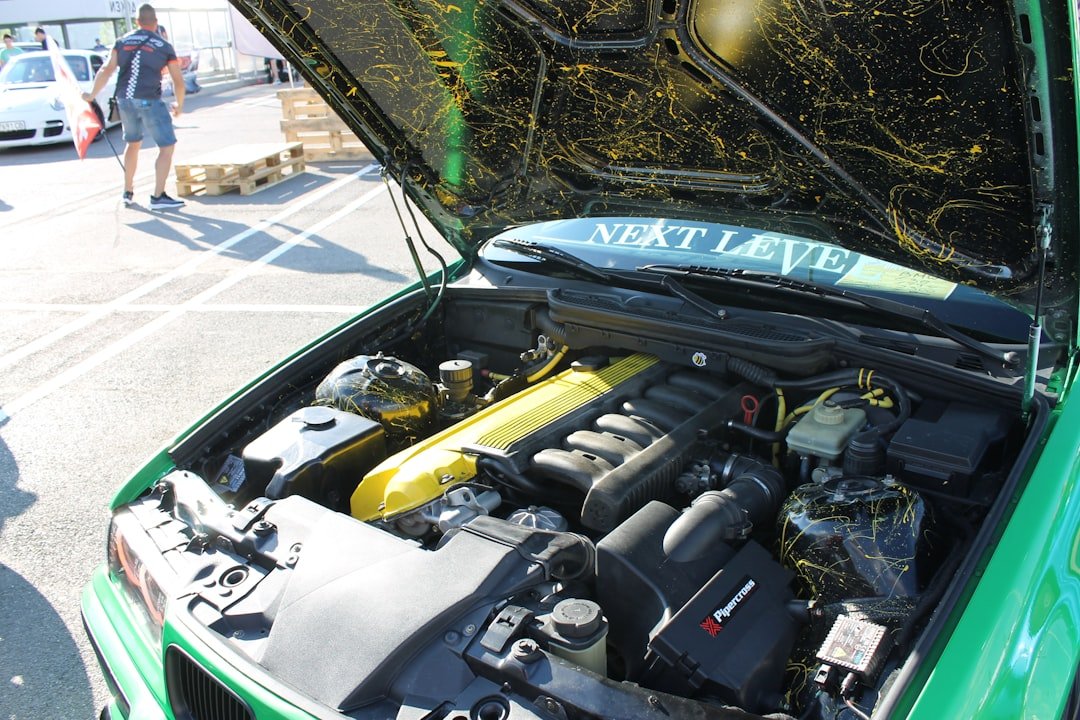
Car battery drainage is a common issue that can leave you stranded, especially when the vehicle seems fine one day and refuses to start the next morning. Your battery powers the starter motor, lights, control modules, security system, radio memory, and other electrical features when the engine is off. When something keeps drawing power or the battery cannot recharge properly, the charge can drop too low to start the engine.
Understanding why a car battery drains helps you prevent repeat problems instead of only jump-starting the vehicle again and again. Common causes include leaving lights on, taking frequent short trips, parasitic electrical draw, a weak alternator, corroded terminals, extreme temperatures, and an aging battery. Modern vehicles also use more electronics than older cars, so even small electrical issues can drain the battery over time.
Quick Answer
A car battery usually drains because something keeps using power while the vehicle is off, the battery is too old to hold a charge, or the charging system is not restoring power while you drive. Start by checking lights and accessories, then inspect the battery, terminals, alternator, and possible parasitic draw.
Key Takeaways
- Car battery drainage can come from simple mistakes, electrical faults, charging problems, weather stress, or normal battery aging.
- Parasitic drain happens when a component keeps drawing current after the vehicle is switched off.
- Frequent short trips can slowly weaken the battery because the alternator may not have enough time to restore the charge.
- Corroded terminals, loose cables, a failing alternator, or a weak voltage regulator can prevent proper charging.
- If the battery keeps dying overnight, test the battery and charging system before replacing parts at random.
At a Glance
| Main Problem | Battery loses charge while parked, while driving short distances, or because it cannot recharge correctly. |
| Common Signs | Slow cranking, clicking sound, dim lights, dashboard warnings, repeated jump-starts, or a dead battery after sitting overnight. |
| Tools That Help | Battery tester, multimeter, terminal brush, charger, battery maintainer, and basic hand tools. |
| Best First Step | Confirm all lights and accessories are off, then test the battery and charging system before assuming the battery is bad. |
Common Causes of Car Battery Drainage
One of the most common causes of car battery drainage is leaving lights or electrical components on when the vehicle is not in use. This can include interior lights, headlights, trunk lights, glove box lights, phone chargers, dash cams, or the radio. For example, a driver might forget to turn off the dome light after leaving the vehicle, causing a slow but steady drain on the battery.
You can often prevent this type of drain by building a simple shutdown habit. Before walking away from the vehicle, check that the headlights, cabin lights, infotainment system, and plugged-in accessories are off. Many newer cars shut lights off automatically, but you should not rely on that feature if the battery has already drained once.
Another common cause of battery drainage is frequent short trips. When you drive only a few minutes at a time, the alternator may not have enough time to recharge the battery fully after the energy used to start the engine. This is especially common in city driving, where stop-and-go traffic, short errands, and long idle periods can reduce charging efficiency.
Short trips can slowly weaken a battery because starting the engine uses power faster than a brief drive can replace it.
Drivers who mainly use their vehicles for short distances should consider taking a longer drive occasionally, using a battery maintainer when the vehicle sits for long periods, or having the battery tested before cold or hot weather arrives.
Electrical System Issues

Electrical system issues can also play a major role in car battery drainage. A malfunctioning alternator, for example, may fail to recharge the battery while the engine is running. The alternator converts mechanical energy from the engine into electrical energy, which powers the vehicle’s electrical systems and helps restore the battery’s charge.
If the alternator is not working correctly, the battery may keep losing power even while you drive. This can make the problem confusing because the vehicle may start after a jump, run for a while, and then fail again once the battery charge drops.
Corroded or loose battery terminals can also create resistance in the electrical system. Corrosion can build up around the terminals over time and block the smooth flow of electricity. Loose clamps can cause similar symptoms, including hard starts, flickering lights, or random electrical behavior.
Regular maintenance can reduce this risk. Inspect the battery posts, cable clamps, and ground connections. Clean corrosion carefully with the correct tools, tighten loose connections, and replace damaged cables when needed. A clean, tight connection helps the battery accept and deliver power more reliably.
Warning: Batteries can release explosive gas and contain corrosive acid. Wear eye protection and gloves when inspecting or cleaning battery terminals, and avoid sparks or open flames near the battery.
[Amazon Products Picked for You]

Quantity: comes with 10 pieces battery anti-corrosion washers(5 red & 5 green) and 2pcs Battery Terminal Cleaning Brush.

【WHAT YOU GET】: Included in the package are 2 battery terminal cleaning brushes and 10 battery terminal corrosion-resistant fiber washers (5 green and 5 red). We have thoughtfully designed different colors to help you distinguish between positive and negative, red for + and green for -.

Fleet and Vehicle Maintenance
Parasitic Drain
| Vehicle | Parasitic Drain (mA) | Source |
|---|---|---|
| Toyota Camry | 25 | Owner’s Manual |
| Ford F-150 | 30 | Diagnostic Tool |
| Honda Civic | 20 | Service Center |
Parasitic drain means an electrical component continues to draw power from the battery after the vehicle is turned off. Some draw is normal because many vehicles keep memory settings, alarm systems, keyless-entry receivers, and control modules active. The problem starts when a component, module, light, relay, or accessory pulls more current than the battery can support while parked.
Parasitic drain can happen because of malfunctioning components or improperly installed aftermarket accessories. For example, an aftermarket alarm system, dash cam, stereo amplifier, tracker, or remote-start system may keep circuits active longer than intended. A stuck glove box light, trunk light, or relay can also drain the battery overnight.
Identifying parasitic drain can be challenging because it often requires a multimeter, a careful testing process, and knowledge of the vehicle’s electrical system. A common method is to measure current draw from the battery after the vehicle has gone to sleep. If the current draw stays above the expected range for that vehicle, an electrical issue may need diagnosis.
If the current draw exceeds a safe threshold for your specific vehicle, it suggests a component may be staying awake or pulling power when it should not. Once the draw is confirmed, a qualified technician can isolate circuits, check fuses, and pinpoint the source of the battery drain.
Note: Normal parasitic draw varies by vehicle. Luxury cars, vehicles with telematics, and vehicles with many control modules may behave differently from older or simpler vehicles.
[Amazon Products Picked for You]
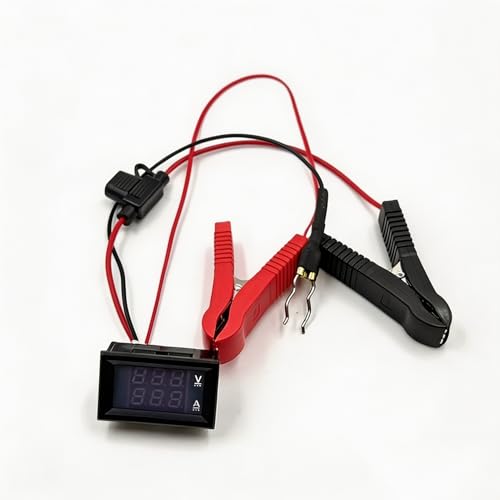
NO-DISCONNECT SAFE TESTING: Innovative design allows you to track down parasitic battery drain without disconnecting the vehicle's electrical system. This completely prevents vehicle computer (ECU) resets, loss of radio codes, and anti-theft system lockouts, ensuring a hassle-free diagnostic process.

🔋 Locate the Exact Fuse Causing Battery Drain: Stop guessing which circuit is draining your battery. This tester allows you to pinpoint the specific fuse responsible for abnormal parasitic current draw—fast, accurate, and without disconnecting the battery.

Replaceable in-line fuses protect both the meter and tester in the event a high current source on the vehicle is left on
Faulty Charging System
A faulty charging system can significantly contribute to car battery drainage issues. The charging system includes the alternator, voltage regulator, drive belt, battery cables, grounds, and related wiring. If any part of this system fails, the battery may not receive enough charge while you drive.
For instance, if the voltage regulator fails, it may send too much or too little voltage to the battery. Too little voltage can leave the battery undercharged, while excessive voltage can overcharge the battery and damage internal components. Both conditions can shorten battery life and create repeat starting problems.
Wiring issues can also reduce charging performance. Frayed wires, loose grounds, weak belt tension, or poor connections can create resistance that prevents proper charging. You may notice dimming headlights, a battery warning light, slow cranking, flickering dashboard lights, or unusual electrical behavior.
Regular inspections of the charging system are important for preventing unexpected battery drainage. If your vehicle needs frequent jump-starts, do not assume the battery is the only problem. Test the battery, alternator output, and charging voltage together so you can fix the true cause.
[Amazon Products Picked for You]

Voltage regulator rectifier for Club Car DS & Carryall 1992-up gas golf cart

[Vehicle Fitment-1]: Compatible with Cadillac Escalade 2009-2013 V8 6.0L, Escalade/Escalade ESV 2007-2014 V8 6.2L, Escalade EXT 2007-2013 V8 6.2L; Compatible with Chevrolet Avalanche 2007-2013 V8 5.3L, Avalanche 2007-2009 V8 6.0L, Colorado 2009-2012 V8 5.3L, Express 1500 2009-2014 V6 4.3L/V8 5.3L, Express 2500 2010 V8 4.8L/V8 6.0L, Express 3500 2010 V8 4.8L/V8 6.0L, Express 4500 2010 V8 6.0L, Silverado 1500 2007-2013 V6 4.3L/V8 4.8L, Silverado 1500 2007-2013 V8 5.3L/V8 6.0L

Product Type:Auto Part
Extreme Temperatures

Extreme temperatures can have a strong impact on car batteries and their performance. Both hot and cold weather can reduce reliability, but they affect the battery in different ways. Cold weather slows the chemical reactions inside the battery, making it harder for the battery to deliver enough power to start the engine.
This is especially noticeable in areas with harsh winters. Oil thickens in cold conditions, engines require more power to crank, and a weak battery may fail when the temperature drops. A battery that seemed acceptable in mild weather may struggle during the first cold morning of the season.
High heat can also damage a battery. Heat speeds up chemical activity inside the battery and can increase fluid loss in some battery designs. Long exposure to high temperatures may shorten battery life, reduce capacity, and make the battery more likely to fail suddenly.
Vehicle owners can reduce weather-related battery problems by parking in shaded areas during hot months, using a garage when possible, keeping terminals clean, and testing the battery before seasonal temperature changes. In colder climates, an engine block heater or battery maintainer may help vehicles that sit outside for long periods.
Aging Battery
As batteries age, their ability to hold a charge drops. Many automotive batteries last around three to five years under normal conditions, but climate, driving habits, maintenance, and electrical load can shorten or extend that range. A battery exposed to heavy heat, deep discharges, or repeated short-trip driving may fail sooner.
An aging battery may still power lights and accessories, yet fail when the starter needs a strong burst of current.
A weak battery may struggle to maintain its charge because of internal degradation. Plates can sulfate, capacity can decline, and internal resistance can increase. This makes the battery more vulnerable to overnight drain, cold starts, and heavy accessory use.
Regular battery testing helps you catch weakness before complete failure. Many auto parts stores and repair shops can test battery health, cold cranking ability, and charging performance. If the battery tests weak, replacing it before it dies can help prevent surprise breakdowns.
How to Diagnose a Battery That Drains Overnight
If your car battery drains overnight, start with the simplest checks before moving to advanced electrical testing. Many overnight drain problems come from lights, accessories, weak batteries, or charging faults rather than a mysterious wiring issue.
- Check lights and accessories: Look for headlights, dome lights, trunk lights, glove box lights, phone chargers, dash cams, and other devices left on.
- Inspect the battery terminals: Check for corrosion, loose clamps, cracked cables, or damaged ground connections.
- Test the battery: A weak battery may lose charge overnight even when no major drain exists.
- Test the charging system: Confirm the alternator and voltage regulator are charging correctly while the engine runs.
- Look for aftermarket accessories: Alarm systems, stereos, amplifiers, trackers, remote starters, and dash cams can cause parasitic draw if installed incorrectly.
- Perform a parasitic draw test: Use a multimeter or have a technician measure current draw after the vehicle has fully powered down.
Pro Tip: If the battery drains only after the vehicle sits for several days, a battery maintainer may help. If it drains overnight, test for a fault instead of relying on repeated jump-starts.
Preventive Measures to Avoid Car Battery Drainage
Preventing battery drainage starts with good electrical habits. Before leaving your vehicle, double-check that lights, chargers, and accessories are off. Make sure doors, trunk lids, and glove boxes close fully, because a small light can drain the battery if it stays on overnight.
Using automatic shut-off features for interior lights can help reduce accidental drains, but it does not replace proper inspection. Some vehicles also allow you to adjust accessory power settings, parking mode settings for dash cams, or interior light delay timing.
Regular maintenance plays an equally important role. Inspect the battery and charging system during routine service. Keep terminals clean and free from corrosion so electricity can flow properly. Check that the battery is secured in place, because vibration can damage internal components and shorten battery life.
Scheduling periodic checks of the alternator and voltage regulator can help identify problems before they become serious. If your headlights dim, the battery warning light appears, or electronics behave strangely, have the charging system tested soon.
For drivers in extreme climates, extra precautions can extend battery life. Parking in shaded areas during hot weather or using reflective sunshades can reduce heat exposure. In colder climates, keeping the vehicle in a garage or using an engine block heater can help reduce strain during cold starts.
Lastly, a quality battery maintainer or trickle charger can help if you do not drive your vehicle often or own a classic car that sits for long periods. These devices maintain charge levels without overcharging when used correctly. They are especially useful for seasonal vehicles, weekend cars, and vehicles stored during winter.
By understanding the common causes of car battery drainage and taking preventive steps, you can reduce the risk of a dead battery. Proper care, routine testing, and quick attention to electrical warning signs can help keep your vehicle reliable.
If you are struggling with a car battery draining overnight, focus first on the vehicle’s electrical system, battery condition, and charging performance. Just like other parts of your home or vehicle, a battery works best when it is installed correctly, maintained properly, and checked before small problems turn into bigger ones.
Related Guides
Frequently Asked Questions
What are common reasons for a car battery draining overnight?
Common reasons include a parasitic draw, a faulty alternator, a bad or aging battery, corroded terminals, loose battery cables, a stuck light, or accessories left plugged in. Aftermarket alarms, dash cams, stereos, and remote-start systems can also drain the battery if they are wired incorrectly.
How can I prevent my car battery from draining overnight?
Make sure all lights and accessories are turned off before leaving the car. Keep the battery terminals clean, test the battery regularly, repair charging system issues quickly, and use a battery maintainer if the vehicle sits for long periods. Also check that doors, the trunk, and the glove box close completely.
How can I diagnose the cause of my car battery draining overnight?
Start by checking for lights or accessories left on. Then inspect the terminals, test the battery, and test the alternator. If those checks pass, perform a parasitic draw test with a multimeter or ask a technician to isolate the circuit causing the drain.
Can a bad alternator drain a battery?
Yes. A bad alternator can fail to recharge the battery while you drive. In some cases, a faulty alternator diode can also allow current to flow when the vehicle is off, creating a drain. Testing the charging system can confirm whether the alternator is part of the problem.
When should I seek professional help for a car battery draining overnight?
Seek professional help if the battery keeps dying after you turn everything off, if the vehicle needs repeated jump-starts, if the battery and alternator test good but the problem continues, or if you suspect a deeper electrical issue. A technician can safely perform a parasitic draw test and trace the faulty circuit.
Sources
- Car and Driver — alternator function and charging system context.
- NAPA Know How — battery care and maintenance guidance.
- Interstate Batteries — general automotive battery lifespan and replacement guidance.
