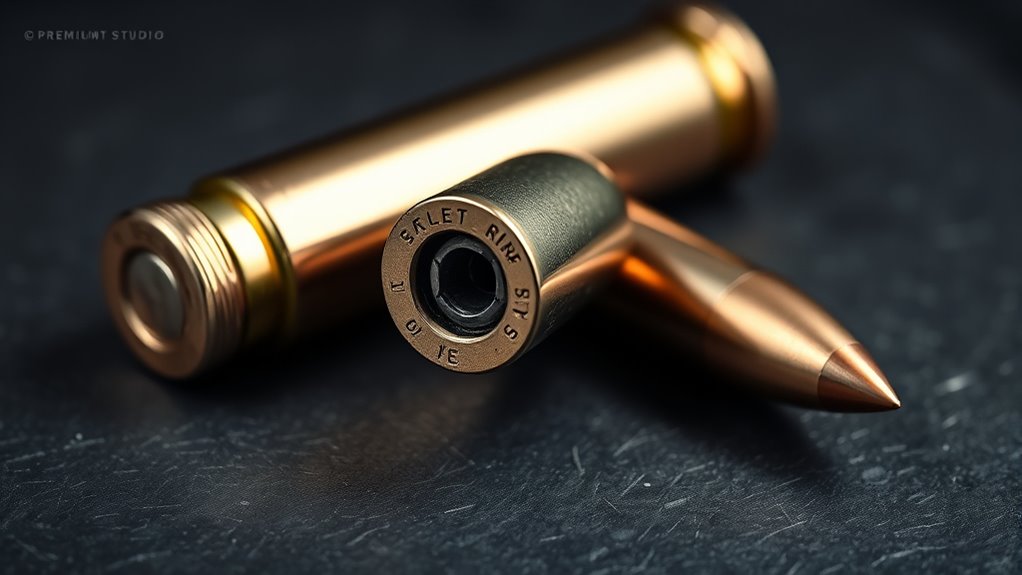
Full metal jacket (FMJ), hollow point (HP), and soft point (SP) are the three bullet types most civilian shooters encounter, and each is built for a different job. The differences come down to how the projectile is jacketed and what happens when it hits a target. This guide explains how each type is constructed, how they generally behave on impact, and which one fits target shooting, hunting, or self-defense.
Quick Answer
FMJ bullets are fully jacketed and resist expansion, so they’re the standard choice for range and target shooting. Hollow point bullets have a cavity in the nose that’s designed to expand on impact, and civilians most often choose them for self-defense. Soft point bullets expose lead at the tip and expand more moderately than a hollow point, which is why hunters commonly reach for them. Always confirm what’s legal to buy, carry, or hunt with in your area before choosing a load.
Key Takeaways
- FMJ: fully jacketed, minimal expansion, favored for range practice and competition because it feeds reliably and costs less.
- Hollow Point: a nose cavity promotes expansion on impact, which is why it’s the common civilian and law-enforcement choice for self-defense.
- Soft Point: partially jacketed with an exposed lead tip, giving a middle ground of expansion and penetration that suits most hunting applications.
- Ammunition laws vary by state and country, especially for hollow points, so check local regulations before buying, carrying, or hunting with a given load.
FMJ vs Hollow Point vs Soft Point
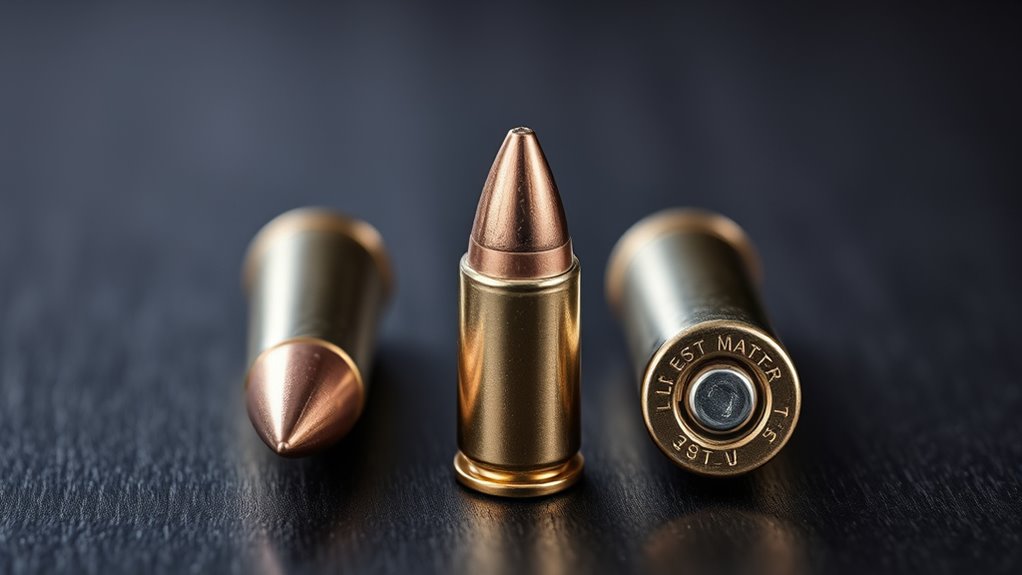
Full Metal Jacket (FMJ), Hollow Point (HP), and Soft Point (SP) ammunition differ mainly in projectile construction and how that construction affects behavior on impact.
FMJ wraps a lead core in a full metal jacket, typically copper alloy, that covers the nose as well as the sides. That closed nose is what keeps the bullet from expanding, so it tends to penetrate deeper and transfer energy more gradually than a bullet designed to expand.
Hollow Point ammunition leaves a cavity or hole in the nose. On impact, that cavity encourages the bullet to open up (expand), which increases its frontal diameter and slows its penetration, transferring more energy in a shorter distance.
Soft Point sits between the two: the jacket covers the sides and base but leaves the lead tip exposed, so the bullet expands on impact, though generally less dramatically than a hollow point, while still penetrating well.
Cost follows the same pattern: FMJ is usually the least expensive option, since it’s produced in high volume for practice, while HP and SP loads cost more due to more specialized construction. For a closer look at how bullets are built, see Hornady’s bullet anatomy overview and Federal Premium’s ammo basics guide.
How Each Bullet Type Is Built
The construction differences are straightforward once you know what to look for:
| Type | Jacket Coverage | Nose Design | General Behavior |
|---|---|---|---|
| FMJ | Full (sides and nose) | Closed, rounded | Minimal expansion, deeper penetration |
| Hollow Point | Partial (sides only) | Open cavity | Expands, wider wound channel, shallower penetration |
| Soft Point | Partial (sides only) | Exposed lead tip | Moderate expansion, balanced penetration |
Bullet weight, caliber, and the specific load also affect real-world performance, which is why manufacturers publish load-specific data rather than a single number for “how a hollow point performs.” Treat the descriptions above as general tendencies, not guarantees for any particular cartridge.
Terminal Performance: Expansion vs. Penetration
Terminal performance is the umbrella term for what a bullet does after it hits something, and it comes down to a tradeoff between expansion and penetration.
FMJ’s closed nose keeps the bullet’s profile mostly intact, so it tends to penetrate deeply while transferring energy along a narrower path. That’s useful for training, where the goal is consistent function and accuracy rather than terminal effect, but it’s generally considered less effective for stopping a threat quickly or humanely dispatching game.
Hollow Point’s expansion increases the bullet’s frontal area, which widens the wound channel and slows penetration. That combination is why it’s the common recommendation for self-defense: more energy is transferred in a shorter distance, and the reduced penetration also lowers the risk of the bullet passing all the way through and beyond the intended target.
Soft Point expands, but usually less aggressively than a hollow point, so it retains more penetration while still creating a larger wound channel than FMJ. That balance is the main reason it’s favored for hunting medium and large game, where reaching vital organs matters as much as energy transfer.
None of this translates into fixed velocity, energy, or expansion figures that hold across every caliber and load. Always check a manufacturer’s published specifications for the specific cartridge you’re using.
Common Uses by Bullet Type
Target and Range Shooting: FMJ
FMJ is the standard choice for range practice and competition. Its rounded, closed nose feeds reliably in semi-automatic pistols and rifles, it’s typically the least expensive option per round, and its closed jacket produces less barrel fouling over a long session. Because it doesn’t need to expand, FMJ is built for consistent function and accuracy rather than terminal effect.
Hunting: Soft Point (and Sometimes Hollow Point)
Soft Point is the traditional choice for hunting deer-sized and larger game because its controlled expansion helps create a humane, ethical harvest while still penetrating enough to reach vital organs. Some hunters use hollow point designs as well, particularly for varmint and predator hunting where deep penetration matters less than rapid expansion. The right choice depends on the game being hunted, the cartridge, and what local hunting regulations allow, so check your jurisdiction’s rules before heading out. The NRA’s American Hunter has a useful comparison of soft point and solid bullet performance for hunters weighing the options.
Self-Defense: Hollow Point
Hollow point ammunition is the common recommendation for self-defense and is widely carried by law enforcement, because its expansion increases stopping effectiveness while reducing the chance of over-penetration in a home or populated area compared to a non-expanding bullet. It costs more than FMJ, but for a load that will only be fired in an emergency, most shooters prioritize terminal performance over price.
Warning: Check Local Laws Before Buying or Carrying Hollow Points
Hollow point ammunition is restricted or regulated in some states and countries. New Jersey, for example, limits civilian possession of hollow points outside specific exceptions such as at home, at a range, or while hunting with the appropriate license. Rules also differ for hunting (some states require expanding bullets for big game, others restrict certain calibers) and for international travel or shipping. This is general information, not legal advice. Always verify the current requirements for your state, country, and intended use before purchasing, carrying, or hunting with any ammunition type.
How to Choose the Right Ammunition
Start with the purpose: target shooting, hunting, or self-defense each call for a different bullet type, as covered above. From there, a few practical factors narrow the decision further.
The cartridge must match your firearm’s chamber and caliber exactly. Bullet weight and load also affect recoil, point of impact, and reliable feeding, especially in semi-automatic actions. Budget matters too: since FMJ is generally the least expensive, it makes sense for high-volume practice, while a smaller quantity of a more specialized hollow point or soft point load is usually reserved for hunting or defensive carry.
Pro Tip
Pattern-test any hunting or self-defense load in your specific firearm before relying on it. Point of impact, feeding reliability, and felt recoil can vary between brands and bullet weights even within the same caliber.
Finally, always verify local regulations. Ammunition restrictions, and in some cases requirements for hunting (such as mandating expanding bullets for big game), vary by state and country, so a load that’s standard in one area may be restricted in another.
Frequently Asked Questions
Is FMJ or soft point better?
Neither is universally “better,” they’re built for different jobs. FMJ costs less and feeds reliably, which makes it the practical choice for range practice. Soft point expands on impact and penetrates well, which makes it the more effective choice for hunting, where a humane, ethical harvest depends on that terminal performance.
What does “jacketed soft point” mean?
It describes a bullet with a lead core that’s jacketed around the sides and base but left exposed at the tip. That exposed lead is what allows the bullet to expand in a controlled way on impact, which is the main reason soft point ammunition is popular for hunting.
Do police typically use FMJ or hollow point ammunition?
Most U.S. law enforcement agencies carry hollow point duty ammunition rather than FMJ, because its expansion is associated with more effective stopping performance and a lower risk of over-penetration in populated areas. FMJ is more commonly used for training and qualification, where cost and reliable function matter more than terminal effect.
Is it illegal to carry FMJ rounds?
FMJ is legal to own and carry in the large majority of U.S. jurisdictions, though some places restrict specific calibers or bullet designs (hollow points are the type more commonly restricted, not FMJ). Because rules vary by state, city, and country, and can change, verify current local and any applicable travel regulations before carrying or transporting ammunition.
Conclusion
FMJ, hollow point, and soft point ammunition each serve a distinct purpose. FMJ offers affordable, reliable function for range practice and training. Hollow point expands for effective, controlled-penetration performance in self-defense. Soft point balances expansion and penetration for ethical, effective hunting. Matching the bullet type to your actual purpose, and confirming what’s legal where you live, is the most important step in choosing the right ammunition.
