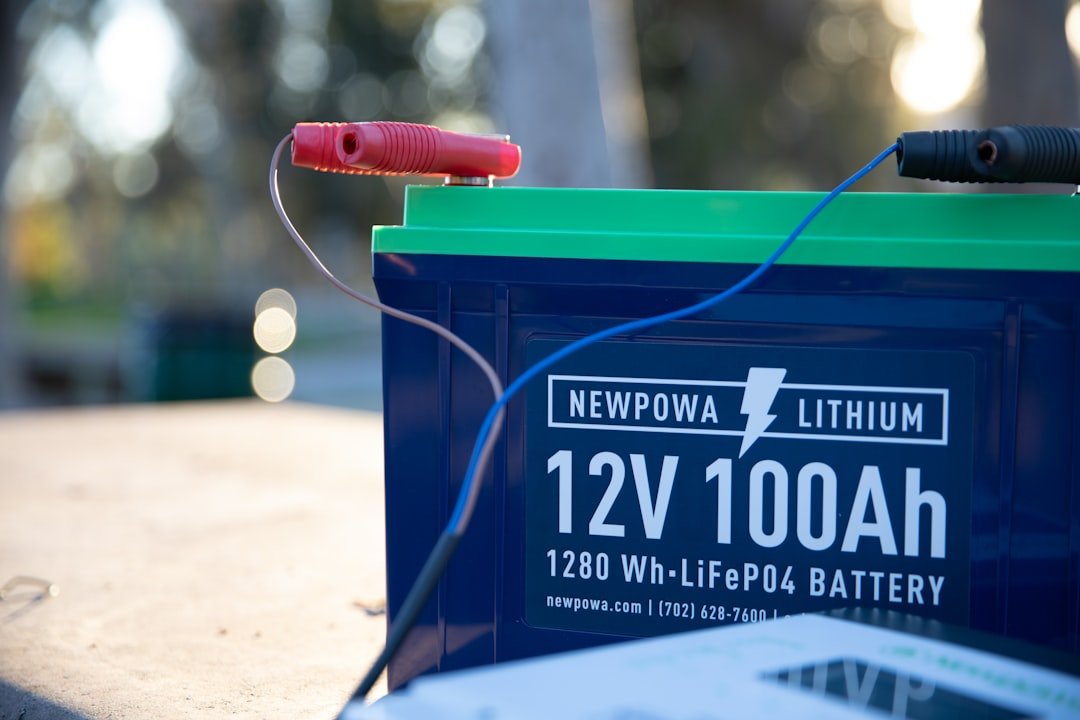
A car battery reset can help when your vehicle has minor electrical glitches, warning lights, slow starts, or odd behavior after a battery replacement. The reset usually means disconnecting the battery long enough for some control modules to power down, then reconnecting it in the correct order. It is a simple job, but you need to handle the battery safely because it can contain corrosive acid, release gas, and damage electronics if you short the terminals.
Quick Answer
To reset a car battery, turn the vehicle off, remove the negative cable first, then remove the positive cable. Wait 15 to 60 minutes, clean the terminals if needed, reconnect the positive cable first, then reconnect the negative cable. Start the vehicle and check for warning lights or rough idle.
Key Takeaways
- A car battery reset may help after a dead battery, battery replacement, warning light, or minor electrical glitch.
- Always shut the vehicle off, remove the key, and disconnect the negative terminal before the positive terminal.
- Wear gloves and safety goggles because car batteries may contain corrosive sulfuric acid.
- Clean corrosion from the terminals before reconnecting the battery so the electrical connection stays strong.
- Reconnect the positive terminal first, then the negative terminal, and test the battery voltage afterward.
- Some modern vehicles need a battery registration, relearn procedure, or scan tool after replacement, so check your owner’s manual.
At a Glance
| Time Required | 15 to 60 minutes, plus extra time if you clean corrosion or run a battery test |
| Difficulty | Easy for most owners, but use caution around battery acid and electrical terminals |
| Tools Needed | Gloves, safety goggles, wrench or socket, multimeter, baking soda, water, cloth, and terminal brush |
| Cost | Usually no cost if you already have basic hand tools; low cost if you need a terminal brush or multimeter |
This process is especially relevant for modern vehicles that rely heavily on electronic systems for engine management, charging, security, comfort, and driver-assistance features. Disconnecting the battery may allow some temporary memory settings to clear, which can help the vehicle recalibrate after a weak battery, replacement battery, or short-lived computer glitch.
Resetting the battery can also help after installing a new battery. In some vehicles, the charging system monitors battery age, charge state, and capacity. A new battery may need a relearn cycle, battery management reset, or battery registration procedure before the vehicle manages charging correctly. This matters even more in vehicles with start-stop technology, regenerative braking, smart alternators, and advanced driver-assistance systems.
Note: A battery reset is not the same as fixing the root cause. If the battery keeps dying, the alternator may not be charging, a parasitic drain may be present, or the battery may be near the end of its service life.
Understanding the Need for a Car Battery Reset
A car battery reset may be useful when the battery is not holding a charge, the vehicle has electrical issues, or dashboard warning lights appear after a low-voltage event. It can also help after replacing a battery, jump-starting a vehicle, or cleaning badly corroded terminals.
Common signs that a reset or battery inspection may be needed include flickering lights, slow cranking, clicking when you turn the key, warning lights that appear after a dead battery, power window or radio settings that stop working, or accessories that act erratically. These symptoms can come from several causes, including a weak battery, loose terminals, a bad ground connection, a failing alternator, or a temporary control-module glitch.
A reset may clear temporary faults, but it will not repair a damaged battery, failed alternator, faulty starter, corroded cable, or wiring problem. Treat the reset as a basic diagnostic and maintenance step, not a guaranteed cure.
Gathering the Necessary Tools and Materials
Before you reset your car battery, gather the tools and materials you need so the work goes smoothly. The primary items include a wrench or socket set to loosen the battery terminals, safety gloves to protect your hands from corrosive material, and safety goggles to shield your eyes from sparks, debris, or accidental splashes. A multimeter is also useful because it lets you test the battery voltage before and after the reset.
In some cases, you may also want a battery terminal cleaner or a simple mixture of baking soda and water to remove corrosion from the terminals. Corrosion can block the flow of electricity and cause starting or charging problems. A wire brush, old toothbrush, clean cloth, and small container can help you scrub and dry the terminals before reconnecting the cables.
- Safety gloves
- Safety goggles
- Wrench or socket set
- Multimeter
- Battery terminal brush or wire brush
- Baking soda and water
- Clean cloth or shop towel
- Owner’s manual
- Memory saver, if your vehicle supports one and you want to preserve radio presets or learned settings
Pro Tip: Take a quick photo of the battery, terminals, hold-down bracket, and nearby wiring before you start. It gives you a visual reference when you reconnect everything.
[Amazon Products Picked for You]

Quantity: comes with 10 pieces battery anti-corrosion washers(5 red & 5 green) and 2pcs Battery Terminal Cleaning Brush.

【CLEAN & PROTECT KIT】Includes 2 battery terminal cleaners and 12 anti-corrosion fiber washers (6 red, 6 green) for a complete battery terminal care set. Clean corroded connections, then add washer protection to help reduce future buildup

Widely Used: 4 in 1 Car Battery Cleaning Brush can quickly wash steel parts, machinery, paint stains and will not damage the of the item. This tool is suitable for maintaining car batteries, marine batteries and other similar components and can be used for rust removal and painting. Rotates and rubs back and forth by screwing into the pile head to achieve cleaning purposes
Ensuring Safety Precautions before Beginning

Safety should always come first when you work with car batteries. Car batteries may contain sulfuric acid, which is highly corrosive and can cause serious burns if it touches your skin or eyes. Wear gloves and safety goggles before you loosen any battery cable. Work in a well-ventilated area and keep sparks, flames, cigarettes, and metal jewelry away from the battery.
Turn the vehicle off before beginning. Remove the key from the ignition or keep the key fob away from the vehicle so the electronics do not wake up while you work. Shut off the lights, radio, climate controls, chargers, and all accessories. Disconnecting the battery while components are active can cause voltage spikes or memory issues in sensitive electronics.
Warning: Never allow a metal wrench or tool to touch the positive terminal and any grounded metal part at the same time. That can cause a short circuit, sparks, burns, battery damage, or electronic damage.
If the battery case is swollen, cracked, leaking, frozen, or smells strongly of rotten eggs, do not reset it. Stop and have the battery inspected by a qualified technician. A damaged battery can be dangerous, and disconnecting it may not be safe.
[Amazon Products Picked for You]

PREMIUM ANTI-FOG ANTI-SCRATCH COATING for optimum clarity and durability

Package List: You will receive 1 car battery insulation wrap and 1 aluminum foil tape for secure installation. The universal size fits most vehicle batteries and can be easily trimmed for custom applications in cars, trucks, and RVs.
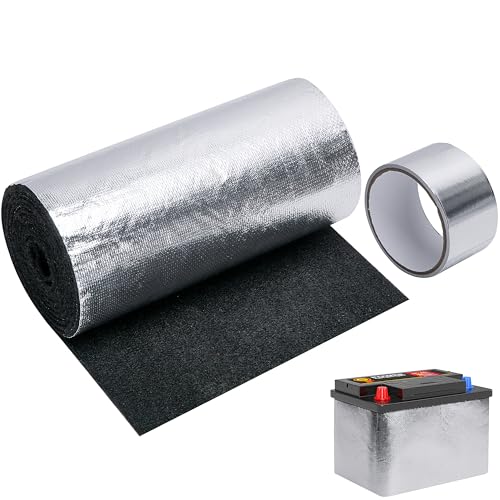
Outstanding Insulation:Use our high-performance automotive battery insulation blanket to fully wrap your automotive battery, protecting it from extreme temperatures and engine vibrations, ensuring your automotive battery stays warm and functions properly in cold weather.
Locating the Car Battery
| Car Battery Location | Common Places |
|---|---|
| Under the Hood | Near the engine compartment |
| Trunk | Some vehicles have the battery in the trunk |
| Under the Rear Seat | Found in some luxury vehicles |
Finding the car battery is usually simple because many vehicles place it under the hood. However, some compact cars, luxury vehicles, performance cars, hybrids, and newer models place the battery in the trunk, under the rear seat, under a floor panel, or behind a cover. Your owner’s manual is the best place to confirm the exact location and any special disconnect instructions.
Once you find the battery, look at how it is mounted. Most batteries are held down by a bracket or clamp that may require a wrench or socket to remove. You usually do not need to remove the battery from the vehicle for a simple reset, but you do need clear access to the terminals. Also look for protective covers, vent tubes, battery sensors, and nearby wiring before you begin.
Note: Many vehicles have a sensor on the negative battery cable. Do not pull, twist, or pry on that sensor. Loosen the terminal clamp carefully and keep the cable assembly supported.
Disconnecting the Car Battery
With safety precautions in place and tools at hand, you can disconnect the car battery. Start by identifying the negative (-) and positive (+) terminals. The negative cable is usually black and may connect to the vehicle body or engine ground. The positive cable is often red and may have a protective cover.
Disconnect the negative terminal first. This reduces the risk of short-circuiting the positive terminal to the vehicle body with your tool. Use your wrench or socket to loosen the nut on the negative terminal, then lift the cable off the post. Tuck the cable away from the battery so it cannot spring back and touch the terminal.
After removing the negative terminal, repeat the process for the positive terminal. Do not allow metal tools to touch both terminals at the same time. Once both terminals are disconnected, inspect them for corrosion, looseness, cracked insulation, broken clamps, or damaged wiring.
If you notice white, blue, or green buildup around the terminals, clean the terminals before reconnecting the battery. A clean connection helps the starter, alternator, and control modules receive steady power.
Cleaning the Battery Terminals

Cleaning the battery terminals is an important step during a reset, especially if you see corrosion. Corrosion can form over time due to chemical reactions near the battery posts. It can create poor electrical contact, slow cranking, charging issues, or intermittent electrical faults.
To clean the terminals, you can use a commercial battery terminal cleaner or make a simple solution with baking soda and water. Mix one tablespoon of baking soda with one cup of water in a small container. Dip an old toothbrush or wire brush into the mixture and scrub the corrosion from the positive and negative terminals. The baking soda solution helps neutralize acid residue and loosen buildup.
After scrubbing, lightly rinse the cleaned areas with clean water while keeping liquid away from sensitive electronics. Dry everything thoroughly with a cloth before reconnecting the cables. If the terminal clamp is cracked, badly pitted, or will not tighten securely, replace or repair it before driving.
A clean, tight terminal connection can solve many starting and charging complaints that look like battery failure.
[Amazon Products Picked for You]

[High-Quality Materials]: Battery terminal cleaner made of wear-resistant steel wire, it is not easy to wear. The durable galvanized iron shell can be used in wet conditions without rusting or damage, and the bristles can withstand heavy use and prevent flattening.

【Effortlessly removes corrosion】The dual-ended battery post cleaning brush, made of stainless steel casing and with steel wire bristles, powerfully removes stubborn corrosion and oxides from battery terminals and clamps, ensuring optimal conductivity. In winter, clean terminals will help your car start more easily while reducing battery drain.

【Applicable】Alltooetools Battery terminal post cleaner wire brush used for removes dirt, debris and corrosion to restore electrical contact.Brushes are encased in a durable steel housing, stainless steel bristles withstand heavy use and resist flattening. Cone brush cleans for top and side terminals,and both battery positive (+) and negative (-) terminals. Inside brush cleans battery posts.
Allowing the Battery to Reset
Once you have disconnected and cleaned the battery terminals, allow the battery reset to take effect. Leaving the battery disconnected for at least 15 minutes is common, although some owners wait up to one hour for a more complete power-down. During this time, residual charge in some electrical circuits may dissipate, and some temporary module memory may clear.
Different vehicles respond differently. Some may reset the clock, radio presets, power window limits, idle learning, throttle learning, steering angle calibration, or transmission shift adaptation. Others may store permanent diagnostic trouble codes that will not clear without a scan tool. That is why a battery reset can help with minor issues, but it should not replace proper diagnostics when warning lights return.
While you wait, you can inspect other basic maintenance items. Check fluid levels, look for loose cables, inspect the battery hold-down, and make sure nothing is sitting near the battery that could create a short circuit. Keep the disconnected battery cables separated from the posts until you are ready to reconnect them.
Note: If your vehicle has an anti-theft radio code, make sure you have the code before disconnecting the battery. Some vehicles may lock certain audio or navigation functions after power loss.
Reconnecting the Car Battery
After allowing enough time for the reset, reconnect the car battery in the correct order. Attach the positive terminal first. Place the positive terminal clamp back onto the positive post and tighten it securely with your wrench or socket. The clamp should not rotate or slide by hand after it is tightened.
Next, reconnect the negative terminal. Place the negative clamp onto the negative post and tighten it securely. Avoid overtightening either terminal because that can damage the posts, strip the clamp, or crack the terminal hardware.
After reconnecting both terminals, visually inspect the connections. Make sure the terminal covers are back in place, the cables are not stretched or rubbing against sharp edges, and the battery hold-down is secure. A loose battery can move while driving and damage cables, terminals, or nearby parts.
Starting the Vehicle After the Reset
Once the battery is reconnected, start the vehicle and let it idle for a few minutes. Do not immediately turn on every accessory. Let the engine control system stabilize first, then test the lights, radio, climate control, and other basic functions.
Some vehicles may idle roughly for a short time after a battery reset while the computer relearns idle control and throttle position. If the idle does not smooth out, the engine stalls repeatedly, or warning lights remain on, check the owner’s manual for a relearn procedure or have the vehicle scanned for fault codes.
You may also need to reset the clock, radio presets, one-touch windows, sunroof limits, seat memory, steering angle sensor, or tire pressure warning system. These steps vary by make and model, so follow the vehicle-specific procedure in your manual.
Testing the Car Battery
With everything reconnected, test the car battery to confirm that it is working properly after the reset. Start the vehicle and observe how it responds. Listen for clicking, grinding, slow cranking, or hesitation. If the engine starts smoothly and the dashboard behaves normally, the reset and reconnection were likely successful.
For a more complete check, use a multimeter to measure the battery’s voltage. A fully charged 12-volt lead-acid battery often reads around 12.6 to 12.8 volts with the engine off. A reading below about 12.4 volts may suggest the battery is partly discharged. A reading below 12 volts often points to a weak, discharged, or failing battery that needs charging or testing.
With the engine running, the charging system commonly reads higher than battery-only voltage because the alternator is charging. If the voltage stays low while the engine is running, the alternator, belt, wiring, or charging system may need inspection. If warning lights stay on after the reset, further diagnostics may be necessary.
| Battery Reading | What It May Mean |
| 12.6 to 12.8 volts, engine off | Battery is likely well charged |
| 12.2 to 12.4 volts, engine off | Battery may be partly discharged |
| Below 12 volts, engine off | Battery may be weak, discharged, or failing |
| Low voltage with engine running | Charging system may need testing |
When a Battery Reset May Not Be Enough
A reset can help with minor electronic glitches, but it will not fix every problem. If the vehicle keeps losing power, the battery repeatedly goes dead, or warning lights return after a short drive, the issue likely needs deeper testing.
Common problems that can look like a battery reset issue include a failing alternator, bad starter, loose ground strap, damaged battery cable, parasitic electrical drain, blown fuse, faulty body control module, or aged battery. A scan tool and battery load test can help narrow down the cause.
Some newer vehicles also require battery registration after replacement. This tells the vehicle that a new battery has been installed and may update charging behavior. Without this step, the vehicle may overcharge or undercharge the new battery depending on the system design. Check your owner’s manual or ask a qualified technician if your vehicle uses battery management registration.
Troubleshooting Common Issues
Even after resetting and testing your car battery, you may still have problems that need troubleshooting. One common issue is difficulty starting despite having a battery that seems functional. In that case, check more than the battery. The starter motor, alternator, ground cable, battery clamps, and ignition system all play important roles in starting the vehicle.
Faulty terminal connections can also create problems. If the terminals are loose, dirty, or still corroded after cleaning, the vehicle may start sometimes and fail at other times. Inspect the wiring harnesses around the battery for fraying, melted insulation, cracked connectors, or signs of previous repair.
If warning lights stay on after a reset, do not keep disconnecting the battery repeatedly. Use a scan tool to read the codes or have a mechanic diagnose the issue. Warning lights usually appear for a reason, and clearing power does not always clear the underlying fault.
| Problem After Reset | What to Check |
| Vehicle clicks but will not start | Battery charge, terminal tightness, starter, and ground cable |
| Warning lights return | Scan for diagnostic trouble codes instead of repeating the reset |
| Battery dies again | Alternator output, parasitic drain, old battery, or loose wiring |
| Rough idle after reset | Idle relearn, throttle relearn, vacuum leaks, or stored engine codes |
Maintaining a Healthy Car Battery
Regular maintenance helps extend battery life and reduces the chance that you will need repeated resets or replacements. Inspect the battery terminals for corrosion, looseness, or wear during routine maintenance. Cleaning the terminals periodically can help maintain a strong electrical connection.
Also make sure the vehicle’s charging system works correctly. A weak alternator can leave the battery undercharged, while an overcharging system can damage the battery. If you often take short trips, leave accessories plugged in, or park for long periods, your battery may discharge faster than expected.
A quality battery maintainer or trickle charger can help if your vehicle sits unused for weeks at a time. Choose a maintainer designed for your battery type, especially if your vehicle uses AGM, EFB, or another modern battery design. Keeping the battery charged, clean, and secured will improve reliability and reduce future starting problems.
If you’re looking for more tips on maintaining your car, you might also be interested in this article on whether spring cleaning your car is worth the investment. Keeping your vehicle in top condition not only includes resetting the battery but also ensuring it is clean and well-maintained.
Related Guides
Frequently Asked Questions
What is a car battery reset?
A car battery reset is the process of disconnecting the battery from the vehicle’s electrical system for a short time. This may clear temporary electronic glitches, reset some learned values, and allow control modules to power down before reconnecting the battery.
When should you reset a car battery?
You may reset a car battery after a dead battery, battery replacement, jump-start, minor electrical malfunction, or dashboard warning light caused by low voltage. If the same problem returns, test the battery, alternator, starter, wiring, and stored fault codes.
How do you reset a car battery?
Turn off the vehicle, remove the key or keep the key fob away, disconnect the negative terminal first, then disconnect the positive terminal. Wait 15 minutes to one hour. Reconnect the positive terminal first, then the negative terminal. Start the vehicle and check for warning lights.
Is it safe to reset a car battery?
Resetting a car battery is generally safe when you follow proper precautions. Wear gloves and eye protection, work in a ventilated area, keep flames and sparks away, and never let metal tools touch both terminals or the positive terminal and vehicle body at the same time.
Can resetting a car battery fix electrical issues?
A battery reset can sometimes fix minor electrical issues, temporary warning lights, or module glitches caused by low voltage. It will not fix a bad battery, failing alternator, damaged starter, corroded cable, parasitic drain, or faulty control module.
Will disconnecting the battery erase my radio presets?
It can. Disconnecting the battery may erase radio presets, clock settings, seat memory, window limits, and other learned settings. Some vehicles may also need an anti-theft radio code after power is restored.
Do modern cars need battery registration after replacement?
Some modern vehicles do need battery registration, battery coding, or a scan-tool reset after replacement. This is common on vehicles with battery management systems, start-stop technology, AGM batteries, or smart charging. Check your owner’s manual or ask a technician before assuming a simple disconnect is enough.
Sources
- CDC/NIOSH: Sulfuric Acid — supports the safety warning about corrosive battery acid.
- OSHA: Battery Manufacturing Chemical Hazards — supports safe handling awareness around battery-related chemical hazards.
- U.S. Department of Energy: Batteries — supports general battery maintenance and charging context.
