All-season tires can be a smart choice when you want one tire set for everyday driving, wet roads, dry pavement, and occasional light snow. They work best in moderate climates where you do not face long periods of deep snow, ice, or extreme heat. Choosing the right set means matching the tire to your vehicle, climate, driving style, size requirements, and maintenance habits.
Quick Answer
Choose all-season tires by checking your vehicle’s required tire size, load rating, speed rating, local weather, tread design, warranty, ride comfort, and wet-road performance. They suit mild to moderate climates, but winter tires are safer for frequent snow, ice, or freezing conditions.
Key Takeaways
- All-season tires balance dry, wet, and light-snow performance for everyday driving.
- They are convenient because you usually do not need seasonal tire changes in mild climates.
- They are not the best choice for regular ice, deep snow, mountain winter driving, or extreme performance use.
- Always match the tire size, load index, speed rating, and pressure recommendation listed by your vehicle manufacturer.
- Regular pressure checks, rotation, alignment, and tread-depth checks help all-season tires last longer and perform better.
All-season tires have become a popular choice among drivers seeking versatility and convenience in their vehicles.
All-season tires are built for balanced year-round use, not maximum performance in every condition. That difference matters when you drive in heavy snow, ice, extreme heat, or demanding performance situations.
Designed to perform well in a variety of weather conditions, these tires provide balanced performance throughout the year. They can be appealing if you live in a region with moderate weather and want one tire set for daily driving.
Unlike specialized tires, which are tailored for specific conditions such as winter or summer, all-season tires aim to provide a practical compromise. They can handle dry roads, wet roads, and light snow, but they do not replace winter tires in severe cold, ice, or heavy snowfall.
The development of all-season tires has been driven by advances in tread design, rubber compounds, and tire construction. Tire manufacturers use different groove patterns, siping, and compound blends to improve grip, durability, ride comfort, and rolling resistance. As a result, modern all-season tires can meet a wide range of daily driving needs.
This guide explains the main features, benefits, trade-offs, sizing rules, ratings, maintenance habits, and buying considerations that help you choose all-season tires with more confidence.
Understanding All-Season Tire Features and Benefits
All-season tires are characterized by tread designs that usually combine grooves, blocks, and sipes to support traction on different road surfaces. The tread pattern is designed to help move water away from the tire, maintain road contact, and provide stable handling in common driving conditions.
The rubber compounds used in all-season tires are also designed to stay useful across a wider temperature range than a single-purpose tire. That flexibility helps the tire maintain grip as weather changes, though performance still drops when temperatures become extreme.
One of the primary benefits of all-season tires is convenience. Many drivers do not want to store, mount, and balance separate winter and summer tire sets every year. All-season tires reduce that hassle because they are designed for year-round use in moderate climates.
Another benefit is balanced everyday performance. A good all-season tire should feel predictable during commuting, highway driving, errands, and rainy weather. Many models also focus on quiet ride quality and longer tread life, which can make them practical for family cars, sedans, crossovers, and small SUVs.
Note: “All-season” does not mean “all-weather in every condition.” Some all-season tires are better in rain, some are quieter, and some last longer. Match the tire’s strengths to how and where you drive.
Factors to Consider When Choosing All-Season Tires

When selecting all-season tires, several factors should be considered to make sure the tires fit your vehicle and your daily driving conditions. Start with climate because weather has the biggest effect on tire performance.
All-season tires are designed to handle a variety of conditions, but they may not perform well in extreme winter weather. If you regularly drive through heavy snow, ice, freezing rain, or mountain passes, dedicated winter tires may be the safer choice.
Vehicle type also matters. A compact commuter car, sports sedan, pickup, minivan, and SUV can each need different tire characteristics. Sports cars may need more responsive handling. SUVs may need higher load capacity and better stability. Daily commuters may prioritize comfort, low noise, and tread life.
Your driving style should also guide the choice. If you drive aggressively, brake hard, corner quickly, or spend a lot of time on highways, look for strong wet braking, responsive handling, and good heat resistance. If you drive mostly in town, comfort, durability, and fuel efficiency may matter more.
You should also compare treadwear warranty, road-noise reviews, wet traction, ride comfort, rolling resistance, and available sizes. A tire that looks good on paper can still be a poor fit if it does not match your vehicle’s required size or load rating.
Warning: Never choose tires based only on price, appearance, or brand name. The wrong size, load rating, or speed rating can affect handling, braking, wear, and safety.
Comparing All-Season Tires with Other Types of Tires
| Tire Type | Traction | Longevity | Performance |
|---|---|---|---|
| All-Season | Good in most mild to moderate conditions | Moderate to long, depending on model | Balanced for everyday use |
| Summer | Excellent in warm dry and wet conditions | Often shorter than touring all-season tires | High performance in warm weather |
| Winter | Excellent in snow, slush, and ice | Moderate, with faster wear in warm weather | Designed for cold weather |
| All-Terrain | Good on pavement, gravel, dirt, and light trails | Moderate | Designed for mixed on-road and off-road use |
To understand the advantages of all-season tires, it helps to compare them with other tire types. Summer tires are built for warm weather and often provide sharper handling, stronger cornering grip, and better high-performance feel on dry or wet pavement. However, they can lose traction in cold temperatures and are not suitable for snow or ice.
Winter tires are engineered for cold weather. They use softer rubber compounds and deeper tread patterns to grip snow, slush, and ice more effectively. They usually outperform all-season tires in harsh winter conditions, but they can wear faster and feel less precise in warm weather.
All-terrain tires serve a different purpose. They are built for drivers who split time between pavement and rougher surfaces such as gravel roads, dirt paths, work sites, or light trails. They can be useful for trucks and SUVs, but they may produce more road noise and lower fuel efficiency compared with standard touring all-season tires.
All-season tires sit between these options. They offer enough versatility for drivers who face changing weather but do not need the extreme strengths of a seasonal or off-road tire. That balance is why they remain popular for everyday vehicles.
[Amazon Products Picked for You]
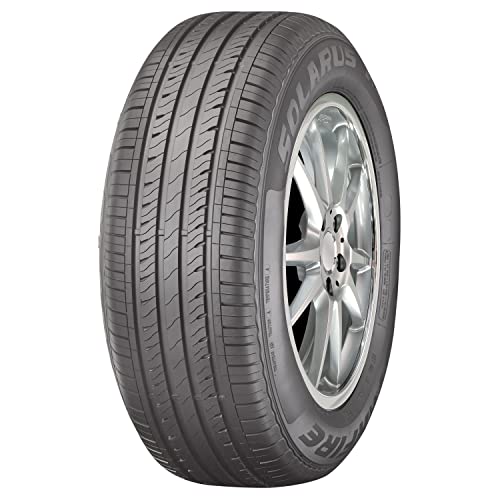
All-Season Tread Design: The tread compound and tread profile are re-designed to provide traction in wet and dry conditions

MICHELIN DEFENDER2 TIRE: The MICHELIN Defender2 tire is our longest-lasting tire – completely redesigned to offer increased tread life, this all-season tire also delivers stopping power so you can drive with confidence even in bad weather conditions

Patented tread pattern: Provides a comfortable and quiet ride
How to Determine the Right Size of All-Season Tires for Your Vehicle
Choosing the correct tire size is essential for safety, handling, comfort, and wear. Tire size is usually printed on the tire sidewall in a format such as P215/65R15. In that example, 215 represents tire width in millimeters, 65 represents the aspect ratio, and 15 represents the wheel diameter in inches.
The best place to confirm your correct size is your vehicle owner’s manual or the tire placard on the driver’s side door jamb. The placard usually lists the recommended tire size, load information, and cold tire pressure. Follow those specifications instead of guessing from the tires currently installed, especially if you bought the vehicle used.
Load index and speed rating are just as important as size. The load index tells you how much weight the tire can safely carry. The speed rating indicates the tire’s approved speed capability under controlled conditions. Your replacement tires should meet or exceed the vehicle manufacturer’s requirements.
You should also avoid mixing different tire sizes, tread types, or performance categories unless your vehicle manufacturer specifically allows it. Mismatched tires can affect braking, stability control, all-wheel-drive systems, and overall handling.
Pro Tip: Take a photo of your door-jamb tire placard before shopping. It helps you compare size, load index, speed rating, and pressure recommendations without relying on memory.
Tips for Maintaining All-Season Tires

Proper maintenance helps all-season tires last longer and perform more consistently. Regular tire pressure checks are one of the most important habits. Under-inflated tires can wear faster, reduce fuel efficiency, create heat buildup, and affect handling. Over-inflated tires can create a harsher ride and reduce the tire’s contact patch.
Check tire pressure at least once a month and before long trips. Always use the vehicle manufacturer’s recommended cold tire pressure, not the maximum pressure printed on the tire sidewall. The recommended pressure is usually listed on the driver’s door-jamb placard.
Regular tire rotation also matters. Rotation helps even out wear patterns because front and rear tires often wear differently. Many drivers rotate tires every 5,000 to 7,500 miles or during oil changes, but your owner’s manual should guide the exact interval.
Tread depth should be checked often, especially before rainy or winter seasons. Low tread depth can reduce wet-road traction and increase stopping distance. You can use a tread-depth gauge for a more accurate reading than a simple coin test.
Alignment and balancing should also be part of tire care. If your vehicle pulls to one side, the steering wheel vibrates, or the tires show uneven wear, schedule an inspection. Fixing alignment problems early can protect your tires and improve driving comfort.
The Best All-Season Tires for Different Types of Vehicles
The market offers many all-season tires tailored to different vehicles and driving needs. For compact cars, options like the Michelin Defender T+H are often chosen for ride comfort, fuel efficiency, and long tread life. This type of tire suits drivers who value dependable commuting and quiet highway performance.
For larger vehicles such as SUVs and crossovers, options like the Goodyear Assurance WeatherReady can provide a stronger focus on wet traction and light winter capability. SUV drivers should pay close attention to load capacity, tread design, and stability because heavier vehicles place different demands on tires.
For performance-oriented vehicles, options like the Continental ExtremeContact DWS06 are designed to provide stronger handling and grip while still offering all-season usability. These tires can work well for drivers who want a sportier feel without switching to summer tires for everyday driving.
The best choice depends on your priorities. A quiet touring tire may be ideal for long commutes. A performance all-season tire may suit spirited driving. A crossover-focused all-season tire may provide better stability for family trips, cargo, and highway use.
[Amazon Products Picked for You]
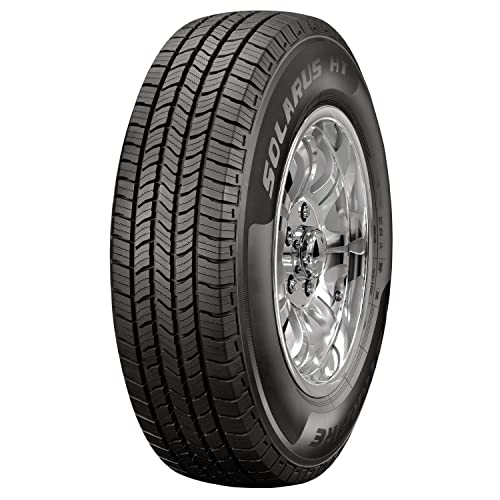
Tire Only - Wheel Not Included

Product Overview: The Fullway PC369 is a 235/65R17 108V XL-Extra Load, 4 Ply Rated Performance Tire Manufactured For Trucks & SUVs
50,000 mile warranty
How to Read and Understand All-Season Tire Ratings
Understanding tire ratings helps you compare all-season tires more clearly. The Uniform Tire Quality Grading system, often called UTQG, gives information about treadwear, traction, and temperature resistance. These ratings can help, but they should be used alongside real-world reviews, manufacturer details, and your vehicle requirements.
The treadwear rating estimates relative wear under controlled test conditions. A higher number usually suggests longer expected tread life, but it does not guarantee exact mileage. Road surface, alignment, inflation, driving style, and rotation habits can all change how long a tire lasts.
Traction ratings indicate wet stopping performance under specific test conditions. The highest ratings suggest better wet braking ability. For all-season tires, wet traction matters because many drivers rely on them during rain and changing weather.
Temperature ratings reflect how well a tire resists heat buildup. Heat resistance matters during highway driving, heavy loads, and warm weather. A tire with poor heat resistance may be less suitable for demanding use.
Many manufacturers also publish their own information about road noise, comfort, wet grip, snow performance, rolling resistance, and warranty coverage. Compare these details carefully because two tires can share the same general category while feeling very different on the road.
The Importance of Proper Installation and Alignment of All-Season Tires
Proper installation and alignment affect safety, comfort, tread life, and performance. New all-season tires should be mounted correctly, balanced properly, and installed according to the vehicle manufacturer’s specifications. Poor balancing can cause vibrations, uneven wear, and an uncomfortable ride.
Wheel alignment should not be ignored. Misalignment can cause the vehicle to pull to one side, create steering wheel vibration, and wear tires unevenly. Even a high-quality tire can wear out early if the alignment is wrong.
It is smart to check alignment when installing new tires, after hitting a major pothole, after suspension repairs, or when uneven wear appears. Correct installation and alignment help your new tires perform as intended and last longer.
All-Season Tires vs. Winter Tires: Which Should You Choose?
The decision between all-season tires and winter tires depends on your climate, driving habits, and safety needs. All-season tires perform adequately in many conditions, but they do not excel in heavy snow, ice, or long periods of freezing weather.
If you live in a mild climate with occasional cold mornings or light snow, all-season tires may be enough. They offer convenience and balanced performance without requiring seasonal tire swaps.
If you drive in harsh winter conditions, winter tires are usually the better choice. They are designed with deeper tread patterns and cold-weather rubber compounds that grip snow and ice more effectively. Drivers in areas with frequent snowfall, icy roads, steep hills, or mountain travel should strongly consider dedicated winter tires.
All-weather tires may also be worth considering if you want one set of tires but need stronger winter performance than standard all-season tires provide. These tires are different from regular all-season tires and may carry winter-performance markings depending on the model.
[Amazon Products Picked for You]
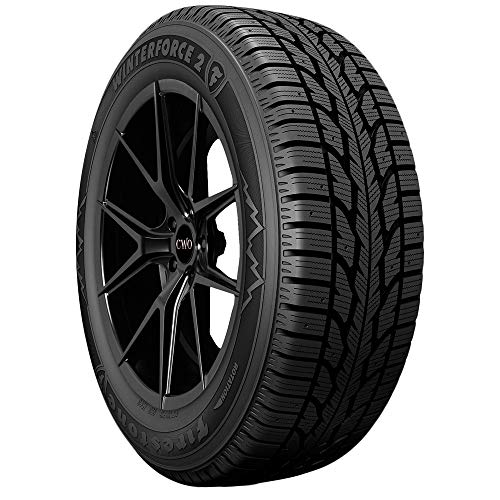
Built to Keep You Working Through the Winter

Three Peak Mountain Snowflake certified

WINTER TRACTION DEVICE FOR SNOW & ICE – AutoSock tire snow socks improve tire traction on winter roads when extra grip is needed or chain laws apply. Approved across the U.S. with traction laws. Passenger Cars, SUVs & Pickups: use up to 30 MPH.
Common Mistakes to Avoid When Buying All-Season Tires
One common mistake is buying the cheapest tire without checking performance ratings or fitment. Low cost may seem attractive, but poor wet braking, noisy ride quality, or short tread life can cost more over time.
Another mistake is assuming every all-season tire performs the same. Some models focus on comfort. Others focus on performance, fuel efficiency, wet grip, or light snow traction. Read the details before choosing.
Drivers also make mistakes with sizing. A tire that fits the wheel may still have the wrong load index, speed rating, or overall diameter. Always confirm the manufacturer’s recommended specifications.
Finally, many people forget about installation costs, balancing, alignment, valve stems, disposal fees, and rotation policies. These details affect the real cost of ownership, not just the tire price.
Making the Best Choice for All-Season Tires
Selecting the right all-season tire takes more than picking a familiar brand. You need to consider your climate, vehicle type, tire size, load rating, speed rating, tread design, comfort needs, maintenance habits, and driving style.
All-season tires make the most sense when you want dependable everyday performance in mild to moderate conditions. They can simplify ownership because you avoid seasonal tire changes, but they are not ideal for every driver.
If you face heavy winter weather, choose winter tires. If you drive a sports car and want maximum warm-weather grip, consider summer tires. If you use a truck or SUV on gravel, dirt, or job sites, compare all-terrain options. If you want one practical tire for commuting, errands, road trips, and changing weather, a quality all-season tire can be a strong fit.
When considering how to choose all-season tires, it is important to also think about proper maintenance techniques for other household items. One related article that may be of interest is Seasoning a Cast Iron Skillet: The Proper Technique. Just like tires need proper care to support longevity and performance, cast iron skillets also require specific steps to maintain their quality. By learning the proper techniques for seasoning a cast iron skillet, you can help it last for years.
Related Guides
Frequently Asked Questions
What are all-season tires?
All-season tires are designed to provide balanced performance in dry, wet, and light-snow conditions. They are popular with drivers who want one tire set for everyday use without switching between winter and summer tires.
What factors should I consider when choosing all-season tires?
Consider tire size, load index, speed rating, tread pattern, tread compound, wet traction, ride comfort, road noise, treadwear warranty, climate, and driving style. The tire size should match your vehicle manufacturer’s recommendation.
How do I know if all-season tires are right for my vehicle?
All-season tires are a good choice if you drive in mild to moderate weather and want balanced year-round performance. If you frequently drive on snow, ice, or freezing roads, winter tires may provide better safety and control.
What are the benefits of all-season tires?
All-season tires offer convenience, balanced everyday performance, and reduced need for seasonal tire changes. Many models also provide a quiet ride, good tread life, and dependable wet-road performance for daily driving.
Are there any drawbacks to using all-season tires?
Yes. All-season tires may not provide the same traction as winter tires in snow and ice, or the same sharp handling as summer tires in warm performance driving. They are a compromise, not a replacement for every specialized tire.
How often should I rotate all-season tires?
Many drivers rotate all-season tires every 5,000 to 7,500 miles, or during routine oil changes. However, you should follow the rotation interval and pattern listed in your vehicle owner’s manual.
Can I use all-season tires in heavy snow?
All-season tires can handle light snow, but they are not ideal for heavy snow, packed snow, freezing rain, or icy roads. In those conditions, dedicated winter tires usually provide better grip and braking performance.
