
Disclosure: As an Amazon Associate, we earn from qualifying purchases. If you click a link on this page and make a purchase, we may receive a small commission at no extra cost to you.
A highway tire for a truck or SUV has to balance two competing needs: comfortable road manners and enough load capability for real work. The Armstrong Tru-Trac HT LT225/75R16 targets that middle ground with a Load Range E, 10-ply-rated casing, an all-season highway tread, and a 65,000-mile limited mileage warranty. It is a strong fit for drivers who spend most of their time on pavement and want quieter travel, wet-road control, and towing stability. Its main limitation is equally clear: it is not an aggressive off-road tire or a dedicated severe-winter option.
Quick Verdict
Rating: 8/10, Recommended with caveats
Best For: Light-truck and SUV owners who drive mainly on pavement, tow occasionally, or need Load Range E capacity.
Bottom Line: The Tru-Trac HT combines a comfortable highway-focused tread with verified LT225/75R16 load specifications and a long mileage warranty. Skip it if deep mud, rocky trails, heavy snow, or ice are regular parts of your driving.
At a Glance
|
Feature |
Verdict |
|---|---|
|
Highway Comfort |
The noise-blocking shoulder bar and highway-terrain pattern favor a smoother, quieter ride than an aggressive all-terrain tread. |
|
Wet-Road Design |
Continuous open lateral channels help move water away from the contact area, but safe wet driving still depends on tread condition, inflation, and speed. |
|
Load Capability |
Load Range E and a 115/112 load index support up to 2,680 pounds in single-tire use or 2,470 pounds in dual-tire use at the rated conditions. |
|
Road Focus |
Best for pavement, commuting, highway travel, work use, and occasional towing. It is not designed as a mud-terrain tire. |
|
Warranty |
Armstrong lists a 65,000-mile mileage warranty plus additional limited warranty benefits, subject to eligibility, registration, maintenance, and written terms. |

Key Specifications
| Specification | Detail |
|---|---|
| Brand | Armstrong |
| Model | Tru-Trac HT |
| Product type | All-season highway-terrain light-truck tire |
| Size | LT225/75R16 |
| Load and speed index | 115/112T |
| Load range / ply rating | Load Range E, 10-ply rated |
| Maximum load | 2,680 lb single / 2,470 lb dual |
| Maximum inflation pressure | 80 PSI, not a recommended everyday pressure |
| Approved measuring rim width | 6 inches |
| Section width | 8.7 inches |
| Overall diameter | 29.3 inches |
| Tread depth | 14/32 inch |
| Approximate tire weight | About 35 lb, retailer-listed |
| Mileage warranty | 65,000 miles, subject to Armstrong’s terms |
| Package note | The product is generally sold as a tire only. Confirm whether the selected listing is one tire or a multipack. |
What Is the Armstrong Tru-Trac HT?
The Tru-Trac HT is Armstrong’s road-focused tire line for SUVs, crossovers, and light trucks. The LT225/75R16 version reviewed here carries a Load Range E rating and a 115/112T service description, so it is built for applications that need more load support than a standard passenger tire.
Its tread design focuses on highway behavior rather than trail aggression. Armstrong uses a noise-blocking shoulder bar, continuous open lateral channels, and an optimized curved tread profile to target lower road noise, wet-road grip, tread stability, and rolling efficiency. Those features make the tire most relevant to drivers who commute, travel, tow, or haul mainly on paved roads.
Who Should Buy It?
Best For
- Truck and SUV owners whose placard or approved fitment calls for LT225/75R16.
- Drivers who want Load Range E capability without moving to an aggressive all-terrain tread.
- Commuting, highway travel, work use, occasional towing, and moderate hauling on pavement.
Skip If
- You regularly drive through deep mud, loose rock, or demanding off-road terrain.
- You need a dedicated winter tire for repeated snowpack, slush, or ice.
- Your vehicle requires a different size, load index, speed rating, or wheel specification.
Before You Buy: Load Range E does not increase your vehicle’s factory payload or towing rating. Match the complete tire size, load index, speed rating, and wheel fitment to the door placard or owner’s manual, then confirm the choice with a qualified tire professional.
Fit and Compatibility
The LT225/75R16 marking tells you the tire is a light-truck design for a 16-inch wheel, with a nominal 225 mm section width and a sidewall height equal to 75 percent of that width. That size alone does not guarantee fit. Wheel width, offset, suspension clearance, brake clearance, axle configuration, and the vehicle’s required service description also matter.
The 115/112T marking means the tire has separate load ratings for single and dual-wheel use, plus a T speed rating. Do not substitute a tire with a lower load index or speed rating than your vehicle manufacturer allows. A professional installer should also inspect the wheel condition, valve stems, TPMS components, and available clearance before mounting.
Highway Comfort and Noise
Highway-terrain tires usually use less aggressive tread blocks than all-terrain or mud-terrain tires. On the Tru-Trac HT, Armstrong adds a noise-blocking bar at the shoulders to reduce the sound generated where the tread meets the road. That design should suit drivers who spend long hours at steady highway speeds and care more about cabin comfort than trail traction.
Ride quality still depends on the vehicle, suspension, wheel size, load, and inflation pressure. A Load Range E tire can feel firmer than a standard passenger tire, especially on a lightly loaded vehicle. Correct pressure is therefore critical. The 80 PSI figure on the sidewall is a maximum rating, not a universal daily setting.
Wet Traction and Road Stability
The continuous open lateral channels are designed to move water away from the tread contact area. The curved tread profile also increases tread rigidity, which can help the tire maintain a more stable shape under highway loads. Together, these features target predictable road manners in rain and during ordinary towing or hauling.
No tread design removes hydroplaning risk. Standing water, worn tread, incorrect pressure, excessive speed, and heavy loads can still reduce control. Slow down in rain, leave more following distance, and replace the tire when it reaches the legal or safety-related wear limit for your location.
Load Support, Towing, and Hauling
This LT225/75R16 version carries a maximum rating of 2,680 pounds per tire in single-wheel use and 2,470 pounds per tire in dual-wheel use when operated under the specified conditions. Those numbers describe the tire’s capability, not the vehicle’s allowed payload. Your truck’s gross axle weight ratings, wheel ratings, suspension, brakes, hitch, and manufacturer limits remain the final authority.
For towing, the Tru-Trac HT’s road-focused tread and reinforced LT rating make more sense than a soft passenger tire when the vehicle application calls for Load Range E. The tradeoff is extra weight and a potentially firmer ride. Drivers who tow only occasionally may value that added reserve, while drivers with lighter crossovers may prefer a lower-load tire approved by the vehicle manufacturer.
How It Performs in Real Use
For Daily Commuting
The highway tread, noise-control shoulder feature, and symmetric road-focused design make this tire suitable for routine city and highway travel. You should expect a firmer feel than a passenger tire if your vehicle is lightly loaded, but proper inflation can prevent unnecessary harshness and uneven wear.
For Long Highway Trips
The Tru-Trac HT’s main strengths are most relevant during sustained paved-road driving. Lower tread aggression can reduce the hum associated with chunkier all-terrain patterns, while the 14/32-inch starting tread depth gives you a substantial wear reserve for long-distance use.
For Towing or Work Loads
Load Range E construction and the 115/112 load index support work-oriented applications that require this service description. Before a trip, check cold pressure, axle loads, tread condition, lug torque, and trailer tongue weight. Never use the tire’s sidewall maximum as permission to exceed the truck’s ratings.
For Light Snow or Occasional Gravel
The all-season tread may handle mild cold-weather conditions and maintained gravel roads, but this is still a highway-terrain tire. Drivers who regularly face deep snow, ice, mud, or sharp rocky surfaces should choose a tire designed and rated for those conditions.
What Owners Commonly Notice
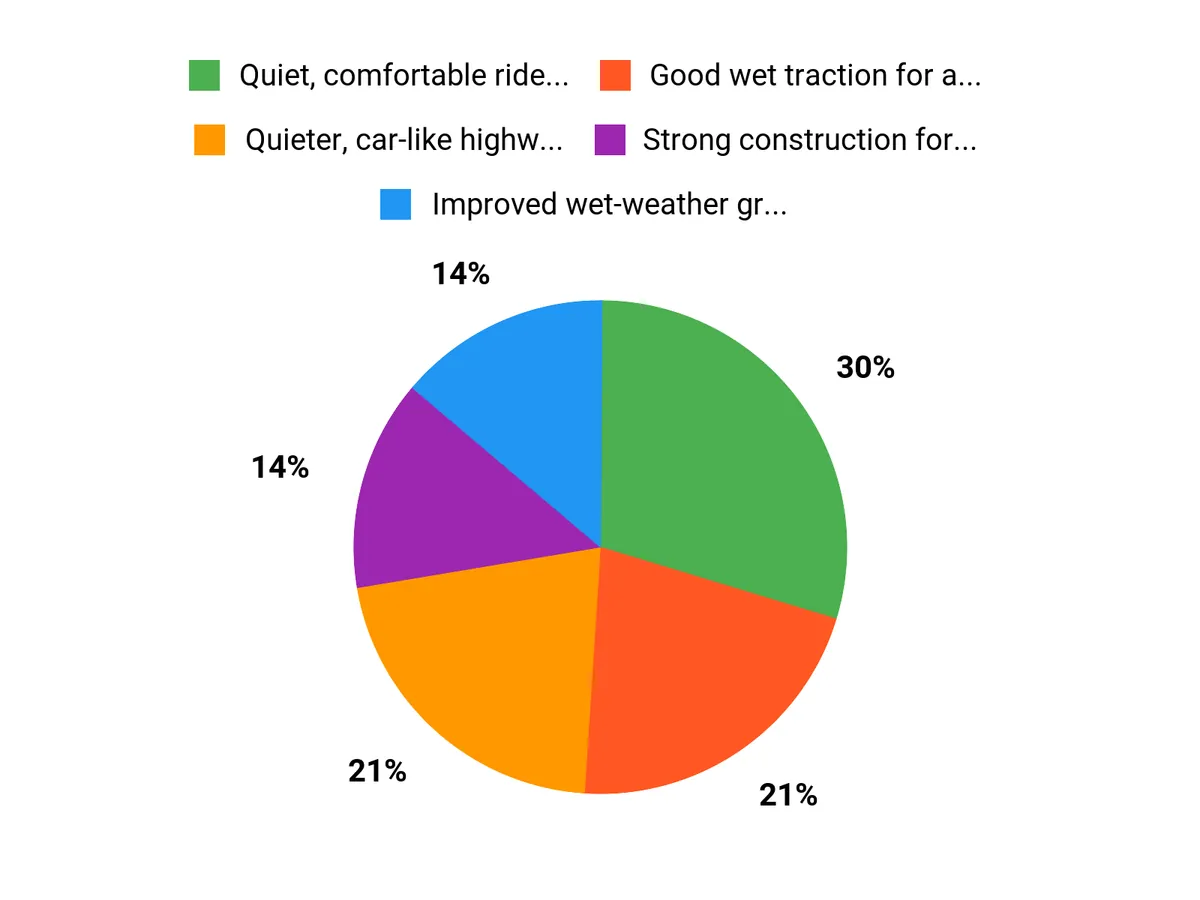
Buyer feedback commonly focuses on a comfortable ride, lower road noise, stable highway behavior, and practical value. Some owners also report acceptable wet and light-winter performance. Those comments are useful context, but they do not replace vehicle-specific fitment checks or controlled tire testing.
Overall Sentiment: Positive, with the strongest feedback around ride comfort, noise, and value.

Pros and Cons
Pros
- Verified Load Range E, 115/112T specification for compatible light-truck applications.
- Noise-blocking shoulder bar targets quieter paved-road travel.
- Open lateral channels support water evacuation and wet-road grip.
- 14/32-inch starting tread depth and a 65,000-mile limited mileage warranty.
- Balanced highway design for commuting, road trips, towing, and work use.
Cons
- Not intended for aggressive mud, rock, or deep-trail use.
- Can feel heavier and firmer than a standard passenger tire.
- Not a dedicated severe-snow or ice tire.
Inflation, Rotation, and Maintenance Tips
Use the vehicle placard or a tire professional’s load-based recommendation for cold inflation pressure. Do not automatically inflate to 80 PSI because that is the tire’s listed maximum. Check pressure when the tires are cold, especially before towing, long trips, or carrying heavy cargo.
Rotate the tires according to the vehicle and tire-maker schedule, inspect for uneven shoulder or center wear, and correct alignment problems early. Keep records if you may need warranty coverage. Warranty eligibility can depend on proper inflation, rotation, alignment, proof of purchase, and the written terms in effect when you buy.
Pro Tip: Before ordering, photograph your door placard and current tire sidewall. Compare the full size and service description, not just “225/75R16,” because the LT prefix, load index, and speed rating can change the tire’s suitability.
Compatibility and Safety
Have the tire mounted and balanced by a qualified installer using wheels approved for the size and load. Replace damaged valve stems or serviceable TPMS parts as needed, and ask the installer to check for wheel corrosion, cracks, bends, or bead-seat damage.
For the most predictable handling, avoid mixing different tire types, sizes, load ranges, tread patterns, or major tread-depth differences on the same axle. Follow the vehicle manufacturer’s guidance for replacing two tires versus four, tire placement, rotation patterns, and four-wheel-drive system requirements.
Why Drivers Choose the Tru-Trac HT
The appeal is straightforward: you get an LT highway tire with verified Load Range E specifications, a road-noise control feature, wet-focused channels, and a long mileage warranty. It is designed for drivers who need more work capability than a passenger tire but do not want the noise and weight of a more aggressive off-road tread.
Is It Worth the Price?
The Tru-Trac HT usually competes as a value-oriented highway light-truck tire rather than a premium flagship model. Its strongest value comes from the combination of Load Range E capability, 14/32-inch tread depth, a 65,000-mile limited mileage warranty, and a design aimed at quiet paved-road use.
It is worth considering if your vehicle requires this exact size and service description and you spend most of your time on pavement. It is not the best fit if you need specialized winter certification, aggressive off-road traction, or the steering feel and support network associated with a premium tire brand.
How It Compares to Alternatives
The Hankook Dynapro HT is another highway all-season option with an established focus on comfort and treadwear. The Cooper Discoverer HT3 is worth comparing if you want a commercial-oriented highway tire with stone-ejecting tread features, while the Goodyear Wrangler Workhorse HT may appeal to buyers who prefer a major-brand dealer network and work-truck positioning.
The Armstrong makes the most sense when verified fitment, Load Range E capability, road comfort, and value matter more than brand prestige or aggressive terrain performance. Compare the exact LT225/75R16 service description because alternative models can use different load and speed ratings.
Related Guides
Frequently Asked Questions
Will the Armstrong Tru-Trac HT LT225/75R16 fit my truck?
It fits only vehicles and wheels approved for LT225/75R16 with an equal or compatible 115/112T service description. Check the door placard, owner’s manual, wheel specifications, and clearance before ordering.
Is the 80 PSI rating the pressure I should use every day?
No. Eighty PSI is the listed maximum inflation pressure for this tire size. Use the vehicle placard or a qualified professional’s recommendation for your axle loads and driving conditions.
What does the 115/112T rating mean?
The tire is rated for up to 2,680 pounds in single-tire use and 2,470 pounds in dual-tire use under its specified conditions. The T speed rating is part of the service description and should meet or exceed the vehicle’s approved requirement.
Is this tire good for towing?
It can suit towing applications that call for this size and Load Range E specification. The tire does not raise your truck’s tow rating, so stay within the vehicle, axle, wheel, hitch, and trailer limits.
How does it perform in snow?
The all-season tread can provide usable traction in mild winter conditions, but the Tru-Trac HT is not presented as a dedicated severe-snow or ice tire. Choose a winter-specific tire when packed snow, deep slush, or ice is common.
How long should the tread last?
Armstrong lists a 65,000-mile limited mileage warranty, but actual life depends on pressure, alignment, rotation, load, road surface, and driving habits. Keep maintenance records and review the current warranty terms before purchase.
Does the Amazon listing include one tire or four?
Treat the listing as tire-only unless the selected offer clearly states a set quantity. Seller options can change, so confirm the quantity, size, service description, return terms, and installation needs before checkout.
Who should skip the Armstrong Tru-Trac HT?
Skip it if your vehicle needs another size or service description, or if you regularly drive in deep mud, rocky terrain, heavy snow, or ice. An all-terrain, mud-terrain, or dedicated winter tire may better match those conditions.
The Bottom Line
The Armstrong Tru-Trac HT LT225/75R16 is a sensible highway tire for compatible trucks and SUVs that need Load Range E capacity, quiet road manners, and a long mileage warranty. Buy it for pavement-focused commuting, work, and occasional towing, but choose another tire for severe winter driving or demanding off-road use.
Ready to Buy?
Check the latest product details, listing quantity, and vehicle fit before you decide.