
An AV receiver is the control center of a home theater, routing video, decoding surround formats, powering speakers, and connecting consoles, streaming devices, televisions, and projectors. Choosing the right model affects not only sound quality, but also speaker-layout flexibility, HDMI compatibility, room-correction options, and how easily the system can grow.
Picking the right AVR helps you avoid paying for channels you will not use or buying a receiver that cannot support your planned speakers and video sources. This updated guide focuses on four relevant models that cover large theaters, advanced enthusiast systems, immersive spatial audio, and compact installations.
You will find 7.2- and 9.4-channel options with Dolby Atmos, DTS:X, HDMI 2.1 features, wireless streaming, and automatic room calibration. The best choice depends on your room size, speaker sensitivity, desired Atmos layout, number of HDMI sources, and available cabinet space.
Quick Verdict
Choose the Denon AVR-X4800H for the strongest all-around mix of expansion, HDMI connectivity, and multi-subwoofer control. Pick the Marantz Cinema 50 when you want a refined premium alternative with flexible 11.4-channel processing. The Sony STR-AN1000 is the most approachable choice for spatial sound mapping and connected entertainment, while the Marantz Cinema 70S is the best fit when cabinet height is limited.
Affiliate disclosure:. As an Amazon Associate I earn from qualifying purchases. This roundup is reader-supported. If you buy through an Amazon link, we may earn a commission at no additional cost to you.
Top Picks
|
Category |
Product |
Why It Stands Out |
|---|---|---|
|
🏆 Best Overall |
9 powered channels, 11.4 processing, seven HDMI inputs, and four independent subwoofer outputs. |
|
|
🎬 Best Premium Theater Pick |
Flexible 9.4-channel amplification, 11.4 processing, four subwoofer outputs, and extensive format support. |
|
|
🎯 Best for Spatial Audio |
360 Spatial Sound Mapping, six HDMI inputs, broad streaming support, and user-friendly calibration. |
|
|
🔰 Best Compact Receiver |
A slim 7.2-channel chassis with modern HDMI, HEOS streaming, and Dolby Atmos support. |
Selection Criteria
This comparison prioritizes speaker-layout flexibility, published power specifications, HDMI input and output counts, immersive-audio support, room correction, streaming, physical size, and upgrade potential. Manufacturer power ratings are not always measured under identical conditions, so wattage should never be treated as the only indicator of real-world performance.
We also considered whether each receiver supports 8K/60Hz and 4K/120Hz video formats, eARC, variable refresh rate, automatic low-latency mode, and the number of high-bandwidth HDMI connections available for consoles and media players.
This is an editorial comparison based on published specifications and documented features, not a claim of hands-on laboratory testing. Room acoustics, speaker impedance, speaker sensitivity, listening distance, and calibration can matter more than small differences in rated wattage.
Before You Buy an AV Receiver
- Map your speaker layout: A 5.1.2 Atmos system needs seven powered channels, while 5.1.4 or 7.1.2 normally requires nine.
- Count HDMI sources: Include consoles, streaming boxes, disc players, computers, and any future devices.
- Check cabinet clearance: Leave ventilation space above and around the receiver; do not size the shelf to the chassis alone.
- Compare room correction: Audyssey, Sony calibration, and optional Dirac Live upgrades differ in flexibility and cost.
- Match the speakers: Large rooms, low-sensitivity speakers, and high listening levels may benefit from more amplifier headroom or external amplification.
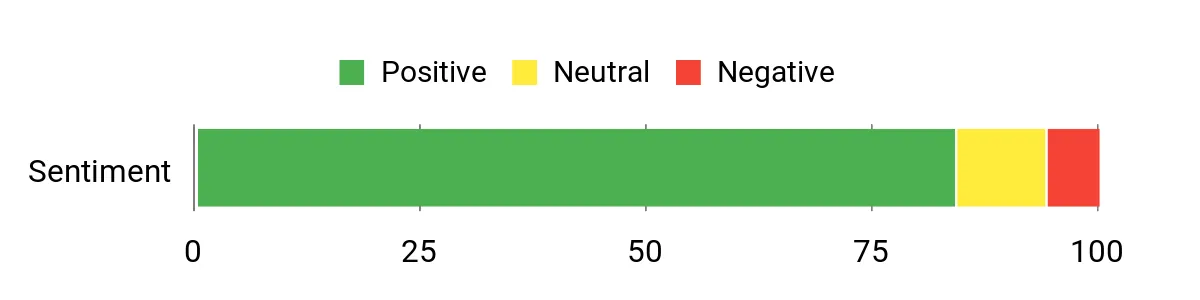
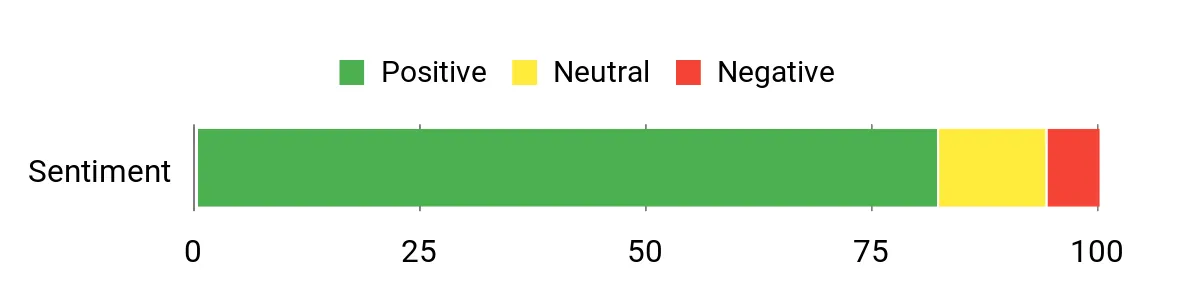
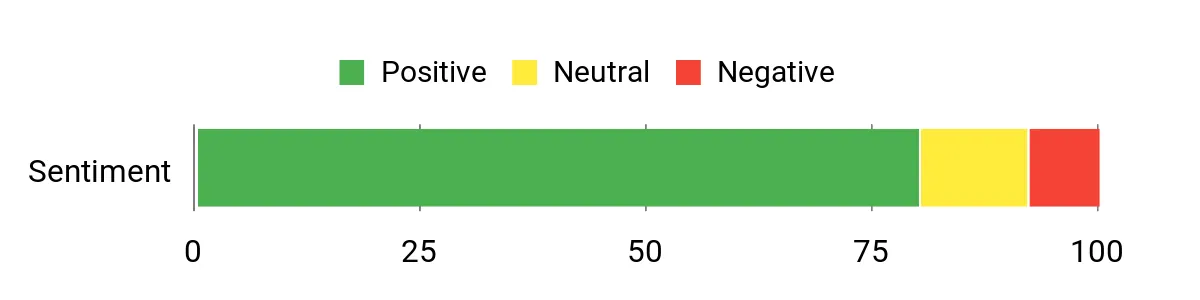
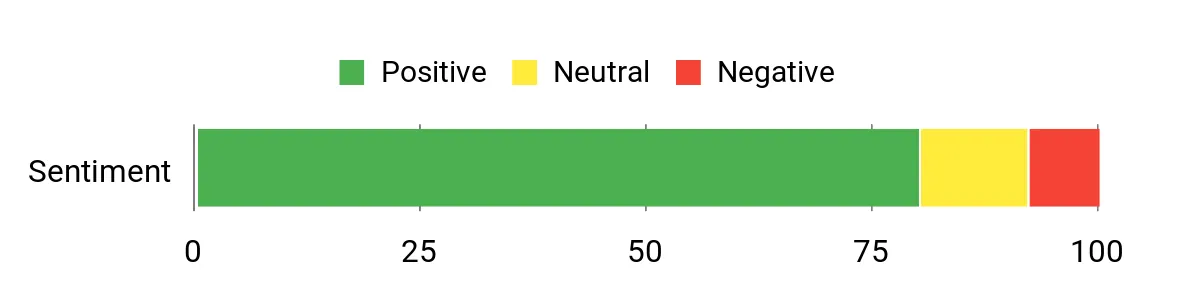
Note: The sentiment images below are directional editorial snapshots. Review current verified retailer feedback, warranty terms, and return policies before purchasing.
The AVR-X4800H is the most versatile all-around choice in this group. Its nine powered channels can run common four-height-speaker Atmos layouts, while 11.4-channel processing gives you a clear expansion path when paired with an external two-channel amplifier. Four independently configurable subwoofer outputs are especially useful in large rooms where bass response varies across multiple seats.
It also offers broad HDMI 2.1 connectivity and advanced room-correction options. Audyssey MultEQ XT32 is included, while Dirac Live requires a separate paid license. The main drawbacks are its full-size chassis, heat output, and the added setup complexity that comes with extensive routing and calibration choices.
Buyer Feedback to Check
When reading current owner reviews, focus on setup stability, HDMI handshaking with your exact television and consoles, fan or heat concerns in enclosed cabinets, and whether the mobile apps fit your control preferences.
Review Snapshot: Strong feature set and expansion potential, with ventilation and configuration complexity as the main cautions.
Use Cases
|
Situation |
How It Helps |
|---|---|
|
Dedicated Home Theater |
Nine powered channels and 11.4 processing support sophisticated Atmos layouts with room to add external amplification later. |
|
Large Listening Area |
Four independent subwoofer outputs give you more control over bass consistency across several seats. |
|
Next-Generation Gaming |
Seven HDMI inputs and modern gaming pass-through features accommodate multiple high-bandwidth sources. |
|
System Expansion |
11.4-channel preamp processing lets you add external amplifiers without replacing the receiver. |
Innovation
Denon combines nine-channel amplification with 11.4 processing, independent multi-subwoofer routing, Audyssey room correction, optional Dirac Live, and a broad HDMI 2.1 input bank. That combination makes the receiver adaptable to both complex speaker layouts and changing source equipment.
Key Benefits
- Nine powered channels with 11.4-channel processing
- Four independent subwoofer outputs
- Seven HDMI inputs and three HDMI outputs
- Dolby Atmos, DTS:X, IMAX Enhanced, and Auro-3D support
- Audyssey MultEQ XT32 included; optional Dirac Live upgrade
Check Product Details on Amazon
The Cinema 50 is designed for buyers who want a high-channel-count receiver that works equally well in a dedicated theater or a polished multi-use living room. Nine powered channels cover popular 5.1.4 and 7.1.2 layouts, and 11.4 processing allows further expansion with an external amplifier.
Six HDMI inputs support modern video formats, while four independent subwoofer outputs provide useful bass-management flexibility. Audyssey MultEQ XT32 is included, and Dirac Live is an optional paid upgrade. Buyers should allow ample ventilation and budget time for careful setup, especially when using multiple subwoofers or advanced speaker assignments.
Buyer Feedback to Check
Review current comments about app reliability, HDMI behavior, setup workflow, and performance with speakers similar in sensitivity and impedance to your own. Also confirm whether the included room correction meets your needs before purchasing an optional Dirac license.
Review Snapshot: Premium flexibility and broad format support, balanced by a substantial chassis and enthusiast-level setup depth.
Use Cases
|
Situation |
How It Helps |
|---|---|
|
Dedicated Home Theater |
Supports 5.1.4 or 7.1.2 layouts directly and can process up to 11.4 channels with added amplification. |
|
Multi-Subwoofer Rooms |
Four independent subwoofer outputs offer more control over bass placement and calibration. |
|
Music and Movie System |
HEOS, AirPlay 2, high-resolution audio support, and immersive surround formats cover mixed entertainment use. |
|
Future Expansion |
11.4 preamp processing and assignable channels reduce the chance that you will outgrow the receiver quickly. |
Innovation
Marantz pairs its HDAM amplification design with modern 11.4-channel processing, six 8K-capable HDMI inputs, four independent subwoofer outputs, and upgradeable room correction. The result is a platform that bridges traditional audio design with current home-theater connectivity.
Key Benefits
- Nine powered channels and 11.4 processing
- 110-watt published rating under 8-ohm, two-channel conditions
- Six HDMI inputs and three HDMI outputs
- Four independent subwoofer outputs
- HEOS streaming, Audyssey MultEQ XT32, and optional Dirac Live
Check Product Details on Amazon
The STR-AN1000 is a practical choice for buyers who want immersive processing without moving into a nine-channel enthusiast receiver. Sony’s calibration system and 360 Spatial Sound Mapping are designed to create a more cohesive surround field when speaker placement is less than ideal.
Its six HDMI inputs and two outputs give most living-room systems enough connectivity, and its streaming ecosystem is broad. The main limitation is channel count: it is best suited to 5.1.2 Atmos or conventional 7-channel layouts, not four-height-speaker systems. Sony also publishes its amplifier rating under different test conditions than the Marantz and Denon models, so direct watt-for-watt comparisons are misleading.
Buyer Feedback to Check
Look for owner comments about calibration consistency, HDMI switching with your television, network reliability, and whether Sony’s spatial processing sounds natural with your speaker placement. Spatial modes are preference-dependent, so a seller with a practical return policy is valuable.
Review Snapshot: Strong ease of use and spatial processing, with fewer expansion options than the 9-channel models.
Use Cases
|
Situation |
How It Helps |
|---|---|
|
Movie Night |
Dolby Atmos, DTS:X, and spatial mapping create an enveloping presentation from a 5.1.2 or 7-channel system. |
|
Console Gaming |
Modern HDMI video support accommodates compatible 4K/120Hz and variable-refresh-rate sources. |
|
Music Streaming |
Chromecast built-in, AirPlay, Spotify Connect, Bluetooth, and Sonos integration reduce the need for extra streamers. |
|
Imperfect Speaker Placement |
Automatic calibration and 360 Spatial Sound Mapping can help create a more continuous surround field. |
Innovation
Sony combines Digital Cinema Auto Calibration IX with 360 Spatial Sound Mapping to create virtual speaker positions around the listener. The receiver pairs that processing with current HDMI formats and a broad mix of streaming and smart-home integrations.
Key Benefits
- 7.2-channel design for 5.1.2 Atmos or conventional 7-channel layouts
- 360 Spatial Sound Mapping and automatic calibration
- Six HDMI inputs and two HDMI outputs
- Dolby Atmos and DTS:X support
- Chromecast built-in, AirPlay, Spotify Connect, Bluetooth, and Works with Sonos
Check Product Details on Amazon
The Cinema 70S solves a common installation problem: many media cabinets cannot comfortably fit a full-height receiver. Its slim chassis still provides seven powered channels, enough for a 5.1.2 Atmos system, plus modern video support and HEOS multi-room streaming.
The tradeoff is amplifier headroom. Its 50-watt published rating is better suited to efficient speakers, moderate room sizes, and sensible listening levels than to a large room with demanding low-sensitivity speakers. It also has only one HDMI output, so buyers who need simultaneous television and projector connections should choose another model.
Buyer Feedback to Check
Verify current comments about heat in tight cabinets, network-app behavior, speaker matching, and performance at your preferred volume. Compact dimensions do not eliminate the need for airflow above and around the receiver.
Review Snapshot: Excellent space efficiency and modern features, with lower power and fewer expansion options than full-size models.
Use Cases
|
Situation |
How It Helps |
|---|---|
|
Low-Profile Media Cabinet |
The slim chassis fits installations that cannot accommodate a conventional full-height AVR. |
|
Small Living Room |
Seven channels support a complete 5.1.2 Atmos layout without excessive chassis size. |
|
Gaming and Streaming |
Three 8K-capable HDMI inputs, eARC, HEOS, AirPlay 2, and Bluetooth cover common modern sources. |
|
Whole-Home Music |
HEOS lets the receiver join compatible multi-room audio zones without a separate streamer. |
Innovation
Marantz packages seven-channel amplification, room correction, modern HDMI video support, and HEOS streaming into a chassis that is substantially shorter than a conventional AVR. That compact design is the model’s primary advantage.
Key Benefits
- Slim, space-friendly 7.2-channel chassis
- 50-watt published rating under 8-ohm, two-channel conditions
- Six HDMI inputs, including three 8K-capable inputs
- Dolby Atmos, DTS:X, and Audyssey MultEQ
- HEOS multi-room streaming, AirPlay 2, Wi-Fi, and Bluetooth
Check Product Details on Amazon
FAQ
How Many Channels Do I Need?
Choose the receiver around your actual speaker plan. A 5.1 system needs five powered speaker channels, while 5.1.2 Atmos needs seven. A 5.1.4 or 7.1.2 layout normally needs nine powered channels. If you eventually want 7.1.4, look for 11-channel processing and preamp outputs so you can add an external amplifier.
Do I Need HDMI 2.1?
HDMI 2.1 features are most useful for compatible game consoles and computers that output 4K at 120Hz, variable refresh rate, or automatic low-latency mode. Count the number of high-bandwidth sources you own and confirm which receiver inputs support the formats you need. eARC is also useful when television apps send lossless or object-based audio back to the receiver.
Can I Compare Receiver Wattage Directly?
Only when the test conditions match. Impedance, frequency range, distortion limit, and the number of driven channels can all change the published number. Use wattage as one data point, then consider room size, speaker sensitivity, listening distance, ventilation, and whether external amplification is available.
How Important Is Room Calibration?
Room calibration can produce a larger practical improvement than a small difference in rated power. Use the included microphone carefully, measure from appropriate listening positions, and review crossover, distance, and level results afterward. Advanced systems such as Dirac Live may require an additional license and more setup time.
How Much Ventilation Does an AV Receiver Need?
Follow the manufacturer’s clearance guidance and avoid enclosing the receiver in a sealed cabinet. Leave open space above the chassis, maintain airflow around the sides and rear, and keep heat-producing devices from being stacked directly on top. Compact receivers still require ventilation.
Full Specification Comparison
| Product Name | Image | Amplification | Supported Audio Formats | HDMI Connections |
|---|---|---|---|---|
| Denon AVR-X4800H 9.4-Ch Receiver |
 |
9 powered channels; 125W/ch at 8 ohms, 20Hz-20kHz, 0.05% THD, 2 channels driven |
|
7 inputs / 3 outputs |
| Marantz Cinema 50 9.4-Ch Receiver |
 |
9 powered channels; 110W/ch at 8 ohms, 20Hz-20kHz, 0.08% THD, 2 channels driven |
|
6 inputs / 3 outputs |
| Sony STR-AN1000 7.2-Ch Receiver |
 |
7 powered channels; Sony publishes its rating under different load and test conditions, so it is not directly comparable |
|
6 inputs / 2 outputs |
| Marantz Cinema 70S 7.2-Ch Receiver |
 |
7 powered channels; 50W/ch at 8 ohms, 20Hz-20kHz, 0.08% THD, 2 channels driven |
|
6 inputs / 1 output |
Wrapping Up
The Denon AVR-X4800H is the strongest overall choice for buyers who want nine powered channels, extensive HDMI connectivity, four independent subwoofer outputs, and an upgrade path to an 11-channel system. It is the most flexible option here, provided you have the cabinet space and patience for a detailed setup.
The Marantz Cinema 50 is a compelling premium alternative for a dedicated theater or high-end living room, especially when 11.4 processing, four-subwoofer management, HEOS, and optional Dirac Live matter. The Sony STR-AN1000 is easier to recommend for a 5.1.2 system where spatial mapping, streaming, and straightforward calibration are priorities.
Choose the Marantz Cinema 70S when a full-height receiver will not fit and your speakers are efficient enough for its lower power rating. Whichever model you select, match the channel count, HDMI connections, room correction, ventilation needs, and amplifier capability to your actual room and speakers instead of choosing by a single wattage number.
This roundup is reader-supported. When you click through Amazon links, we may earn a referral commission on qualifying purchases.

