
Affiliate disclosure:. As an Amazon Associate I earn from qualifying purchases. This roundup is reader-supported. When you click an Amazon link, we may earn a referral commission on qualifying purchases at no additional cost to you.
Choosing a 4K projector is easier when you start with how and where you plan to use it. A flexible living-room projector needs strong brightness, simple image adjustment and useful built-in streaming, while a gaming projector must prioritize input lag and refresh-rate support. A permanent home-theater installation benefits more from precise lens controls, contrast and calibration flexibility.
This updated 2026 guide compares three projectors that address those needs especially well. The Hisense C2 Ultra is the most versatile all-around option, the BenQ X3100i is designed around responsive gaming, and the Epson LS11000 is the strongest fit for a carefully planned premium theater room.
Quick Verdict
Choose the Hisense C2 Ultra when you want one projector for movies, streaming, gaming and occasional outdoor use, with flexible optical zoom and built-in sound.
Choose the BenQ X3100i when gaming responsiveness, bright output and wide color coverage matter more than compact size.
Choose the Epson LS11000 when you are building a dedicated home theater and want motorized installation controls, 4K/120Hz support and a long-life laser system.
Top Picks
|
Category |
Product |
Best For |
|---|---|---|
|
🏆 Best Overall |
Movies, streaming, flexible placement and mixed everyday use |
|
|
🎮 Best for Gaming |
Low-lag console or PC gaming with strong brightness and color |
|
|
🚀 Best Premium Home Theater |
Permanent installations, large screens and 4K/120Hz sources |
How These Projectors Were Compared
The comparison prioritizes picture quality, including displayed resolution, HDR compatibility, color capability and the type of light source used. Brightness and contrast are considered alongside room conditions because a projector that looks excellent in a dark theater may perform differently in a living room with ambient light.
Gaming performance is evaluated through supported resolution and refresh-rate combinations, input-lag modes and connectivity. Installation factors include throw ratio, optical zoom, lens shift, keystone correction, mounting flexibility and the amount of manual setup required. Streaming options, built-in audio, fan noise, light-source life and day-to-day convenience also affect the recommendations.
Brightness figures below are manufacturer-listed. ANSI lumens, ISO lumens, color lumens and less-specific lumen claims are not always directly interchangeable, so use them as a starting point rather than the only measure of real-world picture performance.
Before You Buy
- Measure the throw distance: Confirm that the projector can create your preferred screen size from the available mounting position.
- Account for room light: Lower the ambient light or use an appropriate screen if you want stronger contrast and darker-looking black levels.
- Check gaming combinations: A projector may support 240Hz at 1080p but only 60Hz at 4K.
- Plan the audio system: Built-in speakers are convenient, but a soundbar or surround system usually produces a more cinematic result.
- Limit digital correction: Lens shift and optical zoom generally preserve more image quality than aggressive digital keystone correction.
Best 4K Projector Reviews
The Hisense C2 Ultra solves a common problem for buyers who want a large, high-impact image without committing to a permanently mounted projector. Its adjustable stand, broad projection range and 1.67x optical zoom give you more placement freedom than a basic portable model, while automatic image tools reduce setup work when moving it between spaces.
Triple-laser illumination, Dolby Vision and IMAX Enhanced compatibility make it well suited to films and high-quality streaming. Integrated JBL sound is useful for casual viewing, and the built-in smart platform reduces the need for a separate streaming stick in many setups.
Who should buy this: Buyers who want one premium projector for a living room, media space, gaming den or occasional nighttime backyard screening.
Who should avoid it: Buyers seeking a small battery-powered projector or a low-cost entry-level option. It still requires external power, and a separate audio system will deliver better results in a serious theater setup.
Common Buyer Feedback Themes
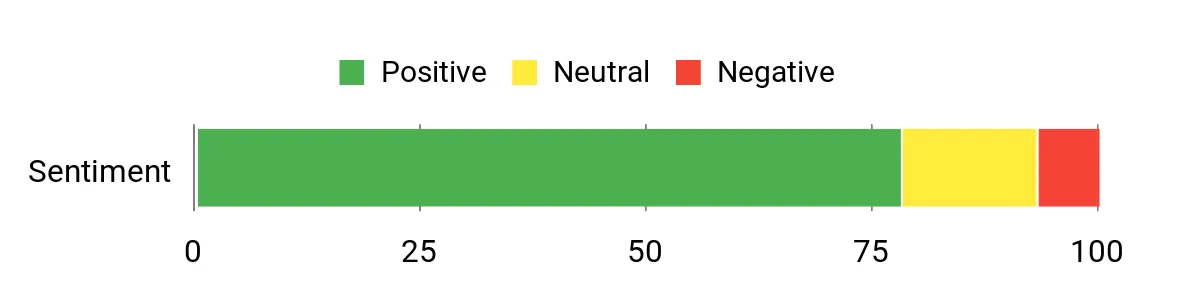
Published buyer feedback commonly highlights vivid color, strong HDR presentation and the convenience of the automatic setup tools. Flexible zoom and stand adjustment are also frequently mentioned because they make it easier to adapt the projector to different rooms.
Some buyers may still prefer an external sound system or dedicated streaming device, particularly when building a more advanced home theater.
Overall Sentiment: Generally positive
Feedback themes are a general summary of published buyer comments and are not a live rating or guarantee of individual experience.
Ease of Use
|
Feature |
Ease Level |
|---|---|
|
Initial Setup and Auto Adjustment |
Easy |
|
Smart Platform and Controls |
Moderate |
|
Placement and Optical Zoom |
Easy |
|
Laser-Light-Source Maintenance |
Low Effort |
Look and Feel
The C2 Ultra has a modern black enclosure and an integrated adjustable stand that gives it a premium but practical appearance. It is easier to reposition than a conventional ceiling-install projector, although it is better described as transportable than pocket-sized.
Why You’ll Like It
- Triple-laser illumination designed for broad color coverage and long light-source life
- Dolby Vision and IMAX Enhanced compatibility for supported movie content
- 65-inch to 300-inch image range with 1.67x optical zoom
- Adjustable stand and automatic image tools for flexible placement
- Integrated smart streaming and JBL sound for convenient everyday viewing
Important Limitations
- Requires an external power source and does not function as a battery-powered portable projector
- Premium positioning may exceed the needs of occasional or budget-focused viewers
- Built-in sound is convenient but does not replace a dedicated home-theater audio system
- Maximum refresh rate can depend on the selected input resolution and gaming mode
Check Current Amazon Availability
The BenQ X3100i is designed for buyers who do not want a projector’s large image to come at the expense of responsive controls. Its game modes pair low input lag with genre-specific picture and audio settings, making it especially suitable for console and PC setups.
It can display 4K content at up to 60Hz, while its highest-refresh 240Hz mode is intended for 1080p input. That distinction matters: competitive players can prioritize speed, while cinematic and open-world games can use the sharper 4K presentation.
Its 3,300-ANSI-lumen output and wide color capability also make it a strong movie and sports projector. Vertical lens shift and 1.3x optical zoom help with installation, but these controls are manual rather than motorized.
Who should buy this: Console or PC gamers who want a bright, color-rich projector that can also serve as the main display for films, sports and streaming.
Who should avoid it: Buyers expecting 4K/120Hz or 4K/240Hz performance, a compact travel projector or fully motorized lens adjustment.
Common Buyer Feedback Themes
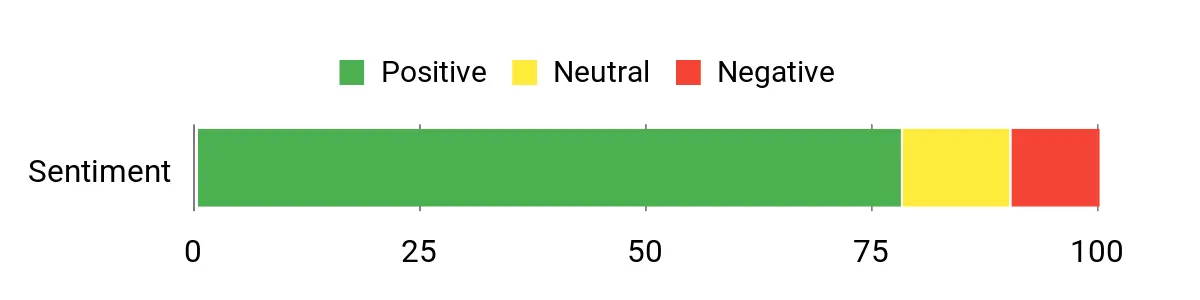
Published buyer feedback frequently highlights the bright, colorful image and responsive feel in supported gaming modes. Owners also tend to appreciate that the projector works well for movies and sports instead of functioning as a gaming-only display.
Less favorable comments may involve the unit’s size, the time required for careful installation, remote responsiveness or occasional connectivity setup issues.
Overall Sentiment: Generally positive
Feedback themes are a general summary of published buyer comments and are not a live rating or guarantee of individual experience.
Ease of Use
|
Feature |
Ease Level |
|---|---|
|
Initial Setup and Alignment |
Moderate |
|
Gaming Modes and Latency Settings |
Easy |
|
Android TV and Remote Controls |
Moderate |
|
Manual Lens Shift and Optical Zoom |
Moderate |
Look and Feel
The X3100i has a substantial white enclosure with a clean, gaming-focused design. It fits naturally in a media room or entertainment space, but its size makes it less convenient for frequent transport than a compact portable projector.
Why You’ll Like It
- 3,300 ANSI lumens for a bright image under controlled ambient-light conditions
- 100% DCI-P3 color coverage in the appropriate picture mode
- Low-latency modes for 4K/60Hz, 1440p/120Hz and 1080p/240Hz input
- Vertical lens shift and 1.3x optical zoom for added installation flexibility
- Android TV and integrated treVolo speakers for convenient everyday entertainment
Important Limitations
- Does not provide 4K/120Hz; the highest refresh rates require a lower input resolution
- Lens shift and optical zoom are manually adjusted rather than motorized
- Larger and less travel-friendly than portable lifestyle projectors
- Competitive gamers should confirm the exact resolution, refresh rate and latency combination supported by their source device
Check Current Amazon Availability
The Epson LS11000 is intended for a more permanent installation where precise image placement and source compatibility matter. Its motorized focus, 2.1x zoom and broad lens-shift range let you position the image accurately without relying heavily on digital keystone correction.
Epson’s 4K PRO-UHD system uses pixel shifting to create a 3840 × 2160 on-screen image. It should not be described as using native-4K imaging panels, but it can still produce a highly detailed large-screen picture from 4K sources.
HDMI 2.1 and 4K/120Hz input support make it better suited to current high-end consoles and gaming PCs than many traditional theater projectors. Its 3LCD design also produces equal manufacturer-listed color and white brightness without the color-wheel rainbow artifacts associated with some single-chip DLP systems.
Who should buy this: Viewers building a dedicated theater or premium media room who need motorized lens memory, extensive placement flexibility and support for modern 4K/120Hz sources.
Who should avoid it: Buyers seeking built-in streaming, integrated speakers, a compact portable design or a simple low-cost setup.
Common Buyer Feedback Themes
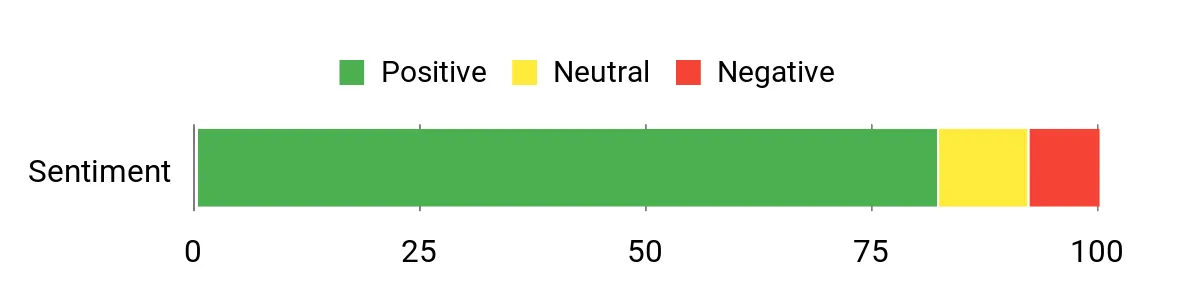
Published owner feedback commonly emphasizes detailed picture quality, natural color and the usefulness of motorized lens controls during installation. Lens memory and the broad shift range are especially valuable for permanent theater setups or screens with different aspect ratios.
The most common reservations relate to its substantial size, premium cost and the additional equipment required for streaming and audio.
Overall Sentiment: Generally positive
Feedback themes are a general summary of published buyer comments and are not a live rating or guarantee of individual experience.
Ease of Use
|
Feature |
Ease Level |
|---|---|
|
Physical Installation |
Moderate |
|
Motorized Focus, Zoom and Lens Shift |
Easy |
|
Picture Menus and Calibration |
Moderate |
|
Laser-Light-Source Maintenance |
Low Effort |
Look and Feel
The LS11000 has a large, professional-looking white enclosure designed primarily for ceiling mounting or a dedicated equipment shelf. Its appearance prioritizes ventilation, optics and installation flexibility over portability.
Why You’ll Like It
- 4K PRO-UHD processing with a 3840 × 2160 on-screen image
- 3LCD design with 2,500 manufacturer-listed color and white lumens
- HDMI 2.1 connectivity with support for 4K/120Hz input
- Motorized focus, 2.1x optical zoom, lens shift and lens-position memory
- Laser light source designed for long operating life and reduced routine maintenance
Important Limitations
- Uses pixel shifting rather than native-4K imaging panels
- Large chassis is best suited to a permanent installation
- Does not replace a streaming device, AV receiver or external speaker system
- Professional calibration may be worthwhile in a carefully designed theater
Check Current Amazon Availability
Detailed Projector Comparison
| Product Name | Image | Projection System | Manufacturer-Listed Brightness | Displayed Resolution |
|---|---|---|---|---|
| Hisense C2 Ultra |

|
Triple-laser DLP | 3,000 lumens | 4K UHD, 3840 × 2160 |
| BenQ X3100i |

|
4LED DLP | 3,300 ANSI lumens | 4K UHD, 3840 × 2160 |
| Epson Home Cinema LS11000 |

|
Laser 3LCD with pixel shifting | 2,500 color and white lumens | 4K PRO-UHD, 3840 × 2160 on-screen |
Manufacturer brightness figures may use different measurement descriptions and should not be treated as perfectly equivalent. Image size, screen material, picture mode and ambient light can substantially affect perceived brightness.
FAQ
How Bright Should a Projector Be?
The right brightness depends on screen size and light control. In a dark theater, contrast and black-level performance can matter as much as maximum lumen output. For a multipurpose living room, a projector in roughly the 2,500-to-3,500-ANSI-lumen range generally provides more flexibility, although direct sunlight will still wash out most projected images.
Compare measurement standards carefully. ANSI lumens, ISO lumens, color lumens and generic lumen figures are not automatically equivalent.
Do You Need a Native-4K Projector?
Not necessarily. Many consumer projectors use rapid pixel shifting to display the full 3840 × 2160 pixel structure from a 4K source. A well-designed pixel-shifting projector can look highly detailed at normal viewing distances, especially when paired with good optics, contrast and processing.
Native-4K imaging panels can offer advantages in the most demanding large-screen installations, but they are only one part of overall image quality.
Which Projector Is Better for Gaming?
The BenQ X3100i is the more gaming-focused choice when you want low-latency modes and up to 1080p/240Hz operation. It supports 4K gaming at up to 60Hz, so it is important to choose between maximum detail and maximum refresh rate.
The Epson LS11000 is better suited to gamers who specifically want 4K/120Hz input from a compatible console or PC and have room for a permanent theater installation.
How Should You Position and Set Up a Projector?
Measure the distance between the lens and screen, then compare that distance with the manufacturer’s throw-ratio and image-size guidance. Use optical zoom and lens shift whenever possible because aggressive digital keystone correction can reduce usable resolution and create uneven focus.
Leave adequate ventilation around the projector, use certified cables for high-bandwidth gaming signals and test the intended mounting location before drilling or installing a permanent bracket.
Can You Use These Projectors Outdoors?
The Hisense C2 Ultra is the easiest of the three to reposition for an occasional backyard movie night, but it still requires stable external power. For the best image, wait until after sunset and use a smooth, properly tensioned screen.
Projectors are not weatherproof unless explicitly rated as such. Protect the projector, cables and power connections from moisture, dust, extreme temperatures and condensation.
Do You Need External Speakers or a Streaming Device?
The Hisense and BenQ include smart entertainment features and built-in speakers, which are useful for casual viewing. A soundbar, powered speakers or an AV receiver will usually provide clearer dialogue, stronger bass and a wider soundstage.
The Epson LS11000 is designed as a display component in a larger theater system, so plan to provide separate streaming, source switching and audio equipment.
Final Recommendations
If you want the most adaptable option for movies, streaming, gaming and occasional outdoor use, the Hisense C2 Ultra offers the best overall combination of picture features, optical flexibility and built-in convenience.
If gaming is the priority, the BenQ X3100i provides the strongest mix of low-latency modes, bright output and wide color coverage. Remember that its highest refresh rates operate at lower resolutions, while 4K input is limited to 60Hz.
If you are planning a permanent theater and want motorized lens controls plus 4K/120Hz compatibility, the Epson LS11000 is the premium recommendation. It requires more installation planning and separate audio and streaming equipment, but it offers the most capable theater-oriented platform in this lineup.
Final Buying Checklist
- Confirm the projector’s current model name and availability before ordering.
- Measure your throw distance and intended screen size.
- Check the exact gaming resolution and refresh-rate combination you need.
- Budget for a suitable screen, mount, certified cables and external audio where necessary.
- Review the current seller, return policy, warranty terms and included accessories on the product page.
This roundup is reader-supported. When you click through links, we may earn a referral commission on qualifying purchases.
