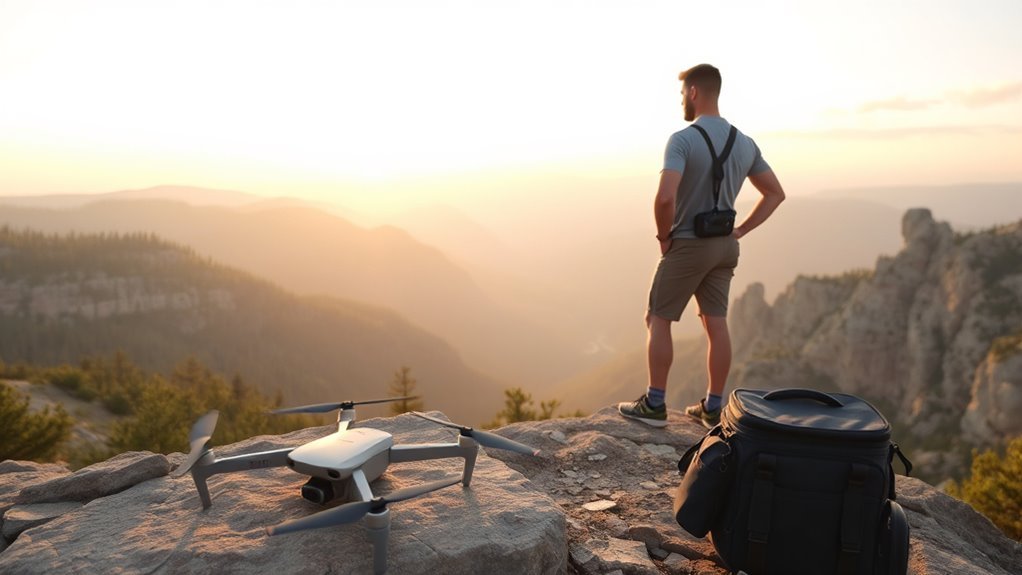
Flying a drone in national parks is usually off-limits, and for good reason: wildlife, visitors, and quiet scenery can all be affected. A few exceptions exist, but they are rare and tightly controlled through permits and FAA rules. Anyone hoping to capture aerial footage needs to know the risks, the penalties, and the nearby places where flight is allowed. The rules are not always what they seem.
Can You Fly a Drone in National Parks?
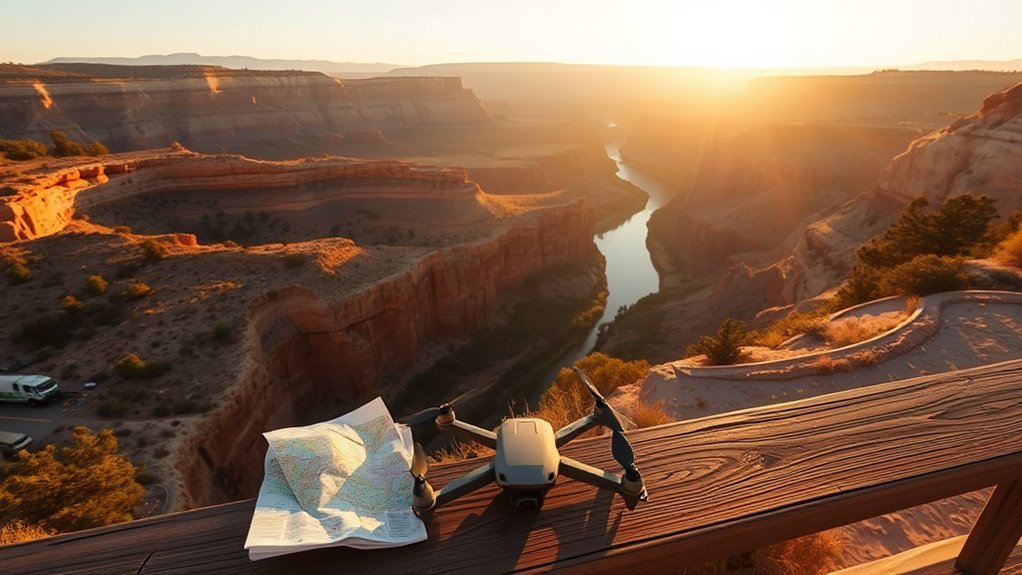
No—drones are generally prohibited in all National Parks because of the risk they pose to wildlife and visitor safety. The National Park Service prohibits takeoff, landing, and operation of drones on park land, and drone pilots should treat this rule as firm rather than flexible.
In practice, a Special Use Permit may allow limited use, but such permits are rare and usually tied to narrow, approved purposes. For most visitors, the path to compliant flying is simple: keep the drone outside park boundaries and follow FAA regulations if flying overhead from adjacent land.
That approach preserves access without surrendering responsibility. Pilots who ignore the rules face consequences that can include substantial fines and even imprisonment.
For anyone seeking open skies and lawful control, the clear option is to plan carefully, respect the boundary, and fly only where the law permits.
Why Drones Are Banned in National Parks
Drones are banned in National Parks because even a small aircraft can create outsized problems in sensitive places. The National Park Service turned that concern into a formal rule through Policy Memorandum 14-05, after drone use became more common and harder to ignore.
A drone’s noise can break the quiet that many visitors seek, while sudden movement and buzzing can disturb wildlife, especially in nesting or feeding areas. Safety is another issue: a device in the air can distract hikers, collide with people, or interfere with park resources.
The ban also protects the park as a natural fly zone for birds, not machines, and helps preserve the sense of freedom people come to find there. Federal penalties for violations can be steep, so the rule is not symbolic. It exists to keep parks wild, calm, and intact, rather than turned into a stage for recreational technology.
Can You Get a Drone Permit in a National Park?
Getting a drone permit in a national park is possible only through a special use permit, and even then, approval is limited.
Applicants must show FAA compliance and explain how the flight will avoid disrupting park operations or harming resources.
Park superintendents review each request case by case and may deny it or set strict conditions such as flight-time limits.
Permit Requirements
In most National Parks, drone use is prohibited, and any exception requires a Special Use Permit (SUP) approved by the park superintendent. For those determined to fly your drone, the permit requirements are strict and aimed at preserving open access for everyone.
| Requirement | Purpose |
|---|---|
| FAA compliance | Confirms lawful operation |
| Safety plan | Reduces risk to visitors |
| Liability coverage or AMA membership | Shows accountability |
| Superintendent approval | Protects park resources |
Requests are judged by impacts on wildlife, visitor experience, public safety, and ongoing park activities. A strong application is specific, careful, and respectful of shared spaces. Ignoring these rules can bring fines and possible jail time, making compliance the practical path to freedom.
Special Use Permits
Special Use Permits offer the narrow path for drone use in a National Park, but approval is never automatic. Drones are usually barred, and any request to fly a drone must persuade the superintendent that the operation protects public safety, respects existing park uses, and avoids harm to park resources.
Special Use Permits are also judged against FAA rules, so federal compliance matters as much as local discretion. Applicants may be asked to show liability insurance or AMA membership, adding another layer of accountability.
For those seeking freedom in the air, the route is structured, not freeform. Missing the rules can bring serious penalties, from hefty fines to possible imprisonment, making careful preparation essential before any petition is filed.
Approval Limits
Drone permits in National Parks are possible only in rare cases, and approval is far from routine. Since 2014, the National Park Service has largely barred drone flying, so a Special Use Permit is the exception, not the rule. Any request must clear the Associate Director, Visitor and Resource Protection, and it is judged against park resources, public safety, and other visitor uses.
| Review factor | Meaning |
|---|---|
| Resources | Protect wildlife, scenery, silence |
| Safety | Avoid risk to people and property |
Applicants also need liability insurance or AMA membership, plus strict operating protocols. That burden reflects the reality: permission is rare, limited, and never guaranteed. Most pilots seeking freedom will find nearby public lands far more open. Ignoring the rules can trigger federal fines or, in serious cases, imprisonment.
What Happens If You Fly Anyway?
Anyone who flies a drone in a national park anyway risks serious legal consequences, because the activity is prohibited under federal law. Federal officers can issue fines that begin at several hundred dollars and rise with the circumstances. In more serious cases, flying may lead to jail time ranging from 30 days to 6 months.
The consequences are not limited to the moment of the offense; a conviction can leave a permanent criminal record, making future jobs, permits, and other opportunities harder to secure.
A conviction can leave a permanent criminal record, complicating future jobs, permits, and other opportunities.
The practical risk is also broader than a ticket. Drone flying in protected areas can trigger enforcement if it causes injury or damage, or if it disturbs visitors, wildlife, or park operations.
A person seeking freedom in the air gains little by ignoring the rules and losing legal standing on the ground. The safer path is simple: understand the restrictions first, then avoid penalties that can follow long after the flight ends.
Where to Fly a Drone Near National Parks
Scenic alternatives near national parks often include designated drone areas in national forests and state parks, where flying is permitted under local rules.
Popular spots such as Fisher Towers in Moab and Snow Canyon in St. George can offer dramatic views, though permits may be required.
Before launching, it is important to confirm boundaries and check nearby restrictions, since local regulations can change quickly.
Scenic Spots Outside Parks
Beyond national park boundaries, several nearby locations offer excellent drone opportunities without the same restrictions, making them practical alternatives for capturing dramatic landscapes.
These scenic spots give pilots room to work, while still demanding careful local checks. State Parks can also be appealing when permissions are available.
Consider:
- Fisher Towers in Moab, where striking rock formations create bold aerial frames.
- Snow Canyon State Park in St. George, which allows flying with a permit.
- The Alpine Loop in northern Utah, offering sweeping mountain vistas.
- Areas around Zion National Park, where drone use may be allowed outside restricted zones.
Before launch, research rules, confirm boundaries, and secure any required permits.
Preparation preserves freedom and avoids penalties.
State Park Drone Options
State parks can provide practical drone alternatives near national parks, but the rules vary widely by state and by location.
In Pennsylvania, Recreational drone pilots may fly only in designated areas, making Beltsville State Park a useful nearby option.
New Jersey takes a stricter route, banning drone operations in all state parks, including Cape May Point, so freedom to fly there is off the table.
Delaware generally restricts flights to organized events, with Brandywine Creek offering a community-focused venue near National Parks.
Utah is more flexible, but only after securing an advance permit costing $5 to $10.
For each park, local regulations should be checked before launch, because lawful access can turn a planned outing into open-air exploration.
How Parks, Forests, and State Parks Differ
The rules can shift sharply from one public land category to another. In National Parks, drone photography is tightly restricted: the NPS bars takeoff, landing, and operation on park land, though a pilot standing outside the boundary may still fly over it. A special use permit can sometimes authorize flights, but superintendents grant them rarely and only under strict conditions.
- National Parks: near-total ban, with narrow permit exceptions.
- National Forests: managed by the USDA, they may allow drones where local rules permit.
- State Parks: policies vary widely; Pennsylvania limits use to designated zones, while New Jersey and Delaware ban drones outright.
- Nearby areas: county land, private property, or trailheads may offer more freedom, if checked first.
For anyone seeking liberation through drone photography, the practical move is research before launch. Local regulations can change park by park, so compliance protects both the flight and the landscape.
Frequently Asked Questions
Can FAA Know You Flew a DJI Drone?
Yes, the FAA can sometimes know a DJI drone was flown. The agency does not track every flight in real time, but DJI logs location, altitude, and other data that may surface during FAA enforcement or a complaint.
Registered drones also link to owner information. For anyone managing drone regulations, keeping personal flight records and checking airspace tools helps preserve freedom while reducing risk and confusion.
Is a Drone Allowed in Yellowstone National Park?
No, a drone is not allowed in Yellowstone National Park under strict national park restrictions and drone regulations.
Since 2014, the National Park Service has prohibited routine drone use there, and special use permits are rarely approved.
Any request must avoid harming park resources and still comply with FAA rules.
Violations can bring fines and even jail.
Those seeking freer skies should look outside the park boundaries for legal flying options.
Can I Fly a Drone in Bryce Canyon?
Absolutely not—Bryce Canyon treats drones like a thunderclap in a library.
Drone regulations there ban takeoff, landing, and flight anywhere inside park boundaries. A special use permit can be requested, but recreational approval is extraordinarily rare.
For scenic photography, travelers should look just outside the park, where local rules may permit flying.
Before launching anywhere nearby, checking state and local drone regulations is essential for lawful freedom.
Can I Fly a Drone at Mount Rushmore?
No, drone flights are generally prohibited at Mount Rushmore under drone regulations and national park policies.
A Special Use Permit may be granted in rare cases, but approval is uncommon and tightly controlled. Unauthorized flying can bring hefty fines and even jail time.
Those seeking more freedom should look beyond the memorial’s boundaries, where nearby public lands may allow drone use. Local rules should always be checked first.
Conclusion
In the end, drone pilots should treat national parks as no-fly zones unless a rare permit is formally approved. The rules protect wildlife, preserve quiet, and reduce risks for visitors and rangers alike. Those seeking aerial footage can look to nearby forests, state parks, and designated recreation areas instead. A little planning prevents fines, frustration, and a digital-age version of trespassing. Before takeoff, checking local rules remains the safest flight plan.