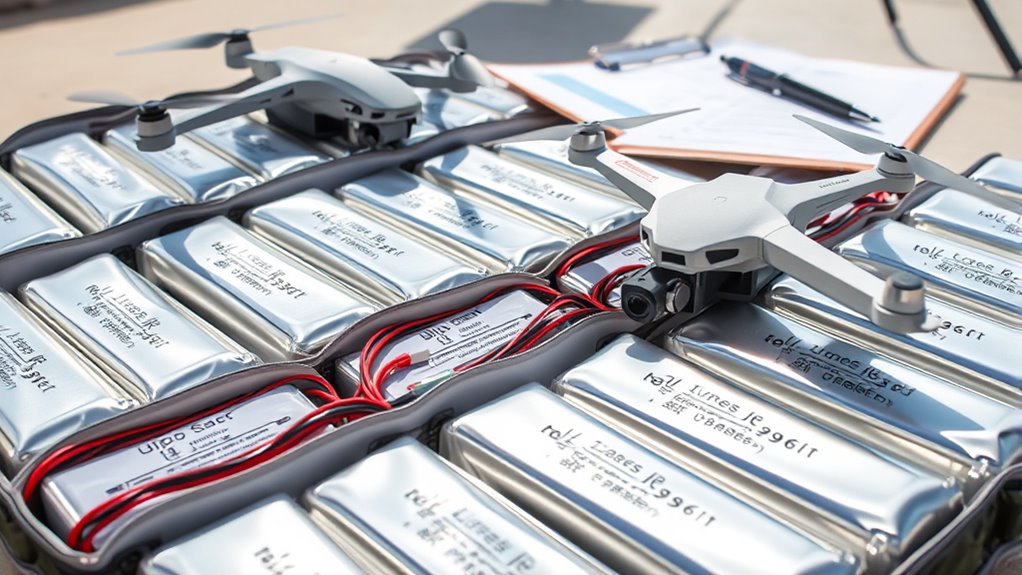
To safely store LiPo batteries for your drone, bring each pack to about 3.8V to 3.85V per cell, protect the terminals, and store the batteries in a cool, dry, fire-resistant place. Use LiPo-safe bags, ammo-style storage boxes with venting, or other fire-resistant containers to reduce fire risk. Inspect every pack before charging, flying, or storing it. If you see swelling, leaks, heat, odor, damaged wires, or crushed corners, stop using that battery and handle it as damaged. These simple habits help protect your drone, your home, and your battery life.
Quick Answer
Store drone LiPo batteries at about 3.8V to 3.85V per cell, never fully charged or deeply discharged. Keep them in a cool, dry, fire-resistant container, protect the terminals, inspect them often, and charge only with a proper balance charger on a non-flammable surface.
Key Takeaways
- Use storage mode on a balance charger to bring each LiPo cell to about 3.8V to 3.85V before long-term storage.
- Never store LiPo batteries fully charged, fully drained, hot from use, swollen, punctured, or connected to your drone.
- Store packs in a LiPo-safe bag or fire-resistant container away from heat, direct sun, carpet, paper, fuel, and other flammable items.
- Check voltage and physical condition regularly, especially if a pack has been sitting unused for several weeks.
- For air travel, keep spare lithium batteries in carry-on baggage, protect terminals, and follow airline and FAA rules.
At a Glance
| Best Storage Voltage | About 3.8V to 3.85V per cell |
| Best Storage Place | Cool, dry, shaded, fire-resistant area away from flammable materials |
| Tools Needed | Balance charger with storage mode, LiPo voltage checker, LiPo-safe bag or fire-resistant container |
| Checkup Frequency | Every 1 to 3 months during storage, and before every charge or flight |
Understanding LiPo Battery Voltages
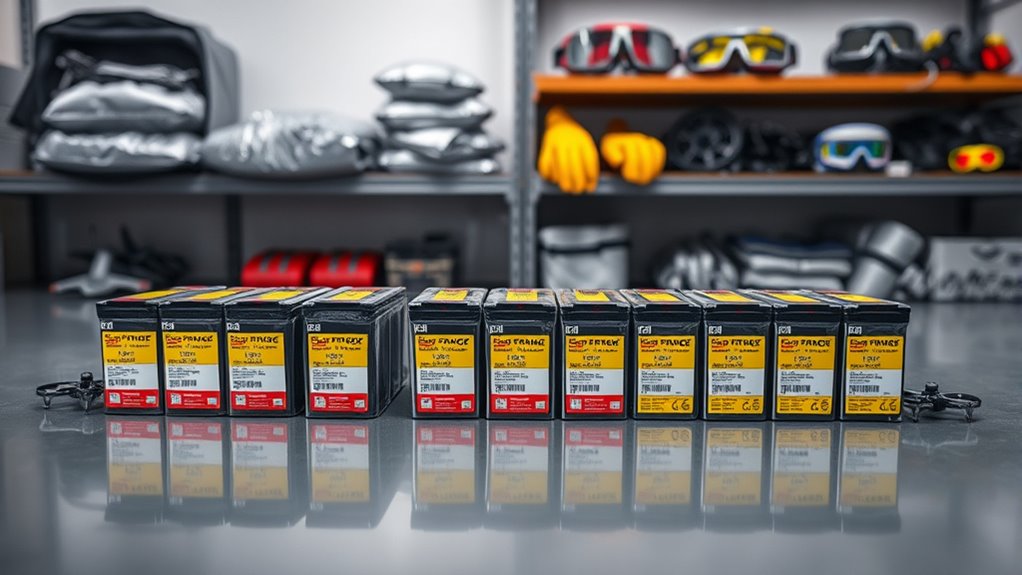
When using LiPo batteries for drones, voltage management matters for performance, battery life, and safety. A LiPo pack is made from individual cells connected in series. Each cell has a nominal voltage of about 3.7 volts, so a 3S pack is commonly listed as 11.1V and a 4S pack as 14.8V.
A fully charged LiPo cell reaches about 4.2 volts. A deeply discharged cell can become unstable, weak, or permanently damaged. Many drone pilots avoid letting cells fall near 3.0V under no load because recovery becomes less reliable and the pack may lose capacity.
For storage, the safest general target is usually 3.8V to 3.85V per cell. This range is not the same as a full charge. It gives the battery enough charge to avoid deep discharge while reducing stress compared with leaving the pack full for days or weeks.
Note: Always follow the battery label, drone manual, and charger manual first. Some smart batteries manage storage automatically, but you should still check their voltage and condition before use.
Monitoring each individual cell is important because a pack can look normal while one cell is too high, too low, or out of balance. A proper LiPo balance charger helps keep cells even during charging. A small battery checker also lets you confirm cell voltage before storage, before charging, and after flying.
Best Practices for Storing LiPo Batteries
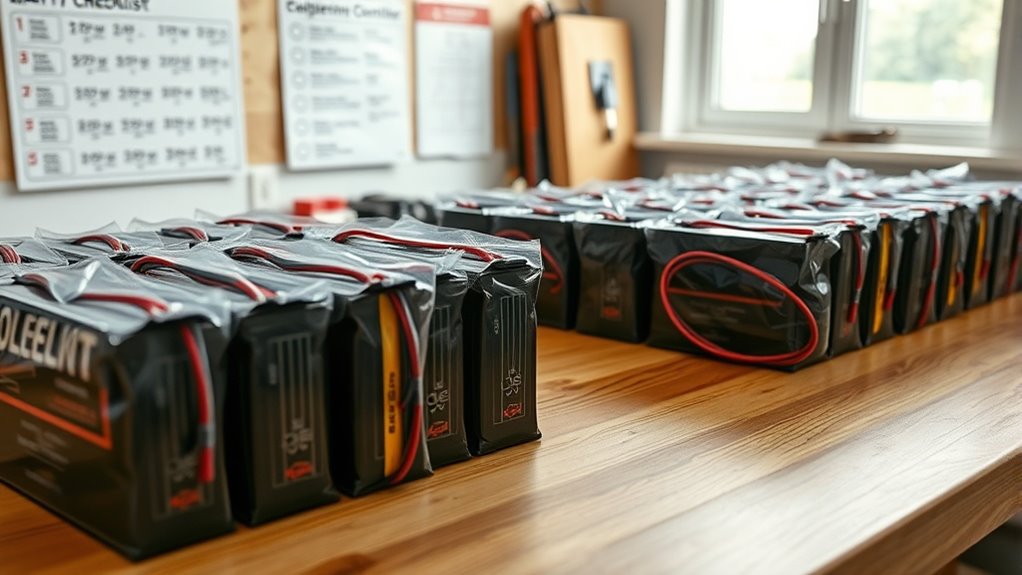
When storing your LiPo batteries, aim for a storage voltage of about 3.8V to 3.85V per cell. Avoid storing them fully charged overnight or for long periods unless the manufacturer specifically says the battery has safe automatic discharge features.
Keep each battery in a cool, dry place away from direct sunlight, heaters, hot cars, moisture, carpets, curtains, paper, fuel, and other flammable materials. A shelf in a garage, workshop, or utility area can work if it stays dry and does not reach extreme temperatures.
Use a LiPo-safe bag or fire-resistant container designed for battery storage. Do not seal batteries inside an airtight container that could build pressure during a failure. If you use a metal ammo-style box, many hobbyists remove or loosen the rubber seal so pressure can vent while sparks and flames remain contained.
Disconnect batteries from the drone, charger, or accessories before storage. Leaving a pack connected can drain it below a safe level, even when the drone is turned off. Also protect exposed connectors so the terminals cannot touch metal objects, tools, keys, or another battery plug.
Ideal Storage Voltage
Storing LiPo batteries correctly is one of the easiest ways to maintain battery health and reduce risk. The ideal storage voltage for most drone LiPo packs is about 3.8V to 3.85V per cell.
Storing a LiPo fully charged can increase internal stress and shorten battery life. Storing it too low can lead to over-discharge, which may cause swelling, poor performance, cell imbalance, or failure to charge safely.
Use the storage function on your balance charger when possible. This mode charges or discharges the pack until each cell reaches the correct storage range. If you use smart drone batteries, check whether your app or battery manual lets you set automatic discharge timing.
Check stored batteries every 1 to 3 months. If a cell drops too low, bring the pack back to storage voltage with a proper charger. If one cell keeps drifting far from the others, retire the battery and recycle it through an approved battery recycling option.
Fireproof Storage Solutions
Fire-resistant storage does not make LiPo batteries risk-free, but it can reduce damage if a pack fails. A good storage setup slows flame spread, keeps heat away from nearby items, and gives you more time to react safely.
Use fireproof bags or containers designed for LiPo batteries. For better protection, place the bag or container on a non-flammable surface such as concrete, tile, brick, or a metal shelf. Keep storage away from living spaces when practical.
Follow these best practices:
- Store LiPo batteries at about 3.8V to 3.85V per cell.
- Store batteries separately from chargers, fuel, paper, fabric, and household clutter.
- Protect terminals with caps, electrical tape, or the original connector cover.
- Regularly check each battery for swelling, cracks, punctures, melted plastic, corrosion, odor, or discoloration.
- Stop using any battery that looks damaged, gets unusually hot, will not balance, or drops voltage quickly.
Warning: Never store a damaged LiPo battery inside your home without isolating it in a fire-resistant place. If a pack is swelling, leaking, smoking, hissing, or heating up, move away, keep people clear, and contact local emergency services if there is any fire risk.
Importance of Using Fireproof Bags
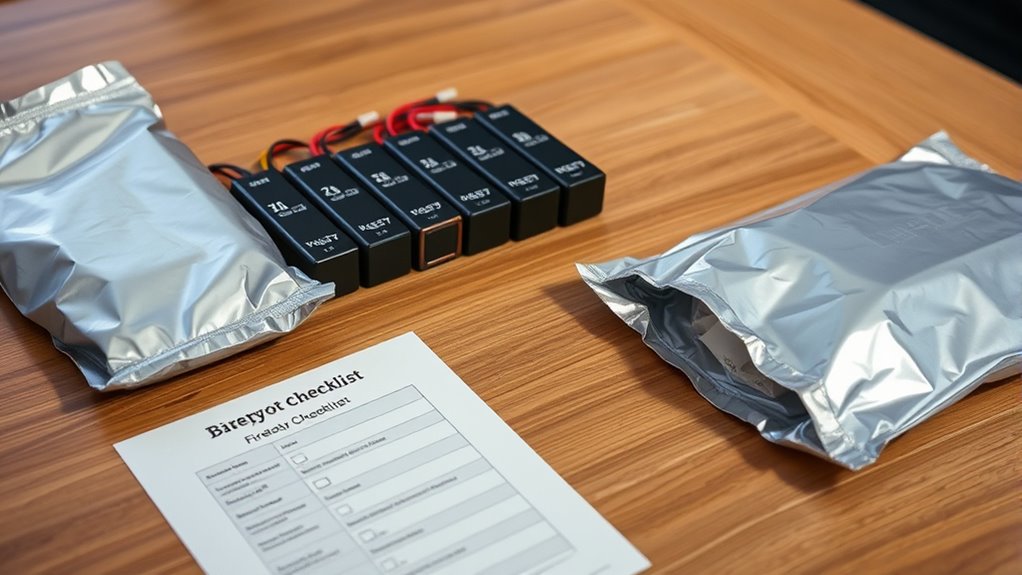
Many drone owners focus on flight performance and forget that LiPo batteries store a large amount of energy in a small pack. If a battery is overcharged, punctured, crushed, shorted, or charged with the wrong settings, it can overheat and enter thermal runaway.
A fireproof bag acts as a protective barrier during charging, transport, and storage. It can help contain flames, sparks, and hot debris if a battery fails. This protection matters most when dealing with high-capacity packs, older batteries, unknown used batteries, or packs that have taken a hard crash.
Fireproof bags are usually made from fire-resistant fiberglass-style material. They are not magic shields, and they do not replace safe charging habits. Still, they add a useful layer of protection when combined with correct voltage, balance charging, physical inspection, and safe placement.
After a flight, let batteries cool before charging or placing them into long-term storage. A hot pack is harder on the cells and can hide early signs of failure. Wait until the battery returns near room temperature, then check voltage and inspect the case before deciding whether to recharge, discharge to storage, or retire it.
Pro Tip: Label each battery with a number and purchase date. Track weak flight time, crashes, swelling, and balance problems. This makes it easier to retire risky packs before they become dangerous.
Safety Rules for LiPo Battery Handling
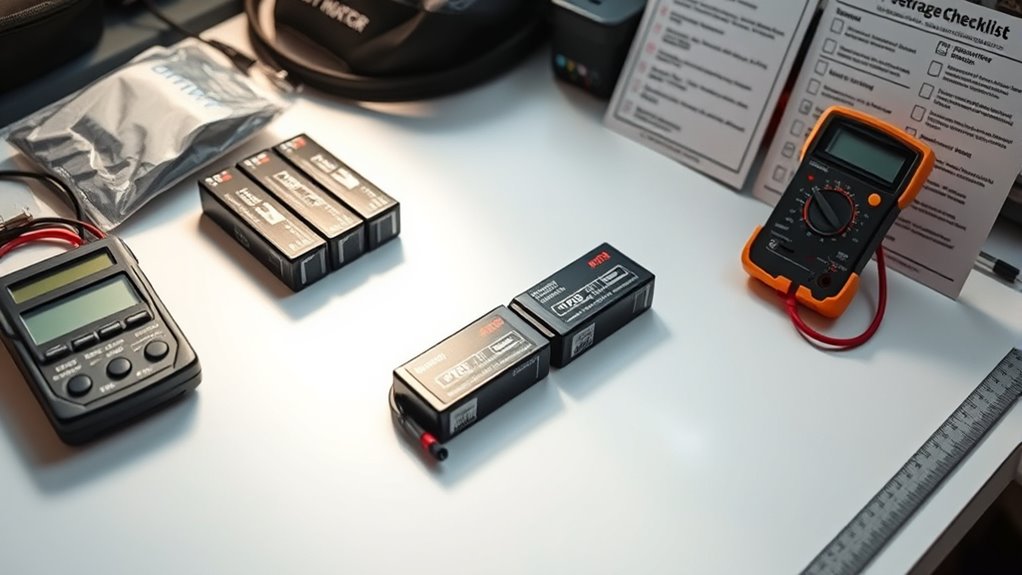
Proper handling of LiPo batteries is just as important as safe storage. Most battery problems start with small mistakes, such as using the wrong charger setting, charging unattended, ignoring a swollen pack, or leaving a battery fully charged for too long.
Follow these essential safety tips every time you use your drone batteries:
- Use only a proper LiPo balance charger or the official charger made for your drone battery.
- Match the charger settings to the battery cell count and capacity.
- Charge on a non-flammable surface, such as tile, concrete, stone, or a metal tray.
- Never charge LiPo batteries unattended or while sleeping.
- Do not charge a battery that is swollen, punctured, crushed, leaking, wet, or unusually hot.
- Let batteries cool after flying before charging them again.
- Do not mix damaged batteries with good batteries in the same storage bag.
- Do not carry loose LiPo batteries in a pocket, backpack, or toolbox where the terminals can short.
Using fireproof bags while charging and storing can greatly reduce fire risks, but your charging habits matter more than the bag itself. A safe bag cannot fix wrong voltage settings, poor chargers, damaged cells, or neglect.
If you discover damaged batteries, do not fly them again. Isolate them in a fire-resistant area, avoid charging them, and follow your local battery recycling or hazardous waste rules. Many communities and retailers offer battery recycling programs for rechargeable batteries.
Monitoring and Maintaining Charge Levels
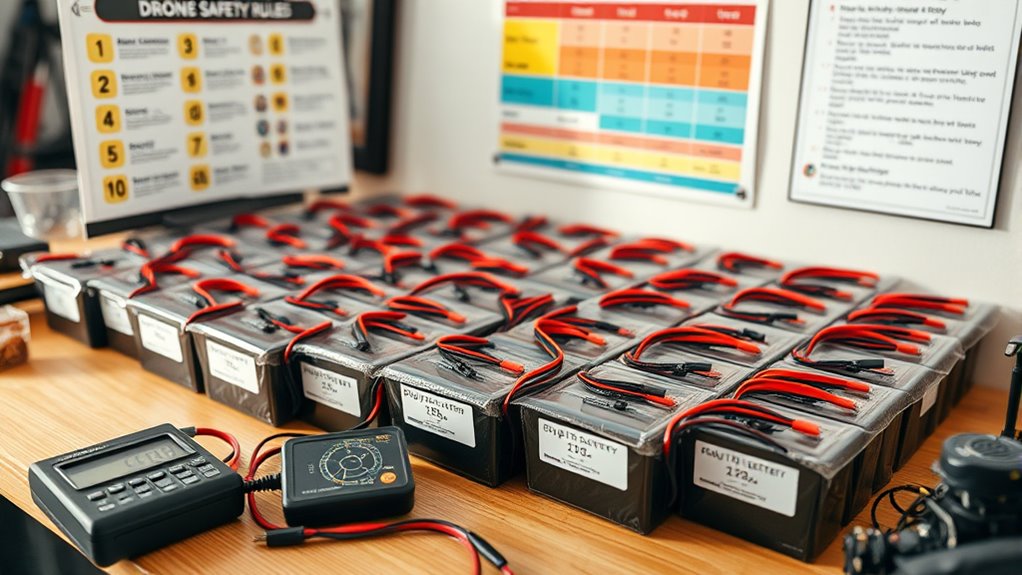
To keep your LiPo batteries performing at their best, aim for a storage voltage of about 3.8V to 3.85V per cell when they will not be used soon. Do not guess by looking at the battery percentage alone, because percentages can vary by app, charger, battery type, and load.
Check each cell’s voltage with a charger, drone app, or LiPo voltage checker. The total pack voltage is useful, but individual cell readings matter more. One weak cell can make the whole pack unsafe even when the total voltage looks normal.
Using a LiPo monitor during setup and maintenance can help you spot low-voltage situations before they damage the pack. For flying, set conservative low-voltage warnings in your drone or transmitter when available. Land before the battery is pushed too low.
Optimal Storage Voltage
The best storage voltage for most LiPo drone batteries is 3.8V to 3.85V per cell. This range helps reduce cell stress during storage while keeping enough charge to prevent deep discharge.
To protect your batteries:
- Bring packs to storage voltage if you will not use them within the next day or two.
- Do not leave packs fully charged for long periods after a canceled flight session.
- Do not store packs below 3.0V per cell.
- Store batteries in a cool, dry area inside a LiPo-safe bag or fire-resistant container.
- Check stored batteries every 1 to 3 months and return them to storage voltage when needed.
Extreme temperatures speed up battery wear. Heat is especially harmful. Avoid leaving LiPo batteries inside a parked vehicle, near windows, near heaters, or outdoors in direct sun. Cold storage can also affect performance, so let batteries return to a safe operating temperature before charging or flying.
Regular Charge Monitoring
Regular charge monitoring helps extend battery life and reduces the risk of sudden failure. You should check each cell’s voltage before charging, after flying, and before long-term storage. Healthy cells should remain close to one another in voltage. A large difference between cells can point to imbalance or aging.
| Monitoring Activity | Frequency |
|---|---|
| Voltage Check | Before & After Flights |
| Balance Charge | Every Charge When Possible |
| Storage Voltage Check | Every 1-3 Months |
| Recharge or Discharge to Storage | As Needed |
If a battery will not balance, drains faster than normal, gets hot under light use, or shows a sudden drop in flight time, treat it as a warning sign. Retiring a weak pack costs less than replacing a drone or dealing with a battery fire.
What to Do in Case of Emergencies
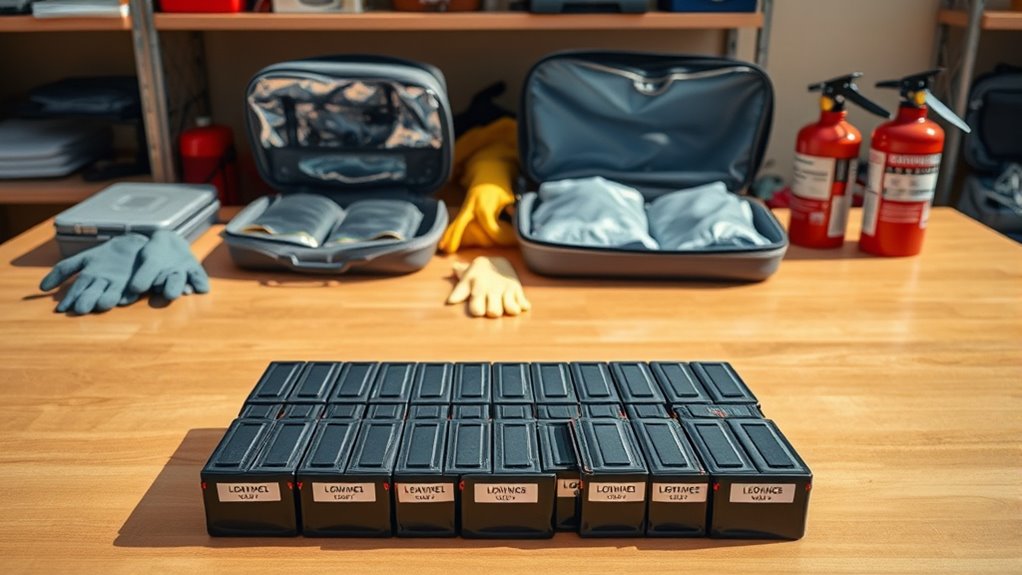
When an emergency involving a LiPo battery happens, swift action helps protect people first and equipment second. Battery fires can produce intense heat, smoke, and toxic fumes, so never try to save the drone or battery at the cost of personal safety.
Keep a suitable fire extinguisher nearby when charging or storing your LiPo batteries. For a small battery incident, sand, a fire-resistant container, or a dry chemical extinguisher may help contain flames and protect nearby materials. For an active fire, heavy smoke, or any situation you cannot control immediately, move away and call emergency services.
If you notice signs of damage, such as swelling, hissing, leaking, smoke, sparks, a sweet chemical odor, or unusual heat, isolate the battery in a fire-resistant place immediately if you can do so safely. Do not charge it, fly it, squeeze it, puncture it, or bring it indoors near people.
Follow these emergency steps:
- Move people and pets away from the area first.
- If the battery is only warm or swollen, place it on a non-flammable surface away from combustibles and let it cool under observation from a safe distance.
- If there are flames, smoke, or popping sounds, do not hold the battery or try to pick it up.
- Use sand or a suitable extinguisher only if the fire is small and you can act without risk.
- Ventilate the area after any smoke event, but do not breathe battery fumes.
- Do not place a damaged battery in saltwater unless your local waste authority or the battery manufacturer specifically instructs you to do so.
- After the battery is stable and cool, recycle or dispose of it through an approved battery recycling or hazardous waste program.
Warning: A swollen LiPo battery is not safe to keep using. Even if it still powers your drone, retire it and handle it as damaged.
Safe Transport and Travel Tips
Drone LiPo batteries need extra care during transport because terminals can short, packs can be crushed, and airline rules may limit what you can carry. Before any trip, check the rules for your airline, destination, and battery watt-hour rating.
For air travel, spare rechargeable lithium batteries are generally carried in cabin baggage, not checked baggage. Terminals should be protected against short circuits. You can use terminal caps, original packaging, plastic battery cases, or tape over exposed contacts.
Check the watt-hour rating printed on the battery label. Many common drone batteries fall under 100Wh, but larger packs may require airline approval. Do not assume all drone batteries are allowed just because they fit in your bag.
For car travel, keep batteries shaded and cool. Do not leave them in a hot trunk or parked car. Store them in a LiPo-safe bag or case, protect the terminals, and avoid stacking heavy items on top of them.
Common Storage Mistakes to Avoid
Many LiPo battery problems come from repeated small mistakes. Avoid these common habits if you want safer storage and longer battery life:
- Leaving batteries fully charged for weeks: This can increase stress and shorten battery lifespan.
- Storing batteries inside the drone: Small standby drains can pull the battery too low over time.
- Ignoring puffing or swelling: A swollen pack is damaged and should not be flown.
- Charging on carpet or bedding: These surfaces can catch fire quickly if a battery fails.
- Using the wrong charger mode: Wrong cell count or chemistry settings can overcharge a pack.
- Mixing damaged and healthy batteries: A failing pack can put nearby batteries at risk.
- Leaving packs in extreme heat: Heat speeds up chemical breakdown and can increase fire risk.
- Skipping balance checks: Cell imbalance can hide serious battery aging or damage.
Related Guides
Frequently Asked Questions
What is the safe storage voltage for LiPo batteries?
The safe storage voltage for most LiPo batteries is about 3.8V to 3.85V per cell. This range helps reduce stress compared with full charge while keeping the battery high enough to avoid deep discharge during storage.
What are the storage requirements for LiPo batteries?
Store LiPo batteries at storage voltage, disconnected from the drone, in a cool and dry place. Use a LiPo-safe bag or fire-resistant container, protect the terminals, avoid extreme temperatures, and inspect the packs regularly for damage.
What is the 80% rule for LiPo batteries?
The 80% rule means you try not to use more than about 80% of the battery’s capacity during a flight. In simple terms, land before the battery is deeply discharged. This habit helps reduce stress, heat, and long-term cell damage.
What are the requirements for safe transport of LiPo batteries by air?
For air travel, keep spare LiPo batteries in carry-on baggage, protect the terminals from short circuits, and check the watt-hour rating. Many batteries under 100Wh are allowed, while larger batteries may need airline approval. Always check your airline rules before flying.
Can I store LiPo batteries fully charged overnight?
One night is usually not the same as long-term storage, but it is still better to bring LiPo packs to storage voltage when you know you will not fly soon. Avoid leaving packs fully charged for days or weeks.
How do I know when a LiPo battery should be retired?
Retire a LiPo battery if it swells, leaks, smells strange, gets unusually hot, has damaged wiring, will not balance, drops voltage quickly, or loses a lot of flight time. Do not keep flying a pack that shows these warning signs.
Sources
- FAA PackSafe: Lithium Batteries — passenger air travel guidance for lithium batteries.
- TSA: Lithium Batteries — carry-on and checked baggage screening guidance.
- PHMSA Lithium Battery Safety — lithium battery transport and safety information.
Conclusion
Understanding and following proper LiPo battery storage practices is essential for your safety and the longevity of your drones. Store each battery at about 3.8V to 3.85V per cell, keep it in a fire-resistant bag or container, and place it in a cool, dry area away from flammable materials.
Do not ignore charge levels, swelling, damaged wires, leaking, heat, odor, or poor balance. These warning signs tell you a battery may no longer be safe. With the right charger, careful inspection, safe storage habits, and responsible recycling, you can lower risk and enjoy a safer flying experience.
