Have you ever noticed how one well-placed cast can change the whole tone of a guided fishing trip? For fishing guides, casting practice is not just a personal skill builder. It helps you place lures and flies with control, handle wind, work around cover, and keep clients fishing instead of waiting. When you can switch between a roll cast, sidearm cast, double haul, and short target cast, you give every client a better chance at success.
Quick Answer
Fishing guides should practice casting with the same rods, reels, lines, and leaders they use on trips. Focus on accuracy first, then distance, wind control, roll casts, sidearm casts, and fast adjustments. Short, regular practice sessions with targets build smoother mechanics and more confidence on the water.
Key Takeaways
- Guides need casting practice because clients often fish in wind, tight cover, moving water, and limited backcast space.
- Accuracy matters more than raw distance during most guided trips, especially when fish hold near structure.
- Roll casts, sidearm casts, double hauls, reach casts, and target casting all solve different on-water problems.
- Practicing with your real guide setup helps you adjust faster and reduces downtime during trips.
- Video, targets, distance marks, and simple feedback drills make each practice session more useful.
At a Glance
| Best Practice Time | 15 to 30 minutes per focused session |
| Difficulty | Beginner to advanced, depending on the cast |
| Tools Needed | Rod, reel, line, leader, yarn fly or practice plug, cones, hoops, or other targets |
| Main Goal | Improve accuracy, control, distance management, and adaptability during guided trips |
Importance of Casting Practice for Guides
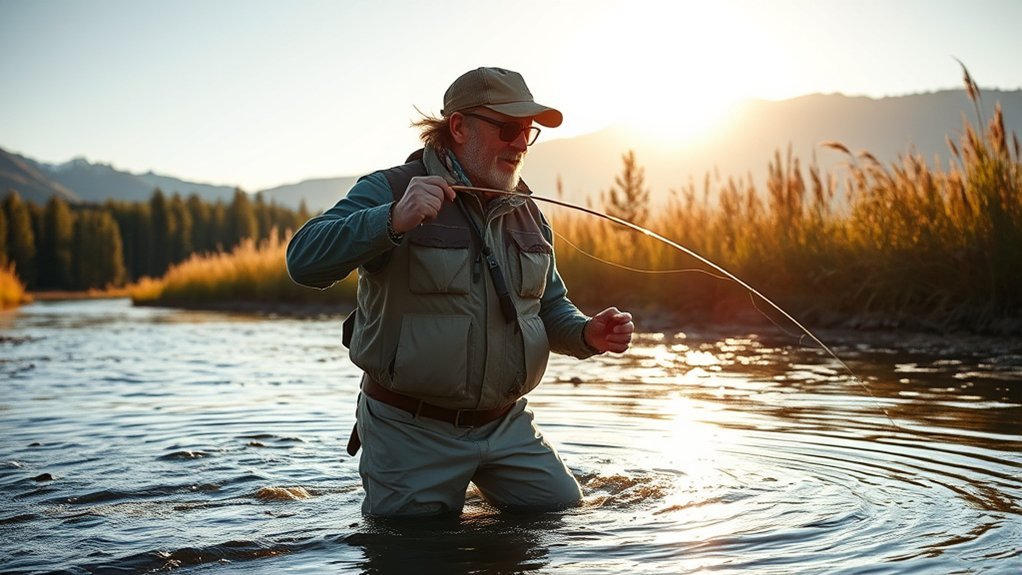
When you think about the skills necessary for a fishing guide, casting might not be the first thing that comes to mind. Still, consistent casting practice is essential for your success on the water. You may know the river, the season, the hatch, or the structure, but poor casting can still cost your client good shots.
Regular casting practice helps you accurately place lures and flies in challenging conditions. It also helps you make quick changes when a client struggles with wind, brush, current, or distance. Mastering different techniques, such as roll casts and sidearm casts, allows you to navigate obstacles and adapt to different fishing environments.
Practice also makes you more efficient with the exact gear you use during trips. When you know how your fly line, leader, tippet, reel, and rod respond, you can make quicker adjustments for clients. That familiarity reduces downtime, keeps the trip moving, and helps clients feel more confident.
Simulating difficult conditions prepares you for unexpected problems, including shifting wind, tight casting lanes, boat movement, and changing water levels. Structured practice sessions with one clear objective will sharpen your casting skills and help you maintain high performance throughout the fishing season.
Note: A guide does not need perfect tournament-style casting. You need repeatable, useful casts that solve real client problems on real water.
Key Casting Techniques to Master
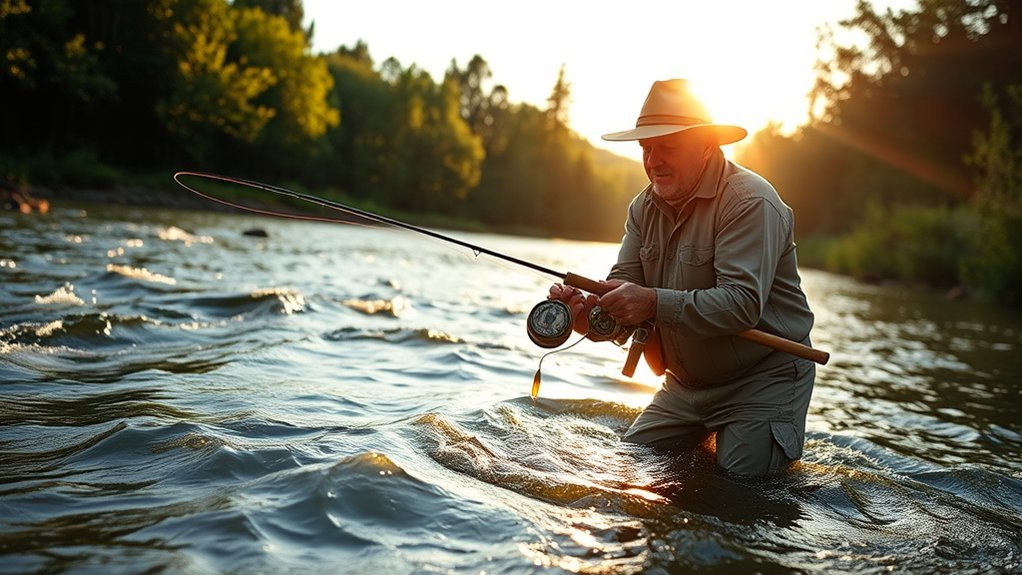
As you refine your casting skills, mastering key techniques becomes crucial for effective fishing. Each cast has a purpose. Some help you reach more distance, while others help you work around trees, banks, boat angles, or current seams.
| Technique | Description |
|---|---|
| Double Haul | Pull down on the fly line during the back cast, then haul again on the forward cast to increase line speed and distance. |
| Roll Cast | Use this cast when you have limited backcast space and need to deliver the fly or lure smoothly. |
| Sidearm Cast | Keep your line low to the water to work under branches, manage wind, or avoid overhead cover. |
| Target Casting | Practice with cones, buckets, plates, or hula hoops to improve accuracy and consistency. |
| Adaptation | Change your casting style based on conditions, such as using reach casts for better line control and drag-free drifts. |
Guides should practice these casts at different distances, not just at maximum range. Many productive fishing shots happen close to the boat, near the bank, or beside visible cover. A clean 25-foot cast often matters more than a long cast that lands wide of the target.
Work on smooth acceleration, a firm stop, and a controlled follow-through. These simple mechanics help you build tighter loops, cleaner presentations, and better control over where the line lands.
Pro Tip: Practice accuracy before distance. A guide who can hit a coffee-cup-sized target at short range will usually help clients more than one who only practices long casts.
Drills for Improving Precision and Control
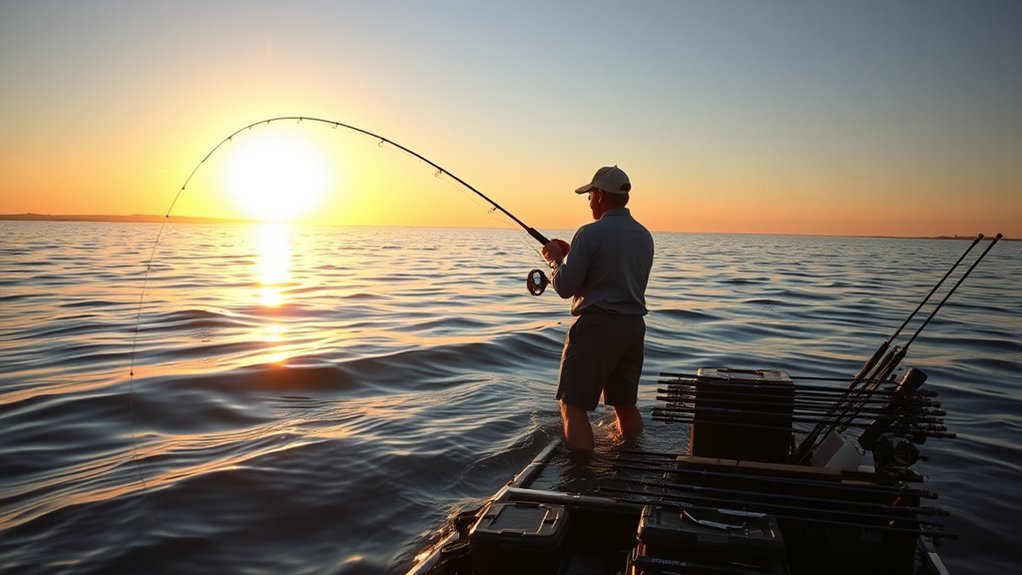
To improve casting precision and control, use targeted drills instead of casual practice. Random casting can help you warm up, but focused drills help you fix specific problems. Start with small cones, buckets, hula hoops, paper plates, or other visible targets.
Place targets at different distances and angles. Make a few casts to each target, then change your stance or casting style. This teaches you to adjust without overthinking when the same problem appears on the water.
Use a 20- to 30-foot line section with a yarn leader or practice plug in an open area. This setup lets you focus on clean mechanics without worrying about hooks. Keep false casts to a minimum and focus on placing the line with purpose.
Incorporate haul-timing drills with short line segments. This improves control and accuracy, especially when you need extra line speed in wind or tight spaces. You can also practice from kneeling or seated positions to simulate boat decks, banks, kayaks, drift boats, and low-profile casting situations.
Record your casting sessions from the side when possible. Video makes it easier to see rod-tip path, wrist movement, timing issues, and poor stops. Small adjustments often produce major improvements in accuracy and line control.
Simple Guide Casting Drill Routine
Use this short routine before the season or between trips:
- Warm up with 10 smooth casts at an easy distance.
- Place three targets at short, medium, and longer distances.
- Make five casts to each target using your normal overhead cast.
- Repeat the same targets with sidearm casts.
- Practice five roll casts with limited backcast space.
- Finish with five casts in which you change direction quickly after each pickup.
This routine keeps your practice simple, realistic, and easy to repeat. It also gives you a clear way to measure progress from week to week.
Adapting to Different Fishing Conditions
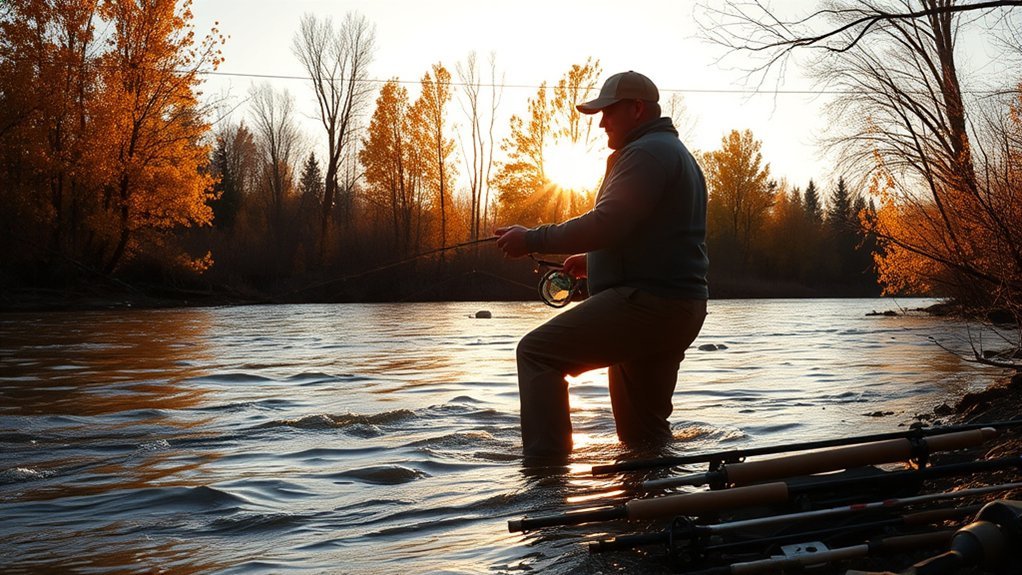
To adapt your casting techniques effectively, you need to understand wind direction, casting angles, structure, current, and client ability. Conditions can change fast, especially from a boat or along open banks. A guide who adjusts quickly can keep clients in productive water longer.
Start by reading the situation before you cast. Look at wind, current direction, available backcast room, overhanging branches, boat position, and the target zone. Then choose the cast that gives you the best control with the least wasted movement.
Wind Direction Strategies
Understanding wind direction can greatly impact your fishing success. When you cast into the wind, you often need a tighter loop, lower trajectory, and firmer stop. When you cast with the wind, you can use the wind to carry the line farther, but you still need control over where the fly or lure lands.
Pay attention to how the wind affects your line and leader presentation. A crosswind can push the line off target or create drag. Adjust your angle, timing, and casting plane to keep the line under control.
Use sidearm casts and roll casts to handle low branches or strong wind. A sidearm cast keeps the line lower, while a roll cast helps when you cannot make a full backcast. Terrain features, banks, trees, bluffs, docks, and vegetation may also block or redirect wind, so use them when possible.
Practice in different wind conditions instead of only casting on calm days. Calm practice builds mechanics, but windy practice builds guide-ready confidence.
Warning: Avoid practicing with exposed hooks around people, pets, vehicles, or crowded areas. Use yarn, a hookless fly, or a practice plug when you are away from the water.
Adjusting Casting Angles
Wind direction matters, but adjusting your casting angles can take your technique to the next level. In windy conditions, a sidearm cast keeps your line lower to the water’s surface. This can reduce wind exposure and improve presentation.
When you are tight on space, use roll casts to place your line without spooking fish or catching the bank behind you. For low branches or overhanging vegetation, the sidearm cast helps prevent snags while still allowing an accurate presentation.
In fast-moving water, reach casts alter your line angle and help create better drifts. This can give your fly more natural movement before current pulls the line. Practice changing your casting angle when targeting specific spots, such as current seams, undercut banks, weed edges, dock corners, and pockets behind rocks.
Working With Client Skill Levels
A guide’s casting skill also helps you teach clients. Some clients arrive with strong mechanics, while others need simple, calm instruction. Your job is to adjust your coaching without overwhelming them.
Use simple cues such as “smooth back, firm stop,” “aim a little lower,” or “pause longer on the backcast.” Avoid giving five corrections at once. One clear cue usually works better than a full casting lesson during a fishing trip.
You can also position the boat or choose a bank angle that makes the cast easier. Good guiding often means creating easier casting lanes, not just asking clients to cast better.
Using Feedback to Enhance Skills
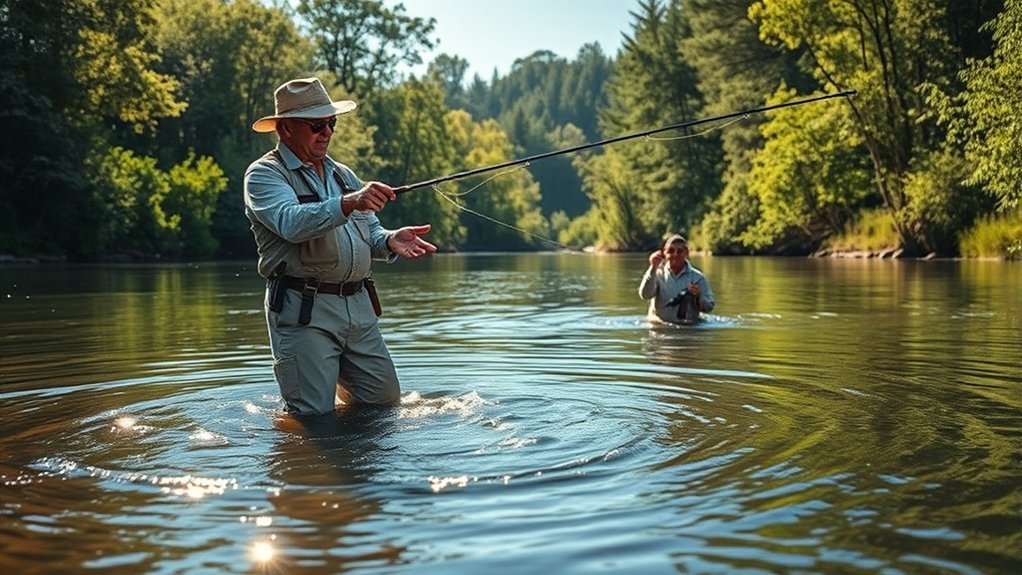
While practicing your casting technique, feedback can be a game changer. Without feedback, you may repeat the same mistake for months. With the right feedback, you can spot problems, adjust quickly, and build more reliable habits.
Recording your sessions gives you visual feedback that highlights flaws and areas for improvement. Using ceramic or glass plates during bait practice can offer audible feedback on bait placement accuracy. Targets, distance marks, and practice logs also help you measure progress.
Set one clear objective for each session. You might work only on roll casts, only on short accuracy, only on double-haul timing, or only on casting into a crosswind. Focused practice makes feedback easier to understand and apply.
| Feedback Type | Purpose | Benefit |
|---|---|---|
| Visual Recording | Identify technique flaws | Enhance self-awareness |
| Auditory Plates | Assess bait accuracy | Improve placement skill |
| Target Practice | Measure casting accuracy | Boost confidence and precision |
| Objective Setting | Focus practice sessions | Facilitate targeted feedback |
| Gear Adjustment | Fine-tune equipment | Increase casting control and distance |
Incorporating these feedback methods will improve your accuracy and overall performance while casting. Over time, you will also become better at spotting client casting issues and correcting them in simple, useful ways.
Building Confidence With Your Gear
Confidence in your fishing gear can greatly improve your experience on the water. Familiarizing yourself with the right setup is essential. Spend time practicing with the exact rod, reel, and line you plan to use during guided trips.
If you guide with fly gear, practice with the same leader and tippet style you use for dry flies, streamers, or nymph rigs. If you guide with spinning or baitcasting gear, practice with similar lure weights, line types, and rod actions. Small gear changes can affect timing, line speed, and accuracy.
Mark your fly line at specific distances, such as 40 and 60 feet, to gauge your progress and improve your casting control. These marks help you understand how much line you carry, shoot, or retrieve during different presentations.
Using a practice line or older gear during drills protects your valuable equipment while refining your technique. Consistent practice reinforces your skills, allowing you to adjust reel settings, manage line better, and master different casting techniques.
The more you practice, the more confidence you build in your gear. That confidence matters when you need to make a quick cast, help a nervous client, or adjust to changing conditions during a real trip.
Common Casting Practice Mistakes to Avoid
Many guides practice often but still fail to improve because their sessions are too random. Repeating poor mechanics can make bad habits stronger. A better approach is to practice with a clear goal, use simple feedback, and stop before fatigue ruins your form.
- Practicing only for distance: Long casts are useful, but most fishing situations reward accuracy and control.
- False casting too much: Extra false casts waste time, tire your arm, and can spook fish.
- Ignoring wind: Practicing only on calm days leaves you unprepared for real guide conditions.
- Using different gear: Practice with your trip setup so your timing feels natural on the water.
- Skipping short casts: Many fish eat close to the boat, bank, dock, or structure.
- Practicing without targets: Targets give you a clear measure of accuracy and progress.
Keep practice sessions short and repeatable. Ten focused minutes with targets can teach you more than an hour of unfocused casting.
How to Build a Weekly Casting Practice Plan
A simple weekly plan keeps your skills sharp without making practice feel like a chore. You do not need a huge field or a full afternoon. You need a safe space, a clear goal, and a repeatable structure.
| Practice Day | Main Focus | Simple Drill |
|---|---|---|
| Day 1 | Short Accuracy | Cast to three close targets from different angles. |
| Day 2 | Roll Casts | Practice with limited backcast space behind you. |
| Day 3 | Sidearm Control | Keep the line low while casting under an imaginary branch. |
| Day 4 | Wind Adjustment | Cast with, across, and into the wind if conditions allow. |
| Day 5 | Trip Simulation | Change targets quickly and make one-shot presentations. |
You can adjust this plan around your guide schedule. During busy weeks, practice two or three short sessions. During slower weeks, add more variety and record your form.
Related Guides
Frequently Asked Questions
How do you practice casting for fishing?
Practice casting by choosing one goal at a time. Use targets for accuracy, practice different casting angles, and use the same gear you fish with. Start with short casts, then build toward longer casts, wind control, and quick presentations.
What are the two common mistakes when doing the roll cast?
Two common roll cast mistakes are dropping the rod tip out of line and applying power too early or too weakly on the forward stroke. Keep a smooth rod path, form a clean D-loop, and accelerate into a firm stop.
How do you cast to the same spot every time?
To cast to the same spot every time, use a smooth repeatable motion, aim at a clear target, limit extra false casts, and practice at set distances. Marking line distance and using targets can help you build consistent muscle memory.
How do beginners cast a fishing line?
Beginners should hold the rod firmly, open the bail or prepare the reel, bring the rod back smoothly, then move it forward and release the line toward the target. Start with short, controlled casts before trying for distance.
How often should fishing guides practice casting?
Fishing guides should practice often enough to keep their mechanics sharp. Short sessions of 15 to 30 minutes a few times per week can be more useful than rare, long sessions. Focus each session on one skill, such as accuracy, roll casts, or wind control.
Should guides practice with the same gear they use on trips?
Yes. Practicing with the same rod, reel, line, leader, and lure or fly weight helps your timing feel natural during trips. It also makes it easier to adjust quickly when clients need help.
Conclusion
In the world of fishing, casting practice is not just a basic skill. It is one of your strongest tools as a guide. Like a painter with a brush, your cast helps shape the experience on the water. A smooth, accurate presentation can turn a tough fishing day into a memorable one.
By mastering key techniques, practicing with real targets, adapting to wind and structure, and using feedback, you will improve both your accuracy and your confidence. You will also become better at coaching clients through common casting problems.
Keep your practice simple, focused, and consistent. Work on short accuracy, roll casts, sidearm casts, double hauls, and real-world adjustments. Over time, your casting will become less of a mechanical task and more of a dependable guide skill that helps every client fish better.