A laptop running at 69°C under load is usually in a safe, normal range. For gaming or editing, both CPU and GPU temperatures around this level are generally acceptable and far below common throttling limits near 90°C or higher. Heat can rise faster in poor airflow, dusty vents, or warm rooms. If temperatures stay near this point consistently, the system is likely fine, and more details can help show what it means for buyers.
Key Takeaways
- 69°C is a normal and safe laptop temperature during gaming, editing, or other heavy workloads.
- Most CPUs and GPUs run safely around 70–85°C under load before thermal throttling begins near 90–95°C.
- A laptop at 69°C generally indicates effective cooling and stable performance.
- Poor airflow, dust buildup, and soft surfaces can raise temperatures and reduce cooling efficiency.
- Before buying, check temperatures with tools like HWMonitor and prefer laptops that stay below 85°C under load.
What Does 69°C Mean for a Laptop?
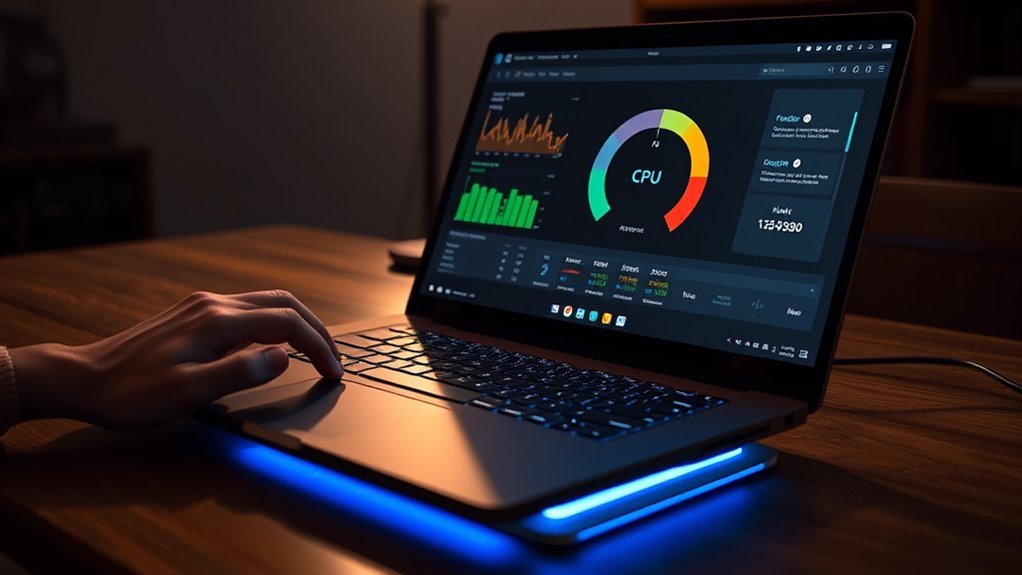
A laptop running at 69°C is generally within a normal range during heavy tasks such as gaming or video editing. This Laptop Temperature suggests the system is working efficiently, since most CPUs and GPUs commonly operate between 70-85°C under load.
It remains well below the 90-95°C zone where thermal throttling or component stress can begin. For users seeking freedom from constant worry, 69°C should not be treated as a warning sign. The Cooling System is doing its job, but steady monitoring still matters during long sessions.
If temperatures climb, a laptop stand, cooling pad, or cleaner airflow can help keep the machine in a safe temperature range. Regular maintenance, including vent cleaning, also supports stable performance and reduces spikes.
In practical terms, 69°C indicates controlled operation, not danger, and it aligns with normal demanding use.
Is 69°C Safe for Gaming Laptops?
For gaming laptops, 69°C is generally considered safe during heavy use. It sits below the common 70-85°C operating band, suggesting that Laptop CPU temperature remains controlled under demand.
Such a reading usually reflects effective cooling and good airflow, both of which support stable play without unnecessary restraint from thermal limits.
Effective cooling and good airflow help gaming laptops maintain stable play without thermal restraint.
At this level, performance is less likely to suffer from thermal throttling, so games can run with steadier frame rates and fewer slowdowns.
Consistent sub-70°C results also imply that the system is not being pushed toward problematic high temperatures.
Still, the number should be viewed as a snapshot, not a guarantee. Brief spikes above 85°C deserve attention, because sustained heat can shorten hardware life and reduce reliability.
Regular cleaning, open vents, and adequate room around the device help preserve this safer range.
For users seeking freedom from avoidable limits, 69°C is a reassuring sign of healthy thermal management.
CPU Temperatures at 69°C Under Load
A CPU temperature of 69°C under load is generally considered safe for a gaming laptop and sits within a normal operating range.
This level often indicates effective cooling and steady airflow, helping the processor maintain performance without thermal throttling.
Regular monitoring still matters, especially if temperatures begin to rise above 80°C.
69°C Under Load
At 69°C under load, a laptop CPU is operating at a safe and normal temperature for a gaming system. For CPU Temperatures, this level sits below the 70–85°C range often seen in a Gaming Laptop during heavy use.
It also remains far from the 90–95°C ceiling that many modern processors can tolerate, which supports stable performance and free operation without heat pressure.
A Cooling Pad may improve airflow during long sessions, but the reading already suggests effective thermal management.
Consistent monitoring still matters, since rising temperatures can signal blocked vents or weaker cooling. Proper ventilation and external cooling solutions help preserve performance, especially when gaming demands stay high.
Is 69°C Safe?
Yes—69°C under load is generally safe for a CPU, especially in gaming laptops handling demanding tasks. This 69°C reading sits below the common 70–85°C operating range and remains well under the 90–95°C ceiling many high-performance CPU designs can endure. For users seeking freedom from worry, this is a reassuring sign.
- Calm: the CPU is not near danger.
- Relief: sustained 69°C supports stable use.
- Confidence: performance can remain dependable.
- Vigilance: regular checks help catch sudden spikes.
Sustained temperatures below 70°C are often ideal for longevity, yet safe readings do not eliminate the need for monitoring. A laptop that holds 69°C under load suggests manageable thermal conditions, giving buyers useful breathing room and less dependence on constant intervention.
Cooling And Performance
CPU temperatures around 69°C under load usually point to solid cooling performance in a gaming laptop. This temperature sits comfortably inside the normal range, since demanding workloads often push systems toward 70-85°C.
At 69°C, the cooling design is likely keeping heat in check without forcing the CPU into thermal throttling. That matters because sustained operation above 85°C can trigger performance degradation and reduce frame stability.
High-performance chips can survive far hotter conditions, yet lower temperatures support longevity, reliability, and quieter operation. Proper ventilation, clean dust paths, and regular monitoring help maintain this level.
Consistent readings near 69°C suggest a well-balanced system that preserves performance while giving users more freedom from heat-related limits during long gaming sessions.
GPU Temperatures at 69°C While Gaming
A GPU reading of 69°C during gaming is generally considered normal and well within a safe operating range, as heavy loads often place laptops in the 70–85°C zone. This level suggests the GPU is operating without strain, with temperatures still far from the 90°C point where thermal throttling can begin to affect performance and freedom of play.
- Calm: Stable temperatures reduce worry during long sessions.
- Relief: The system remains within a healthy boundary.
- Confidence: Performance is less likely to falter under load.
- Control: Regular monitoring with MSI Afterburner preserves informed choices.
Efficient cooling and steady airflow help sustain this result, while room temperature and laptop placement still matter.
Proper ventilation supports a liberated gaming experience, allowing the hardware to work as intended without avoidable heat pressure.
What Raises Laptop Temperatures So Fast?
Laptop temperatures rise quickly when the CPU and GPU are pushed hard by demanding tasks like gaming or video editing, since these components produce substantial heat under load.
Poor airflow in compact designs limits how effectively that heat can escape, and dust buildup in vents or fans makes the problem worse.
As a result, internal temperatures can climb rapidly even during routine high-performance use.
High CPU And GPU Load
Intensive workloads quickly drive laptop temperatures upward because high-performance CPUs and GPUs generate substantial heat during gaming, video editing, and other demanding tasks, often reaching 70–85°C under load.
In high CPU and GPU load, the system must generate heat faster than it can shed it, so comfort and control narrow. Overclocking and high graphics settings intensify the burden, while thermal paste dries over time, reducing transfer efficiency.
- Relief feels delayed when every frame demands more power.
- Pressure rises when performance chases speed.
- Frustration grows as heat limits freedom to work or play.
- Confidence weakens when temperatures approach critical levels.
High frame rates also raise energy use, and warm rooms or soft surfaces can add strain, making the laptop feel increasingly constrained.
Poor Airflow And Dust
When airflow is restricted, a laptop can heat up quickly because compact chassis designs, blocked vents, and dust buildup limit how efficiently internal heat escapes. Poor ventilation forces heat sinks to work harder, while the CPU and GPU continue producing thermal load during demanding tasks. Dust in fans and vents reduces cooling performance, making temperature spikes more likely, especially on soft surfaces or in warm rooms.
| Cause | Effect |
|---|---|
| Blocked vents | Reduced airflow |
| Dust buildup | Lower cooling efficiency |
| Soft surfaces | Trapped heat |
Regular cleaning and clear desk use help preserve airflow, support stable performance, and prevent avoidable overheating. For buyers seeking freedom from throttling and shutdowns, airflow design matters as much as raw speed.
When 69°C Means Cooling Is Slipping
At 69°C under heavy load, a laptop may already be signaling that its cooling system is beginning to fall behind, especially since sustained gaming temperatures typically sit closer to 70-85°C.
At this point, 69°C can hint at rising resistance inside the chassis, where dust or weak airflow limits heat removal. Repeated exposure may not seem alarming, yet it can set up thermal throttling if temperatures climb further and the system cuts performance to protect itself.
- Relief can be delayed when fans cannot clear heat fast enough.
- Focus can narrow as frame rates drop without warning.
- Freedom to work or play can shrink when limits appear.
- Control improves when trends are monitored and cooling is reinforced.
If 69°C appears often, checking vents and fans is prudent, and a cooling pad may restore headroom.
How to Check Laptop Temperature Accurately
Accurate laptop temperature checks rely on monitoring tools such as HWMonitor or Core Temp, which display real-time CPU and GPU readings. This monitoring software helps compare normal temperature ranges with current behavior, making it easier to judge whether a laptop is operating within safe limits.
Many systems also provide basic data in BIOS or UEFI during startup, before the operating system loads, which can be useful for a quick baseline check. Alerts set inside monitoring software can warn when temperatures cross a chosen threshold, giving users early notice of overheating.
For reliable readings, the laptop should rest on a hard, flat surface so airflow is not blocked by soft materials. Temperature should be checked during demanding tasks such as gaming or video editing, since those moments reveal stress patterns that idle conditions can hide.
Consistent monitoring supports informed choices and greater control over device health.
Simple Ways to Lower Laptop Heat
Once temperatures are being tracked, a few straightforward changes can help reduce laptop heat and keep performance steadier.
- Place the device on a hard, flat surface. This design allows vents to work as intended and keeps heat from pooling beneath the chassis. Soft surfaces can block airflow and trap warmth.
- Clean vents and fans regularly. Dust buildup restricts cooling and forces components to run hotter. A simple cleaning routine can restore efficiency and protect safe operation.
- Use a cooling pad when workloads rise. Extra airflow is designed to support the laptop during long gaming or rendering sessions, helping limit temperature spikes.
- Lower in-game graphics settings. Reducing CPU and GPU demand cuts heat generation, eases strain, and can make the system feel more controlled and free from avoidable thermal pressure.
Monitoring tools such as HWMonitor or Core Temp can confirm whether changes are effective and alert the user if readings approach unsafe levels.
Should You Buy a Laptop Running at 69°C?
A laptop running at 69°C is generally safe to buy, especially for gaming or other demanding workloads, since this falls within a normal operating range and below the 85°C threshold that warrants closer attention.
At 69°C, the system is typically operating efficiently, without immediate signs of stress. This makes it a reasonable choice for users who value performance and practical freedom from unnecessary worry.
However, buyers should still monitor temperatures during extended use, because sustained readings above 85°C may indicate poor cooling or inadequate ventilation. Prolonged exposure above 90°C can increase the risk of thermal throttling and hardware wear.
Environmental conditions matter too; warm rooms and blocked airflow can raise temperatures quickly. Regular cleaning of vents and maintaining proper airflow help preserve stable operation around 69°C.
In short, such a laptop is worth considering, provided its cooling remains consistent under real-world use.
Frequently Asked Questions
Is 70 Degrees Celsius Too Hot for a Laptop?
No; 70°C is usually acceptable for a laptop under heavy load. Good laptop cooling prevents thermal throttling and limits performance impact. Sustained temperatures above 90°C warrant concern, but brief peaks around 70–85°C are normal.
Is 72 C Too Hot for CPU?
No, 72°C is generally not too hot for a CPU under load. With adequate Cooling solutions, it should avoid Thermal throttling and maintain minimal Performance impact, though sustained temperatures should be monitored for safety.
Is 92 Degrees Hot for a CPU Laptop?
Yes—92 degrees Celsius is hot for a laptop CPU, despite claims that brief spikes are harmless. Thermal Management matters because sustained heat can trigger throttling and Performance Impact; Cooling Solutions and cleaning vents are advisable.
Is 80 C Too Hot for a CPU Laptop?
80°C is somewhat hot for a laptop CPU, especially under sustained load. It may trigger thermal throttling effects, so ideal cooling solutions matter. Monitoring temperatures helps reduce long term performance impacts and preserve stable operation.
Conclusion
In the end, a laptop at 69°C is often doing exactly what it was built to do: work hard without complaint. Yet that reassuring number can be quietly misleading. Under load, it may be normal; at idle, it may hint at trouble. So the irony is simple—what sounds warm enough to worry about is often perfectly fine, until it is not. Buyers should judge temperature by context, not by the number alone.
