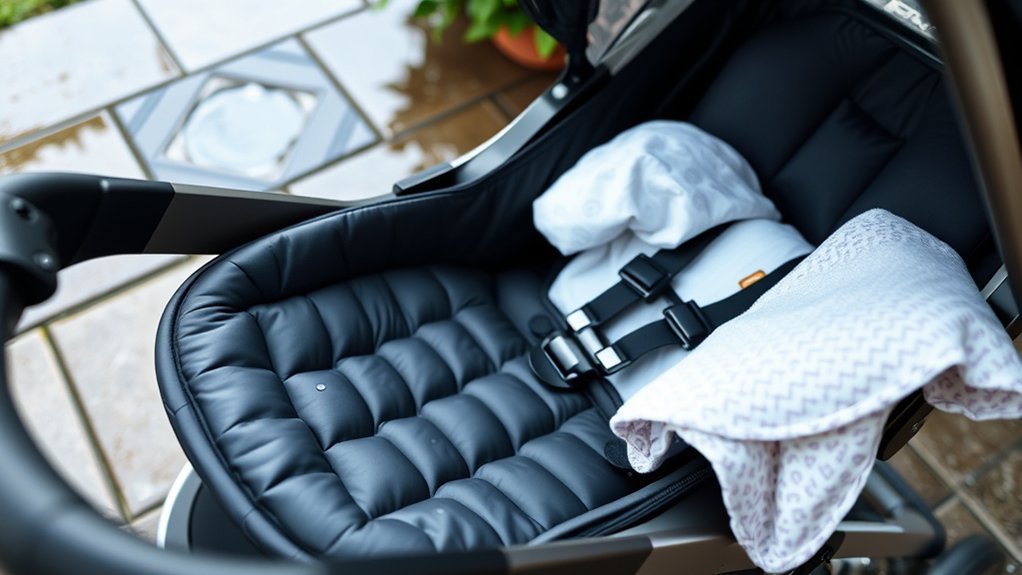
Waterproof stroller pads can make everyday outings easier by protecting stroller seats from diaper leaks, spilled drinks, and other messes. But not every stroller needs one, and not every pad is suitable for every model. Understanding the differences between waterproof liners, washable seat covers, and bassinet mattress protection will help you choose a practical option without compromising your child’s safety.
Quick Answer
Waterproof stroller pads are optional liners that help prevent spills and diaper leaks from soaking into stroller upholstery. Choose a model-compatible pad that fits flat and leaves the safety harness fully functional. For stroller bassinets used for infant sleep, never add an extra waterproof pad unless the manufacturer’s instructions specifically allow it.
Key Takeaways
- Waterproof and water-resistant liners offer different levels of spill protection. Check the product description before buying.
- A moisture-wicking fabric may feel more comfortable in warm weather, but it is not necessarily waterproof.
- Machine-washable pads still need care that follows their labels. High heat may damage some protective coatings.
- A non-waterproof, washable liner may be enough for families who mainly want protection from crumbs and everyday dirt.
Why Waterproof Stroller Pads Help Keep Seats Clean
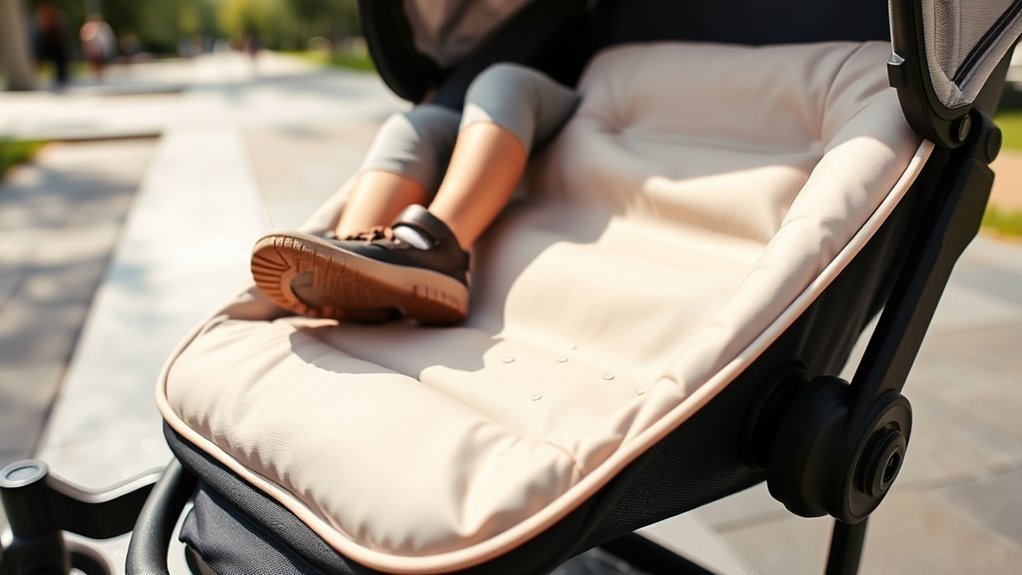
A waterproof stroller pad creates a protective layer between your child and the stroller’s original fabric. Its main benefit is simple: liquid spills are less likely to soak into the upholstery underneath.
This can be helpful during diaper leaks, feeding accidents, or outings when your child is wearing wet clothing. A removable pad is often easier to clean than fabric permanently attached to the stroller.
Waterproof pads can offer several practical benefits:
- Moisture protection: A waterproof backing helps prevent liquids from passing into the stroller seat.
- Stain protection: The pad catches many spills before they reach the original upholstery.
- Easier cleaning: Removable liners can often be cleaned separately from the stroller.
- Reduced lingering odors: Prompt cleaning helps keep spilled milk, food, and diaper leaks from remaining in the seat fabric.
- Less upholstery wear: A replaceable liner takes some of the daily contact that would otherwise affect the stroller seat.
However, a waterproof pad does not automatically prevent bacteria, mold, or mildew. Moisture can still collect between the liner and stroller if spills are ignored or the fabric stays damp.
Remove the liner and clean both surfaces whenever liquid reaches the seat underneath.
Manufacturer-approved seat liners are a practical example. The UPPAbaby Seat Liner is designed to protect stroller upholstery from everyday messes. It is machine washable and attaches through the stroller’s harness system.
That example also highlights an important distinction: a washable liner does not have to be fully waterproof to provide useful everyday protection.
Choosing Waterproof Materials for Comfort and Safety
The best waterproof stroller pad combines a comfortable upper surface with a protective backing. It must also fit the stroller correctly. Material quality cannot make up for poor compatibility or unsafe installation.
Understand the Main Material Options
Stroller liners commonly use cotton, polyester, mesh, or layered fabrics. Some waterproof products use a thin thermoplastic polyurethane (TPU) barrier beneath the fabric.
- Cotton: Often soft against the skin and comfortable for everyday use. Cotton alone absorbs moisture and is not waterproof.
- Polyester: Common in washable stroller accessories because it can be durable and quick drying.
- Mesh: Designed to improve airflow. Mesh alone does not create a waterproof barrier.
- TPU-backed fabric: Combines a fabric surface with a moisture barrier. Check whether the complete product is suitable for your stroller.
- Moisture-wicking fabric: Helps move sweat away from the skin. This property is separate from waterproof protection.
A cotton surface with TPU backing may provide a balance of softness and liquid protection. However, a waterproof layer can also limit airflow through the material.
Do not assume that a pad is breathable, waterproof, and moisture-wicking simply because the seller uses one of these terms. Look for a clear description of each layer.
Check the Fit and Harness Openings
Choose a liner designed for your stroller’s brand and model whenever possible. The pad should lie flat without folding, bunching, or sliding.
Check that the shoulder straps, waist straps, and crotch buckle pass through their intended openings without twisting or being restricted.
The American Academy of Pediatrics’ stroller safety guidance recommends using a five-point harness whenever a child rides in a stroller.
A pad should never interfere with that protection.
Warning: Do not use a stroller liner that covers harness openings, makes the buckle difficult to secure, changes your child’s seated position, or blocks the stroller’s normal operation. Use only accessories permitted by your stroller manufacturer.
Keep Bassinet Sleep Safety Separate
A regular stroller seat and a stroller bassinet have different safety needs. Extra padding that may be suitable for an approved stroller seat accessory should not automatically be used inside a bassinet.
Bassinet mattresses and sleeping pads are part of a regulated infant sleep system. The U.S. Consumer Product Safety Commission’s bassinet guidance explains that bassinet safety standards address mattresses, sleeping pads, side heights, and other design features.
Extra layers can change how the sleep surface fits and behaves. Loose fabric or padding may create gaps or unsafe softness.
Use the original bassinet mattress and only the sheets or covers permitted by its instructions. Do not add a generic waterproof stroller pad, mattress topper, or cushion.
The Benefits of Waterproof Pads in Different Weather Conditions
Waterproof pads can be helpful in both wet and warm weather, but their performance depends on their materials. A moisture barrier protects the stroller seat from liquid contact. It does not necessarily make the child cooler or keep rain out of the stroller.
Rainy or Wet Weather
During wet outings, a waterproof liner may protect the seat from damp clothing, a wet diaper, or water carried onto the seat.
However, it cannot stop rain entering through the stroller’s sides or canopy. For rain protection, use a compatible stroller rain cover according to the manufacturer’s instructions.
After the outing, remove wet accessories and allow the stroller upholstery to dry before storage.
Hot and Humid Weather
Hot weather calls for more attention to airflow and your child’s comfort. A waterproof backing may prevent liquid from passing through, but it does not automatically absorb or move sweat away.
For example, the Bugaboo Dual Comfort Seat Liner uses a breathable mesh side and a moisture-wicking fabric side. These are comfort features of that particular liner, not proof that every waterproof pad performs the same way.
Look for a compatible liner with a comfortable upper layer and suitable airflow. Check your child’s temperature during outings, especially in warm conditions.
Cold Weather and Everyday Moisture
In colder conditions, a protective liner can help keep damp clothing and minor spills away from stroller upholstery.
It does not replace appropriate clothing or weather protection. Always follow the stroller manufacturer’s guidance for seasonal accessories.
Maintaining Waterproof Stroller Pads
Regular cleaning keeps waterproof stroller pads useful and comfortable. A liner should be cleaned whenever it becomes soiled, even if liquid has not passed through to the seat beneath it.
The two priorities are maintaining a secure fit and keeping the liner completely dry between uses.
Check These Features Before Every Ride
A quick inspection can reveal problems that are easy to miss after washing or reinstalling a stroller pad.
- Flat placement: The liner should sit smoothly against the stroller seat without loose folds.
- Harness access: All straps and buckles should remain easy to adjust and secure.
- Dry surfaces: Both the pad and stroller upholstery should be dry before extended use or storage.
- Intact backing: Check for peeling, cracks, tears, or damaged seams.
- Correct attachment: Use the fastening method specified by the liner manufacturer.
If the waterproof backing separates, cracks, or no longer blocks liquid, the pad may need replacement.
Cleaning and Maintenance Tips
Many stroller pads are machine washable, but washing methods differ by fabric and construction. Always follow the product’s care label instead of assuming every liner can withstand the same wash cycle or dryer setting.
- Remove loose debris. Shake out crumbs and brush away dry dirt before washing.
- Treat visible spills. Use a mild cleaning solution that is suitable for the pad’s materials.
- Wash according to the label. Use the approved water temperature, detergent, and cycle. Machine wash only when the manufacturer allows it.
- Avoid unsuitable products. Do not use bleach, fabric softeners, or strong cleaners if the care label warns against them.
- Dry completely. Air dry or use an approved dryer setting. Do not apply high heat unless the manufacturer permits it.
- Reinstall carefully. Check the harness openings and pad placement before putting your child in the stroller.
Machine washing is convenient, but it does not mean a liner can be left wet or returned to the stroller before drying.
If liquid has reached the stroller seat underneath, clean that fabric according to the stroller manufacturer’s instructions as well.
Pro Tip: If your stroller allows removable liners, keeping a clean spare can make diaper leaks and food spills easier to manage. Check that both liners are compatible with the same stroller model.
What to Look For in Quality Waterproof Stroller Pads?
A quality waterproof stroller pad should protect the seat without reducing the stroller’s safety or comfort. Prioritize verified compatibility and practical construction before color, thickness, or decorative design.
Use this checklist when comparing products:
- Model compatibility: Confirm that the liner is approved or permitted for your stroller model and seat configuration.
- Functional harness openings: The liner must allow correct use of all safety straps and buckles.
- Moisture barrier: Look for a clearly identified waterproof backing if liquid protection is your main goal.
- Comfortable surface: Choose a fabric that feels suitable against your child’s clothing or skin.
- Easy cleaning: Removable, machine-washable designs can simplify maintenance when approved by the manufacturer.
- Secure construction: Check seams, attachment points, and the condition of the waterproof layer.
- Clear care instructions: The product should explain how to wash, dry, and reinstall it.
You may also see products marketed as hypoallergenic, non-toxic, or GREENGUARD Gold certified.
According to UL Solutions’ GREENGUARD certification guidance, GREENGUARD Gold certification concerns limits on chemical emissions from products.
It does not, by itself, mean a stroller pad has been tested for harness compatibility or approved as an infant sleep accessory.
Check certification claims against the specific product. More importantly, confirm that the accessory is safe for its intended stroller.
Common Buying Mistakes
Several mistakes can make an otherwise convenient liner unsuitable.
- Choosing a universal pad without checking the stroller’s harness layout.
- Assuming a water-resistant surface is completely waterproof.
- Buying extra-thick padding because it looks more comfortable.
- Assuming a stroller seat liner can also be used inside a sleeping bassinet.
- Ignoring washing instructions until the protective backing becomes damaged.
A thin, properly fitted liner may be more practical than a thick one, but fit and manufacturer approval should guide the decision.
Are Non-Waterproof Pads Effective Alternatives?
Non-waterproof stroller pads can be good alternatives if your main goal is comfort or protection from everyday dirt. They may cost less and come in soft, washable fabrics.
The trade-off is that liquids can pass through them and reach the stroller upholstery.
Pros of Non-Waterproof Pads
Non-waterproof liners can work well for families who mainly deal with crumbs, dry dirt, and ordinary fabric wear.
Depending on the product, their advantages include:
- Soft fabrics: Cotton and other washable materials can provide a comfortable surface.
- Airflow: Some designs avoid the extra moisture barrier found in waterproof products.
- Simple cleaning: Removable liners can be washed when their care instructions permit.
- Style choices: Different colors and patterns can match the stroller’s existing fabric.
- Lower initial cost: Some basic fabric liners may be less expensive than multilayer waterproof alternatives.
However, a non-waterproof liner cannot reliably stop a diaper leak or drink spill from reaching the seat beneath it.
Budget-Friendly Options Available
Budget-friendly stroller protection does not always require a waterproof pad. If spills are uncommon, a compatible washable seat liner may provide enough everyday protection.
For frequent diaper leaks, wet clothing, or drink spills, a waterproof model may be more convenient. Compare both types based on the messes your family encounters most often.
| Non-Waterproof Pads | Waterproof Pads |
|---|---|
| Often simpler construction | Includes a moisture barrier |
| Liquids may reach the stroller seat | Helps block spills from reaching upholstery |
| Useful for crumbs and dry dirt | Useful for diaper leaks and wet messes |
| Fabric comfort depends on material | Comfort depends on the upper layer |
| Requires cleaning after spills | Also requires cleaning after spills |
Neither type is automatically more durable or hygienic. Material quality, proper fit, cleaning, and drying determine how well a particular pad performs over time.
Maintenance and Care Tips for Both Types
Waterproof and non-waterproof stroller pads both need regular cleaning. The main difference is what happens when liquid reaches the fabric.
With a non-waterproof pad, spills may soak through, so inspect the stroller seat underneath. With a waterproof pad, liquid may stay on the liner’s surface or collect around its edges.
In either case, remove the mess promptly and let all affected parts dry.
Check for stains, odors, damaged seams, and loose attachments. A clean pad that no longer fits securely should not remain in use.
Tips for Quick Clean-Ups During Outings
Unexpected spills are common when traveling with babies and toddlers. A small cleaning kit can make them easier to handle without carrying unnecessary equipment.
Keep these practical items in your stroller bag:
- Baby wipes or suitable cleaning wipes: Useful for removing small messes from surfaces where the manufacturer permits them.
- A spare changing outfit: Helps prevent wet clothing from continuing to soak the stroller liner.
- A waterproof storage bag: Keeps soiled clothes and removable pads separate from clean supplies.
- A small cloth: Useful for blotting liquid before it spreads.
- A spare approved liner: Helpful if the original becomes too wet or dirty to reuse during the outing.
For dry crumbs, a lint roller or small handheld vacuum may also be useful, provided it is suitable for the stroller fabric.
Check the stroller’s storage basket for spilled food, damp items, and forgotten snacks after returning home.
Do not leave used wipes, wet clothes, or soiled fabric sealed inside the stroller during storage.
Frequently Asked Questions
Do You Need Waterproof Sheets for a Baby?
Not always. Waterproof protection can make cleaning easier, but it is not required for every stroller or bassinet. For infant sleep, use the mattress and fitted covering specified by the manufacturer. Avoid loose sheets, extra cushions, and unapproved waterproof padding that could change the sleeping surface.
Do I Need Bassinet Sheets for a Stroller?
Not necessarily. Some stroller bassinets have removable mattress covers and do not require another sheet. Other models allow specific fitted sheets. Follow the instructions for your exact bassinet and use only approved coverings that fit securely without bunching or changing the mattress firmness.
Do I Need a Waterproof Pad for a Bassinet?
No, a separate waterproof pad is not automatically necessary or safe. Extra padding may affect mattress firmness or create gaps. Use the supplied mattress and any manufacturer-approved cover. Never add a generic stroller liner or waterproof mattress topper to a bassinet used for infant sleep.
Is a Waterproof Mattress Pad Necessary?
No, it is a practical option rather than a universal requirement. A fitted waterproof protector may help preserve a mattress if its manufacturer permits one. For babies, the protector must not make the surface soft, create gaps, or interfere with the approved sleep setup.
Can You Machine Wash Waterproof Stroller Pads?
Yes, many waterproof stroller pads are machine washable, but not all. Follow the care label for water temperature, detergent, and drying method. Some waterproof layers may be damaged by high heat or unsuitable cleaning chemicals. Reinstall the liner only after it is completely dry.
Can a Waterproof Stroller Pad Replace a Rain Cover?
No. A waterproof stroller pad mainly protects the seat against liquid reaching its surface. It does not prevent rain from entering around the canopy or stroller sides. Use a manufacturer-compatible rain cover when appropriate and follow its ventilation instructions. Dry wet stroller components after use.
Conclusion
Waterproof stroller pads can make daily cleanup easier and help protect stroller upholstery from spills, stains, and diaper leaks. However, they are optional accessories, and proper fit and manufacturer compatibility matter more than waterproof claims alone.
For a regular stroller seat, choose a permitted liner that leaves the harness working correctly and is easy to clean. A non-waterproof, washable pad may also be a suitable alternative when moisture protection is not your main concern.
For a bassinet used for infant sleep, follow a different rule: use the original mattress and only approved coverings. The AAP safe sleep recommendations emphasize a firm, flat sleep surface without loose bedding or added soft padding.
Some manufacturers offer model-specific replacements, such as the UPPAbaby bassinet mattress cover, but this does not mean generic waterproof pads are suitable for every bassinet.
Before buying, identify your stroller model, check its accessory instructions, and choose the simplest protective option that meets your cleaning needs without changing the stroller’s intended safety features.
Sources
- American Academy of Pediatrics: How to Choose a Safe Baby Stroller: Supports stroller safety, harness use, and supervision guidance.
- UPPAbaby: Seat Liner: Supports removable liner features, washable materials, and harness attachment.
- Bugaboo: Dual Comfort Seat Liner: Supports information about breathable mesh, moisture-wicking fabric, cleaning, and compatibility.
- U.S. Consumer Product Safety Commission: Bassinets and Cradles: Explains bassinet safety standards covering mattresses, sleeping pads, and product construction.
- UL Solutions: GREENGUARD Certification: Explains chemical-emissions certification and GREENGUARD Gold criteria.
- American Academy of Pediatrics: How to Keep Your Sleeping Baby Safe: Supports recommendations for firm, flat infant sleep surfaces and the avoidance of loose bedding and extra padding.
- UPPAbaby: Mattress Cover for Bassinet: Documents a manufacturer-specific washable mattress cover and its stated model compatibility.

