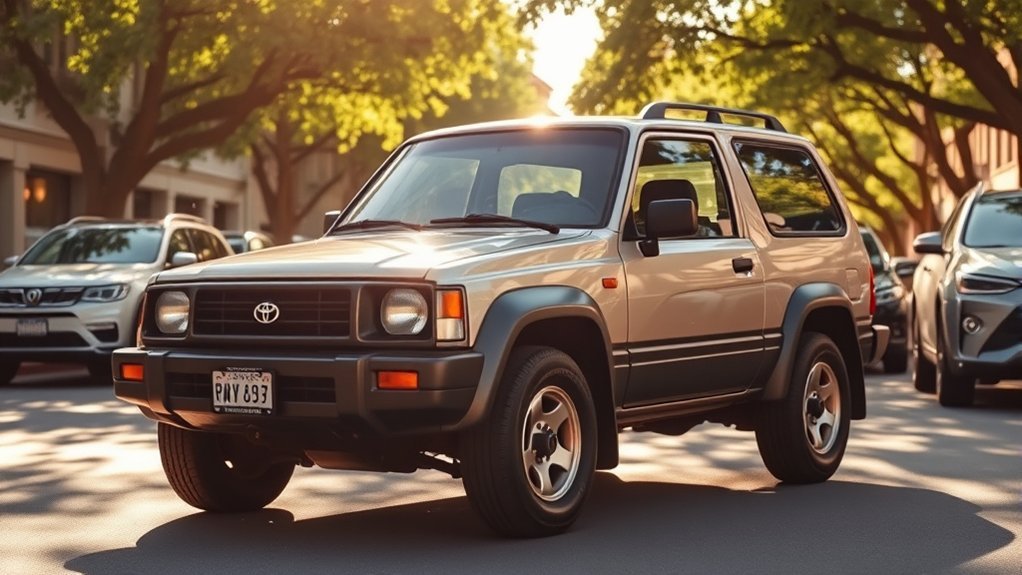
Toyota no longer sells a new 3-door RAV4, but the exact discontinuation date depends on the market. The short-body RAV4 disappeared from the U.S. after the first generation, while Toyota continued offering a second-generation three-door model in markets including the UK and Europe until the five-door-only third generation arrived in 2006.
Quick Answer
No, Toyota does not make a new 3-door RAV4. In the U.S., the short-body model ended after the first generation around 2000. A second-generation three-door RAV4 remained available in some international markets until 2006, when Toyota moved to a five-door-only design.
Key Takeaways
- The RAV4 debuted globally in 1994 and reached the U.S. market in 1996.
- Toyota sold both first- and second-generation three-door RAV4s in some markets.
- The third-generation RAV4 became a five-door-only model in 2006.
- Toyota has not announced a three-door version of the current 2026 RAV4.
- Used examples remain available, but specifications and parts differ by year and market.
Note: A vehicle called a “two-door RAV4” in North America may be described as a “three-door RAV4” elsewhere. The third door is the rear cargo door, so both terms can refer to the same short-body configuration.
Why the 3-Door RAV4 Was Discontinued
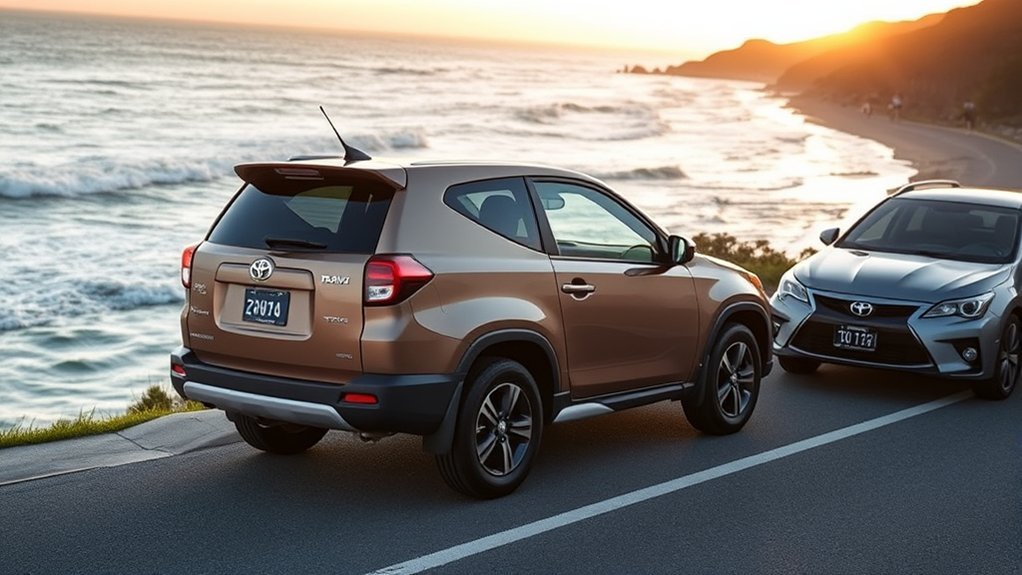
The three-door RAV4 helped establish Toyota’s compact crossover formula. Its short wheelbase, high seating position, compact footprint, and available four-wheel drive made it easy to maneuver in cities while still looking ready for outdoor use.
However, the five-door model offered easier rear-seat access, more passenger room, and more useful cargo space. Those advantages made it more suitable for families and buyers who wanted one vehicle for commuting, shopping, and longer trips.
Toyota did not eliminate the three-door model everywhere in 2000. According to Toyota’s official RAV4 history, the second generation was available in both three- and five-door forms in some markets.
The broader transition happened in 2006. Toyota’s third-generation RAV4 was exclusively a five-door model, although vehicle length and wheelbase still varied between some regional versions.
RAV4 Body-Style Timeline
| Generation | Approximate Years | Body Styles |
| First generation | 1994–2000 | Three-door and five-door models; a three-door soft-top was sold in selected markets. |
| Second generation | 2000–2006 | Three-door and five-door models in markets including the UK and parts of Europe; U.S. availability differed. |
| Third generation | 2006–2013 | Five-door only, with different body lengths in some markets. |
| Fourth and fifth generations | 2013–2025 | Five-door compact SUV. |
| Sixth generation | 2026 onward | Five-door hybrid and plug-in-hybrid lineup; no three-door model announced. |
Model-year timing was not identical in every country. When researching a used RAV4, check the vehicle’s original market rather than relying only on a broad generation date.
Evolution From 3-Door to 5-Door RAV4 Models
The original RAV4 helped create the modern crossover category by combining a passenger-car-style unibody platform with SUV-like ground clearance and an elevated driving position. Toyota initially emphasized the short three-door body before expanding the range with a longer five-door version.
The second generation continued that choice in several international markets. Both body styles grew slightly, and Toyota improved cabin packaging, seating flexibility, comfort, and available powertrains.
By the third generation, Toyota had made the five-door configuration standard. The change gave buyers easier access to the rear seats and a more practical interior without moving the RAV4 into the large-SUV category.
Every later RAV4 generation followed that format. Exterior styling, powertrains, safety systems, and technology changed, but the basic five-door compact-SUV layout remained.
A Look Back at the First-Generation 3-Door RAV4
The RAV4 made its global debut in 1994 and entered the U.S. market for the 1996 model year. Its early three-door body was considerably shorter than the five-door model that followed, giving it a distinctive upright and compact appearance.
Specifications varied by market and production year. Early models generally used a 2.0-liter four-cylinder gasoline engine, while drivetrain choices included front-wheel drive or four-wheel drive in certain markets.
Toyota offered the first-generation RAV4 in three-door, five-door, and limited soft-top forms, helping establish the flexible compact-crossover category.
The rear cargo opening used a side-hinged door rather than the upward-opening hatch found on many modern crossovers. A rear-mounted spare tire added to the original model’s recognizable SUV styling.
Selected markets also received a three-door soft-top version. Toyota’s UK archive dates that version to the late 1990s, but its availability and equipment differed by country.
Can You Still Buy a Used 3-Door RAV4?
You may still find a three-door RAV4 through used-car dealers, private sellers, specialist importers, and enthusiast groups. Availability depends heavily on your country because the second-generation short-body model was not sold in every market.
Before buying one, confirm the following details:
- VIN and production year: Use the VIN and registration documents to confirm the model’s identity.
- Original market: Imported vehicles may use different engines, transmissions, lighting, emissions equipment, and trim names.
- Body configuration: Confirm whether it is a fixed-roof or soft-top version.
- Drivetrain: Do not assume every short RAV4 has four-wheel drive.
- Service records: Look for consistent maintenance rather than relying only on mileage.
- Parts compatibility: Verify parts using the VIN because three-door and five-door body components may differ.
- Recall status: Check the VIN with Toyota or the relevant vehicle-safety authority in your country.
Pro Tip: Ask a qualified mechanic to inspect an older RAV4 before purchase. Pay particular attention to corrosion, fluid leaks, cooling-system condition, suspension wear, drivetrain operation, tires, brakes, and soft-top seals where fitted.
No single defect applies to every three-door RAV4. Condition, maintenance, climate, engine, drivetrain, and previous use matter more than broad online claims about the entire model range.
RAV4 Alternatives Worth Considering

Current mainstream compact crossovers do not offer a direct replacement for the original three-door RAV4. Most use five-door bodies because rear-seat access, cargo capacity, and family practicality remain major buying priorities.
- Honda CR-V: A practical compact SUV for buyers who prioritize passenger and cargo room.
- Mazda CX-5: A similarly sized alternative with an emphasis on road manners and interior design.
- Subaru Forester: A useful choice for drivers who want standard all-wheel drive and a spacious, upright cabin.
- Hyundai Tucson: A five-door compact SUV with modern infotainment and driver-assistance technology.
- Nissan Rogue: A comfort-focused option with a flexible cabin for everyday use.
Drivers who mainly like the old RAV4’s smaller exterior dimensions should also consider subcompact crossovers such as the Honda HR-V and Mazda CX-30. They are still five-door vehicles, but their footprints are closer to the city-friendly character that made the early RAV4 appealing.
Comparing the RAV4 With the Honda HR-V and Mazda CX-30
The Toyota RAV4, Honda HR-V, and Mazda CX-30 serve different parts of the crossover market. The RAV4 is a compact SUV, while the HR-V and CX-30 are smaller subcompact crossovers.
| Model | Best Fit | Key Difference |
| Toyota RAV4 | Families, longer trips, cargo use, and buyers seeking an electrified compact SUV | Larger than the other two and offered in hybrid or plug-in-hybrid form for 2026 |
| Honda HR-V | Urban driving and buyers who want a smaller, straightforward crossover | Smaller exterior dimensions, gasoline power, and available all-wheel drive |
| Mazda CX-30 | Drivers seeking a compact footprint, standard all-wheel drive, and responsive road manners | Smaller and less cargo-focused than the RAV4, with naturally aspirated and turbocharged engine choices |
The Mazda CX-3 appeared in older comparisons, but Mazda discontinued it in the U.S. for the 2022 model year. The current Mazda CX-30 is the more relevant U.S. comparison.
The Honda HR-V and CX-30 may feel closer to the early RAV4 in size and city maneuverability. The RAV4 provides more family-oriented space and a broader electrified powertrain range.
Modern RAV4 Features That Improve the Driving Experience
The current RAV4 has moved far beyond the simple, lightweight design of the original three-door model. For the 2026 model year in the U.S., Toyota offers the RAV4 with hybrid and plug-in-hybrid powertrains rather than a gasoline-only version.
Hybrid models are available with front-wheel drive or electronic on-demand all-wheel drive, depending on the grade. Toyota rates the all-wheel-drive hybrid system at up to 236 combined horsepower.
The current plug-in-hybrid system produces up to 320 combined horsepower. Toyota also gives it a manufacturer-estimated electric driving range of up to 50 miles under suitable conditions. Actual range varies with speed, weather, temperature, charging, accessories, and driving style.
The 2026 model introduces Toyota Safety Sense 4.0, along with a newer multimedia system and standard wireless Apple CarPlay and Android Auto compatibility.
These changes show how far the RAV4 has moved from its original role as a small recreational vehicle. It now competes as a family-focused compact SUV with advanced safety, connectivity, and electrified drivetrain options.
The RAV4’s Impact on the Compact SUV Market

The RAV4 helped demonstrate that an SUV did not need a heavy truck-style frame or a large exterior body. Its unibody construction, compact dimensions, elevated seating position, and available all-wheel drive established a formula that many later crossovers followed.
Compact SUV Evolution
Early RAV4 models combined city-friendly dimensions with styling and ground clearance associated with off-road vehicles. That combination appealed to buyers who wanted an SUV-like driving position without the size and weight of a traditional utility vehicle.
The transition from a three-door model to a five-door design also reflected the segment’s changing role. Compact crossovers became primary household vehicles rather than niche recreational models.
Toyota passed the 10-million worldwide RAV4 sales milestone in 2020. The achievement does not prove that every generation led every market, but it shows the model’s long-term importance to the crossover category.
RAV4 Sales Position
Toyota describes the RAV4 as America’s best-selling small SUV. Its popularity has encouraged manufacturers to compete with broader trim ranges, hybrid powertrains, advanced safety systems, and more flexible interiors.
Sales comparisons should still identify the year and category. For example, comparing the RAV4 with an individual pickup nameplate can produce a different result from comparing it with an entire truck family that includes several models and weight classes.
RAV4 Design Influence Today
The original RAV4’s most lasting design idea was its blend of passenger-car behavior and SUV utility. Drivers received an elevated seating position and useful cargo area without moving to a body-on-frame truck platform.
Modern compact crossovers have become larger and more practical, but they continue to use the same broad formula. Five doors, foldable rear seats, unibody construction, available all-wheel drive, and efficient powertrains now define much of the segment.
Could the 3-Door RAV4 Make a Comeback?
Toyota has not announced a three-door version of the 2026 RAV4. The current lineup includes Core, Rugged, and Sport designs across several hybrid and plug-in-hybrid grades, but every announced model follows the practical five-door format.
Market Demand Trends
Three-door SUVs generally provide less convenient rear-seat access and less flexible passenger space than five-door models. Those limitations make them harder to position as high-volume family vehicles.
A short-body RAV4 could appeal to enthusiasts who value compact dimensions and retro styling. However, Toyota would need enough demand to justify separate body panels, safety engineering, manufacturing equipment, certification, replacement parts, and marketing.
For now, Toyota appears focused on electrification, software, driver-assistance technology, and a range of five-door designs rather than recreating the original body style.
Design Innovations Needed
A modern three-door RAV4 would need to meet current crash-protection, visibility, emissions, connectivity, and driver-assistance requirements. It would also need to provide acceptable rear-seat access and useful cargo capacity despite its shorter body.
Toyota could potentially combine retro-inspired styling with a hybrid or plug-in-hybrid drivetrain, but that remains speculation. Until Toyota makes an official announcement, buyers should not assume a short-wheelbase RAV4 is under development.
Related Guides
Frequently Asked Questions
Does Toyota currently sell a 3-door RAV4?
No. Toyota’s current RAV4 lineup uses a five-door body. No three-door version has been announced for the 2026 model year.
When did Toyota stop making the 3-door RAV4?
The answer depends on the market. The short-body model ended in the U.S. after the first generation around 2000. Three-door second-generation models continued in some international markets until the five-door-only third generation arrived in 2006.
Is a two-door RAV4 the same as a three-door RAV4?
Usually, yes. North American descriptions may count only the two passenger doors, while other markets count the rear cargo door as a third door.
What was unique about the early 3-door RAV4?
It had a short wheelbase, compact exterior, elevated seating position, side-hinged rear cargo door, and available four-wheel drive in certain markets. Toyota also sold a soft-top three-door version in selected countries.
Are aftermarket parts available for a 3-door RAV4?
Service and modification parts are available from several sources, but compatibility varies by generation, engine, drivetrain, body style, and original market. Confirm every part with the VIN or an exact manufacturer application guide.
What should I inspect before buying a used 3-door RAV4?
Review its service history and recall status, then arrange a professional inspection. Check for corrosion, leaks, overheating evidence, worn suspension, drivetrain noise, damaged body seals, tire condition, brake wear, and previous accident repairs.
Did Toyota offer special-edition 3-door RAV4 models?
Toyota offered market-specific trims, appearance packages, and limited versions during the first two generations. Names and equipment differed by country, so verify a claimed special edition through its VIN, original brochure, build record, or Toyota documentation.
Conclusion
Toyota does not make a new 3-door RAV4. The body style ended after the first generation in the U.S., but it continued into the second generation in some international markets before Toyota moved to a five-door-only RAV4 in 2006.
The early short-body model remains an important part of RAV4 history because it helped establish the compact-crossover formula. Buyers who want one today must shop the used market and carefully verify the vehicle’s year, origin, condition, drivetrain, and parts compatibility. New-car shoppers will find the same broad mix of maneuverability and SUV practicality in modern five-door crossovers, including the current RAV4, Honda HR-V, and Mazda CX-30.
Sources
- Toyota RAV4: A Pioneering Original for 30 Years — first- and second-generation history, body styles, dimensions, and powertrains.
- Celebrating the Original: 20 Years of the Toyota RAV4 — generation timeline and the move to a five-door-only model in 2006.
- Toyota Debuts the All-New 2026 RAV4 — current lineup, hybrid and plug-in-hybrid powertrains, output, electric-range estimate, and technology.
- Five Things to Know About the All-New 2026 Toyota RAV4 — Toyota Safety Sense 4.0 and current multimedia features.
- Mazda Statement on the CX-3 — confirms the model’s U.S. discontinuation for the 2022 model year.
