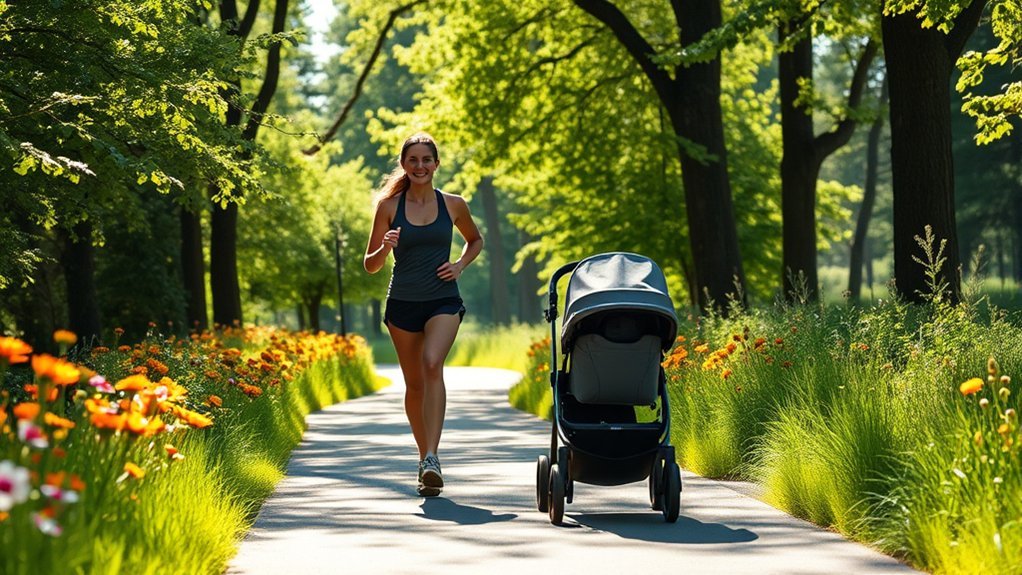
Walking is a great way to exercise, but adding a stroller changes the dynamic. Pushing a stroller adds resistance and extra weight, which naturally boosts your calorie burn. Research shows that this simple adjustment can turn a leisurely walk into a much more demanding workout. Exactly how much does this extra weight influence your energy expenditure?
Quick Answer
- Pushing a stroller increases calorie burn by 5% to 20% depending on your speed and the terrain.
- A person walking at a casual 3 km/h (1.8 mph) can burn around 160–220 calories per hour with a stroller, compared to 150–200 calories without one.
- Walking uphill or increasing your pace to 3.5 mph engages more muscle groups and maximizes this added resistance.
The Science Behind Caloric Burn While Walking
Pushing a stroller involves increased resistance. You have to engage multiple muscle groups in your core and upper body to keep the stroller moving, which raises your overall energy expenditure. Research from the American Council on Exercise (ACE) shows that pushing a stroller can elevate calorie burn by up to 20%, especially at brisk walking speeds around 3.5 mph. This extra effort boosts your metabolic equivalent of task (MET) value—a metric used to measure the energy cost of physical activities. While regular walking hovers around 2.5 METs, pushing a stroller bumps that number to between 4 and 5 METs. Navigating hills or uneven terrain demands even more effort, driving your caloric expenditure higher.
How Pushing a Stroller Increases Calorie Expenditure

Walking with a stroller acts like a light form of resistance training. Because you are constantly pushing against the added weight of the stroller and your child, your body works harder than it would on a normal walk. If you walk at a casual pace of about 3 km/h, you can burn approximately 160 to 220 calories per hour, compared to the 150 to 200 calories you would burn walking empty-handed. When you add inclines to your route, the effort intensifies. Tackling hills can raise your heart rate by an average of 12 beats per minute compared to walking on flat ground, which directly increases your total energy expenditure.
Comparing Caloric Burn: With and Without a Stroller
The difference in caloric burn between walking with and without a stroller comes down to physics. Moving extra mass requires extra energy. Depending on your walking speed and the terrain, that added mass can increase your calorie expenditure by 5% to 20%. Knowing how these variables interact can help you get more out of your daily walks.
Caloric Burn Difference
At a standard walking speed of 3 mph, pushing a stroller leads to an 18% increase in calories burned. If you speed up to a brisk 3.5 mph, the difference jumps to 20%. This gap primarily stems from the extra effort required to keep the stroller’s momentum going, which engages your shoulders, chest, and arms much more than a traditional, empty-handed arm swing.
Factors Affecting Expenditure
The total amount of calories burned will vary from person to person based on a few key elements:
- Stroller Size and Aerodynamics: Bulky or double strollers catch more wind and create more drag, which adds resistance.
- Walking Speed: Maintaining a faster pace (around 3.5 mph) forces your body to work much harder to keep the stroller moving steadily.
- Terrain: Walking uphill, through grass, or over gravel requires significantly more effort than walking on a smooth, flat sidewalk.
- Total Weight: The combined weight of the stroller, your child, and any bags stored underneath directly impacts your overall energy expenditure.
Factors Influencing Caloric Burn in Stroller Walking
Beyond speed, the physical properties of what you are pushing and where you are pushing it play the biggest roles in your workout. Even a small change in incline or a slightly heavier diaper bag can shift your energy expenditure.
Stroller Weight Impact
The total mass you have to push determines the baseline of your workout. Consider these factors:
- Stroller Frame Weight: A heavy-duty jogging stroller takes more energy to propel than a lightweight umbrella stroller.
- Your Child’s Weight: As your baby grows into a toddler, the resistance increases naturally.
- Weight Distribution: A stroller packed with heavy groceries in the bottom basket shifts the center of gravity, which can change how hard you have to push.
- Momentum: Pushing a heavier stroller at a steady 3 mph takes consistent effort to prevent the weight from slowing you down.
Terrain Variation Effects
The surfaces you walk on are just as important as the stroller itself. Walking up a hill forces you to fight gravity while pushing extra weight, which can boost your calorie burn significantly compared to walking on a flat, paved path. Rough surfaces like dirt trails, grass, or gravel create friction. Your body has to work harder to keep the wheels moving forward over these uneven textures. Pushing a stroller uphill has been shown to elevate heart rates by an average of 12 beats per minute, heavily engaging your calves, glutes, and lower back.
Benefits of Stroller Walking for New Moms
For new parents, taking the baby out for a walk is a practical way to get moving without needing to arrange childcare. Here are a few added benefits:
- Higher Energy Output: Burning 18-20% more calories makes a 30-minute walk significantly more effective for postpartum recovery.
- Core and Arm Engagement: Keeping a stroller steady on the sidewalk requires light but continuous use of your core, back, and arm muscles.
- Mental Health Support: Getting outside in the fresh air has been shown to reduce stress and can help alleviate symptoms of postpartum depression.
- Adjustable Difficulty: You can easily control the intensity of your workout by walking faster, finding hills, or taking longer routes as your stamina improves.
It is a simple way to combine physical activity with getting your child out of the house for the afternoon.
Tips for Effective Stroller Workouts
To get the most out of your walk, pay attention to your body mechanics. Keep your back straight and engage your abdominal muscles to protect your lower back from strain. Avoid hunching over the handlebars. To increase intensity, try incorporating intervals—alternate between one minute of brisk walking and two minutes of your normal pace. You can also alternate your grip. Pushing with one hand (if your stroller is stable and it is safe to do so) while swinging the other arm can help you maintain a more natural walking rhythm. Just be sure to switch sides so both arms get an equal workout.
Safety Considerations for Stroller Walking
If you are recovering from childbirth, it is important to ease back into physical activity safely. Keep these guidelines in mind:
- Start on Flat Ground: Stick to paved sidewalks or smooth park paths as you rebuild your core strength and endurance.
- Watch for Strain: Pay attention to your joints and lower back. If you feel sharp pain or excessive fatigue, slow down or cut the walk short.
- Lock the Front Wheel: If you are walking fast or jogging, locking your stroller’s front swivel wheel prevents it from catching on rocks and tipping over.
- Keep a Loose Grip: Gripping the handles too tightly can cause tension in your shoulders and neck. Hold the bar securely, but keep your arms slightly relaxed.
Related Guides
Frequently Asked Questions
How Many Calories Can I Burn Walking With a Stroller?
An average adult burns roughly 200 to 300 calories per hour walking with a stroller, depending on their body weight and walking speed. Adding hills to your route will push that number higher.
Is Stroller Walking Suitable for All Fitness Levels?
Yes. Because you control the pace and distance, it is an excellent low-impact exercise for beginners. Advanced walkers can increase the difficulty by adding speed intervals or tackling steeper inclines.
Can I Walk Faster With a Stroller?
Yes, you can pick up the pace, but it takes more core stability. Pushing a stroller at higher speeds requires a stronger grip and better posture to prevent the stroller from wandering off course.
What Type of Stroller Is Best for Walking?
If you stick to paved, flat sidewalks, a standard lightweight stroller is usually fine. If you plan to walk fast, hike on dirt trails, or navigate uneven sidewalks, a jogging stroller with large, air-filled tires and suspension is the safest and most comfortable option.
How Often Should I Go Stroller Walking for Fitness Benefits?
The Centers for Disease Control and Prevention (CDC) recommends 150 minutes of moderate-intensity exercise per week. Taking a 30-minute stroller walk five days a week perfectly meets this goal.
The Bottom Line
Taking your baby for a walk is more than just a way to get out of the house. Because of the added weight and resistance, pushing a stroller turns a standard walk into a moderate-intensity workout that burns significantly more calories. By paying attention to your posture, finding a few hills, and maintaining a brisk pace, you can easily turn your daily stroll into an effective, time-saving fitness routine.
