
Disclosure: As an Amazon Associate, we earn from qualifying purchases. If you click a link on this page and make a purchase, we may receive a small commission at no extra cost to you.
A heavy trailer tire must do more than fit the wheel. It must match your axle position, load requirement, rim width, inflation plan, and operating speed. The Green Max GTL202 215/75R17.5 is a Load Range H commercial radial made for trailer positions, with a 135/133 load index and a highway-focused ribbed tread. This review helps you decide where it makes sense, what its verified limits are, and why buyers who need stronger winter credentials or more established long-term feedback may prefer an alternative.
TL;DR
Quick Verdict
Rating: 7.5/10, recommended with caveats
Best For: Commercial trailers that require a 215/75R17.5, 135/133J, Load Range H tire for highway service.
Bottom Line: The GTL202 combines a high load rating, stable ribbed tread, and value-focused positioning. Its J speed rating, trailer-only application, limited review history, and lack of a stated mileage warranty make careful fit verification essential.
Key Specifications
| Specification | Verified Detail |
|---|---|
| Brand | Green Max |
| Model | GTL202 |
| Product type | Commercial highway radial for trailer position |
| Tire size | 215/75R17.5 |
| Load range | H, 16-ply rating |
| Load index | 135/133, up to 4,806 lb single or about 4,542 lb dual per tire at the required pressure |
| Speed rating | J, up to 62 mph under rated conditions |
| Tread depth | 15/32 inch, about 11.9 mm |
| Overall diameter | About 30.2 inches |
| Approved rim width | 6 to 6.75 inches |
| Maximum listed pressure | 123 psi; use the trailer maker’s load and inflation guidance, not the sidewall maximum as a default |
| Tread design | Symmetric ribbed highway pattern with circumferential grooves |
| Season rating | All-season; not Three-Peak Mountain Snowflake rated |
| Run-flat | No |
| Sidewall | Black sidewall |
| Treadlife warranty | No mileage warranty specified in the verified retailer data |
| Package note | Rim is not included, and multi-tire orders may arrive in separate shipments |
What Is the Green Max GTL202?
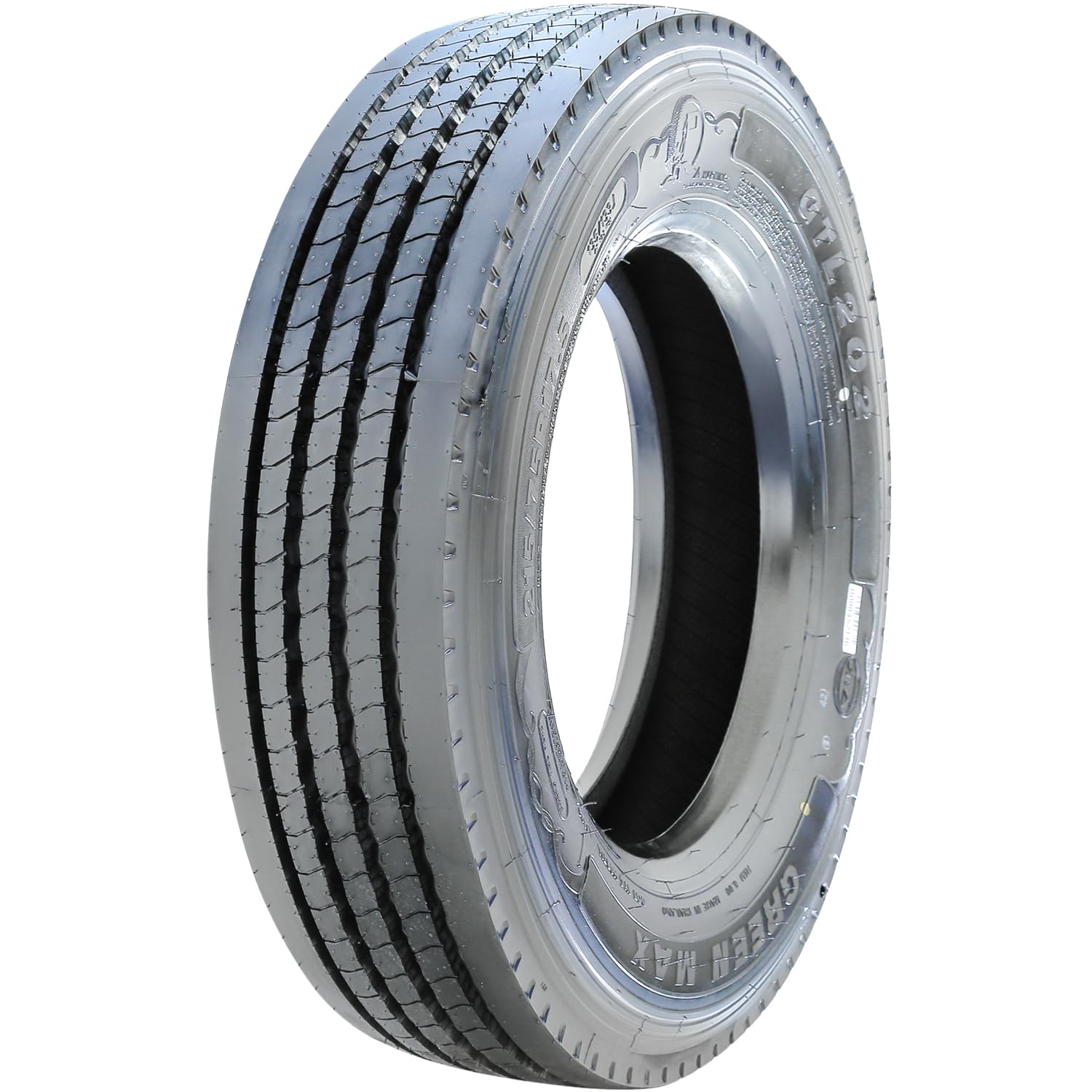
The Green Max GTL202 is a commercial radial tire built for the trailer position, not a general-purpose passenger tire. This reviewed version uses the 215/75R17.5 size, a 135/133 load index, and a Load Range H casing. Its service description makes it relevant to commercial trailers, low-platform equipment, and other applications that already specify this exact size and capacity.
The main selling point is straightforward: you get a high-capacity 17.5-inch trailer tire with a symmetric ribbed tread aimed at stable highway tracking and even pressure distribution. Wide circumferential grooves move water and slush away from the footprint. The tradeoff is that the J speed rating is limited to 62 mph, and the tire does not carry the Three-Peak Mountain Snowflake symbol for severe winter service.
Before You Buy: Match the complete service description, not only the printed size. The GTL202 reviewed here is a 215/75R17.5 135/133J Load Range H tire for trailer position. The rim is not included, and your axle, wheel, valve, and inflation system must also support the required load and pressure.
Who Should Buy It?
Best For
- Trailer owners whose placard or tire specification calls for 215/75R17.5 and Load Range H.
- Highway-focused commercial hauling where a 4,806 lb single-tire load index is appropriate.
- Value-conscious buyers who can accept limited long-term review data and no stated mileage warranty.
Skip If
- You need a steer-, drive-, or all-position tire rather than a trailer-position model.
- Your normal operating speed can exceed the J rating of 62 mph.
- You regularly travel through severe snow or ice and need a 3PMSF-rated tire.
Fit and Compatibility
The 215/75R17.5 marking identifies a 215 mm nominal section width, a sidewall height equal to 75% of that width, radial construction, and a 17.5-inch rim diameter. Verified listings specify an approved rim-width range of 6 to 6.75 inches and an overall diameter of about 30.2 inches. Those numbers help, but they do not replace the trailer certification label, axle rating, wheel rating, or clearance check.
Do not assume that every 215/75R17.5 tire is interchangeable. Load index, speed symbol, intended axle position, maximum pressure, and dual-use rating can differ. Keep matched tires on the same axle, and ask a commercial tire shop to confirm compatibility when you are changing brand, model, load range, or wheel hardware.
Materials, Build, and Tread Design
The GTL202 uses a radial commercial casing with a Load Range H, 16-ply rating. A ply rating describes load capability rather than the literal number of fabric layers. The reinforced structure is designed to hold its shape under trailer loads, while the symmetric ribbed tread keeps a broad, consistent road contact patch.
Its circumferential grooves are intended to evacuate water and slush. This supports wet-road control and reduces the chance of water building beneath the footprint, but no tread design eliminates hydroplaning. Speed, standing-water depth, tread wear, load, and inflation still affect grip.
The verified tread depth is 15/32 inch, or about 11.9 mm. That gives the tire useful starting depth for highway service, but actual life depends heavily on alignment, axle geometry, inflation, heat, loading, road surface, and storage conditions. No mileage warranty was specified in the retailer data checked for this review.
Load Capacity, Speed, and Safety
The 135/133 load index corresponds to a maximum of about 4,806 lb in a single-tire position and 4,542 lb in a dual-tire position when the tire is operated at the required pressure and within its rated conditions. Your usable capacity is always limited by the lowest-rated part of the system, including the trailer’s GVWR and GAWR, axle, wheel, valve, hub, suspension, and tire.
The J speed symbol is rated up to 62 mph under controlled rated conditions. Treat that figure as a ceiling, not a target. Follow the lowest applicable limit from the tire, trailer manufacturer, local law, road conditions, load, and towing-vehicle guidance.
Some listings identify 123 psi as the tire’s maximum pressure. That is not automatically the correct everyday setting. Use the trailer manufacturer’s cold-inflation specification and an approved load-and-inflation table. Check pressure when the tires are cold, and never bleed pressure from a hot tire just because the reading has risen during travel.
How It Performs in Real Use
Long Highway Hauls
The ribbed tread and trailer-position construction favor straight-line stability. When the tires are correctly matched, inflated, and aligned, the continuous ribs should help the trailer track predictably and reduce the scrub-related wear that appears when axles or suspension parts are out of specification.
Wet Roads
Wide grooves give water and slush paths out of the contact area. That design helps in routine rain, but adequate tread depth and conservative speed still matter. Heavy standing water, worn tread, or underinflation can overwhelm the available drainage.
Heavy Commercial Loads
Load Range H and the 135/133 index make this tire suitable for demanding trailer applications that require its capacity. The rating does not create extra trailer capacity by itself. Weigh the loaded trailer by axle and keep each tire within the load supported at the selected cold pressure.
Cold and Light Seasonal Conditions
The all-season compound and grooved tread can handle ordinary temperature changes and limited slush. This model is not 3PMSF rated, so it should not be treated as a severe-snow tire. Buyers running winter routes should compare a winter-certified commercial option and follow chain or traction-device rules where applicable.
Installation and Maintenance Tips
Have a commercial tire professional mount and balance the GTL202 on an approved 17.5-inch wheel. The shop should inspect the wheel, valve, bead seat, and mating surfaces, then verify that the wheel and valve assembly can handle the required pressure. After installation, follow the trailer or wheel maker’s lug-torque procedure and recheck fasteners at the specified interval.
- Inspect every tire for shipping damage, cuts, bulges, exposed cords, or bead damage before mounting.
- Measure cold pressure with a gauge rated for high-pressure commercial tires.
- Check dual-tire spacing and keep paired tires closely matched in size and wear.
- Look for shoulder wear, cupping, or one-sided wear that can signal pressure, alignment, bearing, or suspension problems.
- Do not mix a lower load range or incompatible service description on the same axle.
Pro Tip: Before ordering multiple tires, photograph the trailer placard and every marking on the current tire, including size, load range, load index, speed symbol, maximum load, pressure, and DOT date code. Send those photos to the installer so fit problems are caught before delivery.
Buyer Feedback and Evidence Limits
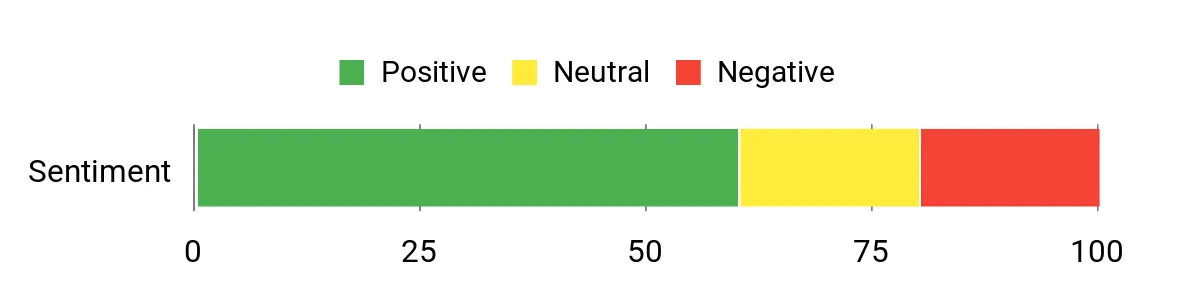
Available buyer feedback is limited and varies across retailers, so it does not support a strong claim about long-term casing life or fleet-wide consistency. Positive comments tend to focus on value, straightforward mounting, and satisfactory early use. The small sample means maintenance history, loading, and mileage are not documented well enough to predict service life.
A practical issue appears more consistently in seller information: large tire orders may be split during shipping and arrive on different days. Check every tracking number and avoid booking installation until all tires have arrived and passed a visual inspection.
Overall Sentiment: Mixed to positive, but based on limited evidence.
Pros and Cons
Pros
- Load Range H, 16-ply rating for higher-capacity trailer applications.
- 135/133 load index supports single and dual commercial setups when properly specified.
- Symmetric ribbed tread promotes stable highway contact and even pressure distribution.
- Circumferential grooves help evacuate water and slush.
- Common 6 to 6.75-inch approved rim-width range for this commercial size.
Cons
- J speed rating limits the tire to 62 mph under rated conditions.
- Trailer-position design is not suitable for every axle application.
- Limited long-term feedback and no specified mileage warranty.
Where It Works Best
|
Situation |
How It Helps |
|---|---|
|
Long highway hauls |
The symmetric ribs maintain steady road contact, which supports predictable trailer tracking when alignment and inflation are correct. |
|
Wet-weather routes |
Circumferential grooves provide channels for water and slush, helping the tread retain contact in routine rain. |
|
High-capacity trailer service |
The 135/133 load index supports up to 4,806 lb single or about 4,542 lb dual per tire at the required pressure. |
|
Value-focused replacement |
It offers the core size, load, and highway features buyers need without moving into a premium legacy-brand tier. |
Is It Worth the Price?
The GTL202 sits in the value-focused part of the commercial trailer-tire market. It can be a strong value for the price when your trailer specifically needs its 215/75R17.5 size, 135/133 load index, Load Range H casing, and J speed rating. You are paying for load capability and highway-oriented construction rather than premium-brand history or a published mileage warranty.
It is worth considering for planned highway service with disciplined pressure and alignment checks. It is not the best fit when higher speed capability, severe-snow certification, a nationwide casing program, or a larger body of fleet feedback matters more than initial cost.
Why Choose This Tire
Choose the GTL202 when you need a trailer-position 215/75R17.5 tire with a verified H load range and 135/133 capacity, and your routes remain within its J speed rating. Its strongest case is practical: a high-capacity commercial size, stable ribbed tread, wet-road drainage grooves, and value-oriented positioning.
How It Compares to Alternatives
The Sailun S637 is a close comparison in the same size and 135/133 Load Range H class, but many versions carry an L speed rating up to 75 mph and have a broader review history. The Hankook Vantra Trailer TH31 is another trailer-specific option with an L speed rating and 3PMSF certification, making it more attractive for buyers who need stronger winter credentials.
The GTL202 makes the most sense when value matters more than higher speed capability, severe-snow certification, or premium-brand support. Confirm any alternative’s exact service description before switching.
Related Guides
Frequently Asked Questions
Will the Green Max GTL202 fit my trailer?
It fits only when your trailer and wheel support the full 215/75R17.5 135/133J Load Range H specification. Check the trailer label, wheel width, wheel pressure rating, axle position, and clearance, then have a commercial tire shop confirm the match.
How much weight can each tire carry?
The 135/133 index corresponds to about 4,806 lb in single use and 4,542 lb in dual use at the required pressure. Your real limit cannot exceed the trailer, axle, wheel, valve, hub, suspension, or tire rating.
Can I drive faster than 62 mph on this tire?
The J speed rating is up to 62 mph under rated conditions, so you should not plan to exceed it. Use the lowest limit required by the tire, trailer manufacturer, local law, road conditions, and towing setup.
Is the GTL202 suitable for snow and ice?
It is an all-season tire with grooves that can move water and slush, but it is not 3PMSF rated. Buyers who routinely face severe snow or ice should compare a winter-certified commercial trailer tire and follow local traction-device rules.
What pressure should I use?
Do not use the sidewall maximum as an automatic everyday setting. Follow the trailer manufacturer’s cold-inflation specification and the applicable load-and-inflation table, then confirm the wheel and valve are rated for that pressure.
Does the purchase include a wheel or multiple tires?
The verified listings state that the rim is not included. Seller package quantity can vary, so confirm whether the Amazon offer is for one tire or a set before you pay.
Who should skip the Green Max GTL202?
Skip it when you need a steer or drive tire, a speed rating above J, severe-snow certification, or a published mileage warranty. It is also the wrong choice when your trailer requires a different load index, rim width, or maximum pressure.
What maintenance has the biggest effect on tread life?
Cold inflation, axle alignment, wheel balance, bearing condition, load control, and regular inspections matter most. Uneven shoulder wear, cupping, vibration, heat, or repeated pressure loss should be checked before the tire is returned to service.
The Bottom Line
The Green Max GTL202 is a sensible value-focused choice for buyers who specifically need a 215/75R17.5 135/133J Load Range H trailer tire and will maintain it carefully. Its load capability and stable highway tread are the main strengths, while the 62 mph rating, trailer-only position, limited long-term evidence, and lack of 3PMSF certification are the main limitations.
Buy it when those verified specifications match your trailer. Skip it when you need higher speed capability, severe-winter performance, or a more established premium option.
Ready to Buy?
Check the seller quantity, latest product details, and current price before you decide.
