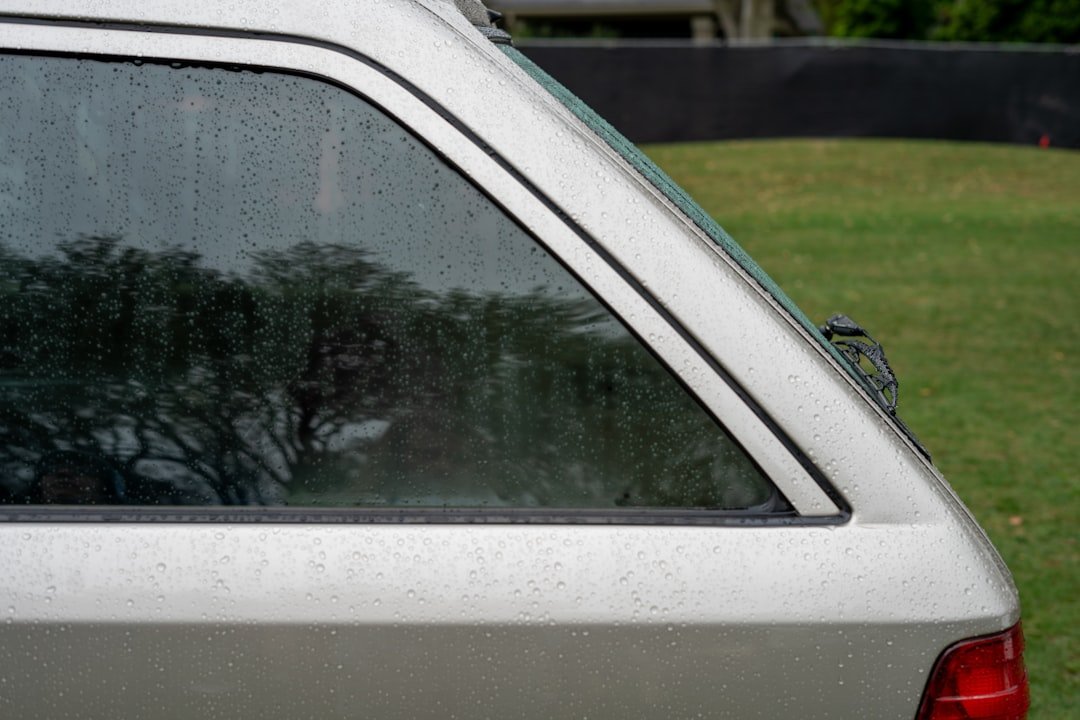
Clean car windows are not merely a matter of appearance; they directly affect your safety, comfort, and visibility while driving. When dust, film, fingerprints, road grime, and streaks build up on the glass, they can scatter sunlight, blur headlights at night, and make it harder to see traffic signals, pedestrians, lane markings, and other vehicles clearly.
According to the National Highway Traffic Safety Administration, clear visibility is a key part of safe driving because drivers need an unobstructed view of the road, mirrors, and surrounding traffic. That makes clean windows more than a detailing task. They are part of basic vehicle care.
Clean car windows help reduce glare, improve road visibility, and make it easier to spot hazards before they become dangerous.
Clean glass also improves the overall driving experience. When your windows are free from smudges and haze, more natural light enters the vehicle, which can make the cabin feel brighter and more comfortable during long drives or daily commutes. Cleaner windows can also help your defroster work more effectively because heavy interior film and grime can slow down how quickly moisture clears from the glass.
Quick Answer
To clean car windows without streaks, use an ammonia-free automotive glass cleaner, wipe with a clean microfiber cloth, and finish with a dry cloth or squeegee. Clean in the shade, work one window at a time, and use vertical strokes inside and horizontal strokes outside so you can quickly spot missed streaks.
Key Takeaways
- Clean car windows improve visibility, reduce glare, and support safer driving.
- Choose ammonia-free products made for automotive glass, especially if your windows are tinted.
- Prepare the area by removing loose debris, parking in the shade, and using clean tools.
- Use microfiber cloths, top-to-bottom wiping, and a squeegee or dry finishing cloth for fewer streaks.
- Clean interior glass and exterior glass with different wiping directions so remaining streaks are easier to identify.
At a Glance
| Time Required | 15 to 30 minutes for all windows |
| Difficulty | Easy |
| Tools Needed | Automotive glass cleaner, microfiber cloths, squeegee, water, optional gloves, and optional soft-bristled brush |
| Cost | Low; most supplies are reusable |
Choosing the Right Cleaning Products
Selecting the appropriate cleaning products is vital for achieving streak-free car windows. Not all cleaning solutions are made for automotive glass. Some household cleaners may contain harsh ingredients that can damage nearby materials, leave residue, or affect tinted windows.
Choose products made for automotive glass because car windows face road film, oily residue, bug splatter, and interior haze that ordinary household cleaning does not always handle well.
Look for ammonia-free glass cleaners, especially if your vehicle has aftermarket window tint. Ammonia can harm some tint films over time and may also dry out nearby rubber or plastic surfaces if used carelessly. A dedicated automotive glass cleaner is usually the safest choice because it is designed for windshields, side windows, rear windows, mirrors, and automotive trim.
In addition to commercial cleaners, many car owners prefer homemade solutions that are simple and economical. A common mixture combines equal parts water and white vinegar in a spray bottle. This solution can cut through light grime and help leave a clean finish. Another option is adding a few drops of mild dish soap to water to help remove oily residue from interior glass.
Warning: Avoid using abrasive pads, dirty towels, or strong household chemicals on car glass. They can scratch the surface, leave lint, damage tint, or spread residue instead of removing it.
Regardless of the product you choose, read the label before use. Make sure the cleaner is safe for automotive glass, tinted windows, rubber seals, plastic trim, dashboard surfaces, and any technology near the glass, such as defroster lines, sensors, or camera housings.
Preparation and Safety Measures
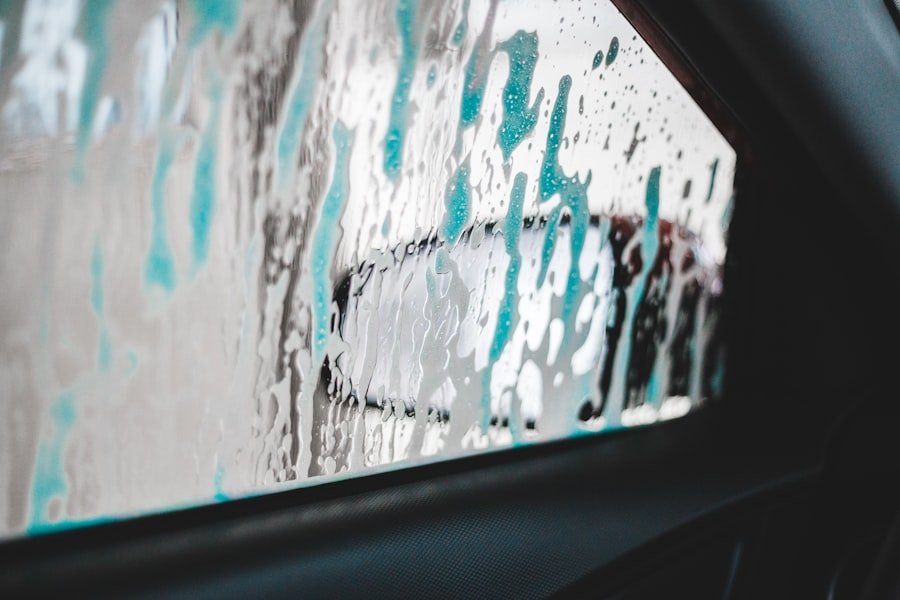
Before you start cleaning your car windows, proper preparation helps you work faster and get better results. Gather your cleaning solution, microfiber cloths, a squeegee, and a bucket if you are using a homemade solution. It is also wise to keep gloves nearby if you are using a commercial cleaner that may irritate your skin.
Use separate microfiber cloths for different tasks. Keep one cloth for the first wipe, one for drying, and one clean cloth for the final buff. If you use the same damp or dirty cloth for the entire job, you may spread grime back onto the glass and create streaks.
Safety measures matter, especially if you clean your vehicle outdoors. Park the car in a shaded area so the cleaning solution does not dry too quickly on hot glass. Fast drying often causes streaks, spots, and visible residue. If you need a ladder or step stool to reach taller windows on a van, truck, or SUV, make sure it is stable and positioned on level ground.
Always stay aware of your surroundings. If you are cleaning in a driveway, parking lot, or public space, watch for pedestrians, pets, bicycles, and other vehicles. Keep doors closed when possible so you do not create a hazard for people passing by.
Note: Lower each side window slightly before cleaning. This exposes the top edge of the glass, where grime often collects and later causes streaks when the window moves up and down.
Technique for Streak-Free Cleaning
| Technique | Benefits |
|---|---|
| Use of Microfiber Cloth | Reduces streaks and lint |
| Top to Bottom Motion | Prevents re-streaking |
| Vinegar and Water Solution | Natural and streak-free cleaning |
| Dry with a Squeegee | Minimizes streaks and water spots |
Achieving streak-free windows requires the right products and the right technique. Start by spraying your cleaning solution onto the glass surface or onto a microfiber cloth. Use enough cleaner to loosen dirt, but avoid soaking the glass so heavily that liquid runs into door panels, dashboard electronics, speakers, or upholstery.
Work on one window at a time. This prevents the solution from drying before you can wipe it away. For very dirty exterior glass, rinse loose dirt first, then clean. If you wipe heavy grit across dry glass, you can create small scratches or haze.
When wiping down the glass, use a microfiber cloth or soft sponge in small overlapping motions to lift dirt and grime. After the first pass, switch to a clean, dry microfiber cloth or a squeegee for the final finish. Start at the top corner of the window and pull the squeegee down in a straight line, wiping the blade with a clean cloth after each pass.
This method minimizes streaks and helps remove cleaner residue efficiently. For larger windows or windshields, use a larger squeegee for faster coverage while maintaining control. For tight corners, use a folded microfiber cloth so you can reach the edges without leaving wet lines behind.
Pro Tip: Use one wiping direction on the inside glass and the opposite direction on the outside glass. If you see a streak later, the direction tells you which side needs another pass.
Tips for Cleaning Inside Windows
Cleaning the inside of car windows presents its own challenges because of fingerprints, dust, moisture, smoke film, dashboard off-gassing, and fogging. Start by removing items that block access to the glass, such as sunshades, dashboard accessories, hanging items, or seat covers near the window.
Use a two-step approach for inside windows. First, dust loose debris with a dry microfiber cloth or duster. This reduces the chance of scratching the glass during wet cleaning. Next, apply your chosen cleaner directly to a cloth instead of spraying heavily onto the window. This helps prevent cleaner from dripping onto upholstery, dashboard controls, door switches, or electronics.
Use vertical strokes on the inside glass and horizontal strokes on the outside glass. This simple technique helps you identify any remaining streaks after the glass dries. If the streak runs vertically, it is likely inside. If it runs horizontally, it is likely outside.
For the inside windshield, sit in the passenger seat if that gives you more room to reach the lower corners. Use a clean, folded microfiber cloth and wipe from the top of the windshield down toward the dashboard. Pay special attention to the lower edge, where dust and film often collect.
Tips for Cleaning Outside Windows
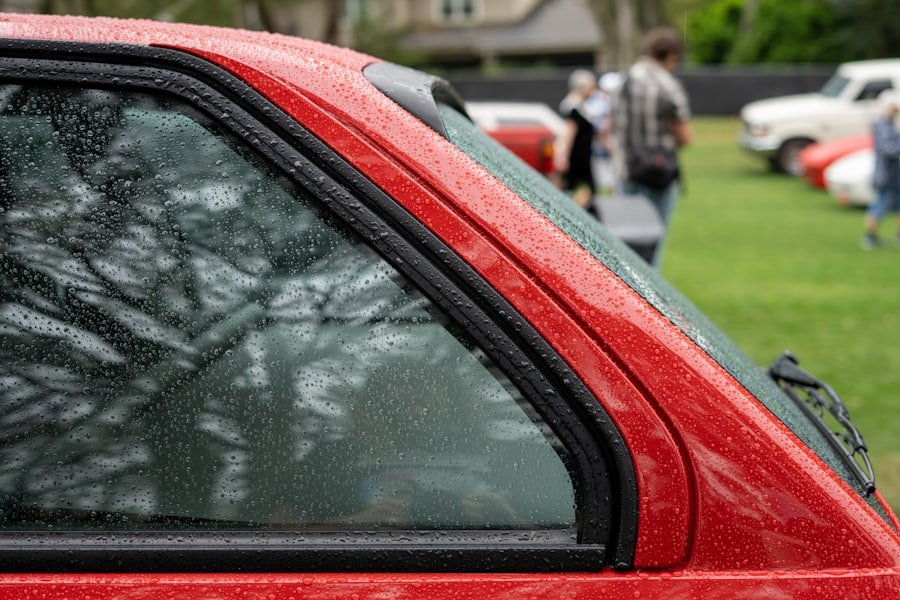
Cleaning outside windows requires extra attention because the exterior glass faces dirt, bird droppings, tree sap, bug splatter, pollen, mineral deposits, and road grime. Start by rinsing off loose debris with water from a hose or bucket. This first step helps prevent scratching when you apply your cleaner.
For particularly stubborn residues like tree sap or bug splatter, consider using a dedicated automotive bug remover or a mixture of vinegar and water for effective removal. Let the cleaner sit briefly so it can soften the residue, but do not allow it to dry on the glass.
When applying your cleaning solution to outside windows, use a generous but controlled amount to ensure full coverage. A soft-bristled brush can help scrub tough spots without damaging the glass surface. Avoid metal scrapers unless you know they are safe for the exact glass surface and you use them correctly.
After scrubbing, follow up with a squeegee or clean microfiber cloth to remove excess cleaner and create a streak-free finish. Wipe edges and corners last because cleaner often collects there. It is also important to clean your windshield wipers regularly; dirty wipers can smear dirt across freshly cleaned windows and quickly undo your work.
Dealing with Stubborn Streaks
Stubborn streaks can be frustrating when you are trying to achieve perfectly clean car windows. They are often caused by using too much cleaner, wiping with a dirty cloth, cleaning in direct sunlight, using a product that leaves residue, or failing to dry the glass completely.
To fix the issue, first identify what may be causing the streaks. If the glass feels greasy, it may have leftover residue from previous cleaners or interior film. If you see spots after the glass dries, hard water or mineral deposits may be the problem.
For hard water stains, a mixture of equal parts vinegar and water can help. Apply it to the affected area, let it sit for a few minutes, and wipe it away with a clean microfiber cloth. For heavier buildup, repeat the process rather than scrubbing aggressively.
If streaks persist after using traditional cleaners, switch to a specialized automotive glass cleaner designed for tough residue. These products often break down film and grime more effectively than standard cleaners. Finish with a completely dry microfiber cloth, using light pressure and overlapping strokes.
Maintaining Clean Windows
Once you have clean car windows, regular upkeep helps preserve that clarity. Create a routine cleaning schedule so dirt does not build up into a thick film. Depending on your driving habits and local conditions, you may need to clean your windows weekly or every two weeks.
If you drive in dusty areas, park under trees, travel on highways often, or live where pollen is heavy, your exterior glass may need more frequent cleaning. Interior glass may also need extra attention if you often drive with pets, children, food, or open windows.
In addition to regular cleaning, use preventive measures such as sunshades or tinted films where appropriate to help reduce glare and protect against heat and UV exposure. Keep in mind that tinted windows need gentle, tint-safe cleaning products.
Regularly inspect your windshield wipers for wear and replace them when needed. Worn, cracked, or dirty wiper blades can drag grime across the windshield, leave streaks, and reduce visibility in rain. Cleaning the rubber blade with a damp microfiber cloth can also help remove dirt between replacements.
Cleaning Windows in Extreme Weather
Cleaning car windows during extreme weather requires special care. In cold weather, water-based cleaners may freeze on contact with cold glass, making them ineffective and harder to remove. Use a winter-safe windshield cleaner that is designed to work in low temperatures, and avoid pouring hot water on frozen glass because rapid temperature changes can damage the windshield.
During hot summer months, direct sunlight can cause cleaning solutions to dry too quickly on the glass. That often leads to streaks, haze, and residue buildup. To combat this issue, try cleaning your windows during cooler parts of the day, such as early morning or late afternoon, when temperatures are more moderate.
Whenever possible, clean the vehicle in a shaded area. Shade gives you more working time before the cleaner evaporates. It also makes streaks easier to see because you do not have harsh glare bouncing off the glass.
Eco-Friendly Cleaning Solutions
As environmental awareness grows among consumers, many drivers look for eco-friendly ways to clean car windows without sacrificing performance. Homemade solutions can be a practical option. For example, equal parts vinegar and water can clean light grime while reducing exposure to stronger chemicals.
Another eco-friendly option is using biodegradable commercial cleaners that are free from harsh ingredients such as ammonia or phosphates. These products are designed to clean effectively while reducing unnecessary chemical residue.
Reusable microfiber cloths also reduce waste compared with disposable paper towels. They usually clean glass better because they trap dust and absorb moisture without leaving much lint behind. Wash them separately from towels that shed fibers, and avoid fabric softener because it can coat the cloth and reduce its cleaning performance.
Professional Window Cleaning Services
For drivers who prefer not to clean windows themselves or want an exceptionally high level of cleanliness, professional window cleaning or auto detailing services can be a helpful option. These services use trained technicians, specialized glass cleaners, and detailing tools designed to produce consistent results.
Professional services often include interior and exterior window cleaning, plus additional work such as cleaning window edges, mirrors, frames, seals, and sills. A more complete detail may also address dashboard dust, interior film, and windshield haze that contribute to poor visibility.
Hiring professionals usually costs more than a DIY cleaning session, but many drivers find the time saved and the finished result worth the expense. This option can be especially useful before a long road trip, after winter driving, after heavy pollen season, or before selling a vehicle.
If you are looking for more cleaning and safety tips, you may also be interested in learning about preventing cross-contamination in the kitchen. That article offers useful guidance on maintaining a clean cooking environment and reducing the spread of harmful bacteria. Check it out here.
Related Guides
Frequently Asked Questions
What are the common causes of streaks on car windows?
Streaks on car windows are commonly caused by using the wrong cleaning products, using too much cleaner, wiping with dirty or abrasive cloths, cleaning in direct sunlight, or failing to dry the glass completely.
What cleaning products should be used to clean car windows without streaks?
Use an ammonia-free glass cleaner specifically designed for automotive use. Avoid household glass cleaners that contain ammonia, especially on tinted windows, because they can leave residue and may damage some tint films over time.
What type of cloth should be used to clean car windows without streaks?
Microfiber cloths are the best choice for cleaning car windows because they are gentle on glass, absorb moisture well, and usually do not leave lint behind. Use clean cloths only, and keep separate cloths for washing, drying, and final buffing.
What is the best technique for cleaning car windows without streaks?
Spray the glass cleaner onto the window or onto a microfiber cloth, wipe the glass with overlapping strokes, and dry it with a clean microfiber cloth or squeegee. Work from top to bottom so dirty liquid does not run over areas you already cleaned.
Are there any additional tips for preventing streaks on car windows?
Avoid cleaning car windows in direct sunlight because heat can make the cleaning solution dry too quickly and leave streaks. Wash or replace microfiber cloths regularly, clean one window at a time, and use different wiping directions inside and outside the glass.
Can I use vinegar and water on car windows?
Yes, a mixture of equal parts white vinegar and water can help remove light grime and hard water spots from car windows. Use it carefully around tinted film, rubber seals, and interior materials, and always finish with a clean, dry microfiber cloth.
Should I clean the inside or outside of the windshield first?
You can clean either side first, but many drivers prefer cleaning the outside first because it removes heavy dirt and makes interior streaks easier to see. Use horizontal strokes outside and vertical strokes inside so you can identify which side needs more work.
Sources
- National Highway Traffic Safety Administration — supports the importance of safe driving visibility and basic vehicle safety awareness.
- Consumer Reports — supports practical vehicle interior cleaning guidance, including the use of microfiber cloths.

1 thought on “Sparkling Car Windows: Streak-Free Cleaning Tips”