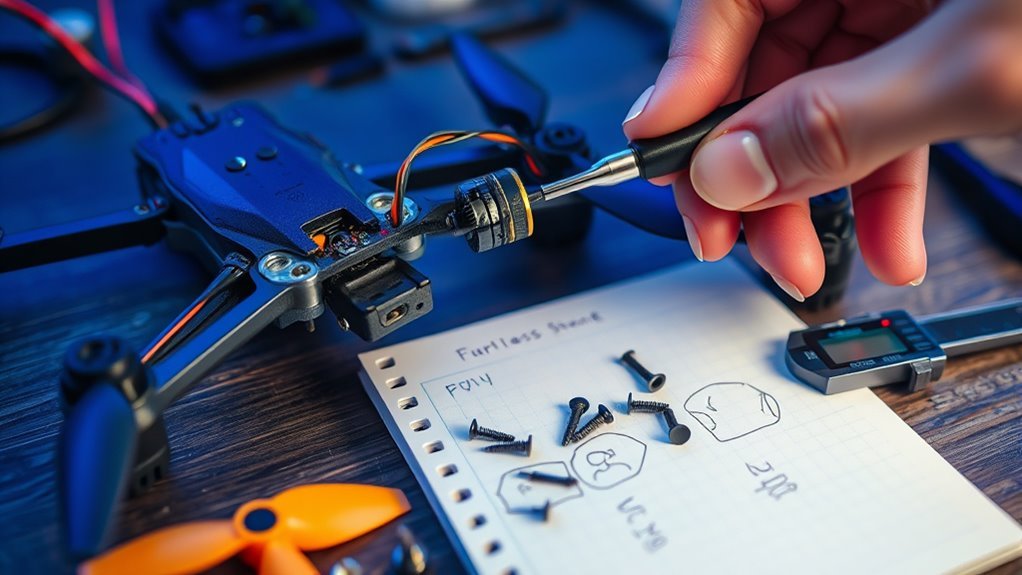
Replacing a drone motor in a mini-class or FPV model usually runs $40 to $150 for parts and basic labor, though OEM components and damaged arms can push the total higher. The job starts with prop removal, followed by desoldering the failed motor and matching the replacement to the exact KV, size, and mounting pattern. The real issue is deciding whether the motor is the only problem, because the next step can change the entire repair.
How Much Does Drone Motor Replacement Cost?
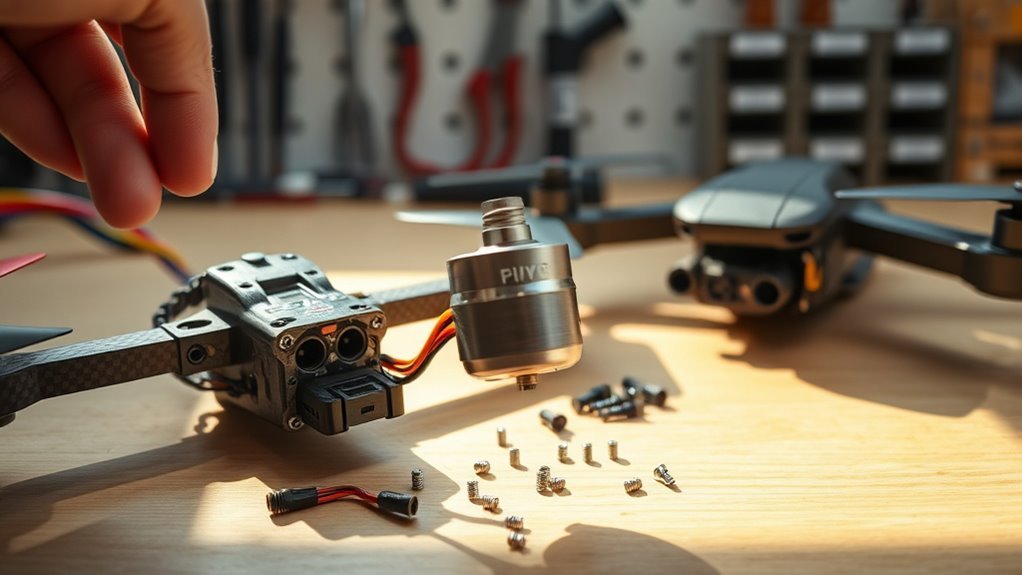
Drone motor replacement costs vary widely by drone class, with parts alone typically ranging from $5 to $150+ depending on motor size, type, and proprietary design.
For Motor Replacement, the cost of replacing a Drone Motor is usually modest on toy and hobby platforms, where total replacement costs often land between $40 and $75. Consumer drones commonly require $100 to $250, while larger systems can exceed that range because drone motors and matched electronics are costlier to source.
Professional installation may add labor charges, but it can preserve safety, flight performance, and warranty coverage, especially on premium aircraft.
A practical budget should include diagnostics, fasteners, and possible secondary damage, since repair costs rarely stop at one component. Planning for thorough total replacement costs reduces unexpected expenses and keeps the craft mission-ready.
For users seeking autonomy, understanding these figures supports direct, informed maintenance decisions without surrendering control to unnecessary service markup.
What Affects Drone Motor Repair Costs?
Repair costs for a drone motor are driven first by the aircraft’s brand and model, since premium systems such as DJI often use proprietary components that cost more to source and replace. A DJI Mini may need higher-priced OEM parts, especially when the Motor, Electronic Speed Controller, or flight controller are damaged together. Brushless motors also raise repair costs because their construction and performance standards exceed simpler brushed units. Hidden crash damage often requires diagnostics, and that labor can materially increase total replacement costs.
| Factor | Effect | Typical Impact |
|---|---|---|
| Brand/model | Proprietary sourcing | Higher cost |
| Motor type | Brushless motors | Higher cost |
| Diagnostics | Hidden faults | Added labor |
| Parts choice | OEM parts | Better reliability |
For consumer craft, total replacement costs commonly run $100–$250; prosumer airframes can exceed $500. Choosing OEM parts supports reliability and preserves warranty coverage, while third-party substitutions may reduce liberation from dependency today.
Tools and Parts You Need for Replacement
A complete drone motor replacement typically starts with the right tools: a soldering iron, solder, wire cutters, and a screwdriver set for disassembly and reassembly. These tools support clean removal and installation of the motor while preserving the frame and wiring.
The correct replacement motor should match the drone model, ideally as an OEM part, because fit, connector type, and performance tolerances affect reliability. Cost varies widely, from about $25 to more than $150, depending on brand and class.
Heat shrink tubing or electrical tape helps secure joints and reduce short circuits. A multimeter is useful for diagnosing electrical issues and confirming voltage and current limits before first spin-up.
Propellers should be removed before work begins to improve access and eliminate risk. With the proper parts and tools, the repair process becomes more controlled, efficient, and technically sound.
Should You DIY or Hire a Pro?
Choosing between a DIY motor swap and professional service depends on cost, skill level, and the risk of hidden damage.
DIY repairs can reduce direct expense to roughly $5 to $60 for hobby drones, but the expertise required is real: clean soldering, correct polarity, and calibration affect motor performance and flight performance.
Professional repairs often cost $100 to $250, yet they include diagnosis, installation, and testing that can prevent repeat failures.
For complex frames, micro-soldering, or crashes with multiple symptoms, professional diagnostics are often the safer path because hidden faults can survive a basic swap.
Warranty implications also matter: third-party parts or improvised work may void coverage, while OEM service can preserve it.
A careful owner may still choose DIY repairs when parts are cheap and the issue is isolated, but a high-value airframe justifies professional repairs when reliability and total weight balance are critical.
When to Replace the Whole Arm
When crash damage reaches beyond the motor and into the arm structure, a full arm replacement is often the more reliable option. A drone arm with bends, cracks, or delamination can compromise alignment, reducing performance and stability even after a new motor is fitted. If the motor is dislodged, or the frame shows stress around the mount, replacing the entire arm usually prevents recurring repair issues.
| Sign | Risk | Action |
|---|---|---|
| Bent arm | Misalignment | Replace |
| Cracked carbon | Structural failure | Replace arm |
| Loose motor mount | Vibration | Replace |
| ESC damage | Electrical fault | Replace components |
| Clean break | Low hidden damage | Inspect, then decide |
Full-arm swaps often include the motor, ESC, and related components, simplifying repair and restoring balanced flight. Sourcing compatible arms from reputable sellers, including eBay, can lower cost while preserving fit. For pilots seeking freedom from repeated failures, a complete replace is often the practical choice.
Frequently Asked Questions
How Much Do Drone Motors Cost?
Drone motors cost about $5 to $150 each, depending on drone motor types and quality. Budget FPV units often sit near $5 to $20, consumer models $25 to $60, and prosumer or enterprise motors $50 to $150+.
Motor compatibility issues, motor performance factors, weight considerations, and flight time impact shape the choice. Installation tools needed, troubleshooting tips, maintenance practices, and upgrading options guide safe, practical replacement under liberated, informed control.
How Much Does a FPV Drone Setup Cost?
A typical FPV drone setup costs $300–$600, a price tag like a key releasing flight. Essential parts—frame, motors, flight controller, ESCs, battery, and FPV gear—consume most of the budget.
Premium FPV gear upgrades can add $200–$400.
DIY drone repairs, drone maintenance basics, flight controller settings, motor compatibility issues, propeller selection guide, drone battery life, FPV racing tips, and aerial photography tips shape total cost and freedom.
How Much Does It Cost to Replace a DJI Motor?
DJI motor replacement typically costs $100–$250, depending on model, parts, and labor.
Motor replacement options range from OEM parts at $25–$150+ to authorized service with calibration.
Motor compatibility issues, troubleshooting motor problems, and motor performance factors can raise costs.
DIY motor installation lowers expense but increases risk.
A motor buying guide, motor warranty considerations, motor maintenance tips, and upgrading drone motors all help reduce hidden fees and preserve autonomy.
Which Motor Is Best for an FPV Drone?
The best FPV motor is typically a brushless 2207 or 2306 with a 1700–2750 KV range, a swift blade cutting through static.
Motor types should be judged by efficiency ratings, weight considerations, and brand comparisons. Installation tips matter for performance effects and troubleshooting issues.
Propeller compatibility must match KV, while maintenance practices preserve freedom in the air.
Cinewhoop pilots may prefer 1407–2806.5 motors for smoother, controlled flight.
Conclusion
To summarize, drone motor replacement for mini-class and FPV models usually lands between $40 and $150, while professional repair can climb higher when troubleshooting is needed. The process is straightforward in principle: remove the propellers, desolder the damaged motor, and install a compatible replacement. Yet, like a small gear in a larger machine, one mismatched part can disrupt the whole flight system. Careful diagnosis helps determine whether repair, replacement, or full arm service is the most practical choice.