When you’re considering a stroller wagon, you might wonder if it is really worth the investment. For many families, it is useful because it blends the seating and safety features of a stroller with the open space and hauling power of a wagon. The best choice depends on your child’s age, your storage needs, your budget, and where you plan to use it most.
Quick Answer
A stroller wagon is worth it if you often carry more than one child, need extra storage, or visit parks, beaches, sports fields, farms, festivals, or sidewalks with mixed surfaces. It may not be ideal if you need a very compact everyday stroller for tight aisles, buses, or small car trunks.
Key Takeaways
- A stroller wagon works best for families who need roomy seating, gear storage, and easier outdoor transport.
- Important features include a secure harness, reliable brakes, sturdy frame, good wheels, sun canopy, and easy fold.
- Weight limits vary by model, so always check both the total wagon limit and the per-seat limit before buying.
- Some amusement parks, airlines, buses, and crowded venues may restrict wagon-style strollers.
- For infants, use only a model that specifically supports infant use or accepts an approved infant car seat adapter.
At a Glance
| Best For | Families with multiple kids, outdoor outings, beach trips, parks, sports events, and gear-heavy days. |
| Main Benefit | Combines child seating, storage, shade, and pulling or pushing flexibility in one setup. |
| Main Drawback | Usually larger, heavier, and less compact than a traditional stroller. |
| Before Buying | Check folded size, child weight limits, safety harnesses, brake quality, wheel type, canopy coverage, and venue rules. |
Understanding the Stroller Wagon Concept
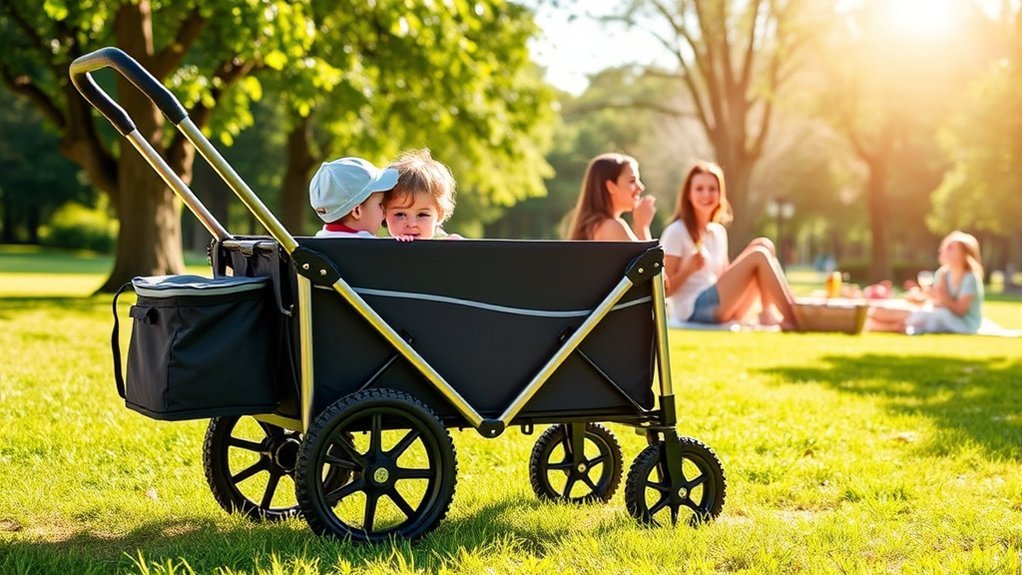
When you think about family outings, you may wonder how to keep your little ones comfortable while still carrying bags, snacks, bottles, blankets, toys, and outdoor gear. A stroller wagon is a hybrid design that combines parts of a stroller and a wagon. It usually has a push handle, pull handle, bench-style seating, safety harnesses, storage pockets, and a roomy interior.
Unlike a basic wagon, many stroller wagons are designed with child safety and parent convenience in mind. Unlike a standard stroller, they often give you more open space for more than one child or for bulky gear. That makes them popular for families who need one item that can handle everyday errands and bigger outdoor adventures.
With different stroller wagon types available, you can choose one that fits your family’s needs, whether you need extra seating, snack storage, infant car seat compatibility, a compact fold, or larger wheels for uneven ground. Some models are simple and lightweight, while others feel closer to premium all-terrain strollers with suspension, adjustable canopies, cup holders, and removable seats.
Stroller wagon comparisons often focus on wheels, frame strength, folding size, steering, canopy coverage, seat comfort, and total weight capacity. Many models include larger wheels and durable construction, which can help on grass, gravel paths, playgrounds, sidewalks, and packed dirt. Still, every model has limits, so it is important to match the wagon to your real use instead of buying only for looks.
Many stroller wagons list a per-seat weight limit, often around 50 pounds per seat, while some also list a higher total weight limit for the whole wagon. These numbers can vary by brand and model. Always check the manual before loading kids and gear because the safe limit is based on the manufacturer’s design, brakes, frame, wheels, and seating setup.
Note: A stroller wagon is not automatically safe for every baby or toddler. Use only the seating position, harness, adapter, and age range approved for your specific model.
Advantages of Stroller Wagons for Families
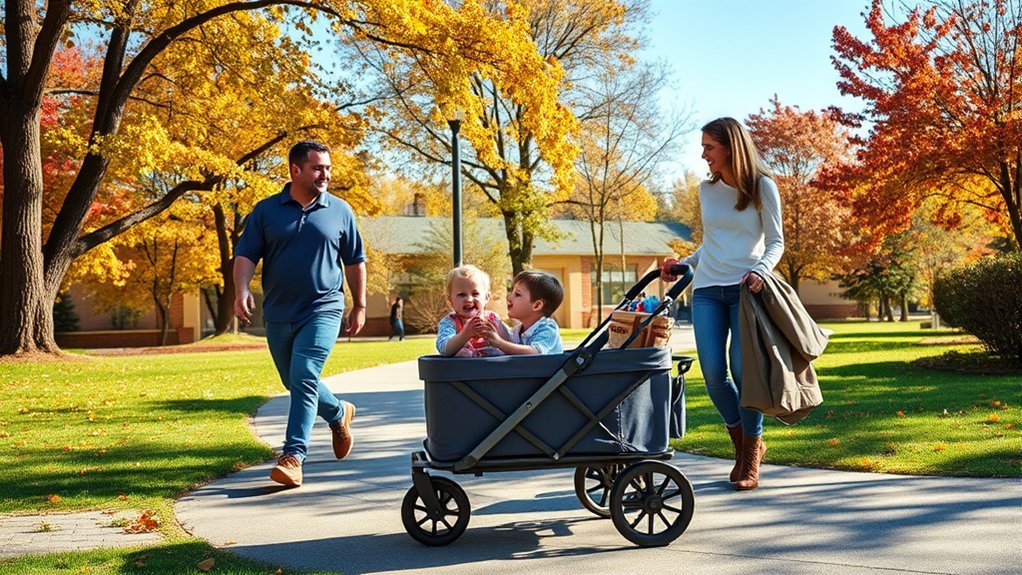
Stroller wagons offer several advantages for families looking to simplify outings. If you have multiple little ones, these wagons can make sibling transportation easier because they provide more room than many single strollers. Some models seat two children, while larger options may fit more depending on their design and weight limits.
The ample storage space is one of the biggest reasons parents like stroller wagons. You can often carry snacks, drinks, diaper bags, jackets, beach towels, toys, sports gear, and picnic items in one place. That can reduce the need for extra backpacks or separate storage carts.
Many families also appreciate the all-terrain design. Larger wheels can help when you are moving across grass, park paths, packed dirt, or uneven sidewalks. This does not mean every stroller wagon is suitable for sand, mud, rocks, or rough trails, but a good wheel setup can make outdoor use much easier than a tiny-wheeled stroller.
Adjustable canopies are another helpful feature. A good canopy can provide shade on hot days and light coverage in changing weather. Some stroller wagons include removable, extendable, or individual canopies, which help when one child wants shade and another wants more open air.
Best of all, stroller wagons are not just for toddlers. Depending on the model, they can grow with your family and serve as transport for older kids, preschoolers, and their gear. This longer usefulness can make the purchase feel more practical than a stroller that your child quickly outgrows.
Pro Tip: Before buying, measure your trunk or storage area and compare it with the wagon’s folded dimensions. A great wagon is frustrating if it does not fit in your car.
Stroller Wagon vs Traditional Stroller
A stroller wagon and a traditional stroller solve different problems. A traditional stroller is usually better for quick errands, tight store aisles, public transportation, small trunks, and one-child use. It is often lighter, easier to fold, and easier to steer in crowded indoor spaces.
A stroller wagon is usually better when you need more room, more storage, and more flexibility for outdoor days. It can be especially helpful when you have two children, a toddler who walks part of the time, or a family day that includes food, blankets, toys, and gear.
The tradeoff is size. Stroller wagons can be heavier and bulkier than regular strollers. Some are harder to lift, harder to store, or harder to maneuver through narrow doors. If you live in an apartment, use stairs often, or rely on buses and trains, a compact stroller may still be the better everyday choice.
For many families, the best answer is not one or the other. A lightweight stroller can handle quick trips, while a stroller wagon can handle long outings, weekend activities, and gear-heavy adventures.
Key Features to Consider When Buying

Choosing the right stroller wagon can make all the difference in your family outings, especially if you want safety, comfort, and convenience. Start by checking the frame and fabric. Look for sturdy construction, reinforced stitching, washable materials, and a stable base that does not feel flimsy when loaded.
Safety features are essential. A good stroller wagon should include secure harnesses, a dependable brake system, stable wheels, and a design that helps prevent tipping during normal use. If your child is young, active, or likely to climb, a strong harness matters even more.
Next, consider adjustable canopies for sun protection and weather coverage. A canopy should be easy to open, close, and remove. It should also provide enough shade without making the interior too hot or blocking airflow.
Do not forget about storage options. Ample compartments can hold snacks, drinks, wipes, diapers, small toys, sunscreen, and other essentials. Cup holders, parent trays, side pockets, and under-seat storage can make the wagon more useful during long days.
Wheel type is another major factor. Small plastic wheels may be fine for smooth sidewalks and stores, but larger rubber or foam-filled wheels usually perform better outdoors. If you plan to use the wagon on grass, gravel, park trails, or sports fields, prioritize wheel size, suspension, and steering control.
Lastly, evaluate the wagon’s maneuverability and folding mechanism. A user-friendly design should be easy to fold, unfold, lift, and store. Test the handle height if possible because a handle that is too short or too tall can make long walks uncomfortable.
Warning: Never exceed the listed weight limit, hang heavy bags from the handle, or leave children unattended in a stroller wagon. Extra weight in the wrong place can affect balance and braking.
Safety and Comfort Checklist
Before choosing a stroller wagon, think through how your child will sit, move, nap, and ride. A comfortable wagon should not only carry your child, but also support safe daily use.
- Harness: Choose a model with secure restraints for each child seat.
- Brakes: Look for brakes that are easy for adults to use but difficult for children to release.
- Seat support: Make sure the seating area supports your child’s age, size, and posture.
- Ventilation: Canopies and side panels should provide shade without trapping too much heat.
- Entry and exit: Some wagons have low sides or a door-style opening, which can help older toddlers climb in with help.
- Cleaning: Removable fabric, wipeable seats, and washable liners make snack spills and muddy shoes easier to handle.
- Visibility: Reflective details can help if you walk near driveways, parking lots, or low-light areas.
Popular Uses for Stroller Wagons
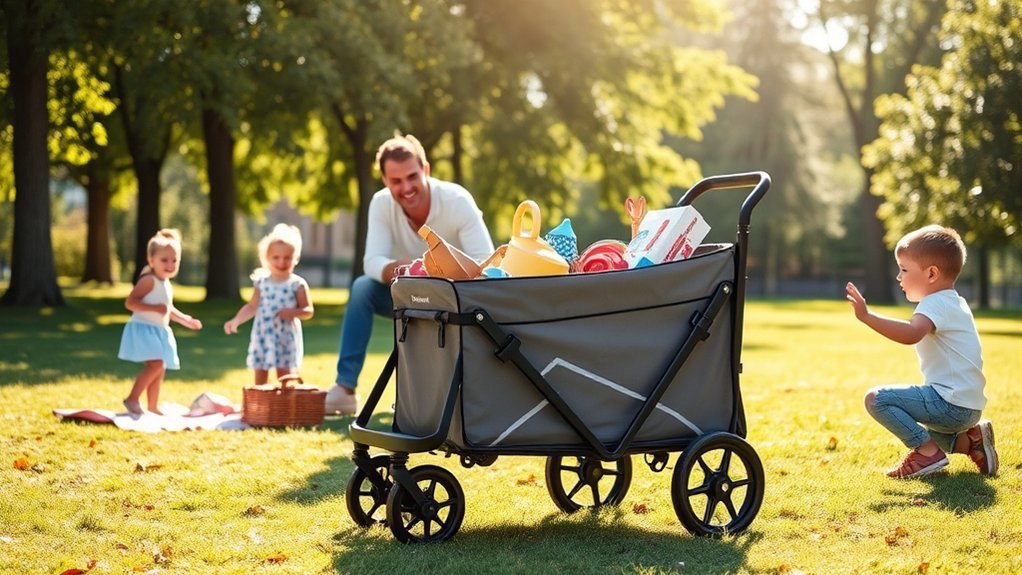
Finding the right stroller wagon opens up a world of possibilities for family adventures. These wagons are useful for trips to parks, beaches, farms, zoos, festivals, playgrounds, picnics, and neighborhood walks. They give kids a cozy space to rest while also keeping gear in one place.
At sports events, stroller wagons simplify transporting snacks, equipment, blankets, folding chairs, water bottles, and multiple children. Instead of carrying everything by hand, you can load the wagon and keep your hands free for tickets, phones, or holding a child’s hand.
When it comes to shopping excursions, stroller wagons can be helpful because of their ample storage for groceries and bags while keeping little ones comfortable. However, they may feel too wide or bulky in small stores, crowded aisles, or busy indoor markets.
They also excel in outdoor activities, serving as a versatile solution for carrying children alongside essentials like blankets, coolers, sunscreen, towels, and toys. For beach use, look for larger wheels designed for soft surfaces, but remember that even all-terrain wheels can struggle in deep sand.
Although many families like using stroller wagons for trips to amusement parks, some major theme parks and crowded venues may not permit them because of space and crowd management policies. Always check the venue’s stroller and wagon rules before you go so you are not surprised at the entrance.
When a Stroller Wagon May Not Be the Best Choice
A stroller wagon is useful, but it is not perfect for every family. If you need something ultra-lightweight, a compact umbrella stroller or travel stroller may be easier. If you fly often, use rideshare vehicles, or have limited storage space, the folded size of a wagon may become a problem.
You may also want to skip a stroller wagon if you mostly use narrow sidewalks, crowded city stores, elevators, stairs, or public transportation. A wagon can be harder to turn in tight spaces and may feel heavy when fully loaded.
Another drawback is price. Some stroller wagons cost more than traditional strollers because they include a bigger frame, more fabric, extra seating, canopies, and outdoor wheels. If you only need a simple stroller for short walks, the extra cost may not be worth it.
Long-Term Benefits of Investing in a Stroller Wagon
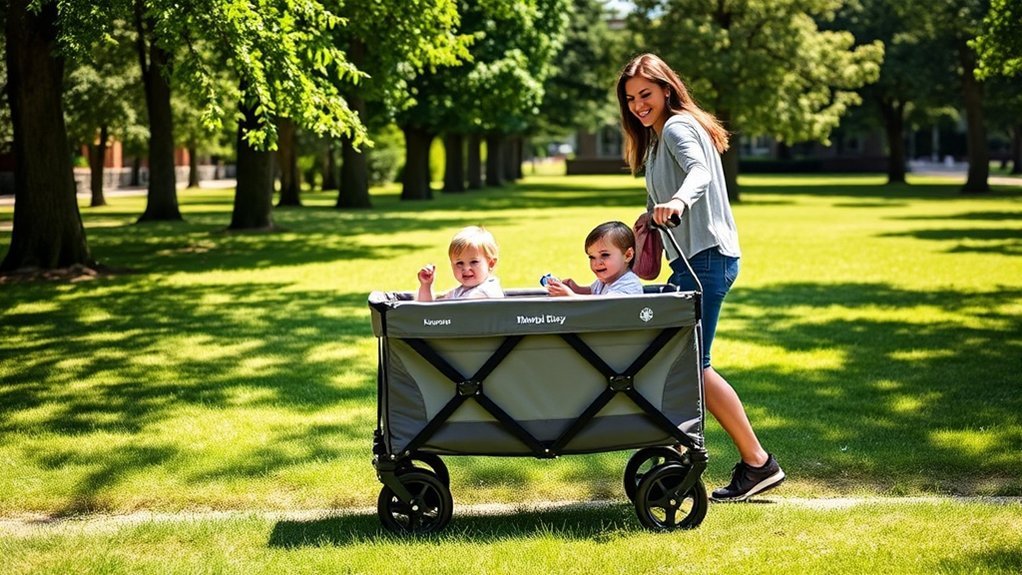
When you invest in a stroller wagon, you are not just buying a piece of equipment; you are choosing a family travel tool that can support many stages of childhood. Stroller wagons offer long-term usability by accommodating children and gear for different outdoor activities.
Because many wagons support older toddlers and preschoolers, they can remain useful after a child outgrows a smaller stroller. A wagon can also help when one child wants to walk and another needs to rest. During long outings, that flexibility can prevent tired-child meltdowns and make the day smoother.
Their durable construction and all-terrain capabilities can provide reliability on many outings, from local parks to weekend events. Built-in canopies help shield children from sun and light weather, improving comfort during picnics, sporting events, and family trips.
A well-maintained stroller wagon may also hold resale value, especially if it is clean, complete, and from a desirable brand. To protect that value, wipe it down after messy trips, dry it before storage, keep the wheels clean, and store it away from heavy moisture or direct sunlight when possible.
So, when you choose a stroller wagon, you are not only investing in convenience. You are also creating an easier way to enjoy outings with kids, gear, snacks, and all the little extras family adventures require.
How to Clean and Maintain a Stroller Wagon
Regular cleaning keeps a stroller wagon safer, fresher, and easier to use. Start by removing loose crumbs, sand, leaves, and dirt after each outing. A handheld vacuum or soft brush can help clean corners, seat seams, and storage pockets.
For routine cleaning, wipe hard surfaces with mild soap and water. Use a damp cloth for fabric areas unless the manufacturer allows machine washing. Avoid harsh cleaners unless the manual says they are safe because strong chemicals may damage fabric, straps, or plastic parts.
Check the wheels often. Dirt, hair, grass, and small stones can collect around axles and make steering harder. If the wagon starts pulling to one side, squeaking, or feeling stiff, inspect the wheels and brakes before the next outing.
Also inspect the harness, frame, folding lock, canopy, and brake system. If anything feels loose, cracked, torn, or unreliable, stop using the wagon until the problem is fixed according to the manufacturer’s guidance.
Related Guides
Frequently Asked Questions
Can a stroller wagon accommodate special needs children?
A stroller wagon may accommodate some special needs children if the child fits safely within the model’s height, weight, seating, and harness limits. Look for supportive seating, secure restraints, easy entry, stable wheels, and enough space for comfort. For children who need medical positioning or adaptive support, ask a pediatrician or therapist before choosing a wagon.
How do stroller wagons compare to traditional strollers?
Stroller wagons usually offer more space, more storage, and better flexibility for outdoor family outings. Traditional strollers are often lighter, easier to fold, and better for tight spaces, quick errands, travel, and public transportation. A wagon is best for gear-heavy days, while a stroller is often better for everyday compact use.
Are stroller wagons suitable for infants?
Some stroller wagons can be suitable for infants, but only when the model specifically supports infant use. Many wagons are designed for babies who can sit upright with good head and neck control. For younger infants, choose a wagon that accepts an approved infant car seat adapter or bassinet-style attachment and follow the manual exactly.
What is the weight limit for most stroller wagons?
Many stroller wagons list a per-seat limit of about 50 pounds, while total capacity may be higher depending on the model. Some wagons may hold around 100 to 150 pounds total, including children and gear. Always check the exact manual because safe limits vary by brand, frame, wheel design, and seat layout.
How do I clean and maintain a stroller wagon?
Clean your stroller wagon by removing crumbs and dirt, then wiping surfaces with mild soap and water. Use a soft brush for tougher stains if the fabric allows it. Check wheels, brakes, harnesses, folding locks, and canopy parts regularly to keep the wagon safe and working smoothly.
Can I take a stroller wagon to an amusement park?
It depends on the park. Some amusement parks and large venues restrict wagon-style strollers, even when they are designed for children. Check the official park rules before your visit and measure your wagon if the venue lists size limits.
Is a stroller wagon good for the beach?
A stroller wagon can be good for the beach if it has large wheels and enough storage for towels, toys, snacks, and shade items. Deep soft sand can still be difficult, so look for models designed for rougher surfaces and avoid overloading the wagon.
Conclusion
To sum up, investing in a stroller wagon can truly enhance your family’s outings when you need more room, more storage, and more flexibility than a traditional stroller provides. It is especially helpful for families with multiple kids, park days, beach trips, sports events, picnics, and long outdoor adventures.
The smartest choice is the one that fits your real lifestyle. Check weight limits, folded size, wheel quality, canopy coverage, brakes, harnesses, and venue rules before buying. With the right model and proper use, a stroller wagon can simplify your adventures, carry your gear, and grow with your kids, making it a practical long-term buy for active families.