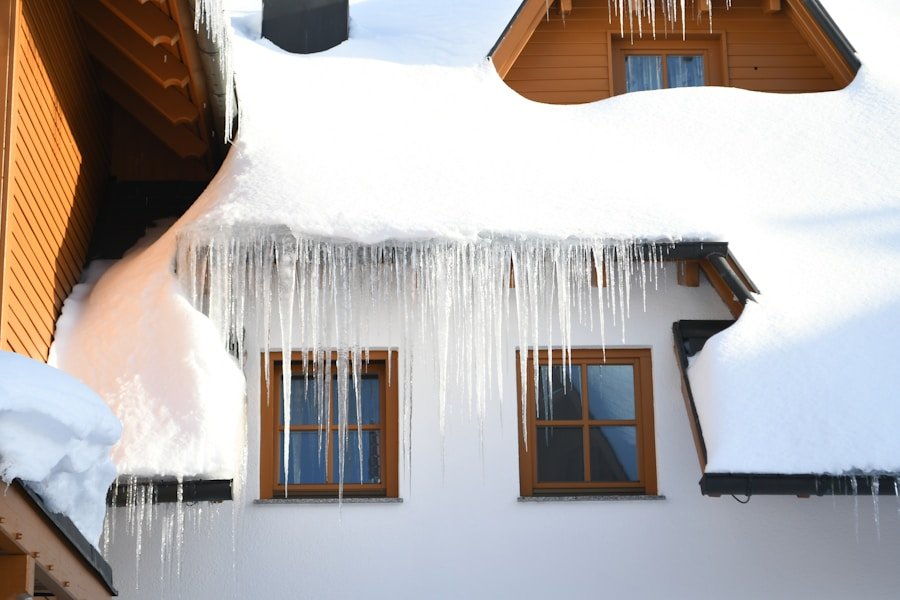
Winter insulation helps your home hold heat, reduce drafts, and stay more comfortable when outdoor temperatures drop. It works by slowing heat transfer through walls, attics, floors, basements, crawl spaces, and small air leaks around the building shell. The stronger the insulation and air sealing, the less your heating system has to work during cold weather.
For many homeowners, winter insulation is worth the investment because it can improve comfort, reduce heating waste, protect vulnerable areas from cold-weather problems, and support better long-term energy efficiency. The best choice depends on your climate, current insulation level, home condition, budget, and whether you plan to install it yourself or hire a professional.
Quick Answer
Winter insulation is usually worth it if your home feels drafty, your heating bills rise sharply, rooms stay unevenly warm, or your attic, walls, basement, or crawl space are under-insulated. The biggest value often comes from combining insulation with air sealing, moisture control, and the right R-value for your climate.
Key Takeaways
- Proper winter insulation helps keep heated air inside and cold air outside, which can make your home more comfortable and energy-efficient.
- The main benefits include lower heating waste, fewer drafts, steadier indoor temperatures, better moisture control, and reduced strain on heating equipment.
- Common insulation types include fiberglass, cellulose, spray foam, rigid foam board, and reflective insulation, each with different costs and best-use areas.
- Costs vary based on the insulation type, square footage, access difficulty, local labor rates, and whether you choose DIY or professional installation.
- Before investing, consider your climate zone, home age, existing insulation condition, air leaks, moisture risks, budget, and long-term energy goals.
Understanding Winter Insulation
Winter insulation is a critical part of building design and home maintenance, especially in regions with long or harsh cold seasons. At its core, insulation reduces heat transfer between the inside of a building and the outdoors. It creates a thermal barrier that helps indoor spaces stay warm, stable, and comfortable during winter.
The effectiveness of insulation is measured by its R-value. R-value describes resistance to heat flow, and a higher R-value generally means better insulating performance. However, R-value is only part of the story. Even high-quality insulation can underperform if it is compressed, installed with gaps, exposed to moisture, or surrounded by unsealed air leaks.
Winter insulation also supports energy efficiency. When a home loses less heat, the heating system does not need to run as often to maintain a comfortable temperature. That can help reduce utility costs over time and may also reduce wear on furnaces, heat pumps, boilers, and other heating equipment.
Effective insulation can also help create a more stable indoor climate. By reducing cold surfaces, drafts, and temperature swings, insulation may lower the risk of condensation in certain areas. That matters because excess moisture can contribute to mold growth, wood damage, and poor indoor air quality.
Benefits of Winter Insulation
The benefits of winter insulation go beyond basic comfort. A better-insulated home can feel warmer in winter, quieter throughout the year, and easier to heat evenly. Instead of one room feeling hot while another stays cold, insulation helps reduce the temperature swings that make a home uncomfortable.
One of the most immediate advantages is reduced heating waste. Homes with poor insulation often lose heat through the attic, exterior walls, rim joists, floors, basements, crawl spaces, and gaps around penetrations. When those areas are improved, your heating system can work more efficiently.
Winter insulation can also help lower energy bills, although the exact savings depend on your home, climate, fuel costs, thermostat habits, insulation type, and installation quality. Homes with major air leaks or very low attic insulation often see a bigger improvement than homes that already meet modern insulation standards.
Insulation also improves indoor air quality when paired with proper air sealing and ventilation. Drafts can pull in cold outdoor air, dust, attic particles, crawl space odors, and moisture. Sealing major leaks before insulating can reduce uncontrolled airflow and help your home feel cleaner and more stable.
Another benefit is noise reduction. Dense insulation materials can help reduce outdoor noise and sound transfer between rooms. This is not the main reason most homeowners insulate for winter, but it can be a useful added benefit in busy neighborhoods or homes with thin walls.
Note: Insulation works best as part of a complete building-envelope plan. Air sealing, moisture control, attic ventilation, and proper installation often matter as much as the insulation material itself.
Types of Winter Insulation

Several types of winter insulation are available, and each one fits different parts of the home. The right choice depends on where you need insulation, how much space is available, whether moisture is a concern, and whether the area is easy to access.
[Amazon Products Picked for You]

Coverage: One bag covers 77.5 square feet, containing 8 batts (9.69 sq ft per batt).
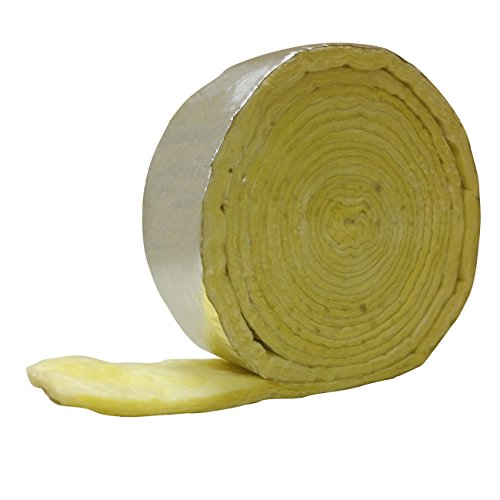
The product is manufactured in china

Coverage: One pack covers 77.5 square feet, containing 8 batts
Fiberglass Insulation
Fiberglass insulation is one of the most common residential options. It is made from fine glass fibers that trap pockets of air and slow heat transfer. Fiberglass batts and rolls are often used in walls, attics, floors, and open framing cavities.
Fiberglass is widely available and often budget-friendly, which makes it appealing for DIY projects. However, installation quality is important. Gaps, compression, loose edges, and poorly fitted batts can reduce performance. Fiberglass also requires protective gear during installation because the fibers can irritate skin, eyes, and lungs.
Cellulose Insulation
Cellulose insulation is usually made from recycled paper products treated for fire resistance. It is commonly blown into attics, wall cavities, and other enclosed areas. Because it can settle into small spaces, cellulose can provide good coverage in irregular cavities when installed correctly.
Cellulose can be a strong option for attic retrofits and older homes. However, moisture control is important. If cellulose gets wet and stays wet, it can lose performance and create conditions that support mold or material damage.
Spray Foam Insulation
Spray foam insulation expands after application, helping it fill cracks, gaps, and irregular spaces. It can provide both insulation and air sealing in one step. This makes it useful around rim joists, crawl spaces, rooflines, and hard-to-seal areas.
Closed-cell spray foam has a higher R-value per inch and can add moisture resistance in certain applications. Open-cell spray foam is lighter and more flexible, but it generally provides less moisture resistance. Spray foam usually costs more than fiberglass or cellulose and is often best handled by trained professionals.
Rigid Foam Board Insulation
Rigid foam board insulation comes in panels and provides good insulating value in a thin profile. It is often used on basement walls, exterior walls, crawl space walls, foundations, and certain attic or roof applications.
Rigid foam can help reduce thermal bridging when installed continuously across framing. It also works well where space is limited. The main challenge is proper detailing. Seams, edges, and penetrations must be sealed correctly to control air movement and moisture.
Reflective Insulation
Reflective insulation uses a shiny surface to reflect radiant heat. It works best when it faces an air space. In cold climates, reflective products are usually not a replacement for bulk insulation such as fiberglass, cellulose, foam, or mineral wool.
Reflective insulation may help in specific assemblies, but homeowners should be careful with broad claims. Its value depends heavily on placement, climate, air gaps, and the rest of the insulation system.
Pro Tip: Before adding more insulation, seal obvious air leaks around attic penetrations, plumbing holes, wiring gaps, recessed lights, rim joists, and basement or crawl space openings. Air leaks can waste heat even when insulation levels look high.
Cost of Winter Insulation
| Insulation Type | Estimated Cost per Square Foot |
|---|---|
| Fiberglass | $0.40 – $1.20 |
| Cellulose | $0.45 – $1.25 |
| Spray Foam | $1.00 – $2.50 |
| Rigid Foam Board | $0.75 – $1.50 |
The cost of winter insulation can vary significantly based on the insulation type, the size of the area, installation difficulty, and local labor rates. Materials alone may cost less than a full professional installation, but the final price often depends on access, prep work, removal of old insulation, air sealing, and cleanup.
Fiberglass batts are usually one of the more affordable options, especially in open areas such as unfinished attics or exposed walls. Cellulose can also be cost-effective for attic blow-in projects and dense-pack wall applications. Spray foam is usually more expensive because of the material, equipment, safety requirements, and professional application process.
Rigid foam board sits in the middle for many projects, but cost can rise when the job requires careful cutting, fastening, taping, and moisture detailing. Basement and crawl space projects may also require vapor control, drainage improvements, pest repairs, or code-compliant ignition barriers depending on the material and location.
It is important to consider more than the upfront price. A higher-quality insulation project may cost more at first but save more energy over time. The best value usually comes from fixing the weakest parts of the home first rather than adding insulation randomly.
[Amazon Products Picked for You]

Attic This product is recommended for an attic application. Place this in between your trusses. For unfaced insulation make sure there is 2 inches of properly vented air space to prevent moisture in the insulation.

【SAFETY MATERIAL】✅ MRPAPA reflective insulation sheet is made of truly double Aluminum foil and polyethylene bubble. B2 fire-protection rating material- it can let your use it more relax. Convenient Use for window,attics,garage doors,wall,floor,RV insulation,around fireplaces,etc.

R-13 faced insulation, easy exterior/interior 2x4 wall install
What Affects the Return on Investment?
Winter insulation return on investment depends on several practical factors. A poorly insulated attic in a cold climate may offer a strong payback, while adding a small amount of insulation to a home that already performs well may produce smaller savings.
Your heating fuel also matters. Homes heated with expensive electricity, propane, or oil may feel the savings more quickly than homes with lower-cost heating. Thermostat settings, occupancy, home size, ceiling height, and air leakage all affect the final result.
Installation quality is another major factor. Poorly installed insulation can leave gaps, voids, and compressed areas that reduce performance. Moisture problems can also weaken results. If an attic has roof leaks, bathroom fan leaks, or poor ventilation, insulation alone will not solve the underlying issue.
Many homeowners may also qualify for rebates, utility incentives, or tax credits when upgrading insulation or air sealing. Programs vary by location and change over time, so it is wise to check local utility and government options before starting a project.
Factors to Consider Before Investing in Winter Insulation
Before investing in winter insulation, evaluate your home’s current condition and your long-term goals. The right insulation plan should match your climate, budget, comfort concerns, and building structure.
Climate Zone
Your climate zone affects the R-value you need. Colder regions generally need higher insulation levels than mild regions. Attics, walls, floors, basements, and crawl spaces may each have different recommended R-values, so avoid using one number for the whole house.
Existing Insulation
Check what insulation already exists before adding more. Some homes have thin attic insulation, missing wall insulation, or old materials that no longer perform well. Others may have enough insulation but still feel cold because of air leaks.
An energy audit can help identify where heat loss occurs. A professional may use tools such as blower-door testing and infrared imaging to locate hidden leaks, weak insulation areas, and pressure imbalances.
Air Leaks
Air leaks can make a home feel cold even when insulation is present. Common leak points include attic hatches, recessed lights, plumbing penetrations, chimneys, duct chases, wiring holes, rim joists, and gaps around windows or doors.
Sealing these leaks before insulating often improves comfort and energy performance. In many homes, air sealing is one of the most important steps in a winter insulation upgrade.
Moisture and Ventilation
Moisture control is essential. Adding insulation without fixing leaks, condensation, or poor ventilation can trap moisture in the wrong place. That can lead to mold, rot, damaged drywall, or reduced insulation performance.
Attics need careful attention. Bathroom fans should vent outdoors, not into the attic. Roof leaks should be repaired before insulation is added. In vented attics, insulation should not block soffit vents unless the attic is being converted to a properly designed unvented assembly.
Budget and Project Scope
Your budget should include materials, labor, air sealing, disposal, protective gear, ventilation fixes, and possible repairs. A small DIY attic project may be manageable, while a whole-home retrofit may require professional planning.
If you plan future renovations, choose an insulation approach that supports those changes. For example, wall insulation may be easier to improve during siding replacement or interior remodeling.
Warning: Do not cover knob-and-tube wiring, unsafe recessed lights, active leaks, mold, or damaged building materials without proper evaluation. Electrical, moisture, and fire-safety issues should be handled before insulation is added.
DIY vs Professional Installation

When installing winter insulation, homeowners often choose between DIY work and professional installation. DIY can reduce labor costs, but it requires careful planning, safety gear, and attention to detail.
Fiberglass batts are one of the more DIY-friendly insulation types when framing is open and easy to access. Homeowners with basic tools can often install batts in attics, floors, or unfinished walls. However, batts must be cut and fitted neatly around wires, pipes, corners, and obstructions.
Loose-fill cellulose or fiberglass can also be DIY-friendly in some attic projects when rental equipment is available. The challenge is achieving even coverage, proper depth, and safe access without blocking ventilation or damaging ceilings.
Professional installation offers several advantages. Experienced contractors understand local codes, ventilation requirements, moisture concerns, and safe installation practices. They also have equipment for blown insulation, dense-pack wall insulation, spray foam, and air sealing.
Spray foam is usually best left to trained professionals because it involves chemicals, protective equipment, curing conditions, and installation details that affect safety and performance. Professional work may also include warranties, cleanup, and documentation for rebates or incentives.
[Amazon Products Picked for You]
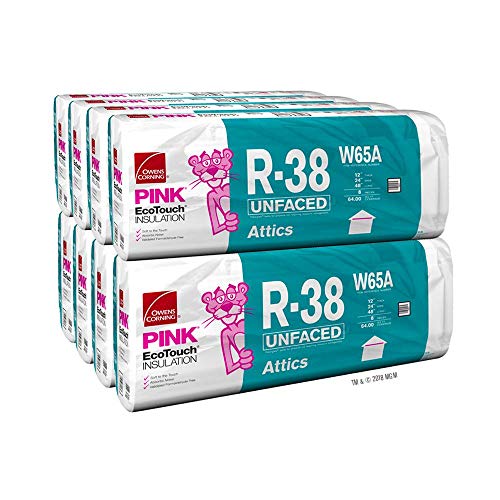
Attic This product is recommended for an attic application. Place this in between your trusses. For unfaced insulation make sure there is 2 inches of properly vented air space to prevent moisture in the insulation.

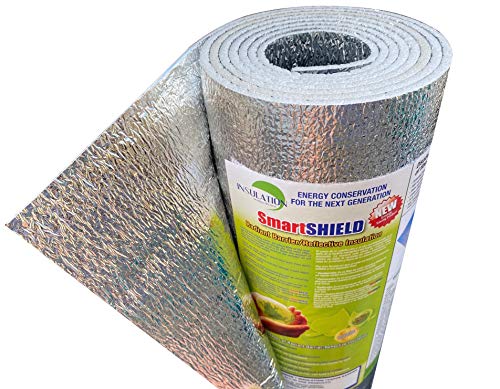
EXTREMELY EFFECTIVE - reflect 95% of radiant energy, perfect RADIANT BARRIER.
When DIY May Make Sense
- You are adding fiberglass or loose-fill insulation to an accessible attic.
- The area has no active leaks, mold, unsafe wiring, or pest damage.
- You can wear proper protective gear and work safely in tight spaces.
- You understand how to preserve ventilation and avoid blocking vents.
- The project does not involve complex moisture or fire-code requirements.
When to Hire a Professional
- You need spray foam, dense-pack wall insulation, or crawl space encapsulation.
- Your home has moisture problems, mold, ice dams, or roof leaks.
- You need blower-door testing or a full energy audit.
- The insulation area is hard to access or unsafe to work in.
- You need help meeting rebate, code, or documentation requirements.
Best Areas to Insulate for Winter
Some parts of the home matter more than others during winter. If your budget is limited, prioritize the areas that lose the most heat or create the worst comfort problems.
Attic and Roofline
The attic is often one of the best places to improve insulation. Warm air rises, and heat loss through the top of the home can be significant. Air sealing attic penetrations before adding insulation can make the upgrade more effective.
Exterior Walls
Wall insulation can improve comfort in older homes, especially if exterior walls feel cold to the touch. However, wall retrofits can be more complex than attic insulation because cavities may be hidden behind drywall, plaster, siding, or masonry.
Basement and Crawl Space
Basements and crawl spaces can pull cold air into the home through rim joists, foundation gaps, and exposed floors. Insulating rim joists and foundation walls can improve comfort and reduce cold-floor problems.
Floors Over Unheated Spaces
Floors above garages, crawl spaces, or unheated basements often feel cold in winter. Insulating and air sealing these areas can help reduce drafts and improve comfort in rooms above them.
Ductwork in Unconditioned Areas
Ducts that run through attics, crawl spaces, or garages can lose heat before air reaches living spaces. Sealing and insulating ducts can improve comfort and reduce heating waste.
Long-Term Savings from Winter Insulation
Investing in winter insulation can provide savings that extend beyond lower heating bills. A well-insulated home can be easier to heat, more comfortable to live in, and more attractive to buyers who value energy efficiency.
Improved insulation may also reduce strain on heating systems. When the building holds heat better, HVAC equipment does not need to cycle as frequently to maintain the same indoor temperature. That can support longer equipment life and reduce maintenance stress over time.
Insulation can also help protect the home from cold-weather damage. Better thermal control may reduce the risk of frozen pipes in vulnerable areas, especially when insulation is combined with air sealing and proper pipe protection. In attics, improving insulation and air sealing may also help reduce the conditions that contribute to ice dams.
Utility incentives can improve the financial case. Some energy companies offer rebates for attic insulation, air sealing, duct sealing, energy audits, or whole-home efficiency upgrades. These programs can reduce upfront costs and shorten the payback period.
The strongest long-term results usually come from a targeted plan. Instead of choosing the cheapest material, focus on the areas that cause the most heat loss, drafts, moisture risk, or comfort problems.
Environmental Impact of Winter Insulation
The environmental impact of winter insulation is an important consideration for homeowners who want to reduce energy waste. When insulation lowers heating demand, the home may use less electricity, gas, oil, or propane during winter. That can help reduce the emissions connected to heating, depending on the fuel source.
Many modern insulation products also include recycled or lower-impact materials. Cellulose insulation is often made from recycled paper products. Some fiberglass insulation contains recycled glass. Other products focus on durability, high R-value per inch, or reduced air leakage.
However, environmental impact depends on more than the material label. The best insulation is the one that performs well, lasts a long time, fits the assembly, and avoids moisture problems. A product that fails early or causes hidden damage can create waste and cost more over time.
Proper insulation can also help homes handle temperature swings more effectively. A well-insulated building can stay warmer during cold snaps and more stable during shoulder seasons. That resilience can reduce reliance on heating and cooling equipment while improving everyday comfort.
Is Winter Insulation Worth the Investment?
Winter insulation is often worth the investment when your home has drafts, high heating bills, cold rooms, uneven temperatures, thin attic insulation, or uninsulated crawl spaces and basements. It can also be valuable if you plan to stay in the home long enough to benefit from comfort improvements and energy savings.
The investment is most worthwhile when you fix the right problem. If your attic insulation is low, adding more may help. If air leaks are the main issue, air sealing may deliver better results than insulation alone. If moisture is present, you should solve that first before adding new materials.
A recent article from GoMyReview discusses how home comfort and indoor air quality can affect daily living. Winter insulation supports that same comfort goal by helping your home stay warmer, steadier, and less drafty during colder months.
For the best outcome, start with an attic and air-leak inspection, review your current insulation levels, and compare the cost of DIY versus professional work. Then choose the insulation type that matches your home’s structure and your local winter conditions.
Frequently Asked Questions
What is winter insulation?
Winter insulation refers to the materials and techniques used to reduce heat loss and maintain a comfortable indoor temperature during colder months. This can include fiberglass, foam, cellulose, rigid foam board, reflective insulation, and air sealing around gaps and cracks.
What are the benefits of winter insulation?
Winter insulation can reduce heating waste, improve comfort, reduce drafts, support more stable indoor temperatures, and help protect against cold-weather issues such as frozen pipes or ice dams in vulnerable areas. It can also reduce strain on heating equipment when installed correctly.
How much does winter insulation cost?
The cost of winter insulation depends on the size of the area, insulation type, installation difficulty, and local labor rates. Fiberglass and cellulose are often lower-cost options, while spray foam and complex professional installations usually cost more.
Is winter insulation worth the investment?
In many homes, winter insulation is worth the investment because it can improve comfort, reduce heating waste, and make rooms feel more consistent. It is especially worthwhile when the home is drafty, under-insulated, or expensive to heat during cold weather.
Should I insulate or air seal first?
Air sealing should usually come before adding insulation. Sealing leaks around attic penetrations, rim joists, ducts, wiring holes, and plumbing openings helps insulation perform better and reduces drafts more effectively.
Can I install winter insulation myself?
You can install some winter insulation yourself, especially fiberglass batts or loose-fill attic insulation in accessible areas. Hire a professional for spray foam, dense-pack wall insulation, major air sealing, unsafe areas, moisture problems, or projects that must meet rebate or code requirements.
Which insulation type is best for winter?
No single insulation type is best for every winter project. Fiberglass works well in open framing, cellulose works well in many attic and wall retrofits, spray foam helps with air sealing, and rigid foam board is useful for basements, crawl spaces, and continuous insulation.
