
Using BBQ tools well helps you grill safer, cleaner, and with better control. The right tongs, spatula, brush, knife, cutting board, smoker box, and thermometer can help you move food without tearing it, reduce flare-ups, protect juices, and keep raw and cooked foods separate. Instead of treating every tool the same, match each one to the job it does best.
Quick Answer
To use BBQ tools effectively, use long tongs for turning meat, a wide spatula for delicate foods, a thermometer for safe doneness, separate boards for raw and cooked foods, and clean every tool after grilling. Good technique protects flavor, improves safety, and makes grilling easier.
Key Takeaways
- Choose each BBQ tool for a specific job, such as long tongs for turning meat or a sturdy spatula for fish and burgers.
- Stainless steel, silicone, wood, and aluminum tools all perform differently, so match the material to heat, durability, and cleaning needs.
- Clean tools after every use, dry metal tools fully, and oil wooden tools when needed to prevent cracking.
- Use a food thermometer instead of guessing when meat is done, especially for poultry, ground meat, and thick cuts.
- Keep raw meat tools and cooked food tools separate to reduce the risk of cross-contamination.
- Use smoker boxes and wood chips carefully to add flavor without overpowering the food.
At a Glance
| Time Required | 5 to 10 minutes to set up tools before grilling, plus cleaning time after cooking |
| Difficulty | Beginner-friendly with a few safety habits |
| Tools Needed | Tongs, spatula, grill brush, basting brush, meat thermometer, knife, cutting board, heat-resistant gloves, and optional smoker box |
| Cost | Low to moderate, depending on tool material and quality |
When it comes to barbecuing, the right tools can make the difference between a frustrating cookout and a meal that feels controlled from start to finish. BBQ tools range from basic items like tongs and spatulas to more specialized gear such as meat thermometers, smoker boxes, grill brushes, and basting brushes. Each tool has a clear purpose, and knowing that purpose helps you grill with more confidence.
For instance, tongs help you flip and move food without piercing it, which helps meat hold on to more juices. A good pair should be long enough to keep your hands away from high heat while still giving you a firm grip. A spatula works better for burgers, fish, and vegetables because it supports the food from underneath instead of squeezing it.
Quality also matters. Stainless steel tools are popular because they are durable, easy to clean, and resistant to rust. Wooden handles can feel comfortable, but they need more care. Silicone tips can protect non-stick grill baskets and griddles. Before you buy or use any tool, think about your grill size, the foods you cook most often, and how much heat the tool must handle.
Understanding Different BBQ Tool Materials
The materials used in BBQ tools affect heat resistance, durability, cleaning, comfort, and long-term performance. Stainless steel is one of the most common choices because it is strong and resists corrosion. It also handles outdoor cooking better than many cheaper materials, especially when tools get exposed to grease, moisture, and heat.
However, not all stainless steel tools are equal. Thin, low-quality utensils can bend, warp, or feel flimsy when you lift heavier foods. Look for sturdy construction, secure handles, and enough length to keep your hands away from the grill surface. A locking feature on tongs can also make storage easier.
Aluminum tools are usually lightweight and affordable. They can work for lighter tasks, but they may not hold up as well under heavy use or high heat. Wooden tools, such as spatulas and skewers, offer a traditional feel and are gentle on delicate surfaces, but they need more maintenance to prevent cracking, splintering, and odor buildup.
Silicone is common in basting brushes, spatulas, and tipped tongs. It is flexible, easy to clean, and useful around non-stick grill pans or griddle plates. Still, you should check the heat rating before using silicone directly over very high heat.
Note: If a BBQ tool has plastic, rubber, or silicone parts, do not leave it resting on a hot grill lid, grate, or side burner. Heat can soften, melt, or weaken materials that are not meant for direct contact with high temperatures.
Properly Maintaining and Cleaning BBQ Tools
Maintaining and cleaning your BBQ tools is essential for performance, hygiene, and tool life. After each use, wash tools thoroughly to remove grease, sauce, food particles, smoke residue, and any bacteria from raw meat. A simple routine after every grilling session can prevent rust, odors, buildup, and cross-contamination.
For stainless steel tools, wash them with warm, soapy water, rinse them well, and dry them fully before storage. Avoid harsh scouring pads that can scratch polished surfaces. For stubborn grime, a paste made from baking soda and water can help lift residue without relying on aggressive cleaners.
Wooden tools need gentler care. Wash them with mild soap and warm water, then dry them right away. Do not soak wooden handles, boards, or utensils for long periods because water can cause swelling and cracking. Applying food-safe mineral oil from time to time can help preserve wooden tools and cutting boards.
Silicone tools are often dishwasher safe, but you should always follow the manufacturer’s care instructions. Even when a tool can go in the dishwasher, check for grease trapped around seams, handle joints, or brush heads.
Warning: Never use the same unwashed tongs, brush, plate, or cutting board for raw meat and cooked food. Wash the tool first or switch to a clean one before touching ready-to-eat food.
Mastering the Art of Grilling with Tongs
| Grilling Technique | Success Rate | Customer Satisfaction |
|---|---|---|
| Perfect Grill Marks | 85% | 90% |
| Evenly Cooked Meat | 95% | 92% |
| Flipping and Turning | 90% | 88% |
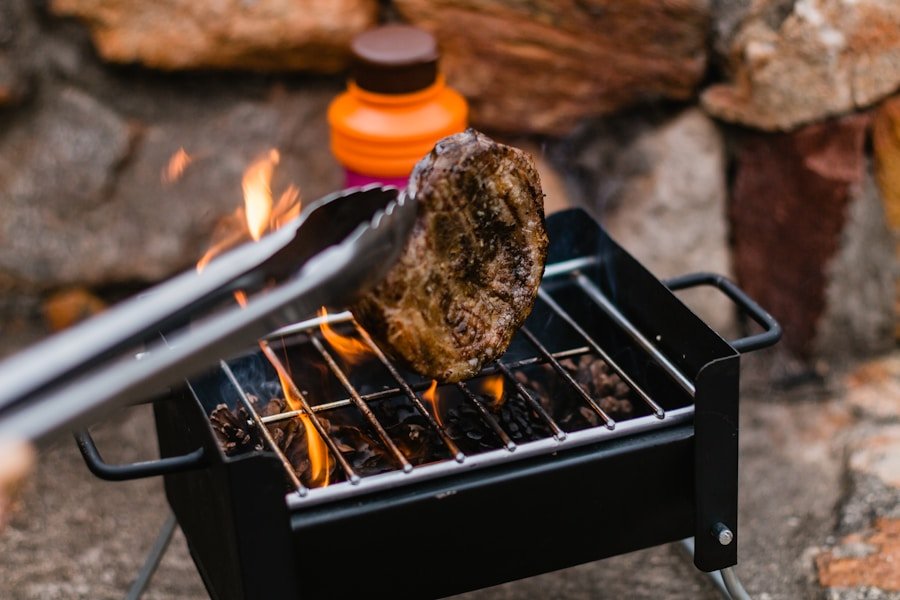
Tongs are one of the most versatile tools in any griller’s setup. They allow precise control when you handle food on the grill, making it easier to flip burgers, turn sausages, rotate chicken pieces, or move vegetables without damaging them. They also help you keep your hands farther from heat and flare-ups.
A good pair of tongs should open and close smoothly with one hand. The grip should feel firm, but not so sharp that it tears food. Scalloped edges can help hold thicker cuts, while silicone-tipped tongs work better for non-stick grill pans and delicate foods.
When using tongs, avoid poking, stabbing, or squeezing meat too hard. Instead, grip the food just enough to lift and turn it. This helps reduce juice loss and keeps the surface from tearing. For thicker cuts, turn the food with steady pressure rather than dragging it across the grate.
Confidence matters, too. Hesitating over high heat can increase the chance of burns or dropped food. Practice turning different foods, from steaks to peppers, so the movement feels natural. Over time, you will know when to lift, rotate, move, or leave food alone.
Using Spatulas and Flippers for Flawless Flipping
Spatulas and flippers are essential for foods that need support from underneath. Burgers, fish fillets, pancakes, grilled cheese, and sliced vegetables can break apart if you grab them with tongs. A wide spatula gives the food more surface support, which makes flipping easier and cleaner.
A slotted spatula works well for burgers because it lets excess grease drain away. A thin-edged fish spatula is useful for delicate foods because it slides under the food without tearing it. If you often grill fish, vegetables, or smash burgers, this type of spatula can make a noticeable difference.
Timing is just as important as the tool. Let food develop a sear before flipping it. If it sticks badly, it may not be ready yet. Forcing it too early can tear the crust and leave food behind on the grate. Once it releases more easily, slide the spatula under the food with a steady motion and flip with your wrist.
Avoid pressing down on burgers, steaks, or chicken with the spatula. Pressing may look satisfying, but it pushes out juices and can make the food drier. Use the spatula to lift, support, and flip, not to flatten food unless the recipe specifically calls for it.
Pro Tip: Oil clean grill grates before cooking and let the food sear before flipping. A clean, hot, lightly oiled surface helps reduce sticking and makes spatula work much easier.
Perfecting the Use of BBQ Brushes and Basting Tools

BBQ brushes and basting tools help you add flavor and moisture while food cooks. A good basting brush lets you spread marinades, butter, oil, or sauce evenly across meat and vegetables. Silicone brushes are popular because they resist heat, clean easily, and do not shed bristles like some older-style brushes can.
When basting, timing matters. Sauces with sugar can burn if you apply them too early over high heat. For barbecue sauce, it is usually better to brush it on during the last few minutes of cooking. This gives the sauce time to set without turning bitter or overly charred.
Use separate brushes for raw marinades and finished food. If a brush touches raw chicken, pork, beef, or seafood, do not use it again on cooked food unless you wash it thoroughly first. You can also pour a small amount of sauce into a separate bowl for finishing so the main container stays clean.
BBQ brushes can also help clean grill grates, but grill cleaning tools should stay separate from food basting brushes. A grill brush is for grates. A basting brush is for food. Keeping those jobs separate helps avoid grease buildup, off-flavors, and safety problems.
Using a Meat Thermometer the Right Way
A meat thermometer is one of the most important BBQ tools because color alone does not always show whether food is safe to eat. Chicken can look done before it reaches a safe internal temperature, and burgers can brown on the outside while still needing more time in the center.
Insert the thermometer into the thickest part of the food, away from bone, fat, or the grill grate. For burgers and thinner cuts, insert the probe from the side so the tip reaches the center. Wait for the reading to stabilize before deciding whether to pull the food from the grill.
Clean the thermometer probe after checking raw or undercooked meat. If you need to check again later, wipe or wash the probe before placing it back into food. This simple habit keeps bacteria from moving from raw surfaces to cooked areas.
For food safety, follow safe internal temperature guidance from trusted food safety sources. Poultry should reach 165°F, while ground meats generally need 160°F. Whole cuts of beef, pork, lamb, and veal are commonly cooked to 145°F with rest time. A thermometer helps you avoid guessing and reduces the chance of serving unsafe food.
A thermometer gives you better control than color, texture, or timing alone. Use it for safety first, then adjust doneness based on the food you are grilling.
Getting the Most out of BBQ Knives and Cutting Boards
A sharp knife is an indispensable tool in any BBQ enthusiast’s toolkit. Whether you are slicing brisket, trimming ribs, cutting vegetables for skewers, or carving grilled chicken, a quality knife makes preparation easier and safer. A dull knife can slip because it requires more pressure to cut.
High-carbon stainless steel knives are common because they hold an edge well and resist staining better than many carbon-steel options. Keep knives sharp, clean, and dry. Store them safely so the edge does not bang against other tools in a drawer or outdoor cabinet.
Cutting boards also play a major role in food preparation and safety. Wooden cutting boards are often preferred for their feel and appearance, and they can be gentle on knife edges. However, they need regular cleaning and occasional oiling. Plastic cutting boards are easy to sanitize and are often convenient for raw meat, but deep knife grooves can trap food residue over time.
Use separate cutting boards for raw meat and ready-to-eat foods such as vegetables, bread, or cooked barbecue. If you only have one board, wash and sanitize it before switching tasks. This habit helps prevent cross-contamination and keeps your grilling setup cleaner.
Enhancing Flavor with BBQ Smoker Boxes and Wood Chips
For anyone who wants deeper flavor, smoker boxes and wood chips can add a smoky aroma to grilled dishes. A smoker box holds wood chips so they smolder instead of burning quickly. As the wood smokes, it releases flavor that can complement meat, poultry, seafood, and vegetables.
Popular wood chip options include hickory, mesquite, applewood, and cherrywood. Hickory has a strong, classic barbecue flavor that works well with pork and beef. Mesquite is bold and can become overpowering if you use too much. Applewood and cherrywood are milder, slightly sweet options that pair well with chicken, pork, and fish.
To use a smoker box, fill it with wood chips and place it over the heat source according to your grill type. Some grillers soak chips first to slow the smoking process, while others use dry chips for quicker smoke. The best choice depends on your grill, cooking time, and flavor preference.
Start with a small amount of wood and increase gradually as you learn what you like. Too much smoke can make food taste harsh or bitter. A light, steady smoke often creates better results than thick, heavy smoke.
Setting Up Your BBQ Tool Station
A simple tool station helps you grill faster and safer. Before lighting the grill, place your clean tools, thermometer, gloves, plates, seasonings, and sauces within reach. This prevents you from leaving food unattended while searching for something you forgot.
Use one plate or tray for raw food and a separate clean plate or tray for cooked food. Keep paper towels nearby for spills, and have a safe place to rest hot tools. A small side table can make a big difference if your grill does not have much shelf space.
Arrange tools by task. Keep tongs and spatulas near the grill, a thermometer close enough for quick checks, and basting sauce away from raw meat juices. If you use a smoker box, have heat-resistant gloves ready before you need to move or adjust anything hot.
Common BBQ Tool Mistakes to Avoid
One common mistake is using tools that are too short. Short utensils put your hands too close to heat and flare-ups. Longer tools give you more reach and control, especially on larger grills.
Another mistake is using a grill brush, basting brush, and cleaning brush as if they are interchangeable. Each tool should have one job. Food brushes should touch food. Cleaning brushes should touch grates. Mixing them can create off-flavors and safety issues.
Many grillers also flip food too often. Constant flipping can slow browning and make delicate foods fall apart. Let food cook long enough to sear, then turn it when it releases more easily from the grill surface.
Finally, avoid storing dirty tools after a cookout. Grease and residue get harder to remove over time. Clean tools while residue is still fresh, dry them well, and store them in a dry place.
Choosing the Right BBQ Tools for Different Foods
Different foods need different tools. Burgers and steaks are easier to manage with sturdy tongs and a wide spatula. Fish needs a thin, flexible spatula. Vegetables work well with tongs, grill baskets, or skewers. Ribs and brisket benefit from strong tongs, a sharp slicing knife, and a thermometer.
For chicken, use tongs for turning and a thermometer for doneness. Chicken pieces can cook unevenly, especially when bone-in cuts are involved. A thermometer helps confirm that the thickest part is safe without overcooking thinner sections.
For sauced foods, keep a basting brush ready near the end of cooking. For smoky foods, use a smoker box and mild wood chips until you learn how much smoke your food can handle. Matching the tool to the food makes grilling less stressful and more consistent.
If you’re looking to enhance your outdoor dining experience while using your BBQ tool effectively, you may want to consider investing in one of the 5 top mosquito repellents for outdoor dining. These products can help keep pesky bugs at bay so you can focus on grilling up delicious meals without interruptions. By combining smart BBQ tool techniques with the right mosquito repellent, you can create a more comfortable outdoor dining atmosphere for your next gathering.
Related Guides
Frequently Asked Questions
What are the essential BBQ tools?
Essential BBQ tools include tongs, a spatula, a grill brush, a meat thermometer, a basting brush, heat-resistant gloves, a sharp knife, and a cutting board. These tools help you handle food, check doneness, clean the grill, and prepare ingredients safely.
How do you use a BBQ spatula effectively?
To use a BBQ spatula effectively, slide it under the food with a gentle, steady motion, then lift and flip the food. Avoid pressing down on burgers, steaks, or chicken because that can push out juices and make the food drier.
What is the proper way to use BBQ tongs?
Grip food firmly enough to control it, but not so tightly that you crush or tear it. Use tongs to turn, rotate, and move food around the grill. Choose long-handled tongs to keep your hands farther from heat and flare-ups.
How do you effectively clean a BBQ tool?
Wash BBQ tools with warm, soapy water after each use, rinse them well, and dry them completely before storage. Use a grill brush for grates, not for food tools. Wooden tools should not soak in water and may need occasional food-safe mineral oil.
What are some safety tips for using BBQ tools?
Wear heat-resistant gloves when handling hot tools, use long-handled utensils, keep children and pets away from the grill area, and watch for flare-ups. Also keep raw and cooked food tools separate, and use a thermometer to confirm safe internal temperatures.
Should you use separate BBQ tools for raw and cooked meat?
Yes. Use separate tools, plates, and cutting boards for raw meat and cooked food whenever possible. If you need to reuse a tool, wash it thoroughly with hot, soapy water before it touches cooked or ready-to-eat food.
Are silicone BBQ tools safe to use on the grill?
Silicone BBQ tools can be useful for basting, flipping delicate foods, and protecting non-stick surfaces, but you should check the tool’s heat rating. Do not leave silicone tools sitting on hot grates, grill lids, or direct flames.
Sources
- USDA FSIS Safe Minimum Internal Temperature Chart — supports safe internal temperature guidance for grilled meats.
- CDC Food Safety Prevention Guidance — supports cleaning, separating raw foods, cooking safely, and chilling food properly.
- FDA Safe Food Handling — supports safe handling practices, clean surfaces, and cross-contamination prevention.
