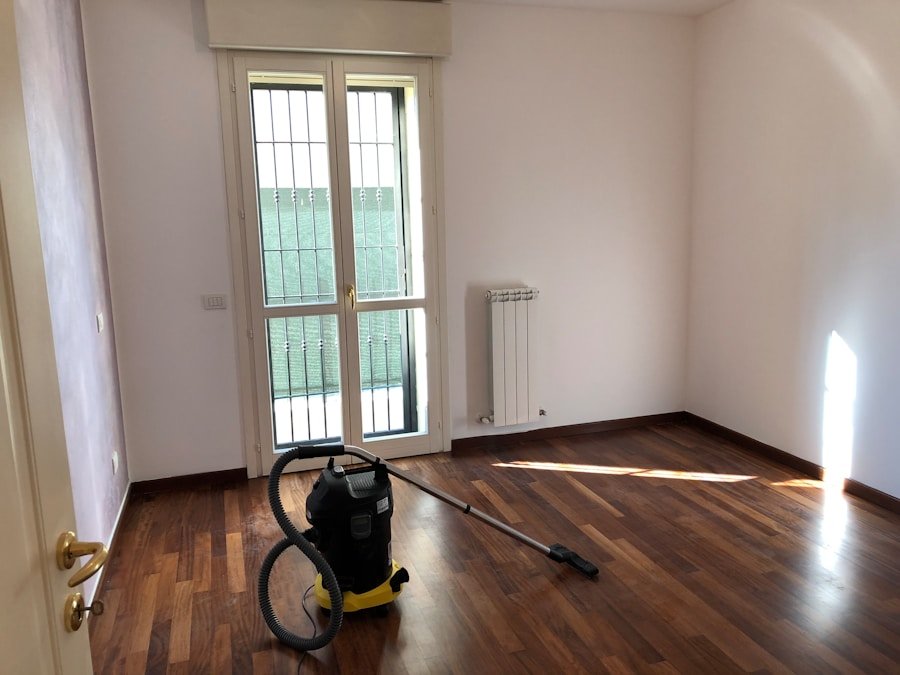
Making a small room look bigger starts with smart visual choices. Light colors, mirrors, clear surfaces, right-sized furniture, vertical storage, and natural light can all help a tight room feel more open without changing the square footage. The goal is simple: reduce visual weight, guide the eye upward or outward, and keep every item useful.
Quick Answer
To make a small room look bigger, use light colors, maximize natural light, add mirrors, choose furniture with exposed legs, reduce clutter, and use vertical storage. Keep window treatments simple, avoid bulky pieces, and use paint techniques that create height, width, or depth.
Key Takeaways
- Use light wall colors, furniture, rugs, and curtains to reflect more light and create openness.
- Place mirrors where they can reflect windows, lamps, or open views instead of clutter.
- Choose multi-functional furniture that saves floor space and adds hidden storage.
- Keep surfaces clear so the room feels calm, open, and easier to move through.
- Use shelves, hooks, tall bookcases, and wall storage to free up valuable floor space.
- Pick sheer, simple, or high-mounted window treatments to make windows and ceilings feel taller.
At a Glance
| Best For | Small bedrooms, apartments, offices, living rooms, bathrooms, and narrow spaces |
| Difficulty | Easy to moderate, depending on whether you repaint or replace furniture |
| Most Useful Changes | Light colors, mirrors, decluttering, vertical storage, simple curtains, and furniture with storage |
| Cost | Low if you declutter and rearrange; higher if you repaint, add shelving, or buy new furniture |
Use Light Colors
When it comes to maximizing the perception of space in a room, color plays a major role. Light colors, especially soft whites, creams, pale grays, and gentle pastels, can create an airy and open atmosphere. These shades reflect more light than dark colors, which tend to absorb light and make walls feel closer.
For instance, painting walls in soft cream, warm white, or pale blue can enhance the natural light that enters the space. This gives the illusion of a larger area, especially in smaller rooms such as bedrooms, home offices, guest rooms, and compact living rooms.
Light colors also work beyond the walls. Furniture, rugs, curtains, bedding, and decor all affect how spacious a room feels. A beige sofa, white coffee table, pale wood desk, or light gray area rug can keep the space feeling calm and open.
Sheer white curtains can also help natural light filter through while softening the room. When you repeat light tones across the room, the eye moves smoothly from one surface to another. This reduces visual breaks and helps the space feel larger.
Note: Light colors do not have to mean plain white. Warm beige, pale sage, soft blue, muted blush, ivory, and light greige can all make a room feel bigger while still adding personality.
Utilize Mirrors
Mirrors are one of the most effective tools for creating the illusion of space in any room. By reflecting light and views, they can make a small area feel much larger than it actually is. A large mirror on one wall can visually double parts of the room and make the area feel more open.
For example, a floor-to-ceiling mirror in a narrow hallway can create depth and draw the eye down the corridor. This makes the space feel longer and less boxed in. In a bedroom or living room, placing a mirror across from a window can help bounce natural light around the room.
Mirrors also serve as decorative elements. A mirror with a simple frame can blend into a modern space, while an ornate frame can become a focal point in a living room or entryway. You can also use several smaller mirrors in a clean arrangement to add depth without overwhelming the wall.
The key is placement. A mirror works best when it reflects something open, bright, or attractive. Avoid placing mirrors where they reflect clutter, dark corners, or busy storage areas, because that can make the room feel more crowded.
Pro Tip: Hang a mirror near a lamp, across from a window, or beside a light-colored wall. This helps spread brightness and makes the room feel more spacious in both daylight and evening light.
Choose Multi-Functional Furniture

In smaller living spaces, multi-functional furniture is not just a convenience. It is often a necessity. Pieces that serve more than one purpose can reduce clutter and maximize usability without adding extra furniture.
For instance, a sofa bed can turn a living room into a guest room without needing a separate bed. An ottoman with storage can provide seating, a footrest, and a place to store blankets, books, toys, or magazines. A storage bench near the door can hold shoes while giving you a place to sit.
Furniture that adapts to different needs can also improve the function of a small room. A dining table that expands for guests and folds down for daily use works well in apartments and small kitchens. A drop-leaf desk can create a work zone during the day and disappear when you need more walking space.
Modular furniture can also help because you can reconfigure it as your needs change. Modular shelving, stackable stools, nesting tables, and movable storage carts give you flexibility without filling the room with permanent pieces.
Pick Furniture With Visual Lightness
Furniture size matters, but visual weight matters too. A bulky dark sofa can make a room feel smaller even if it technically fits. Instead, look for pieces with exposed legs, slim arms, open bases, glass tops, or lighter finishes.
Exposed legs allow you to see more floor, which makes the room feel less crowded. Clear acrylic, glass, and pale wood pieces can also reduce visual heaviness. This approach works especially well in small living rooms, bedrooms, and home offices.
Use the Right Scale
A small room does not always need tiny furniture. Too many small pieces can make a room feel busy. Instead, choose fewer pieces that fit the room properly. A compact sofa with clean lines often works better than several chairs, side tables, and storage units competing for space.
Before buying new furniture, measure the room, doorways, and walking paths. Leave enough space to move comfortably around major pieces. A room feels bigger when people can walk through it without bumping into furniture.
Keep the Room Clutter-Free
| Room | Clutter-Free |
|---|---|
| Living Room | 90% |
| Bedroom | 95% |
| Kitchen | 85% |
| Bathroom | 100% |
A cluttered room can quickly feel cramped and overwhelming, no matter its actual size. Clear surfaces, open walkways, and organized storage help the room feel calmer and more spacious.
One effective strategy is to use a more minimal approach to decor and furnishings. Instead of filling every shelf with small items, choose a few meaningful pieces to display. This gives the eye places to rest and prevents visual chaos.
Storage solutions are also essential. Baskets, bins, decorative boxes, drawer dividers, and under-bed storage can help conceal everyday items while keeping them easy to reach. Stylish woven baskets under a coffee table or on a shelf can store remote controls, toys, chargers, or magazines without making the room look messy.
Regular decluttering also helps maintain the open feel. Try a simple “one in, one out” habit when you bring in new decor, clothing, kitchen tools, or small furniture. If something new enters the room, something unused should leave or move to a better storage spot.
Clear the Floor First
The floor has a major impact on how big a room feels. Shoes, baskets, bags, cables, and small objects on the floor can make the space feel smaller right away. Start by clearing walkways and corners before changing anything else.
Once the floor feels open, the whole room usually feels larger. Use wall hooks, shelves, storage benches, and closet organizers to move items off the floor without losing access to them.
Warning: Do not overload tall shelves, wall-mounted storage, or heavy mirrors. Secure them properly so they do not tip, fall, or damage the wall.
Opt for Vertical Storage
When floor space is limited, vertical storage becomes invaluable. Using wall space effectively allows you to keep items organized while maintaining an open floor plan. Tall bookshelves, wall-mounted shelves, cabinets, and hooks can draw the eye upward and create the illusion of height.
For instance, shelves above doorways or windows can provide extra storage while emphasizing vertical lines. This can make a room feel taller and more intentional. In a kitchen, wall-mounted racks or pegboards can free up counters. In a bedroom, tall wardrobes or narrow shelves can add storage without taking over the floor.
Floating shelves can showcase books, plants, framed photos, or decorative items while keeping tables and counters clear. This approach maximizes storage and adds visual interest by breaking up blank wall space.
Hooks are another simple option. Use them in entryways for bags and jackets, in bathrooms for towels, and in kitchens for utensils. These small changes can free up drawers, counters, and floors while keeping everyday items close by.
Use Vertical Lines to Your Advantage
Vertical lines naturally pull the eye upward. Tall curtains, narrow bookcases, vertical wall paneling, striped wallpaper, and high-mounted shelves can all make ceilings feel higher.
You do not need to use every trick at once. In most rooms, one or two strong vertical features work better than many competing elements. For example, high-mounted curtains and a tall bookcase can make a small bedroom feel more open without creating clutter.
Utilize Natural Light

Natural light has a powerful ability to transform a space. It can make a room feel more open, cheerful, and inviting. Maximizing natural light should be a priority when you want a small room to look bigger.
Large windows are ideal, but even smaller windows can feel brighter with the right choices. Use light-colored window frames, simple curtains, and furniture placement that does not block incoming light. Avoid placing tall bookcases, bulky chairs, or dark furniture directly in front of windows.
Reflective surfaces can also help. Glossy finishes, glass, mirrors, metal accents, and light-colored flooring can bounce light around the room. A mirror placed opposite or near a window can make the room feel brighter and more open.
Lamps matter too. A small room often feels smaller when the corners are dark. Use layered lighting such as ceiling lights, table lamps, wall sconces, and floor lamps to brighten different zones. This creates depth and keeps the room from feeling flat or closed in after sunset.
Keep Windows Unblocked
Even the best window treatments cannot help if furniture blocks the light. Keep window sills clear or use them only for a few small items. If you add plants, choose ones that do not cover the whole window.
Clean windows can also improve brightness. Dusty glass, heavy screens, and dark curtains can reduce the amount of light entering the room. A simple cleaning and curtain change can make a noticeable difference.
Create Illusions with Paint
Paint is not just about color. It is also a powerful tool for changing how you perceive space. Techniques such as color blocking, two-tone walls, soft contrast, and strategic accent walls can visually adjust the dimensions of a room.
For example, painting the lower half of the wall in a slightly darker shade and the upper half in a lighter shade can draw the eye upward. This can help a room with low ceilings feel taller. Keeping the ceiling lighter than the walls can also create a sense of height.
An accent wall can also help when used carefully. A deeper color on one wall can create depth, especially behind a bed, sofa, or desk. The key is to keep the surrounding walls lighter so the accent wall feels intentional instead of heavy.
Horizontal stripes can make a narrow room feel wider, while vertical stripes can make ceilings feel taller. These techniques work best when the colors are soft and not too high-contrast. Strong contrast can feel busy in a small room.
Paint Trim and Walls Strategically
Trim color can change how large a room feels. Painting trim, doors, and walls in similar light tones can reduce visual breaks and make the room feel more seamless. This works well in bedrooms, hallways, and small offices.
For a clean look, use a slightly different finish instead of a drastically different color. For example, use eggshell or satin on walls and semi-gloss on trim in a similar shade. This keeps the room bright without creating harsh lines.
The best small-room paint strategy is not always the brightest white. The best choice is a light, balanced color that works with your natural light, flooring, and furniture.
Choose the Right Window Treatments
Window treatments play an important role in both function and style. The right choice can enhance natural light while making the room feel taller and more spacious.
Sheer curtains are often better than heavy drapes in small rooms because they allow sunlight to filter through while still adding privacy. Simple blinds or shades that can be fully raised also help you control light without covering the window all day.
Color and texture matter too. Lighter fabrics tend to create an airy atmosphere, while dark and heavy materials may weigh down the room. Linen, cotton, voile, and sheer fabrics in soft hues often pair well with light walls and natural light.
Mounting curtains higher than the actual window frame can make windows appear taller. Extending the curtain rod wider than the window can also make the window look larger and allow more light in when the curtains are open.
Best Window Treatment Choices for Small Rooms
- Sheer curtains for soft light and privacy
- Roman shades for a clean and tailored look
- Roller shades for a simple modern style
- Light-filtering blinds for adjustable brightness
- High-mounted curtain rods to create the illusion of height
- Wide curtain rods to expose more glass when curtains are open
Arrange Furniture to Improve Flow
Furniture placement can make a small room feel larger or smaller. Even attractive furniture can create a cramped feeling if it blocks walkways, windows, doors, or natural movement through the room.
Start by identifying the main path through the space. In a bedroom, this may be the path from the door to the bed and closet. In a living room, it may be the path from the entryway to the sofa, TV, or balcony. Keep these routes open and easy to use.
Pulling furniture slightly away from the wall can sometimes make a room feel more intentional. However, in very small rooms, pushing larger pieces against the wall may create more usable floor space. Test both layouts before buying new items.
Try not to block the longest visible line in the room. When the eye can travel from one side of the room to the other without interruption, the room usually feels bigger.
Use Rugs to Define the Space
Rugs can help a small room feel organized and complete. The right rug can define a seating area, bedroom zone, or office corner without adding walls or bulky furniture.
Choose a rug that fits the scale of the room. A rug that is too small can make the space feel chopped up. In a living room, try to place at least the front legs of the sofa and chairs on the rug. In a bedroom, let the rug extend beyond the sides of the bed so the layout feels balanced.
Light-colored rugs with subtle patterns can brighten the room without overwhelming it. Large, busy patterns may work in some spaces, but they can make a tiny room feel visually crowded if the rest of the decor is already active.
Use Fewer, Larger Decor Pieces
Small rooms often feel cluttered when they contain too many small accessories. Instead of using many tiny decor pieces, choose fewer items with more impact. One large framed print can feel cleaner than a wall full of small frames.
The same idea works for shelves, tables, and nightstands. A lamp, one book stack, and a small plant may look better than ten small decorative items. This creates breathing room and makes each piece feel more intentional.
Use negative space as part of the design. Empty wall space, clear tabletops, and open floor areas help the room feel calm and larger.
Related Space-Saving Ideas
If you’re looking to maximize space in a small room, you may also be interested in checking out the 5 Top Mini Refrigerators for Your Office. These compact appliances can help you save space while still keeping your food and drinks cool.
Additionally, you may want to consider investing in a Smart Pressure Cooker with Wi-Fi to help streamline your cooking process and free up counter space. By incorporating efficient and space-saving products into your small room, you can create a more functional and visually spacious environment.
Related Guides
Frequently Asked Questions
What are some tips for making a small room look bigger?
Some of the best ways to make a small room look bigger include using light colors, maximizing natural light, adding mirrors, choosing right-sized furniture, keeping the floor clear, and using vertical storage. Simple window treatments and fewer decor pieces can also help the space feel more open.
How can light colors make a small room look bigger?
Light colors make a small room look bigger by reflecting more light and creating a sense of openness. Light-colored walls, furniture, flooring, curtains, and decor can visually expand the space and reduce the heavy feeling that darker colors can create.
Why is maximizing natural light important for making a small room look bigger?
Maximizing natural light is important because bright rooms usually feel more open and airy. You can increase natural light by using sheer window treatments, keeping windows unobstructed, placing mirrors near windows, and choosing light-colored surfaces that reflect brightness around the room.
How can mirrors create the illusion of space in a small room?
Mirrors create the illusion of space by reflecting light, views, and open areas. Placing mirrors opposite or beside windows can bounce natural light around the room. A large mirror can also add depth and make a narrow wall or hallway feel longer.
What type of furniture should be used to make a small room look bigger?
To make a small room look bigger, choose furniture that fits the scale of the space. Look for pieces with exposed legs, slim profiles, hidden storage, and multiple uses. Avoid oversized, bulky furniture that blocks walkways, windows, or clear floor space.
Do dark colors always make a room look smaller?
Dark colors can make a room feel smaller if they cover every wall and absorb too much light. However, a dark accent wall can add depth when balanced with light walls, good lighting, mirrors, and simple furniture. Use dark colors carefully in very small rooms.
How do you make a small bedroom look bigger?
To make a small bedroom look bigger, use light bedding, mount curtains high, choose a bed frame with space underneath, keep nightstands simple, and use wall shelves instead of bulky storage. A mirror near the window and clear walking paths can also make the bedroom feel more open.
What is the biggest mistake people make in small rooms?
The biggest mistake is using too many small items without a clear plan. Too many tiny tables, baskets, frames, and accessories can make a room feel busy. Fewer, better-sized pieces with hidden storage usually make the space feel larger and easier to use.

1 thought on “Maximizing Space: Tips for Making a Small Room Look Bigger”