
Stainless steel appliances look clean, modern, and durable, but they still need the right care to stay bright. The surface can collect fingerprints, grease, water spots, and food residue quickly, especially in a busy kitchen. With a soft cloth, mild cleaner, and the right wiping direction, you can clean stainless steel without scratching the finish or dulling its shine.
Quick Answer
Clean stainless steel appliances with warm water, mild dish soap, and a microfiber cloth. Wipe with the grain, rinse away residue, and dry the surface right away to prevent streaks and water spots. Avoid bleach, ammonia, steel wool, and abrasive scrubbers because they can damage the finish.
Key Takeaways
- Use a soft microfiber cloth and wipe in the direction of the stainless steel grain.
- Mild dish soap and warm water work well for everyday cleaning.
- Dry the surface after cleaning to reduce streaks, water spots, and mineral marks.
- Avoid abrasive pads, steel wool, bleach, ammonia, and chloride-based cleaners.
- Use baking soda paste only gently and only when you need help with stubborn residue.
At a Glance
| Time Required | 5 to 15 minutes for most appliances |
| Difficulty | Easy |
| Tools Needed | Microfiber cloths, mild dish soap, warm water, soft sponge, optional baking soda, optional stainless steel cleaner |
| Cost | Low, usually using supplies you already have at home |
Understanding Stainless Steel Appliances
Stainless steel is an alloy made mostly from iron, with chromium and often nickel added to improve strength, durability, and corrosion resistance. Chromium is especially important because it helps form a thin protective surface layer that resists rust and oxidation when exposed to oxygen.
This protective layer helps stainless steel hold up better than regular steel in kitchens, laundry rooms, and commercial spaces. It does not make the surface impossible to damage, though. Scratches, harsh chemicals, chloride residue, acidic spills, and long-term grime can still affect the finish.
Nickel can improve toughness and ductility in many stainless steel grades, which makes the material useful for appliances, cookware, sinks, medical tools, and food-service equipment. The exact care method may vary depending on the grade, coating, finish, and manufacturer instructions.
For example, 304 stainless steel is common in kitchen environments because it cleans easily and resists corrosion well under normal household use. 316 stainless steel includes molybdenum, which gives it stronger corrosion resistance in harsher settings, including marine or chloride-heavy environments. Most homeowners do not need to identify the exact grade before routine cleaning, but it helps to understand why gentle care matters.
The Importance of Regular Cleaning and Maintenance
Regular cleaning and maintenance help stainless steel appliances keep their shine, resist stains, and look newer for longer. Grease, fingerprints, dust, food splatter, hard-water minerals, and cleaning residue can build up on the surface over time.
If you leave acidic food, salty spills, or greasy residue on stainless steel for too long, the surface may become stained, dull, or discolored. In some cases, harsh residue can contribute to pitting or corrosion, especially around seams, handles, trim, and areas that stay damp.
Clean stainless steel also supports better kitchen hygiene. Refrigerator doors, dishwasher fronts, oven handles, and microwave panels collect frequent hand contact. Wiping these areas regularly helps remove visible grime and keeps high-touch surfaces easier to maintain.
Routine care also saves time. A quick weekly wipe-down is much easier than removing baked-on grease, cloudy water spots, or old fingerprints later. The goal is not to scrub harder. The goal is to clean gently and consistently.
Choosing the Right Cleaning Products for Stainless Steel Appliances

Selecting the right cleaning products for stainless steel appliances is one of the most important parts of safe maintenance. Many strong household cleaners can damage the finish, leave streaks, or weaken the protective surface when used repeatedly.
For everyday cleaning, start with mild dish soap and warm water. This simple mix removes fingerprints, light grease, and most kitchen residue without being too harsh. Use a soft microfiber cloth or non-scratch sponge, then rinse with clean water and dry the surface fully.
Commercial stainless steel cleaners can also work well when you need extra shine or help with fingerprints. Choose a cleaner labeled safe for stainless steel, and follow the appliance manufacturer’s instructions when available. Always apply cleaner to the cloth first instead of spraying heavily onto buttons, display panels, vents, or seams.
Some natural cleaning methods can help, but they need care. A diluted vinegar and water solution can help with fingerprints and light mineral residue on many stainless steel surfaces. Still, vinegar is acidic, so you should not leave it sitting on the appliance. Wipe, rinse, and dry the surface after use.
Olive oil is sometimes used to add shine, but it can leave a sticky film that attracts dust if you use too much. If you want a polished look, use only a tiny amount on a clean cloth, buff well, and avoid applying oil near touch screens, vents, handles, or food-contact areas.
Warning: Do not use steel wool, scouring pads, bleach, ammonia, oven cleaner, or chloride-based cleaners on stainless steel appliances. These products can scratch, discolor, or damage the surface.
[Amazon Products Picked for You]

Cleans, polishes & protects stainless steel: Our stainless steel cleaner for appliances removes fingerprints, grease, residue, and water spots. Weiman appliance wipes leave a streak-free shine and a protective barrier that helps prevent future smudges.

Cleans, polishes & protects stainless steel: Our stainless steel cleaner for appliances, which won a 2026 Good Housekeeping Cleaning Award, helps clean delicate, hard-to-clean surfaces. This appliance cleaner removes grease, fingerprints, water spots and residue while restoring a polished, like-new shine.
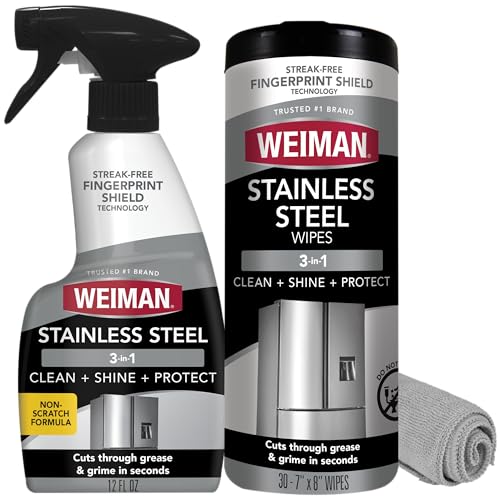
Cleans, polishes & protects stainless steel: Our stainless steel cleaner for appliances removes fingerprints, grease, residue, and water spots. This kit includes spray, which won a 2026 Good Housekeeping Cleaning Award, cloth & appliance wipes that leave a streak-free shine and a protective barrier that helps prevent future smudges.
Step-by-Step Guide to Cleaning Stainless Steel Appliances
| Steps | Details |
|---|---|
| 1 | Use a microfiber cloth to wipe down the stainless steel surface. |
| 2 | Mix a solution of mild dish soap and warm water to clean the surface. |
| 3 | Apply the soapy solution with a soft cloth, following the grain of the stainless steel. |
| 4 | Rinse the surface with clean water and dry with a clean cloth to prevent water spots. |
| 5 | For tough stains, use a stainless steel cleaner and polish with a soft cloth. |
Cleaning stainless steel appliances works best when you follow a simple order. Start by gathering your supplies: two or three microfiber cloths, mild dish soap, warm water, a soft sponge, and a dry towel. Use a stainless steel cleaner only when regular soap and water are not enough.
Before cleaning, turn off or unplug the appliance when it is safe and practical. This is especially helpful for small appliances or surfaces near control panels. Avoid spraying liquid directly onto electronic displays, buttons, vents, or openings.
First, wipe the surface with a damp microfiber cloth to remove loose dirt, crumbs, and dust. This step helps reduce the chance of dragging grit across the surface and causing small scratches.
Next, mix a few drops of mild dish soap with warm water. Dip a clean cloth into the solution, wring it out well, and wipe the stainless steel in the direction of the grain. The grain may run side to side or up and down, depending on the appliance.
After cleaning, use another cloth dampened with plain water to remove soap residue. Soap left behind can dry into streaks or dull patches. Finish by drying the surface with a clean microfiber towel. Drying is the step many people skip, but it makes a big difference.
Pro Tip: Keep one microfiber cloth for washing and another for drying. A dry finishing cloth helps create a cleaner shine and reduces streaks.
[Amazon Products Picked for You]

2-in-1 benefits clean while preventing future fingerprints and smudges.

Cleans, polishes & protects stainless steel: Our stainless steel cleaner for appliances, which won a 2026 Good Housekeeping Cleaning Award, helps clean delicate, hard-to-clean surfaces. This appliance cleaner removes grease, fingerprints, water spots and residue while restoring a polished, like-new shine.
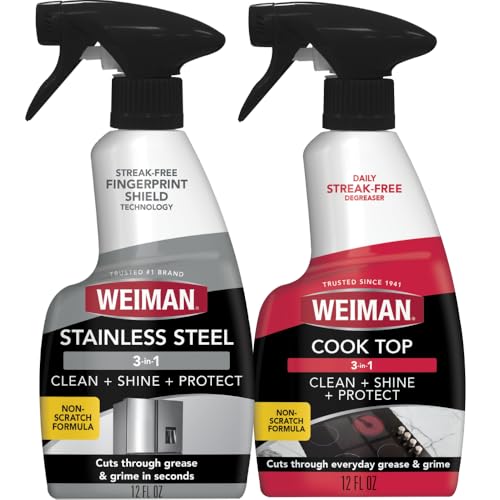
#1 selling stainless steel brand: Weiman a trusted cleaning brand for most of your home's delicate, difficult to care for surfaces. Clean, protect and enjoy your home with the best & most trusted stainless steel and cooktop cleaning products, which which won a 2026 Good Housekeeping Award.
Tips for Removing Tough Stains and Fingerprints
Even with regular cleaning, tough stains and fingerprints can still appear on stainless steel appliances. The best method depends on the type of mark. Fingerprints, grease, hard-water spots, and stuck-on food each need a slightly different approach.
For fingerprints and smudges, start with warm water and mild dish soap. Wipe with the grain, rinse, and dry. If fingerprints remain, use a stainless steel cleaner designed for smudge control, or try a lightly diluted vinegar solution followed by a clean-water wipe.
For stubborn grease, let a warm, soapy cloth rest on the spot for a few minutes. This softens the residue so you do not need to scrub aggressively. Wipe gently, rinse, and dry. Repeat if needed instead of reaching for an abrasive pad.
For burnt-on food or sticky residue, a baking soda paste can help. Mix baking soda with a small amount of water until it forms a soft paste. Apply it to the stain, let it sit for about 10 to 15 minutes, then wipe gently with a soft cloth or sponge. Rinse well and dry fully.
Baking soda has mild abrasive action, so use light pressure only. Do not use it like a scouring powder. Heavy scrubbing can leave fine scratches, especially on polished or brushed finishes.
For hard-water spots, wipe the surface with a damp cloth first. If spots remain, use a diluted vinegar solution briefly, then rinse and dry. Water spots often return when the surface air-dries, so always finish with a dry towel.
Note: Always test a new cleaner on a small hidden area first, especially if your appliance has a black stainless, fingerprint-resistant, coated, or specialty finish.
[Amazon Products Picked for You]

Polishes as it cleans to beautify and protect stainless steel, chrome, and aluminum appliances and metal surfaces

STAINLESS STEEL CLEANING BUNDLE: Includes a 16 oz. bottle of stainless steel cleaner and a premium 16" x 16" microfiber cloth

Water-based formula with foaming action won't drip
Preventing Future Stains and Maintaining the Shine

Preventing future stains on stainless steel appliances starts with quick cleanup. Wipe spills, sauces, salty residue, and acidic food marks as soon as you notice them. Tomato sauce, citrus juice, vinegar, brine, and salty water can leave marks when they sit too long.
After routine cleaning, some people apply a very thin layer of mineral oil or a stainless steel polish to improve shine and reduce fingerprints. If you do this, use only a small amount and buff the surface well. Too much oil can create a greasy film that attracts dust.
You can also reduce stains by changing small habits. Use cutting boards or plates instead of placing acidic food directly against stainless steel surfaces. Avoid leaving wet towels, sponges, magnets with rough backs, or metal tools against appliance fronts.
Pay attention to handles and edges because these areas collect the most fingerprints. A quick wipe every few days can keep the appliance looking clean between deeper cleaning sessions.
Regular inspections also help. Look for scratches, rust-colored marks, cloudy patches, or areas where cleaner may be collecting. Early care prevents small problems from becoming harder to fix later.
Common Mistakes to Avoid When Cleaning Stainless Steel
Many stainless steel cleaning problems come from using the wrong tool or too much force. A surface that looks tough can still scratch if you scrub it with abrasive materials.
One common mistake is using steel wool or scouring pads. These can leave scratches and may also leave tiny metal particles behind. Those particles can rust and create stains that look like the stainless steel itself is rusting.
Another mistake is using harsh cleaners, including bleach, ammonia, oven cleaner, or chloride-heavy products. These cleaners may damage the finish, cause discoloration, or increase the risk of corrosion over time.
Cleaning against the grain is another issue. Stainless steel often has fine lines that show the direction of the finish. Wiping with the grain helps reduce streaks and lowers the chance of visible scratch marks.
Skipping the rinse step can also cause trouble. Even gentle soap can leave residue if it dries on the appliance. That residue may look like a cloudy film or streaky patch. Rinse with a clean damp cloth and dry right away.
Using too much polish or oil can make the appliance look worse instead of better. A heavy layer attracts lint, dust, and fingerprints. Use a tiny amount, buff thoroughly, and keep polish away from food-contact surfaces unless the product label says it is safe for that use.
How to Clean Different Stainless Steel Appliance Surfaces
Different appliances collect different types of dirt, so your cleaning method may need small adjustments. The same basic rule still applies: start gentle, wipe with the grain, rinse, and dry.
Refrigerator Doors
Refrigerator doors usually collect fingerprints around the handles and water spots near dispensers. Use mild soap and warm water first. Dry the area around the dispenser carefully because mineral spots can form quickly.
Dishwasher Fronts
Dishwasher fronts often get water drips, detergent residue, and fingerprints. Wipe from top to bottom with the grain. Pay special attention to the edges near the control panel, but do not let liquid seep into buttons or seams.
Ovens and Ranges
Ovens and ranges often collect grease. Let the appliance cool before cleaning. Use a warm, soapy cloth to soften grease, then wipe gently. Avoid using oven cleaner on exterior stainless steel unless the product label clearly says it is safe for that surface.
Microwaves and Small Appliances
For microwaves, toaster ovens, coffee makers, and similar appliances, unplug the unit before cleaning when possible. Wipe the exterior with a damp cloth, then dry. Keep water away from vents, cords, heating elements, and digital controls.
Professional Maintenance and Restoration Options for Stainless Steel Appliances
For persistent stains, deep scratches, discoloration, or large damaged areas, professional stainless steel maintenance may be the safest option. Professionals can use polishing, buffing, and restoration methods that are difficult to do correctly with household supplies.
This can be helpful for expensive appliances, commercial kitchens, rental properties, restaurants, hospitals, and facilities with many stainless steel surfaces. Professional restoration may improve the look of scratched or dull areas without replacing the appliance.
Some companies also offer regular maintenance plans for commercial spaces. These plans may include scheduled cleaning, surface inspection, polishing, and care for stainless steel counters, appliances, sinks, and food-prep areas.
Before hiring a service, ask what methods and products they use. Make sure they have experience with appliance-grade stainless steel and specialty finishes. A coated or fingerprint-resistant finish may require a different approach from plain brushed stainless steel.
If you’re looking for the best tools to keep your stainless steel appliances sparkling clean, you may want to check out this article on the 5 most reliable cleaning tools set. Having the right tools can make all the difference when it comes to maintaining the shine of your appliances. Additionally, if you want to ensure your kitchen is not only clean but also disinfected, you may want to read about the 5 top disinfectant sprays for your kitchen. And for those looking to keep their kitchen drawers organized, especially for snacks, you may find the 5 top desk drawer organizers for snacks article helpful.
Related Guides
Frequently Asked Questions
What are the best methods for cleaning stainless steel appliances?
The best everyday method is to use warm water, mild dish soap, and a microfiber cloth. Wipe in the direction of the grain, rinse with clean water, and dry with a soft towel. For stubborn fingerprints or grease, use a cleaner labeled safe for stainless steel.
Can I use abrasive cleaners on stainless steel appliances?
No. Abrasive cleaners, scouring pads, and steel wool can scratch stainless steel and damage the finish. Use a soft cloth, microfiber towel, or non-scratch sponge instead.
How do I remove fingerprints and smudges from stainless steel appliances?
Use a microfiber cloth with warm water and a small amount of mild dish soap. Wipe with the grain, rinse the surface, and dry it fully. If smudges remain, use a stainless steel cleaner or a brief wipe with diluted vinegar followed by rinsing and drying.
Are there any cleaning products to avoid when cleaning stainless steel appliances?
Avoid chlorine bleach, ammonia, chloride-based cleaners, oven cleaner, abrasive powders, steel wool, and rough scrubbing pads. These can scratch, stain, dull, or damage stainless steel surfaces.
How often should I clean my stainless steel appliances?
Clean high-touch stainless steel surfaces once a week or as needed. Handles, refrigerator doors, and dishwasher fronts may need quick wiping more often because they collect fingerprints and smudges quickly.
Can vinegar damage stainless steel?
Vinegar can help with fingerprints and light mineral spots, but it is acidic. Do not let it sit on stainless steel for a long time. Use it briefly, rinse with clean water, and dry the surface well.
Why does my stainless steel look streaky after cleaning?
Streaks usually come from leftover soap, too much cleaner, hard-water residue, or air-drying. Rinse the surface with a clean damp cloth, then dry it right away with a microfiber towel.

3 thoughts on “Shining Stainless: How to Clean Your Appliances”