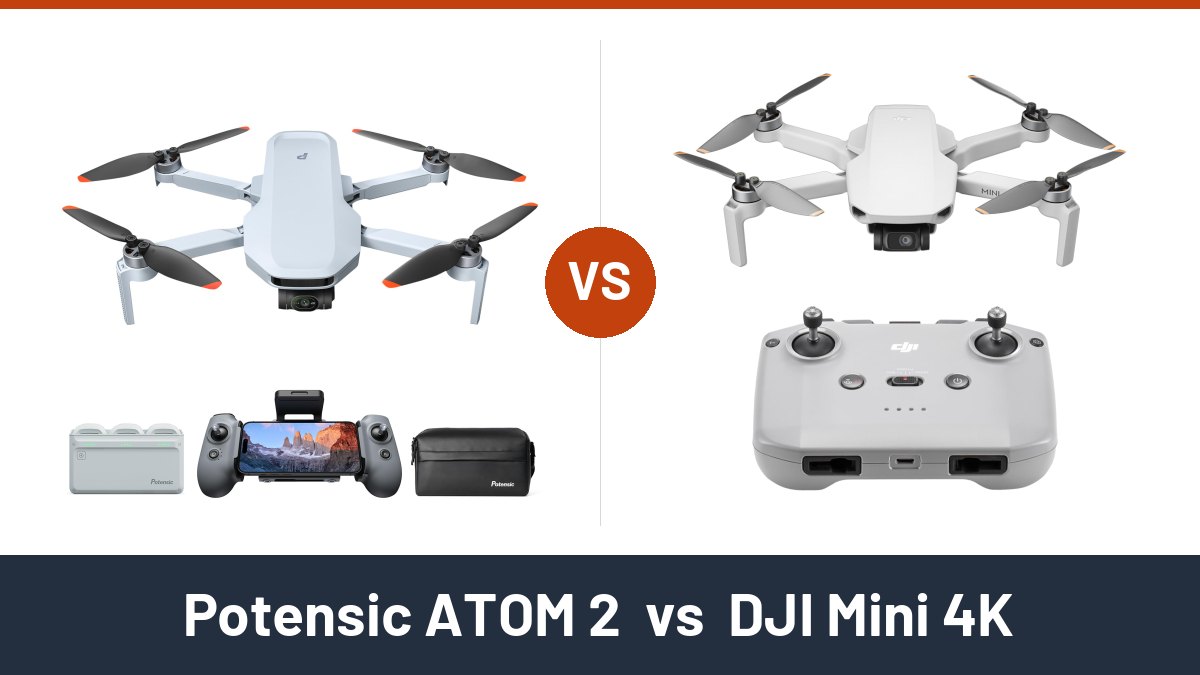
Trying to choose between the Potensic ATOM 2 and the DJI Mini 4K? This Potensic ATOM 2 vs DJI Mini 4K comparison covers two sub-250 g camera drones in the same budget tier, so your choice comes down to camera, video tools, and kit.
Short answer: the Potensic ATOM 2 is our overall pick, because its 1/2-inch, 48 MP sensor out-resolves the Mini 4K’s 1/2.3-inch, 12 MP sensor. Pick the DJI Mini 4K if you want 2.7K video at up to 60fps in a drone under 249 g.
We compared both on the same specs, using manufacturer and retailer spec sheets, independent reviews, and recall records.
Potensic ATOM 2 vs DJI Mini 4K Compared
| Compare |
 Best overall
Budget
|
 Best for travel
Budget
|
|---|---|---|
| Best for | Sharper photos and gradable 4K HDR video | Steady 4K travel clips and 60fps 2.7K |
| Sensor | 1/2-inch Sony CMOSBetter | 1/2.3-inch CMOS |
| Photos | 48 MPBetter | 12 MP |
| Video | 4K/30fps HDR, P-Log, 2.7K up to 30fps | 4K/30fps, 2.7K up to 60fps |
| Flight time | Up to 32 min | Up to 31 min |
| Weight | 249 g | Under 249 g |
| Score | 88/100 | 92/100 |
Potensic ATOM 2 vs DJI Mini 4K: Quick Verdict
Potensic ATOM 2
Bottom line: The Potensic ATOM 2 beats the DJI Mini 4K on camera hardware, with a larger 1/2-inch sensor and 48 MP photos. Buy it if image quality and editing options matter most to you.
- Sensor: 1/2-inch Sony CMOS, more light for cleaner dusk shots
- Photos: 48 MP, room to crop without losing detail
- Video: 4K/30fps HDR with P-Log, more flexibility when you edit
- Flight time: Up to 32 minutes, rated in calm air
- Weight: 249 g, under the FAA 250 g registration line
The camera is the main reason to pick this drone. The 1/2-inch sensor and 48 MP stills give you sharper photos and more room to crop than the Mini 4K’s 12 MP files. HDR video and the P-Log profile help you keep detail in bright skies and deep shadows.
Smart modes make good shots easier for new pilots. AI tracking offers Spotlight, Follow, and Parallel modes, and dolly zoom automates a cinematic move for you. An AI night mode helps at dusk, though a small drone sensor still has limits in low light.
Potensic also sells the ATOM 2 in a Fly More Combo with three batteries, a parallel charging hub, and a shoulder bag. That kit adds up to 96 minutes of rated flying, which suits travel days and property checks. Its 10 km PixSync 4.0 link and Level 5 wind resistance match the Mini 4K.
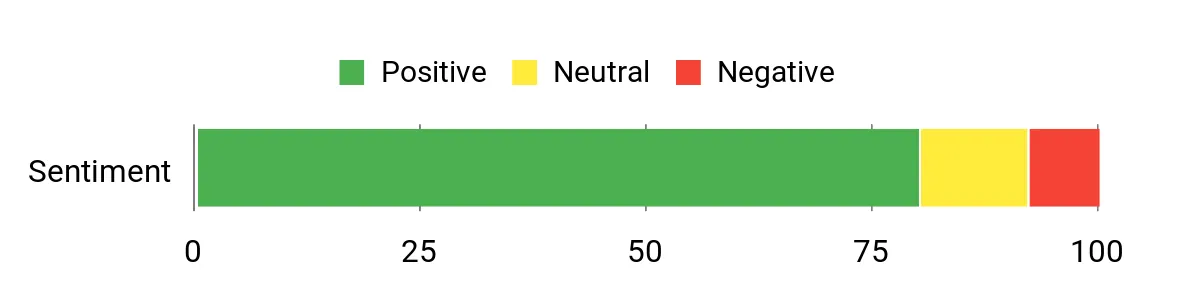
- 1/2-inch Sony CMOS sensor with 48 MP photos
- 4K/30fps HDR video plus P-Log for color grading
- AI tracking (Spotlight, Follow, Parallel) and dolly zoom modes
- Up to 32 minutes of rated flight and 10 km range
- Fly More Combo adds three batteries, a parallel charger, and a bag
- 2.7K video tops out at 30fps
- Zoom is digital (up to 4x), with quality loss at the long end
- Controller and app feel less refined than some competitors
DJI Mini 4K
Bottom line: The DJI Mini 4K matches the ATOM 2 on flight time, range, and weight, and adds 2.7K video at up to 60fps. Buy it if you want steady travel clips and don’t need high-resolution photos.
- Sensor: 1/2.3-inch CMOS, smaller, with less low-light headroom
- Photos: 12 MP, fine for social posts, less room to crop
- Video: 4K/30fps, plus 2.7K up to 60fps for smoother motion
- Flight time: Up to 31 minutes, rated in calm air
- Weight: Under 249 g, under the FAA 250 g registration line
The Mini 4K is built for steady, simple footage. Its 3-axis mechanical gimbal keeps 4K clips smooth, and 2.7K at up to 60fps gives you smoother pans and light slow motion.
It is easy to carry and easy to fly. At under 249 g, it fits small bags, and the DJI O2 link reaches up to 10 km (FCC). Its Level 5 wind resistance, up to 38 km/h, matches the ATOM 2.
The trade-off is the camera. The 1/2.3-inch, 12 MP sensor gives you smaller files than the ATOM 2’s 48 MP photos. QuickShots like Dronie, Rocket, Circle, Helix, and Boomerang help you get polished clips without manual stick work.
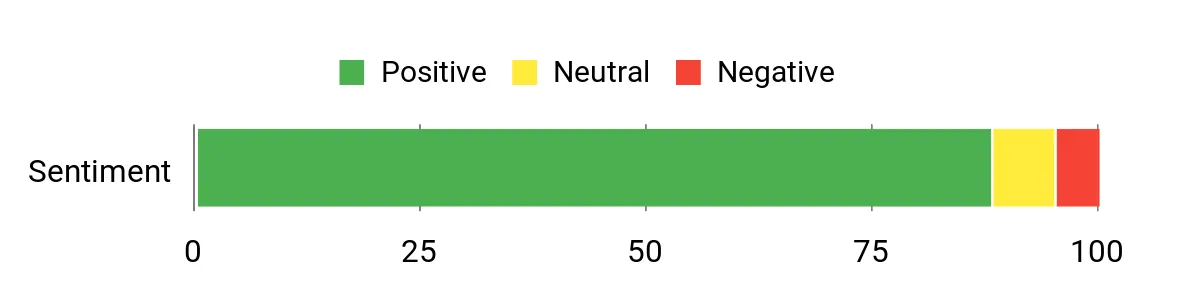
- 3-axis mechanical gimbal for steady 4K/30fps video
- 2.7K and 1080p at up to 60fps for smoother motion
- Under 249 g takeoff weight for easy travel
- 10 km DJI O2 range and Level 5 wind resistance
- Up to 31 minutes of rated flight time
- 1/2.3-inch, 12 MP sensor limits cropping and low-light detail
- No subject-tracking mode, only QuickShots and panoramas
- Some users run into app compatibility or setup friction
Potensic ATOM 2 vs DJI Mini 4K: Head-to-Head Breakdown
The core trade-off is camera versus frame rate. The Potensic ATOM 2 has the bigger, higher-resolution sensor, while the DJI Mini 4K records 2.7K at up to 60fps; flight time, range, and weight are close to even.
Camera and Photo Quality
Both drones use a 3-axis mechanical gimbal, so stabilization hardware is comparable on paper. The ATOM 2’s larger sensor and higher resolution give you more detail to crop and more light in shade. If you mostly post to social media, the Mini 4K’s 12 MP files are still enough.
Video Features
Both drones top out at 4K/30fps. Pick the ATOM 2 if you color grade, since P-Log keeps more highlight and shadow detail. Pick the Mini 4K if you want smoother motion at 2.7K without extra editing.
Flight Time and Battery
A one-minute gap won’t change your day. The kit matters more: the ATOM 2 Fly More Combo includes three batteries and a parallel charging hub, so check which kit each listing sells.
Range and Wind Resistance
On paper, neither gives you a stronger link or better gust handling. In practice you must keep either drone in sight, so real flights stay well inside that range.
Weight and Travel
That means no FAA registration for recreational flying in the US, though the free TRUST test still applies. Both fold down for easy packing, so either one fits a travel bag.
Value for Money
Within that tier, the ATOM 2 gives you more camera hardware, and its Fly More Combo bundles extra batteries. The Mini 4K gives you higher 2.7K frame rates and access to DJI’s app and accessories.
Potensic ATOM 2 or DJI Mini 4K: Which Should You Buy?
- Sharper photos you can crop: get the Potensic ATOM 2.
- Color grading your video: get the Potensic ATOM 2.
- Smooth 2.7K motion at 60fps: get the DJI Mini 4K.
- Staying with DJI’s app and accessories: get the DJI Mini 4K.
- The best all-round camera drone of the two: get the Potensic ATOM 2.
How We Compared
- Camera hardware: sensor size, photo resolution, and video modes, including HDR and color profiles
- Flight time and batteries: rated flight time, battery capacity, and what each kit includes
- Control link and wind: transmission system, rated range, and wind resistance level
- Weight and rules: takeoff weight against the 250 g registration line
- Safety records: recall searches for both models
We compared both drones on the same specs and the same variants, using manufacturer specs, major retailer listings, independent reviews, and safety and recall records. We did not fly them side by side.
Customer Preferences
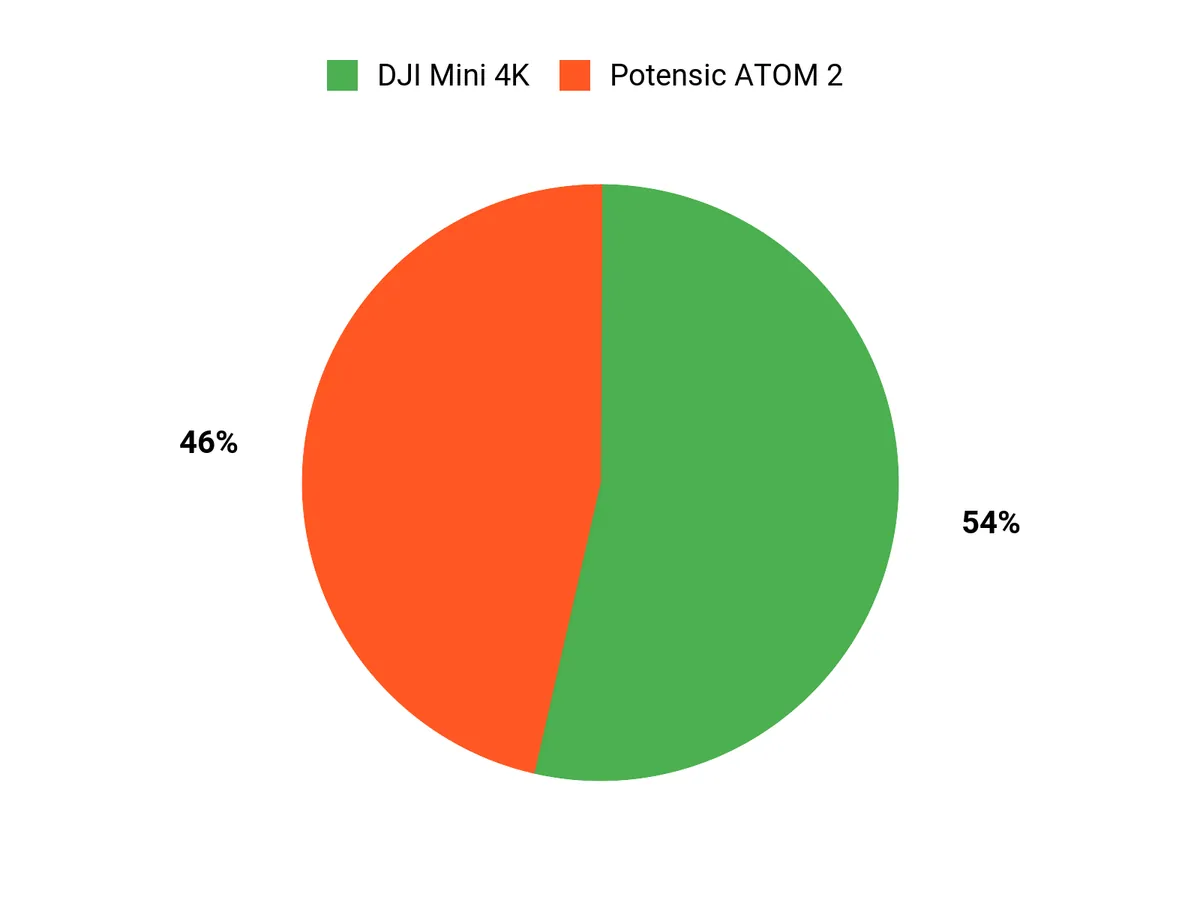
Buyers in this class usually weigh camera quality against simplicity. If you want sharper photos and more editing options, the Potensic ATOM 2 tends to fit. If you want steady 4K clips in a light DJI drone, the DJI Mini 4K is the usual choice.
How to Choose a Budget Camera Drone
Weight and Registration
Weight decides how much paperwork you face. In the US, recreational drones under 250 g don’t need FAA registration, though every recreational pilot must pass the free TRUST test. Other countries set their own limits, so check before you travel. Both the Potensic ATOM 2 and the DJI Mini 4K sit under 250 g.
Sensor Size and Photo Resolution
A larger sensor gathers more light, which helps at sunrise, sunset, and in shade. A 12 MP photo is plenty for phone screens and social posts. If you plan to crop, print, or edit heavily, more resolution helps. For photos, the Potensic ATOM 2 fits better with its 1/2-inch, 48 MP sensor.
Video Frame Rates and Color Profiles
4K at 30fps covers most travel and social video. Higher frame rates like 60fps give smoother pans and let you slow footage down. A flat profile like P-Log keeps more detail for editing but needs grading afterward. If you want smooth 2.7K clips straight from the drone, the DJI Mini 4K fits better.
Flight Time and Spare Batteries
Rated flight times come from calm-air tests, so real flights run shorter. One battery is enough for quick backyard practice. For travel days or property checks, plan on two or three batteries and a charging hub. The Potensic ATOM 2 Fly More Combo includes three batteries and a parallel charger.
Range, Wind, and Line of Sight
A 10 km rated range sounds large, but US rules require you to keep the drone within visual line of sight. Range mostly matters for a stable video feed near trees and buildings. Wind matters more day to day: both drones carry a Level 5 rating, about 38 km/h, so avoid gusty days either way.
Mistakes to Avoid When Buying Camera Drones
- Buying the wrong kit: check whether the listing is a standard kit or a Fly More Combo before you order.
- Trusting rated flight time: plan for shorter real flights and add spare batteries if you fly often.
- Using a slow memory card: pick a fast microSD card so 4K recording doesn’t stutter or stop.
- Ignoring local rules: check registration, Remote ID, and no-fly zones where you plan to fly.
- Chasing megapixels only: match the camera to how you share footage, since 12 MP is enough for social posts.
FAQs
Which Drone Is Best For Beginners?
Both are easy to learn, so pick by what you want to shoot. The DJI Mini 4K keeps things simple with QuickShots and a steady 3-axis gimbal. The Potensic ATOM 2 adds AI tracking and dolly zoom, and its Fly More Combo includes three batteries for more practice time. If you want the better camera to grow into, choose the Potensic ATOM 2.
Which Is Better For Travel And Regulations?
Neither has a clear edge. The DJI Mini 4K weighs under 249 g and the Potensic ATOM 2 weighs 249 g, so both stay under the FAA’s 250 g line for recreational registration. Both fold small and reach a rated 10 km. Rules differ by country, so check each destination before you fly.
How Do The Cameras Compare For Video And Photos?
The Potensic ATOM 2 has the stronger camera. Its 1/2-inch sensor shoots 48 MP photos and 4K/30fps HDR video with a P-Log profile. The DJI Mini 4K uses a 1/2.3-inch, 12 MP sensor and records 4K/30fps, plus 2.7K at up to 60fps. Use a fast microSD card in either drone.
What Is The Main Difference Between The Potensic ATOM 2 And DJI Mini 4K?
The main difference is the camera. The Potensic ATOM 2 pairs a larger 1/2-inch sensor with 48 MP photos, HDR video, and P-Log. The DJI Mini 4K has a 1/2.3-inch, 12 MP sensor but records 2.7K at up to 60fps. Flight time, range, wind resistance, and weight are nearly identical, so the choice comes down to photo quality versus frame rate.
Do I Need To Register Either Drone With The FAA?
For recreational flying in the US, no. The FAA requires registration for recreational drones at 250 g or more, and both weigh less: 249 g for the Potensic ATOM 2 and under 249 g for the DJI Mini 4K. You still need to pass the free TRUST test and follow local airspace rules. Commercial work under Part 107 needs registration at any weight.
Which Has The Longer Flight Time?
They are almost even. Potensic rates the ATOM 2 at up to 32 minutes, and DJI rates the Mini 4K at up to 31 minutes. Both figures come from calm-air tests, so expect less in wind or cold weather. For long sessions, plan on spare batteries, which the ATOM 2 Fly More Combo includes.
Which Drone Handles Wind Better?
Neither has an edge on paper. Both carry a Level 5 wind resistance rating, which works out to about 38 km/h. In practice, a drone this light still drifts in strong gusts, so fly in calmer conditions, keep the drone in sight, and land early if it starts to struggle.
Which Is Worth More For Content Creators?
For most creators, the Potensic ATOM 2 is worth more. Its 48 MP stills and P-Log video give you more room to crop and color grade. Its dolly zoom and AI tracking modes also help you film yourself. Choose the DJI Mini 4K instead if you want 2.7K at 60fps for smoother motion.
Final Verdict: Potensic ATOM 2 vs DJI Mini 4K
In the Potensic ATOM 2 vs DJI Mini 4K matchup, the ATOM 2 wins on camera, with a 1/2-inch, 48 MP sensor, HDR video, and P-Log. Flight time, range, wind resistance, and weight are a near tie. The DJI Mini 4K makes sense if you want 2.7K at 60fps from a DJI drone.

