You want a drone that matches the kind of work you do, whether that is cinema‑grade production or fast, reliable travel footage. This comparison isolates what matters most so you can decide quickly: sensor and lens capability, flight and transmission reliability, portability, and total cost of ownership.
By focusing on those tradeoffs you will know which model gives you the image quality or the convenience you actually need.
Top Picks
|
Category |
Product |
Score |
|---|---|---|
|
🏆 Best for Filmmakers |
92/100 |
|
|
🎯 Best for Travel Creators |
89/100 |
Selection Criteria
You need to know which specs translate to real results in the field, so we prioritized sensor performance, lens versatility, obstacle sensing, transmission range and reliability, battery life and upgrade options, and overall portability. We also weighed user experience factors such as controller integration, accessory ecosystems, and serviceability because those determine how quickly you can get airborne and how much downtime or repair cost you might face. Realistic pricing and the availability of creator-focused bundles were included to reflect the purchases most buyers will make.
Mavic 4 Pro

You get a drone designed around image quality and creative control. The tri-camera array gives you a 100MP Hasselblad main sensor plus two large CMOS tele options so you can swap focal lengths without changing lenses, and the Infinity Gimbal adds dynamic movement you would normally only get with a gimbal rig. In practical terms that means you can shoot high-resolution stills, 6K/60fps HDR footage, and smooth cinematic moves for client jobs, travel edits, or storytelling projects.
You will want a Fly More style kit or extra batteries if you plan long days, and adding simple accessories like a riser or prop protectors makes takeoffs and landings easier. If your work hinges on flagship image quality and flexible framing, this is the drone you reach for; if portability is more important, you might look elsewhere.
What People Say
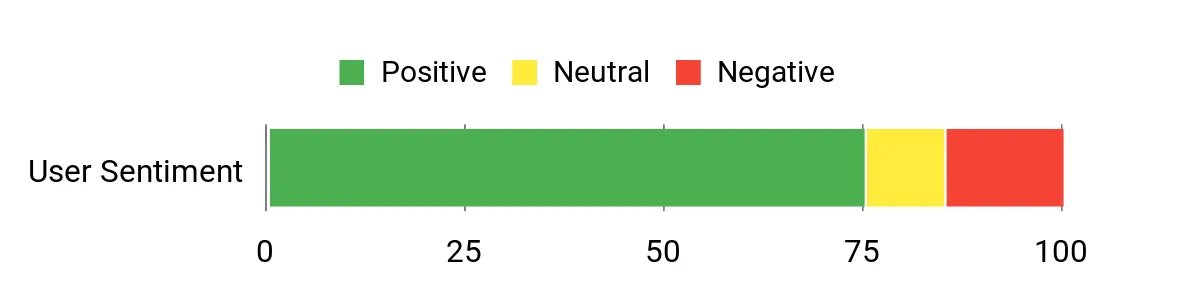
You will notice most buyers praise the image quality and the camera flexibility above all else, and many call out the reliable transmission and comprehensive sensors that make tricky shots more manageable. People also talk about the long flight times when using additional batteries and the value of the creator-focused bundles.
Common cautions include a fragile gimbal and potentially costly repairs or service limitations in some regions, so buyers often add protective accessories right away.
Overall Sentiment: Positive
|
Pros |
Cons |
|---|---|
|
✅ Unmatched still and video image quality for a consumer drone |
❌ Heavier and less pocketable than travel-focused models |
|
✅ Multiple tele options built in for fast focal changes |
❌ Gimbal sensitivity and repair costs are a concern for some buyers |
|
✅ Powerful transmission range and advanced obstacle sensing |
❌ You should plan to buy extra batteries and protective accessories |
|
✅ Designed with professional workflows and creator combos in mind |
Cost Over Time
Buying into this platform means you get hardware that supports professional deliverables, so over time the high-quality footage and efficient shoot days can offset the initial purchase if you use it for paid work. Expect ongoing costs for batteries, repairs, and accessories, and factor service limitations in your region into long-term ownership plans.
Return on Investment
If you produce commercial work, real estate listings, or paid social content, the Mavic 4 Pro can return value quickly by reducing the need for rented cinema gear and by delivering assets that command higher rates. For hobbyists who rarely sell footage, the ROI is smaller unless you specifically need the flagship image.
Situational Benefits
|
Situation |
How It Helps |
|---|---|
|
Commercial Filmmaking |
The 100MP sensor and 6K HDR video let you capture high fidelity plates and wide dynamic range for client deliverables and post workflows. |
|
Real Estate and Architecture |
High-resolution stills and multiple focal lengths help you produce detailed property images and dramatic perspective shots without multiple flights. |
|
Night and Low-Light Shoots |
0.1-Lux Nightscape sensing and large CMOS sensors give you better low-light capture and safer obstacle detection after dusk. |
|
Long Location Shoots |
The Fly More style combos and support for multiple batteries stretch your time on site so you can capture golden hours and multiple setups in one day. |
Versatility
The tri-camera design makes the Mavic 4 Pro unusually versatile for a single platform, covering wide, medium and tele needs without swapping modules. That saves setup time and keeps your framing options flexible during dynamic shoots.
Safety Features
You get omnidirectional obstacle sensing that performs well in complex environments and advanced night sensing that helps when light is low. The strong transmission link and multiple sensors reduce the chance of loss during demanding shots.
Innovation
The Infinity Gimbal and the combination of a 100MP Hasselblad sensor with dual large tele CMOS cameras are standout innovations for a consumer-legal drone. Those elements let you create shots that previously required larger rigs or multiple aircraft.
Travel Friendliness
At about 2.3 kg it is not the lightest option, so if you travel a lot you will notice the extra weight in your bag. It is still transportable and folds reasonably compactly, but you should plan for a protective case and expect to carry extra batteries.
Indoor / Outdoor Use
Outdoor performance is a strong suit thanks to sensors and transmission, and indoor flights are possible with care because of the omnidirectional sensing. For indoor work you should add prop protectors and keep flights conservative due to the gimbal’s sensitivity.
Key Benefits
- Flagship 100MP Hasselblad stills and 6K/60fps HDR video for professional results
- Tri-camera system gives real focal-length flexibility without swapping lenses
- Infinity Gimbal enables unique, continuous rotation shots for cinematic moves
- Robust obstacle sensing and long O4+ transmission range for confident flying
Rating: 4.3 (total: 210+)
Air 3S

You get a compact, capable drone built for creators who travel and shoot often. The Air 3S pairs a 1″ wide sensor with a medium tele camera so you can grab both expansive landscapes and tighter compositions without swapping gear.
It includes practical features like omnidirectional sensing and a bright RC 2 display in the Fly More kit, which keeps setup smooth on location and reduces the number of flights you need. For everyday content, weekend trips, or client shoots where mobility matters, the Air 3S balances image quality and convenience in a way that makes it easy to recommend for most creators.
What People Say
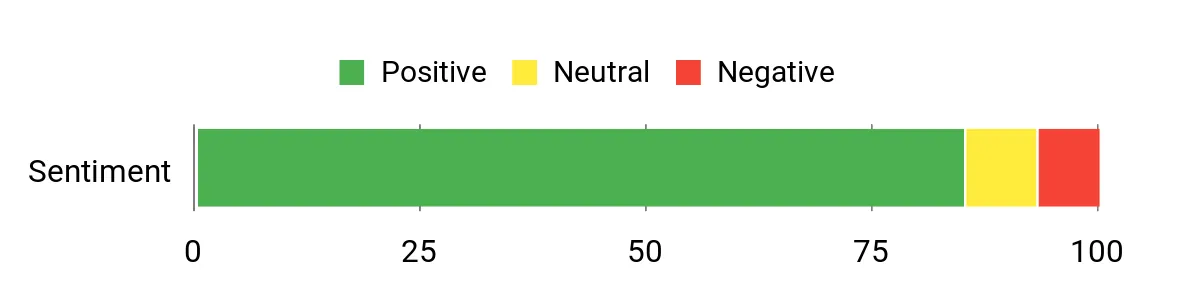
Buyers frequently praise the blend of portability and image quality, noting that the dual cameras let them capture a variety of shots without juggling multiple aircraft or lenses. Many users appreciate the reliable obstacle sensing and the longer on-site time that comes from the Fly More bundles.
Common caveats mention the need for extra storage and occasional concern about gimbal fragility, so people often add a gimbal guard and spare cards right away.
Overall Sentiment: Positive
|
Pros |
Cons |
|---|---|
|
✅ Excellent image quality for a travel-friendly drone |
❌ Still requires spare storage and extra batteries for long days |
|
✅ Versatile dual-camera setup for different framing needs |
❌ Gimbal sensitivity means you should use a protector |
|
✅ Strong safety suite with day and night sensing |
❌ Not as capable as flagship multi-camera rigs for cinema-grade stills |
|
✅ Fly More kits include practical, shoot-extending accessories |
Cost Over Time
Owning the Air 3S can lower recurring production costs by reducing rental days and speeding location work thanks to its reliability and included accessories. You will still budget for replacement propellers, extra batteries, microSD cards, and occasional service, but the bundled options help minimize early accessory spending.
Return on Investment
If you create travel content, social media work, or client videos, the Air 3S can pay back quickly by saving setup time and delivering publishable footage without extra gear. For casual hobbyists who rarely monetize footage, the payback is slower but you’ll still get a high-quality, user-friendly drone for personal projects.
Situational Benefits
|
Situation |
How It Helps |
|---|---|
|
Travel Vlogging |
Lightweight folding design and a shoulder bag make it easy to carry so you can get cinematic shots on the move without heavy kit. |
|
Quick Client Shoots |
Fast setup and a bright controller screen let you capture usable footage quickly, reducing time on site and reshoot risk. |
|
Low-Light Scenes |
Improved day and night sensing plus larger sensor performance help you shoot dusk and dawn moments with more confidence. |
|
Learning Pilots |
Stability, obstacle avoidance, and intuitive controls make it forgiving for pilots building skills while still delivering professional-looking results. |
Versatility
With a 1″ wide sensor and a dedicated medium tele camera, the Air 3S handles landscapes, travel shots, and tighter framing without swapping platforms. That flexibility is especially useful when you need to adapt quickly between scenes.
Safety Features
Day and night omnidirectional avoidance and a forward-facing LiDAR sensor provide strong obstacle detection in varied lighting, and the reliable transmission helps keep the drone responsive at range.
Innovation
The combination of dual 4K/60fps HDR capture and 10-bit color modes gives you richer footage for grading, while the compact controller options and bundled power accessories address real-world creator needs.
Travel Friendliness
Designed with travel in mind, the Air 3S folds down compactly and Fly More kits include a shoulder bag, making it simple to pack and pull out for quick shoots or multi-location trips.
Indoor / Outdoor Use
Outdoor use is ideal thanks to wind resistance and transmission range, but you can fly indoors if you enable sensors and use prop protectors. For tight indoor spaces keep flights conservative and use the gimbal protector.
Key Benefits
- Dual 4K/60fps HDR cameras cover wide and medium tele needs for versatile framing
- Day and night omnidirectional avoidance plus forward-facing LiDAR improves flight confidence
- Fly More combos include multiple batteries and useful accessories, extending shoot time
- Bright RC 2 display option simplifies in-field monitoring and composition
Rating: 4.7 (total: 832+)
FAQ
Do You Need the Mavic 4 Pro?
If your work depends on professional imaging, high-resolution stills, and cinematic movement, the Mavic 4 Pro is made for you because of its 100MP Hasselblad sensor, dual tele options, and Infinity Gimbal. If you mainly produce social content, travel videos, or fast turnaround client work where portability and quick setup matter more than maximum fidelity, the Air 3S will usually cover your needs.
Evaluate the type of deliverables you sell or want to produce and choose the platform that matches your output and post workflow.
Which Is Better for Travel and Everyday Use?
For travel and everyday content creation the Air 3S is the more practical choice thanks to its compact folding design, dual 4K/60fps HDR cameras, and Fly More accessory options that simplify on‑location shoots. The Mavic 4 Pro is transportable but noticeably heavier and more suited to planned production days where you benefit from flagship sensors and longer creative control.
Think about how often you carry gear and whether you prioritize mobility over the absolute top image quality.
How Should You Handle Maintenance, Batteries, and Regulations?
Plan for extra batteries, spare propellers, and protective accessories right away, and make protecting the gimbal a priority since repairs can be costly or limited in some regions. Use a riser or prop protectors for tricky takeoffs, keep multiple microSD cards on hand, and consider insurance or extended service options if you fly commercially.
Finally, follow local rules: register if required, complete preflight checks, and use apps or trusted tools to handle airspace authorizations so you avoid surprises during a shoot.
Customer Preferences
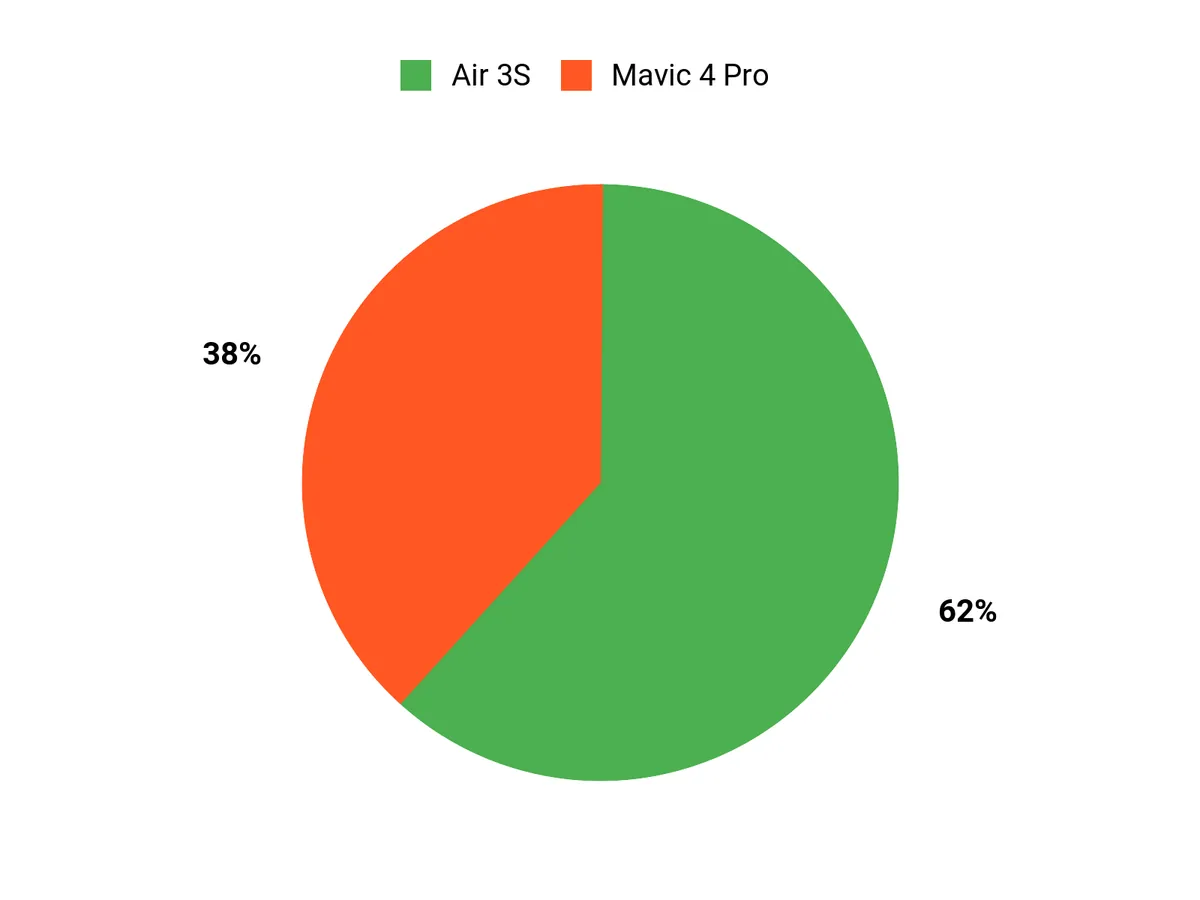
When choosing between the Mavic 4 Pro and the Air 3S you typically weigh flagship image fidelity and advanced creative controls against portability and fast setup. If you need top‑tier stills, multi‑focal flexibility, and cinematic gimbal moves you lean toward the Mavic 4 Pro; if you prioritize travelability, reliable obstacle sensing, and practical Fly More bundles the Air 3S is the usual choice.
Wrapping Up
If your priority is uncompromised image quality, multi‑focal flexibility, and a pro workflow, the DJI Mavic 4 Pro is built for that role with its 100MP Hasselblad main sensor, dual tele cameras, and high‑bandwidth options; expect to pay about $2,199.00 for the base kit and factor in extra batteries and protective gear for professional use. If you value a lighter, more travelable package that still delivers excellent 4K results and a strong set of safety features, the DJI Air 3S offers most creators the best balance at about $1,599.00.
In short, choose the Mavic 4 Pro when you need flagship imaging and cinematic control, and choose the Air 3S when portability, cost efficiency, and solid all‑round performance matter more to your workflow.
| DJI Mavic 4 Pro Drone With DJI RC 2 | DJI Air 3S Fly More Combo (RC 2) | |
|---|---|---|
|
|
|
|
| Rating | 4.3/5 (N reviews) | 4.7/5 (N reviews) |
| Camera Resolution | 100 MP (Hasselblad) | 50 MP |
| Video Capture | 6K at 60fps HDR | 4K at 60fps |
| Maximum Range | 30 km (18.6 miles) | 20 km (12.4 miles) |
| Battery Life | Up to 51 minutes | Up to 45 minutes |
| Get Details | Get Details |
This Roundup is reader-supported. When you click through links we may earn a referral commission on qualifying purchases.
