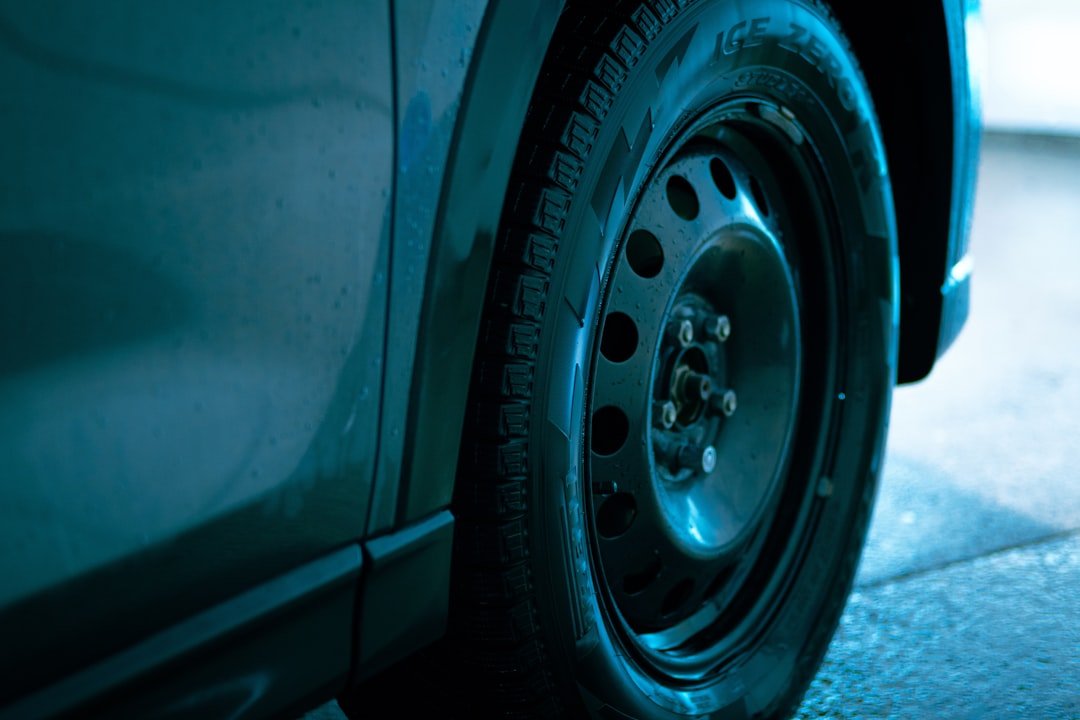
To reset a tire pressure warning light safely, first check every tire when cold and inflate it to the pressure on the vehicle’s Tire and Loading Information label. A light that comes on and stays solid usually points to significant underinflation, while a light that flashes for about 60–90 seconds and then stays on indicates a TPMS malfunction. Only use a reset, calibration, initialization, or relearn procedure after the tire pressures and tire condition are correct, and follow the exact instructions for your vehicle’s make, model, and year.
Last updated: September 21, 2026 — reviewed against current NHTSA guidance and manufacturer TPMS procedures.
Quick Answer
To reset a tire pressure warning light, first set all road tires to the recommended cold pressure listed on the vehicle’s Tire and Loading Information label and inspect them for damage or air loss. If the warning is solid, correct the pressure problem first. If it flashes for about 60–90 seconds before staying on, the TPMS has detected a system malfunction. After correcting tire pressure, follow your owner’s manual: some systems clear automatically, while others require calibration, initialization, or a relearn procedure.
Key Takeaways
- A solid tire pressure warning usually means at least one tire is significantly underinflated; check the tires with a gauge before attempting any reset.
- A TPMS light that flashes for about 60–90 seconds and then stays on indicates a system malfunction, not simply low tire pressure.
- Use the recommended cold pressure on the vehicle placard or in the owner’s manual, not the maximum pressure printed on the tire sidewall.
- Reset, calibration, initialization, sensor registration, and relearn are not always the same procedure.
- If the light returns after the pressures are correct, inspect for a leak, tire damage, an incomplete relearn, or a TPMS sensor/system fault.
At a Glance
| Time Required | About 10 to 30 minutes, plus any model-specific calibration or relearn drive |
| Difficulty | Easy for pressure checks; reset or relearn procedures vary by vehicle |
| Tools Needed | Accurate tire pressure gauge, air compressor or inflator, and your vehicle’s owner’s manual |
| Cost | Usually free if you already have a gauge and air source; sensor diagnosis or replacement may require professional service |
Read the Tire Pressure Light Before You Reset It
The warning pattern helps determine whether you should correct tire pressure, start a calibration procedure, or have the TPMS diagnosed. Do not treat every illuminated TPMS symbol as a reset problem.
| What the Light Does | Likely Meaning | What to Do |
|---|---|---|
| Comes on and stays solid | At least one tire may be significantly underinflated | Inspect the tires and check all road-tire pressures cold against the vehicle placard |
| Comes on during cold weather, then turns off later | Pressure may be close to the warning threshold and dropping with temperature | Do not ignore it; measure and correct the cold tire pressure |
| Flashes for about 60–90 seconds, then stays on | TPMS malfunction | Check tire pressure manually and have the TPMS inspected if the pattern continues |
| Returns soon after proper inflation | Possible leak, tire damage, incorrect calibration, or sensor/system problem | Recheck cold pressure and inspect or diagnose the cause instead of repeatedly resetting the warning |
Understanding the Tire Pressure Warning Light
The tire pressure warning light is a dashboard indicator that alerts you when the vehicle detects significant tire underinflation or, through a different warning pattern, a problem with the tire pressure monitoring system. The symbol often looks like a cross-section of a tire with an exclamation mark inside it.
A tire pressure monitoring system, or TPMS, warns you about significant underinflation, but it does not replace regular checks with an accurate tire pressure gauge.
Underinflated tires can increase heat buildup, rolling resistance, and tire wear while affecting steering and braking. Overinflation can also affect ride quality, traction, tread contact, and resistance to impact damage.
The National Highway Traffic Safety Administration’s tire-safety guidance explains that TPMS may use sensors in the tires or wheel-speed and other vehicle data, depending on the system design. Your owner’s manual can tell you how the system works on your vehicle.
Temperature changes can also trigger the tire pressure light. A tire that is close to the warning threshold may fall below it as ambient temperature drops, then rise again as conditions warm. Do not assume a cold-weather warning is harmless. Check the actual cold pressure and inspect the tires before attempting a reset.
Warning: Never reset or initialize the tire pressure system simply to silence a warning before checking the tires. A reset cannot repair a puncture, leak, damaged tire, or failed TPMS component.
Checking Tire Pressure
Start by checking the actual tire pressure with a reliable digital or analog gauge. Use the recommended cold pressure printed on the vehicle’s Tire and Loading Information label, normally inside the driver-side door area, or use the owner’s manual if necessary.
Check tire pressure when the tires are cold—ideally before driving or after the vehicle has been parked for at least three hours. Driving heats the tires and raises pressure, so a warm reading should not be treated as the vehicle’s cold-pressure specification.
Begin by removing the valve cap from one tire and pressing the gauge firmly onto the valve stem. Compare the reading with the correct front or rear pressure on the vehicle label; the front and rear specifications may differ.
If the reading is low, add air in small amounts and recheck it. If the cold reading is above the vehicle specification, release a small amount of air and measure again. Repeat the process for all road tires. Check the spare separately if the vehicle has one, using the spare-tire specification in the owner’s manual or label; do not assume the spare uses the same pressure as the road tires or that it is monitored by TPMS.
If a tire is visibly flat, has a sidewall bulge, deep cut, exposed cords, or is losing air rapidly, do not keep driving on it merely to complete a TPMS reset. Have the tire repaired or replaced as appropriate.
Pro Tip: Use the pressure listed on the vehicle placard or specified in the owner’s manual, not the maximum pressure printed on the tire sidewall. The sidewall maximum is not the normal inflation target for the vehicle.
Finding the Reset Button or Calibration Menu

After the tire pressures and tire condition are correct, check whether your vehicle actually requires a manual TPMS reset, initialization, or calibration. The control varies by make, model, year, market, and TPMS design.
Some vehicles use a physical TPMS or SET button. Others place the function in the instrument-cluster or infotainment menu, and some systems do not need a driver-operated reset for an ordinary low-pressure warning. Use your owner’s manual rather than assuming another vehicle from the same brand uses the same process.
On vehicles with a menu-based procedure, look for labels such as “Vehicle Settings,” “Tire Pressure,” “TPMS,” “Calibrate,” “Set Pressure,” or similar wording. The exact menu name and ignition/power-mode requirements are vehicle-specific.
Note: A reset button is not universal. Do not use a generic sequence of ignition cycles, button presses, or tire deflation unless that sequence appears in the instructions for your exact vehicle.
How to Reset the Tire Pressure Warning Light
| Situation | Correct Next Step |
|---|---|
| Solid warning and one or more tires are low | Correct the cold pressure and inspect for the cause of air loss. Do not start with a reset. |
| Vehicle uses an indirect TPMS calibration | Set all tires correctly, start calibration through the model-specific menu or control, then complete the required drive cycle. |
| Vehicle has a TPMS reset or initialization control | Use the physical button or dashboard function exactly as described in the owner’s manual after setting the correct tire pressures. |
| Tire rotation, wheel replacement, or sensor replacement | Confirm whether the vehicle needs position relearning, sensor-ID registration, programming, a drive cycle, or a scan/relearn tool. |
| Light flashes for about 60–90 seconds before staying on | Treat it as a TPMS malfunction. Check pressure manually and diagnose the system instead of repeatedly resetting it. |
A safe general sequence is to inspect the tires, identify the correct cold pressure, measure every road tire, correct any pressure problem, and then check the owner’s manual to see whether a reset or calibration is required. After completing the specified procedure, drive only as directed by the manual and confirm that the warning stays off.
Manufacturer documentation shows why a single universal reset sequence is unreliable. For example, Honda’s current HR-V manual describes menu-based TPMS calibration and a cumulative calibration drive. Ford documentation shows a menu-based reset on one vehicle, while other Ford applications use a separate sensor-training sequence. Always match the procedure to the exact vehicle.
Reset vs Calibration vs Relearn: What Is the Difference?
These terms describe related but different operations, and using the right one matters. Correcting tire pressure fixes an inflation problem; a TPMS command cannot substitute for that repair.
- Reset or initialization: On some vehicles, this establishes or updates the system’s pressure reference after the tires have been set correctly.
- Calibration: Common on indirect TPMS designs, calibration teaches the system a new reference based on wheel behavior after the tires are correctly inflated.
- Relearn or sensor registration: A direct TPMS may need to learn sensor IDs, wheel positions, or newly installed sensors after tire, wheel, or sensor service.
- Sensor programming: Some replacement sensors must be configured before the vehicle can register or relearn them.
For a deeper explanation, see TPMS reset vs relearn and how the procedures differ.
Using the Vehicle’s Menu
If your vehicle provides a dashboard or infotainment TPMS function, use that menu only after all applicable tires have been set to the correct cold pressure. The menu may start a calibration, initialize a reference pressure, or begin another vehicle-specific procedure.
Park the vehicle safely and place the ignition or power mode in the state specified by the owner’s manual. Navigate using the touchscreen, steering-wheel buttons, or instrument-cluster controls, then locate the tire-pressure or TPMS settings.
Follow the confirmation prompts exactly. Some vehicles begin calibration immediately, while others require a drive cycle before learning is complete. Do not assume the warning must disappear the instant you select the menu command.
If the display shows individual tire-pressure readings, compare a suspicious reading with a reliable handheld gauge. A dashboard pressure display is useful, but the vehicle placard and an accurate cold-pressure measurement remain the basis for correcting inflation.
When a Manual Relearn Is Required

A manual relearn may be required after sensor replacement, wheel replacement, certain tire rotations, installation of another wheel set, or service that changes which TPMS sensors the vehicle recognizes. This is different from simply correcting low tire pressure.
Depending on the vehicle, a relearn can involve a dashboard sequence, a dedicated TPMS activation or scan tool, a prescribed driving procedure, or sensor-ID registration through service equipment. Because these methods differ even within one manufacturer, follow the exact owner’s manual or service information rather than a generic ignition-button sequence.
A reset cannot revive a failed sensor, register every replacement sensor automatically, or repair a tire that is continuing to lose air.
After the specified procedure is complete, confirm that the tire pressure warning light stays off during normal driving. If a malfunction warning continues, have the system tested instead of repeating resets.
Troubleshooting Tips
If the tire pressure warning light stays on after you have corrected the pressure, diagnose the warning pattern before doing anything else. Recheck all road tires while cold, and check a monitored spare if your vehicle uses one.
Inspect each tire for nails, screws, cuts, cracks, sidewall bulges, uneven wear, or other visible damage. If one tire repeatedly loses pressure, find and repair the leak rather than continually topping it off and resetting the system.
A direct TPMS sensor or another system component can also fail. Sensors may be damaged during tire service, stop communicating with the vehicle, or otherwise develop a fault. A tire shop, mechanic, or dealership can use TPMS diagnostic equipment to determine whether the vehicle is receiving valid sensor signals.
If the vehicle recently had a tire rotation, tire replacement, wheel replacement, or sensor replacement, verify that the correct model-specific calibration, position relearn, or sensor-registration procedure was completed.
Why the Light Blinks Before Staying On
A TPMS warning that flashes for approximately 60–90 seconds and then remains illuminated indicates that the system has detected a malfunction. NHTSA advises having the system inspected. Until the malfunction is repaired, continue checking tire pressure manually because the TPMS may not be able to warn you reliably about underinflation.
Why the Light Comes Back After Resetting
If the light returns after a reset or calibration, recheck every applicable tire when cold. A tire that has lost pressure again likely has an air-loss problem that needs diagnosis. If all pressures remain correct, confirm that the exact model-specific procedure was completed and investigate the TPMS sensors, receiver, registration, or calibration rather than repeatedly resetting the warning.
Importance of Maintaining Proper Tire Pressure
Maintaining the pressure specified by the vehicle manufacturer supports tire durability, predictable handling, and efficient operation. Underinflation increases rolling resistance and heat generation and can accelerate tire wear.
Proper tire pressure also supports steering, cornering, and braking performance by keeping the tires operating within the conditions intended by the vehicle and tire manufacturers. Pressure should therefore be maintained even when no TPMS warning is illuminated.
NHTSA recommends checking tire pressure at least monthly, including the spare where applicable, and before long trips. The U.S. Department of Energy also notes that properly inflated tires can improve fuel economy and advises using the vehicle pressure specification rather than the maximum pressure molded into the tire sidewall.
Understanding the difference between low pressure, calibration, relearning, and a TPMS malfunction prevents unnecessary resets and helps you respond to the warning correctly. Start with the tires themselves, then use the exact procedure specified for the vehicle.
For more detail, see our guide to TPMS reset vs relearn and our guide to finding the correct tire pressure for your car.
Related Guides
Frequently Asked Questions
What is a tire pressure warning light?
A tire pressure warning light is a dashboard indicator that warns when at least one tire is significantly underinflated. A different warning pattern, such as flashing for about 60–90 seconds before staying on, can indicate a TPMS malfunction.
Why does the tire pressure warning light come on?
A solid tire pressure warning commonly appears because one or more tires are significantly underinflated. Causes can include normal air loss, a puncture, another leak, or a temperature drop. A flashing-then-solid warning indicates a TPMS malfunction.
How do I reset the tire pressure warning light?
First, inspect the tires and adjust them to the recommended cold pressure on the vehicle placard. Then follow the owner’s manual for your exact model and year. Some systems clear after the pressure is corrected, while others require a reset, initialization, calibration, or relearn.
Can I reset the tire pressure warning light myself?
Many drivers can correct tire pressure and perform a documented dashboard reset or calibration themselves. If the light flashes, a tire keeps losing air, replacement sensors are not recognized, or the vehicle requires diagnostic equipment, professional service may be needed.
What should I do if the tire pressure warning light continues to come on after resetting it?
Recheck all applicable tire pressures when cold and inspect for air loss, punctures, sidewall damage, or valve problems. If the pressures remain correct, confirm the proper calibration or relearn procedure and have the TPMS tested if the warning continues.
Is it safe to drive with the tire pressure warning light on?
Treat the warning seriously. Stop in a safe place, inspect the tires, and measure their pressure as soon as practical. Do not continue normal high-speed or long-distance driving on a tire that is visibly low, damaged, or rapidly losing air.
Why did my tire pressure light come on after cold weather?
Lower ambient temperature can reduce tire pressure enough to cross the TPMS warning threshold. Check every applicable tire while cold and adjust it to the vehicle’s recommended pressure rather than waiting for the light to disappear as the tire warms.
Will the TPMS light reset itself after I add air?
It depends on the vehicle. A low-pressure warning may clear after the tires are correctly inflated and the system updates, but some vehicles require a calibration, initialization, or specified drive cycle. Check the owner’s manual before using a manual reset.
What is the difference between a TPMS reset and a relearn?
A reset or initialization generally updates a pressure reference where the vehicle uses one. A relearn or sensor-registration procedure can teach a direct TPMS the sensor IDs or wheel positions it needs to recognize. The terminology and procedure vary by vehicle.
Sources
- National Highway Traffic Safety Administration: Tire Safety and TPMS — supports warning-light interpretation, cold-pressure checks, vehicle-placard guidance, and monthly tire-pressure checks.
- Honda Owner’s Manual: Tire Pressure Monitoring System and Calibration — demonstrates a current menu-based TPMS calibration procedure and required calibration driving.
- Ford Owner’s Manual: Resetting the Tire Pressure Monitoring System — demonstrates a model-specific menu reset and automatic sensor relearn.
- U.S. Department of Energy: Gas-Saving Tips — supports proper tire-inflation guidance and the relationship between tire pressure and fuel economy.