
Choosing a tool pegboard for your home starts with matching the board to the space, the tools you need to store, and the amount of weight the wall system must hold. A light craft board, a moisture-resistant kitchen board, and a heavy-duty garage pegboard all solve different problems, so the best choice depends on where you install it and how you plan to use it.
Quick Answer
For most home garages and workshops, choose a metal or reinforced plastic pegboard with clear load ratings, standard 1-inch hole spacing, and enough wall coverage for your current tools plus future additions. For lighter home organization, hardboard works well if the area stays dry and the items are not too heavy.
Key Takeaways
- Pegboards come in perforated hardboard, metal, and plastic, and each material fits a different storage need.
- Choose the board based on where it will go, what you will hang, and whether the space has moisture, dust, or heavy use.
- Standard pegboards commonly use 1-inch on-center hole spacing, but hole size and accessory compatibility can vary.
- Weight capacity depends on the panel, hooks, fasteners, wall structure, and how evenly you spread the load.
- A good layout keeps frequently used tools at eye level and leaves extra room for new hooks, bins, and shelves.
At a Glance
| Time Required | 30 minutes to 2 hours, depending on board size, wall type, and layout planning. |
| Difficulty | Easy to moderate for most homeowners with basic measuring and drilling skills. |
| Tools Needed | Tape measure, pencil, level, stud finder, drill, screws, spacers or furring strips, and suitable wall anchors if needed. |
| Cost | Budget-friendly for hardboard, moderate for plastic, and usually higher for heavy-duty metal systems. |
Pegboards have become a staple in both home organization and professional workshops, offering a versatile solution for storing tools, craft supplies, kitchen items, gardening supplies, cleaning accessories, and many other household items. The most common type of pegboard is the traditional perforated hardboard, which features evenly spaced holes that allow for the insertion of hooks and other accessories. This type is often favored for its affordability, wide availability, and ease of use.
However, hardboard is not the only option. Plastic pegboards provide a lightweight alternative, making them useful in environments where weight, moisture, or easy cleaning matters. These plastic options are often resistant to moisture and can be wiped down easily, making them suitable for kitchens, bathrooms, laundry areas, mudrooms, or hobby spaces.
Metal pegboards are another strong option for garages, sheds, and workshops. They often cost more than hardboard, but they usually offer better durability, a cleaner finished look, and stronger support when installed correctly. Metal systems also tend to accept specialized hooks, shelves, bins, and tool holders that lock into place more securely than basic hooks on thin hardboard.
In addition to material differences, pegboards can also vary in terms of hole size and spacing. Standard pegboards typically have holes spaced one inch apart, accommodating a wide range of hooks and accessories (commonly 1 in. on-center; holes are typically 1/8–1/4 in.) (AlligatorBoard FAQs, accessed 2025-10-22; Panel Processing, accessed 2025-10-22). However, there are also specialized pegboards with larger holes designed for heavier tools or equipment. Some pegboards even feature a grid pattern, allowing for more customization in terms of layout and organization (e.g., square-hole steel systems like Triton LocBoard).
Understanding these variations is crucial for selecting the right pegboard for your specific needs, as each type offers unique advantages depending on the intended use.
Factors to Consider When Choosing a Pegboard
When selecting a pegboard, several factors come into play that can significantly influence your decision. One of the primary considerations is the intended use of the pegboard. If you plan to use it in a garage or workshop for heavy tools, you need a pegboard that can support meaningful weight and withstand regular wear and tear.
Conversely, if you are organizing craft supplies in a home office, a lighter material may suffice. Additionally, consider the environment where the pegboard will be installed. Areas with high humidity may require moisture-resistant materials to prevent warping, swelling, rust, or damage.
Another important factor is the type of accessories you plan to use with your pegboard. Different pegboards accommodate various hook styles and sizes, so it’s essential to ensure compatibility between your chosen board and the accessories you intend to purchase. Some pegboards come with specific accessory kits that include hooks, shelves, and bins tailored to fit properly.
Furthermore, think about how you want to arrange your items. If you have larger tools or equipment, you may need a pegboard with larger holes, locking accessories, heavier-duty hooks, or additional support features to keep everything securely in place.
Note: The pegboard itself is only one part of the system. The hooks, fasteners, wall studs, anchors, spacers, and load distribution all affect how safely the board performs.
Choosing the Right Size and Shape for Your Space

The size and shape of your pegboard are critical elements that can affect both functionality and aesthetics in your space. Before making a purchase, measure the area where you plan to install the pegboard. Consider not only the width and height but also how much clearance you need if you plan to add shelves, bins, baskets, long-handled tools, or deep hooks.
A larger pegboard can provide more storage options but may overwhelm a small room if not proportioned correctly. Conversely, a smaller board might not offer enough space for all your tools or supplies. If your tool collection is growing, choose a board that leaves some open space rather than filling every hole on day one.
Shape is another consideration that can impact how effectively you utilize your pegboard. While rectangular boards are the most common, square or even custom-shaped boards can fit into unique spaces or corners more effectively. For instance, a triangular pegboard could be an excellent solution for utilizing an awkward corner in a garage or workshop.
Additionally, modular pegboards that can be combined or rearranged offer flexibility for those who may want to change their layout over time. This adaptability can be particularly beneficial in dynamic environments where needs may evolve.
How to Match Pegboard Size to Your Tool Collection
Start by grouping your tools before you buy the board. Lay out hand tools, measuring tools, garden tools, power tool accessories, tape rolls, clamps, and bins on a table or floor. This helps you see how much wall space you actually need.
For a small household tool kit, a compact pegboard may be enough for a hammer, pliers, screwdrivers, tape measure, scissors, and a few hooks. For a garage or workshop, you may need a larger panel or several panels installed side by side. If you store bulky tools like drills, saws, clamps, or extension cords, allow extra space between items so they do not crowd each other.
Pro Tip: Trace your most-used tools on paper or painter’s tape before finalizing the layout. This helps you test spacing before drilling holes or buying extra accessories.
Assessing Weight Capacity and Durability
| Product | Weight Capacity (lbs) | Durability Rating |
|---|---|---|
| Wall Control Industrial Metal Pegboard | 56 per sq ft (Northern Tool listing, accessed 2025-10-22) | Heavy-duty metal construction; best suited for garage and workshop use when mounted correctly. |
| Triton DuraBoard Polypropylene (24″×48″) | 250 per board (Amazon product detail, accessed 2025-10-22) | Moisture-resistant plastic option; useful where cleaning and corrosion resistance matter. |
| DiamondLife PegBoard PX (plastic) | 25 point load @ 6″ from face (Manufacturer PDF, accessed 2025-10-22) | Plastic panel designed for clean storage displays and home organization areas. |
| AlligatorBoard Steel Pegboard Panels (set) | 180 total capacity (Imperial Supplies listing, accessed 2025-10-22) | Steel panel system; better for heavier tool storage than basic hardboard when installed properly. |
Weight capacity is a crucial factor when selecting a pegboard, especially if you plan to store heavy tools or equipment. Load ratings vary by brand, material, and mounting method, so always follow the manufacturer’s specification for your specific panel. For reference, steel systems like Wall Control list 56 lb/sq ft (Northern Tool product page, accessed 2025-10-22), plastic systems like Triton DuraBoard rate 250 lb per 24″×48″ board (Amazon product details, accessed 2025-10-22), DiamondLife reports a 25 lb point load at 6″ for PegBoard PX (manufacturer PDF, accessed 2025-10-22), and select AlligatorBoard kits specify 180 lb total (Imperial Supplies listing, accessed 2025-10-22).
It’s essential to consider not only the weight of the items you intend to hang but also how they will be distributed across the board. One heavy tool concentrated on a long hook can stress the board more than several lighter tools spread across multiple hooks. Long hooks also create leverage, which can pull harder on the board than the tool’s weight alone suggests.
Durability is closely tied to weight capacity but also includes resistance to wear, moisture, temperature changes, rust, and repeated accessory movement. For instance, if your pegboard will be exposed to moisture or extreme temperatures, selecting a material that can withstand these conditions is vital.
Metal pegboards are often more durable than their wooden counterparts and can resist rusting when coated properly. Additionally, consider how often you will be rearranging items on the board. Frequent adjustments may require a more robust design that can endure repeated use without showing signs of wear.
Warning: Do not rely on drywall alone for heavy tools. For safer support, fasten the pegboard system into wall studs or use anchors rated for the load and wall type.
[Amazon Products Picked for You]

Suitable for organizing garage tools or garden tools and all kinds of tools. Fits all standard 1/8" and 1/4" pegboard hooks. A nice choice for storing and holding your tools in home, garage, apartment, utility room, basement or shed.

METAL NAILBOARD: Our peg board panels are made of high quality steel with a powder coated finish that is strong, scratch resistant and easy to clean. Each small pegboard has a weight capacity of up to 50 lbs. This is a favorite product for tool organizers, DIY enthusiasts, store owners and office workers.

WIDE APPLICATIONS—The pegboard is suitable for organizing garage tools or garden tools and all kinds of tools. Such as rakes, shovels, push brooms, bikes, bags, towels, robes, keys, shirts, pants, umbrellas, rain boots and other hand tools, etc. You can use it to hang all the things you want to organize. A nice choice for storing and holding your tools in home, garage, apartment, utility room, basement or shed.
Selecting the Best Material for Your Needs
The material of your pegboard plays a significant role in its overall performance and suitability for your specific application. Hardboard is one of the most common materials used for pegboards due to its affordability and ease of installation. However, it is susceptible to moisture damage and may not be ideal for humid environments like bathrooms, kitchens, laundry rooms, or damp garages.
On the other hand, metal pegboards offer superior durability and weight capacity but can be more expensive and may require additional mounting hardware. They are often a smart choice for serious tool storage, especially if you hang heavier items or move hooks often.
Plastic pegboards present another option that combines lightweight construction with moisture resistance. They are particularly useful in areas where cleaning is essential since they can be wiped down easily without fear of swelling or warping.
Additionally, some plastic boards come in various colors and designs, allowing for greater customization in aesthetic appeal. Ultimately, the choice of material should align with both functional requirements and personal preferences regarding appearance and maintenance.
[Amazon Products Picked for You]

Metal Pegboard Construction:Stop worrying about sagging plastic. Our metal pegboard is crafted from durable metal , offering a superior 300-lb capacity — 50% stronger than common sets. This rust-free, lifelong foundation provides secure storage, making it the ideal wall organizer for your garage, craft room, or workshop.

Wall Control metal pegboard is more than 10 times stronger than conventional pegboard

PEGBOARD RACK PACKS PLENTY OF MUSCLE: Wall Control Shiny Metallic Pegboard is over 10 times stronger than conventional pegboard due to its metal construction. Wall Control Metal Pegboard Racks can also hold more weight than imitator metal pegboards from other brands because of Wall Control's patented flush-with-the-wall mounting flange which offers a much more secure attachment to the wall for safer storage at higher weights.
Hardboard Pegboards
Hardboard pegboards work well for light to medium home organization. They are affordable, easy to cut, and widely compatible with common pegboard hooks. Choose hardboard when you need a simple solution for small hand tools, craft supplies, lightweight kitchen tools, or a utility closet.
The main drawback is moisture sensitivity. If the board gets damp, it may swell, warp, or lose strength over time. It can also wear around the holes if you frequently move hooks or hang heavy items.
Metal Pegboards
Metal pegboards are best for garages, workshops, and high-use tool walls. They usually feel more rigid than hardboard and can offer a cleaner, more professional look. Many metal systems also use slotted or square-hole designs that help hooks stay locked in place.
The main drawbacks are cost and system compatibility. Some metal pegboards work best with their own branded hooks and accessories, so check compatibility before buying a large set.
Plastic Pegboards
Plastic pegboards are useful in moisture-prone or easy-clean areas. They are lightweight, simple to wipe down, and often suitable for utility rooms, bathrooms, craft spaces, and kitchens.
The main limitation is that plastic systems vary widely in strength. Always check the manufacturer’s load rating and avoid assuming that every plastic board can handle heavy shop tools.
Considering Aesthetic and Design Options

While functionality is paramount when choosing a pegboard, aesthetics should not be overlooked. The design of your pegboard can significantly impact the overall look of your space, whether it’s a workshop, kitchen, garage, mudroom, laundry room, craft room, or home office.
Many manufacturers now offer pegboards in various colors and finishes, allowing you to select one that complements your existing decor. For instance, a sleek black metal pegboard can add a modern touch to an industrial-style workspace, while a pastel-colored plastic board might enhance the charm of a craft room.
Beyond color choices, consider how you can incorporate design elements into your pegboard setup. Accessories such as decorative hooks, baskets, cups, small shelves, magnetic strips, and bins can enhance both functionality and visual appeal.
Some people choose to create themed displays on their pegboards by grouping similar items together or using decorative containers that match their color scheme. This approach not only organizes tools or supplies but also transforms the pegboard into an attractive focal point within the room.
Installation and Mounting Options
Proper installation is crucial for ensuring that your pegboard functions effectively and safely. Most pegboards come with specific mounting instructions that should be followed closely to avoid issues down the line. The most common method involves securing the board directly to wall studs using screws; this provides maximum stability and weight support.
If wall studs are not available in your desired location, consider using wall anchors designed for heavy loads as an alternative. Always match the anchor to the wall type, such as drywall, masonry, plaster, or concrete. If you are hanging heavy tools, wall studs or a properly mounted backing board usually provide better support than anchors alone.
In addition to traditional mounting methods, there are also innovative solutions available for those who prefer flexibility in their setup. Some pegboards come with mounting systems that allow them to be easily removed or repositioned without damaging walls.
This feature is particularly useful in rental spaces where permanent alterations are not permitted. Magnetic mounting systems are another option that allows for quick adjustments while maintaining a clean look without visible hardware.
Why Pegboard Needs Space Behind It
Most pegboards need a gap between the board and the wall so hooks can pass through the holes and lock into place. This gap is often created with spacers, mounting rails, or furring strips. Without enough clearance, standard hooks may not seat correctly.
Some metal and plastic systems include built-in standoffs or flanged edges, while basic hardboard panels often need separate wood strips behind them. Check the product instructions before installing, because the spacing method affects both hook fit and load support.
Basic Installation Steps
- Measure the wall area and mark the desired pegboard height.
- Use a stud finder to locate wall studs when possible.
- Mark a level line so the board does not sit crooked.
- Install spacers, rails, or furring strips if the board does not include built-in clearance.
- Fasten the pegboard securely according to the manufacturer’s instructions.
- Add hooks, shelves, bins, and tool holders after confirming the board feels stable.
- Load heavier items first and spread them across the panel instead of concentrating them in one area.
Accessory Compatibility and Layout Planning
A pegboard is only as useful as the accessories it accepts. Before buying a board, check whether it works with standard hooks, locking hooks, shelves, bins, baskets, screwdriver racks, plier holders, cord holders, and specialty holders for drills or power tool batteries.
Some boards use round holes, while others use square holes, slots, or proprietary locking designs. Standard hooks may fit one board but feel loose or unstable on another. If you want a neat, long-term setup, choose a system with accessories that match the tools you actually own.
Good layout planning also saves time. Keep your most-used items near eye level and within easy reach. Store sharp or heavy tools lower when possible, especially if children or pets may enter the space. Keep small parts in bins or cups so they do not fall when you remove nearby tools.
The safest pegboard setup spreads weight across the panel, uses compatible hooks, and attaches the board to a wall structure strong enough for the load.
Best Pegboard Choices by Home Use
The right pegboard depends on the room and the items you plan to organize. A garage tool wall has different requirements than a kitchen storage panel or a craft room display.
| Use Case | Best Pegboard Type | Why It Works |
|---|---|---|
| Garage tools | Metal pegboard | Better strength, durability, and support for heavier hand tools. |
| Craft room | Hardboard or plastic | Affordable, customizable, and suitable for lightweight supplies. |
| Kitchen or laundry room | Plastic or coated metal | Easier to clean and better for moisture-prone spaces. |
| Home office | Decorative plastic, hardboard, or metal | Works for cables, stationery, headphones, and small accessories. |
| Rental space | Freestanding or removable system | Reduces permanent wall changes when drilling is limited. |
[Amazon Products Picked for You]

More than ten times stronger than conventional pegboard and 32in Tall x 16in
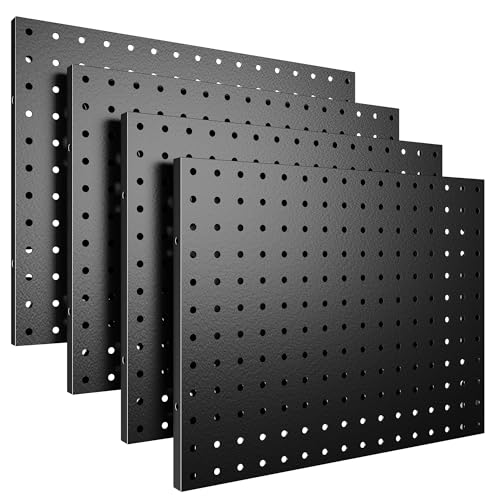
Metal Nailboard: Our peg board panels are made of high quality steel with a powder coated finish that is strong, scratch resistant and easy to clean. Each small pegboard has a weight capacity of up to 50 lbs. This is a favorite product for tool organizers, DIY enthusiasts, store owners and office workers

METAL NAILBOARD: Our peg board panels are made of high quality steel with a powder coated finish that is strong, scratch resistant and easy to clean. Each small pegboard has a weight capacity of up to 50 lbs. This is a favorite product for tool organizers, DIY enthusiasts, store owners and office workers.
Common Mistakes to Avoid
One common mistake is buying a board based only on size or color. A large board may still perform poorly if the material, hooks, or wall fasteners cannot support the items you hang.
Another mistake is ignoring hole spacing and hook compatibility. If your accessories do not fit securely, tools may tilt, fall, or become frustrating to use. You should also avoid overloading one area of the board, especially with heavy tools on long hooks.
Finally, do not skip layout planning. A pegboard packed too tightly may look organized at first, but it becomes difficult to use when every tool blocks another tool. Leave breathing room around frequently used items so the system stays practical.
Maintenance and Care for Your Pegboard
Maintaining your pegboard is essential for ensuring its longevity and continued functionality over time. The type of material will largely dictate the maintenance routine. Metal boards may require occasional cleaning with a damp cloth to remove dust or grime, while wooden or hardboard boards should be kept dry and checked for swelling, sagging, or worn holes.
If you use a wood-based board, avoid soaking it during cleaning. A slightly damp cloth is usually safer than heavy water exposure. In humid spaces, consider sealing exposed edges or choosing a moisture-resistant board instead.
Plastic boards can usually be wiped down easily, which makes them useful in kitchens, laundry rooms, or craft areas where dust, lint, glue, or light residue may collect. For metal boards, check for scratches in the coating if the board is used in a damp area, since exposed metal may be more vulnerable to corrosion.
Regularly checking hooks and accessories for wear can also help prevent accidents caused by falling items. If hooks become loose, bent, or unstable, replace them or use locking accessories designed for your board system.
In addition to cleaning and inspections, consider how you organize items on your pegboard over time. As needs change or new tools are acquired, it may be necessary to rearrange items periodically to optimize space usage and maintain an organized appearance.
Keeping frequently used items at eye level while storing less commonly used tools higher up can enhance efficiency in accessing what you need when you need it. By investing time in maintenance and organization, you can ensure that your pegboard remains an effective storage solution for years to come.
When considering how to choose a tool pegboard for your home, it’s important to also think about other storage and organization solutions that can enhance your space. One related article worth checking out is 5 Best Wall Shelves for Display. This article provides insights into stylish and functional wall shelves that can complement your pegboard and help you maximize storage in your home. By combining different storage solutions, you can create a well-organized and efficient space that meets your needs.
Frequently Asked Questions
What is a tool pegboard?
A tool pegboard is a storage system made from a board with evenly spaced holes, slots, or openings. You use hooks, shelves, bins, and holders to hang and organize tools, accessories, craft supplies, kitchen items, or other home essentials.
What are the benefits of using a tool pegboard in my home?
Using a tool pegboard in your home can help you organize and store your tools in a way that is easily accessible and visible. It can also free up space in your garage, workshop, closet, craft room, or utility area by keeping your tools off the floor and neatly organized.
What factors should I consider when choosing a tool pegboard for my home?
When choosing a tool pegboard for your home, consider the size of the pegboard, the material it is made of, the spacing of the peg holes, the wall type, the mounting method, the total weight you need to support, and any additional features such as hooks, shelves, baskets, or bins.
What are the different types of tool pegboards available?
There are various types of tool pegboards available, including metal pegboards, plastic pegboards, and wooden or hardboard pegboards. Each type has its own advantages and disadvantages, so it’s important to consider your specific needs, environment, budget, and preferred appearance when choosing a pegboard for your home.
How do I determine the size of tool pegboard I need for my home?
To determine the size of tool pegboard you need, measure your available wall space and list the number and size of tools you want to store. Add extra room for future tools, wider spacing around bulky items, and accessories such as shelves or storage bins.
What are some tips for organizing and arranging tools on a tool pegboard?
When organizing and arranging tools on a tool pegboard, group similar tools together, use hooks and shelves to maximize space, place frequently used items at eye level, store heavier items lower when possible, and leave room for future additions or changes to your tool collection.
Is metal pegboard better than hardboard?
Metal pegboard is usually better for heavy tools, frequent use, and workshop storage. Hardboard is usually better when you want a lower-cost option for lighter tools, craft supplies, or simple home organization in a dry area.
Can I install pegboard without wall studs?
You can install some pegboards with suitable heavy-duty wall anchors, but wall studs or a properly mounted backing board are safer for heavier loads. Always follow the manufacturer’s mounting instructions and match the fasteners to your wall type.
Does pegboard need a gap behind it?
Most pegboards need a gap behind the panel so hooks can pass through the holes and seat correctly. Some systems include built-in standoffs, while basic panels often need spacers, rails, or furring strips.
Sources
- AlligatorBoard FAQs — supports common pegboard spacing and steel pegboard system details.
- Panel Processing Pegboard Punching — supports pegboard hole size and spacing details.
- Triton LocBoard — supports square-hole steel pegboard system examples.

2 thoughts on “Selecting the Right Pegboard for Your Home: A Guide”