
Last updated: September 22, 2026
Author: [VERIFY: add the real author name and relevant automotive/HVAC credentials in the CMS byline before publication.]
What changed: Verified the hot-weather cooldown sequence against current federal guidance and Toyota owner information, tightened the normal-vs-fault distinction, updated relevant internal links, corrected external-link attributes, and removed non-whitelisted schema.
If your Toyota Camry A/C feels slow in extreme heat, vent the superheated cabin briefly, begin driving when safe, run the A/C at the coldest setting with strong airflow, then close the windows and use recirculation for the main cooldown. Keep the cabin filter and exterior air intake clear. If cooling is clearly weaker than it used to be under similar conditions, diagnose the cause instead of masking it with repeated refrigerant top-offs.
Quick Answer
Open the windows briefly to release trapped heat, begin driving when safe, and run the A/C at its coldest setting with strong airflow. Close the windows and select recirculation once the hottest cabin air has escaped. Keep the cabin filter clean, reduce sun exposure, and diagnose weak or inconsistent cooling instead of repeatedly adding refrigerant.
Key Takeaways
- Vent the superheated cabin before relying on recirculated air.
- Use A/C with the coldest setting and strong airflow for the initial cooldown, then adjust for comfort.
- Follow the owner’s manual and maintenance guide for your Camry’s exact model year and powertrain.
- A dirty cabin filter reduces airflow, but warm vent air usually points to another problem.
- Low refrigerant, repeat loss of cooling, or abnormal compressor behavior needs diagnosis.
- Never run the engine or remote climate system in a closed garage, and never leave a child, pet, or vulnerable person in a parked vehicle.
At a Glance
| Time Required | A brief period to vent the cabin and set the controls; longer for a cabin-filter or visual inspection. Complete cooldown time varies with sun load, humidity, traffic, cabin temperature, and system condition |
| Difficulty | Easy for operating tips and a model-approved filter inspection; professional service for refrigerant, compressor, fan, or electrical faults |
| Tools Needed | Owner’s manual, flashlight, clean microfiber cloth, and the correct replacement cabin filter if needed |
| Cost | Operating checks cost nothing; filter, diagnostic, refrigerant, and repair costs vary by model year, refrigerant type, and the failed part |
Normal vs. fault: A Camry that has been parked in direct sun can take longer to cool at first. A fault is more likely when strong vent airflow stays warm after the cabin has been vented and the car is moving, cooling repeatedly disappears at idle, one side stays warmer than the other, airflow remains weak with a clean filter, or performance has clearly declined under similar weather conditions.
Recognizing A/C Problems in Your Toyota Camry

Your Camry’s A/C may need attention when its behavior changes under similar weather and driving conditions. A vehicle that has been baking in direct sun will normally take longer to cool than one parked in shade, so compare performance at roughly similar outside temperatures and sun exposure.
- Weak airflow: A dirty cabin filter, blocked outside-air intake, blower fault, debris in the fan, or an airflow restriction can reduce air volume.
- Air that stays warm: Possible causes include low refrigerant from a leak, a compressor or control fault, poor condenser airflow, a sensor problem, or a blend-door issue.
- Cooling that changes with vehicle speed: Air that is cold while driving but warms at idle can point to a condenser-fan or airflow problem.
- Cold air on only one side: Unequal temperature-zone settings, an actuator or blend-door fault, sensor trouble, or a refrigerant-related problem may be involved.
- Cooling that starts cold and later turns warm: Restricted airflow, evaporator icing, a sensor fault, or an intermittent compressor or electrical problem may cause this pattern.
- Clicking, rattling, squealing, grinding, or persistent hissing: New sounds can come from the blower, compressor, fan debris, actuators, or refrigerant movement. A brief soft hiss can be normal, but a persistent sound combined with weak cooling deserves inspection.
- Musty odor: Moisture, debris, a dirty filter, or contamination around the evaporator case may cause odor. Smell alone does not identify the exact source and cannot confirm mold by itself.
- Water inside the cabin: A blocked or disconnected evaporator drain can allow condensation to wet the carpet.
Warning: Stop using the A/C and arrange service if you smell burning, see smoke, notice damaged wiring, hear severe grinding, or see the engine-temperature warning. Never open refrigerant lines or touch an electric cooling fan, which may start unexpectedly. Refrigerant service requires the correct equipment, refrigerant identification, and handling procedures.
Why A/C Maintenance Matters for Your Toyota Camry
A clean cabin filter and clear intake path help the blower move conditioned air into the cabin. Early diagnosis also matters because continued operation with a leak, electrical fault, fan problem, or failing compressor can turn a smaller repair into a more expensive one.
Your Camry should not need refrigerant added on a routine calendar schedule. The A/C circuit is designed to retain its specified charge, so a confirmed low charge should lead to leak testing and diagnosis rather than repeated top-offs.
Use the Toyota Manuals and Warranties portal to select your exact model year. Control layouts, automatic climate behavior, cabin-filter access, compressor design, refrigerant type, and maintenance instructions differ across Camry generations and powertrains.
Safe Checks You Can Make Before Service
- Confirm A/C is selected and both temperature zones match if your Camry has dual-zone controls.
- Check that the dashboard vents are open and that fan speed changes normally.
- Inspect the cabin filter only by the procedure in the owner’s manual.
- Remove loose leaves or debris from the exterior cowl intake without pushing material into the opening.
- Look through the front grille for obvious debris blocking the condenser, but do not reach near fans or hot components.
- Check fuses only if the manual identifies the correct fuse and procedure. Do not replace a fuse with a higher rating.
How to Improve Toyota Camry A/C Performance in Extreme Heat
Use this sequence after your Camry has been parked in the heat. It replaces superheated cabin air before the system has to maintain a lower interior temperature. FuelEconomy.gov similarly recommends airing out a hot cabin briefly and avoiding prolonged A/C idling before driving.
| Step | What to Do | Why It Helps |
|---|---|---|
| 1. Vent the cabin | Open the doors or windows briefly. Begin driving when it is safe rather than idling for a long pre-cool. | Releases air that may be far hotter than the outdoor air and improves airflow across the condenser once the car is moving. |
| 2. Start maximum cooling | Select A/C, set the temperature to LO or the coldest setting, and use a high fan speed. During the brief window-open phase, use outside-air mode if your controls allow it. | Moves the remaining hot cabin air out instead of immediately recirculating it. |
| 3. Close the windows | Close all windows after the hottest air has escaped and cooler air begins reaching the vents. | Prevents hot, humid outside air from continually entering the cabin. |
| 4. Use recirculation | Select recirculated air for the main cooldown, unless the automatic climate system manages the mode for you. | Lets the system recondition air that is already cooler and usually drier than the outside air. |
| 5. Distribute the airflow | Aim the center vents slightly upward and outward. Make sure rear passengers are receiving airflow and no vent is blocked. | Improves cabin mixing instead of overcooling one small area. |
| 6. Adjust for comfort | Reduce fan speed or choose a comfortable automatic-climate setting after the cabin cools. | Reduces noise and prevents unnecessary overcooling while maintaining comfort. |
| 7. Refresh or defog when needed | Use outside-air or windshield-defog mode if the cabin feels stuffy or the glass begins to fog. | Adds ventilation and helps control cabin humidity and visibility. |
| 8. Follow model-specific behavior | Do not disable hybrid engine cycling, automatic stop/start, or automatic climate functions based on generic advice. Follow the owner’s manual. | Camry compressor and climate-control behavior varies by model year, trim, and powertrain. |
Pro Tip: A reflective windshield shade, covered parking, and legal heat-rejecting window film can reduce the heat the A/C must remove. If your Camry has factory-approved remote climate control, use it only as directed and only when the vehicle is parked outdoors. Never leave children, pets, or anyone unable to exit safely in a parked vehicle.
How Extreme Heat Changes A/C Performance
High outdoor temperature, direct sunlight, hot glass and interior surfaces, humidity, and slow traffic all add to the cooling load. Initial cooling can feel slower while the vehicle is stopped because less air moves across the condenser than during normal driving. The exact cooldown time varies, so there is no single number that applies to every Camry and every summer day.
A short delay after a sun-soaked start does not automatically mean the system is faulty. A problem is more likely when the air never becomes cold, airflow remains weak, one side cools differently, cooling repeatedly fades, the A/C performs only while driving, or performance has clearly declined from previous summers under similar conditions.
Use Visibility Settings Before Comfort Settings
If the windshield or side windows fog, choose the windshield defog or defrost mode and use outside air as directed by the owner’s manual. Recirculation can speed cooling in dry conditions, but clear glass and safe visibility always come first.
Cabin Air Filter Maintenance Tips for Your Toyota Camry
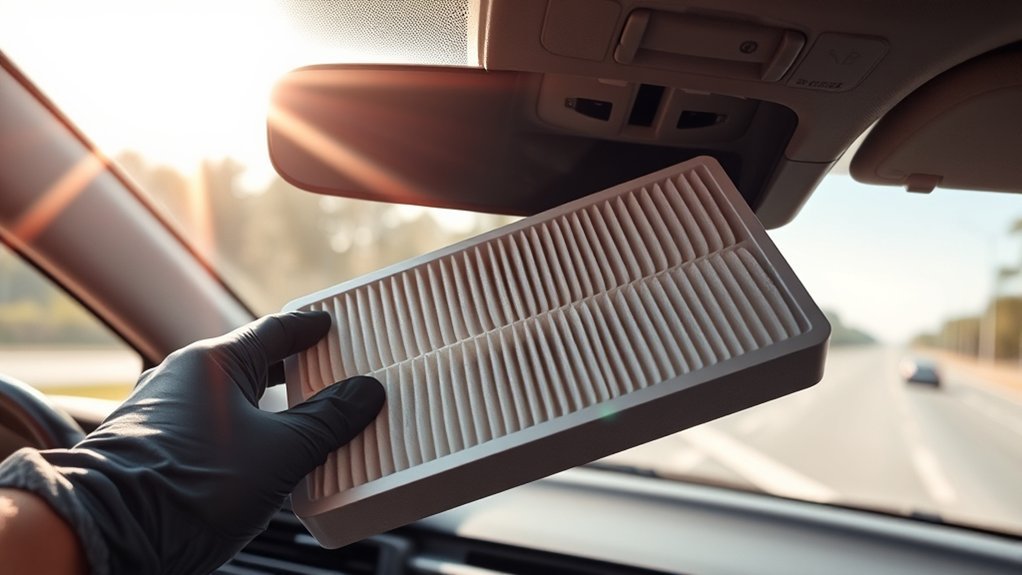
The cabin air filter helps trap dust, pollen, and debris before air enters the passenger compartment. A clogged filter can reduce airflow and make the cabin feel slow to cool, but it normally does not make properly chilled air become warm by itself.
Follow the maintenance schedule for your exact Camry model year. Inspect the filter sooner if you drive on dusty roads, park under trees, encounter wildfire smoke or heavy pollution, or notice reduced airflow or persistent odor.
How to Inspect the Cabin Air Filter
- Park safely, switch the vehicle off, and empty the glove box.
- Check the owner’s manual for the correct glove-box damper, stop-tab, and filter-cover procedure.
- Remove the filter carefully so loose debris does not fall into the blower housing.
- Hold the filter toward a light. Replace it if it is heavily loaded, damaged, damp, misshapen, or producing an odor.
- Install the correct filter in the airflow direction shown on the filter or housing.
- Reassemble the glove box and test airflow at several fan speeds.
Note: Avoid forcing the glove box, damper, or filter door. Camry designs vary by year, and tabs can break if pulled in the wrong direction. If airflow remains weak with a clean, correctly installed filter, the blower, intake, evaporator, or duct controls may need professional inspection.
Toyota Camry A/C Troubleshooting by Symptom
| Symptom | Safe Checks You Can Make | When to Book Service |
|---|---|---|
| Weak airflow | Check the cabin filter, vent positions, exterior intake area, and whether every fan-speed setting responds normally. | Airflow remains weak with a clean filter, the blower works only on some speeds, or airflow changes without control input. |
| Cold while driving, warm at idle | Look through the grille for debris that may block condenser airflow. Do not touch or test a moving fan. | Cooling fans do not run when expected, engine temperature rises, or the symptom repeats in normal traffic. |
| Cold on one side only | Confirm both temperature zones are set the same and select SYNC if equipped. | The temperature difference continues after the controls are synchronized and restarted. |
| Cold at first, then warm | Note the elapsed time, fan speed, outside temperature, and whether airflow also falls when cooling fades. | The pattern repeats, airflow drops, frost is visible, or cooling returns only after the system has been off. |
| Musty smell | Inspect the filter and look for normal condensation dripping under the vehicle after the A/C has been running. | The odor persists, the carpet is wet, the drain appears blocked, or anyone develops irritation. |
| A/C indicator flashes on an equipped model, or cooling stops | Restart the system once and check warning lights and the manual’s approved fuse information. Do not assume every Camry uses a belt-driven compressor. | The fault returns, a warning light appears, or the compressor, inverter, or fans make unusual noise. |
| Windows fog in recirculation mode | Switch to outside air or windshield defog mode and keep the glass clear. | Fogging persists despite correct settings or there is unusual moisture inside the cabin. |
What Should You Do When Your A/C Needs Repairs?
Start with the simple checks: confirm the controls are set correctly, inspect the cabin filter as the manual allows, and note whether the problem changes with fan speed, vehicle speed, recirculation mode, temperature-zone setting, or time. Record noises, odors, warning lights, outside temperature, sun exposure, and the conditions when the fault appears.
Information That Helps the Technician
- Whether the problem occurs at startup, after a long drive, at idle, or only in stop-and-go traffic
- Whether airflow becomes weak or the air volume stays strong but turns warm
- Whether both sides of the cabin behave the same
- Whether the problem changes when recirculation, AUTO, SYNC, or defog mode is selected
- Whether refrigerant or sealant has previously been added
- Any recent collision, battery, wiring, cooling-system, dashboard, or windshield work
A lasting A/C repair starts with diagnosis. Adding refrigerant without identifying why the charge is low can hide a leak, overcharge the system, contaminate service equipment, or delay the real repair.
Book professional service when cooling remains weak, refrigerant may be low, the compressor or fans behave abnormally, electrical diagnosis is needed, or the vehicle displays a related warning. In the United States, the U.S. Environmental Protection Agency’s motor-vehicle A/C rules require people who service MVAC systems for payment to be trained and certified by an EPA-approved program and to use certified refrigerant-handling equipment.
Avoid DIY Recharge Cans and Leak-Stop Sealers
A pressure reading from a single low-side gauge does not confirm the correct refrigerant charge or the cause of poor cooling. Refrigerant type and charge amount must match the under-hood label, and proper service may require refrigerant identification, recovery, evacuation, leak testing, and charging by weight. Do not mix refrigerants, vent refrigerant, bypass pressure controls, or add sealant unless Toyota and the service-equipment manufacturer explicitly approve the product and procedure.
What a Professional Toyota Camry A/C Inspection Should Include
A Toyota dealer or a qualified independent repair shop can inspect the system. Choose a provider that diagnoses the cause instead of offering only a refrigerant top-off.
- Vent-temperature and airflow testing under documented operating conditions
- Refrigerant identification and confirmation of the under-hood label specification
- System pressure and temperature checks interpreted for the ambient conditions
- Refrigerant recovery, evacuation, leak testing, and correct recharge by specified weight when required
- Electronic or dye-assisted leak detection when appropriate
- Compressor, condenser, cooling-fan, fuse, relay, power-supply, and wiring checks
- Climate-control scan for stored fault codes on equipped models
- Blend-door, actuator, evaporator-temperature sensor, evaporator-drain, and cabin-filter inspection
- A post-repair performance test and a written estimate that separates diagnosis, parts, refrigerant, and labor
Ask the shop to confirm the refrigerant type and specified charge printed on the vehicle label. Also ask what failed, how the diagnosis was confirmed, and whether the estimate includes leak repair, refrigerant, oil, seals, labor, and a final performance check.
Related Guides
If correct hot-weather settings do not restore normal cooling, move from optimization to diagnosis instead of repeating the same cooldown steps.
Frequently Asked Questions
How can I help my Toyota Camry A/C keep up in extreme heat?
Vent the cabin first, begin driving when safe, use A/C with the coldest setting and strong airflow, then close the windows and select recirculation. A clean cabin filter, shaded parking, and a windshield shade also reduce the cooling load.
Is it normal for a car A/C to struggle in extreme heat?
A longer initial cooldown can be normal after the vehicle sits in direct sun. Service is more likely needed if the vents never become cold, performance is much worse than before, airflow is weak, cooling repeatedly fades, or the system cools only while driving.
Should I use recirculation mode in hot weather?
Yes, after releasing the trapped hot air. Close the windows and use recirculation for the main cooldown, unless AUTO mode manages it. Switch to outside air or defog mode when the cabin feels stuffy or the windows begin to fog.
How can I cool my Camry faster in summer?
Open the windows briefly, start driving safely, select A/C and the coldest setting with strong airflow, close the windows after the hottest air escapes, and use recirculation. Avoid prolonged idling and never run the vehicle in a closed garage.
How often should I replace the Camry cabin air filter?
Use the warranty and maintenance guide for your exact model year. Inspect the filter sooner in dusty, smoky, or high-pollen conditions, or when airflow drops or odor develops.
Can a dirty cabin filter make the A/C blow warm?
A clogged filter can greatly reduce airflow and make the cabin cool slowly, but it normally does not make properly chilled air become warm. Strong airflow with warm air points to a different A/C or temperature-control problem.
Why is my Camry A/C cold while driving but warm at idle?
The condenser receives more airflow while the car is moving. Repeated poor cooling at idle can indicate blocked condenser airflow, a cooling-fan problem, an improper refrigerant charge, or another fault that needs testing.
Is water dripping under my Camry after using the A/C normal?
A small amount of clear water under the vehicle can be normal condensation. Water on the passenger-side carpet, a persistent musty odor, or no drainage combined with a wet cabin may indicate a blocked or disconnected evaporator drain.
Does low refrigerant mean my Camry only needs a recharge?
Not necessarily. A confirmed low charge means refrigerant has been lost or the previous charge was incorrect. A technician should identify the refrigerant, test for leaks and other faults, repair the cause when practical, evacuate the system, and recharge it to the labeled amount.
Should I use a DIY A/C recharge can?
A recharge can can hide a leak, introduce the wrong refrigerant or sealant, and overcharge the system. Proper diagnosis confirms refrigerant type, system condition, leakage, and charge by weight before refrigerant is added.
Conclusion
For extreme-heat cooldown, focus on reducing the heat load first: vent the cabin briefly, begin driving when safe, use strong A/C airflow, then close the windows and switch to recirculation. Keep the filter and intake path clear and use the model-specific controls described in your owner’s manual. A short delay after sun-soak can be normal; persistent warm air, weak airflow, side-to-side temperature differences, fading cooling, leaks, warning lights, or abnormal noises call for diagnosis.
Professional service is the safer choice for refrigerant, compressor, fan, leak, sensor, and wiring work. A correct repair identifies the failed part or leak, uses the refrigerant and charge shown on the vehicle label, and verifies performance after the work is complete.
Sources
- Toyota Manuals and Warranties — model-year owner information, climate-control instructions, and maintenance-guide access
- FuelEconomy.gov: Fuel Economy in Hot Weather — official guidance on venting a hot cabin, avoiding prolonged pre-cooling at idle, and reducing solar heat load
- U.S. EPA Motor Vehicle Air Conditioner System Servicing — MVAC service requirements, approved equipment, refrigerant handling, and technician resources
- U.S. EPA Section 609 Technician Training and Certification — certification requirements for paid motor-vehicle A/C service in the United States
- NHTSA Child Heatstroke Prevention — parked-vehicle heat safety and the warning never to leave a child unattended in a vehicle
- U.S. EPA Guide to Mold and Moisture — moisture control and why odor alone does not identify the source of a moisture-related problem
