The Toyota Camry’s drive modes let you change how responsive the car feels without changing its basic mechanical limits. On current U.S.-market Camry models, the main selectable settings are Normal, Eco, and Sport. The best choice depends on traffic, road conditions, and how quickly you want the accelerator to respond.
Quick Answer
Use Normal mode for most driving, Eco mode when you want gentler accelerator response and easier fuel-saving habits, and Sport mode when you prefer sharper response for merging or curving roads. Drive-mode availability and behavior vary by model year, so check the controls and owner’s manual for your Camry.
Key Takeaways
- Toyota lists Normal, Eco, and Sport as the standard selectable drive modes on the 2025 U.S. Camry.
- Drive modes mainly change accelerator response and, depending on the model year, steering or climate-control behavior.
- Drive modes do not add horsepower, create extra tire grip, or replace traction control, stability control, winter tires, or careful driving.
- The current U.S. Camry does not use a selectable Snow/Off-Road mode; available electronic all-wheel drive operates automatically when extra rear-wheel traction is needed.
- Some Camry Hybrid model years have a separate EV MODE control, but it is not the same as Eco mode and only works under limited conditions.
Note: This guide focuses on recent U.S.-market Camry models, especially the 2025-and-newer hybrid generation. Older Camrys and vehicles sold in other countries may use different buttons, labels, or mode behavior. Confirm your exact model year in Toyota’s owner’s manual portal.
What Drive Modes Does the Toyota Camry Have?
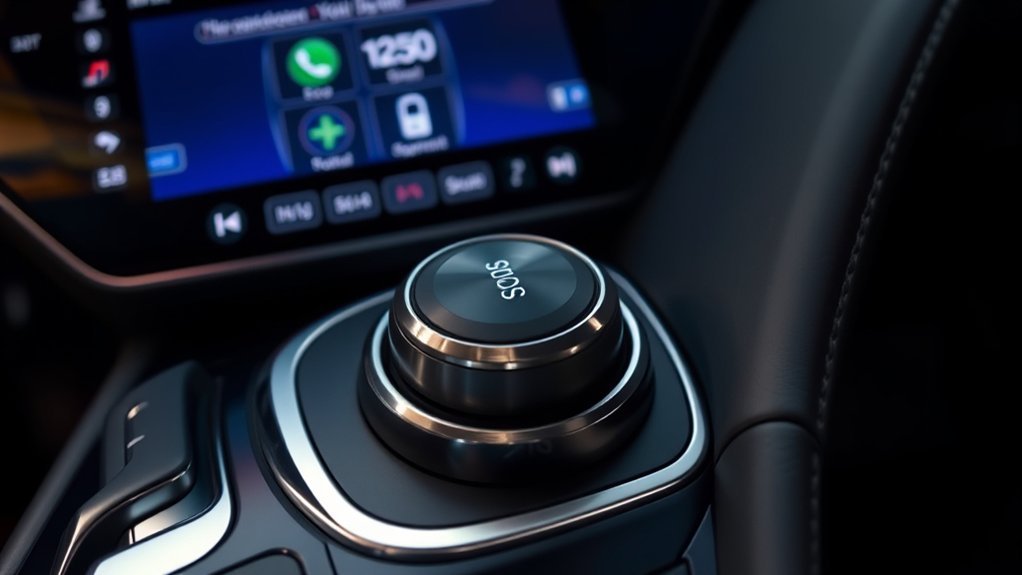
For the redesigned 2025 U.S. Camry, Toyota identifies three standard selectable drive modes: Normal, Eco, and Sport. Toyota describes them as ways to customize the car’s drive feel rather than separate traction programs. The exact response changes are controlled electronically and may differ slightly by model year.
| Mode | What It Changes | Best Use |
|---|---|---|
| Normal | Balanced accelerator response and everyday drivability | Most city, suburban, and highway driving |
| Eco | Gentler response to small accelerator inputs; some model years may also moderate climate-control operation | Stop-and-go traffic, relaxed commuting, and fuel-conscious driving |
| Sport | More immediate accelerator response; some versions may also change steering feel | Highway merging, passing when safe, hills, and curving roads |
| EV MODE | On equipped hybrid model years, requests short low-speed electric-only operation when conditions allow | Very low-speed, light-load movement; availability is limited by battery charge, temperature, speed, and other conditions |
A drive mode changes how the Camry responds to your inputs; it does not create more engine power or more tire grip.
How Eco, Normal, and Sport Mode Differ
Eco Mode: Smoother Inputs for Fuel-Conscious Driving
Eco mode makes the accelerator feel less sensitive during light pedal input. That can help you accelerate more gradually, which is one of the easiest ways to reduce unnecessary fuel use in traffic. On some Camry model years, Eco mode may also reduce the energy demand of heating or air conditioning.
Eco mode does not force the car to achieve a particular fuel-economy number. Speed, temperature, tire pressure, traffic, trip length, cargo, and driving style still have a larger effect on real-world mileage. You can also reach full acceleration when needed by pressing the accelerator farther.
Normal Mode: The Best Default for Most Drivers
Normal mode provides the most neutral response and is the right setting for most daily driving. It avoids the softened initial pedal feel of Eco mode and the more eager response of Sport mode.
Choose Normal mode when you want predictable acceleration in mixed traffic, during long highway trips, or whenever you do not need a specialized response. Many Camry model years return to Normal after the vehicle is restarted, so always check the instrument display rather than assuming the previous selection is still active.
Sport Mode: Quicker Response, Not More Horsepower
Sport mode makes the Camry react more quickly to accelerator input. This can make merging, climbing grades, or driving on a winding road feel more direct. Depending on the model year, Toyota may also change electric power-steering assist to provide a firmer or more responsive feel.
Sport mode does not raise the engine’s rated horsepower, upgrade the brakes, or physically change the suspension. The SE and XSE trims have their own sport-tuned suspension hardware, but selecting Sport mode on another trim does not add that hardware.
Pro Tip: Use Sport mode before a planned merge or hill rather than making abrupt mode changes in the middle of a demanding maneuver. A smooth, deliberate pedal input remains more important than the selected mode.
When to Switch Between Camry Drive Modes
City Driving and Stop-and-Go Traffic
Eco mode can make low-speed acceleration feel smoother and may help drivers avoid unnecessary bursts of throttle. Normal mode is also a good choice when traffic is unpredictable and you want a more direct pedal response.
Do not expect Eco mode alone to transform fuel economy. Gentle acceleration, steady speed, proper tire inflation, and avoiding long idling periods matter more than the label shown in the cluster.
Highway Merging, Passing, and Hills
Sport mode can provide a quicker response when you need to merge or climb a grade. It does not shorten the safe distance required to pass, and it should never be used as a substitute for checking mirrors, blind spots, traffic speed, and available space.
Normal mode can still deliver full power when you press the accelerator firmly. Sport mode mainly changes how quickly the car responds to a given pedal movement.
Rain, Snow, Ice, and Slippery Roads
For poor weather, focus on smooth steering, gradual acceleration, longer following distance, and tires suited to the conditions. Eco mode may make small accelerator inputs gentler, but it is not a rain or snow traction mode.
The current U.S.-market Camry does not have a selectable Snow/Off-Road mode. On Camrys equipped with electronic on-demand all-wheel drive, the system automatically sends power to the rear wheels when additional traction is needed. That system still cannot overcome worn tires, excessive speed, or low-grip road surfaces.
Warning: No drive mode can prevent skidding on ice, standing water, deep snow, or mud. Reduce speed, avoid abrupt inputs, and do not disable vehicle stability control or traction control for normal road driving.
How to Activate and Use Toyota Camry Drive Modes
At a Glance
| Time Required | Less than 1 minute |
| Difficulty | Easy |
| Tools Needed | None |
| Cost | $0 |
1. Locate the Drive-Mode Controls
With the Camry in READY mode, look on the center console near the gear selector. Recent models use clearly labeled controls for Eco, Normal, and Sport. The layout differs on older generations, and some trims or markets may not include every setting.
2. Select the Desired Mode
Press the applicable button or operate the selector as shown in your owner’s manual. The multi-information display or digital gauge cluster should show the active mode. Make the change only when it is safe to glance at the display.
3. Confirm the Indicator
Check for the Eco, Normal, or Sport indicator in the instrument cluster. If no confirmation appears, stop in a safe location and try again. Do not repeatedly press controls while your attention should be on traffic.
4. Return to Normal When You No Longer Need a Special Response
Normal mode is the most suitable all-purpose setting. If Sport feels too sensitive in traffic or Eco feels too relaxed for changing conditions, return to Normal.
Note: Toyota generally allows drive-mode changes while the vehicle is moving, but the driver must remain focused on the road. Exact restrictions and restart behavior vary by model year.
What EV MODE Does on a Camry Hybrid
Some Camry Hybrid model years include a separate EV MODE button. When operating conditions are suitable, it asks the hybrid system to move the car a short distance using the electric motor without starting the gasoline engine.
EV MODE may be unavailable or may cancel automatically because of low battery charge, battery temperature, vehicle speed, heavy accelerator input, windshield defogging demand, or other hybrid-system conditions. It is designed for limited low-speed use, not sustained electric-only highway driving.
Eco mode and EV MODE are different. Eco mode changes response to support efficient driving; EV MODE requests temporary electric-only operation when the hybrid system permits it.
Drive Modes, AWD, Traction Control, and Suspension Are Different Systems
Several Camry features affect how the car feels, but they do different jobs:
- Drive modes change response and driver feel.
- Electronic on-demand AWD automatically adds rear-wheel assistance when the system determines it is useful.
- Traction control helps limit wheelspin.
- Vehicle Stability Control can reduce engine output and apply individual brakes to help the car follow the driver’s intended path.
- Sport-tuned suspension is physical hardware fitted to specific trims such as SE and XSE; it is not activated by pressing the Sport button.
Toyota says the 2025 Camry’s available AWD system controls front-to-rear torque distribution according to conditions and can send assistance to the rear wheels when it detects slippery roads or loss of tire grip. The driver does not need to select a snow setting.
Common Camry Drive-Mode Problems and Fixes
The Mode Indicator Does Not Appear
- Confirm the vehicle is fully in READY mode rather than accessory mode.
- Check that your model year and trim actually include the requested mode.
- Press the control once and watch the instrument cluster for confirmation.
- If warning lights are present, follow the owner’s manual instead of continuing to cycle the selector.
- If the control remains unresponsive after a safe restart, have the vehicle inspected by a qualified Toyota technician.
Sport Mode Does Not Feel Dramatically Different
The change can be subtle, especially during steady cruising. Sport mode is most noticeable when you press or release the accelerator, merge, climb a grade, or drive through a series of curves. It is not a performance upgrade and does not turn a standard Camry into an SE or XSE.
Eco Mode Does Not Improve Fuel Economy
Eco mode can encourage smoother inputs, but short trips, cold weather, high speeds, low tire pressure, strong cabin-heating demand, and aggressive braking can erase the benefit. Compare fuel economy over several full tanks rather than one short drive.
EV MODE Is Unavailable
This is often normal. The hybrid control computer decides when electric-only operation is suitable. If the display gives an EV MODE unavailable message but no warning light is present, continue driving normally and let the hybrid system manage engine and motor use.
A Warning Message Appears
A drive-mode warning accompanied by a hybrid-system, engine, brake, steering, or stability-control warning should not be treated as a simple mode-selection issue. Park safely, read the message, consult the owner’s manual, and arrange service when required.
Tips for Choosing the Right Drive Mode
- Start with Normal when you are unsure.
- Use Eco for relaxed acceleration in traffic, not as a substitute for attentive driving.
- Use Sport when you want a quicker response, then switch back if the pedal feels too sensitive.
- In rain or snow, prioritize speed, tires, visibility, and smooth inputs over mode selection.
- Check the cluster after restarting because the car may return to its default mode.
- Use the owner’s manual for your exact year instead of assuming all Camrys operate the same way.
Related Guides
Frequently Asked Questions
What is the difference between Eco, Normal, and Sport mode in a Toyota Camry?
Eco softens initial accelerator response to support smoother, fuel-conscious driving. Normal provides balanced response for everyday use. Sport makes the accelerator react more quickly and may also change steering feel on some model years.
Can you change Camry drive modes while driving?
Recent Camry models generally allow mode changes while moving. Make the selection only when it can be done without distracting you from traffic, and check the owner’s manual for model-year-specific restrictions.
Does Sport mode make the Camry faster?
Sport mode makes the car respond more quickly to accelerator input, so it can feel faster. It does not increase the engine’s rated horsepower or change the vehicle’s mechanical performance limits.
Does Sport mode use more fuel?
Sport mode can lead to higher fuel use if the sharper response encourages stronger acceleration. The mode itself does not automatically consume a fixed amount of extra fuel; driving behavior and conditions determine the result.
Is it safe to leave a Camry in Eco mode all the time?
Yes. Eco mode does not harm the engine or hybrid system. You can still request stronger acceleration by pressing the pedal farther, although some drivers prefer Normal mode for a more immediate response.
Does the Toyota Camry have Snow or Off-Road mode?
The current U.S.-market Camry uses Normal, Eco, and Sport selectable modes and does not have a selectable Snow/Off-Road mode. Available electronic on-demand AWD manages rear-wheel assistance automatically.
Does Sport mode change the Camry’s suspension?
No. Selecting Sport mode does not physically retune a fixed suspension. SE and XSE models have sport-tuned suspension components from the factory, which is separate from the electronic drive-mode setting.
What is EV MODE on a Camry Hybrid?
On equipped model years, EV MODE requests short, low-speed electric-only operation. It works only when battery charge, temperature, speed, climate demand, and other hybrid-system conditions permit.
Conclusion
Normal mode is the best all-around setting for most Toyota Camry drivers. Eco mode can make gentle, efficient driving easier, while Sport mode provides a quicker response when you want it. The important distinction is that these modes adjust driver feel; they do not add traction, horsepower, or suspension hardware. For exact controls and limitations, use the owner’s manual for your Camry’s model year.
Sources
- Toyota USA Newsroom: 2025 Camry product release — confirms standard Normal, Eco, and Sport modes, available AWD operation, and trim-specific sport suspension.
- Toyota: 2026 Camry overview and specifications — confirms the current hybrid lineup, available electronic on-demand AWD, trims, and performance specifications.
- Toyota Owners: Manuals and warranties — source for model-year-specific controls, indicators, operating conditions, and warnings.
- National Highway Traffic Safety Administration: Winter driving tips — supports safe-speed, tire, visibility, and smooth-control guidance for adverse weather.
