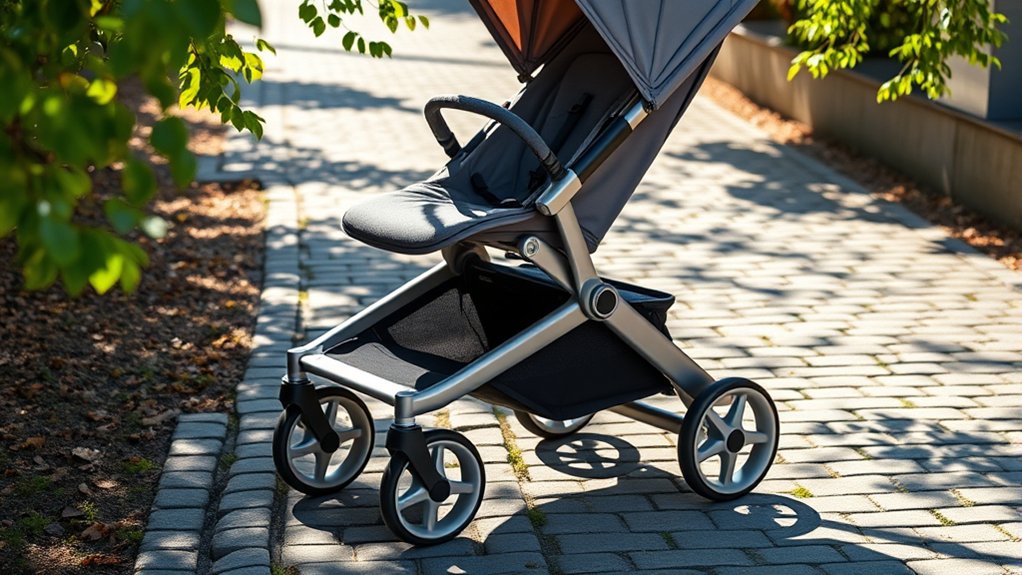
A good stroller should keep your child safe, feel comfortable on real outings, and make your day easier instead of adding stress. The best choice depends on your child’s age, your storage space, your travel habits, and where you use it most. Focus on safety, fit, folding, maneuverability, storage, and long-term value before you buy.
Quick Answer
A good stroller is safe, stable, easy to fold, smooth to push, comfortable for your child, and practical for your daily routine. Look for a five-point harness, reliable brakes, sturdy frame, adjustable recline, useful storage, and a design that fits your lifestyle, whether you walk daily, travel often, or need room for more than one child.
Key Takeaways
- Start with safety: choose a stroller with a secure harness, stable frame, dependable brakes, and a weight limit that fits your child.
- Match the stroller type to your lifestyle, such as a travel stroller for flights, a jogging stroller for active parents, or a modular stroller for a growing family.
- Comfort matters for both of you, so check seat padding, recline options, canopy size, handle height, storage, and how easy the stroller is to push.
- Budget for the stroller and the extras you may need, including car seat adapters, rain covers, organizers, travel bags, and replacement parts.
Key Features of a Good Stroller
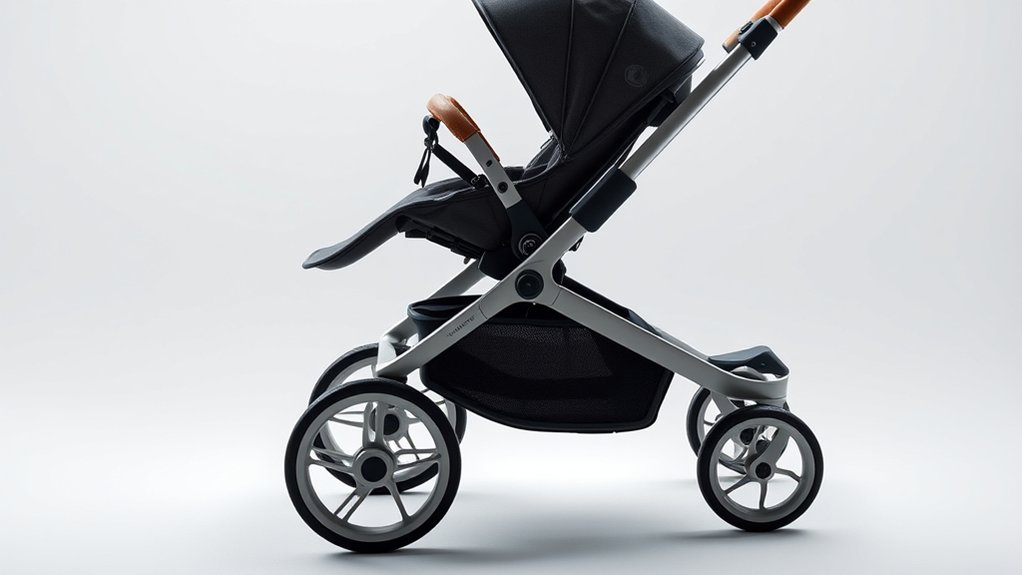
When you’re shopping for a good stroller, focus on features that make your life easier and your baby’s ride safer and more comfortable. A user-friendly folding mechanism, such as a one-handed fold, can simplify transport, storage, and quick transitions in parking lots or busy entrances. Models such as the Joolz Aer+ and UPPAbaby MINU V3 are popular examples of compact strollers known for easy folding and travel-friendly handling.
Maneuverability is also essential. Lightweight frames, responsive steering, swivel front wheels, and quality suspension help you move through sidewalks, grocery aisles, parks, and crowded spaces without fighting the stroller. If you often walk on uneven paths, check wheel size and suspension before you buy.
Comfort matters too, so look for adjustable seats, supportive padding, a usable recline, and generous canopy coverage. A good canopy should protect your child from sun, wind, and light rain while still allowing airflow. Adequate storage is another must-have, especially if you carry diapers, bottles, snacks, toys, and personal items during every outing.
Finally, don’t overlook safety features like a secure harness system, reliable brakes, a sturdy frame, and clear weight limits. Investing in helpful stroller accessories can improve your daily routine, while proper stroller maintenance helps the stroller last longer. Prioritize these features, and you’ll have a better chance of finding a stroller that fits your family instead of just looking good in product photos.
Types of Strollers Available
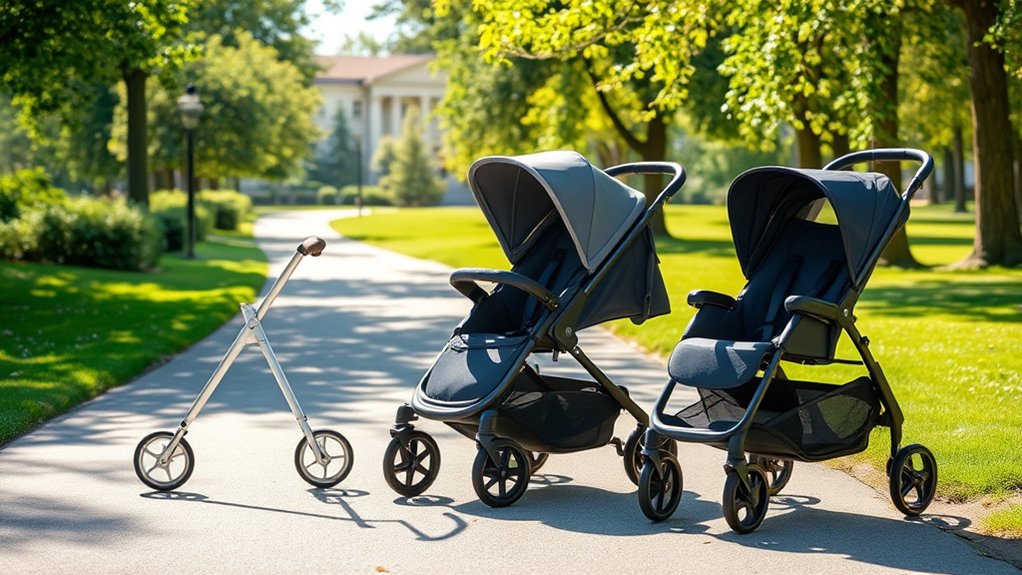
Finding the right stroller goes beyond comparing features. You also need to choose the type that fits your daily routine, child’s age, storage space, and travel plans. Here’s a simple comparison of popular stroller types:
| Stroller Type | Key Features | Ideal For |
|---|---|---|
| Modular Strollers | Transforms from single to double configurations | Growing families |
| Travel Strollers | Lightweight, compact; may fit in some overhead compartments | On-the-go parents |
| Running Strollers | Sturdy wheels, suspension, and better control on rougher terrain | Active parents |
| Double Strollers | Configurations for twins or siblings | Families with multiple kids |
When exploring stroller accessories, consider how they improve the type you choose. A stroller comparison can help you weigh options, but your real routine matters most. A compact travel stroller may feel perfect for flights and quick errands, while a full-size stroller may feel better for daily walks, naps, and carrying more gear. Whether you’re cruising the park or traveling with your child, the right stroller type can make outings smoother.
Safety Considerations for Strollers

Keeping your child safe in a stroller is the most important part of the buying decision. First, look for strollers that meet recognized safety standards, including standards used by groups such as ASTM International, the Consumer Product Safety Commission, and the Juvenile Products Manufacturers Association. These safety checks help reduce risks related to stability, restraint systems, hinges, brakes, and small parts.
A secure harness system is crucial. In most cases, a five-point safety harness gives the best everyday protection because it secures your child at the shoulders, waist, and between the legs. The harness should adjust easily, fit snugly, and stay comfortable enough that you will actually use it every time.
Stability matters too. Choose a stroller with a wide, sturdy base and a frame that feels balanced when turning or going over small bumps. Avoid hanging heavy bags from the handlebar unless the manufacturer says it is safe, because extra handle weight can increase tipping risk. Also, make sure the brakes lock securely and are easy to engage when you stop.
Warning: Never leave your child unattended in a stroller, even with the brakes locked. Always buckle the harness, keep hands away from folding hinges, and avoid placing heavy bags on the handlebar unless the stroller is designed for it.
Lastly, stay vigilant by regularly inspecting the stroller for wear and tear. Check for frayed straps, loose screws, cracked plastic, bent frame parts, damaged wheels, and brakes that no longer hold firmly. You should also check for stroller recalls if you buy used or receive a hand-me-down stroller.
Comfort and Usability for Parents and Children
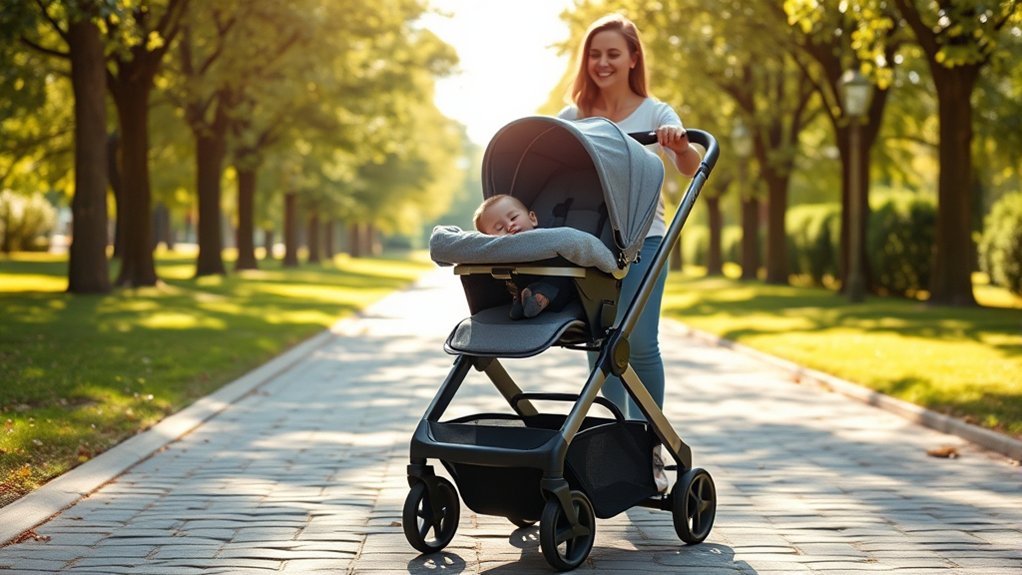
Choosing a stroller that balances comfort for your child and usability for you can turn stressful outings into easier routines. Look for comfort features like padded seats, breathable fabric, a smooth recline, and enough legroom for your child to sit naturally. An adjustable recline helps younger children rest during longer walks, while an upright seat can help curious toddlers see what is happening around them.
Usability matters just as much for parents and caregivers. Ergonomic handle designs, like those found on many full-size and jogging strollers, can make steering more comfortable. Adjustable handlebars are especially helpful if caregivers have different heights. Lightweight options, such as the Joolz Aer+, may reduce strain when lifting the stroller into a trunk, carrying it up stairs, or moving through travel terminals.
One-handed folding mechanisms can also make daily life easier when you are holding your child, a diaper bag, or groceries. Strollers like the Babyzen YOYO2 are often chosen by travel-focused families because they combine compact folding with easy handling. When you prioritize both comfort and usability, you end up with a stroller that works for your child and does not wear you out.
Travel Strollers: Are They Worth It?
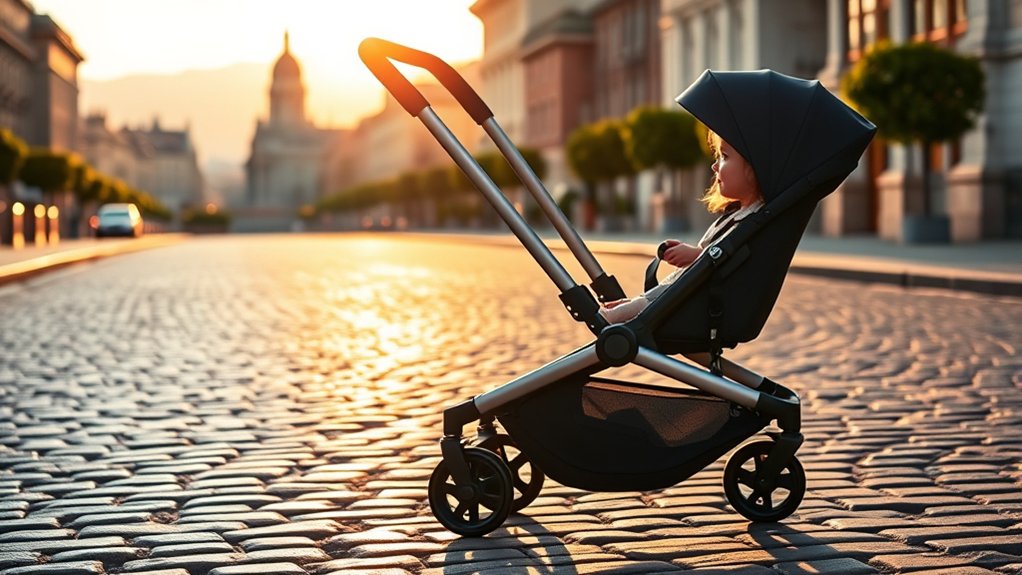
When you’re traveling with little ones, having a travel stroller can make a big difference. These compact designs are usually lighter than full-size strollers, easier to fold, and simpler to carry through airports, hotels, public transport, and busy streets. Many parents find them worth it because they reduce hassle during trips, even if they do not replace a full-size stroller for everyday use.
Travel Convenience and Portability
Have you ever tried to move through an airport with a bulky stroller, luggage, and a tired child at the same time? Travel convenience and portability matter most in those moments. Lightweight options like the Joolz Aer+ are designed to make travel easier, with a compact fold and a carry-friendly frame. With the right travel stroller, you may move more smoothly through security lines, boarding areas, narrow sidewalks, and hotel lobbies.
Budget-friendly models, such as the Colugo Compact, can offer a practical balance of quality and affordability. Before flying, always check your airline’s stroller rules because overhead bin acceptance can depend on the aircraft, gate crew, and folded dimensions. A travel stroller should prioritize comfort for your child while making your trip less stressful for you.
Compact Design Benefits
Compact design in travel strollers brings real convenience for families on the go. These lightweight options are usually easier to lift, store, and maneuver than larger strollers. That matters when you are getting into a rideshare, climbing stairs, navigating a restaurant, or moving through a crowded attraction.
Features like one-handed folding, shoulder straps, carry bags, and tight turning can make chaotic travel situations feel more manageable. While options like the UPPAbaby MINU V3 provide comfort and storage, many parents also appreciate the simplicity of lighter models. A compact stroller can free you from dragging around heavy gear when your trip calls for speed and flexibility.
Cost vs. Functionality
Travel strollers offer a unique mix of convenience and function, but prices can vary widely. When weighing cost efficiency against functionality trade-offs, think about how often you travel and how long you plan to use the stroller. Budget options may cost less upfront, but they may offer smaller canopies, less padding, tighter storage, or fewer convenience features.
Premium models like the Joolz Aer+ and UPPAbaby MINU V3 often focus on ease of use, smoother steering, better fabric quality, and compact folding. The right choice depends on your lifestyle. If you travel often, investing in a quality travel stroller may reduce stress enough to justify the cost. If you only travel once or twice, a simple compact stroller may be all you need.
Pro Tip: Before buying a travel stroller, practice folding, lifting, carrying, and opening it with one hand. A stroller that looks compact online may still feel awkward during real travel.
Budgeting for a Stroller Purchase
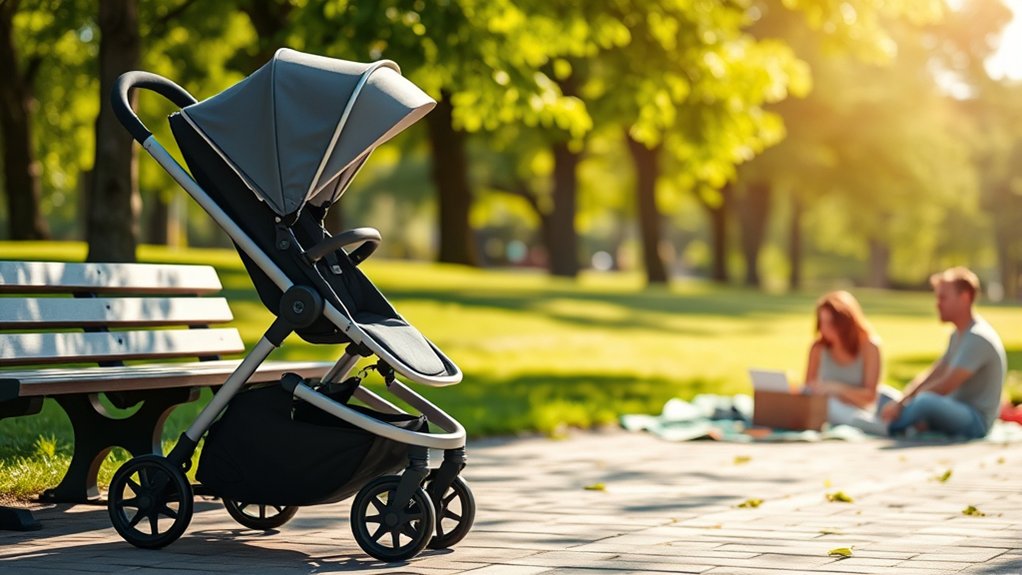
When you start thinking about buying a stroller, it’s important to set a budget that reflects your family’s needs, not just the most popular model online. Stroller prices can range from budget-friendly options to premium systems with modular seats, upgraded wheels, car seat compatibility, and luxury fabrics. A higher price does not always mean a better fit for your family.
Think about long-term value. A pricier stroller might make sense if it lasts through more than one child, converts from single to double, or handles daily use better. On the other hand, a lower-cost stroller can be a smart buy if you need something simple for errands, occasional trips, or backup use at a grandparent’s house.
Conduct a price comparison before buying, and look for seasonal sales, open-box deals, or well-maintained pre-owned options from trusted brands. Also factor in additional costs for accessories like car seat adapters, snack trays, cup holders, rain covers, footmuffs, stroller organizers, and travel bags. Finally, evaluate the total cost of ownership, including maintenance and replacement parts, so you can choose a stroller that fits both your lifestyle and your budget.
Popular Stroller Brands and Models
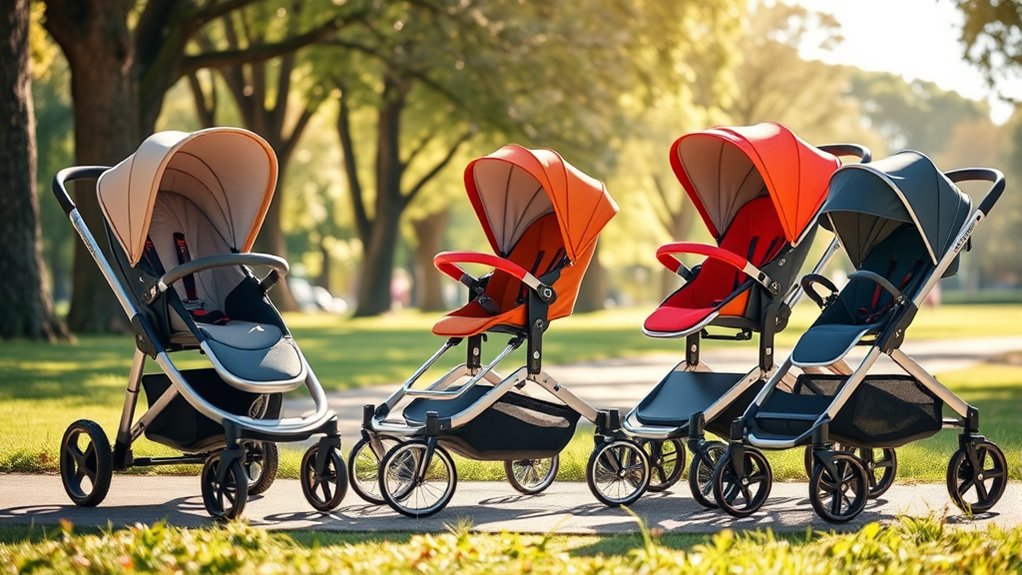
Have you ever wondered which stroller brands stand out in today’s market? UPPAbaby, Babyzen, Joolz, Baby Jogger, Evenflo, and other major brands offer different strengths for different families. Instead of choosing by brand name alone, compare the model’s weight limit, folded size, seat comfort, wheel quality, storage, warranty, and car seat compatibility.
The UPPAbaby Cruz V2 is often considered a strong full-size option because it offers a user-friendly design, reversible seat, and useful storage for city and suburban outings. If you prioritize travel, the Joolz Aer+ is lightweight and compact, with a fold that appeals to families who move around often. The Babyzen YOYO2 is another travel-focused option known for agility and compact storage, though some parents may find its folding process and storage space less ideal than larger strollers.
For families on a budget, the Evenflo Pivot Xpand stands out because it can convert from a single to a double stroller, offering flexibility without moving into the highest price range. Each brand has strengths, but the best stroller is the one that matches your daily routine, storage limits, child’s needs, and budget.
How to Choose the Right Stroller for Your Family
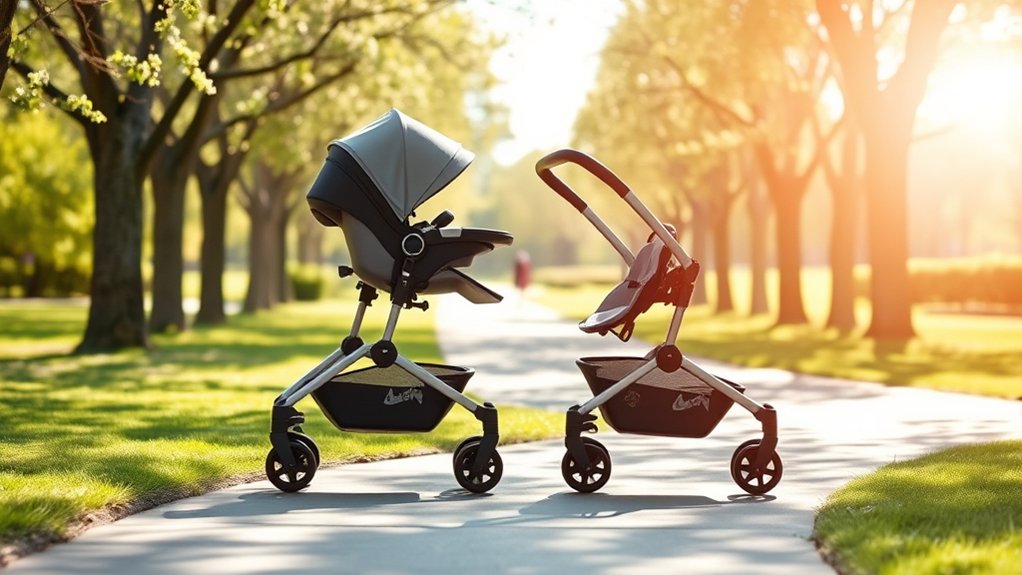
Choosing the right stroller for your family starts with evaluating your lifestyle needs. Think about where you use a stroller most: sidewalks, parks, stores, airports, public transit, gravel paths, or school pickup lines. Safety features should stay at the top of your list, but comfort, storage, folding, and weight also affect how much you enjoy using the stroller.
Assess Your Lifestyle Needs
How do you know which stroller fits your family’s lifestyle best? Start by considering your daily activities. If you’re navigating an urban lifestyle, a lightweight, compact stroller like the Joolz Aer+ can make city trips easier. If your sidewalks are rough or you visit parks often, prioritize larger wheels, good suspension, and a sturdy frame.
For active families who love outdoor adventures, an all-terrain option like the Guava Roam Crossover may make more sense. Think about your child’s age and weight too. Some strollers are better for infants only when used with a compatible car seat or bassinet, while others work better once your child can sit with stronger head and neck control.
Evaluate your travel habits as well. If you’re often on the go, a portable stroller like the Babyzen YOYO2 can be useful. Finally, assess your storage needs and budget. Options like the UPPAbaby Cruz V2 provide more storage, while budget-friendly choices like the Colugo Compact focus on everyday convenience without the highest price tag.
Prioritize Safety Features
While selecting the right stroller for your family, prioritizing safety features gives you more peace of mind during outings. Here’s what to look for:
- Secure harness systems: Make sure your child can be strapped in snugly, with simple adjustments as they grow.
- Reliable braking mechanisms: Choose strollers with brakes that are easy to engage and strong enough to hold the stroller still when parked.
- Sturdy frame and proper weight capacity: These help support stability and reduce unsafe use beyond the stroller’s limits.
- Safe folding design: Check that hinges lock properly and keep little fingers away from moving parts.
- Clear manufacturer instructions: Use the stroller only within the recommended age, height, and weight limits.
Also, look for strollers that meet recognized safety standards from groups such as the Juvenile Products Manufacturers Association. With these features in place, you can feel more confident taking your child on errands, walks, and trips.
Consider Budget Constraints
Budget constraints can feel overwhelming when you’re trying to find the perfect stroller, but focusing on your specific needs can simplify the process. First, determine how you will use the stroller most often. Daily errands, long walks, travel, and multiple-child use each call for different features.
Premium options like the UPPAbaby Vista V3 can be great for families who want a stroller system that grows with them, but they may be more than you need. Instead, consider budget-friendly alternatives like the Colugo Compact if you want a practical stroller at a lower cost. If you’re frequently on the go, lightweight travel strollers like the Babyzen YOYO2 can balance convenience and price.
Don’t overlook stroller financing options, store promotions, or used strollers in good condition. If buying used, inspect the stroller carefully, confirm it has not been recalled, and make sure all parts are included. Ultimately, weigh essential features like safety, storage, folding, and durability against your budget to find the right fit.
Maintenance and Care for Strollers
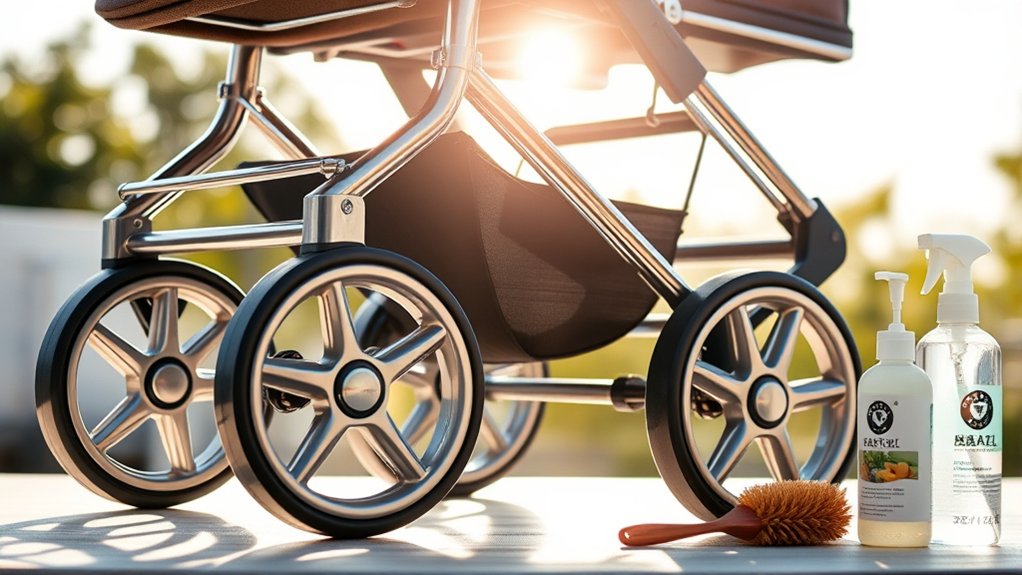
Taking proper care of your stroller not only supports your child’s safety but also helps protect your investment. To improve stroller longevity, follow this maintenance checklist:
- Regularly check and tighten bolts and screws for safety and stability.
- Clean fabric with a damp cloth and mild soap, and follow the manufacturer’s instructions for removable or machine-washable parts.
- Inspect wheels and brakes for wear, cracks, debris, and weak braking performance.
- Lubricate moving parts only with products recommended by the manufacturer.
- Store the stroller in a dry place to reduce rust, mildew, and fabric damage.
- Check the harness, buckle, canopy, and folding lock before longer outings or travel days.
Cleaning after messy snacks, beach trips, rain, or muddy walks can prevent long-term damage. If the stroller starts pulling to one side, squeaking, wobbling, or folding incorrectly, stop using it until you inspect the problem. Small maintenance habits can keep the stroller safer and easier to use over time.
Frequently Asked Questions
How long can I use a stroller for my child?
You can usually use a stroller until your child reaches the stroller’s height or weight limit, outgrows the seat comfortably, or no longer needs stroller support during outings. Many families use strollers through the toddler years, but the exact timeline depends on your child’s size, stamina, and the model’s limits.
Are there age restrictions for different stroller types?
Yes. Some stroller seats are not suitable for young infants unless they recline fully or work with a compatible bassinet or infant car seat. Jogging strollers also have stricter age and development considerations. Always check the manufacturer’s age, weight, height, and recline guidance before using any stroller.
Can I use a stroller for twins or multiple children?
Yes, you can use a double stroller for twins or two young children. Look for side-by-side, tandem, or modular designs depending on your space, child ages, and storage needs. Check the weight limit for each seat and make sure the stroller still feels stable and easy to steer when fully loaded.
What accessories are essential for a stroller?
Useful stroller accessories include a rain cover, sunshade, cup holder, snack tray, stroller organizer, travel bag, and car seat adapter if your stroller supports one. Choose accessories approved for your stroller when possible, and avoid adding heavy bags to the handlebar because that can affect stability.
How do I clean a stroller effectively?
Clean the frame with a damp cloth and mild soap, then wipe away crumbs, dirt, and spills from the seat and basket. Follow the manufacturer’s fabric care instructions before machine washing any removable parts. Let all pieces dry fully before folding or storing the stroller to reduce mildew and odor.
What should I check before buying a used stroller?
Before buying a used stroller, check for recalls, missing parts, cracked plastic, rust, bent frame pieces, worn wheels, weak brakes, frayed straps, and a damaged harness. Ask for the model name and manufacture date if available, and avoid any stroller that does not lock open securely.
Sources
- U.S. Consumer Product Safety Commission — stroller safety guidance and recall awareness.
- Juvenile Products Manufacturers Association — stroller safety standards and product certification context.
- HealthyChildren.org from the American Academy of Pediatrics — safe stroller selection and use guidance for families.
Conclusion
Choosing the right stroller is like finding the right pair of everyday shoes. It needs to fit your lifestyle, feel comfortable, and support the way you actually move through the world. Start with safety, usability, and key features, then narrow your options by stroller type, child age, storage needs, travel habits, and budget.
A quality stroller can make daily outings smoother, safer, and more enjoyable. Take your time, test the fold and steering when possible, check the weight and storage, and compare the details that matter most to your family. The best stroller is not always the most expensive one. It is the one that keeps your child secure and makes your everyday routine easier.

