
Slow cookers and pressure cookers both make cooking easier, but they solve different kitchen problems. A slow cooker uses gentle heat over several hours, while a pressure cooker traps steam under pressure to cook food much faster. The better choice depends on your schedule, the food you cook most, and how much control you want during cooking.
Last updated: September 22, 2026 · Safety guidance rechecked against USDA, FDA, FoodSafety.gov, CPSC, and current manufacturer documentation.
Affiliate disclosure: This page may contain affiliate links. If you buy through a qualifying link, we may earn a commission at no additional cost to you.
Quick Answer
Choose a slow cooker when you want simple, hands-off meals that can simmer for hours. Choose a pressure cooker when you want beans, grains, broth, stews, or tough cuts cooked much faster. The biggest practical difference is your schedule: slow cookers reward planning ahead, while pressure cookers are better when you need dinner sooner.
Key Takeaways
- Choose a slow cooker when you can start dinner early and want very little hands-on work.
- Choose a pressure cooker when you need beans, grains, soups, stews, broth, or tough cuts cooked quickly.
- Thaw meat and poultry before slow cooking, and do not put raw dried kidney beans directly into a slow cooker.
- Pressure cookers save time, but you must follow the model’s liquid requirements, fill limits, lid instructions, and pressure-release method.
- Use a food thermometer for meat, poultry, casseroles, and leftovers instead of relying only on cooking time.
Evidence note: This is a source-based comparison using government food-safety guidance and manufacturer documentation. It does not claim hands-on testing of every slow cooker or pressure cooker model.

Credit: www.farmison.com
Slow Cooker Vs Pressure Cooker: Side-by-Side Comparison
| Factor | Slow Cooker | Pressure Cooker |
|---|---|---|
| Main difference | Cooks gently for several hours. | Cooks quickly with trapped steam and pressure. |
| Best for | Soups, stews, pot roast, pulled pork, chili, and meal prep. | Beans, grains, broth, stews, tough cuts, and quick weeknight meals. |
| Cooking time | Usually several hours; many recipes fall around 4 to 6 hours on high or 6 to 10 hours on low. | Often much shorter, but total time also includes pressure-building and pressure-release time. |
| Texture | Very tender and well blended, but delicate foods can become mushy during long cooking. | Tender quickly, but food can overcook if timing or the release method is wrong. |
| Can you check food mid-cook? | Yes, but lifting the lid releases heat and can extend cooking time. | Not while pressurized. The cooker must be safely depressurized before opening. |
| Hands-on effort | Low. Add ingredients, cover, choose a setting, and let the recipe cook. | Moderate. You need correct liquid, fill level, timing, lid setup, and pressure release. |
| Browning | Often requires a separate pan unless the appliance includes a sear or sauté function. | Many electric multicookers include a sauté function for browning before pressure cooking. |
| Best choice if | You plan ahead and want simple, all-day cooking. | You often start dinner later and want faster results. |
[Amazon Products Picked for You]

7 Cooking Functions: Pressure cook, slow cook, sauté, steam, make rice, yogurt, or simply keep your meal warm—all in one appliance

10-In-1 Versatile Cooking Menu: This stainless steel electric pressure cooker features ten smart presets including Rice, Meat, Stew, Yogurt, Canning, Steam, and more. One-touch controls make it easy to prepare everything from hearty stews to healthy grains—perfect for daily meals
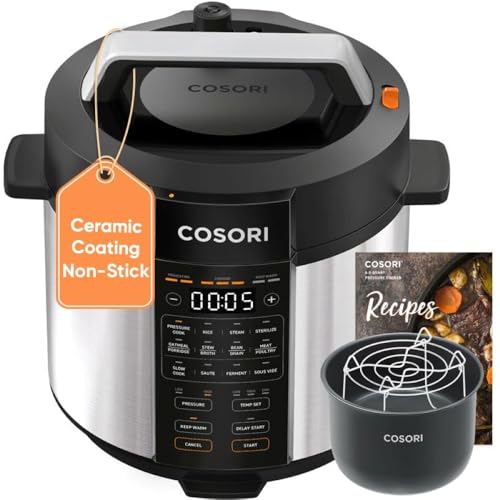
𝟵 𝗠𝗮𝗰𝗵𝗶𝗻𝗲𝘀 𝗶𝗻 𝟭: Pressure Cook, Rice, Steam, Sterilize, Oatmeal/Porridge, Stew/Broth, Bean/Grain, Meat/Poultry, Slow Cook, Sauté, Ferment, Sous Vide, Keep Warm
How Do Slow Cookers And Pressure Cookers Work?
Both appliances use moist heat, but they handle heat, steam, and time differently. That difference changes cooking speed, texture, how much attention you need to give the appliance, and what safety steps matter.
How Slow Cookers Work
A slow cooker heats food gently in a covered insert over several hours. You add the ingredients, choose low or high, and allow the enclosed heat and moisture to cook the food gradually.
This method works well for soups, stews, chili, shredded meat, braised dishes, and recipes that benefit from long cooking. Tough cuts such as chuck roast or pork shoulder can become tender as long, moist cooking softens connective tissue.
The trade-off is speed. A slow cooker is not the best tool when you need dinner quickly or want crisp, roasted textures. Browning meat in a skillet before slow cooking can add deeper flavor, but a conventional slow cooker does not create a crisp crust while the food simmers.
How Pressure Cookers Work
A pressure cooker seals in steam. As pressure builds, water can reach a higher temperature than it does in an open pot, so food cooks faster. This makes pressure cookers useful for dried beans, grains, stock, stews, and tougher cuts of meat.
Pressure cooking still requires planning. A recipe’s stated pressure-cook time is only part of the total. The cooker must first heat and build pressure, and you may also need a natural or controlled pressure release afterward.
Note: Electric pressure cookers, stovetop pressure cookers, and multicookers do not all behave the same way. Some models offer multiple pressure levels while others do not. Always follow the manual for your exact model.
Which Cooks Faster: Slow Cooker Or Pressure Cooker?
A pressure cooker is the faster method for foods that normally need long simmering. A slow cooker intentionally trades speed for a low-effort, all-day cooking schedule.
[Amazon Products Picked for You]

ALL-IN-ONE ELECTRIC PRESSURE COOKER: Replace multiple appliances with one 9-in-1 multi cooker. Pressure cook, slow cook, make rice, sous vide, steam, sear/sauté, make yogurt, and more—all in a space-saving design built for everyday meals.

ALL-IN-ONE ELECTRIC PRESSURE COOKER: Replace multiple appliances with one 9-in-1 multi cooker. Pressure cook, slow cook, make rice, sous vide, steam, sear/sauté, make yogurt, and more—all in a space-saving design built for everyday meals.
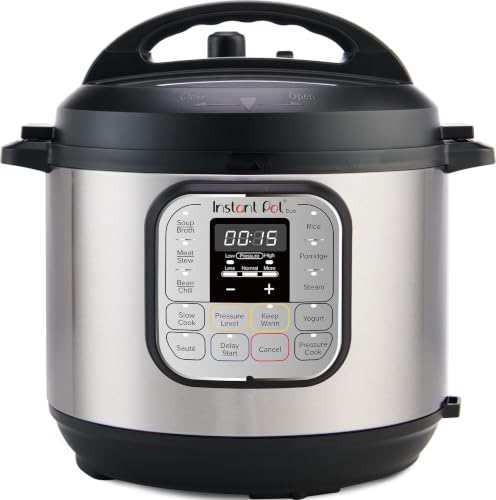
7 Cooking Functions: Pressure cook, slow cook, sauté, steam, make rice, yogurt, or simply keep your meal warm—all in one appliance.
Slow Cooker Duration
Most slow cooker recipes take several hours. Many dishes cook for about 4 to 6 hours on high or 6 to 10 hours on low, depending on the food, recipe, amount of liquid, appliance size, and manufacturer instructions.
This makes slow cookers useful for planned meals. You can start a stew, chili, or roast earlier in the day and have it ready later. The downside is flexibility: if you forget to start the cooker, you usually cannot simply compress an eight-hour recipe into one hour without changing cooking methods.
Pressure Cooker Speed
Pressure cookers can shorten the cooking time for beans, rice, broth, potatoes, stew meat, and other foods that normally need longer simmering.
Still, pressure cooking is not instant. Pressure-building time and pressure-release time count toward the real start-to-finish time. A recipe labeled “30 minutes” can therefore take longer than 30 minutes before the food reaches the table.
How Do Heat And Pressure Controls Differ?
Slow cookers keep cooking gentle and steady. Pressure cookers use a sealed environment and higher-temperature steam, so timing and release technique have a larger effect on the final texture.
[Amazon Products Picked for You]

MODERN WAY TO CAN AT HOME – Upgrade from traditional stovetop canning with a smart digital canner designed to simplify pressure and boiling water canning from start to finish.

ALL-IN-ONE ELECTRIC PRESSURE COOKER: Replace multiple appliances with one 9-in-1 multi cooker. Pressure cook, slow cook, make rice, sous vide, steam, sear/sauté, make yogurt, and more—all in a space-saving design built for everyday meals.

7 Cooking Functions: Pressure cook, slow cook, sauté, steam, cook rice, make yogurt, or keep your meals warm, all in one compact device.
Slow Cooker Settings
Slow cookers usually offer low, high, and warm settings. Low and high change how quickly the food heats and how long the recipe cooks.
The warm setting is for holding fully cooked food, not cooking raw food. USDA guidance specifically says not to use “Keep Warm” or “Hot” to cook uncooked food. For meat, poultry, casseroles, and leftovers, use a food thermometer and follow safe internal-temperature guidance from FoodSafety.gov.
Avoid lifting the lid unnecessarily. Each opening releases heat and moisture and can lengthen cooking.
Pressure Cooker Settings
Electric pressure cookers may include pressure cooking, sautéing, keep-warm functions, and food-specific presets. Available pressure levels vary by model, so a preset button does not replace the manufacturer’s instructions or a tested recipe.
Pressure release also matters. A quick release reduces continued cooking sooner, while a natural release lets pressure fall gradually. Follow the recipe and appliance manual, especially with soups, grains, beans, thick mixtures, and foods that may foam or splatter.
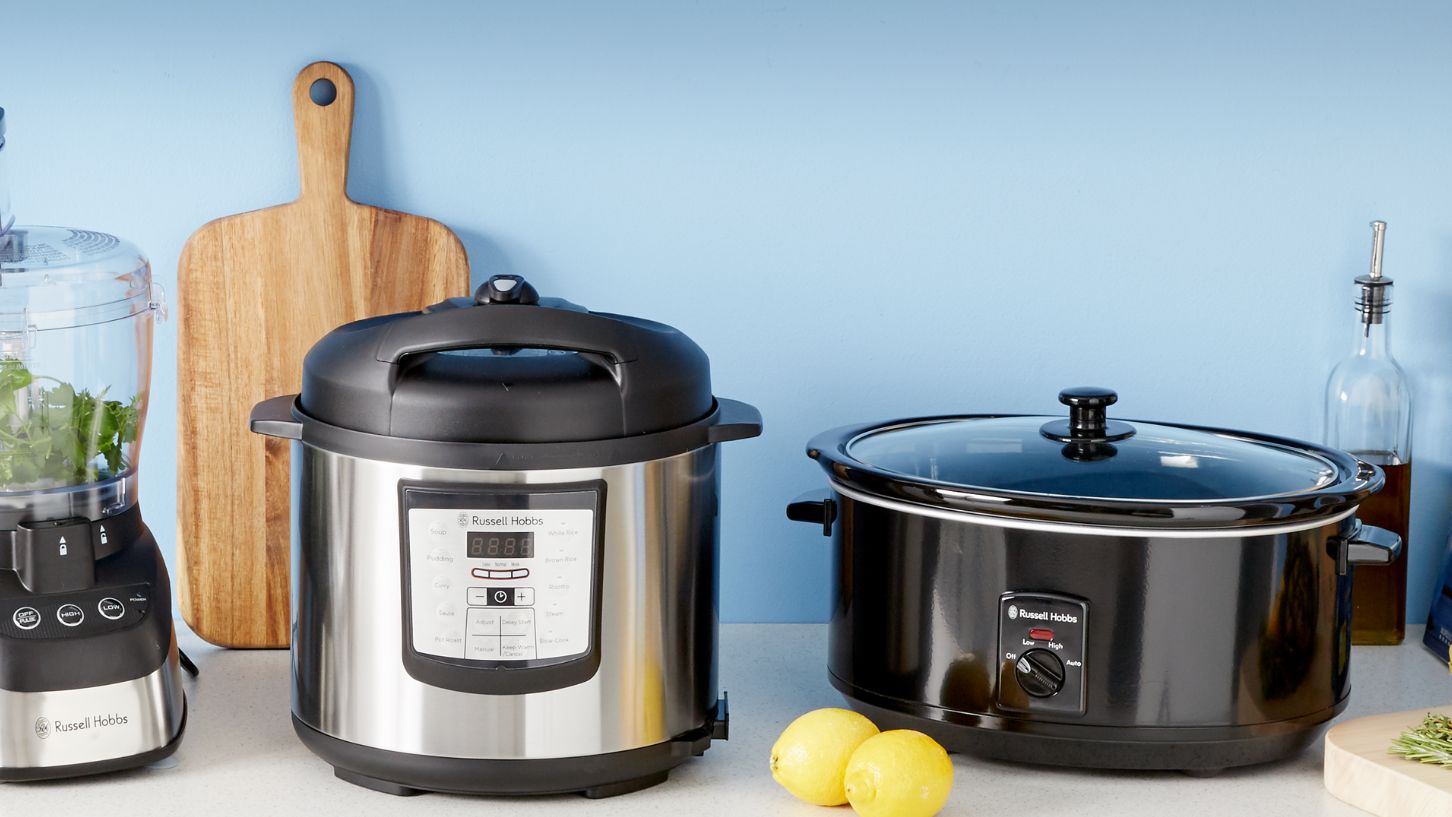
Credit: www.harrisscarfe.com.au
Which Is Safer: Slow Cooker Or Pressure Cooker?
Both appliances can be used safely when you follow the manufacturer’s instructions and basic food-safety rules. Their risks are different: slow cookers heat gradually, while pressure cookers contain hot liquid and steam under pressure.
Slow Cooker Safety
USDA guidance says to start with thawed meat or poultry, keep the lid in place during cooking, use the food and liquid amounts appropriate for the appliance, and verify doneness with a food thermometer.
Kidney bean warning: Do not put raw or merely soaked dried kidney beans directly into a slow cooker. The FDA Bad Bug Book says kidney beans should be soaked for at least 5 hours, drained, and boiled in fresh water for at least 30 minutes to destroy phytohaemagglutinin. For slow-cooker dishes, use canned kidney beans or beans that have already been fully cooked by a safe method.
Thaw meat and poultry before putting them in a slow cooker. USDA warns that frozen food takes longer to reach a safe internal temperature. If you are using a commercially frozen meal specifically designed for slow cooking, follow the package instructions.
Useful food-temperature checkpoints
- Whole cuts of beef, pork, lamb, and veal: 145°F (63°C) plus a three-minute rest.
- Ground meat and sausage: 160°F (71°C).
- Poultry, casseroles, and leftovers: 165°F (74°C).
Pressure Cooker Safety
Pressure cookers use locking lids, seals, valves, and pressure-control systems, but those features do not replace correct operation. Use enough liquid for your model, respect its fill markings, keep the valve and gasket clean, and never force the lid open while the cooker is pressurized.
Use the pressure-release method required by the recipe and appliance manual. Do not improvise with the valve or try to defeat a lid lock.
Pro Tip: Before using a secondhand or older pressure cooker, check its exact model number on the U.S. Consumer Product Safety Commission recall database. Stop using the pressure-cooking function if the lid, seal, valve, lock, or pressure indicator does not work correctly.
What Foods Work Best In Each Cooker?
The best choice depends on the food. Slow cookers suit dishes that tolerate several hours of gentle heat. Pressure cookers are especially useful when pressure can shorten a long simmer.
Ideal Slow Cooker Recipes
Slow cookers work particularly well for:
- Stews and soups: Beef stew, chicken soup, lentil soup, chili, and vegetable soup.
- Roasts and shredded meat: Pot roast, pulled pork, and shredded chicken.
- Casserole-style meals: Recipes specifically designed for slow cooking, including some lasagna, enchilada, and breakfast-casserole dishes.
- Meal prep: Large batches that can cook with little attention.
Use more care with dairy, pasta, seafood, and delicate vegetables because long cooking can affect texture. Recipes designed for a slow cooker usually add these ingredients at the stage that best protects their texture.
Ideal Pressure Cooker Recipes
Pressure cookers are especially useful for:
- Rice and grains: Rice, quinoa, farro, oats, and similar foods when the recipe uses the correct liquid ratio.
- Beans and legumes: Dried beans and lentils that normally require a longer simmer.
- Meat dishes: Beef stew, pulled pork, short ribs, and chicken thighs.
- Soups and broths: Stock, broth, bean soup, and hearty stews.
A sealed pressure cooker does not brown food during the pressure-cooking stage. If deeper browned flavor is important, use a sauté function or skillet before sealing the cooker.
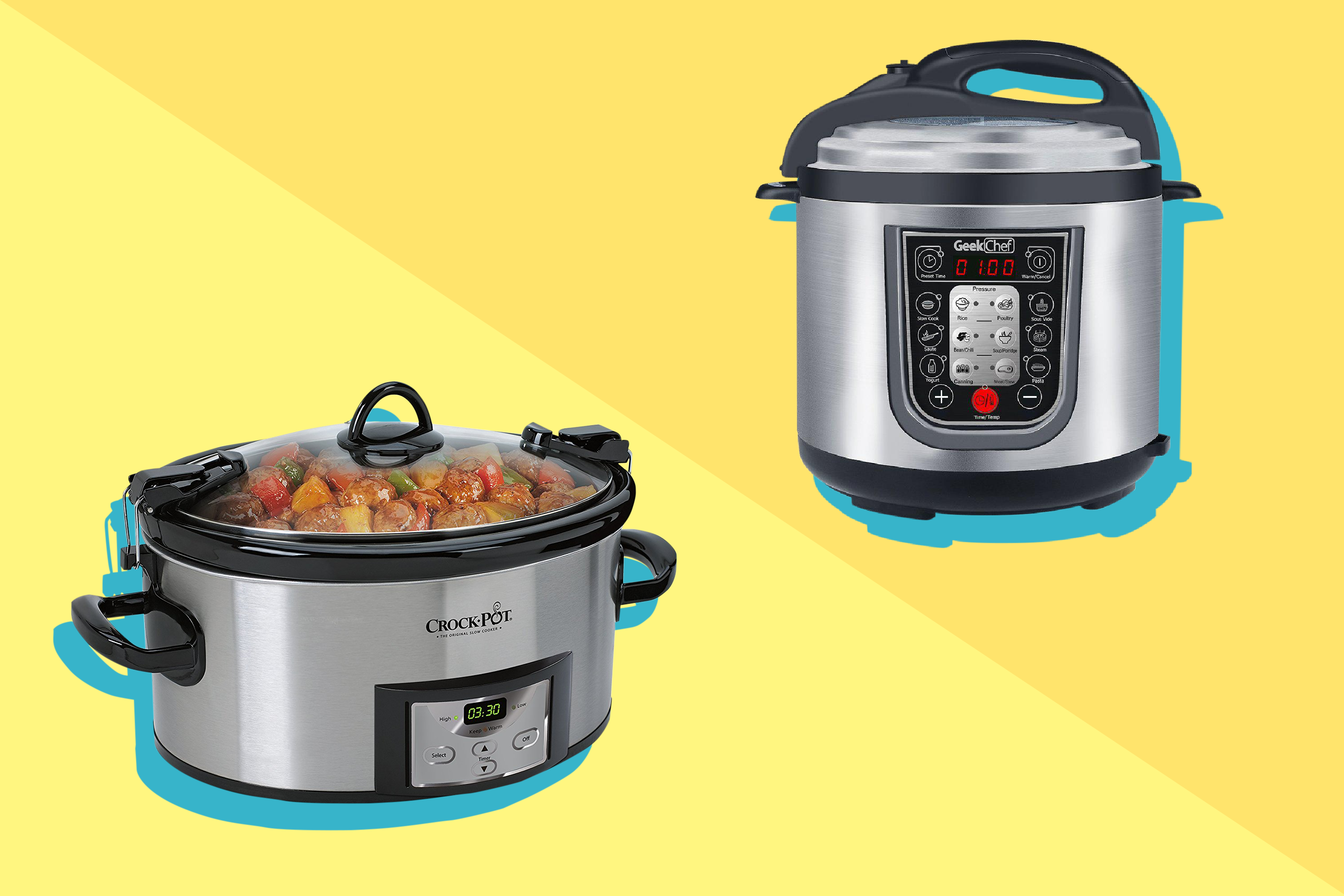
Credit: www.thekitchn.com
Which Uses Less Energy?
There is no universal slow-cooker-versus-pressure-cooker energy winner. Total electricity use depends on the appliance’s wattage, how long it runs, the amount of food, and the recipe.
Slow Cooker Efficiency
USDA notes that a slow cooker can use less electricity than a conventional oven. It heats a relatively small enclosed cooking vessel and runs at modest power for a long period.
For best results, use an appropriately sized cooker and avoid repeatedly opening the lid, which releases heat and lengthens cooking.
Pressure Cooker Efficiency
An electric pressure cooker may draw more power while heating, but it can operate for a much shorter cooking cycle. For foods that normally require long simmering, that shorter duration may reduce total energy use.
Do not assume one appliance will always cost less to run. If electricity use matters to you, compare the wattage on your specific appliances and consider the full heating and cooking time for the recipes you make most.
Which Usually Costs Less?
Slow cookers and pressure cookers are widely available online and in kitchen, department, and appliance stores. Basic dedicated slow cookers are generally simpler appliances. Electric pressure cookers and multicookers may include more functions and controls, which can affect their price.
Slow Cooker Pricing
Basic slow cookers may include only low, high, and warm settings. More feature-rich models can add programmable timers, transport-oriented lids, temperature probes, or other controls.
A dedicated slow cooker can make sense if you mainly cook soups, stews, shredded meat, chili, and meal-prep recipes and do not need pressure cooking or several additional programs.
Pressure Cooker Pricing
Pressure cookers include stovetop, electric, and multicooker designs. Many electric multicookers combine pressure cooking with functions such as slow cooking, sautéing, steaming, rice cooking, or warming.
A pressure cooker or multicooker can offer more value when you frequently cook dried beans, grains, stock, tough cuts, or quick dinners and will actually use the additional functions.
Which One Should You Choose?
Choose a slow cooker if you like to start meals earlier in the day, prefer a simple cooking process, and regularly make foods that tolerate long, gentle heat.
Choose a pressure cooker if you often start dinner later, cook beans or grains frequently, or want to shorten cooking time for stews, broth, and tough cuts.
- For the simplest controls: a dedicated slow cooker usually has the shorter learning curve.
- For the fastest long-cook foods: a pressure cooker is usually the more practical method.
- For checking or adjusting food during cooking: a slow cooker is more accessible, although frequent lid lifting should still be avoided.
- For maintenance: a pressure cooker requires attention to its gasket, valve, lid-locking system, and other pressure components.
- For reducing the number of appliances: a multicooker with both pressure-cook and slow-cook programs can combine several functions in one unit.
For many kitchens, the real choice is not about which appliance is universally better. It is about whether your routine favors planning ahead or finishing sooner.
Can You Convert A Slow Cooker Recipe To A Pressure Cooker?
Sometimes, but the conversion is not one-to-one. Do not simply take an eight-hour slow-cooker recipe and guess a pressure-cooking time.
A pressure cooker needs enough suitable liquid to generate steam, retains more moisture while sealed, and prevents you from tasting or adjusting the dish until pressure is released. Ingredients that tolerate eight hours of slow cooking may also become too soft under pressure if everything is cooked for the same duration.
Use a tested pressure-cooker version of the recipe when possible. If you adapt a recipe yourself, follow your cooker’s minimum-liquid requirements, stay within its fill limits, and choose the pressure-release method appropriate for the food.
Can One Appliance Replace The Other?
Some electric multicookers include both pressure-cook and slow-cook programs. Current Instant Pot multicookers, for example, include both functions on multiple models. That can make a multicooker practical when counter or storage space is limited.
However, having both buttons does not mean every recipe should use identical timing or technique across the two modes. Follow recipes written for the cooking method you select and use the instructions for your specific model.
If slow cooking is your main use and you value very simple controls, a dedicated slow cooker may still suit you better. If speed and multifunction cooking matter more, a multicooker gives you more options from one appliance.
Related Guides
Frequently Asked Questions
Is it better to slow cook or pressure cook?
Neither method is always better. Slow cooking suits planned, hands-off meals that can cook for hours. Pressure cooking suits foods such as beans, grains, broth, stews, and tough cuts when you want them finished sooner. Choose based on your schedule, recipe, and preferred cooking process.
What makes meat more tender, a slow cooker or a pressure cooker?
Both can tenderize tough cuts with moist heat. A slow cooker does it gradually over several hours, while a pressure cooker can do it much faster at a higher cooking temperature under pressure. The cut, amount of connective tissue, liquid, cooking time, and pressure-release method all affect the result.
Can you use a Crockpot as a pressure cooker?
A standard Crockpot-style slow cooker cannot work as a pressure cooker because it does not seal and build pressure. Some Crock-Pot branded multicookers include a separate pressure-cooking function, but a conventional slow cooker does not.
Can you put raw meat in a pressure cooker?
Yes. Raw meat can be pressure cooked when you follow the appliance and recipe instructions, use the required liquid, stay within the fill limits, and cook the meat to a safe internal temperature. Browning the meat first with a sauté function or skillet can add flavor.
Can you cook frozen meat in a slow cooker?
USDA guidance says to thaw meat and poultry before putting them into a slow cooker because frozen food takes longer to reach a safe internal temperature. A commercially frozen meal specifically designed for slow cooking should be prepared according to its package instructions.
Is a pressure cooker the same as an Instant Pot?
Instant Pot is a brand of electric multicooker, and many of its models include a pressure-cooking function along with other programs such as slow cooking, sautéing, steaming, or rice cooking. Pressure cookers can also be stovetop appliances or electric models from other brands.
Can you convert a slow cooker recipe to a pressure cooker?
Sometimes, but there is no universal one-to-one time conversion. Pressure cookers need enough liquid to generate steam, retain more moisture while sealed, and cook ingredients at a different rate. A tested pressure-cooker version of the recipe is the safest starting point.
Does a pressure cooker or slow cooker use less electricity?
There is no universal winner. A slow cooker usually draws modest power for many hours, while an electric pressure cooker may draw more power for a much shorter period. Total electricity use depends on the appliance wattage, recipe, food quantity, heat-up time, and cooking duration.
Conclusion
A slow cooker and a pressure cooker both make home cooking easier, but they fit different routines. Choose a slow cooker when you want simple meals that can cook gently for hours. Choose a pressure cooker when you want to shorten the cooking time for beans, grains, broth, stews, or tough cuts.
Whichever method you use, follow the appliance manual, thaw meat and poultry before slow cooking, handle dried kidney beans safely, respect pressure-cooker fill and release instructions, and use a food thermometer instead of relying only on time.
Sources
- FoodSafety.gov Safe Minimum Internal Temperatures — supports thermometer guidance and minimum safe internal temperatures.
- FDA Bad Bug Book — supports kidney-bean and phytohaemagglutinin safety guidance.
- USDA FSIS Slow Cookers and Food Safety — supports thawing, slow-cooker temperature, lid, hot-holding, and food-safety guidance.
- U.S. Consumer Product Safety Commission Recalls — supports checking pressure-cooker models for current recall notices.
- Instant Pot Multi-Cookers — confirms that current multicooker models can combine pressure-cook and slow-cook functions.
