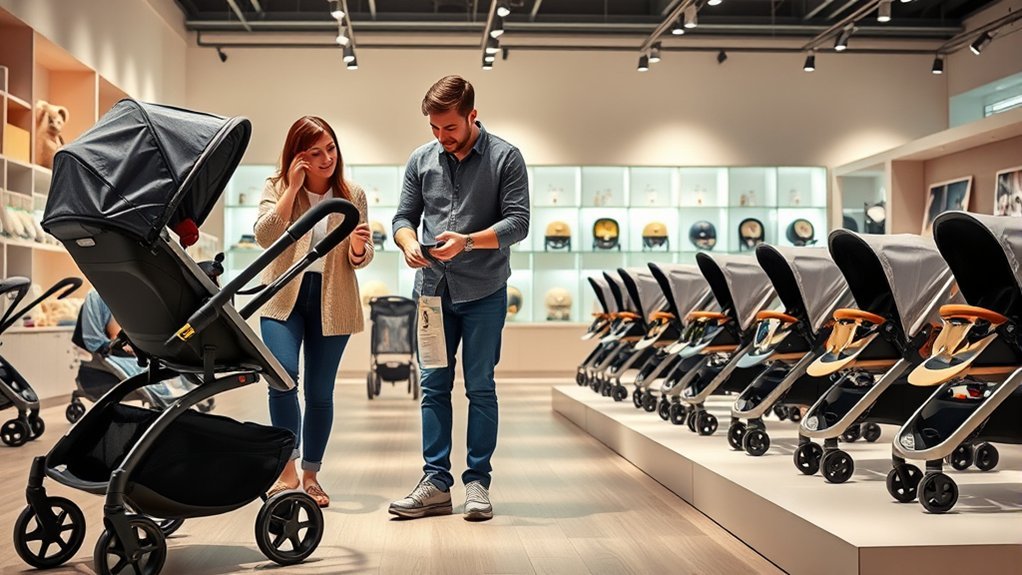
When you’re choosing a baby stroller, you need to balance safety features, your family’s needs, your budget, and your lifestyle. A stroller should provide comfort and convenience, but it also needs to fit your daily routine, your storage space, and the places you visit most. With so many stroller types available, the best choice is not always the most expensive one. It is the one that keeps your child secure, feels easy for you to use, and works well for your everyday outings. Let’s walk through the key factors that can help you choose a stroller with more confidence.
Quick Answer
Choose a baby stroller by starting with safety, then matching the stroller type to your family size, daily routine, terrain, storage needs, and budget. Look for a secure harness, reliable brakes, smooth steering, a suitable recline, easy folding, washable fabrics, and enough storage for everyday essentials.
Key Takeaways
- Start with safety: choose a stroller with a secure harness, stable frame, dependable brakes, and age-appropriate seat support.
- Match the stroller to your family size, especially if you may need a convertible or double stroller later.
- Think about your daily routine, including sidewalks, public transportation, car trunk space, stairs, travel, and storage at home.
- Test the fold, steering, handle height, basket access, and brake before you buy whenever possible.
- Consider long-term value, not only the upfront price. Washable fabric, replaceable parts, and a useful warranty can make a stroller last longer.
At a Glance
| Best For | Parents choosing a first stroller, upgrading from a basic model, or comparing single, double, travel, jogging, and all-terrain options. |
| Most Important Feature | A safe, stable design with a secure harness, reliable brakes, and seat support that matches your child’s age and development. |
| Try Before Buying | Fold it, lift it, push it with one hand, check the brake, adjust the harness, and make sure it fits your car trunk or storage area. |
| Budget Tip | Spend more only when the stroller solves a real need, such as newborn support, double seating, travel weight, rough terrain, or long-term convertibility. |
Key Factors to Consider
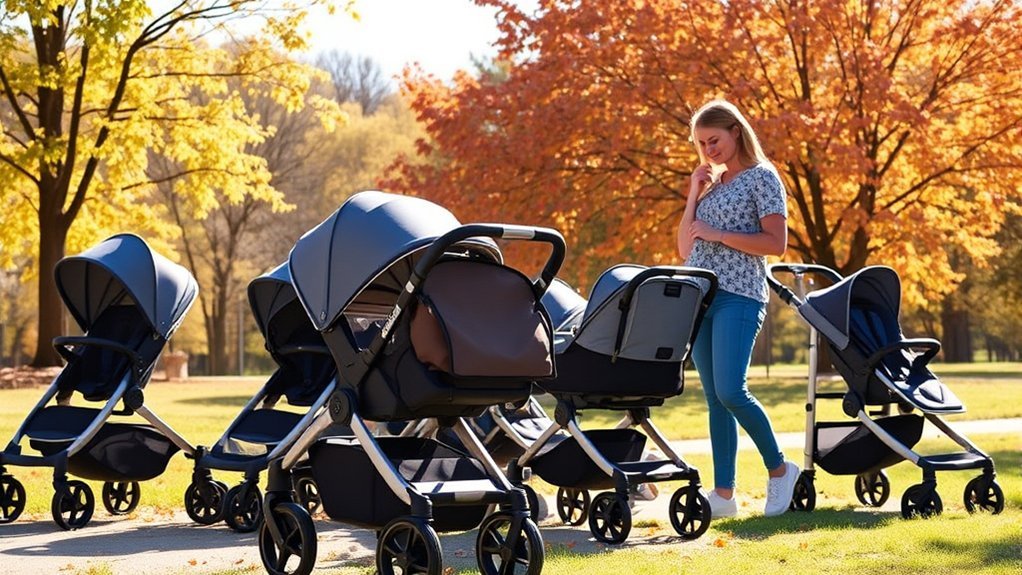
When you’re choosing a baby stroller, it is essential to consider several key factors that can greatly affect your family’s daily life. First, prioritize stroller safety. Choose a model with a secure harness, a stable base, and brakes that are easy for an adult to use but hard for a child to release. If you are buying a used stroller, check for recalls, missing parts, frame damage, and worn wheels before using it.
Next, think about how the stroller fits into your lifestyle. If you need travel convenience, a lightweight, foldable model can make errands, car trips, and airport travel easier. If you walk on bumpy sidewalks, gravel paths, grass, or park trails, terrain adaptability matters more. All-terrain strollers usually handle rougher surfaces better, while urban families may prefer a compact option for narrow sidewalks, apartment elevators, and small storage spaces.
Confirm the stroller’s dimensions can work inside your home and around your routine. Make sure it fits through doorways, into your trunk, and into your usual storage spot. Features like reversible seats, adjustable recline, a large canopy, car seat compatibility, and a roomy storage basket can make daily use more comfortable. Finally, look for washable fabrics and easy-to-clean options to simplify maintenance. By considering these factors early, you can choose a stroller that supports your family instead of slowing you down.
Warning: Do not hang heavy bags from the stroller handle unless the manufacturer allows it. Extra weight on the handle can make some strollers tip backward, especially when a child is seated inside.
Your Family Size

When choosing a stroller, your family size plays an essential role in your decision. If you’re starting with one child, a single stroller might be perfect. But if you plan to expand your family soon, consider a convertible option that can grow with you. For families with twins or two young children, double strollers can make outings easier and more enjoyable.
Also think about the age gap between children. A newborn and a toddler may need a different setup than two toddlers. One child may need a full seat, while the older child may only need a ride-on board for short breaks. Planning ahead can save money and prevent you from replacing a stroller too soon.
Single vs. Double Strollers
Choosing between a single and double stroller often depends on your current family size and future plans. If you have one child and do not plan to add another soon, a single stroller usually gives you the best mix of weight, storage, and easy steering. If you have one child but expect another, a double or convertible stroller could offer better long-term value.
Consider the configuration. Tandem models place one child in front of the other, so they are usually narrower and easier to move through tight spaces. Side-by-side strollers give both children similar views and easier access, but they can feel wider in stores, doorways, and crowded sidewalks. Some versatile strollers allow mix-and-match configurations, combining a seat with a bassinet or car seat.
If you have an older child, look for attachments like a comfort wheeled board so they can ride along when they get tired. Just remember to check whether you need adapters, second seats, bassinets, or ride-on boards before you buy. Those extras can affect the final cost and the stroller’s everyday convenience.
Convertible Stroller Options
As your family grows, having a convertible stroller can be a game-changer because it gives you the flexibility to move from a single to a double configuration. If you’re planning for multiple children, this stroller adaptability means you may not need to invest in a completely new model later.
Tandem double strollers are practical for maneuvering tight spaces, while side-by-side models can promote sibling bonding and make both seats easier to reach. Some convertible options even let you combine a toddler seat with a bassinet or infant car seat, which gives you extra versatility during the newborn stage.
Also check the stroller’s weight limits in each seating position. Some convertible strollers have different limits for the upper seat, lower seat, bassinet, or rider board. Make sure the setup works for your children’s ages, weights, and daily needs before you commit.
Your Lifestyle

When choosing a stroller, think about how your daily routine plays out and where you’ll use it most. If you live in the city, a lightweight model might be your best bet. If you live in a rural area or spend time on trails, you may need something more rugged. Also, consider how adaptable the stroller needs to be for future family plans, especially if you want it to last through more than one child.
Your lifestyle should guide the stroller type more than trends or brand names. A premium stroller that is heavy and hard to fold may frustrate you if you climb stairs every day. A small travel stroller may feel convenient but may not offer enough storage, suspension, or newborn support for daily walks.
Daily Routine Assessment
Your daily routine plays an essential role in selecting the right baby stroller. Assess where you’ll use it most. If you’re in the city, a lightweight and compact model may suit your daily activities better. If you live near uneven roads, parks, or gravel paths, all-terrain options may give you a smoother ride.
Consider how often you’ll need to fold and transport the stroller. If you drive often, test whether the stroller fits into your trunk with room left for groceries or bags. If you use public transportation, pay close attention to folded size, weight, and whether you can carry it while holding your child. If you travel frequently, look for strollers designed for easy transport on planes, trains, and rideshares.
Don’t forget about storage space. A stroller with a useful underseat basket or attachable organizer can carry diapers, wipes, snacks, bottles, toys, and a light blanket. By aligning stroller use with your lifestyle, you’ll find a model that makes outings easier and more enjoyable with your little one.
Terrain and Adaptability
Choosing the right stroller means considering the terrain you’ll navigate regularly. Different terrain types require different features for ideal adaptability. Here are three key aspects to think about:
- Urban Living: If you’re in the city, opt for a lightweight stroller that’s easy to maneuver in tight spaces and can handle uneven sidewalks.
- Off-Road Adventures: For those in rural areas, look for all-terrain strollers with larger wheels and enhanced suspension systems to support stability and comfort.
- Transport Needs: Think about how often you’ll need to transport the stroller; lightweight models are easier to fold and carry for families on the go.
Test strollers in person when possible to verify they meet your lifestyle’s adaptability features and comfort needs. Push the stroller with one hand, turn it in a tight space, check how it handles small bumps, and make sure the handlebar height feels comfortable for you.
Pro Tip: Bring a measuring tape when stroller shopping. Measure your trunk, entryway, closet, elevator, and the stroller’s folded size so you know it fits before you bring it home.
Stroller Features to Look For
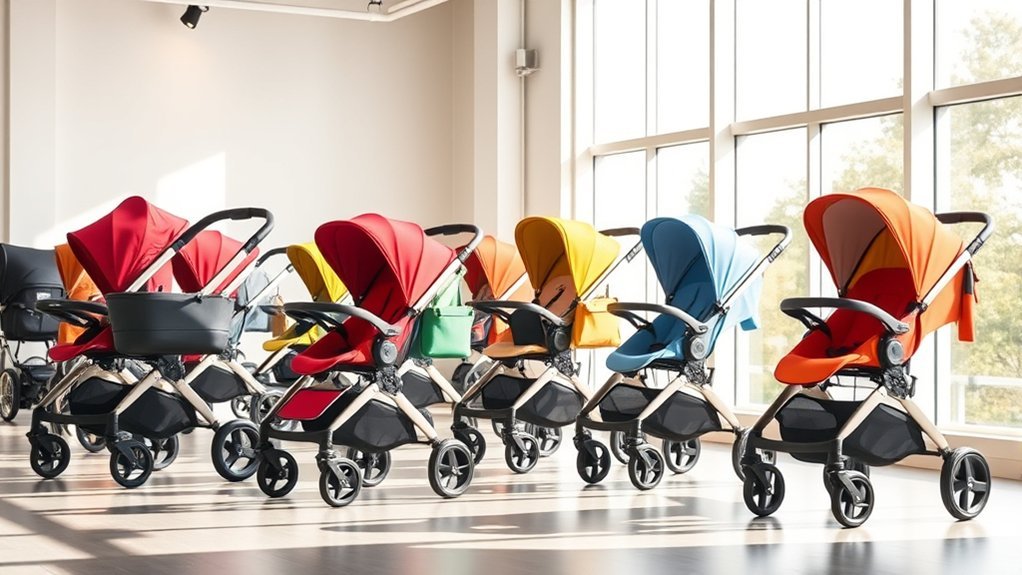
Selecting the right stroller involves considering several key features to make sure it meets your family’s needs. First, look for safety features like effective brakes that are easy to operate. Test the brake with the shoes you wear most often, including sandals or flip-flops, because some brakes feel easy in the store but awkward during daily use.
A secure harness is another must-have. Many strollers use a five-point harness that secures the shoulders, waist, and crotch area. The harness should adjust easily as your child grows, and the buckle should feel secure without being frustrating for you to open.
Comfort options are essential, too. Strollers with a bassinet and seat combination can provide a flat resting position for newborns while allowing for adaptability as your child grows. If you plan to use the stroller from birth, check whether the seat reclines enough for a newborn or whether the stroller requires a bassinet or compatible infant car seat.
Reversible seats are another useful feature. They let your little one face you or face the world, which can support interaction, comfort, and curiosity. Additionally, prioritize durable, washable fabrics and replaceable parts for easy maintenance. Ample underseat storage or attachable organizers will enhance convenience and make outings smoother.
Safety Features That Matter Most
Safety should come before style, accessories, or brand reputation. A good stroller should feel stable, lock securely, and keep your child properly supported. Before buying, check these safety basics:
- Harness: Choose a secure, adjustable harness that fits snugly without pinching your child.
- Brakes: Make sure the parking brake locks both the stroller and your confidence when stopped.
- Frame stability: Avoid strollers that feel wobbly, tip easily, or flex too much under normal use.
- Age suitability: Confirm the stroller seat, recline, bassinet, or car seat setup matches your child’s age and development.
- Canopy coverage: A good canopy helps protect your child from sun, light wind, and light rain.
- Locking fold: The stroller should stay securely folded when carried or stored.
Note: Newborns usually need a flat, well-supported position because they cannot sit upright or control their head well. Always follow the stroller manufacturer’s age, weight, and recline guidance.
Practical Considerations
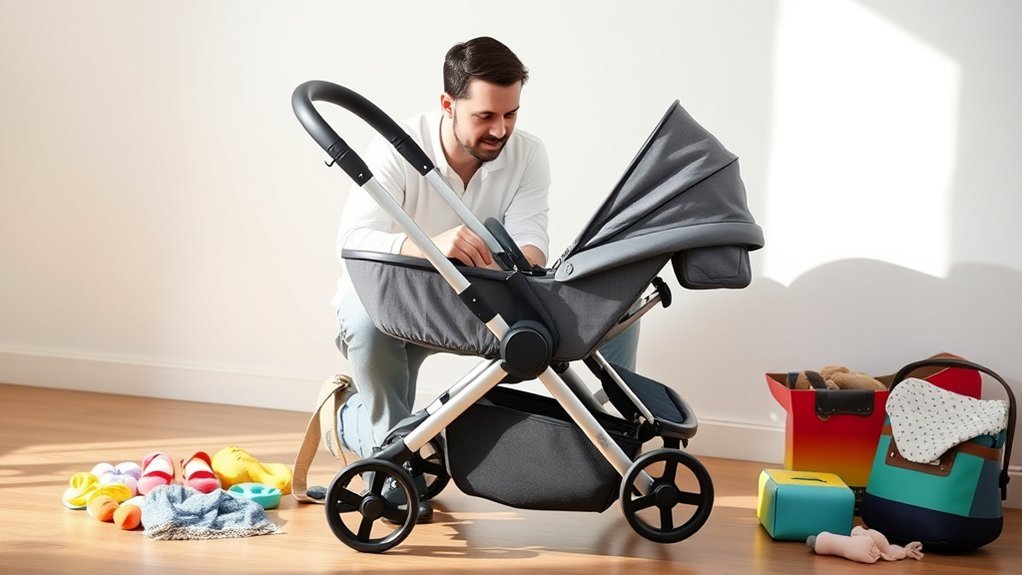
When it comes to buying a baby stroller, practical considerations can make all the difference in your daily outings. You want something that fits smoothly into your lifestyle, so keep these key points in mind:
- Stroller Maneuverability: Make sure the stroller glides easily through standard doorways and tight spaces to avoid frustration during errands, travel, and walks.
- Storage Capacity: Look for ample underseat storage baskets or attachable organizers to carry baby essentials like diapers, snacks, wipes, toys, and a spare outfit without hassle.
- Weather Protection: Opt for strollers equipped with sun canopies and rain covers to shield your child from the elements, allowing you to enjoy your outings in different weather conditions.
Also consider how the stroller folds. Some strollers offer a one-hand fold, which can help when you are holding your child or loading the car. Others fold compactly but require two hands and several steps. Try the fold more than once before buying, because this is one feature you will use often.
Handlebar height matters, too. A stroller that feels comfortable for one caregiver may feel too low or too high for another. If multiple adults will use it, an adjustable handlebar can make pushing more comfortable and reduce wrist, shoulder, and back strain.
Stroller Types and Best Use Cases
Different stroller types solve different problems. Before choosing a model, compare the stroller type with your real routine.
- Full-size stroller: Best for everyday use, storage, comfort, and long-term features. These often work well for families who walk often and want one main stroller.
- Lightweight or umbrella stroller: Best for quick errands, travel, and older babies or toddlers. These are easier to carry but may offer less storage and suspension.
- Travel system: Best for parents who want an infant car seat and stroller that connect easily. Check car seat compatibility before buying.
- Jogging stroller: Best for running or fast walking, but only when designed for that purpose. Look for stability, suspension, air-filled or larger wheels, and a secure wrist strap.
- All-terrain stroller: Best for parks, gravel paths, uneven sidewalks, and mixed surfaces. These usually have stronger wheels and better suspension.
- Double stroller: Best for twins or two young children. Choose between tandem, side-by-side, or convertible styles based on your space and routine.
Maintenance and Care

Proper maintenance and care of your baby stroller can greatly extend its lifespan and keep it in top condition for all your adventures. Start with stroller cleaning. Choosing models with removable, machine-washable fabrics makes it easier to handle spills, crumbs, and everyday messes. Look for strollers made from easy-to-clean materials so you can quickly wipe down surfaces and maintain their appearance.
Consider choosing strollers with durable, replaceable parts. This can improve longevity and reduce long-term costs. A modular design can also make repairs easier, helping your stroller remain functional over time.
Inspect the stroller regularly. Check the wheels for debris, test the brake, tighten loose parts if the manual allows it, and make sure the harness still adjusts smoothly. If your stroller has air-filled tires, check tire pressure according to the manufacturer’s instructions. If it has foam or rubber wheels, look for cracks, flat spots, or uneven wear.
Store your stroller in a dry place when possible. Long exposure to moisture, heat, or direct sun can wear down fabric, plastic, and rubber faster. If the stroller gets wet, open it fully and let it dry before folding it away.
Weight, Pricing, and Warranty Information
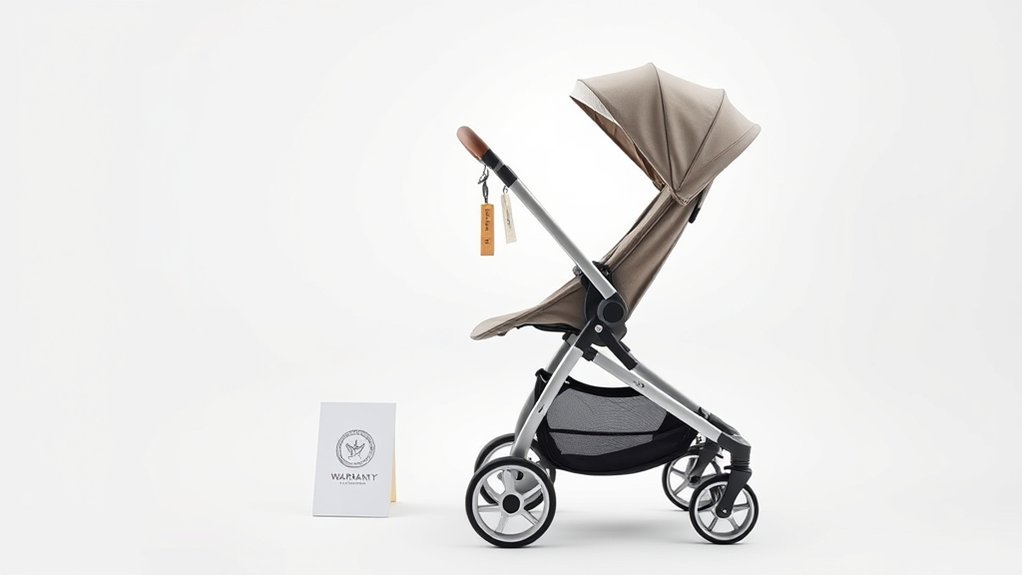
After ensuring your stroller is practical and easy to maintain, evaluate factors like weight, pricing, and warranty information that can impact your buying decision. Here’s what to take into account:
- Stroller Weight: Lightweight options around 15 pounds can offer more portability compared to heavier full-size models that may weigh closer to 25 to 30 pounds. Your lifestyle will dictate what’s best for you.
- Pricing Options: Basic strollers can be budget-friendly, while premium strollers can cost much more, especially when you add compatible car seats, bassinets, adapters, organizers, or rider boards. Think of this as a long-term investment in your child’s comfort and safety, but only pay extra for features you will actually use.
- Warranty Details: Different brands offer varying warranty lengths and coverage. A solid warranty can give you peace of mind, but read the terms carefully so you know what is covered, what requires proof of purchase, and what damage is excluded.
Weight is one of the most overlooked buying factors. A stroller may push beautifully in the store but feel too heavy when you lift it into a trunk several times a day. If you live upstairs, travel often, or use rideshares, a lighter model may matter more than oversized wheels or premium finishes.
Price should also be judged by total cost. A stroller that requires separate adapters, a bassinet, a second seat, or a specific car seat can cost more than the sticker price suggests. Before buying, list the accessories you truly need and add them to your budget.
The best stroller is not the one with the longest feature list. It is the one you can safely use, comfortably push, easily fold, and realistically maintain every week.
Try-Before-You-Buy Checklist
If you can test a stroller in person, use a simple checklist before you make your final choice. Small details can make a big difference once you use the stroller every day.
- Push test: Push it with one hand and two hands. Check how smoothly it turns.
- Fold test: Fold and unfold it several times without help.
- Lift test: Lift it as if you were placing it into your car trunk.
- Brake test: Lock and unlock the brake while standing naturally.
- Harness test: Adjust the harness and buckle it securely.
- Storage test: Place a diaper bag or similar item in the basket to see how easy it is to access.
- Canopy test: Extend the canopy and check how much shade it provides.
- Recline test: Adjust the seat recline and confirm it fits your child’s age and comfort needs.
- Car fit test: If allowed, check whether the folded stroller fits into your trunk.
Common Stroller Buying Mistakes
Many parents focus on color, brand, or online ratings first. Those details can help, but they should not replace practical testing. Avoid these common mistakes when choosing a stroller:
- Buying only for the newborn stage: Your baby will grow quickly, so check toddler comfort and weight limits too.
- Ignoring folded size: A stroller that does not fit your trunk or closet can become frustrating fast.
- Skipping adapter costs: Car seat adapters, second seats, snack trays, and rider boards can raise the final price.
- Choosing too much stroller: A large all-terrain stroller may be unnecessary if you mostly shop indoors or use public transit.
- Choosing too little stroller: A tiny travel stroller may not offer enough support or storage for daily use.
- Not checking recalls: Always check safety notices when buying secondhand or using an older stroller.
Related Guides
Frequently Asked Questions
Can I use a stroller for jogging or running?
Yes, but only if the stroller is specifically designed for jogging or running. Jogging strollers usually have better stability, larger wheels, stronger suspension, and safety features made for faster movement. Avoid running with a standard stroller because it may not stay stable on uneven ground or at higher speeds.
Are there strollers suitable for twins or multiple children?
Absolutely. Twin strollers and double strollers are designed for multiple children. You can choose side-by-side, tandem, or convertible models depending on your space, your children’s ages, and how often you need to fold, lift, or transport the stroller.
What accessories should I consider for my stroller?
Useful stroller accessories can include a rain cover, cup holder, parent organizer, child snack tray, car seat adapter, mosquito net, footmuff, travel bag, and ride-on board for an older child. Choose accessories that match your daily routine instead of buying every add-on at once.
How do I clean and maintain my stroller effectively?
Wipe down surfaces with a damp cloth and mild soap, then let the stroller dry fully before storing it. Follow the manufacturer’s fabric-care instructions for removable seat pads. Check the wheels, brakes, harness, frame, and folding lock regularly so the stroller stays safe and functional.
What is the average lifespan of a baby stroller?
A baby stroller often lasts about three to five years, depending on build quality, use, storage, and maintenance. Some durable models can last longer, especially if they have replaceable parts. Always stop using a stroller if the frame, brakes, harness, wheels, or folding mechanism becomes unsafe.
Can a newborn use a regular stroller seat?
A newborn needs a flat or properly supported position because they cannot sit upright or control their head well. Some regular stroller seats are suitable from birth if they recline fully and the manufacturer allows newborn use. Others require a bassinet or compatible infant car seat.
Is a travel system worth it?
A travel system can be worth it if you want an infant car seat that clicks into the stroller for short trips and errands. It can make transitions easier, but you should still check stroller weight, folded size, car seat safety, and how long your child can use each part.
Conclusion
When you’re ready to buy a baby stroller, remember to weigh safety, convenience, comfort, storage, and your family’s needs. For instance, Sarah, a busy mom of twins, found a double stroller with a one-hand fold feature invaluable for maneuvering through crowded spaces. Another parent may care more about a lightweight frame for stairs, while a family who walks on trails may need larger wheels and better suspension.
The right stroller should make daily life easier, not more complicated. Start with safety, choose the stroller type that fits your family size, test the fold and steering, and check the true total cost before you buy. By considering your lifestyle and practical requirements, you’ll make a choice that keeps your little ones safe, comfortable, and ready for everyday outings.
