
As your little one outgrows their cozy bassinet stroller, it helps to know the signs before the bassinet becomes cramped or unsafe. Most babies move out of a bassinet stroller around 3 to 6 months, but age is only a guide. The better signs are your baby’s weight, height, head control, rolling, sitting ability, and the exact limit listed in your stroller manual.
Quick Answer
Stop using a bassinet stroller when your baby reaches the manufacturer’s weight or height limit, starts rolling, pushes up, sits independently, or looks cramped. For many babies, this happens around 3 to 6 months. Always follow your stroller manual because every bassinet has its own safety limits.
Key Takeaways
- Most bassinet strollers are useful during the newborn stage, often until about 3 to 6 months, depending on your baby and the model.
- Switch sooner if your baby can roll, push up, sit, or exceed the bassinet’s weight or height limit.
- A stroller seat should recline enough and have a secure harness before you use it with a young baby.
- Car seats are convenient for travel systems, but they are not meant for long stroller naps or routine sleep outside the car.
- Check the manual, inspect the stroller, and adjust the harness before every transition ride.
At a Glance
| Usual Transition Age | Around 3 to 6 months, depending on your baby’s growth and stroller limits |
| Main Readiness Signs | Rolling, pushing up, sitting, strong head control, or discomfort in the bassinet |
| What to Check | Weight limit, height limit, recline angle, harness fit, brakes, and stroller manual |
| Best Next Option | A reclining stroller seat, convertible stroller, travel system, or baby carrier for short outings |
Understanding the Lifespan of Bassinet Strollers

Understanding when to stop using a bassinet stroller is important for your baby’s safety and comfort. Bassinet strollers are designed to give newborns a flat, cozy riding space before they are ready for a more upright stroller seat. That flat position can be helpful during early walks because newborns do not yet have strong head, neck, or trunk control.
However, the bassinet stage does not last long. Many babies are ready to move on between 3 to 6 months, but your stroller’s manual matters more than the calendar. Some bassinets may have a limit around 20 to 25 pounds, while others may be lower or higher. Height, rolling ability, and movement are just as important as weight.
Warning: Stop using the bassinet if your baby can roll, push up on hands and knees, sit up, or climb against the sides. These movements can increase the risk of tipping, falling, or getting into an unsafe position.
As soon as your baby can sit up independently, roll over, or push up strongly, it is usually time to shift to a standard stroller seat or a stroller seat with a safe recline. This keeps your baby supported while giving them more room to move and look around. Individual growth varies, so monitor your baby’s readiness closely rather than relying on age alone.
Signs Your Baby Is Ready to Transition

As your baby grows, you’ll notice key signs that show they are ready to change from a bassinet stroller to a standard stroller seat. Typically, this shift happens when your little one has better head and neck control, often between 3 to 6 months. If you see your baby holding their head steady without help, that is a positive sign.
Also watch for rolling, pushing up, turning sideways, trying to sit, kicking strongly, or showing discomfort in the bassinet. These signs can mean your baby needs more space and a more secure seating setup. If your baby’s feet press against the end, their shoulders look squeezed, or they seem frustrated during rides, the bassinet may no longer be comfortable.
- Head control: Your baby can keep their head steady without wobbling forward or sideways.
- Rolling or twisting: Your baby tries to roll, turn, or push against the bassinet sides.
- Sitting progress: Your baby can sit with support or starts trying to sit up independently.
- Size limits: Your baby is close to or above the stroller bassinet’s weight or height limit.
- Comfort changes: Your baby looks cramped, restless, or unhappy during stroller rides.
It’s essential to keep an eye on development milestones, as readiness can vary among infants. Most bassinet strollers have a weight limit listed in the product manual, and exceeding that limit means it is time to switch. Prioritizing your baby’s comfort during this change helps them continue to feel secure and supported as they explore the world around them.
Note: If your stroller seat does not recline enough for your baby’s age and head control, wait until they are stronger or use a manufacturer-approved newborn insert, bassinet, or compatible infant car seat for short travel-system use.
Factors Influencing the Transition Timing

When contemplating the right time to switch from a bassinet stroller, several factors can impact your decision. Your baby’s developmental milestones are essential. Many babies begin gaining stronger head control around 3 months, but that does not automatically mean every baby is ready for an upright stroller seat. Look at the full picture: head control, trunk strength, rolling, comfort, size, and the stroller’s instructions.
Here’s a quick overview of factors to take into account:
| Factor | Description |
|---|---|
| Developmental Milestones | Monitor head, neck, and torso control before using a more upright seat |
| Weight Limits | Check manufacturer guidelines and stop using the bassinet once your baby reaches the limit |
| Baby’s Individual Growth | Each child develops at their own pace, so size and movement matter more than age alone |
| Stroller Features | Confirm the new stroller seat reclines, supports your baby, and has a secure harness |
Another important factor is how you use the stroller. Short neighborhood walks may be easier to manage than long outings, uneven sidewalks, crowded stores, or travel days. If your baby still needs a lot of support, a deep recline can make the transition smoother.
Pro Tip: Before your first full outing, test the stroller seat at home. Buckle your baby in, check the recline, adjust the shoulder straps, and make sure their chin is not pressed down toward their chest.
How to Switch From Bassinet to Stroller Seat
Once your baby is ready, make the switch gradually. You do not need to turn the first ride into a long trip. Start with a short walk, watch your baby’s posture, and adjust the recline or harness if needed.
- Read the stroller manual first. Confirm the minimum age, weight range, recline settings, and approved accessories for the stroller seat.
- Set the seat to the safest recline. Younger babies usually need a deeper recline until they have stronger trunk control.
- Adjust the harness height. The straps should sit at or just below your baby’s shoulders for many stroller seats, but always follow your manual.
- Secure the buckle and chest area. The harness should be snug enough to hold your baby safely without digging into their skin.
- Check breathing position. Your baby’s chin should not slump tightly against the chest.
- Try a short ride first. Start with 10 to 15 minutes and watch for discomfort, slumping, or fussiness.
- Recheck after growth spurts. Babies grow quickly, so harness height and recline needs may change often.
This simple transition routine helps you avoid common problems like loose straps, poor recline, or a seat that does not support your baby well enough yet.
Alternatives to Bassinet Strollers
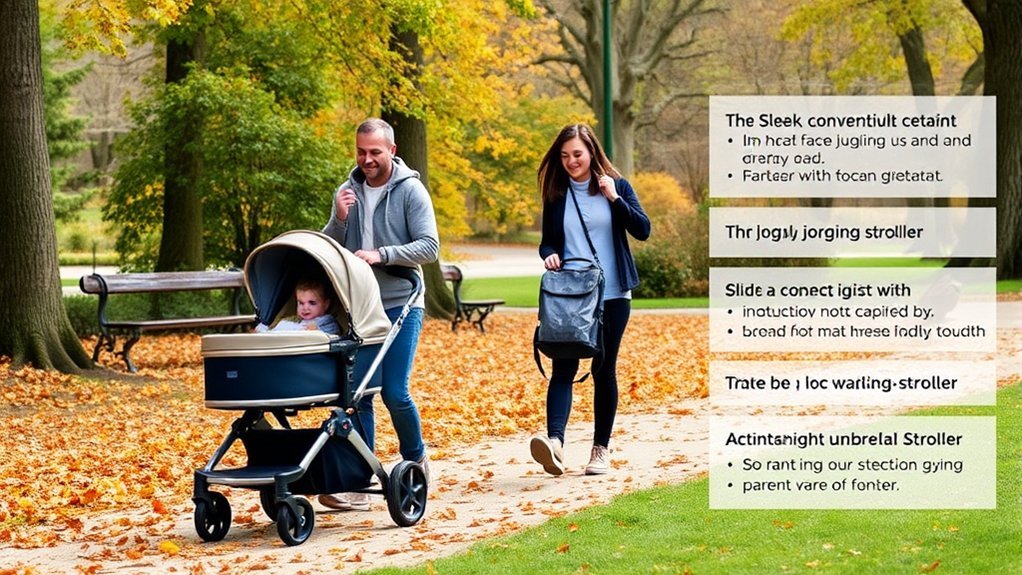
While moving away from a bassinet stroller can feel intimidating, several alternatives provide flexibility and comfort for both you and your baby. Consider versatile options like the Graco Modes, which offers a bassinet-style feature that converts for different stages. If you’re looking for simplicity, car seats can transport your little one on walks without needing an extra bassinet attachment, but they are best for short travel-system use rather than long stroller naps.
Strollers like the Nuna Mixx Next come with built-in bassinet-friendly capabilities or compatible bassinet options, depending on the setup, giving you a flat riding surface without as many extra parts. For budget-conscious parents, the Evenflo Pivot and Monbebe Lynx deliver bassinet-style functionality without the higher price tag of many premium brands. Finally, baby carriers are helpful for short outings, keeping your newborn close while minimizing stroller bulk.
These bassinet alternatives guarantee you’ve got options that suit your lifestyle and your baby’s needs. The best choice depends on your baby’s age, body control, outing length, storage space, and how often you move between the car and stroller.
Safety Considerations During the Transition

Shifting from a bassinet stroller to a traditional stroller is an important step, and ensuring your baby’s safety should come first during this alteration. Before making the change, check your baby’s head and neck control, which often improves around 3 to 6 months. This helps you decide whether they can sit comfortably and safely in a more upright position.
Pay attention to the manufacturer’s weight limit; exceeding it could require an immediate change in seating arrangements. Also check height limits, warning labels, and any notes about rolling or pushing up. A baby who is under the weight limit may still be ready to leave the bassinet if they are too active for it.
Regularly inspect the stroller for any wear and tear, making certain it’s secure for your little one. Transition precautions are essential. Make sure the harness fits snugly, the stroller is stable, the brakes work, and the seat locks into place. Most importantly, maintain child supervision during outings. This vigilance helps prevent accidents and keeps your baby safe and comfortable in their new stroller.
Warning: Do not place extra pillows, loose blankets, or unapproved inserts in the stroller to make the seat “fit better.” Soft or unapproved items can affect harness security, breathing position, and stroller safety.
Common Transition Mistakes to Avoid
Parents often switch strollers during a busy growth stage, so small mistakes are easy to miss. Avoiding these issues can make the change safer and more comfortable.
- Using age alone: A 4-month-old may be ready, while another baby may need more time. Watch strength, size, and movement.
- Ignoring the manual: Bassinet and stroller seat limits vary by model, so the manual is the most important guide.
- Keeping the seat too upright: A young baby may slump if the seat angle is too steep.
- Leaving straps too loose: Loose harness straps can let your baby slide, lean, or twist unsafely.
- Using the bassinet after rolling starts: Rolling and pushing up can make the bassinet less safe.
- Relying on a car seat too long: Car seats are designed for vehicle safety and short travel-system use, not long routine sleep outside the car.
Related Guides
Frequently Asked Questions
Can I Use a Bassinet Stroller for a Toddler?
You shouldn’t use a bassinet stroller for a toddler. Toddlers are usually too heavy, too tall, and too active for a stroller bassinet. Consider alternatives like lightweight strollers, convertible strollers, or travel strollers that match your child’s current height and weight.
How Do I Clean a Bassinet Stroller Properly?
To clean your bassinet stroller, remove washable fabric parts if the manual allows it. Use mild soap and warm water, then air-dry fully before reuse. Avoid bleach or harsh chemicals unless the manufacturer says they are safe. Also check the frame, wheels, brakes, and attachment points for wear.
What Features Should I Look for in a New Stroller?
Look for a stroller with a safe recline, secure five-point harness, easy brakes, smooth folding mechanism, sturdy frame, good sun canopy, and a weight range that fits your baby’s next stage. A lightweight stroller can be helpful if you lift it into the car often.
Are Bassinet Strollers Safe for Overnight Sleeping?
Do not assume a bassinet stroller is safe for overnight sleeping. Some stroller bassinets are approved for sleep, while others are only for supervised strolling. Check the manual. For routine sleep, use a firm, flat, approved crib, bassinet, or play yard with no loose bedding.
Can I Attach a Car Seat to a Bassinet Stroller?
Many stroller systems allow a compatible infant car seat to attach to the frame, but you must use the correct adapter and follow the brand’s instructions. Never force a car seat onto a stroller that is not approved for that seat model.
What If My Baby Is 6 Months Old but Still Seems Uncomfortable in the Stroller Seat?
Try a deeper recline, adjust the harness, and check whether the seat has enough support. If your baby slumps, cries, or looks poorly positioned, use shorter rides and consider a stroller seat with better recline or support. Always stay within the stroller’s manual guidelines.
Should the Stroller Seat Face Me or Face Forward After the Bassinet Stage?
Either can work if the stroller supports it safely. Parent-facing seats are useful during the early transition because you can watch your baby’s posture and comfort. Forward-facing seats may be better once your baby is older, stronger, and more curious about the surroundings.
Conclusion
As your little one blossoms and reaches new milestones, it’s time to bid farewell to the bassinet stroller when the signs appear. Instead of relying only on age, watch your baby’s movement, comfort, head control, and size. Check the stroller manual, respect the weight and height limits, and move to a safe reclining stroller seat when your baby is ready.
Like a butterfly emerging from its cocoon, your baby is ready to explore the world with more awareness and independence. Keep a watchful eye on their growth and comfort, ensure a smooth changeover to a new stroller setup, and embrace this exciting chapter with confidence and care.
