
Disclosure: This roundup is reader-supported. As an Amazon Associate, we may earn from qualifying purchases at no extra cost to you.
Cold-weather backpacking puts more pressure on your shelter than ordinary summer camping. You need a tent that pitches reliably with cold hands, blocks wind-driven precipitation, manages condensation and leaves enough room for thicker sleeping pads, winter bags and damp gear.
This guide is aimed at below-treeline cold-weather trips, shoulder-season storms and mild winter conditions. It is not a list of expedition or high-alpine tents. A tent does not provide most of your warmth; your sleeping pad, sleeping bag, clothing and campsite choice do. For heavy snow loads, exposed ridgelines or severe wind, choose a purpose-built mountaineering shelter rated by its manufacturer for those conditions.
Quick safety note
Waterproof ratings alone do not prove winter storm performance. Pole geometry, canopy fabric, guy-out points, snow shedding and correct pitching matter just as much. Always verify the exact Amazon variant because materials, weights and seasonal labels can differ under the same product family.
Top Picks
| Category | Product | Season Scope |
|---|---|---|
| ❄️ Best Overall Winter-Ready | Clostnature 2P 4-Season | Cold weather and light snow; verify forecast limits |
| 🪂 Best Packable Snow-Skirt Option | Naturehike Cloud-Up 2 | Variant-dependent; confirm snow skirt and material |
| 🎯 Best Value for Mild Winter | Clostnature 2P | Three-season; cold rain and low-snow trips |
| 🔰 Best Reliable Three-Season Pick | Kelty Grand Mesa 2P | Three-season; protected winter camps only |
| ⚡ Best Quick Pitch | Kelty Late Start 2P | Three-season; mild cold-weather use |
| 🎨 Best Spacious Shoulder-Season Tent | Naturehike Mongar 2P | Three-season; roomier for bulky sleep systems |
How We Picked These Tents
We prioritized honest seasonal positioning, full-coverage weather protection, aluminum pole systems, usable floor space, vestibule storage, setup simplicity, packed size and value. We also looked for features that matter in cold conditions: enough room for high-R-value pads, ventilation that can remain partly open, dependable guy-out points and a pitch that can be completed quickly before hands get cold.
We removed products whose winter claims were too confusing, whose construction was better suited to mild summer use, or whose specifications conflicted enough to make a responsible recommendation difficult. No score is shown because a single number can hide the most important distinction: whether a tent is suitable for the weather you actually expect.
Before you buy
- Confirm the exact season rating, fabric, pole set and snow-skirt configuration on the selected listing.
- Compare minimum and packaged weight; sellers sometimes mix the two.
- Check whether a footprint is included and whether winter-capable stakes are supplied.
- Make sure two winter sleeping pads fit the stated floor width.
- Do not use a three-season mesh-heavy tent for exposed alpine storms or meaningful snow loading.

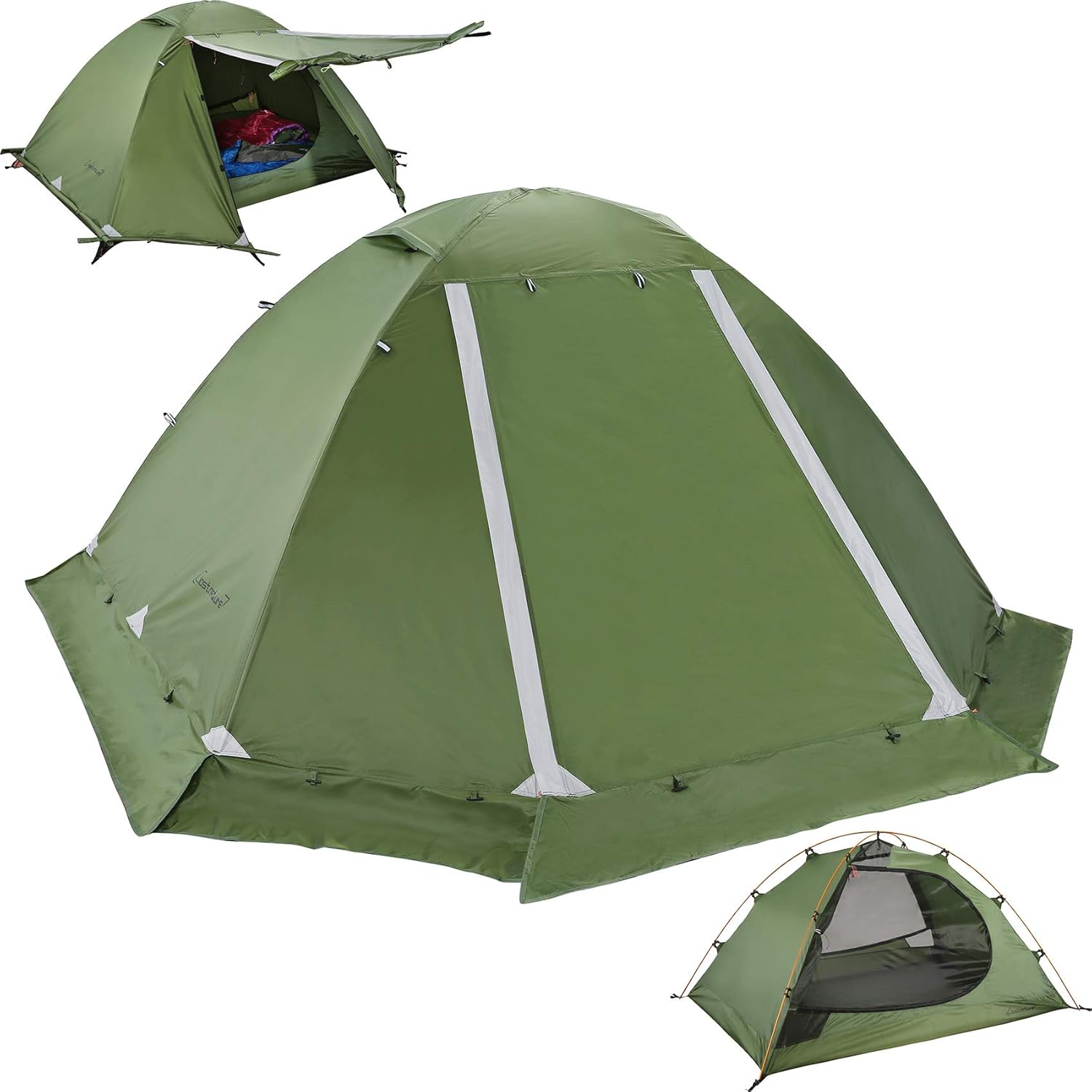
The Clostnature 2P 4-Season is the clearest cold-weather match in this roundup. Its double-wall layout, aluminum poles, two doors, two vestibules and snow flaps make it more winter-focused than the mesh-heavy three-season tents below. The design also gives two campers separate access and sheltered storage for boots, packs and wet layers.
The tradeoff is weight. This is better suited to shorter winter backpacking routes, split carry between two hikers, pulk trips or cold-weather basecamps than to high-mileage ultralight travel. It is marketed as a four-season shelter, but that label should not be treated as an expedition guarantee. Use every guy-out point, carry stakes that work in frozen or snowy ground and avoid letting wet snow accumulate on the fly.
Why You’ll Like It
- Snow flaps and a more enclosed inner help reduce drafts and spindrift
- Two doors and two vestibules make shared winter use less cramped
- Aluminum poles are a better cold-weather choice than basic fiberglass poles
- Full-coverage fly and bathtub-style floor support wet and snowy trips
Review Snapshot
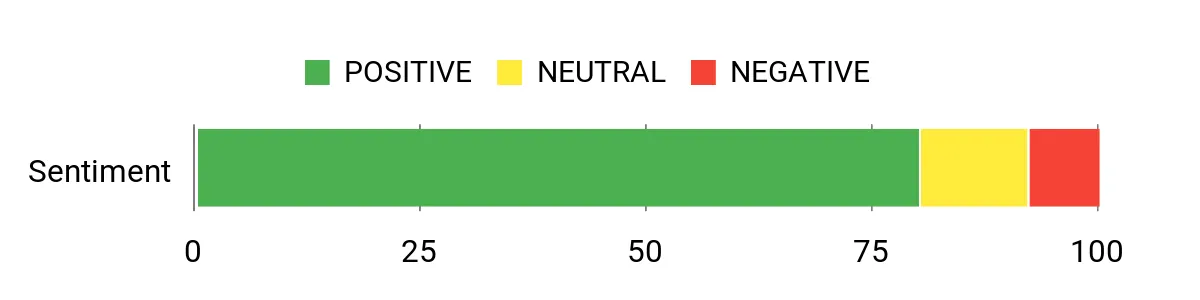
The original review summary emphasized easy pitching, useful space and warmth retention compared with more ventilated tents. Common cautions concerned the stock stakes, guylines and repacking the fly. The chart below is preserved from the original editorial dataset; treat it as directional only and read current verified-purchase feedback before buying.
Ease of Use
|
Feature |
Ease Level |
|---|---|
|
Basic pole-and-clip pitch |
Easy |
|
Full winter guy-out |
Moderate |
|
Two-door access |
Easy |
|
Repacking with snow flaps |
Moderate |
Travel Friendliness
The manufacturer-listed weight is around 6.6 lb for the two-person version, so it is carryable but not ultralight. It makes the most sense when two hikers split the tent body, fly and poles or when winter reliability matters more than shaving ounces.
Check Product Details on Amazon
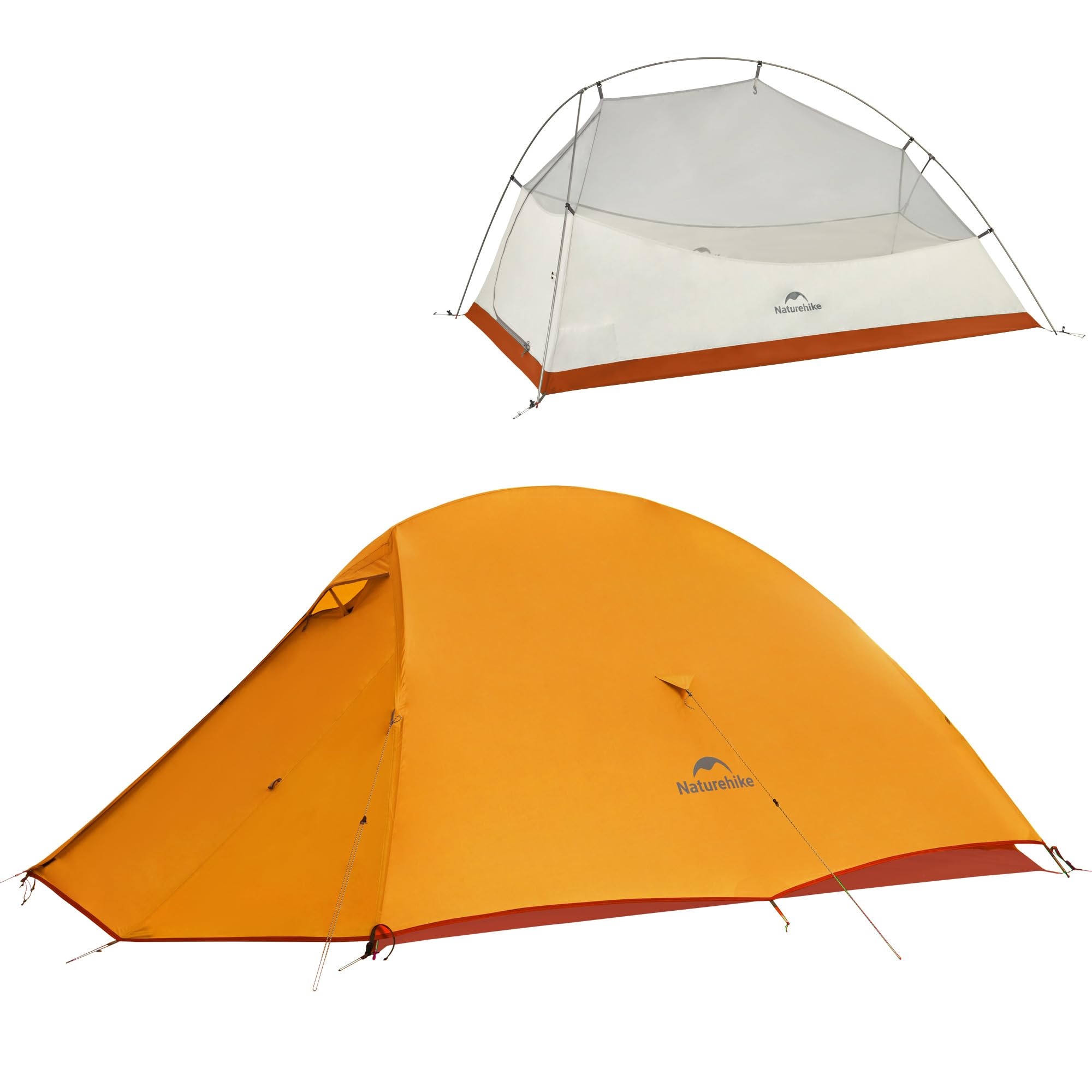
The Naturehike Cloud-Up 2 is attractive when packability matters, but the product family includes multiple fabrics and configurations. Some versions are ordinary three-season tents, while a gray skirted version adds better spindrift control for cold-weather trips. That makes the exact variant more important than the family name.
As a front-entry two-person tent, it works best as a roomy solo shelter or a compact shared setup. The freestanding frame and included footprint on many versions simplify pitching and protect the floor. For winter use, verify that the Amazon selection actually includes the snow skirt and do not assume every Cloud-Up 2 has the same material, weight or seasonal capability.
Why You’ll Like It
- Compact packed shape suits backpacking and bikepacking
- Freestanding aluminum frame is quick to assemble
- Double-wall construction helps manage condensation better than a basic single-wall dome
- Skirted variants can reduce spindrift around the fly edge
Review Snapshot
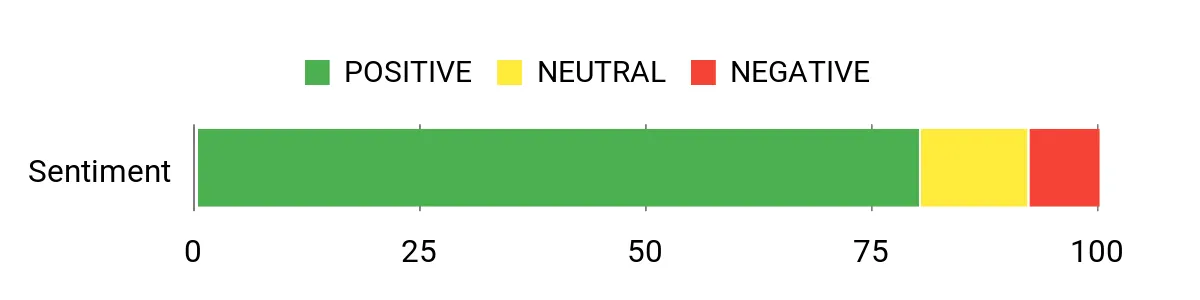
The original review summary highlighted low packed bulk, fast setup and strong value. The most repeated limitation was two-person space: it is usually more comfortable for one person plus gear. The chart below is preserved from the original editorial dataset; verify current reviews and the exact variant before purchasing.
Ease of Use
|
Feature |
Ease Level |
|---|---|
|
Freestanding pitch |
Easy |
|
Front-door entry for two |
Moderate |
|
Rainfly attachment |
Easy |
|
Variant verification |
Requires care |
Travel Friendliness
Cloud-Up weights vary by fabric and version. The Base 2 family is roughly in the four-pound range when packed, while other versions differ. Check the exact listing rather than relying on a generic product-family weight.
Check the Selected Variant on Amazon

The standard Clostnature two-person tent is a practical value pick for cold rain, damp shoulder seasons and protected camps where significant snowfall is not expected. Its low-reaching fly, aluminum frame, two doors and two vestibules make it easier to manage wet gear than many budget tents.
It is a three-season shelter, not a true snow tent. The mesh inner is useful for ventilation but loses the draft control of a more enclosed winter canopy. Choose it for forested routes, established camps and stable forecasts rather than exposed winter terrain.
Why You’ll Like It
- Two doors reduce nighttime climbing over a partner
- Two vestibules separate wet gear from the sleeping area
- Aluminum poles and a full fly offer a sensible value-focused structure
- Roomy floor works well with thicker cold-weather pads
Review Snapshot
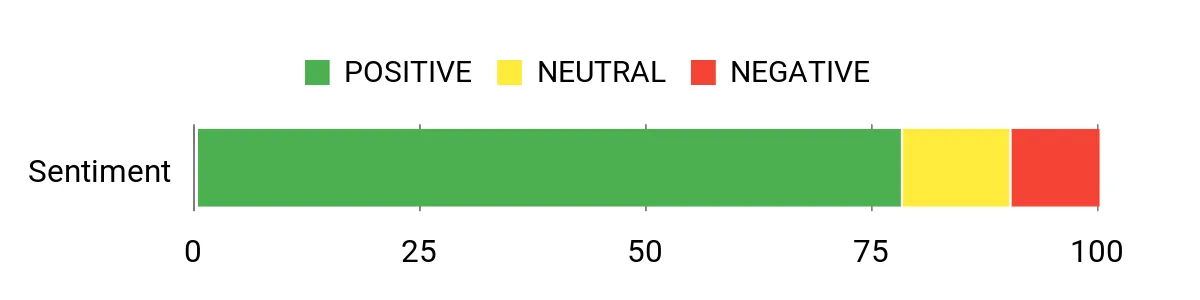
The original review summary praised the roomy floor, dual entrances and straightforward clip setup. Suggested upgrades included a footprint and stronger stakes for rough ground. The preserved chart is a directional editorial summary; current listing reviews should be checked independently.
Ease of Use
|
Feature |
Ease Level |
|---|---|
|
Clip-on pole setup |
Easy |
|
Dual-door access |
Easy |
|
Rainfly tensioning |
Moderate |
|
Breakdown and pack |
Moderate |
Travel Friendliness
The manufacturer lists about 5.4 lb for this version. It is reasonable for short two-person trips and can be split between partners, but it is heavier than premium ultralight shelters.
Check Current Amazon Availability

The Kelty Grand Mesa 2P earns its place as the most straightforward reliable three-season option. Kelty Quick Corners, color-coded fly attachment, aluminum poles and the wide-opening carry bag reduce setup and repacking friction—useful when daylight is fading or hands are cold.
The manufacturer rates it for three seasons, and its mesh body, single door and single vestibule confirm that positioning. It can work for calm, below-treeline winter camps with little or no snow, but it should not be presented as a four-season storm shelter.
Why You’ll Like It
- Quick Corners and color coding simplify setup
- Full-coverage fly and taped seams help in cold rain
- Aluminum poles balance weight and everyday durability
- Shark Mouth-style carry bag is easier to repack than a tight cylindrical sack
Review Snapshot
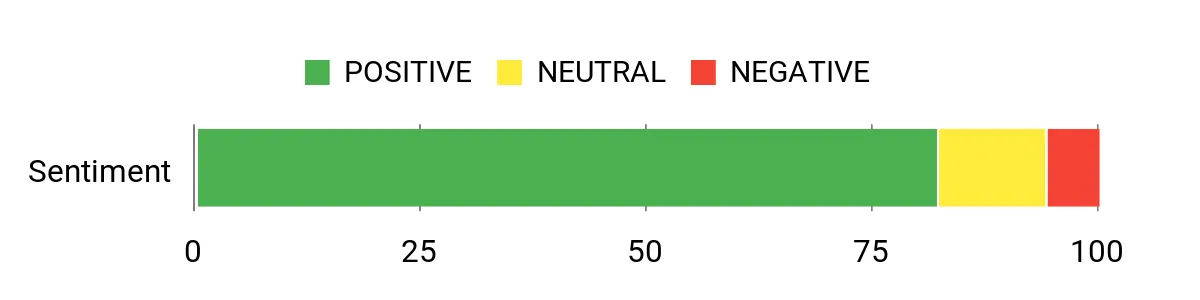
The original review summary emphasized quick pitching, solid construction and dependable rain protection. Common limitations were a snug two-person fit and one-door access. The chart below is retained as a directional editorial snapshot, not a live measure of current customer opinion.
Ease of Use
|
Feature |
Ease Level |
|---|---|
|
Quick Corner setup |
Easy |
|
Color-coded fly |
Easy |
|
Single-door sharing |
Moderate |
|
Carry-bag repacking |
Easy |
Travel Friendliness
Kelty lists a minimum weight of about 4 lb 1 oz and a packaged weight of about 4 lb 12 oz. That is manageable for weekend backpacking, especially when divided between two hikers.
Check Product Details on Amazon

The Kelty Late Start 2P is the easiest recommendation for campers who prioritize a fast, low-fuss pitch. Quick Corners, pre-bent aluminum poles, color-coded fly attachment and pre-attached guylines reduce the number of decisions you need to make at camp.
It is still a three-season tent with a mesh inner, one door and one vestibule. Use it for cold shoulder-season nights or calm winter camps on sheltered sites—not for alpine winds, heavy snow or multi-day winter storms.
Why You’ll Like It
- Very intuitive pitch for late arrivals and cold hands
- Pre-bent poles create more usable shoulder room
- Compact pole segments suit backpacks, bicycles and motorcycle luggage
- Full-coverage fly supports cold-rain use when properly tensioned
Review Snapshot
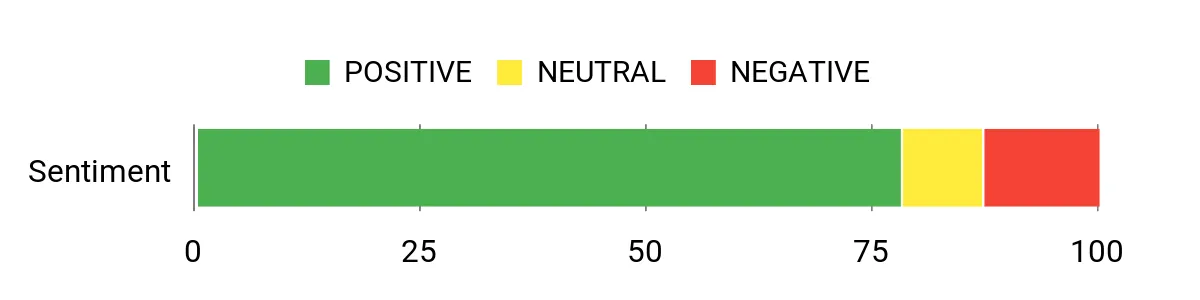
The original review summary focused on fast setup, useful interior volume and sturdy-feeling poles. Limitations included the single entrance and the need for extra floor protection on rough or saturated ground. The chart below remains a directional snapshot only.
Ease of Use
|
Feature |
Ease Level |
|---|---|
|
Quick Corner setup |
Easy |
|
Pre-bent pole handling |
Easy |
|
Fly and guyline setup |
Easy |
|
One-door access for two |
Moderate |
Travel Friendliness
Kelty lists a minimum weight of about 4 lb 5 oz and a packaged weight of about 4 lb 12 oz. It is a practical weekend weight, though not a specialist ultralight shelter.
Check Current Amazon Availability

The Naturehike Mongar 2P is the comfort-oriented option for campers carrying thick sleeping pads, bulky winter bags or extra layers. Its symmetrical double-Y frame, two doors and two vestibules create more usable shared space than narrow front-entry tents.
The ventilated mesh inner makes it a three-season or shoulder-season shelter rather than a dedicated winter tent. It is a good fit for cold, damp trips with stable forecasts, but the open inner design is less effective at controlling drafts and spindrift than a solid winter canopy.
Why You’ll Like It
- Roomy rectangular floor is easier to share with two standard pads
- Two doors and vestibules improve gear organization
- Freestanding aluminum frame is intuitive to pitch
- Included footprint on many listings adds value and floor protection
Review Snapshot
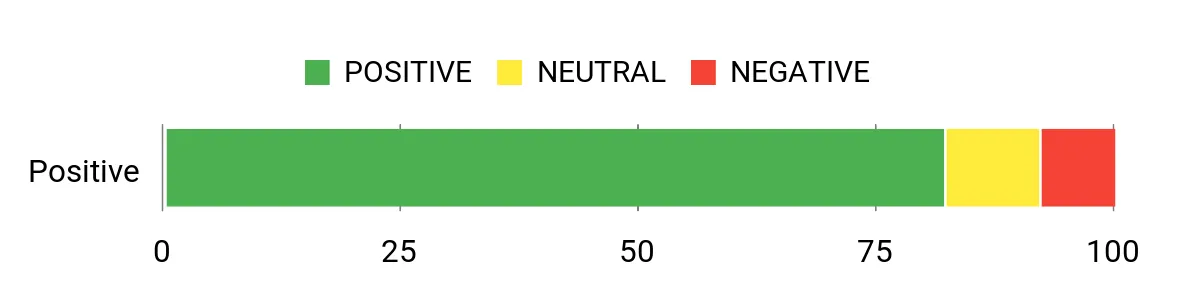
The original review summary praised the roomy layout, easy setup and value compared with more expensive tents. The usual compromises were extra weight and budget-grade stakes or guyline hardware. The retained chart is an editorial snapshot and should be checked against current reviews.
Ease of Use
|
Feature |
Ease Level |
|---|---|
|
Freestanding frame |
Easy |
|
Two-door access |
Easy |
|
Fly orientation |
Moderate |
|
Packing and stake organization |
Moderate |
Travel Friendliness
Depending on fabric and listing, the Mongar generally sits around the mid-four-pound range before optional extras. It is best viewed as a spacious value tent, not a minimal thru-hiking shelter.
Check the Exact Model on Amazon
How to Choose a Cold-Weather Backpacking Tent
Start With the Real Weather, Not the Season Label
A “four-season” label is only a starting point. Compare the pole structure, amount of solid canopy fabric, number of guy-out points, fly coverage and snow-shedding shape. A mesh-heavy three-season tent can be comfortable on a calm frozen night but is not an appropriate substitute for a mountaineering tent in exposed wind or accumulating snow.
Make Room for Winter Sleep Systems
Winter pads and sleeping bags are bulkier than summer gear. Check floor width, wall slope and vestibule area rather than relying only on the stated occupancy. For two people, dual doors and dual vestibules make a major difference because wet boots and packs can stay outside the sleeping area without blocking the only exit.
Balance Ventilation and Draft Control
Sealing every vent usually increases condensation. Keep high vents partly open, tension the fly so it does not touch the inner and avoid bringing saturated clothing into the sleeping area when possible. A more solid inner reduces drafts, while a mesh inner usually manages warm-weather airflow better.
Compare the Correct Weight
Minimum weight may exclude stakes, stuff sacks, footprints or repair items. Packaged weight is often closer to what you actually carry. For two-person trips, consider whether the body, fly and poles can be split between hikers.
Upgrade the Small Parts
Budget tents often benefit from stronger stakes, extra cord and a footprint. Snow stakes, buried anchors or deadman anchors may be necessary where ordinary pegs will not hold. Practice the complete guy-out at home before relying on it in wind or darkness.
FAQ
Can a Three-Season Tent Be Used in Winter?
Yes, but only in limited conditions. A sturdy three-season tent can work below treeline on calm, low-snow nights with a stable forecast and a well-protected campsite. It should not be used as a substitute for a true winter or mountaineering tent when heavy snow, strong winds or exposed terrain are possible.
Does a Tent Keep You Warm in Winter?
A tent mainly blocks wind and precipitation and may create a slightly calmer microclimate. Your sleeping pad and sleeping bag provide the critical insulation. Choose a pad with an appropriate cold-weather R-value, protect your bag from condensation and carry dry sleep clothing.
What Waterproof Rating Is Good for Cold-Weather Backpacking?
Higher hydrostatic-head numbers can indicate stronger fabric water resistance, but they do not measure seam quality, fly coverage, pole strength or snow loading. Look for taped or sealed seams, a bathtub floor, a properly tensioned full-coverage fly and a structure appropriate to the forecast.
How Do Two People Stay Comfortable in a Small Winter Tent?
Use two pads that fit the actual floor width, store boots and packs in vestibules, keep damp layers in waterproof bags and assign each person a door when the tent has two. Ventilate from the top, keep the fly separated from the inner and organize repair gear and headlamps where they can be reached without unpacking everything.
Should I Use a Footprint in Winter?
A footprint can protect the tent floor from abrasive frozen ground, ice and moisture. It should be slightly smaller than the floor so it does not collect runoff. A footprint does not replace an insulated sleeping pad.
Wrapping Up
Final recommendation
Choose the Clostnature 2P 4-Season when cold-weather features and a more enclosed design matter most. Choose the Naturehike Cloud-Up 2 only after confirming the exact skirted or cold-weather variant. For cold rain, frost and calm below-treeline nights without snow loading, the standard Clostnature 2P, Kelty Grand Mesa 2P, Kelty Late Start 2P and Naturehike Mongar 2P are more honest three-season choices.
| Product Name | Image | Season / Use | Weight Guidance | Weather Notes | Best For | Amazon |
|---|---|---|---|---|---|---|
| Clostnature 2P 4-Season Tent |
 |
Four-season marketed; light-snow and cold-weather focus | About 6.6 lb manufacturer-listed | Snow flaps, full fly, aluminum frame; not expedition-certified | Best overall winter-ready choice in this list | Check Amazon |
| Naturehike Cloud-Up 2 |
 |
Variant-dependent; many versions are three-season | Varies by fabric and configuration | Confirm snow skirt, material and included footprint | Packable cold-weather use after variant verification | Check Variant |
| Clostnature 2-Person Backpacking Tent |
 |
Three-season | About 5.4 lb manufacturer-listed | Good fly coverage and vestibules; mesh inner limits winter range | Best value for cold rain and mild winter | Check Amazon |
| Kelty Grand Mesa 2P |
 |
Three-season | 4 lb 1 oz minimum; 4 lb 12 oz packaged | Full fly and taped seams; one door and one vestibule | Reliable protected-site cold-weather use | Check Amazon |
| Kelty Late Start 2P |
 |
Three-season | 4 lb 5 oz minimum; 4 lb 12 oz packaged | Fast pitch and full fly; not designed for snow loading | Best for quick setup in cold rain or frost | Check Amazon |
| Naturehike Mongar 2P |
 |
Three-season / shoulder-season | Check exact fabric and listing | Roomy and ventilated; less draft protection than a solid inner | Best spacious option for protected cold-weather camps | Check Model |
Product specifications and availability can change. Confirm the exact model, included components, season rating and current seller information before purchasing.