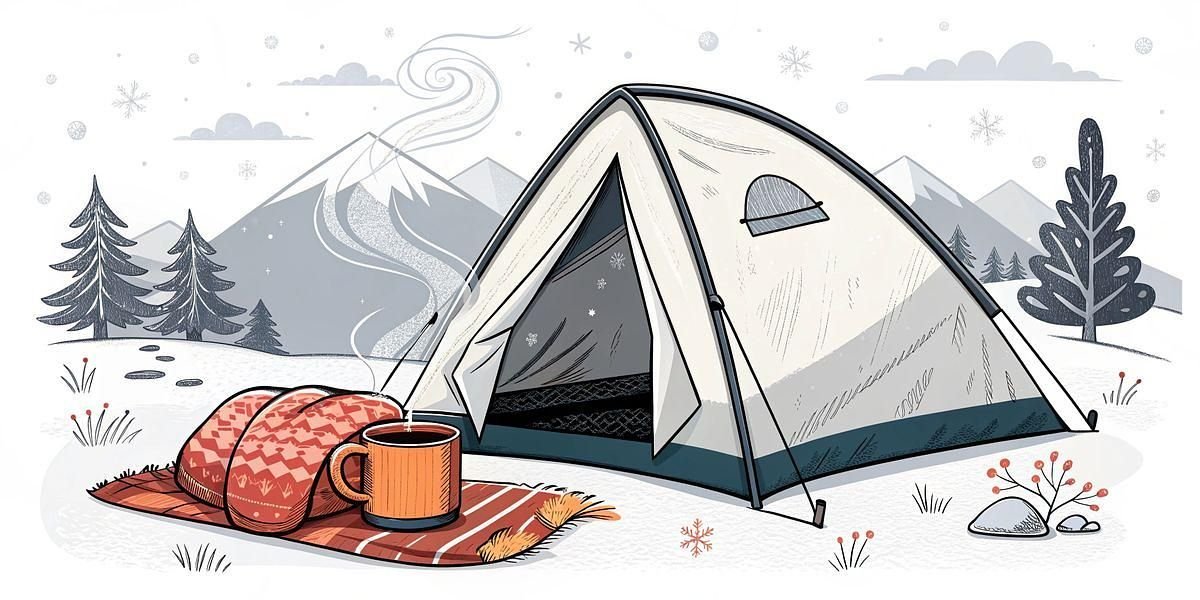
You want a three-person tent that keeps pack weight reasonable, pitches without unnecessary fuss, and gives you enough room for sleepers and essential gear in cold, damp conditions. The important limitation is that the tents in this guide are lightweight 3-season backpacking shelters, not expedition-grade winter tents.
They can suit shoulder-season trips and mild winter camping below treeline when the forecast is stable, the site is sheltered, and your sleeping pad and sleeping bag provide the insulation. For heavy snow, exposed terrain, or sustained high winds, choose a purpose-built 4-season tent instead.
Affiliate disclosure:. As an Amazon Associate I earn from qualifying purchases. This roundup is reader-supported. When you click an Amazon link, we may earn a referral commission on qualifying purchases at no additional cost to you.
Quick Verdict
Best overall for weight-conscious backpackers: Naturehike Cloud-Up 3P. It has the clearest manufacturer-published three-person specifications and the lowest verified minimum weight in this group.
Best value for extra access: Clostnature 3P. It prioritizes straightforward setup, a roomy layout, and covered gear storage at a moderate carry weight.
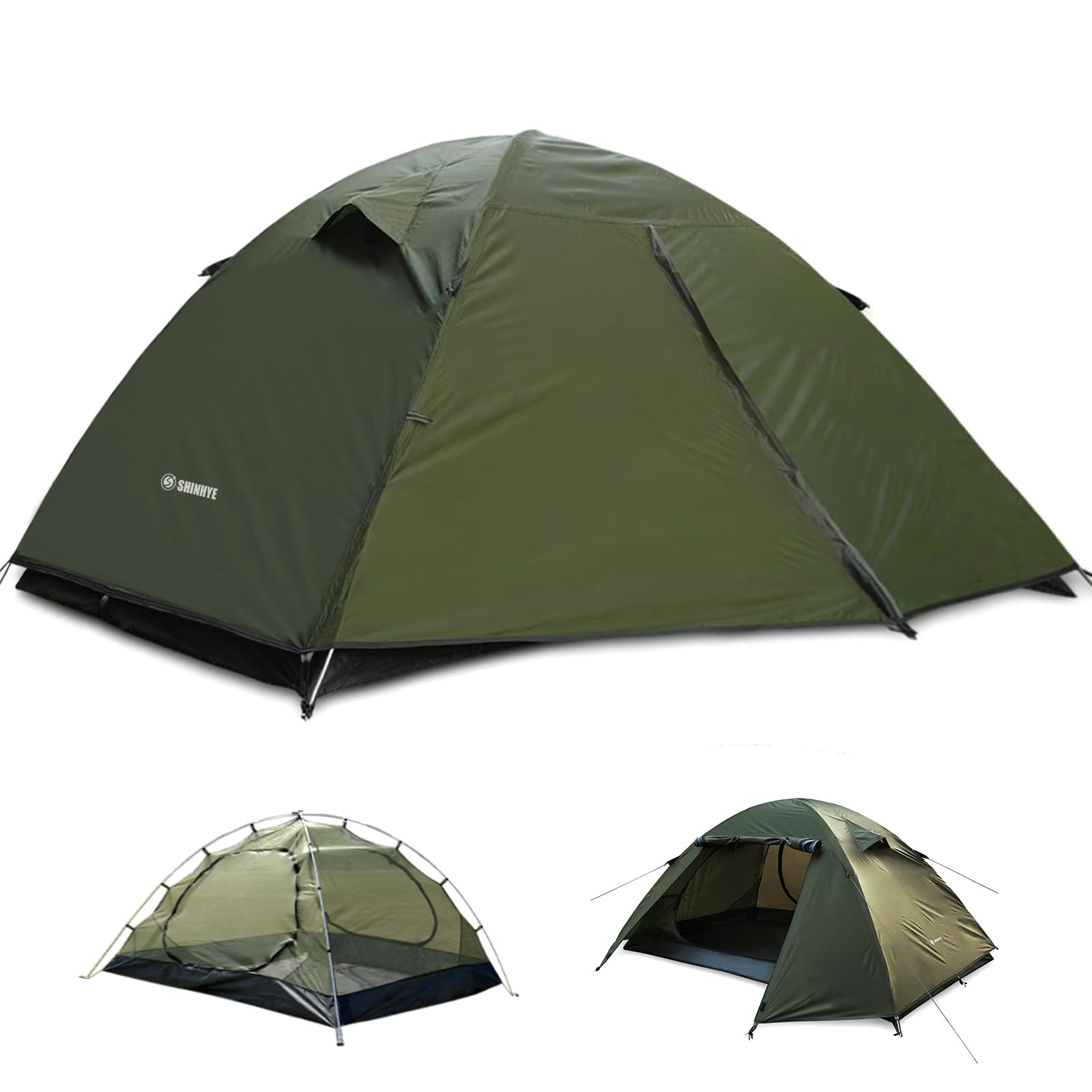
Best budget alternative: ShinHye 3P. It is a compact, dual-door option, but its model-specific specifications and long-term track record are less established, so check the current listing carefully.
Top Picks
|
Category |
Product |
Best For |
Main Tradeoff |
|---|---|---|---|
|
🏆 Best Overall |
Lower trail weight and compact backpacking |
Single-door layout and a snug fit for three adults |
|
|
💰 Best Value |
Room, easy access, and practical gear storage |
Heavier than the Naturehike option |
|
|
🎯 Best Budget Alternative |
Short trips, festivals, and occasional camping |
Less established specifications and buyer history |
How We Picked These Tents
We prioritized three-person capacity, realistic carry weight, packed size, setup simplicity, rainfly coverage, pole structure, ventilation, and usable gear storage. We also looked for clear limitations because a lightweight tent should not be mistaken for an insulated shelter or a snow-load-rated alpine tent.
For cold-weather use, the most important buying questions are whether the tent can be fully guyed out, whether the fly reaches close to the ground, how well the inner manages condensation, and whether three sleepers can fit without pressing sleeping bags against damp walls. Published weights can refer to minimum, trail, or packaged weight, so compare the same measurement before buying.
Cold-weather safety note: None of these tents should be treated as a substitute for a 4-season shelter in deep snow, severe wind, or exposed alpine terrain. Your sleeping pad and sleeping bag provide warmth; the tent mainly manages wind, precipitation, and condensation.
The Cloud-Up 3P is the strongest fit when your main goal is reducing shelter weight without dropping to a two-person floor plan. The manufacturer identifies it as a 3-season model, so it is better suited to backpacking, cool shoulder-season trips, and mild winter nights below treeline than to snowstorms or exposed ridges.
Its single-door design helps control weight, but it also means campers may need to move around one another. Three adults will be close, especially with bulky cold-weather sleep systems, so it is often more comfortable for two people plus gear.
Why You’ll Like It
- Lowest clearly published minimum weight among the retained options
- Compact freestanding design that is easier to position before staking
- Full rainfly and included floor protection on the referenced listing
- Good fit for two campers who want extra interior room
Who Should Buy This
Choose it for backpacking, bike-access camps, or shoulder-season trips where packability matters more than multiple doors or generous vestibule space.
Who Should Avoid This
Skip it if three adults need generous elbow room, if everyone wants a separate entrance, or if the forecast includes heavy snow, severe wind, or prolonged winter storms.
What People Say
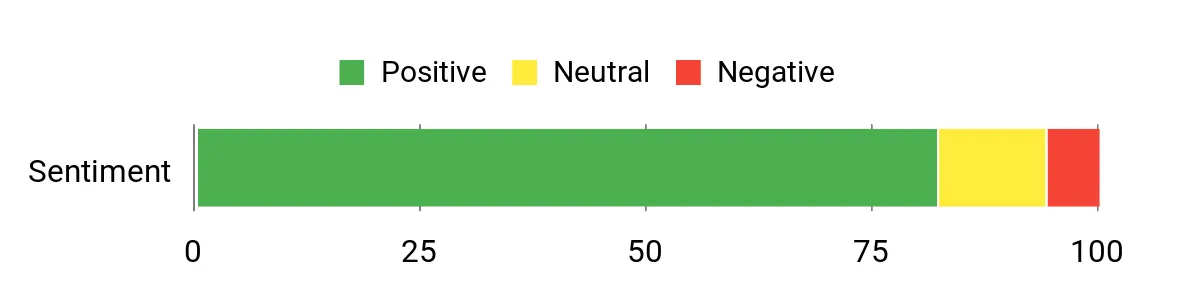
The source review summary describes generally positive feedback around low weight, quick pitching, and rain protection. It also notes recurring concerns about tight space for three adults and occasional zipper stiffness. Review sentiment and listing details can change, so check the current Amazon feedback before purchasing.
Overall Sentiment: Generally positive in the source review summary
Ease Of Use
|
Feature |
Ease Level |
|---|---|
|
Setup |
Easy after a practice pitch |
|
Packed Size |
Very compact |
|
Carrying |
Best in this group |
|
Three-Person Access |
Limited by one door |
Use Cases
Best for 3-season backpacking, cool spring and fall trips, and mild winter camping in protected locations with a stable forecast. Use a suitable sleeping pad, temperature-rated sleeping bag, full guylines, and careful site selection.
Key Benefits
- Low minimum weight for a three-person shelter
- Compact packed dimensions
- Freestanding aluminum-pole structure
- Full-coverage rainfly
- Comfortable space for two people plus gear
Check Product Details on Amazon
The Clostnature 3P is a practical choice when you value straightforward setup and more flexible access over the lowest possible carry weight. The brand’s three-person model is described with a 210T polyester fly and groundsheet plus a PU 5000 coating, but waterproof ratings do not guarantee performance by themselves; seam quality, pitching, fly tension, and site drainage also matter.
It is better viewed as a roomy 3-season shelter for two people plus gear or a close-fitting tent for three. For cold-weather camping, use all available guylines, protect the floor, and avoid sites exposed to accumulating snow or strong crosswinds.
Why You’ll Like It
- Roomier layout than minimalist three-person designs
- Simple clip-style setup that is easy to learn
- Covered space for boots and packs
- Useful balance of price, capacity, and weather protection
Who Should Buy This
Choose it for weekend backpacking, car-to-campsite trips, or couples who want extra room for winter-weight sleeping bags and clothing.
Who Should Avoid This
Skip it if you need a genuinely ultralight shelter, a verified snow-load design, or a compact tent for exposed alpine conditions.
What People Say
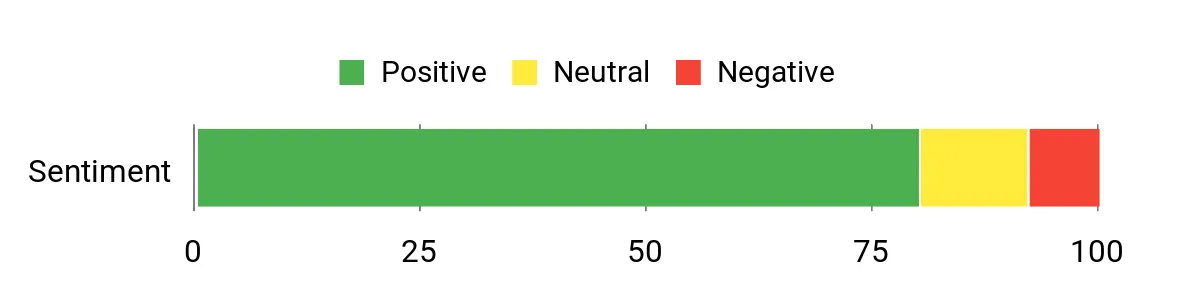
The source review summary highlights easy setup, usable space, and rainfly coverage. It also repeatedly recommends added ground protection because some buyers find the floor lighter than expected. Confirm the current model, included accessories, and recent reviews on the live listing.
Overall Sentiment: Generally positive in the source review summary
Ease Of Use
|
Feature |
Ease Level |
|---|---|
|
Setup |
Easy after a practice pitch |
|
Packed Size |
Compact for a roomy three-person tent |
|
Entry and Exit |
Convenient |
|
Cold-Weather Pitching |
Needs full staking and guylines |
Use Cases
Best for weekend camping, shorter backpacking routes, and mild cold-weather trips in sheltered terrain. It is not the right choice for heavy snowfall, exposed ridgelines, or severe winter forecasts.
Key Benefits
- Three-person floor plan with practical room for gear
- Quick clip-style assembly
- PU-coated polyester fly and floor
- Covered storage outside the sleeping area
- Good value for occasional and weekend use
Check Product Details on Amazon
The ShinHye 3P can make sense when you need a basic, packable shelter for short trips and do not want to pay for a more established backpacking line. The listing describes dual doors, mesh ventilation, sealed seams, and a PU 5000 coating, but model-specific details are less consistently documented than the other retained picks.
Treat the stated three-person capacity as a maximum. It will usually be more comfortable for one or two campers with equipment. Before buying, verify the current packaged weight, floor dimensions, pole material, included footprint or groundsheet, return policy, and recent buyer photos.
Why You’ll Like It
- Dual doors can simplify entry and ventilation
- Compact design for short hikes, festivals, and car camping
- Mesh inner helps manage insects and airflow
- Budget positioning lowers the barrier for occasional campers
Who Should Buy This
Choose it for fair-weather weekend trips, festivals, bike tours, backyard camping, or occasional mild cold-weather use in a protected site.
Who Should Avoid This
Skip it if you need a well-documented trail weight, a proven long-term durability record, generous room for three adults, or a shelter for severe winter conditions.
What People Say
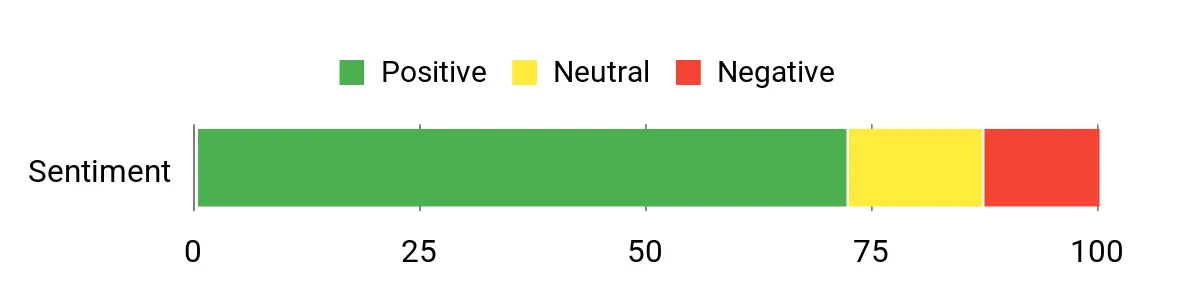
The source review summary notes quick setup, useful mesh, and acceptable rain performance for a budget tent. It also identifies repeated concerns about a thin floor, tight interior space, and occasional zipper or seam durability. Check the newest reviews and buyer-uploaded images because the listing has a smaller review history than the other picks.
Overall Sentiment: Generally positive in the source review summary, with more limited data
Ease Of Use
|
Feature |
Ease Level |
|---|---|
|
Setup |
Easy after a practice pitch |
|
Packed Size |
Compact |
|
Two-Door Access |
Convenient |
|
Specification Confidence |
Verify before buying |
Use Cases
Best for short backpacking outings, festivals, bikepacking, car camping, and backyard stays. Use it in mild conditions and avoid exposing a budget 3-season shelter to snow loading or severe wind.
Key Benefits
- Dual-door layout
- Mesh ventilation for warmer or humid trips
- Compact packed form
- Accessible option for occasional campers
- Versatile for several non-alpine trip types
Check Product Details on Amazon
Before You Buy: Cold-Weather Checklist
- Confirm the exact variant: Fabric, season rating, weight, color, and included accessories can vary under one listing.
- Compare packaged weight: Minimum or trail weight may exclude stakes, guylines, stuff sacks, or a footprint.
- Check sleeping-pad width: Three wide pads may not fit even when a tent is sold as three-person.
- Inspect guyline points: More secure anchoring can improve stability, but it does not create a snow-load-rated structure.
- Plan for condensation: Keep vents open when conditions allow and avoid pressing sleeping bags against the inner wall.
- Match the forecast: Move to a true 4-season shelter when snow accumulation, severe wind, or exposed terrain is likely.
FAQ
Can You Use a 3-Season Ultralight Tent in Winter?
Yes, but only in limited conditions. A 3-season tent can work for a mild winter night below treeline when the forecast is stable, snowfall is unlikely, and the tent is fully staked and guyed. It should not replace a 4-season tent in deep snow, sustained high winds, or exposed alpine terrain.
Which Tent Is Best for Three Adults?
Three-person backpacking tents are commonly sized for three standard sleeping pads with little spare room. Cold-weather bags, wider pads, and bulky clothing make the fit tighter. Among these picks, prioritize floor dimensions and access, but consider moving up to a four-person tent if three adults want comfortable space for gear.
What Does “Ultralight” Mean for a Three-Person Tent?
There is no universal legal definition. Compare verified packaged weight, minimum weight, floor area, pole material, and durability rather than relying on the label alone. In this group, the Naturehike model has the clearest low minimum-weight specification; the other options are better described as lightweight.
How Do You Stay Warm Without Creating Excess Condensation?
Use an insulated sleeping pad with an appropriate R-value, a sleeping bag rated for the expected low temperature, dry base layers, and a warm hat. Keep adjustable vents open enough to move moisture out, store wet gear in the vestibule, and avoid breathing inside your sleeping bag. The tent itself provides little insulation.
Is a High Waterproof Rating Enough?
No. Hydrostatic-head or PU ratings describe fabric resistance under a test method, but real performance also depends on seam sealing, fabric condition, fly coverage, pitch tension, ground drainage, and wind-driven rain. Recheck seams and coatings as the tent ages.
Should You Use a Footprint?
A correctly sized footprint can reduce abrasion and mud on the tent floor. It should sit fully beneath the floor so it does not collect rainwater. A footprint does not add meaningful warmth, so rely on your sleeping pad for ground insulation.
What Campers Prefer
The main choice is between lower carry weight, easier access, and budget. Naturehike is the strongest option when weight and published specifications matter most. Clostnature is the better fit when you want a roomier, straightforward setup. ShinHye is the lower-commitment option for occasional use, but it requires the most careful listing verification.
Wrapping Up
For backpacking and mild cold-weather use, the Naturehike Cloud-Up 3P is the clearest first choice because it combines a three-person floor plan with a comparatively low published minimum weight. Choose the Clostnature 3P when extra room and practical access matter more than shaving every ounce, and consider the ShinHye 3P for occasional trips after confirming the current specifications.
Whichever model you choose, treat it as part of a complete sleep and weather system. Site selection, guylines, ventilation, an insulated pad, and an appropriate sleeping bag matter more to winter comfort than marketing labels alone.
| Product Name | Image | Best For | Capacity | Published Weight | Winter Limitation | Amazon |
|---|---|---|---|---|---|---|
| Naturehike Cloud-Up 3 Person Lightweight Tent |
 |
Lower carry weight | Three person; often more comfortable for two plus gear | Manufacturer lists approximately 4.08 lb minimum weight; verify packaged weight | Manufacturer identifies it as 3-season | Check Price |
| Clostnature Lightweight Backpacking Tent – 3 Person |
 |
Room and practical access | Three person; best for two plus bulky gear | Verify the current listing’s packaged weight | Not verified as an alpine or snow-load-rated tent | Check Price |
| ShinHye Ultralight Backpacking Tent – 3 Person |
 |
Budget-conscious occasional use | Listed for 2–3 people; verify floor dimensions | Verify the current listing’s packaged weight | Use only in mild, protected conditions | Check Price |
This Roundup is reader-supported. When you click through links we may earn a referral commission on qualifying purchases.