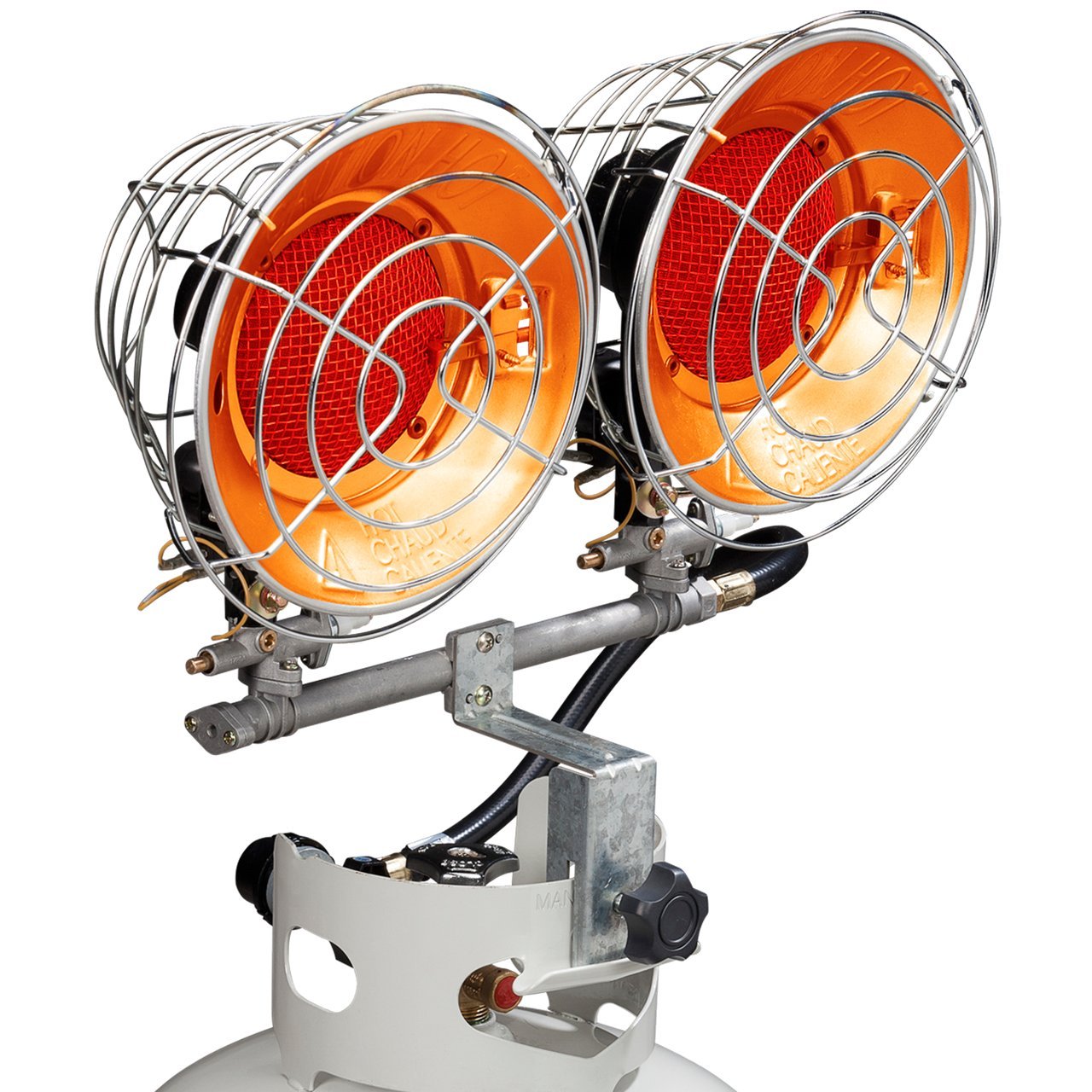
You do not need the biggest heater on the shelf—you need one that matches where you will use it, how much fuel you want to carry, and how safely you can position it. This guide compares portable propane and butane camping heaters for outdoor campsites, patios, open shelters, ice-fishing setups, and other well-ventilated areas. It focuses on heat output, portability, fuel type, stability, ignition, and clearly stated use limits so you can choose practical warmth without treating an outdoor heater like a tent-safe sleeping appliance.
Safety first: Every heater retained in this roundup is listed for outdoor use. Do not operate a fuel-burning heater inside a closed sleeping tent, never leave one running while you sleep, keep it away from fabric and other combustibles, and follow the manufacturer’s manual and clearance requirements.
Affiliate disclosure:. As an Amazon Associate I earn from qualifying purchases. This roundup is reader-supported. We may earn a commission from qualifying purchases made through Amazon links, at no extra cost to you.
We compared the factors that most affect real buying decisions: stated heat output, fuel system, portability, setup, stability, ignition method, adjustable settings, and built-in shutoff features. We also checked whether each listing clearly identifies the heater as outdoor-use equipment and removed products that were unavailable or too repetitive to justify a separate recommendation.
Higher BTU output is useful for open basecamps and group areas, but it also means more fuel use, hotter surfaces, and greater clearance needs. Compact 1 lb-cylinder models are easier to carry and better for personal warmth, while tank-top heaters suit stationary outdoor setups. Butane models can be convenient for tabletop use but should still be treated as outdoor fuel-burning appliances.
Before You Buy
Confirm the heater’s stated indoor/outdoor rating in the current manual and listing.
Match the fuel connection to the cylinders or tank you plan to carry.
Check tip-over protection, shutoff features, base stability, and required clearances.
Plan for outdoor ventilation and never use a fuel-burning heater while sleeping.
Verify current availability, return restrictions, and included accessories before ordering.
Best Overall Portable
GasCalorix Large
A portable outdoor propane heater with a foldable cylinder holder, adjustable output, and a stated 6,200 BTU heat rating. It is a practical middle ground for campers who want more coverage than a hand-warmer-sized unit without moving to a full tank-top heater.
Why you’ll like it: The foldable base and adjustable output make it easy to set up for a campsite chair, patio table, hunting area, or other well-ventilated outdoor spot.
Who should buy it: Campers who want a portable 1 lb-propane option with a clearly stated heat output and two settings.
Who should avoid it: Anyone shopping for a heater to run inside a closed tent, vehicle, or sleeping enclosure.
Key Benefits
Stated 6,200 BTU radiant output
Two adjustable settings
Foldable cylinder holder for transport and setup
Uses standard 1 lb propane cylinders; cylinder not included
Use limitation: The listing identifies this as an outdoor heater. Use only in a well-ventilated outdoor area and follow the manual.
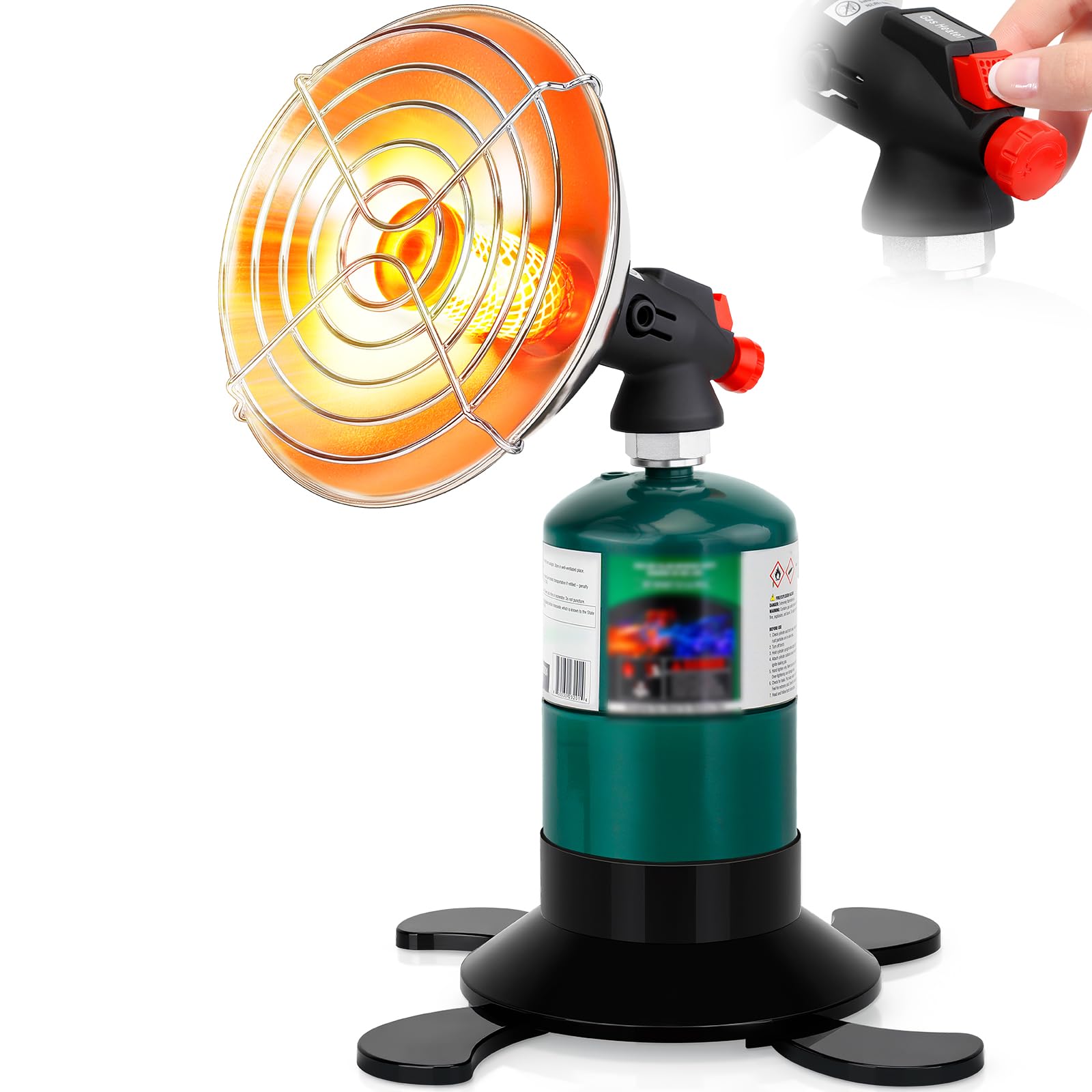
This compact radiant heater is aimed at personal outdoor warmth and uses a foldable propane-cylinder holder with push-button ignition and adjustable heat.
Why you’ll like it: It solves the portability problem for short outdoor sessions where a larger tank-top heater would be excessive.
Who should buy it: Solo campers, anglers, hunters, and patio users who want targeted warmth near a chair or work area.
Who should avoid it: Buyers who need a verified high-BTU group heater or any heater for unattended or sleeping use.
Key Benefits
Compact, lightweight form
Push-button ignition
Adjustable radiant heat
Foldable cylinder holder
Use limitation: The current listing marks it for outdoor use. The exact BTU output is not clearly stated in the verified listing details, so do not compare it by coverage claims alone.
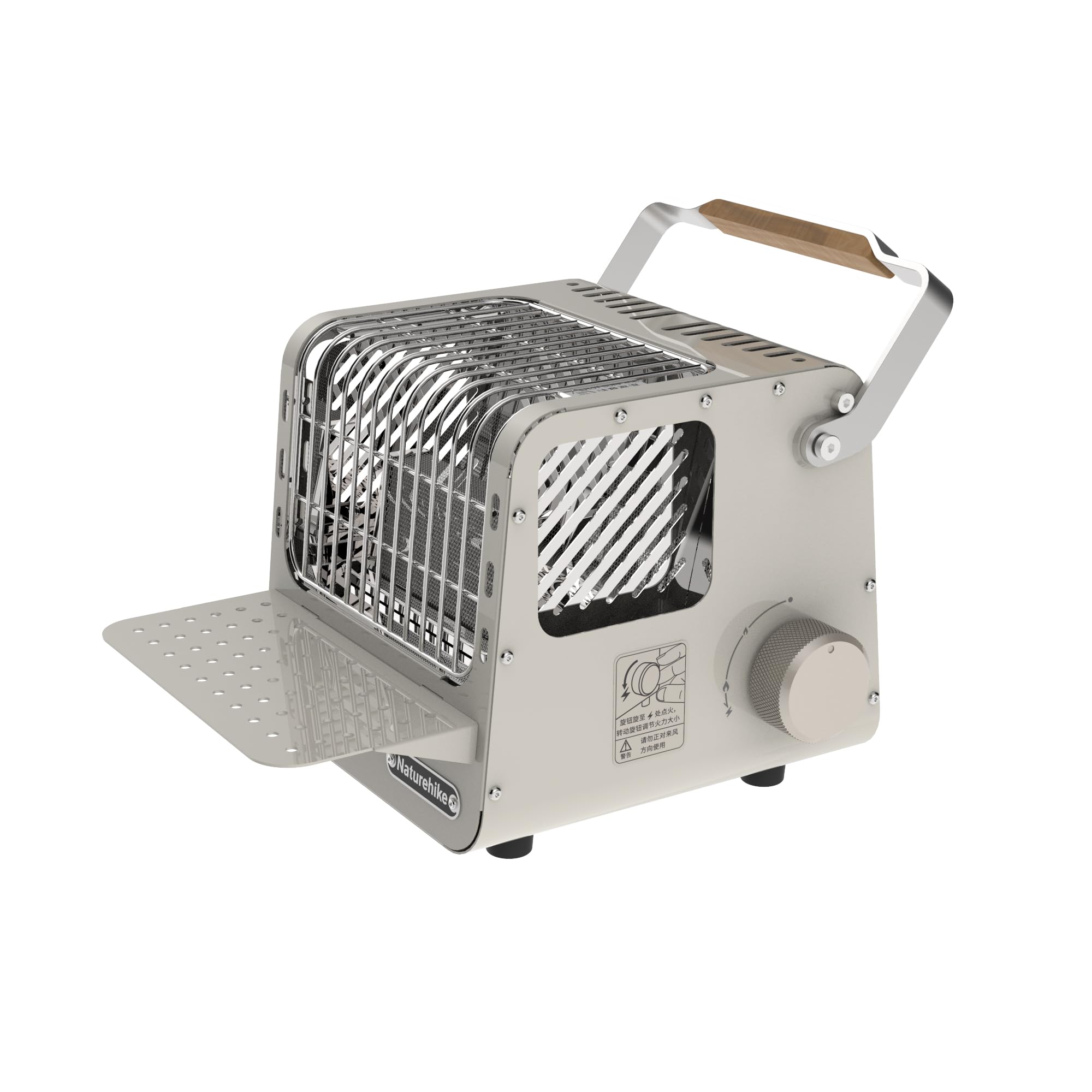
This 3,750 BTU outdoor butane heater adds a warming shelf and carry handle, making it a useful tabletop choice for campers who prefer 8 oz butane canisters.
Choose Output for the Space, Not the Lowest Temperature Claim
Compact radiant models work best when positioned near one or two people outdoors. Tank-top heaters deliver much more heat but require larger fuel cylinders, more clearance, and a stable stationary setup. Do not rely on broad square-foot coverage claims without considering wind, open sides, and distance from the heater.
Propane vs. Butane
Small propane cylinders are widely used by compact radiant heaters, while larger refillable propane tanks support higher-output tank-top models. Butane canisters are convenient for tabletop equipment, but cold-weather performance and local canister availability may influence your choice.
Safety Features Help, but They Do Not Make Outdoor Heaters Tent-Safe
Tip-over switches, shutoff valves, guards, and oxygen-depletion sensors can reduce certain risks, but they do not replace the manufacturer’s use classification, ventilation, clearance, active supervision, or a safe shutdown before sleeping.
Pack for the Whole Fuel System
Check whether the heater includes a cylinder holder, hose, regulator, lighter, or carrying case. Most listings exclude the fuel cylinder, and tank-top models require a compatible refillable tank.
FAQ
Can I Use a Propane or Butane Heater Inside a Tent?
Do not assume a heater is safe inside a tent because the product title uses the phrase “tent heater.” Every product retained here is currently identified as outdoor-use equipment. Use it outside the sleeping enclosure or in another setup specifically allowed by the manufacturer, maintain required clearance and ventilation, supervise it continuously, and shut it off before sleep.
How Much Heat Output Do I Need?
For close-range personal warmth outdoors, a compact radiant model may be enough. For several people in an open shelter or basecamp, higher-output tank-top models provide more coverage but consume more fuel and need greater clearance. Wind and open sides can reduce effective warmth substantially.
How Long Will a Camping Heater Run?
Runtime varies with heat setting, cylinder size, ambient conditions, and the heater’s design. Compare the manufacturer’s current runtime guidance for the exact fuel container you will use, and carry only fuel that can be stored and transported safely.
What Safety Features Should I Look For?
Prioritize a stable base, protective guard, dependable ignition, tip-over protection, and an automatic shutoff where available. Also check the manual for fuel-leak testing, minimum clearances, altitude limits, and permitted locations.
Campers Top Picks
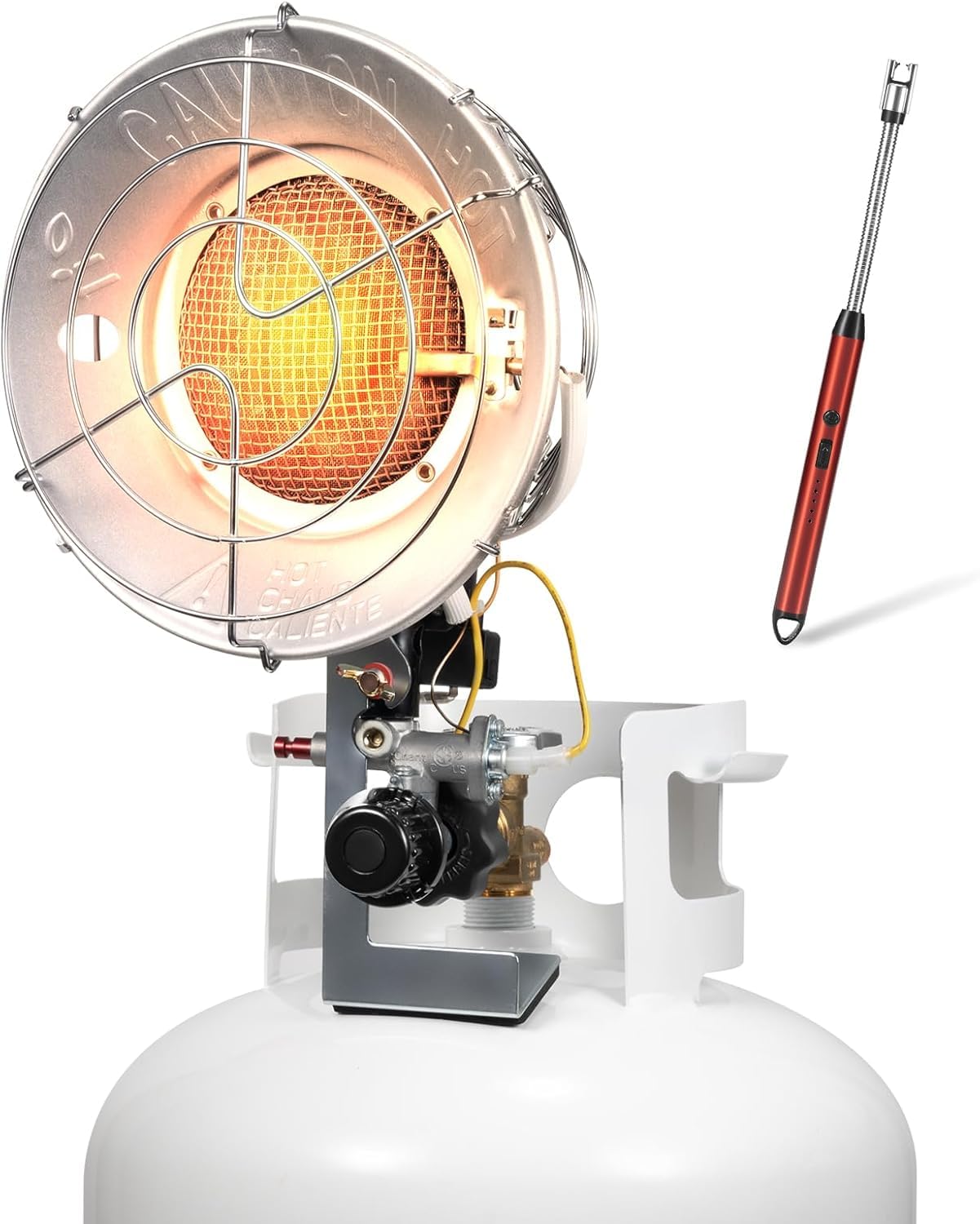
For most outdoor campsite use, the GasCalorix Large offers the best balance of portability and stated output. Choose the LOFUKI or HEYDUOTON for compact personal warmth, the Naturehike for a butane-powered tabletop format with a warming shelf, the GASPOWOR for an adjustable single-burner basecamp setup, or the Avenger when maximum open-air heat matters more than portability.
Wrapping Up
The safest buying decision starts with the use location. Compact propane heaters are easier to carry for personal outdoor warmth, the Naturehike offers a lower-output butane alternative with a warming shelf, and tank-top models serve stationary open-air basecamps. Whichever format you choose, verify the current manual, fuel connection, clearances, and outdoor-use instructions before your trip—and never run a fuel-burning heater while sleeping.
This roundup is reader-supported. When you click through qualifying Amazon links, we may earn a referral commission. Product specifications, availability, and return terms can change; verify the current listing and manufacturer instructions before purchase and use.
Tony B. Hensel is the founder and lead author of GoMyReview.com, a trusted source for honest, hands-on product reviews and buyer’s guides. With over 10 years of experience in consumer research and a background in journalism, Tony combines clarity, accuracy, and real-world testing to help readers make smarter buying decisions.
Before starting GoMyReview.com, Tony worked as a freelance tech writer, contributing to online publications and staying current with trends in home gadgets and electronics. Today, he leads a small team of reviewers, ensuring every article is practical, unbiased, and easy to follow.
At GoMyReview, Tony personally covers kitchen appliances and cookware, home décor and furniture, cleaning and home improvement, camping and outdoor gear, clothing, welding and workshop tools, and automotive parts and accessories, while specialist authors handle drones, fishing and outdoor safety, and baby gear.
When he’s not writing, Tony enjoys home cooking, photography, and DIY projects. Based in the Midwest, he brings personal passion and professional integrity to every review—so readers can shop with confidence.