
A bivy tent is the smallest fully enclosed shelter most campers will ever carry — and in cold weather that compactness cuts both ways. It pitches in minutes, hides on a tight or exposed site, and disappears into a pack. It also leaves very little room for the lofted sleeping bag and thick insulated pad that actually keep you warm.
The four one-person shelters in this guide are best considered for backpacking, hunting, bikepacking, emergency kits, and shoulder-season trips where low weight and a small footprint matter more than living space.
A hooped bivy tent blocks wind, rain, ground moisture, and insects. It does not replace an insulated sleeping pad, a correctly rated sleeping bag, or a true expedition tent. This guide compares four distinct bivy shelters, explains which campers each one suits, and is honest about when you should carry something stronger instead.
Disclosure: This article contains Amazon affiliate links. If you buy through them, we may earn a commission at no additional cost to you. As an Amazon Associate I earn from qualifying purchases.
Last updated for the 2026 season.
Cold-Weather Safety Note
Every compact bivy tent in this roundup is intended for three-season or mild cold-weather use. Do not treat them as mountaineering shelters for heavy snow, severe wind, exposed alpine terrain, or prolonged winter storms. Check the current manufacturer guidance and the weather forecast before every trip, and never cook or run a stove inside a bivy.
Quick Verdict
Best overall: The GEERTOP Ultralight Bivy Tent offers the most forgiving interior here and a double-wall design that is easier to live with on cool, damp trips.
Best for low packed bulk: The MC TOMOUNT Bivy Tent is the more minimalist choice when small packed volume matters more than sitting room.
Best low-profile shelter: The narrower GEERTOP Single-Person Bivy Tent keeps the smallest, least visible campsite footprint.
Best for fast deployment: The TGpao Bivy Tent uses a pre-attached frame that cuts setup steps for quick overnight stops.
Top Picks
| Category | Product | Best For |
|---|---|---|
| 🏆 Best Overall | GEERTOP Ultralight | Campers who want more interior room and a full rainfly |
| 🎒 Best for Low Packed Bulk | MC TOMOUNT Bivy | Minimalist backpacking and small-pack travel |
| 🥾 Best Low-Profile Shelter | GEERTOP Single | Hunting, bikepacking, and discreet campsites |
| ⚡ Best Fast Setup | TGpao Bivy | Quick overnights and emergency deployment |
How We Picked These Bivy Tents
We compared each shelter according to the factors that matter most in a compact cold-weather setup:
- Weather coverage: Rainfly coverage, floor protection, seams, vents, and the ability to pitch securely.
- Weight and packed bulk: How easily the shelter fits into a backpack, pannier, or emergency kit.
- Interior fit: Floor length, width, headroom, entry access, and space for a sleeping pad and insulated bag.
- Condensation management: Mesh panels, hood vents, doors, and the ability to maintain airflow during cool, damp nights.
- Setup: Pole complexity, required staking, freestanding capability, and ease of pitching with cold hands.
- Buyer confidence: Clear specifications, realistic limitations, included hardware, and suitability for the stated use.
We did not treat marketplace “four-season” labels as proof of expedition performance. A genuine winter shelter also needs suitable structure, anchoring, ventilation, snow management, and manufacturer guidance for the expected conditions. Any product we could not honestly recommend without a stack of warnings was left out of this guide entirely.
How to read the sentiment summaries: the sentiment charts in this guide summarize recurring themes in published buyer reviews. They are not the result of our own field testing, and we do not claim to have slept in these shelters.
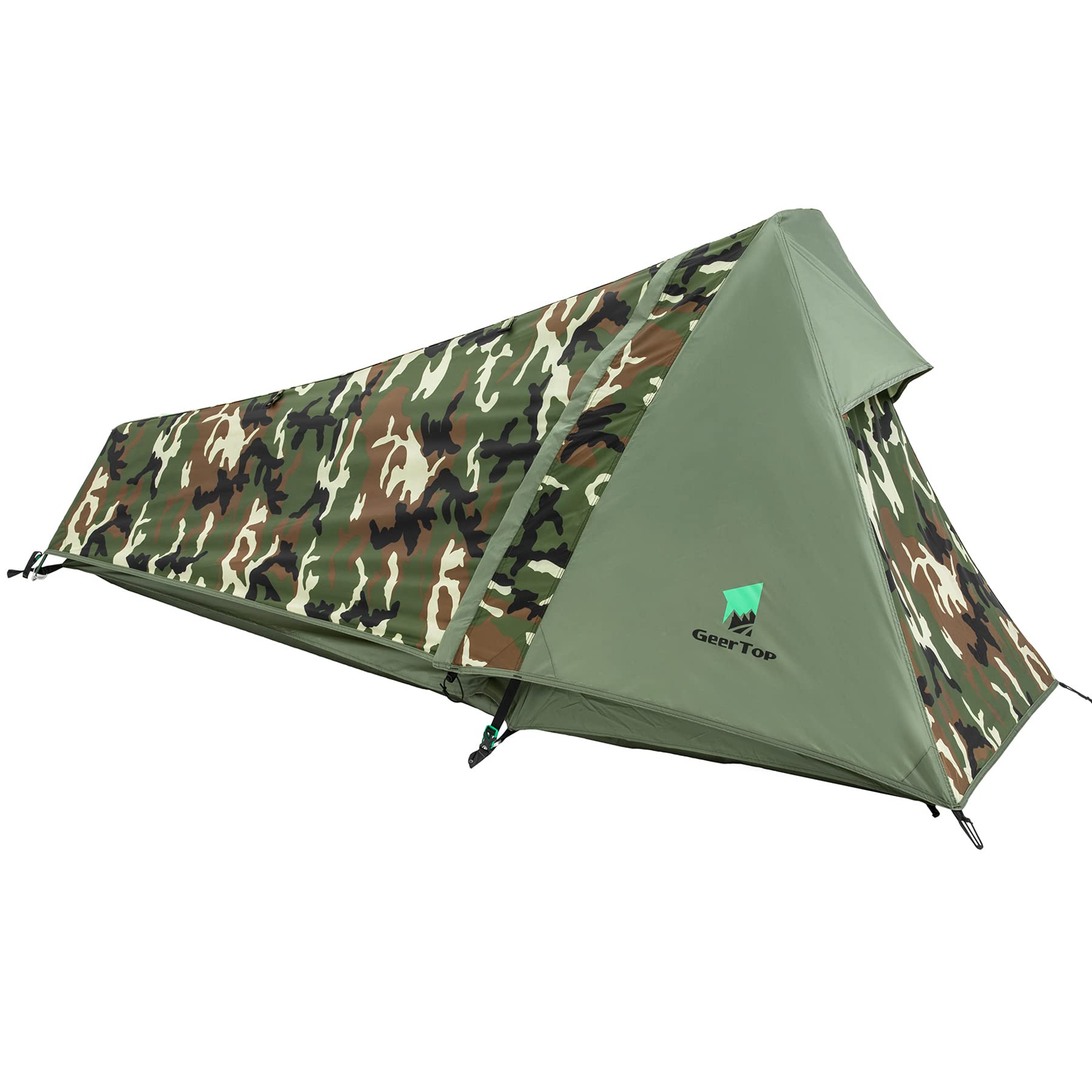
The GEERTOP Ultralight is the easiest option here to recommend to campers who dislike the coffin-like feeling of a minimal bivy. Its wider floor, higher roof, separate rainfly, two-sided access, and small vestibule areas make it far more usable when you need to change layers or keep wet footwear outside the sleeping area.
The low profile still reduces exposed surface area, while the full fly gives better rain coverage than a mesh sleeping net or a splash-resistant bivy sack. Ventilation openings remain important: sealing everything tightly on a cold, damp night will produce condensation on the inside of the fly.
Sizing check: the listed 84-inch (7-foot) floor sounds generous, but the ends slope. If you are close to 6 feet tall, allow for a hooded winter bag and a pillow before assuming the length is spare. The listed 39-inch width does accommodate a 25-inch wide insulated pad, which is the main practical advantage over the narrower picks below.
Why You’ll Like It
It solves the biggest problem with bivy camping in the cold — not having room for the sleep system that actually keeps you warm — without moving into full two-person-tent weight and bulk. A thick pad, a winter-weight bag, and a small amount of protected gear all fit.
Who should buy it: Solo campers who prioritize interior room, full rainfly coverage, and easier entry on cool, wet nights.
Who should avoid it: Ultralight hikers chasing the lowest possible trail weight, or campers expecting heavy snow loading and severe alpine wind.
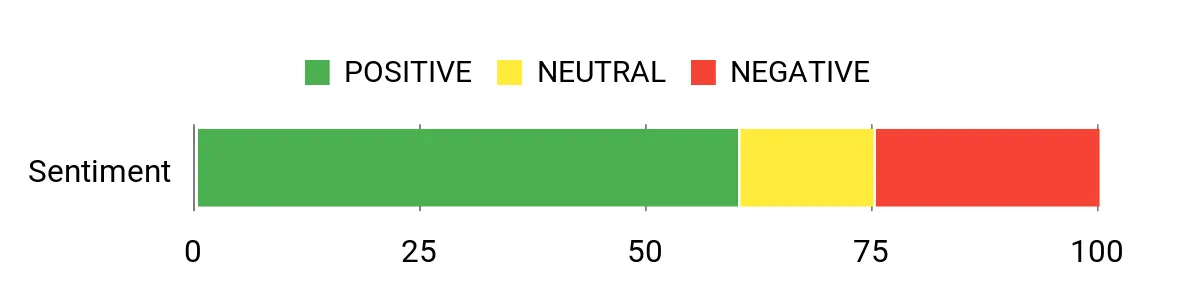
What People Say
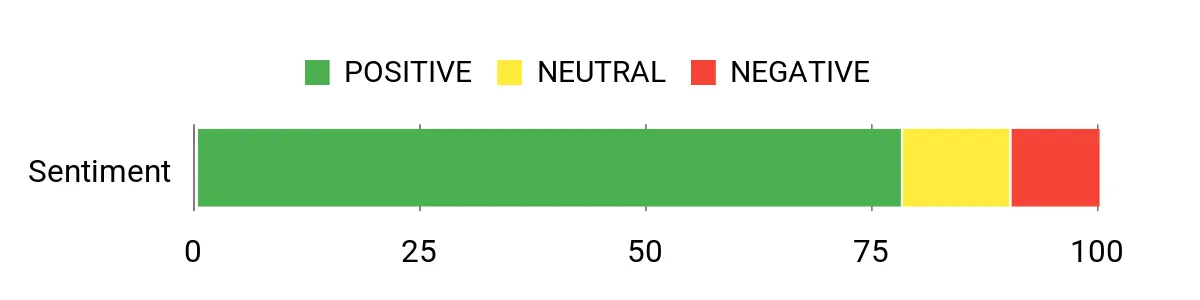
Common themes in published buyer reviews include the packable design, straightforward setup, usable interior room, and reliable rain protection when the tent is pitched and staked correctly. Recurring complaints focus on the lightweight stakes supplied in the box, occasional wear at mesh and seam areas, and the need to actively manage ventilation rather than sealing the shelter up.
Overall Sentiment: POSITIVE
Best Uses
| Situation | How It Helps |
|---|---|
| Shoulder-Season Backpacking | The double-wall structure provides enclosed weather protection while leaving room for a thicker winter sleep system. |
| Hunting & Low-Visibility Camps | The camouflage exterior and compact profile are less visually prominent than a tall backpacking tent. |
| Cool, Rainy Overnights | The full fly and coated floor give more complete coverage than an open mesh bivy, provided the shelter is correctly pitched and ventilated. |
Key Benefits
- Roomier interior than narrow coffin-style bivies
- Separate inner tent and full rainfly (true double-wall)
- Two-sided access and sheltered gear space
- Compact footprint for constrained campsites
- Ventilation openings for condensation management
Cold-weather limitation: Treat this as a three-season shelter that may work on calm, mild winter days — not as an expedition tent for substantial snow loading or severe exposed weather. Plan on upgrading the supplied stakes for frozen or rocky ground.
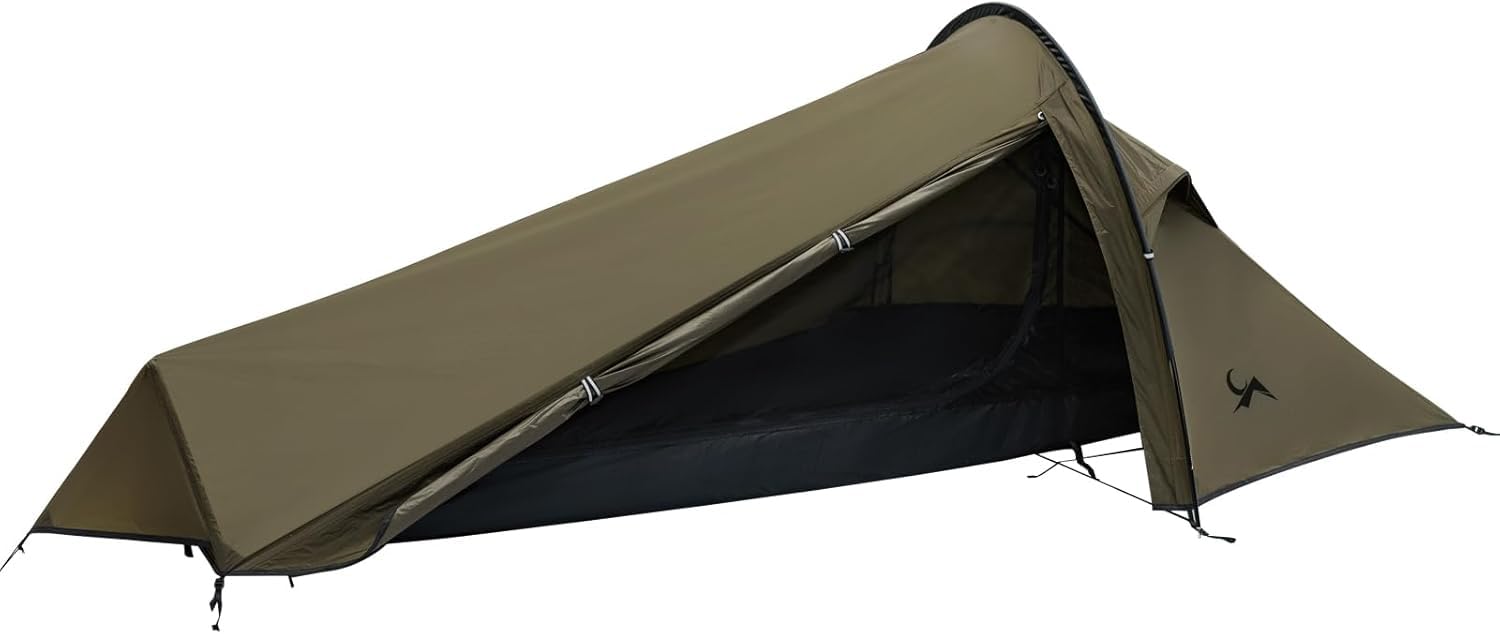
The MC TOMOUNT is aimed at campers who want a minimalist enclosed shelter without carrying a conventional one-person tent. The 20D nylon construction, aluminum support pole, and slim packed shape make it appealing for backpacking, bikepacking, and emergency kits. The listing title advertises a weight of roughly 2.4 lb — confirm the current figure before you buy, since marketplace weight fields are frequently out of date.
Check this before you buy: the dimension fields published on this listing (roughly 98 x 49 x 31 inches) describe a larger footprint than a typical minimalist bivy, and they do not match how the shelter is otherwise marketed. Those figures may refer to a flat, un-pitched, or fully guyed-out measurement rather than usable interior space. Measure your pad width, sleeping-bag loft, height, and shoulder width against the current live listing rather than assuming either number reflects the interior you will actually get.
Whatever the true interior turns out to be, the cold-weather principle is the same: a winter sleeping bag has far more loft than a summer bag, and contact between that bag and a damp tent wall will crush the loft and transfer moisture into the insulation.
Why You’ll Like It
It keeps the shelter system compact and gives far more weather coverage than sleeping under an open bug bivy — the practical middle ground between a tarp setup and carrying a full solo tent.
Who should buy it: Backpackers and bikepackers who value small packed volume and are already comfortable sleeping in close-fitting shelters.
Who should avoid it: Anyone who needs confirmed interior dimensions before committing, restless sleepers, or campers who want to sit upright and organize bulky winter gear inside.
What People Say
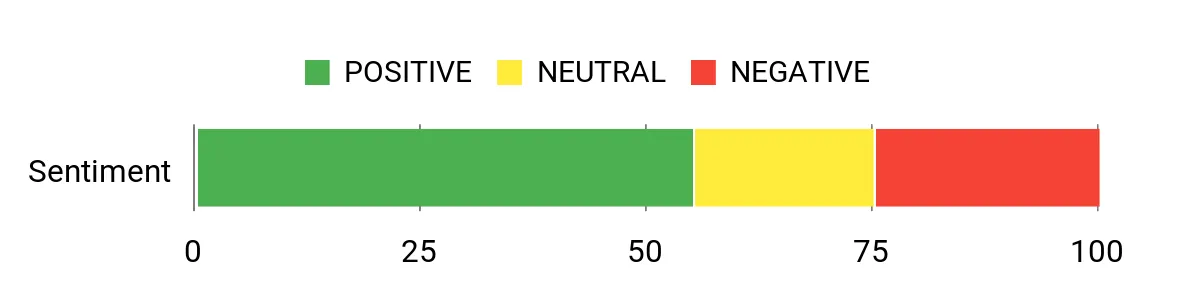
Published buyer reviews highlight low packed bulk and easy carrying as the main attractions. Common concerns include a tight interior, a learning curve during the first few pitches, and reduced airflow when the shelter is fully closed in damp weather.
Overall Sentiment: NEUTRAL
Best Uses
| Situation | How It Helps |
|---|---|
| Minimalist Backpacking | Marketed as a low-bulk alternative to a conventional one-person tent when carrying efficiency matters more than interior room. |
| Bikepacking | The slim package is easier to fit into panniers or compact luggage than a bulky car-camping tent. |
| Emergency Shelter Kit | Provides a fully enclosed backup shelter without occupying a large amount of storage space. |
Key Benefits
- 20D nylon construction
- Minimalist single-person footprint
- Aluminum support pole
- Packs down for backpacking and bikepacking storage
- Enclosed coverage against rain, wind, and insects
Before buying: Confirm the current packed weight, packed size, and interior dimensions on the live listing. The published marketplace specifications for this shelter have not always been consistent with one another.
Check Current Amazon Availability

This narrower GEERTOP model suits campers who want a low visual profile and do not need the extra width of the Best Overall pick. The long floor works well for a single sleeper, while the small vestibule and interior pockets keep a few essentials separated from the sleep area. It is the pick that fits on sites where nothing else will.
The limited width and height are the real cold-weather trade-off. Thick insulated pads, lofty bags, and bulky layers occupy far more room than summer equipment, so measure your complete sleep system rather than comparing the tent only against your body height.
Sizing check: at a listed 23 inches wide, this shelter is built around a standard 20-inch regular sleeping pad. A 25-inch wide pad — a common choice in winter systems — is wider than the listed floor and will push against the walls. The listed 23-inch height also means you will be lying down, not sitting up, for the entire night.
Why You’ll Like It
It solves a problem the roomier picks cannot: finding a legal, sheltered, low-visibility place to sleep when the site is narrow, rocky, or exposed. Full enclosure, minimal footprint.
Who should buy it: Hunters, bikepackers, and campers already comfortable with a close-fitting one-person shelter.
Who should avoid it: Campers using wide winter pads, oversized cold-weather bags, or anyone who wants meaningful internal gear storage.
What People Say
Published buyer reviews emphasize the compact shape, straightforward setup, useful interior pockets, and reliable insect protection. The most common drawbacks are condensation, limited ventilation when the shelter is fully closed, and inconsistent performance if it is not carefully pitched and maintained.
Overall Sentiment: NEUTRAL
Best Uses
| Situation | How It Helps |
|---|---|
| Hunting Camps | The camouflage exterior and low roof reduce visual prominence in wooded surroundings. |
| Bikepacking | The compact pole set and narrow body are easier to transport than a larger freestanding tent. |
| Short Solo Overnights | Provides enclosed protection without needing enough campsite space for a larger shelter. |
Key Benefits
- Narrow, low-profile geometry
- Compact aluminum pole structure
- Internal organization pockets
- Small sheltered area for footwear
- Enclosed insect protection
Cold-weather limitation: Treat this as a three-season bivy tent. The narrow structure and the listed 1,500 mm water-resistance figure do not make it a severe-winter shelter, and a lower hydrostatic-head rating leaves less margin during sustained rain.
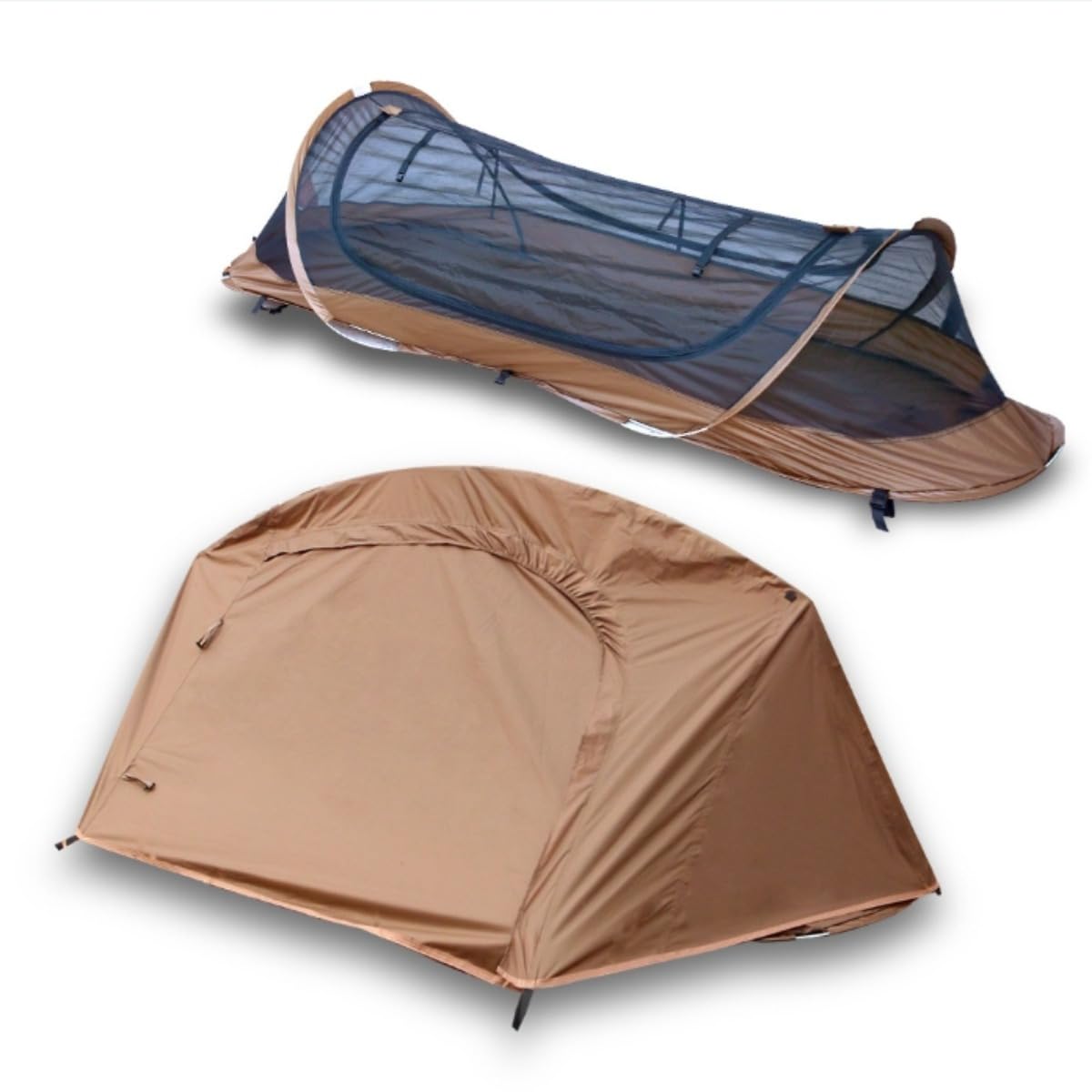
The TGpao cuts setup steps through a pre-attached aluminum frame. That matters more than it sounds: it is the difference between fumbling with loose poles in the dark with cold hands and having shelter up in a minute after a long day, at a roadside stop, or as weather closes in.
The inner mesh supports airflow and insect protection, while the separate rainfly handles external coverage. It is still a compact shelter, so tall campers and anyone with thick winter equipment should verify the live dimensions carefully, and keep the inner fabric and sleeping bag separated wherever possible to limit moisture transfer.
Sizing check: the listed 90 x 33 x 26 inches gives a usable 33-inch floor width, but the 26-inch peak sits under a sloping fly — plan on lying down rather than sitting up to change layers. The freestanding shape is the practical benefit here: it can be repositioned after pitching and works on ground too hard or too rocky to take stakes cleanly.
Why You’ll Like It
The pre-attached frame means fewer loose components to lose, drop, or assemble incorrectly, and a setup sequence that is easy to remember when you are tired, cold, or in a hurry.
Who should buy it: Campers who prioritize rapid deployment, insect protection, and a freestanding shape they can move after pitching.
Who should avoid it: Campers who need verified severe-weather performance, generous sitting room, or the smallest possible packed frame.
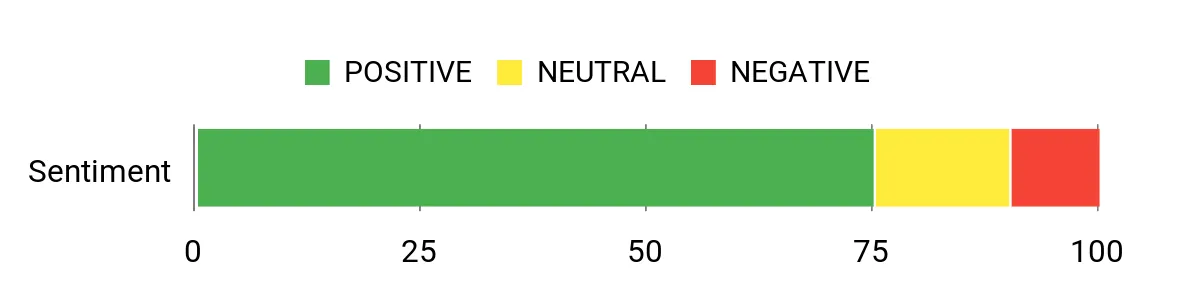
What People Say
Published buyer reviews respond positively to the setup speed, compact storage, mosquito mesh, and protection in light to moderate rain. The main concerns involve restricted space for taller campers and dampness when equipment presses against the walls. This is a newer listing, so the long-term durability record is still thin.
Overall Sentiment: POSITIVE
Best Uses
| Situation | How It Helps |
|---|---|
| Quick Overnight Stops | The pre-attached frame reduces assembly steps when you arrive late or need shelter promptly. |
| Bug-Heavy Campsites | The enclosed mesh interior maintains insect protection while still allowing ventilation. |
| Emergency Kits | The complete shelter package deploys faster than assembling a tarp and a separate bug bivy. |
Key Benefits
- Pre-attached aluminum frame
- Freestanding shape that can be repositioned
- Separate mesh interior and rainfly
- Insect protection with usable ventilation
- Stakes, guylines, and carry bag included
Before buying: Verify the current packed weight and packed size on the live listing — the published marketplace fields for this shelter have not always agreed with one another.
Check Current Amazon Availability
Before You Buy a Bivy Tent for Cold Weather
Cold-Weather Bivy Checklist
- Measure the full sleep system: Include pad width, sleeping-bag loft, clothing, and any liner — not only your body dimensions.
- Confirm the current weight and packed size: Marketplace specification fields for compact shelters are frequently outdated or inconsistent. Check the live listing before you commit.
- Check the season guidance: A waterproof coating does not automatically make a shelter suitable for snow loading or severe winter wind.
- Prioritize ground insulation: A bivy blocks weather but does nothing to stop conductive heat loss through the ground. Your pad’s R-value does that work.
- Plan for condensation: Keep vents open whenever conditions allow and avoid pressing insulation against damp walls.
- Upgrade weak stakes: Frozen, rocky, sandy, and snowy ground usually needs different anchors from the lightweight stakes supplied in the box.
- Protect your sleeping bag: Store wet clothing and boots away from the insulation whenever possible.
- Practice before the trip: Pitch, enter, ventilate, pack, and repair the shelter at home before using it in bad weather.
- Know when to use a tent: Choose a true four-season shelter for exposed terrain, substantial snow, severe winds, or any trip where equipment failure would have serious consequences.
Bivy Tent Versus Bivy Sack
A bivy sack is usually a fabric cover that fits closely around a sleeping bag. Many ultralight models are designed to be used under a tarp rather than as complete standalone rain shelters.
A hooped bivy tent uses one or more poles to create airspace around the head or body. It offers more insect protection, weather coverage, and breathing room than a basic sack, but it weighs more and still provides far less living space than a conventional tent. Every product in this guide is a hooped bivy tent.
A one-person backpacking tent is usually the better choice when you need to sit upright, change wet clothing, protect more equipment, or wait out prolonged bad weather.
FAQ
Can a Bivy Tent Keep You Warm in Winter?
A bivy tent reduces wind exposure and helps protect your sleeping bag from precipitation, but it should not be treated as a source of warmth. Your sleeping bag, insulated pad, clothing, food, hydration, campsite selection, and moisture management have a far larger effect on overnight comfort than the shelter fabric does.
Use these bivy tents only within the conditions recommended by the manufacturer. For severe winter storms, heavy snowfall, or exposed alpine terrain, choose a purpose-built four-season tent.
What Waterproof Rating Should a Cold-Weather Bivy Have?
Hydrostatic-head figures help compare coated fabrics, but a higher number does not guarantee a dry shelter. Seam construction, fly coverage, floor design, fabric condition, pitch tension, ventilation, and water pooling all affect real-world performance.
Check whether the seams are taped or sealed and whether the fly protects the openings from wind-driven rain. Test the shelter at home before relying on it in remote conditions.
How Do You Reduce Condensation in a Bivy Tent?
Use every available vent, avoid pitching directly beside open water when alternatives exist, keep wet clothing outside the sleeping area, and maintain a gap between your sleeping bag and the tent wall. Do not seal the ventilation completely just to retain warmth — trapped moisture wets your insulation and makes the whole sleep system less effective.
How Much Room Do You Need?
Compare the shelter against your complete winter sleep system. A wide insulated pad, a thick sleeping bag, a pillow, bulky clothing, and boots may not fit comfortably even when the listed floor length exceeds your height. Taller campers should also check the sloping wall shape, not just the maximum length.
Can You Use a Bivy Tent in Snow?
Light snow on a sheltered site is very different from sustained accumulation or wind-loaded snow. Unless the manufacturer explicitly rates the shelter and pole structure for the conditions you expect, clear accumulating snow frequently and do not rely on an ultralight bivy anywhere structural failure would be dangerous.
Do You Need a Groundsheet or Footprint Under a Bivy Tent?
It is not required, but a lightweight groundsheet is cheap insurance for the thinnest, most expensive-to-replace part of the shelter. Bivy floors sit directly on frozen ground, ice, grit, and stubble, and a small piece of polycryo or Tyvek cut slightly smaller than the floor adds very little weight while extending the tent’s life. Cut it smaller than the floor so rain cannot pool between the two layers.
Should You Put a Tarp Over a Bivy Tent?
A properly pitched tarp creates a protected entry and a cooking or gear-management area, but it adds weight and setup complexity. Never cook inside the bivy, and keep stoves and open flames well away from tent fabric.
What Type of Sleeping Pad Works Best?
Choose an insulated pad rated for the ground temperature you expect, and make sure it fits inside the bivy without forcing the walls outward. As general guidance, many campers look for an R-value around 4 to 5 or higher once the ground is near or below freezing, and higher again for snow. Some campers stack two compatible pads in colder conditions — test the complete system at home before a remote trip.
How Should You Dry and Store a Bivy Tent?
Always dry the shelter fully before storing it. Packing a bivy away damp is the fastest route to mildew, a permanent smell, and delamination of the coated fabric. Store it loosely rather than tightly compressed in its stuff sack, keep it out of direct sunlight, and re-check the seam sealing and zipper condition at the start of each season rather than the night before a trip.
Final Recommendation
Choose the GEERTOP Ultralight when you want the best balance of interior room, full rainfly coverage, and solo portability. It is the pick most people should buy.
Choose the MC TOMOUNT when reducing packed bulk matters more than living space — after you have confirmed the current dimensions on the live listing.
Choose the narrow GEERTOP Single for hunting, bikepacking, and low-profile campsites where a smaller footprint is the whole point.
Choose the TGpao when fast, repeatable, freestanding deployment is the priority.
No bivy in this list should be selected because a marketplace field calls it “four season.” Match the shelter to the forecast, the terrain, your sleep system, and the consequences of equipment failure. When heavy snow, severe wind, or exposed winter terrain is expected, carry a stronger purpose-built shelter.
Quick Comparison
| Product Name | Image | Listed Material | Listed Dimensions (LxWxH) | Weather Information | Best For | Amazon |
|---|---|---|---|---|---|---|
| GEERTOP Ultralight Bivy Tent |
 |
Polyester, aluminum poles | 84 x 39 x 36 inches | Full fly with listed 2,500 mm coating; three-season and mild cold-weather use | Roomier solo camping | Check Price on Amazon |
| MC TOMOUNT Bivy Tent |
 |
20D nylon, aluminum pole | 98.42 x 49.21 x 31.49 inches as published — see note below | Listed waterproof coating; confirm current specifications before cold-weather use | Small packed volume | Check Price on Amazon |
| GEERTOP Ultralight Single-Person Bivy Tent |
 |
Polyester, aluminum poles | 90 x 23 x 23 inches | Listed 1,500 mm water resistance; intended for moderate three-season conditions | Low-profile camping | Check Price on Amazon |
| TGpao Waterproof Ultralight Bivy Tent |
 |
Polyester, aluminum frame | 90 x 33 x 26 inches as listed | Separate mesh interior and rainfly; not presented as an expedition shelter | Fast deployment | Check Price on Amazon |
Note on specifications: all dimensions above are the figures published on the current product listings, not measurements we have taken ourselves. The MC TOMOUNT figures in particular describe a larger footprint than a typical minimalist bivy and may refer to a flat or fully guyed-out measurement rather than usable interior space. Packed weights and packed sizes change between production runs, so confirm both on the live listing before you buy.
This roundup is reader-supported. When you click through affiliate links, we may earn a referral commission on qualifying purchases at no additional cost to you.