Affiliate disclosure:. As an Amazon Associate I earn from qualifying purchases. This roundup is reader-supported. When you click an Amazon link, we may earn a commission from qualifying purchases at no extra cost to you.
Last updated: September 12, 2026
A good backpacking tent under $200 can help you start exploring without spending premium-gear money. You still need a shelter that is manageable on the trail, practical to pitch, roomy enough for your sleep system, and suitable for the weather you expect.
This guide compares five budget-focused tents with different strengths. Some prioritize lower trail weight, while others favor easier setup, extra room, or more substantial materials. Because Amazon prices, product variants, and seller availability can change, treat $200 as a shopping ceiling rather than a permanent price guarantee and confirm the current listing before ordering.
Quick Verdict
Choose the 3F UL Gear Lanshan 2 when keeping carried weight low matters most and you already use trekking poles. Choose the Kelty Grand Mesa 2 when you prefer a familiar freestanding setup and do not mind carrying more weight.
The Camppal Solo suits campers who want a long, low-profile one-person shelter. The ShinHye 2P offers two-door convenience for shorter trips, while the Night Cat is a straightforward starter tent for occasional backpacking and mixed camping.
Top Picks
|
Category |
Product |
Best For |
|---|---|---|
|
🏆 Best Ultralight Pick |
Trekking-pole users and low pack weight |
|
|
🎯 Best Easy Setup |
Beginners wanting a conventional freestanding tent |
|
|
💰 Best Budget Solo |
Solo campers wanting a long, low-profile shelter |
|
|
⭐ Best Two-Door Value |
Short trips needing easier entry and airflow |
|
|
🔰 Best Starter Tent |
Occasional trips and roomy solo camping |
How We Picked These Tents
We compared listed weight, usable interior space, support structure, weather-related materials, access, setup requirements, and likely trail use. We also considered whether each tent solves a clear problem for someone shopping on a limited budget.
This is a specification-based comparison, not a claim that every tent was personally field-tested. Product variants and seller descriptions can change, so check the exact size, included parts, current weight specification, and current listing before ordering.
Before You Buy a Budget Backpacking Tent
- Confirm the current price: A tent included in an under-$200 guide can move above or below that amount as sellers and promotions change.
- Check the complete carried weight: Stakes, guylines, poles, stuff sacks, and footprints may not be included in a minimum-weight figure.
- Confirm the support system: Trekking-pole tents may require one or two poles that are sold separately.
- Review usable dimensions: Sloped walls can reduce practical sleeping and sitting space even when the floor dimensions look generous.
- Compare pad width with floor width: This matters especially when two adults plan to share a small two-person tent.
- Plan for condensation: Ventilation matters even when the fabric is highly water-resistant.
- Inspect seam requirements: Factory seam treatment can differ between models and production versions.
- Protect the floor: A correctly sized footprint can reduce abrasion, but it should not extend beyond the tent floor where it can collect rain.
3F UL Gear Lanshan 2: Best Ultralight Pick
Why You’ll Like It
The Lanshan 2 gives you a roomy solo sleeping area without the weight of a conventional freestanding frame. Its two-door layout also makes ventilation, entry, and gear access easier when one side faces wind or rain.
The shelter relies on two trekking poles or compatible support poles rather than an included freestanding frame. That saves weight, but it also means pitch quality depends on stake placement, pole height, ground conditions, and fabric tension.
Who Should Buy This
Choose it when you already hike with trekking poles, understand basic guyline tensioning, and want a low-weight shelter for backpacking, bikepacking, or longer walking trips.
Who Should Avoid This
Skip it when you regularly camp on hard platforms, loose sand, or other surfaces where reliable staking is difficult. It is also less convenient when you want a shelter that can stand before it is fully anchored.
Buyer Feedback Snapshot
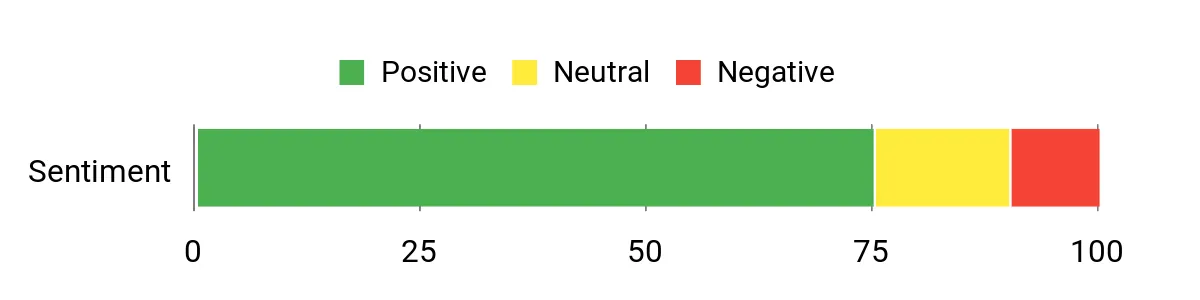
Reported feedback themes commonly favor its low weight, two-door design, and generous solo space. Typical cautions involve learning the pitch, carrying suitable stakes, managing tension, and confirming the exact production version before a trip.
Feedback note: The sentiment graphic below is directional. The underlying review dataset is not independently audited in this article, so use it together with current product specifications and recent verified buyer reviews.
Water and Weather Considerations
The coated fly and double-wall layout are intended for wet-weather backpacking. Current versions may differ from older production runs in fabric details and factory seam treatment, so inspect the exact tent you receive, follow the listing instructions, and practice creating an even pitch before relying on it in poor weather.
Key Benefits
- Very low shelter weight for a two-person design
- Two doors for easier access and ventilation
- Roomy choice for one camper and backpacking gear
- Double-wall construction separates the sleeping area from the fly
- Compact packed size for hiking and bikepacking
Main trade-off: It is not freestanding and requires two trekking poles or compatible supports that may not be included.
Kelty Grand Mesa 2: Best for Easy Setup
Why You’ll Like It
The Grand Mesa 2 uses a familiar freestanding pole structure that is easier to understand than a tension-dependent trekking-pole shelter. Kelty Quick Corners help hold the pole ends during assembly, while the wide-opening carry bag can make repacking less frustrating.
Its conventional construction makes it appealing for beginners, weekend backpackers, motorcycle campers, and people who value predictable setup more than minimum trail weight.
Who Should Buy This
Choose it when you want a straightforward setup, aluminum poles, and enough interior room for one camper plus gear or two campers using appropriately sized sleeping pads.
Who Should Avoid This
Skip it when every ounce matters. The manufacturer lists a 4 lb 1 oz minimum weight and roughly 4 lb 12 oz packaged weight, putting it well above modern ultralight two-person shelters.
Buyer Feedback Snapshot
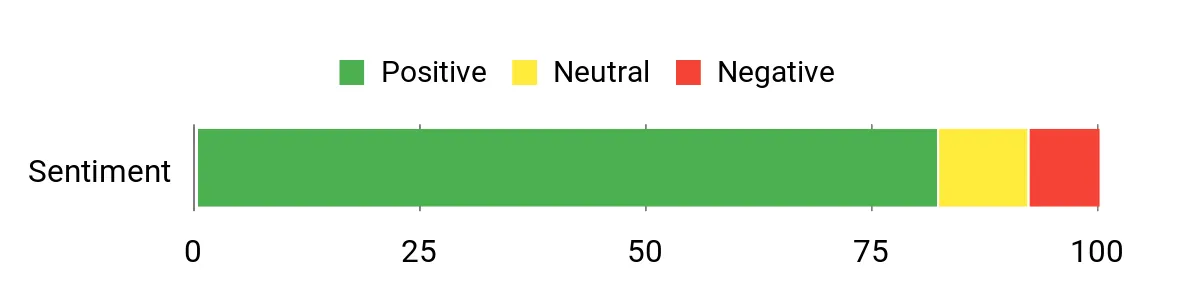
Reported feedback commonly highlights straightforward setup, useful vestibule storage, and the familiar freestanding design. Weight is the most important limitation for buyers comparing it with lighter trekking-pole shelters.
Feedback note: Treat the sentiment graphic below as directional rather than as an independently audited customer survey.
Water and Weather Considerations
The three-season rainfly, taped seams, and vestibule provide useful coverage when the tent is fully staked and correctly pitched. Avoid low drainage areas, keep the fly properly tensioned, and remember that retail inventory and exact material specifications can change between production versions.
Key Benefits
- Simple freestanding pole structure
- Quick Corners help hold poles during setup
- One vestibule for shoes or a backpack
- Aluminum poles instead of basic fiberglass supports
- Carry bag designed for easier repacking
Main trade-off: It is considerably heavier than the Lanshan 2 and other ultralight backpacking shelters.
Camppal Solo: Best Budget Solo Tent
Why You’ll Like It
The Camppal gives one camper a notably long sleeping area without adding the width of a two-person tent. Its low shape can be easier to place on narrow campsites, and the single-ridge-pole layout is less complicated than many multi-pole designs.
The listing markets versions of this shelter for four-season use, but that label should not be treated as proof of expedition or mountaineering performance. Your safety still depends on forecast conditions, campsite exposure, snow loading, wind, ventilation, and pitching skill.
Who Should Buy This
Choose it for solo hiking, bikepacking, kayak camping, hunting trips, or low-profile camps where sleeping length matters more than sitting room.
Who Should Avoid This
Skip it if you want space for two people, generous headroom, or a large vestibule. Campers who dislike narrow shelters may also prefer a wider dome or two-person backpacking tent.
Buyer Feedback Snapshot
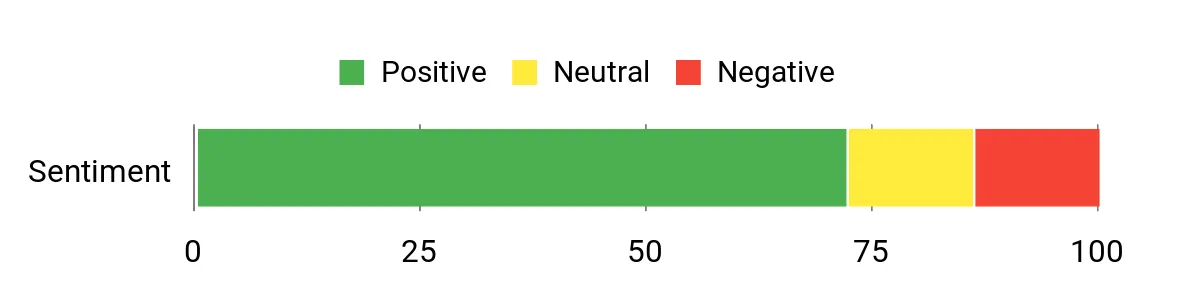
Reported feedback themes favor the long sleeping area, simple pitch, compact shape, and wet-weather-oriented construction. Ventilation and condensation management are recurring considerations, especially when the shelter is closed tightly.
Feedback note: The graphic below should be treated as a directional summary rather than independently verified survey data.
Water and Weather Considerations
The listing describes a bathtub-style floor and water-resistance specifications in roughly the 3500–4000 mm range. Those figures do not replace good campsite selection, full staking, ventilation, or routine seam inspection.
Key Benefits
- Long sleeping area for a solo tent
- Simple single-ridge-pole structure
- Low profile for compact campsites
- Packable shape for solo outdoor trips
- Useful for backpacks, bikes, or kayaks
Main trade-off: The narrow shape limits shoulder room, sitting space, and interior gear storage, and published seller weight figures are inconsistent enough that weight-conscious buyers should verify the current listing.
ShinHye 2P: Best Two-Door Value
Why You’ll Like It
Two doors can make a noticeable difference when two campers share a small shelter. Each person gets easier access, and opening both sides can improve airflow in warm conditions.
The materials are more substantial than those used in many true ultralight tents. That may appeal to buyers who prioritize conventional materials and easy handling, but the resulting weight makes this model better for short hikes, festivals, bike trips, and mixed camping than demanding long-distance routes.
Who Should Buy This
Choose it when you want two-door access, bug mesh, a simple aluminum-pole system, and a flexible shelter for weekend backpacking or general camping.
Who Should Avoid This
Skip it when your priority is minimum trail weight. Two adults should also compare the approximately 55-inch floor width with their sleeping-pad widths before buying.
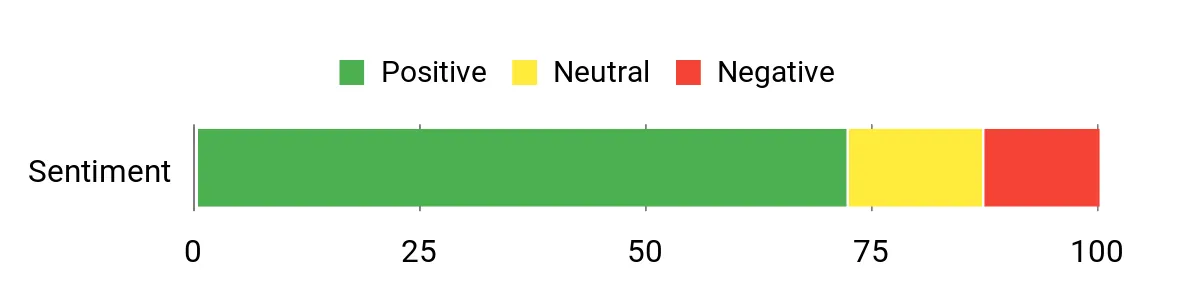
Buyer Feedback Snapshot
Reported feedback themes include easy setup, useful mosquito netting, convenient doors, and acceptable weather protection when the tent is fully secured. Floor protection, condensation, and close quarters for two adults remain reasonable buyer concerns.
Feedback note: Treat the chart below as a directional summary rather than an independently audited customer study.
Water and Weather Considerations
The listing describes 210T polyester, a 210D Oxford-style floor, mesh panels, and coated weather-resistant materials. Use a correctly sized groundsheet when camping on abrasive ground, keep vents open whenever conditions allow, and do not treat marketing terms such as “waterproof” as a guarantee in every storm.
Key Benefits
- Two doors for easier entry and exit
- Mesh panels for ventilation and insect protection
- Aluminum poles rather than basic fiberglass supports
- Useful space for one camper and gear
- Suitable for short backpacking trips, bike trips, and general camping
Main trade-off: At roughly 2.3 kg for the listed 1–2-person version, it is heavy compared with true ultralight backpacking tents.
Night Cat: Best Starter Tent
Why You’ll Like It
The Night Cat provides more shoulder width and sitting room than many narrow solo shelters. Its traditional dome structure is also easy for new campers to understand, making it a practical first tent for occasional hiking, motorcycle trips, beach camping, and weekends outdoors.
The trade-off is weight. At roughly 4.4 pounds, it is not an ultralight one-person tent. Fiberglass poles also deserve careful handling during setup and packing.
Who Should Buy This
Choose it when you want an affordable, roomy solo shelter and expect relatively short carries rather than high-mileage backpacking days.
Who Should Avoid This
Skip it when you are building a low-weight backpacking kit or need a shelter for exposed, severe-weather camps. The current specifications support one-person occupancy even though some marketing language suggests space for an adult and a child.
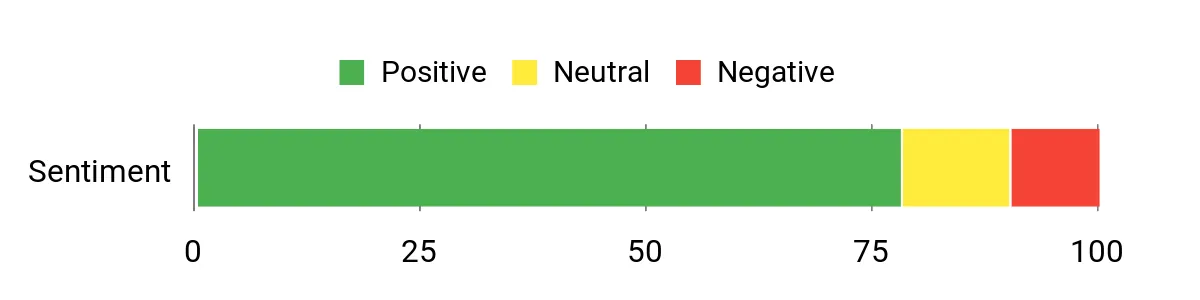
Buyer Feedback Snapshot
Reported feedback highlights simple setup, useful solo space, compact storage, and wet-weather capability when the tent is pitched carefully. Pole handling, basic stakes, and condensation are reasonable points to consider.
Feedback note: The sentiment graphic below is directional and should be checked against recent verified reviews on the current product listing.
Water and Weather Considerations
The listing describes PU 3000 mm material and taped seams. A waterproof rating does not guarantee performance in every storm, so secure the guylines, avoid exposed sites, ventilate the interior, and inspect the floor and seams before extended trips.
Key Benefits
- Roomy dimensions for one camper
- Familiar dome-style setup
- Mesh door and roof ventilation
- Compact storage size for transportation
- Useful for occasional backpacking, motorcycle trips, and general camping
Main trade-off: It is heavy for a solo backpacking tent and uses fiberglass poles.
FAQ
Can You Get a Good Backpacking Tent for Under $200?
Yes, but you usually accept at least one compromise. Budget tents may weigh more, use simpler poles, offer less refined ventilation, or require more careful pitching than premium models.
Prices change, so treat the $200 figure as a shopping target rather than a permanent guarantee. Compare the current price with the shelter’s complete carried weight, included components, dimensions, and expected use.
Are All Five Tents Always Under $200?
No price can be guaranteed permanently. Seller pricing, product variants, shipping, and availability can change. Use this article to narrow your options, then confirm the current Amazon price before purchasing.
How Do I Choose the Right Tent?
Start with the distance you expect to carry it. Long-distance backpackers usually prioritize low total weight and packed size, while weekend campers may prefer extra room, easier setup, and more conventional materials.
Check occupancy honestly. A two-person tent often makes a comfortable solo shelter, but two adults should compare the floor width with their sleeping pads before purchasing.
Is a Trekking-Pole Tent Better Than a Freestanding Tent?
A trekking-pole tent can save weight because it uses poles you may already carry. However, it requires suitable ground, secure stakes, careful tensioning, and more practice.
A freestanding tent is usually easier to move after pitching and works better on some hard surfaces. The frame adds weight, but many beginners find the setup more forgiving.
Will These Tents Keep Me Dry and Stable?
They use materials intended for wet-weather camping, but no tent guarantees dryness or stability in every condition. Pitch quality, drainage, wind exposure, seam condition, fabric wear, ventilation, and site selection all affect performance.
Practice at home, use every important stake and guyline, avoid depressions where water collects, and confirm whether your exact tent version needs any additional seam treatment.
What Does a Waterproof Rating Mean?
A millimeter rating describes fabric resistance under a controlled water-pressure test. It does not measure seam quality, zipper exposure, floor abrasion, ventilation, drainage, or the quality of your pitch.
Do I Need a Tent Footprint?
A footprint is not always required, but it can reduce floor wear on rocky, sandy, or abrasive sites. Keep it slightly smaller than the tent floor so rain cannot collect between the footprint and the shelter.
How Can I Reduce Condensation?
Open available vents, avoid pitching directly beside saturated ground when possible, keep wet gear outside the sleeping area, and leave space between the inner tent and rainfly when the design allows it. Even waterproof tents can collect moisture from breathing and humid air.
How Should I Care for a Budget Tent?
Dry it fully before storage, clean dirt with gentle methods, inspect pole joints, and repair small fabric damage early. Do not store the tent wet or leave it exposed to sunlight for long periods when it is not in use.
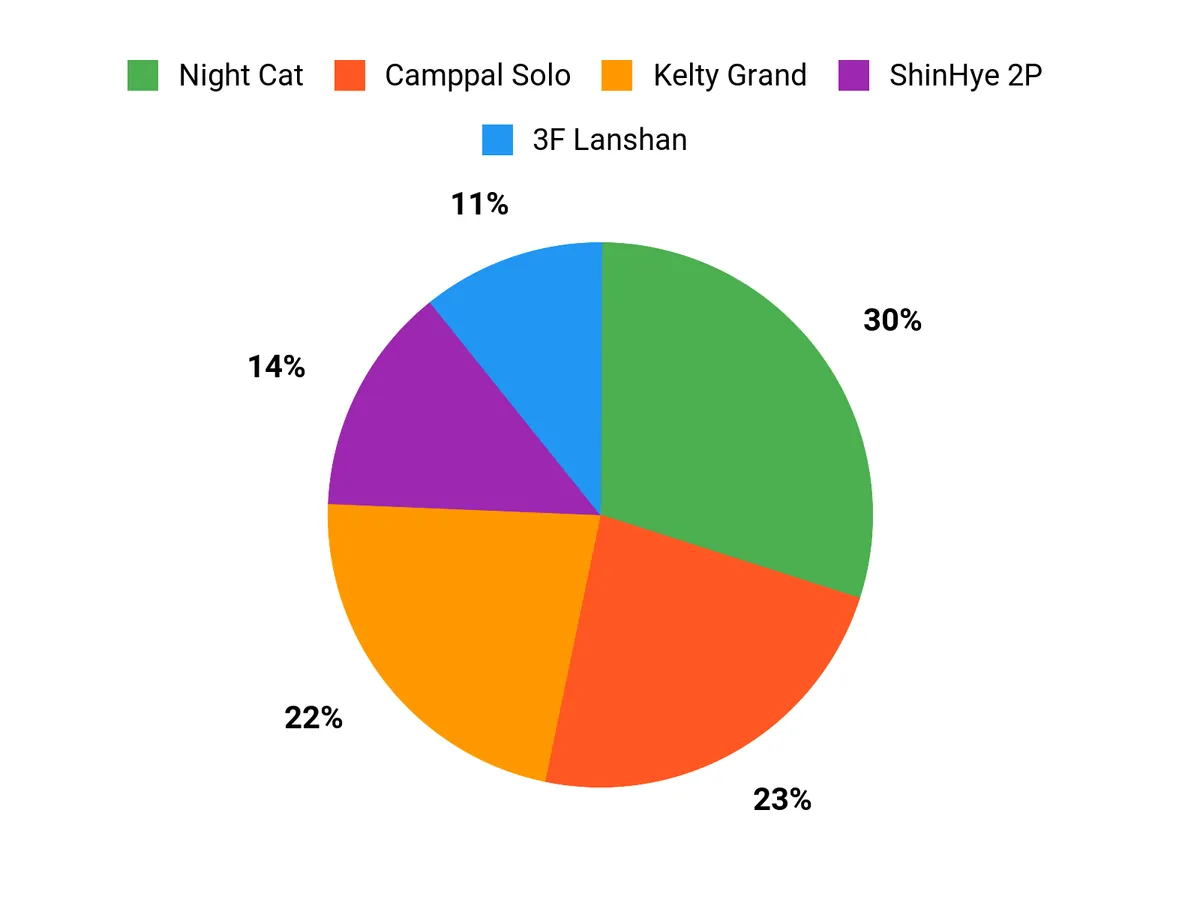
Which Tent Fits Which Camper?
Weight-focused hikers are most likely to prefer the 3F Lanshan 2, while beginners who want a familiar freestanding setup may feel more comfortable with the Kelty Grand Mesa 2.
The Camppal Solo suits campers who value sleeping length and a low profile. The ShinHye 2P prioritizes two-door convenience, and the Night Cat offers a roomy, straightforward starting point for shorter trips.
Chart note: The graphic below summarizes the use-case positioning in this guide; it should not be interpreted as a scientific camper survey.
Final Recommendation
The 3F UL Gear Lanshan 2 is the strongest choice for lower carried weight, provided you are comfortable using trekking poles and tensioning a non-freestanding shelter.
The Kelty Grand Mesa 2 is the stronger choice for setup simplicity. It weighs considerably more, but its conventional freestanding structure makes it easier for many new backpackers to manage.
Choose the Camppal for long, narrow solo sleeping space, the ShinHye for two-door convenience on shorter trips, or the Night Cat when you want a roomy and affordable starter shelter. Confirm the current price, exact variant, included components, weight, and return policy before purchasing.
Backpacking Tent Comparison
| Product Name | Image | Best For | Approximate Dimensions (L x W x H) | Listed Weight | Occupancy | Weather Details | Setup Style |
|---|---|---|---|---|---|---|---|
|
3F UL Gear Lanshan 2 Person Tent Check Price on Amazon |
 |
Low carried weight and roomy solo use | Current 2026 inner: about 86.6″ x 43″ x 49″ | About 1.15 kg / 40.6 oz trail weight for the current 2026 manufacturer version; verify the exact Amazon variant | 2 people, or roomy solo use | Coated double-wall shelter; fabric and seam details can vary by production version | Requires two trekking poles or compatible supports and secure staking |
|
Kelty Grand Mesa 2P Backpacking Tent Check Price on Amazon |
 |
Easy setup and conventional construction | 85″ long, 57″ head width, 44″ foot width, 43″ high | 4 lb 1 oz minimum; about 4 lb 12 oz packaged | 2 people | Three-season fly, taped seams, and one vestibule | Freestanding aluminum-pole design with Quick Corners |
|
Camppal 1 Person Tent Check Price on Amazon |
 |
Long, low-profile solo sleeping space | About 98.4″ x 35.4″ x 35.4″ inner sleeping area | Seller data conflict; roughly 3.75–3.8 lb is reported as minimum/trail weight in some current listings, so verify the exact Amazon specification | 1 person | Listing describes roughly 3500–4000 mm water-resistance specifications | Single-ridge-pole structure with staking |
|
ShinHye 2 Person Tent Check Price on Amazon |
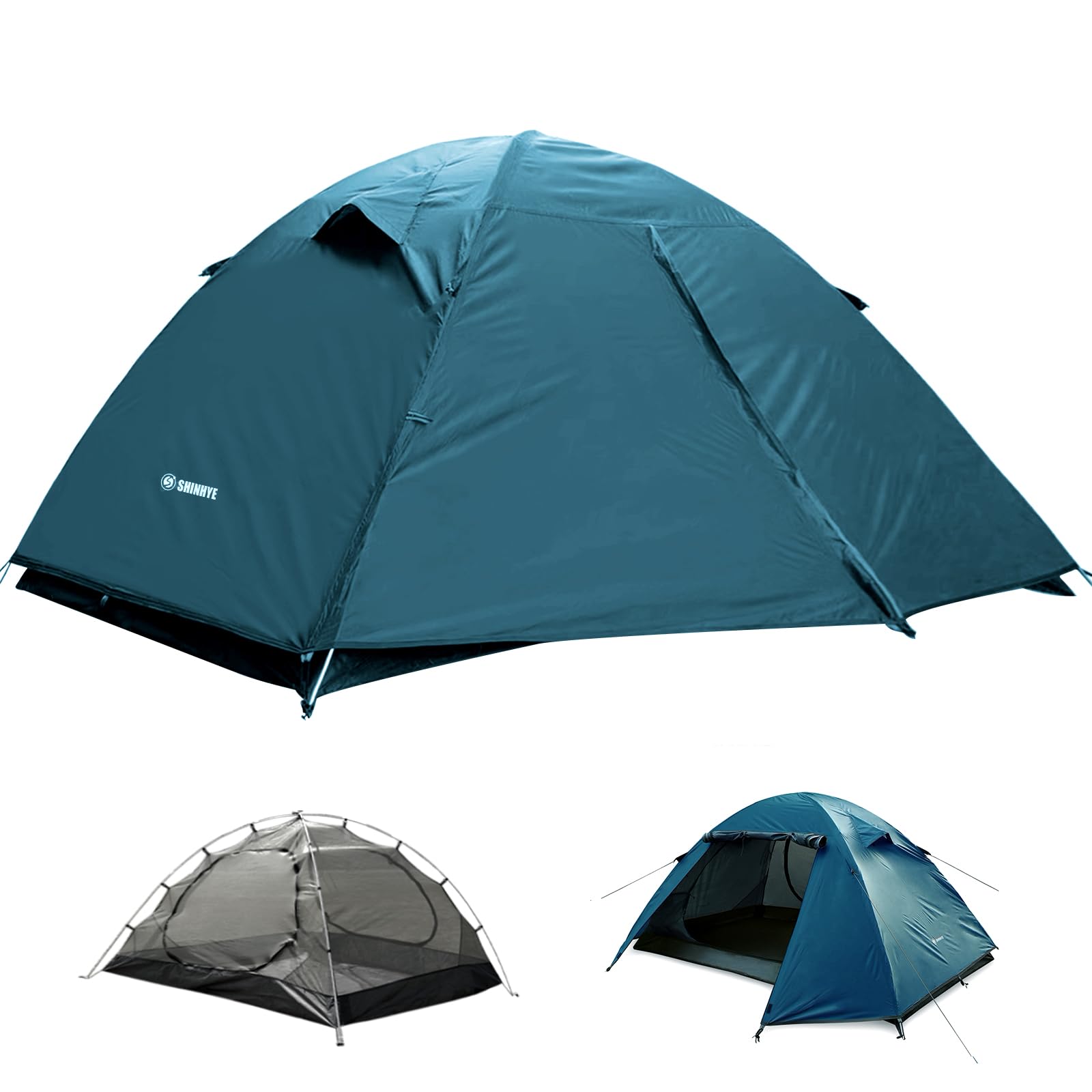 |
Two-door access and short weekend trips | About 82.7″ x 55″ x 43.3″ | Approximately 2.3 kg for the listed 1–2-person version; seller packaging data may be slightly higher | 1 to 2 people | 210T polyester, 210D Oxford-style floor, mesh, and coated weather-resistant materials | Conventional aluminum-pole setup |
|
Night Cat 1 Person Tent Check Price on Amazon |
 |
Roomy solo use and occasional backpacking | About 86.6″ x 47″ x 43″ | About 1.97 kg / 4.4 lb | 1 person | Listing describes PU 3000 mm material and taped seams | Fiberglass-pole dome setup; listing estimates roughly one to two minutes |
This roundup is reader-supported. When you click through Amazon links, we may earn a referral commission on qualifying purchases. Product specifications, prices, ratings, variants, and availability can change, so review the current listing before purchasing.