
You want welding helmets that help students learn efficiently while keeping classroom setup simple, consistent, and safety-focused. This guide compares auto-darkening welding helmets for welding classes, vocational programs, school shops, and supervised training, with attention to visibility, fit, shade controls, sensor layout, maintenance, and shared-use practicality.
The right student welding helmet should be easy to inspect, easy to adjust, and appropriate for the welding process being taught. Use this list to compare starter, budget-oriented, large-view, and premium helmets, then confirm the exact model markings and manufacturer instructions before buying a classroom set.
Updated September 2026: Product specifications and marketplace listings can change. Verify the exact model, safety markings, replacement parts, and current Amazon listing before a bulk purchase.
Affiliate disclosure:. As an Amazon Associate I earn from qualifying purchases. This roundup is reader-supported. When you click through qualifying Amazon links, we may earn a referral commission at no extra cost to you.
Quick Verdict
Best all-around classroom pick: YESWELDER LYG-L600A if you want a value-focused, student-friendly helmet with true-color viewing and simple controls.
Best premium optics: Lincoln Viking 3350 if visibility, comfort, and advanced lab work matter more than the lowest price.
Best advanced-training feature set: ESAB Sentinel A60 for programs that want a low-profile hood with a large viewing area and memory settings.
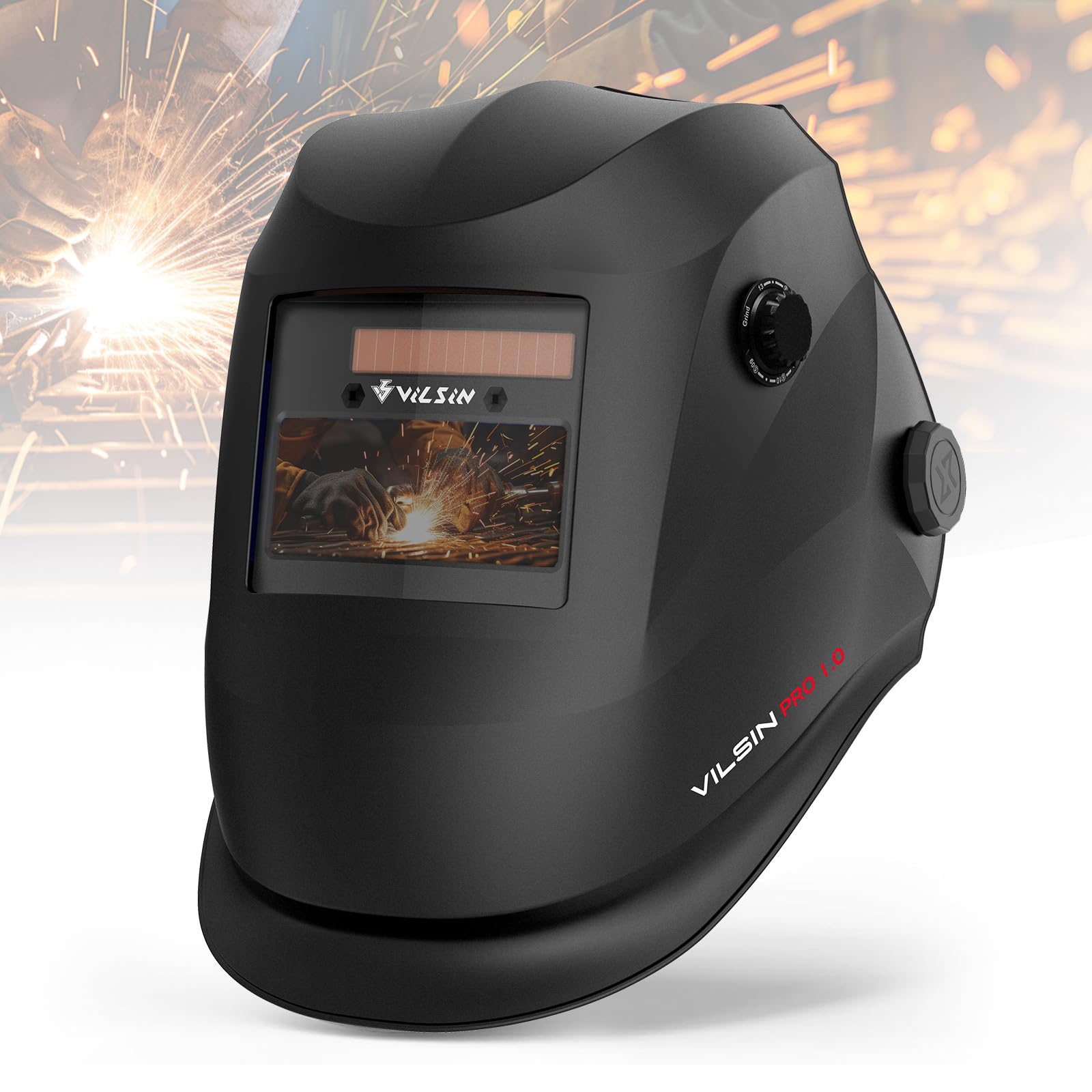
Best basic budget-oriented choice: VILSIN Auto Darkening Helmet for supervised beginner practice or backup use, as long as the exact listing and safety markings meet your program requirements.
Classroom Safety Note
For school or shop use, verify that the exact helmet model carries appropriate eye-and-face protection markings for your jurisdiction and training program. Select the filter shade for the welding process, electrode size, and arc current rather than relying on one setting for every lesson. Students should wear appropriate safety eyewear under the helmet where required by the shop safety program. Before each session, inspect the shell and cover lenses, test the auto-darkening filter, confirm the helmet is not in grind mode before welding, and remove any helmet from service if it is damaged or does not darken consistently.
Top Picks
|
Category |
Product |
Classroom Fit |
|---|---|---|
|
🏆 Best Starter Helmet |
Strong beginner value |
|
|
🎯 Best Large View |
Wide-view classroom use |
|
|
🚀 Best With Light |
Low-light fit-up help |
|
|
🔰 Best For Students |
Lightweight shared use |
|
|
⭐ Best Wide-View Value |
Flexible lab settings |
|
|
💸 Budget Backup Pick |
Budget backup option |
|
|
💼 Best Advanced Training |
Advanced training labs |
|
|
🎨 Best Style Variant |
Student-friendly style |
|
|
🏅 Best Optics |
Premium clarity |
|
|
🛡️ Best Straightforward Controls |
Reliable daily lessons |
How We Picked These Helmets
For this guide, the selection criteria prioritize verifiable safety markings, visibility, comfort, ease of adjustment, replacement-part practicality, and value for a teaching environment. A classroom helmet should fit securely, be simple to inspect, and offer controls that an instructor can explain and check quickly.
Useful features include clear optics, reliable auto-darkening, adjustable shade and sensitivity, grind mode, replaceable cover lenses, and practical battery or solar-assist systems. We also considered whether each model makes sense for shared use, beginner practice, instructor demonstrations, and more advanced welding labs. This is a feature-and-use-case comparison, not a claim of hands-on classroom testing.
Exact Amazon prices, ratings, review counts, and availability can change, so check the linked product pages for the latest details before ordering for a class or shop program.
Before You Buy: Classroom Helmet Checklist
- Confirm the exact model’s safety markings: Check the helmet, manual, or manufacturer documentation for applicable standards such as ANSI/ISEA Z87.1, CSA Z94.3, or relevant EN/ISO markings. Do not assume every color or marketplace variant carries identical documentation.
- Match shade to the lesson: Choose a helmet with a shade range that fits the processes you teach, then set the shade according to the process and arc current using your safety program, applicable guidance, and the manufacturer manual.
- Check comfort: Adjustable, padded headgear matters when several students rotate through long practice sessions.
- Plan maintenance: Keep spare outer lenses, inner lenses, and batteries on hand so one scratched cover does not stop a lesson.
- Train every student: Show how to test the ADF, set sensitivity and delay, switch out of grind mode, and wear safety glasses underneath.
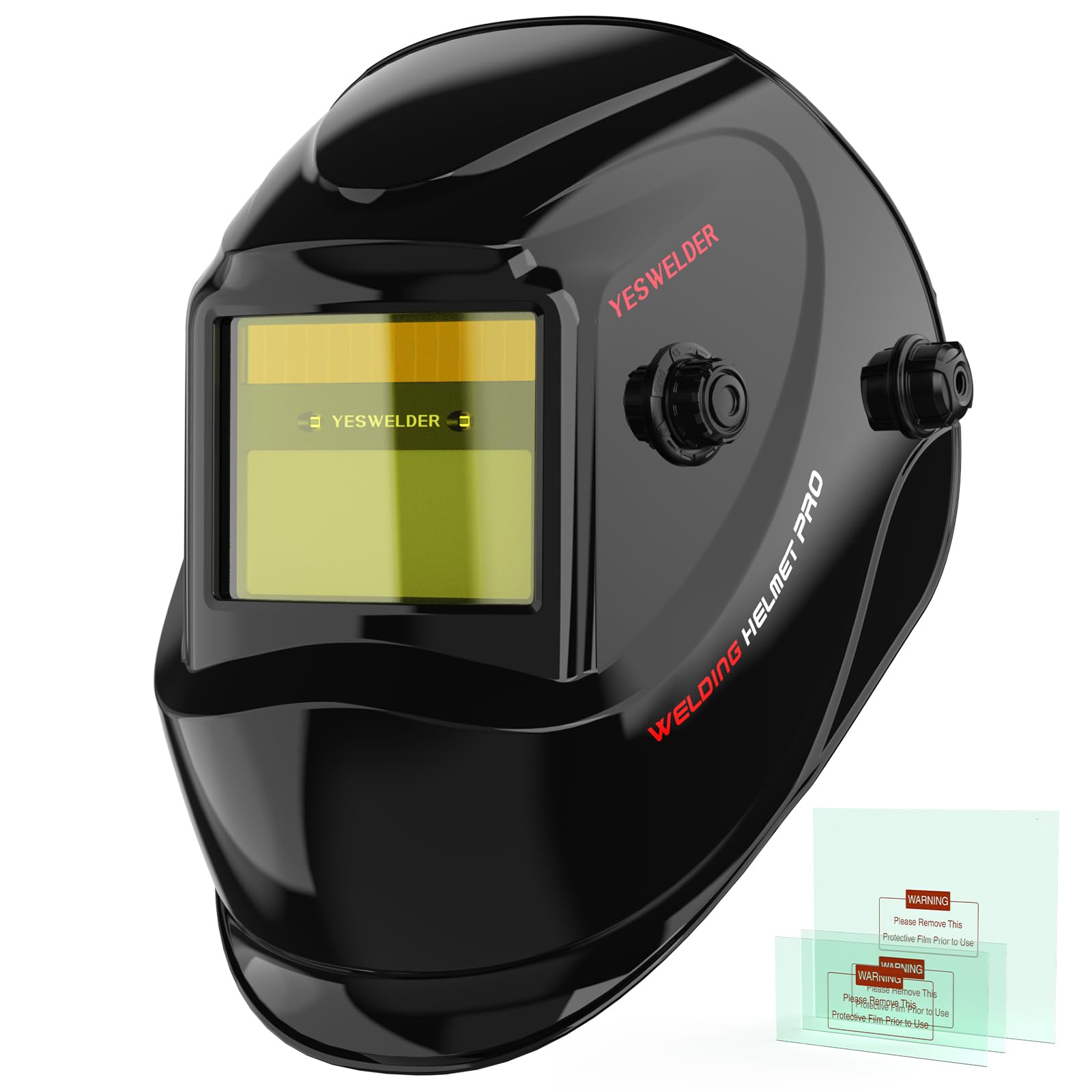
This is the helmet to consider when you need a simple, value-focused option that still gives students a clear view of the work. The true-color lens helps beginners see the puddle and joint fit-up more naturally than old-style green-tint lenses, while the adjustable sensitivity and delay settings give instructors a practical way to explain how auto-darkening filters behave.
It uses two arc sensors and a solar-assisted power system with a replaceable battery. That makes it a practical starter pick for common MIG, TIG, stick, cutting, and grinding lessons when the selected shade and mode are appropriate for the task.
Limitations: Its 3.64″ × 1.67″ viewing area is smaller than the large-view helmets in this guide, and a two-sensor layout gives less sensor coverage than four-sensor designs when the arc is partially obstructed.
What People Say
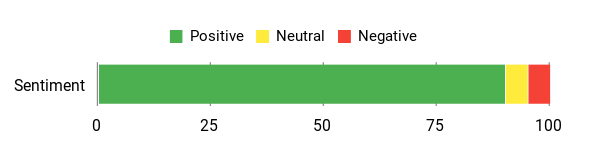
Review-check focus: Read the newest verified-purchase reviews for comments about headgear fit, ADF consistency, and whether the smaller viewing window feels limiting for the work you teach.
Review note: The chart below is an existing article snapshot, not a guarantee of current sentiment. Check the newest Amazon reviews before buying.
Classroom Use Cases
|
Situation |
How It Helps |
|---|---|
|
Introductory Welding Labs |
True-color optics help beginners follow the puddle and bead shape with less guesswork. |
|
Instructor Demonstrations |
Adjustable delay and sensitivity let you show how settings change visibility and comfort. |
|
Routine Maintenance |
Included replacement lenses help keep helmets usable when covers get scratched. |
Teaching Value
This helmet is useful for explaining shade selection, sensitivity, delay, and basic PPE care without overwhelming new students.
Key Benefits
- True-color viewing helps students see the weld area more clearly
- Adjustable sensitivity and delay support different lessons and processes
- Solar-assisted power with replaceable battery helps reduce downtime
- Lightweight headgear is practical for longer student sessions
- Good starter value for beginner welding classes
Check Product Details on Amazon
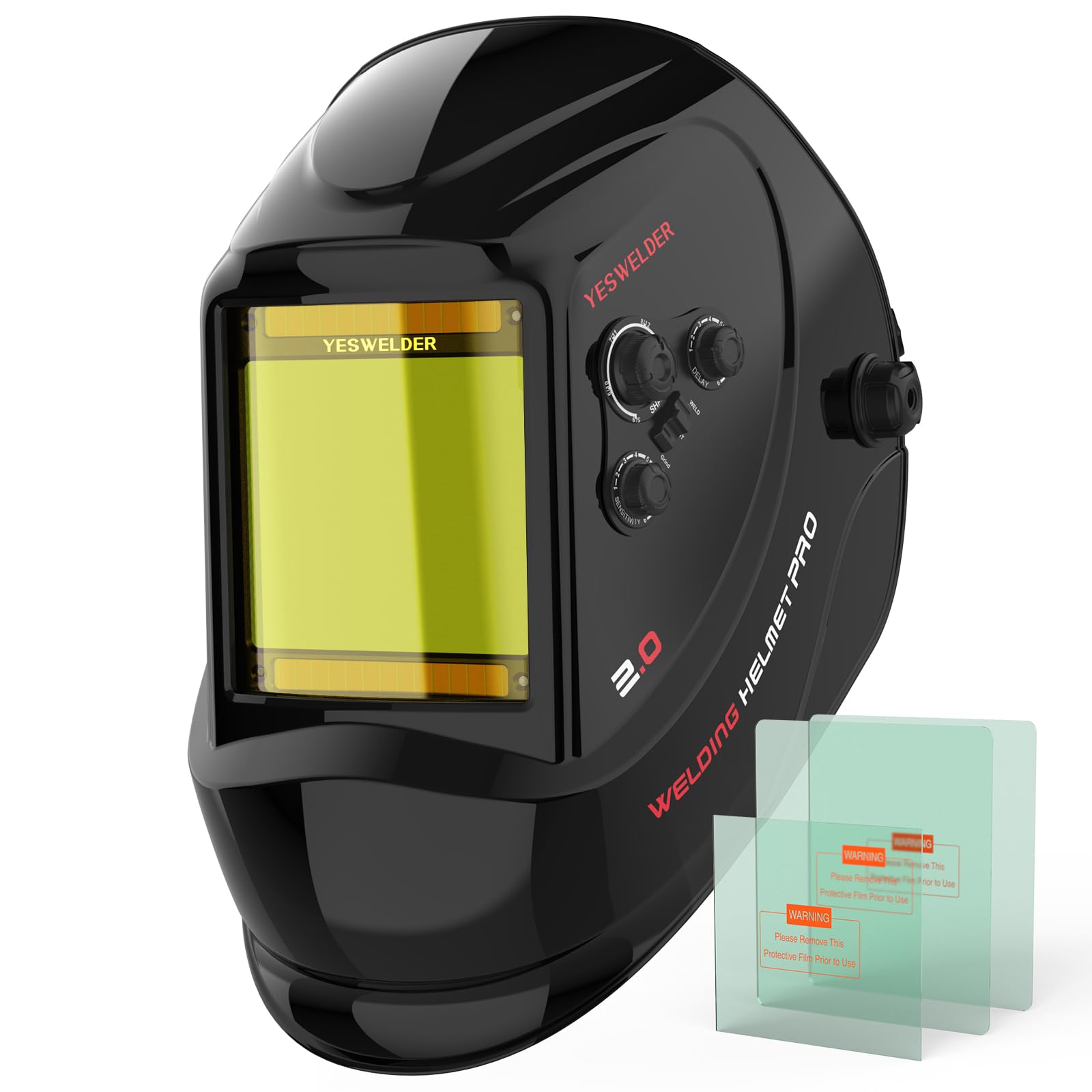
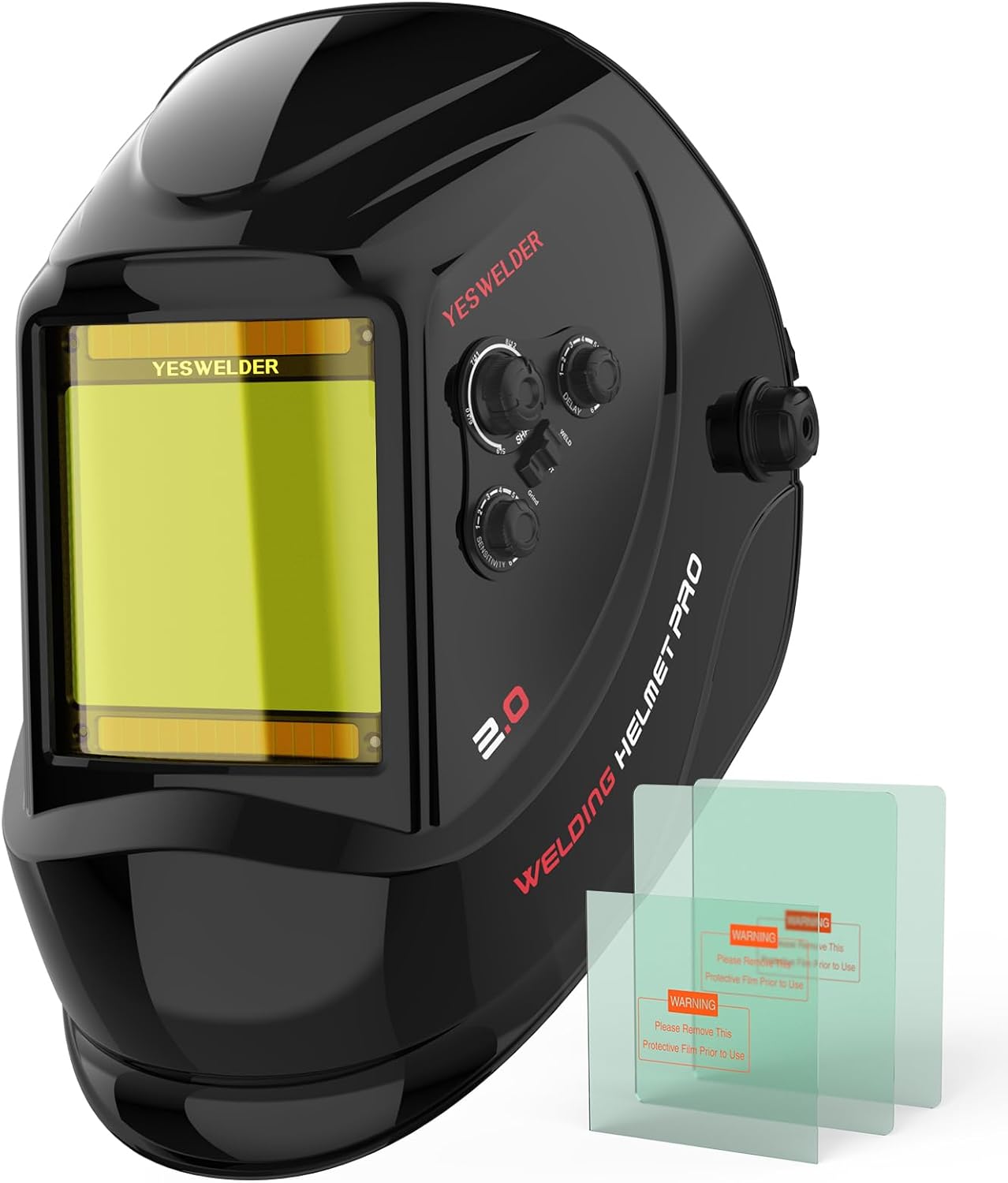
If students struggle to track the weld puddle, the LYG-M800H is a strong step up from smaller starter helmets. The large 3.93″ × 3.66″ viewing window gives more room to see joint fit-up and torch position, while four arc sensors improve detection during awkward welds or demonstrations.
The broad shade range and weld, cut, and grind modes make it flexible for mixed-process teaching. For a classroom fleet, inspect the headgear, cover lenses, mode setting, and ADF operation regularly rather than assuming any value-priced helmet will tolerate unlimited shared-use abuse.
Limitations: Students may need a quick walkthrough of the controls so they do not accidentally leave the helmet in the wrong mode.
What People Say
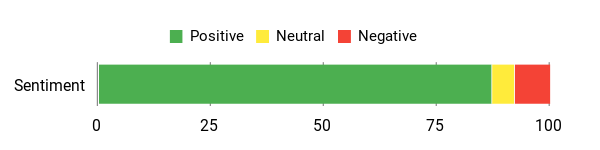
Review-check focus: Look for recent verified-purchase feedback on headgear durability, control usability, replacement lenses, and whether the large window stays clear after regular shop use.
Review note: The chart below is an existing article snapshot, not a guarantee of current sentiment. Check the newest Amazon reviews before buying.
Classroom Use Cases
|
Situation |
How It Helps |
|---|---|
|
Large Demo Groups |
The wider lens helps students and instructors keep the weld area in view during demonstrations. |
|
Students Who Wear Glasses |
The roomier shell can be easier to use with prescription eyewear, though fit should be checked individually. |
|
Mixed-Process Lessons |
Weld, cut, and grind modes help cover more shop tasks with one helmet. |
Teaching Value
This helmet helps instructors show how sensor count, shade range, and viewing size affect real-world welding comfort.
Key Benefits
- Large viewing area helps students follow puddle movement
- Four arc sensors support more consistent triggering
- True-color view improves contrast compared with older green-tint lenses
- Wide shade range supports common classroom welding processes
- Solar-assisted power with replaceable battery supports regular shop use
Check Product Details on Amazon
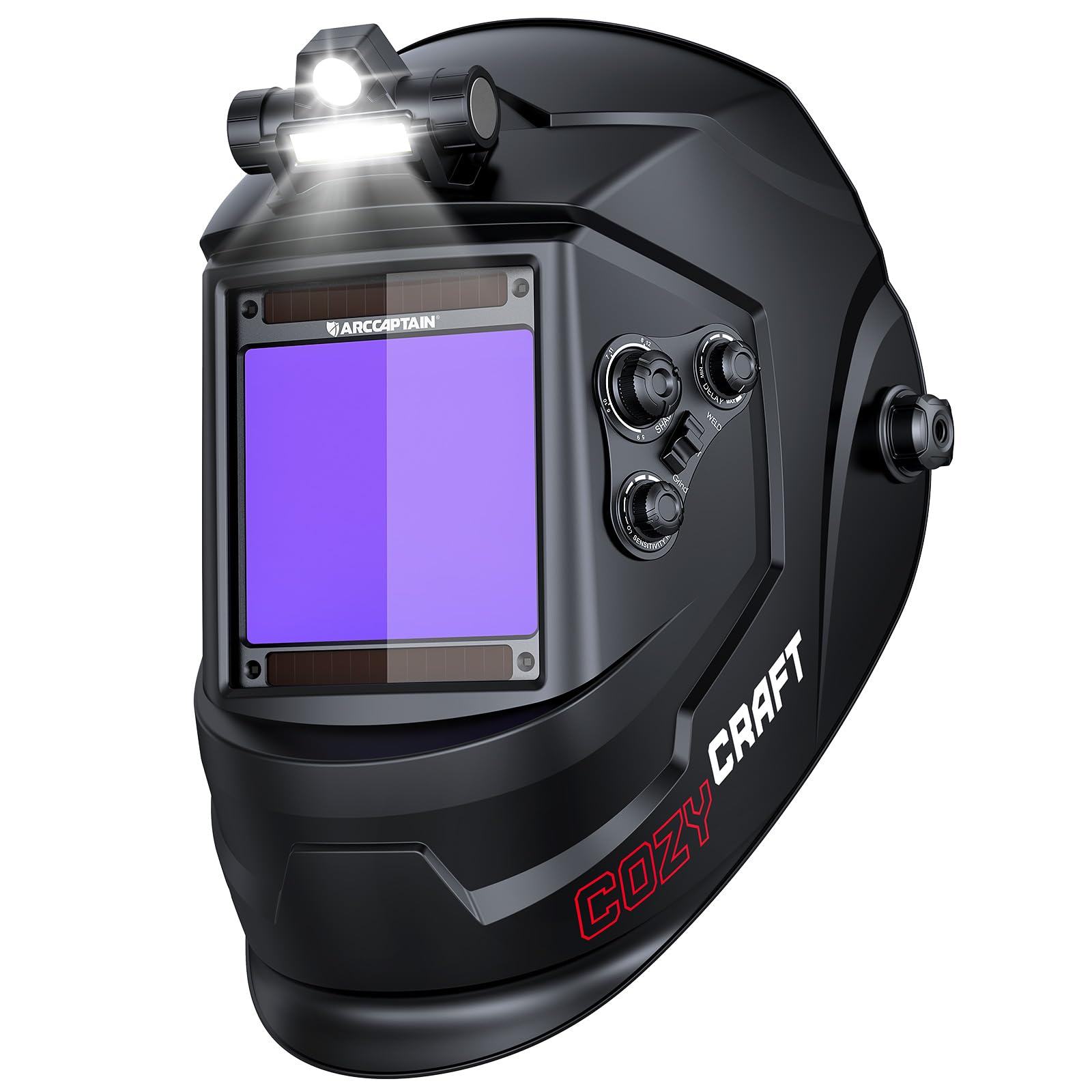
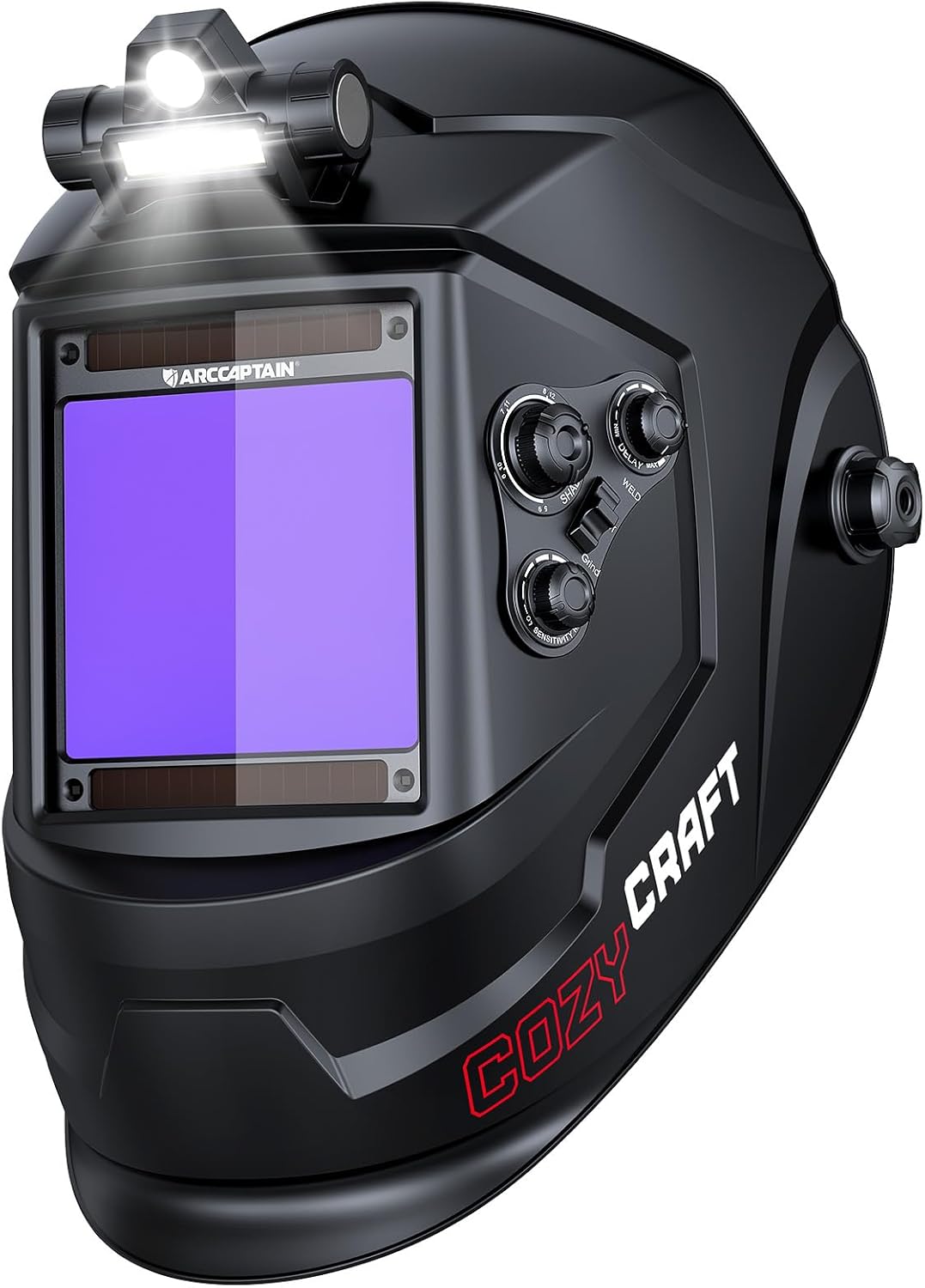
The ARCCAPTAIN XK-LY800H stands out because of its attachable LED light. That can help with fit-up, tack setup, and lower-light shop corners where students may otherwise struggle to see the joint before striking an arc.
It also has a large true-color viewing area, four arc sensors, and common weld, cut, and grind modes. For classrooms that do a lot of layout, tack welding, and demonstration work, the extra light can be more useful than it looks on paper.
Limitations: The LED is an extra component to attach, charge, and inspect. If your priority is the simplest possible shared helmet fleet, a model without an accessory light may be easier to manage.
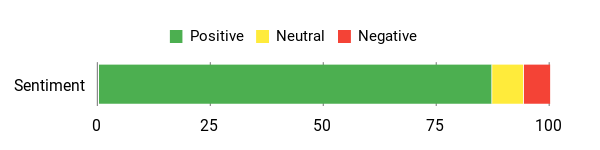
What People Say
Review-check focus: Pay special attention to recent comments about the LED attachment, charging routine, headgear fit, and ADF consistency. The light is useful only if your program is willing to maintain it.
Review note: The chart below is an existing article snapshot, not a guarantee of current sentiment. Check the newest Amazon reviews before buying.
Classroom Use Cases
|
Situation |
How It Helps |
|---|---|
|
Fit-Up Practice |
The LED can help students see joint alignment before welding. |
|
Low-Light Stations |
Extra illumination can reduce setup frustration in dim shop areas. |
|
Mixed Lessons |
Large view and multiple modes support welding, cutting, and grinding demonstrations. |
Teaching Value
This helmet is useful for showing how visibility before the arc matters as much as visibility during the weld.
Key Benefits
- Attachable LED light helps with setup and tack work
- Large 3.94″ x 3.66″ viewing area supports better sightlines
- Four arc sensors help improve auto-darkening detection
- True-color optics improve weld-puddle visibility
- Weld, cut, and grind modes make it useful for varied shop tasks
Check Product Details on Amazon
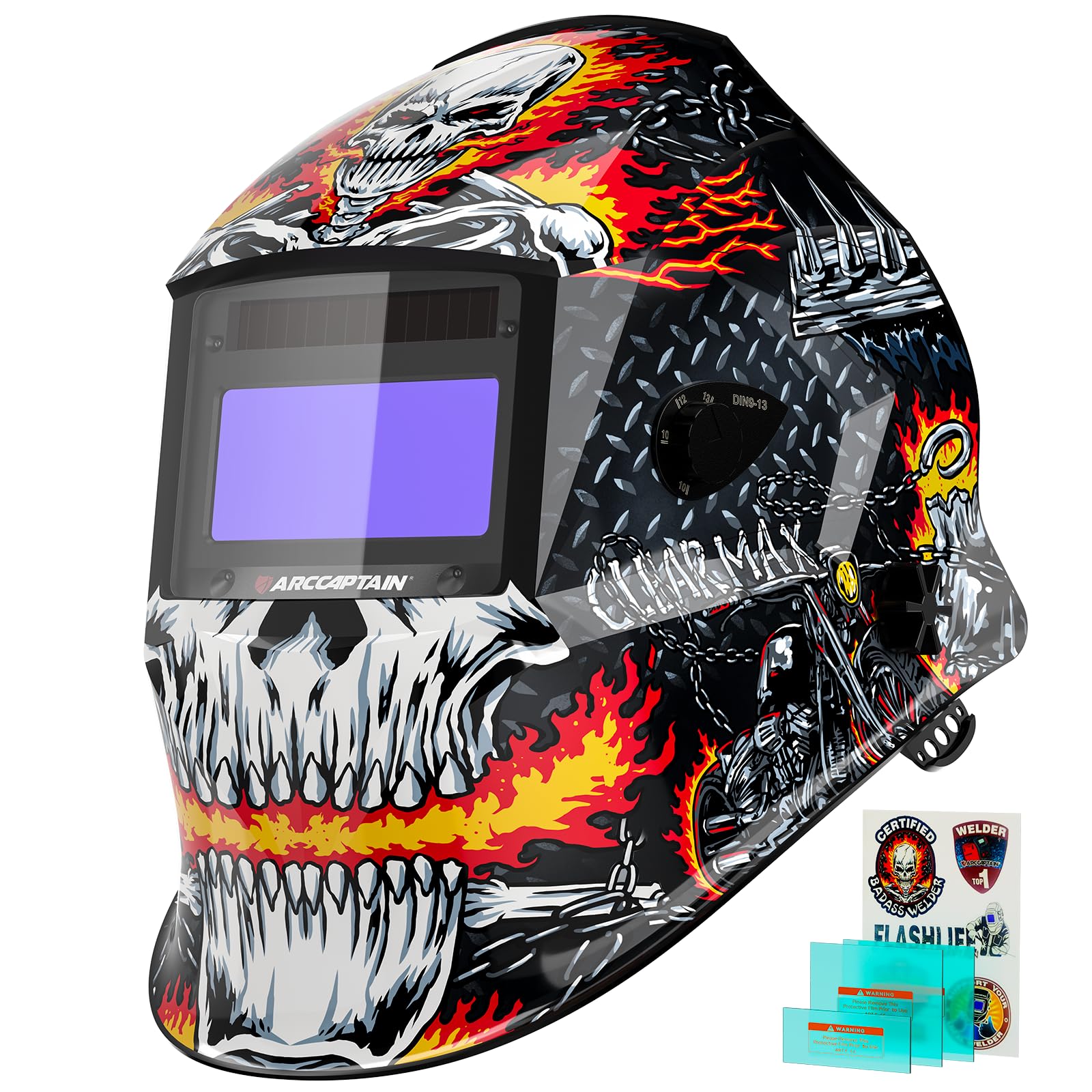
The ARCCAPTAIN Skeleton Knight is a practical student option when you want a lightweight hood with strong optical clarity and an easy-to-recognize design. The 1/1/1/1 optical clarity rating and true-color view help new welders see the bead more naturally, while four sensors and a fast response time support confident practice.
It also includes spare cover lenses and uses solar-assisted ADF power. Confirm the current battery-service details on the exact listing before standardizing it across a classroom fleet.
Limitations: The viewing window is smaller than the biggest large-view helmets, so advanced students may prefer a wider lens.
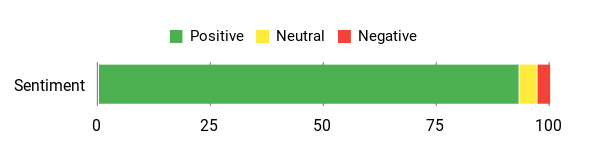
What People Say
Review-check focus: Check current feedback on fit, padding, headgear adjustment, lens-cover durability, and whether the compact window works for the positions your students practice.
Review note: The chart below is an existing article snapshot, not a guarantee of current sentiment. Check the newest Amazon reviews before buying.
Classroom Use Cases
|
Situation |
How It Helps |
|---|---|
|
Student Practice |
Lightweight construction keeps the helmet comfortable during repeated practice passes. |
|
Shared Gear Stations |
The distinctive shell makes it easy to identify and return to the right storage spot. |
|
Basic PPE Lessons |
Adjustable shade and sensitivity support hands-on instruction. |
Teaching Value
This model is useful for teaching how optical clarity, sensors, and fit affect early welding confidence.
Key Benefits
- 1/1/1/1 optical clarity rating supports a cleaner view
- True-color lens helps students read bead shape and fit-up
- Four arc sensors help with reliable triggering
- Lightweight design is comfortable for practice rotations
- Spare lenses help simplify classroom upkeep
Check Product Details on Amazon
The ARCCAPTAIN HSH-G999 is a good fit when you want a roomy lens and flexible controls while keeping the feature set focused on value. The true-color ADF, 3.93″ × 3.66″ viewing area, and four sensors make it easier for students to keep the joint and puddle in view.
It is useful for classrooms that rotate through different welding tasks because students can learn how shade, sensitivity, and mode settings affect the view.
Limitations: Like many value-focused helmets, long-term durability and headgear comfort should be checked before buying a large class set.
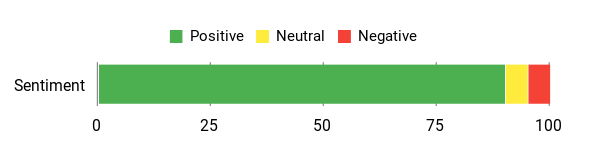
What People Say
Review-check focus: Look for recent verified-purchase feedback on headgear fit, shell finish, control durability, and ADF consistency before ordering multiple units for shared use.
Review note: The chart below is an existing article snapshot, not a guarantee of current sentiment. Check the newest Amazon reviews before buying.
Classroom Use Cases
|
Situation |
How It Helps |
|---|---|
|
Intro Labs |
Large true-color view helps students understand puddle movement. |
|
Instructor Demos |
Four sensors and a wider window make demonstrations easier to follow. |
|
Shared Shop Use |
Replaceable lenses and battery support practical maintenance routines. |
Teaching Value
This helmet works well for showing how different settings affect arc visibility and comfort across MIG, TIG, stick, cutting, and grinding tasks.
Key Benefits
- Large 3.93″ × 3.66″ viewing area
- True-color optics improve contrast and visibility
- Four arc sensors support more consistent darkening
- Solar-assisted power with replaceable CR2450 battery
- Good balance of features and value for classroom fleets
Check Product Details on Amazon
The VILSIN helmet is a budget-oriented option for supervised beginner practice or backup use. Marketplace documentation for this ASIN lists solar assist, a replaceable CR2032 battery, spare lenses, and adjustable shade controls. Because direct manufacturer documentation is less easy to verify than it is for the major-brand models in this guide, confirm the exact safety markings and current seller documentation before buying a class set.
The smaller viewing area keeps it from being the best choice for advanced instruction, but it can still work for supervised practice, grinding, and entry-level TIG, MIG, or stick lessons.
Limitations: The compact viewing window and two-sensor setup are the main trade-offs. For advanced labs, a four-sensor large-view helmet may be easier for students to use.
What People Say
Review-check focus: Because this is a lesser-known budget model, prioritize recent reviews that discuss ADF reliability, battery access, replacement lenses, headgear fit, and consistency between units.
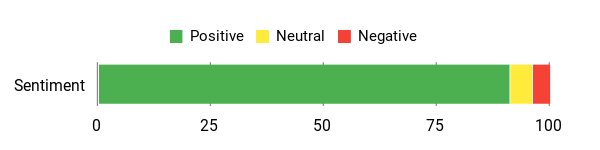
Review note: The chart below is an existing article snapshot, not a guarantee of current sentiment. Check the newest Amazon reviews before buying.
Classroom Use Cases
|
Situation |
How It Helps |
|---|---|
|
Budget-Oriented Helmet Sets |
Lets programs add basic auto-darkening helmets without premium pricing. |
|
Beginner Practice |
Simple controls make it less intimidating for first-time welders. |
|
Backup Gear |
Spare lenses and replaceable battery make it useful when a main helmet is down. |
Teaching Value
This helmet is useful for teaching basic ADF testing, shade adjustment, and lens-cover replacement.
Key Benefits
- Budget-oriented option for supervised beginner classrooms
- Stepless shade adjustment for common welding tasks
- Solar-assisted power with replaceable CR2032 battery
- Spare lenses included for practical upkeep
- Light enough for basic student practice sessions
Check Product Details on Amazon

The ESAB Sentinel A60 is a strong premium option for advanced students, instructor demonstrations, and longer shop sessions. Its 4.65″ × 2.80″ viewing area, low-profile shell, four sensors, and OpTCS True Color lens are designed to give a broad, clear view of the work.
Memory settings, grind mode, and clear controls can save time when an instructor moves between different processes or wants to demonstrate how settings affect performance.
Limitations: It is more expensive than student starter helmets, so it may be better as an instructor helmet, advanced-lab helmet, or premium option rather than the only helmet in a large beginner fleet.
What People Say
Review-check focus: Recent feedback is most useful when it addresses Halo headgear comfort, control usability, cover-lens wear, battery life, and the value of the large viewing area over long sessions.
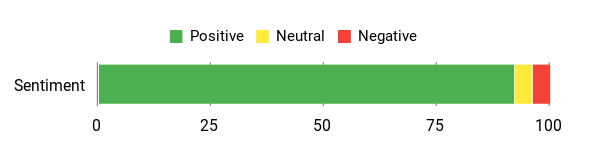
Review note: The chart below is an existing article snapshot, not a guarantee of current sentiment. Check the newest Amazon reviews before buying.
Classroom Use Cases
|
Situation |
How It Helps |
|---|---|
|
Instructor Demonstrations |
Large viewing area and memory settings make process changes easier to teach. |
|
Advanced Labs |
Clear optics help students see subtle puddle behavior and bead quality. |
|
Tight-Space Work |
The low-profile shell is useful for pipe, fixtures, and cramped practice setups. |
Teaching Value
This helmet is strong for explaining professional PPE setup, sensitivity, delay, shade lock, grind mode, and why lens clarity matters in advanced welding.
Key Benefits
- Large 4.65″ x 2.80″ viewing area
- Low-profile shell helps in tighter welding positions
- Memory settings support repeatable classroom demonstrations
- Grind mode and status indicators help speed transitions
- Good choice for instructors and advanced welding programs
Check Product Details on Amazon
This ARCCAPTAIN HSH-S800 Flower style is primarily a visual variant of the same general HSH-S800 platform used by the Skeleton Knight pick. Its main classroom advantage is easy visual identification for storage, checkout, or station assignment—not a separate safety or performance upgrade.
It still offers the key classroom features: true-color optics, 1/1/1/1 optical clarity, four arc sensors, fast auto-darkening, and a lightweight shell.
Limitations: The design is a preference feature, not a safety upgrade. If visibility is your main priority, compare it with the larger-view helmets above.
What People Say
Review-check focus: Since this is mainly a style variant of the HSH-S800 platform, compare recent feedback on fit, ADF behavior, lens covers, and pricing rather than treating the shell graphic as a performance advantage.
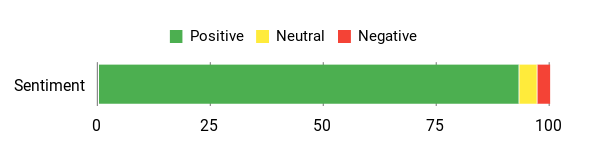
Review note: The chart below is an existing article snapshot, not a guarantee of current sentiment. Check the newest Amazon reviews before buying.
Classroom Use Cases
|
Situation |
How It Helps |
|---|---|
|
Shared Class Sets |
A distinct shell design makes helmets easier to identify and return. |
|
Student Motivation |
A more interesting look can make PPE feel less generic to beginners. |
|
Basic Through Intermediate Practice |
Clear optics and four sensors support common training tasks. |
Teaching Value
This helmet works well for teaching lens clarity, mode selection, and routine PPE checks while keeping shared gear easy to organize.
Key Benefits
- 1/1/1/1 optical clarity and true-color lens
- Four arc sensors for dependable detection
- Lightweight build for longer student practice
- Distinct design helps with classroom gear management
- Solar-assisted ADF power and replacement lenses; verify current battery details
Check Product Details on Amazon

The Lincoln VIKING 3350 is a premium choice when your program prioritizes optical clarity and headgear comfort. Lincoln lists 4C lens technology, 1/1/1/1 optical clarity, and a 12.5 sq. in. auto-darkening viewing area for the referenced 3350 Series.
The X6 headgear is a major advantage for longer practice rotations because comfort affects how well students concentrate. It also includes practical extras such as cover lenses and a helmet bag, which help with shared classroom storage.
Limitations: It costs more than most starter helmets, so it may make the most sense for instructors, advanced students, or programs that want a smaller number of premium helmets.
What People Say
Review-check focus: Check recent verified-purchase feedback on X6 headgear comfort, replacement cover lenses, ADF consistency, and whether the premium optics justify the higher cost for your program.
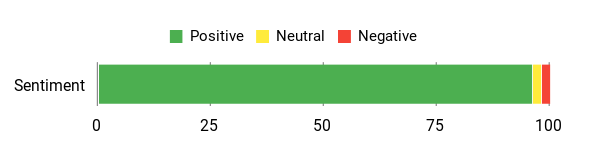
Review note: The chart below is an existing article snapshot, not a guarantee of current sentiment. Check the newest Amazon reviews before buying.
Classroom Use Cases
|
Situation |
How It Helps |
|---|---|
|
Advanced Welding Labs |
Premium optics help students see subtle bead and puddle details. |
|
Instructor Demonstrations |
A wide, clear view makes it easier to show arc starts and heat control. |
|
Long Practice Rotations |
Comfort-focused headgear reduces fatigue during extended sessions. |
Teaching Value
This helmet is excellent for showing how better optical quality can change what students notice in the weld puddle.
Key Benefits
- Premium 4C lens technology for improved color and contrast
- Large viewing area for easier puddle tracking
- Comfortable X6 headgear for long practice sessions
- Good choice for advanced labs and instructor use
- Includes useful accessories for storage and lens replacement
Check Product Details on Amazon

The Miller Classic Series VS is a straightforward option for programs that want simple controls from an established welding brand. The 6 sq. in. viewing field is smaller than the large-view models here, but the helmet provides ClearLight optics, two sensors, and adjustable digital shade, delay, and sensitivity controls.
It is especially useful for teaching standard ADF setup without adding many secondary features. Miller lists weld, cut, and grind modes for this Classic VS model, along with a 3.0 light state and auto-on/auto-off operation.
Limitations: It is not the flashiest or largest-view option. Students who need the biggest lens may prefer the YESWELDER LYG-M800H, ARCCAPTAIN HSH-G999, ESAB Sentinel A60, or Lincoln Viking 3350.
What People Say
Review-check focus: Read current reviews for comments about the Gen I headgear, digital controls, cover-lens availability, and long-term ADF behavior in regular shop use.
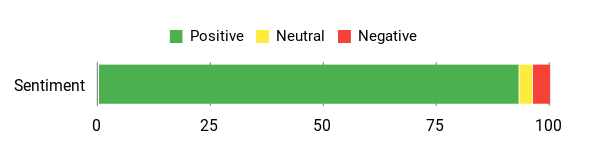
Review note: The chart below is an existing article snapshot, not a guarantee of current sentiment. Check the newest Amazon reviews before buying.
Classroom Use Cases
|
Situation |
How It Helps |
|---|---|
|
Daily Lessons |
Simple controls and a durable shell make it easy to use repeatedly. |
|
Students With Glasses |
Adjustable headgear can help fit different users, though each student should test comfort. |
|
Basic Through Intermediate Welding |
Clear viewing and adjustable settings support common classroom processes. |
Teaching Value
This helmet is useful for teaching standard shade, sensitivity, delay, and fit adjustments without extra features getting in the way.
Key Benefits
- Reliable everyday helmet for classroom instruction
- Clear lens technology supports better puddle visibility
- Adjustable controls help students learn ADF setup
- Ratchet headgear supports different users
- Replaceable cover lenses support shared-use maintenance
Check Product Details on Amazon
Complete Classroom Comparison
| Product | Image | Best For | Viewing Area | Power | Key Classroom Advantage | CTA |
|---|---|---|---|---|---|---|
| YESWELDER Auto Darkening Welding Helmet |
 |
Starter classroom sets | 3.64″ × 1.67″ | Solar assist + replaceable CR2450 battery | Value-focused true-color option for beginners | Check Price on Amazon |
| YESWELDER Large View Auto Darkening Welding Helmet |
 |
Wide-view practice | Viewing Size: 3.93″ x 3.66″ | Solar and battery powered | Large window and four sensors for demos | Check Price on Amazon |
| ARCCAPTAIN Large View Auto Darkening Welding Helmet |
 |
Low-light setup work | Large Viewing Area 3.94″ x 3.66″ | Solar assisted plus included battery | Attachable LED helps with fit-up and tacking | Check Price on Amazon |
| ARCCAPTAIN HSH-S800 Skeleton Knight |
 |
Student-friendly shared use | Compact view; verify current listing dimensions | Solar-assisted ADF power; verify battery details | Lightweight shell and clear optics | Check Price on Amazon |
| ARCCAPTAIN HSH-G999 |
 |
Adjustability and wide view | 3.93″ × 3.66″ | Solar assisted with replaceable CR2450 battery | Large true-color view with four sensors | Check Price on Amazon |
| VILSIN Auto Darkening Helmet |
 |
Budget or backup use | 3.78″ x 1.58″ | Solar assisted with replaceable CR2032 battery | Low-cost starter choice with spare lenses | Check Price on Amazon |
| ESAB® Sentinel™ A60 Welding Helmet |
 |
Professional training | 4.65 in x 2.80 in | Replaceable batteries with solar assist | Large view, low-profile shell, memory settings | Check Price on Amazon |
| ARCCAPTAIN HSH-S800 Design Option |
 |
Style variant and gear identification | Compact view; verify current listing dimensions | Solar-assisted ADF power; verify battery details | Distinct shell style on the HSH-S800 platform | Check Price on Amazon |
| Lincoln Electric K3034-4 VIKING 3350 Auto Darkening Welding Helmet |
 |
Premium optics | 12.5 sq. in. on the referenced 3350 Series | Solar cell with battery assist | 4C lens technology and comfortable headgear | Check Price on Amazon |
| Miller Classic Series Welding Helmet |
 |
Straightforward daily lessons | 6 sq. in. viewing area | Auto-on ADF; verify current battery details for part 287803 | Simple controls and established replacement-part ecosystem | Check Price on Amazon |
FAQ
How Do I Pick the Best Welding Helmet For Classroom Training?
Start with the learning environment. For beginner classes, choose helmets that are comfortable, easy to adjust, and simple to test before each session. For advanced labs, prioritize a larger viewing area, true-color optics, four arc sensors, and more precise shade, sensitivity, and delay controls.
You should also check replacement lens availability, battery access, fit over safety glasses or prescription glasses, and whether the helmet clearly marks weld, cut, and grind modes. In a classroom, the best helmet is not only the one with the most features; it is the one students can use correctly every time.
Are Auto-Darkening Helmets Safe And Reliable For Students?
Auto-darkening helmets can be suitable for students when they are properly selected, inspected, tested, and used with the right safety procedures. Teach students to test the lens before welding, confirm the correct mode, match the shade to the process, and wear safety glasses with side shields underneath.
If a helmet fails to darken reliably, stays dark after the arc stops, has damaged covers, or has cracked shell parts, remove it from service until it is repaired or replaced.
How Do I Maintain And Use Welding Helmets Effectively In A Classroom?
Set a routine at the start of every lab. Test the auto-darkening filter, check the battery indicator when available, inspect inner and outer cover lenses, and make sure students know how to adjust headgear before welding.
Keep spare cover lenses and batteries near the welding stations, label helmets for easier tracking, and store them away from dust, grinding debris, and heavy impacts. Remind students never to weld in grind mode and to report any helmet that flickers, delays, or feels loose.
What Safety Markings Should I Check Before Buying Classroom Welding Helmets?
Check the exact helmet, packaging, manual, or manufacturer documentation for the eye-and-face protection standards required by your school, employer, or jurisdiction. Common markings referenced by manufacturers in this category include ANSI/ISEA Z87.1, CSA Z94.3, and EN/ISO standards, but the applicable marking can vary by model, market, and version.
Do not rely only on an Amazon title or on the fact that another color of the same helmet lists a certification. For a classroom fleet, keep the model documentation with your PPE records and confirm replacement cover lenses are available.
Can Students Weld While a Helmet Is in Grind Mode?
No. Grind mode is intended to keep the lens in a light state for grinding and related setup work; it should not be used as the welding setting. Build a mode check into the pre-weld routine so students confirm the helmet is in the correct weld or cut mode and the selected shade is appropriate before striking an arc.
Should Every Student Use the Same Welding Helmet?
Not always. A basic, durable helmet may be enough for early beads and simple practice, while advanced students may benefit from a larger viewing area or premium optics. Instructors may also want one higher-end helmet for demonstrations so they can see the weld clearly and explain what is happening in real time.
Is a Larger Viewing Area Worth It For Beginners?
Often, yes. A larger viewing area can help beginners keep the joint, torch, filler, and puddle in view without constantly repositioning their head. That said, lens clarity, comfort, sensor count, and correct setup matter just as much as window size.
Quick Shortlist: Three Easy Choices
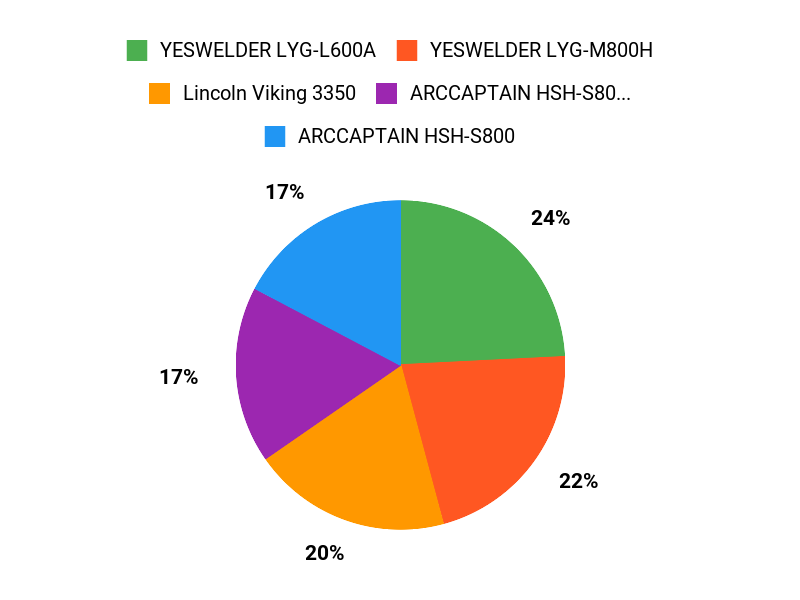
For a fast three-way decision, compare the YESWELDER LYG-L600A, YESWELDER LYG-M800H, and ARCCAPTAIN XK-LY800H. Choose the L600A when you want a simpler two-sensor starter helmet, the M800H when a large four-sensor viewing area matters more, and the XK-LY800H when the attachable LED would help with fit-up and low-light setup work.
Wrapping Up
When you outfit a welding classroom, the best helmet is the one students can adjust, test, and use correctly without slowing the lesson down. Look for reliable auto-darkening, clear optics, comfortable headgear, replaceable lenses, and settings that match the welding processes you teach.
For starter fleets, the YESWELDER LYG-L600A is the clearest first comparison, while the VILSIN is a budget-oriented backup option that deserves extra documentation checks before bulk ordering. For larger viewing areas, compare the YESWELDER LYG-M800H, ARCCAPTAIN XK-LY800H, and ARCCAPTAIN HSH-G999. For advanced labs or instructor demonstrations, the ESAB Sentinel A60 and Lincoln VIKING 3350 bring stronger premium features, while the Miller Classic Series VS is a simpler established-brand option. Whatever you choose, standardize inspection, shade selection, mode checks, replacement lenses, and student training across the entire helmet fleet.
This Roundup is reader-supported. When you click through links we may earn a referral commission on qualifying purchases.
