
You want a helmet that shows the puddle clearly, darkens before you notice, and still feels right an hour in. Most guides to the best auto-darkening welding helmets bury all that under spec sheets.
Our top pick is the Lincoln Electric VIKING 3350, with a 12.5 sq. in. lens, a perfect 1/1/1/1 optical rating and a five-year warranty. On a tight budget, the YESWELDER LYG-L600A covers basic MIG, stick and grinding safely.
We compared all ten against manufacturer spec sheets and manuals, then checked owner feedback outside Amazon and current recall records.
Best Auto-Darkening Welding Helmets Compared
| Product | Image | Best for | Viewing area | Arc sensors | Weight | Score |
|---|---|---|---|---|---|---|
|
Budget
|
 |
Budget builds and light repairs | 3.64 x 1.67 in | 2 | About 1 lb | 82/100 |
|
Budget
|
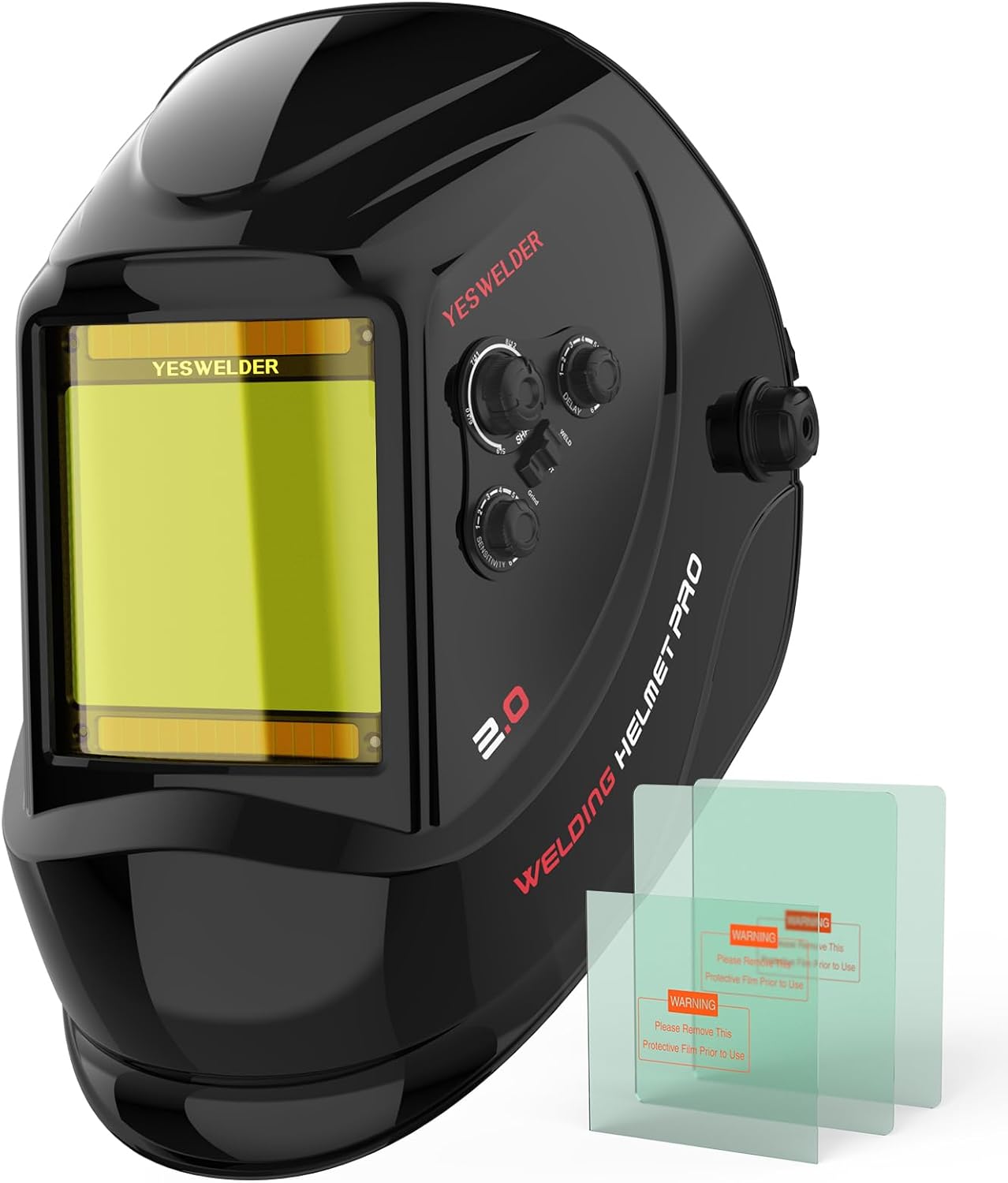 |
Large view on a budget | 3.93 x 3.66 in | 4 | About 2.2 lb | 86/100 |
|
Budget
|
 |
A first auto-darkening helmet | Large view, size not published | 4 | 1.09 kg | 84/100 |
|
Budget
|
 |
Balanced all-round use | 3.94 x 3.66 in | 4 | About 1.1 lb | 85/100 |
|
Mid-range
|
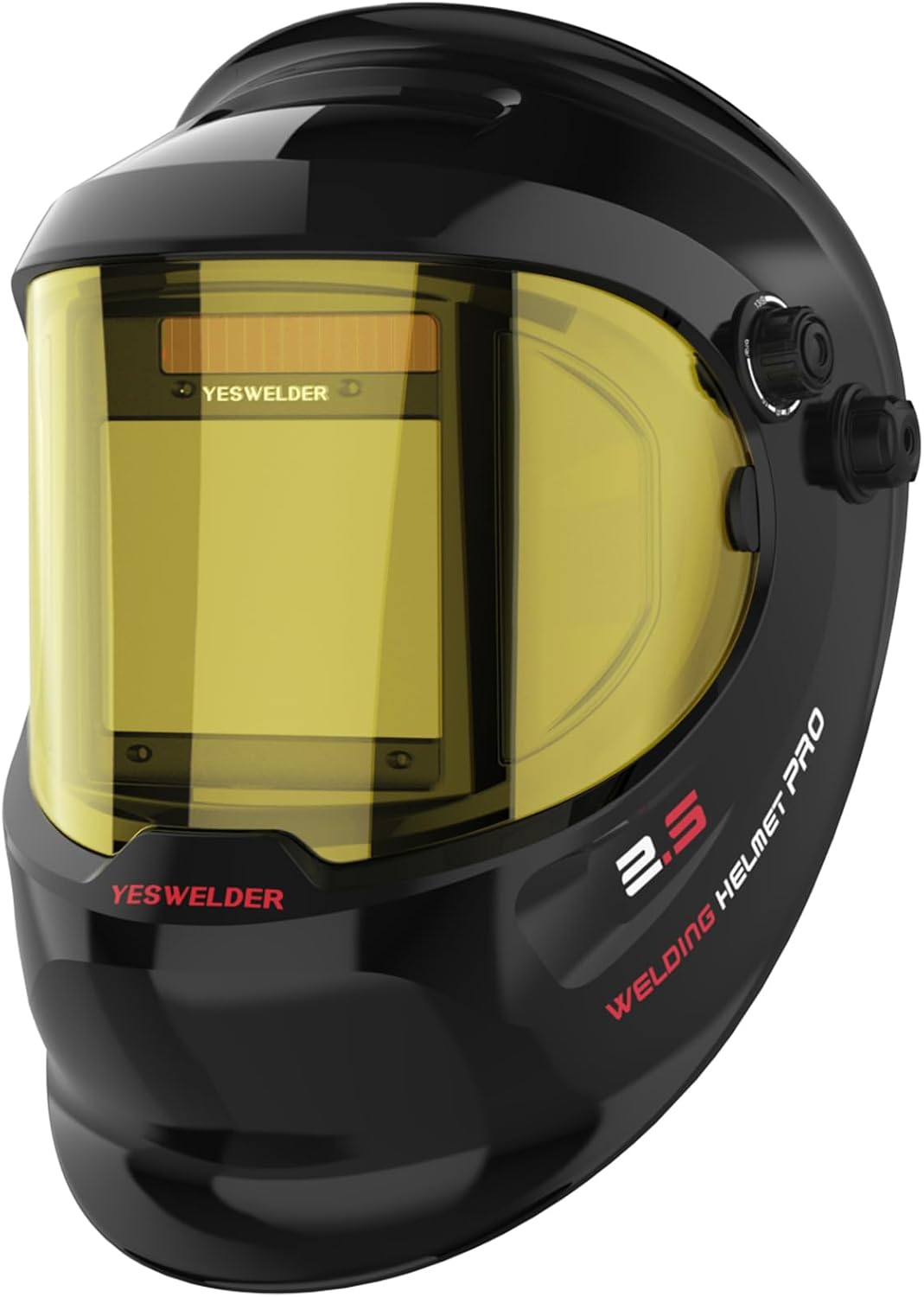 |
Panoramic side awareness | 3.94 x 3.23 in plus side windows | 4 | About 2.2 lb | 88/100 |
|
Premium
|
 |
Pro shop work in tight spaces | 4.65 x 2.80 in | 4 | 22.4 oz | 94/100 |
|
Premium
|
 |
Daily welding and the best optics | 3.74 x 3.34 in (12.5 sq. in.) | 4 | 21 oz | 97/100 |
|
Mid-range
|
 |
Hobby shops wanting a big window | 3.94 x 3.66 in | 4 | About 2.46 lb | 91/100 |
|
Mid-range
|
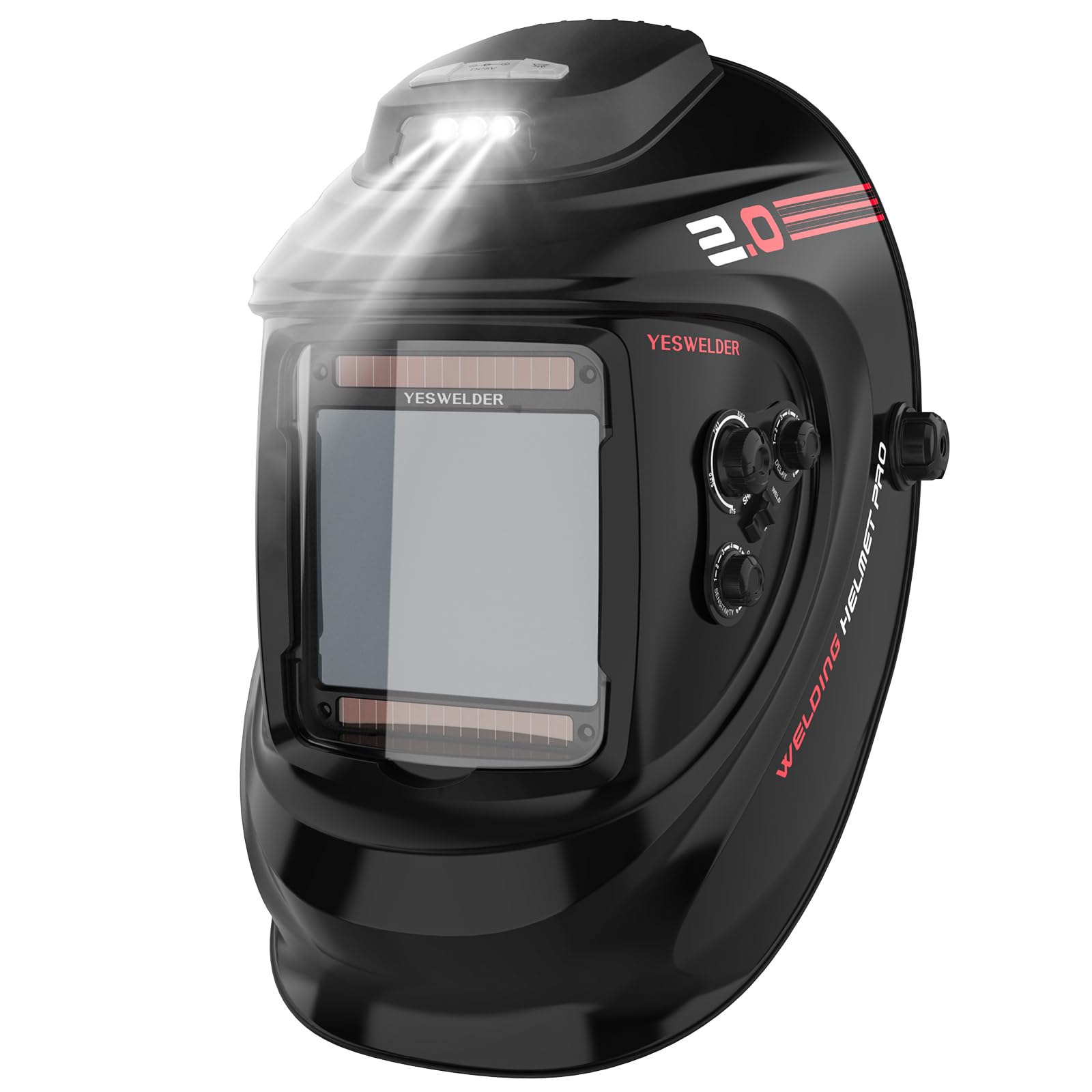 |
Fog-prone and dim workspaces | 3.93 x 3.66 in | 4 | About 1.29 kg | 90/100 |
|
Mid-range
|
 |
Low-light and under-vehicle work | 3.94 x 3.74 in plus side windows | 4 | 0.77 kg | 80/100 |
Best Auto-Darkening Welding Helmets: Our Top Picks
1. YESWELDER LYG-L600A
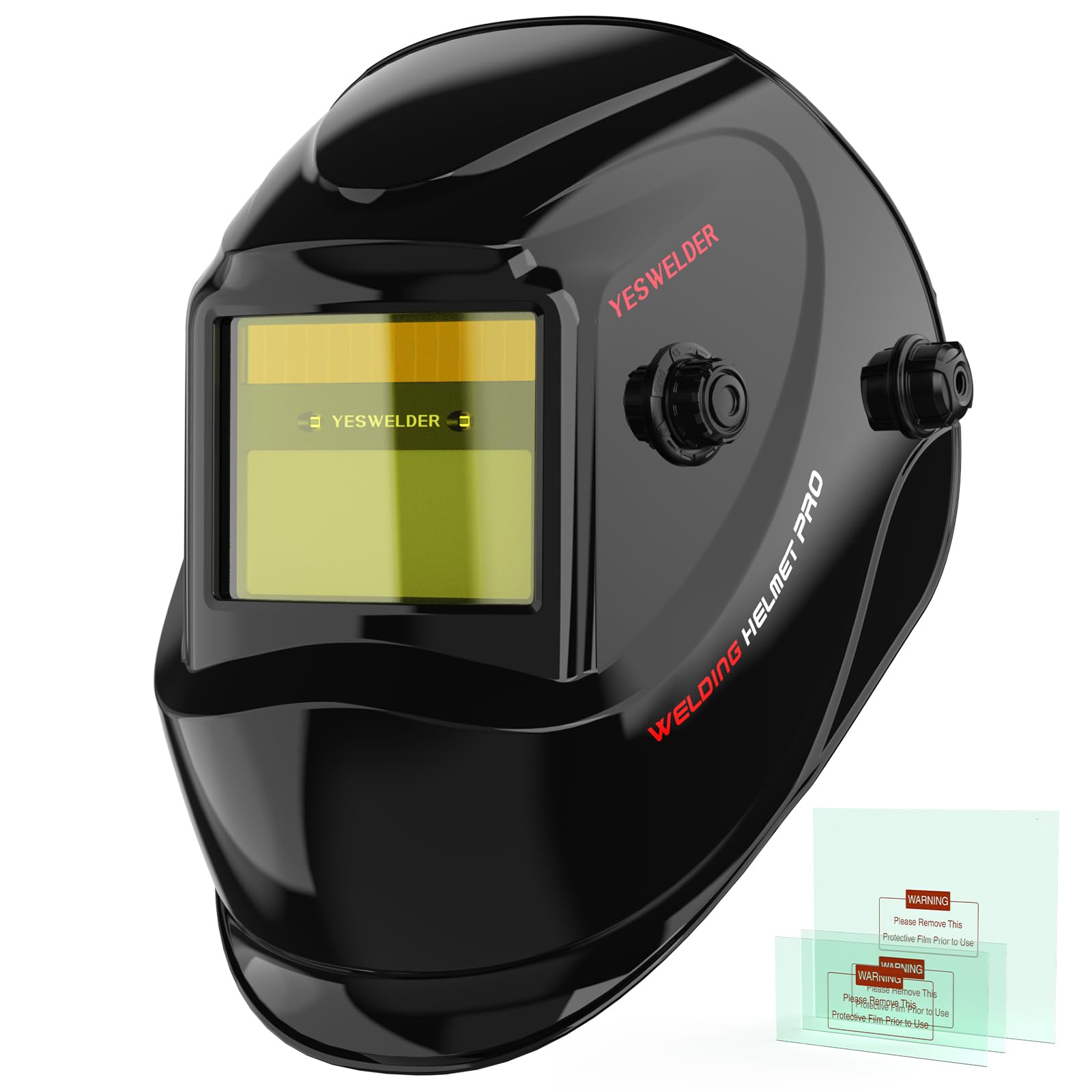
Bottom line: The YESWELDER LYG-L600A is the cheapest safe way out of a fixed-shade hood. Buy it for occasional MIG, stick and grinding, not for all-day fabrication.
Key specs
- Viewing area: 3.64 x 1.67 in, narrow window suited to flat, open work
- Shade range: 3.5 grind, 9-13 weld, covers stick and common MIG amperages
- Arc sensors: 2, fine head-on, less certain when one is shaded
- Response time: 1/30,000 sec, dark before your eye registers the arc
- Power: Solar cell plus replaceable CR2450, nothing to recharge
The lens carries a 1/1/1/1 optical rating and YESWELDER’s true-color coating, so your layout marks look roughly the same with the hood up or down. That matters more than the spec sheet suggests when you are lining up a tack on thin sheet.
The shell is PP with pivot-style headgear, and it takes a magnifying cheater lens if your close vision needs help. It meets ANSI Z87.1 and CSA Z94.3, the two markings worth checking on any hood.
What you give up is window size and sensor count. At 6.1 square inches of view, you will move your head more than you would behind any of the large-view helmets further down this list.
- Lowest-cost route into an auto-darkening hood here
- True-color 1/1/1/1 lens instead of a heavy green tint
- Solar cell plus replaceable CR2450, no charging
- Accepts a magnifying cheater lens
- Meets ANSI Z87.1 and CSA Z94.3
- Smallest window in this guide at 3.64 x 1.67 in
- Two sensors can miss when one is blocked
- No 5-8 range for plasma cutting or low-amp TIG
2. YESWELDER LYG-M800H
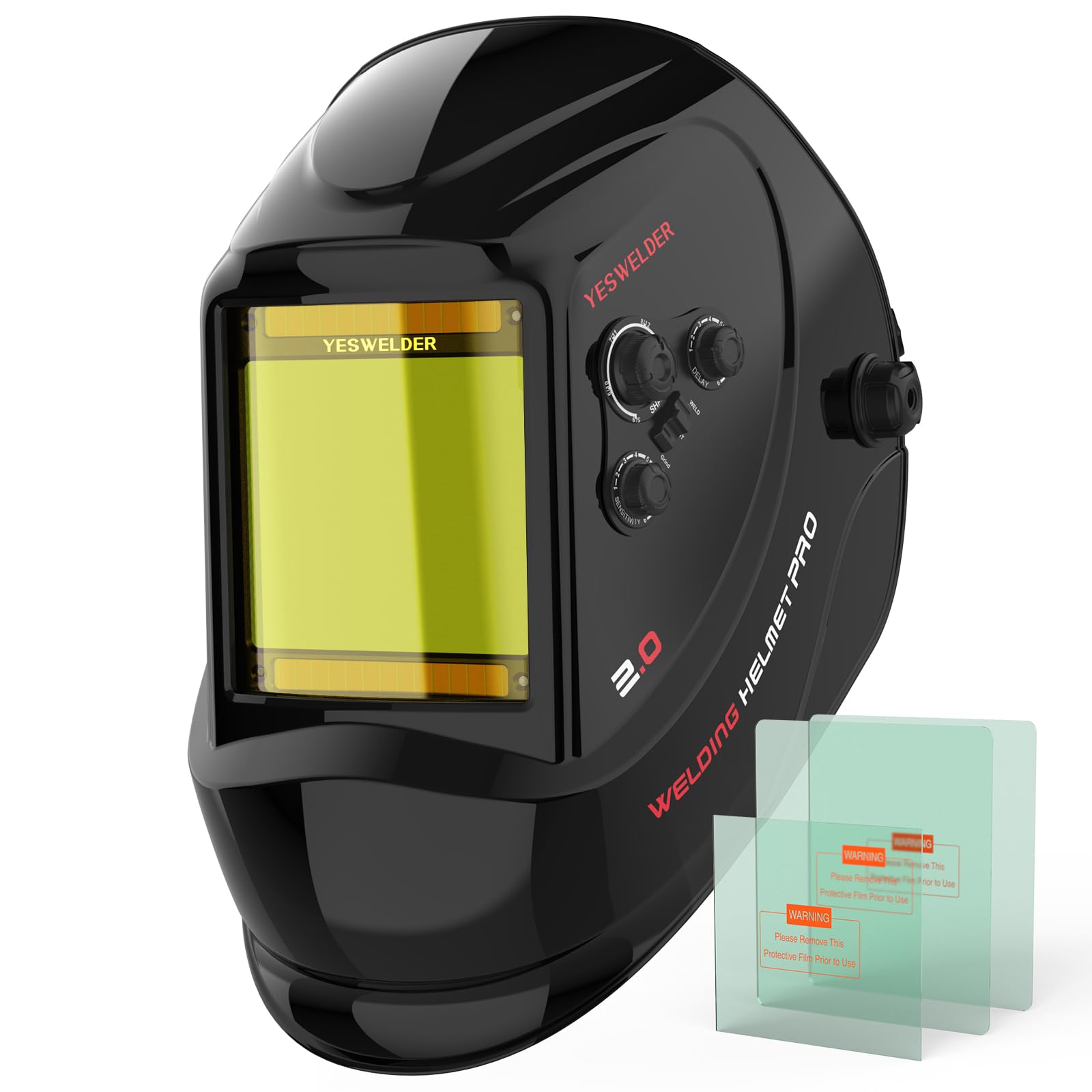
Bottom line: The YESWELDER LYG-M800H gives you more than twice the viewing area of the L600A for a small step up in price. It is the value pick for anyone who wants a big window.
Key specs
- Viewing area: 3.93 x 3.66 in, near-square window shows the whole joint
- Shade range: 3 light, 5-9 cut, 9-13 weld, plasma cutting included
- Arc sensors: 4, holds the shade when a hand blocks one
- Response time: 1/30,000 sec, no lag at the strike
- Power: Solar plus replaceable CR2450 with a low-voltage warning
The practical gain is head movement. With 14.4 square inches of view you can watch the puddle and the run-off edge at the same time, so you stop craning to keep the arc centred in a small window.
External shade, sensitivity and delay controls mean you can retune between a tack and a grind without taking the hood off. The PP shell carries ANSI Z87.1, EN379 CE and CSA Z94.3 markings.
- Large 3.93 x 3.66 in true-color window
- Four arc sensors for awkward-angle work
- Weld, cut and grind modes in one hood
- Low-voltage indicator and tool-free battery swap
- 1/1/1/1 optical clarity rating
- Pivot headgear wears faster than premium suspensions
- Heavier on the neck than the compact budget hoods
- Older M800H listings quote different specs
3. MIGVAN H-21
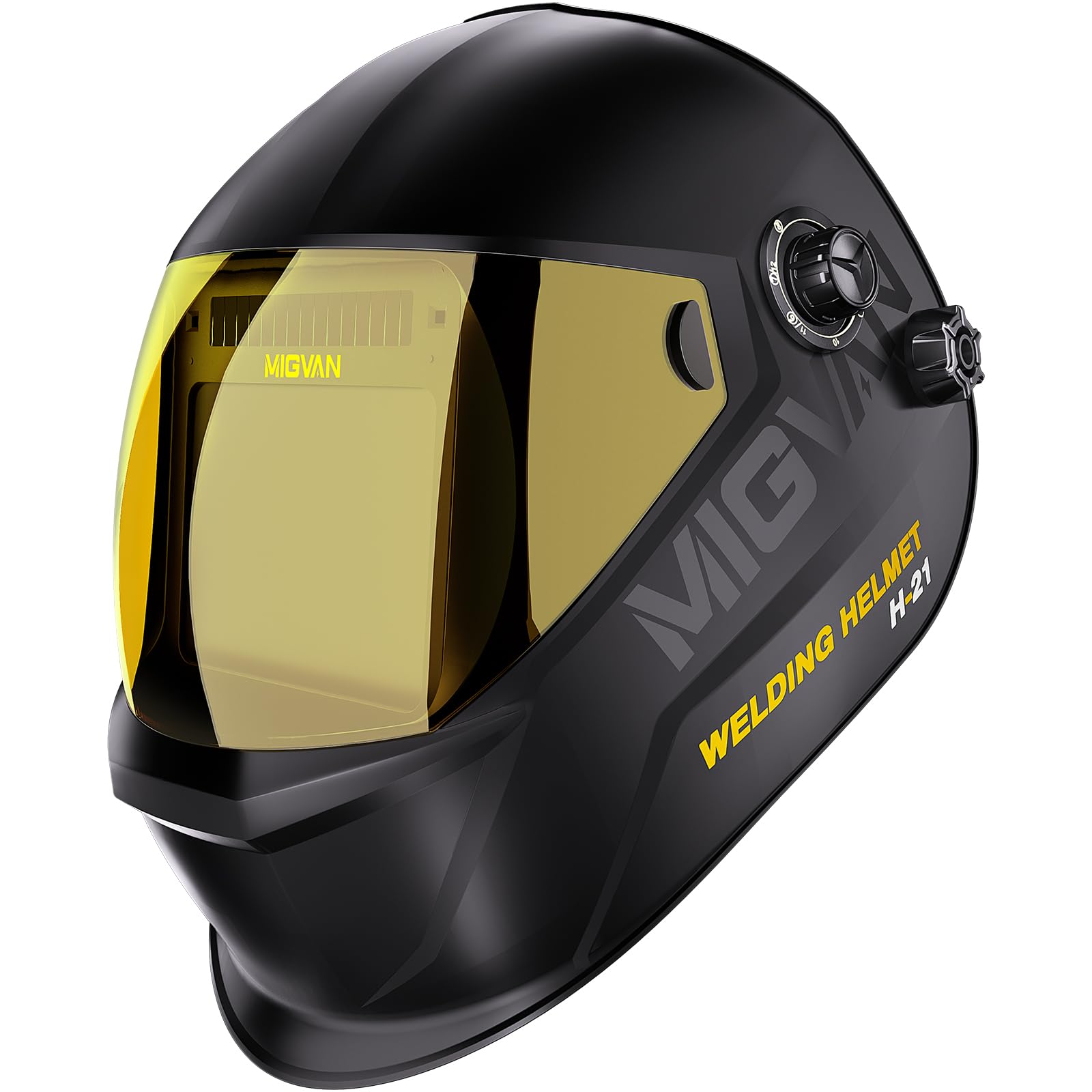
Bottom line: The MIGVAN H-21 puts four sensors and a wide shade range in a beginner’s budget, and it arrives with the spare lenses you will need in month one.
Key specs
- Viewing area: Large single lens, MIGVAN does not publish exact dimensions
- Shade range: DIN 4 light, 5-9 cut, 9-13 weld, covers most home jobs
- Arc sensors: 4, steadier triggering from the angles beginners work at
- Response time: 1/10,000 sec, the slowest reading in this guide
- Power: Solar plus rechargeable battery, no spare cells to buy
A four-sensor lens matters more for a learner than for a pro. When you are still working out torch angle and body position, your own hand shades the lens far more often than you expect, and two sensors are where cheap hoods flash people.
At 1.09 kg it is light enough for a long practice session, and the kit includes two inner and two outer cover lenses plus a bag. Expect to swap the outer cover within a few projects; spatter finds it fast.
- Four arc sensors at a starter price
- DIN 4/5-9/9-13 covers weld, cut and grind
- Solar plus rechargeable battery, nothing to restock
- Ships with two inner and two outer cover lenses and a bag
- Light at 1.09 kg for long practice sessions
- 1/10,000 sec switching is the slowest here
- No published optical class or exact lens size
- Small brand with limited replacement-part history
4. ARCCAPTAIN HSH-G999

Bottom line: The ARCCAPTAIN HSH-G999 pairs a big window with a genuinely light shell, which is the combination most hobby welders are actually after.
Key specs
- Viewing area: 3.94 x 3.66 in, wide view without a heavy shell
- Shade range: DIN 4 light, 5-9 cut, 9-13 weld, one hood for most jobs
- Arc sensors: 4, reliable darkening around clamps and fixtures
- Response time: 1/25,000 sec, instant from the eye’s point of view
- Power: Solar plus replaceable CR2450, spare lenses in the box
ARCCAPTAIN puts the shade, sensitivity and delay knobs on the outside, which is the right call for anyone switching between tacking, welding and grinding on the same part. You reset the hood without lifting it.
The lens is rated optical class 1/1/1/2 rather than the 1/1/1/1 of the premium hoods. The fourth digit covers shade consistency at an angle, so you may notice slight variation when looking at the far edge of a long bead.
- Wide 3.94 x 3.66 in window on a light PP shell
- Four sensors with 1/25,000 sec switching
- External shade, sensitivity and delay controls
- Spare lenses and a storage bag included
- Meets ANSI Z87.1, EN379 CE and CSA Z94.3
- Optical class 1/1/1/2, a step below the premium hoods
- Shell is not built for daily production abuse
- Documentation is sparse
5. YESWELDER LYG-Q800D
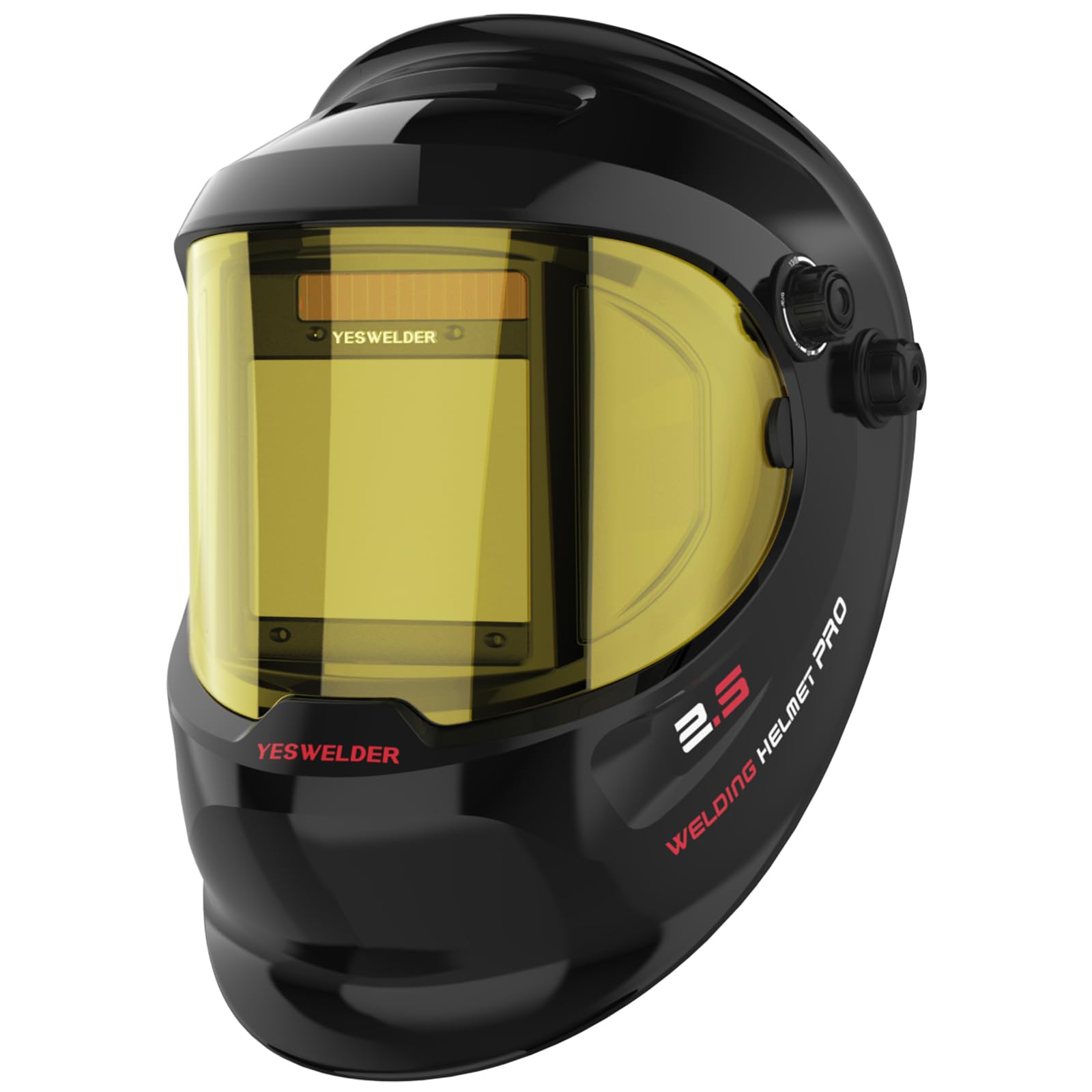
Bottom line: The YESWELDER LYG-Q800D trades a little bulk for side awareness. Buy it if you work around fixtures, jigs or other people on a busy shop floor.
Key specs
- Viewing area: 3.94 x 3.23 in main lens plus fixed-shade side windows
- Shade range: 3 light, 5-9 cut, 9-13 weld, plasma and grinding covered
- Arc sensors: 4, consistent triggering as you move around a part
- Response time: 1/30,000 sec, no perceptible lag at the strike
- Power: Solar plus replaceable CR2450 with a low-voltage warning
The side windows are the point. They keep you aware of the bench, the clamp and anyone walking behind you without lifting the hood between tacks, which is exactly when most people get careless.
Read the spec carefully, though: those side windows are a fixed DIN 5 and do not auto-darken. They are for peripheral awareness, not for looking at the arc, and the main lens is where all your eye protection comes from.
- Side windows widen awareness around fixtures
- 1/1/1/1 true-color main lens
- Four arc sensors and 1/30,000 sec response
- Weld, cut and grind modes with external control
- Solar plus replaceable CR2450 with low-voltage warning
- Side windows are fixed shade and never darken
- Panoramic shell is bulkier in tight positions
- Pivot headgear is budget-grade
6. ESAB Sentinel A60

Bottom line: The ESAB Sentinel A60 is the hood to buy if you weld in tight positions and change process often. Nine memory presets mean you stop re-dialling settings all day.
Key specs
- Viewing area: 4.65 x 2.80 in (13.02 sq. in.), the widest lens here
- Shade range: 3 grind, 5-13 in half steps, 18 levels from cutting to high amps
- Arc sensors: 4, dependable darkening in awkward positions
- Response time: 0.08 milliseconds, protection before you see the flash
- Power: Solar cell plus two CR2450 cells, with a low-battery LED
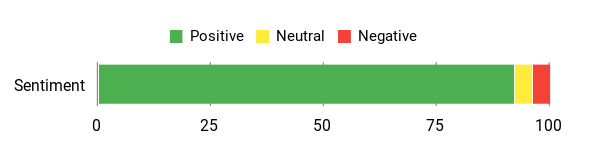
Half-point shade steps are the feature pros notice first. Moving from shade 10 to 10.5 on a low-amp TIG root is the difference between seeing the puddle edge and guessing at it, and the A60 stores nine of those setups in memory. Halo headgear spreads 22.4 oz across your head rather than hanging it off your forehead. The rounded, low-profile shell is the quiet advantage. If you spend time welding inside frames, under equipment or between fixtures, it clears obstacles a big panoramic hood will not.
- Widest lens here at 4.65 x 2.80 in with 1/1/1/1 clarity
- Shade 5-13 in half steps, 18 levels in total
- Nine memory presets, external grind button and shade lock
- Low-profile shell clears tight work positions
- Halo headgear and a three-year ESAB warranty
- Replacement cartridges and covers are ESAB-specific and costly
- The lens is less protected than a recessed design
- Far more expensive than a hobby hood
7. Lincoln Electric VIKING 3350

Bottom line: The Lincoln Electric VIKING 3350 is the best all-round welding helmet here: the clearest big lens, headgear you can wear all day and five years of factory cover.
Key specs
- Viewing area: 3.74 x 3.34 in (12.5 sq. in.), tall window for out-of-position work
- Shade range: 3.5 grind, 5-13 weld, from low-amp TIG to heavy stick
- Arc sensors: 4, with a 2-amp TIG rating for thin material
- Response time: 1/25,000 sec, dark at the moment of strike
- Power: Solar cell plus one replaceable CR2450, no charging downtime
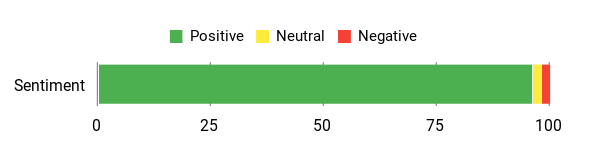
Lincoln’s 4C lens is the reason this hood wins. It widens the colour range visible in both the light and dark states, so the base metal, arc and puddle stay distinguishable instead of collapsing into one green blur. On stainless or thin aluminium that is the difference between control and guesswork.
The X6 headgear is the other half of the case. Six adjustment points, a rotatable front band and a flexible back pad spread 21 oz so the helmet does not pull forward every time you look down at a joint.
Practical details round it out: an external low-profile grind button, hard-hat and cheater-lens compatibility, and a replacement-parts list that runs from cover lenses to a whole ADF cartridge. Five years of warranty is the longest cover in this guide.
- Shade 5-13 plus a 2-amp TIG rating for thin work
- X6 headgear balances the weight for long shifts
- External low-profile grind button, hard-hat compatible
- Five-year warranty and a full replacement-parts list
- Bulky in confined spaces compared with the Sentinel
- The most expensive helmet in this guide
- Solar-assisted battery drains if the hood sits idle
8. Magdron WH-1
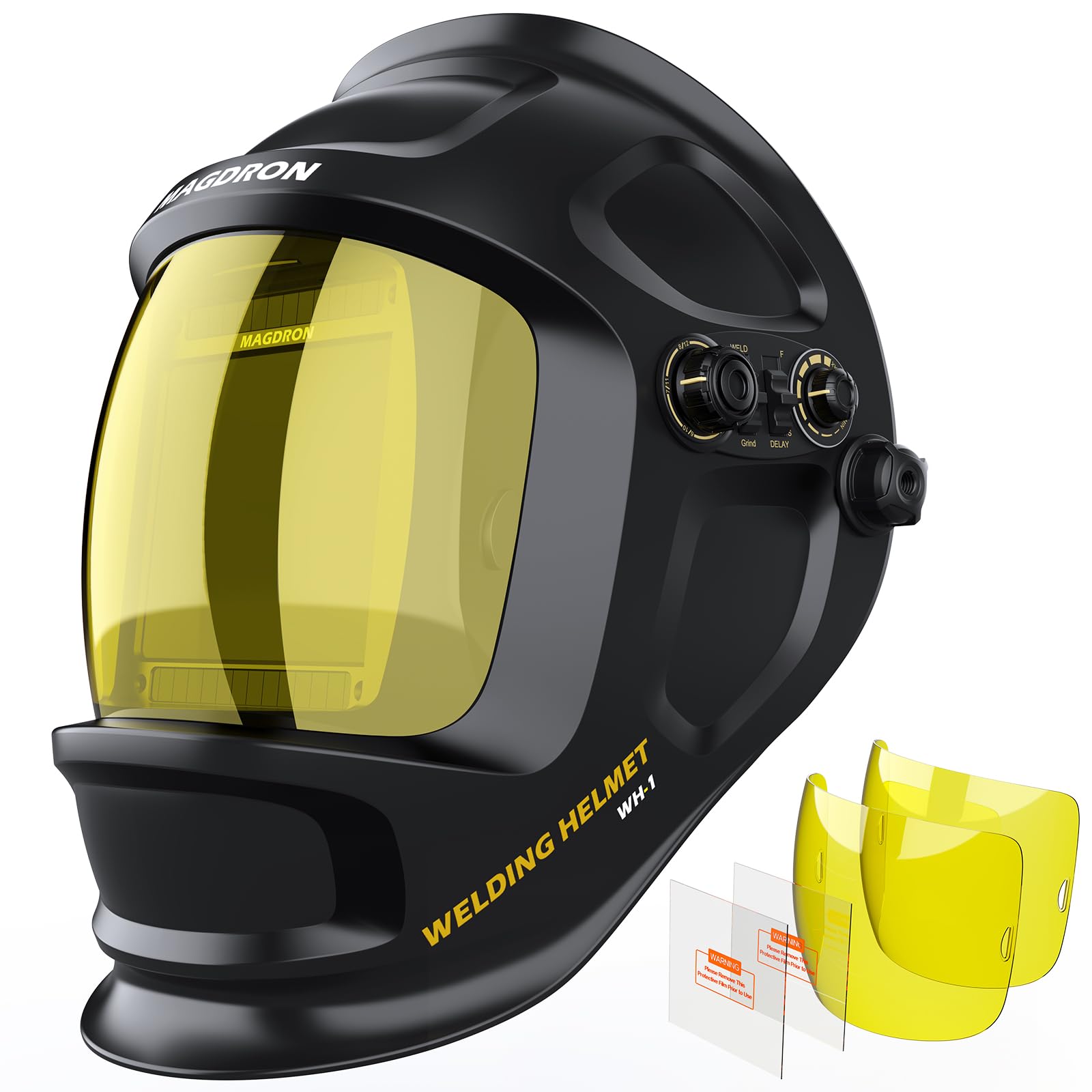
Bottom line: The Magdron WH-1 delivers a premium-size window and a ready-to-weld kit at a hobby price. The trade-off is a brand with almost no published technical detail.
Key specs
- Viewing area: 3.94 x 3.66 in, one of the largest windows under mid-range money
- Shade range: 3.5 light, 5-9 cut, 9-13 weld, covers TIG through grinding
- Arc sensors: 4, steadier response when one sensor is shaded
- Power: Solar plus replaceable battery, spare lenses included
On the bench it behaves like the other large-view hoods in this guide: external mode selection, a true-color lens and enough window to keep the joint and the run-off in sight at once.
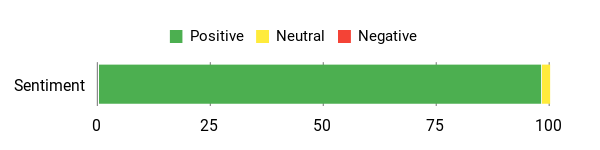
What is missing is the paperwork. Magdron publishes no switching speed, no optical class rating and no warranty term, so you are buying on the listed features rather than on verifiable engineering data. For a weekend project hood that is often acceptable; for anything you depend on, it is not.
- Large 3.94 x 3.66 in true-color window
- Four arc sensors for dependable triggering
- Shade 3.5/5-9/9-13 covers weld, cut and grind
- Solar plus replaceable battery
- Two inner and two outer cover lenses and a bag included
- No published switching speed or optical class
- Very little independent owner feedback
- No stated warranty or parts channel
9. YESWELDER LYG-30800H
Bottom line: The YESWELDER LYG-30800H solves two problems no lens upgrade can touch: a hood that fogs and a workspace with no useful light.
Key specs
- Viewing area: 3.93 x 3.66 in with a 1/1/1/1 optical clarity rating
- Shade range: 3 light, 5-9 cut, 9-13 weld, plasma and grinding covered
- Arc sensors: 4, dependable triggering inside enclosed spaces
- Response time: 1/30,000 sec, no lag when you strike
- Power: Solar assist for the lens, USB-rechargeable fan and light
The fan moves air across the inside of the lens, which is what stops the fogging that makes you break an arc to lift the hood. In a humid garage or a long summer session it saves more time than any spec on the sheet.
The LED work light matters when you are under a vehicle or inside a frame. Positioning a tack in a shadow usually means holding a torch in one hand and a light in the other; here the light travels with your head.
All of that comes at a cost in weight and complexity. At about 1.29 kg this is the heaviest hood here, and the fan and light run on their own rechargeable pack that you have to remember to charge.
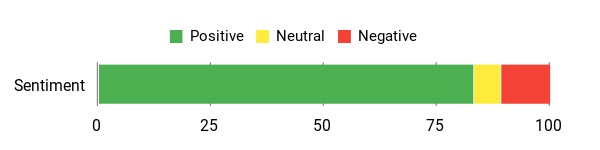
- Rechargeable fan cuts lens fogging on long jobs
- Built-in LED light for shadowed corners
- 3.93 x 3.66 in window with 1/1/1/1 clarity
- Four sensors and 1/30,000 sec response
- Weld, cut and grind modes covered
- Heaviest helmet in this guide at about 1.29 kg
- Fan and light need charging separately
- More electronics means more that can fail
10. ANDELI Moner LED

Bottom line: The ANDELI Moner LED pairs built-in lighting with a wide panoramic view, and stays light at 0.77 kg. It is the hood for people who fight shadows, not for people chasing the sharpest optics.
Key specs
- Viewing area: 3.94 x 3.74 in main lens plus 3.72 x 1.76 in fixed side windows
- Shade range: DIN 4 light state with variable dark shades up to 13
- Arc sensors: 4, with interference suppression to cut false triggers
- Power: USB-C rechargeable pack drives the four LED work lights
Four LEDs rated to 400 lumens are the headline. Under a vehicle or inside a frame they remove the usual juggling act of a torch, a clamp and a dropped work light, and they help most during fit-up and inspection rather than during the weld itself.
Interference suppression is the other useful feature. It makes the lens fussier about what counts as an arc, so overhead shop lighting and sunlight are less likely to trip it into darkening on you.
Be clear about the optics, though: ANDELI rates this lens at 1/1/1/2, and the side windows are fixed shade with no auto-darkening. This is a visibility helmet, not an optics helmet.
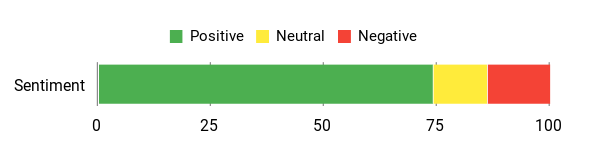
- Four built-in LEDs rated up to 400 lumens
- 3.94 x 3.74 in main view plus side windows
- Interference suppression reduces false triggers
- USB-C charging for the light system
- Light on the neck at 0.77 kg
- Optical class 1/1/1/2, behind the premium hoods
- Side windows do not auto-darken
- Lights add parts that need charging and can wear out
Lincoln VIKING 3350 vs YESWELDER LYG-L600A: Is the Upgrade Worth It?
Both hoods protect your eyes. The difference is how much you see, how many processes you can run, and how the helmet feels three hours in.
- Viewing area: 12.5 sq. in. against 6.1 sq. in., so you see the joint and the surrounding metal, not just the puddle
- Shade range: 5-13 against 9-13, so the Lincoln also covers plasma cutting and low-amp TIG
- Arc sensors: four against two, which means fewer missed triggers when your hand or a fixture shades the lens
- Comfort and cover: X6 six-point headgear and a five-year warranty against pivot headgear and budget-brand support
Which Welding Helmet Should You Buy?
- Tight budget, occasional MIG or stick: get the YESWELDER LYG-L600A.
- Biggest window for the least money: get the YESWELDER LYG-M800H.
- Your first auto-darkening hood: get the MIGVAN H-21.
- Side awareness around fixtures and jigs: get the YESWELDER LYG-Q800D.
- Tight spaces and repeatable saved settings: get the ESAB Sentinel A60.
- Daily welding and the clearest view: get the Lincoln Electric VIKING 3350.
How We Chose These Welding Helmets
- Optics: viewing area in square inches, optical class rating and true-color performance, taken from manufacturer spec sheets and manuals rather than listing copy.
- Trigger reliability: sensor count, switching speed, sensitivity and delay control, and how each hood behaves when a sensor is shaded.
- Process coverage: light-state shade, cutting range and welding range checked against common TIG, MIG, stick, plasma and grinding work.
- Comfort and upkeep: headgear design, published weight, cover-lens availability and battery type.
- Feedback and safety: owner trends from retailer reviews, welding forums and owner videos outside Amazon, plus CPSC, NHTSA and manufacturer recall records. No active recall was found for any helmet in this guide.
Safety Note Before You Buy
A welding helmet is personal protective equipment, not just a comfort upgrade. Always confirm the helmet’s safety markings, choose a shade range that matches your process and amperage, test the auto-darkening filter before welding, and wear safety glasses under the hood. Replace scratched lens covers quickly, keep arc sensors clean, and do not use a helmet that has a cracked shell, damaged lens or unreliable darkening response.
What Welders Prefer
Most welders prioritise a clear lens, reliable auto-darkening and comfortable headgear before extras. A large true-color view helps with puddle control, while four sensors and a wide shade range make a helmet more flexible across TIG, MIG, stick, cutting and grinding. Extras such as a fan, LED light or panoramic side view can be very useful, but only when they match the way you actually work.
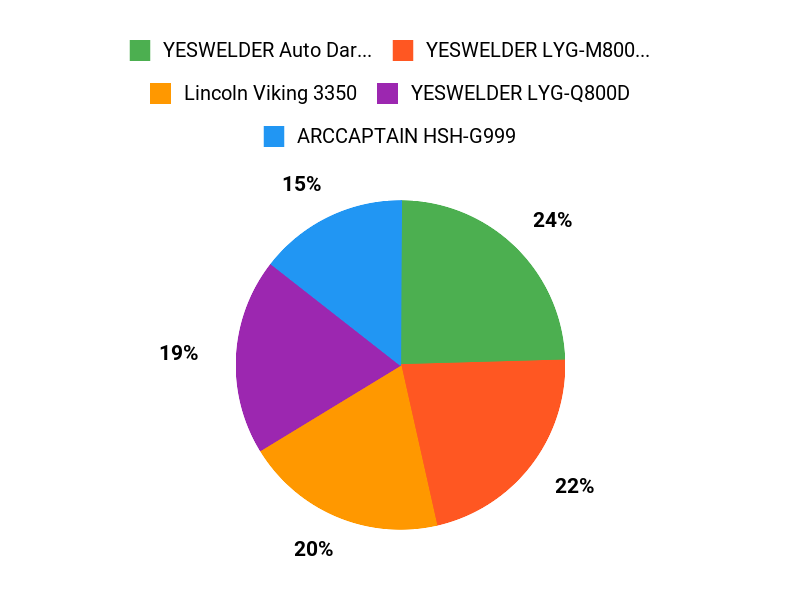
Welding Helmet Buying Guide
Match The Shade Range To Your Process
Shade is the one setting you cannot get wrong. Every helmet here prints a chart in its manual, and the number depends on both process and amperage. Broadly, the lighter 5-9 band covers plasma cutting and low-amp torch work, while 9-13 covers most MIG, stick and higher-amp welding.
That range decides which hoods are even on your list. The YESWELDER LYG-L600A stops at 9 in its dark state, so it cannot cover plasma cutting. If you cut as well as weld, start with the YESWELDER LYG-M800H or anything above it.
Decide How Much Viewing Area You Need
Compact windows run around 6 square inches; large-view hoods sit near 14; the premium helmets here reach 12.5 and 13 square inches with better optics behind the glass. More area means less head movement and fewer lifted hoods between tacks.
Bigger is not automatically better. A wide panoramic shell is harder to fit inside a frame or under a vehicle, which is why the low-profile ESAB Sentinel A60 is the better pick for confined work.
Sensor Count And Switching Speed
Four sensors beat two whenever your hand, torch, pipe or fixture can shade part of the lens, which is most of the time in real work. Two-sensor hoods are fine for open, flat welding and riskier out of position.
Switching speed matters less than listings suggest. Every helmet here darkens faster than you can perceive; 1/25,000 and 1/30,000 second are effectively the same to your eye. The MIGVAN H-21’s 1/10,000 second is the slowest reading in this guide, which is worth knowing for very low-amp TIG.
Optical Clarity: What 1/1/1/1 Means
The four digits rate optical quality, diffusion of light, variation in luminous transmittance, and angle dependence. Lower is better, so 1/1/1/1 is a perfect score.
In practice the fourth digit is what most people notice. A 1/1/1/2 lens, like the ARCCAPTAIN and ANDELI hoods here, can show slight shade variation toward the edges when you look at an angle. The Lincoln Electric VIKING 3350 holds 1/1/1/1 across the whole window.
Headgear, Weight And Balance
Headgear is where cheap hoods fail first. The helmets here weigh from about 1 lb to roughly 2.8 lb, but distribution matters more than the number: a well-balanced 21 oz hood feels lighter than a badly balanced 1 lb one.
Budget pivot-style headgear works for a few hours a week and wears out under daily use. If you weld most days, the X6 and Halo suspensions on the two premium hoods are a large part of what you are paying for.
Power And Consumables
Solar assist plus a replaceable coin cell is the most reliable setup, because the helmet keeps working if one source fades. Rechargeable packs remove the battery hunt but add a charging routine, and fan or LED features usually need their own charge.
Budget for cover lenses. Outer covers are consumable, and inner lenses and ADF cartridges eventually follow. Premium cartridges are proprietary and pricier, while several budget hoods ship with spares in the box.
Mistakes To Avoid When Buying A Welding Helmet
- Buying on window size alone: a large cheap lens with a 1/1/1/2 rating can still look worse than a smaller, better one.
- Ignoring the light state: if you grind between passes, confirm the helmet has a grind mode you can reach without lifting it.
- Forgetting the cut range: a 9-13 hood will not cover plasma cutting, so check the 5-9 band before you buy.
- Skipping safety markings: look for ANSI Z87.1 or a regional equivalent on the helmet itself, not only in the listing.
- Not testing before the first arc: point the lens at a bright light or use a test card, and confirm it is not left in grind mode.
FAQs
How Do I Choose The Right Welding Helmet?
Start with the work you do most. Occasional MIG or stick welding needs a safe shade range and comfortable headgear, and little else. Frequent fabrication or low-amp TIG rewards a larger viewing area, four sensors, fine shade control and stocked replacement lenses. Then check that the shell clears the positions you actually weld in.
Are Auto-Darkening Helmets Safe For Everyday Use?
Yes, when they are set up and maintained correctly. Choose the shade for your process and amperage, test the filter before you strike an arc, keep the sensors clean and make sure the helmet is not left in grind mode. If a hand, torch or fixture shades a sensor, the lens can respond less reliably.
What Shade Should I Use For MIG, TIG And Stick Welding?
Follow the shade chart in your helmet manual, because the right number depends on process and amperage. In general, higher current needs a darker shade. Plasma cutting and low-amp torch work sit in the lighter 5 to 9 band, while most MIG, stick and higher-amp welding sits in the 9 to 13 band.
How Do I Maintain My Helmet?
Wipe the shell and cover lenses, clean the arc sensors, and replace scratched or pitted covers early. Store the helmet dry and out of direct sun. If the lens does not darken properly, check the mode switch, battery, sensitivity and delay before welding again. Stop using any helmet with a cracked shell or unreliable filter.
Is A Large Viewing Area Worth It?
It is worth it if you do detailed TIG, tack up assemblies, weld around fixtures or move often between welding and inspection. A bigger window shows more of the workpiece without lifting the hood. For basic repairs and quick MIG work, a compact window is still safe and keeps the helmet lighter.
Should I Choose A Helmet With A Built-In Light Or Fan?
Choose them only if you need them. A built-in light helps in dark garages, under vehicles and in shadowed corners. A fan reduces fogging in humid conditions or long sessions. Both add weight, charging and more parts that can fail, so a simpler hood is often the better buy for occasional work.
Do I Still Need Safety Glasses Under A Welding Helmet?
Yes. Wear ANSI Z87.1 safety glasses under the hood so your eyes stay protected when you lift it to check fit-up, chip slag or grind. A welding helmet also does nothing for the air you breathe, so use ventilation or a proper welding respirator where fume is a concern.
How Long Do Auto-Darkening Lens Batteries Last?
It depends on how often you weld and whether the helmet has solar assist. Most of these helmets pair a solar cell with a replaceable CR2450 or a rechargeable pack, and several include a low-voltage indicator. Keep a spare cell in your welding area and swap it as soon as the warning shows.
Final Verdict
The best auto-darkening welding helmet is the one that matches how often you weld and where. For most people welding regularly, the Lincoln Electric VIKING 3350 gives the clearest big lens, the most comfortable headgear and the longest warranty here.
On a tight budget the YESWELDER LYG-L600A still covers basic MIG, stick and grinding safely, and for tight positions with saved settings the ESAB Sentinel A60 is the premium alternative.
This roundup is reader-supported. When you click through links, we may earn a referral commission on qualifying purchases.
