
As an Amazon Associate I earn from qualifying purchases.
You want a winter tent that helps block wind, rain and light snow without becoming impractical to carry. The right shelter should balance weather protection, ventilation, packed weight, interior space and straightforward setup so you can manage cold-weather trips more confidently.
This guide focuses on three backpacking tents whose current product details align with winter or four-season buyer intent. These are practical cold-weather options rather than expedition shelters, so match the tent to the forecast, terrain and severity of the conditions you expect.
Quick Verdict
Choose the Underwood 2-Person when you want the best balance of usable room and packability, the Underwood 1-Person for a narrower solo shelter, or the ShinHye 2-Person when a heavier-duty floor and two-door access matter more than minimizing weight.
Top Picks
|
Category |
Product |
Best For |
|---|---|---|
|
🏆 Best Overall |
Two-person cold-weather backpacking |
|
|
🚀 Best Solo |
Solo trips and a narrower campsite footprint |
|
|
🔰 Best Durable Floor |
Two-door access and a 210D Oxford floor |
How We Picked These Winter Tents
We compared the factors that most directly affect cold-weather usability: listed water resistance, full-fly coverage, pole material, snow-skirt or draft-control features, ventilation, floor construction, capacity, packed weight and setup style. We also checked whether each linked product matched the capacity and specifications described in the article.
We did not treat a seller’s “four-season,” “snowproof” or “extreme weather” wording as proof that a tent is suitable for severe alpine storms. A waterproof coating rating describes fabric resistance under a test method; it does not by itself establish snow-load strength, wind stability, seam quality or safe performance in every winter environment.
Finally, we considered who each tent is best for and where the trade-offs appear. A lighter solo shelter is easier to carry but offers less living space, while a roomier two-person model usually adds weight and may require a larger, more sheltered campsite.
Winter Camping Safety Note
Do not cook, burn charcoal, operate a fuel-powered heater or bring smoldering fuel inside a tent or enclosed vestibule. Fire and carbon-monoxide hazards remain serious even when a shelter has vents. A tent also provides limited insulation, so use a properly temperature-rated sleeping bag and an insulated sleeping pad suited to the conditions.
For exposed terrain, heavy snowfall, severe wind or technical mountaineering, use a shelter specifically engineered for those conditions and follow local forecasts and land-management guidance.
If you want one tent to cover two-person winter weekends, shoulder-season trips and general backpacking, this model offers the most balanced dimensions in the remaining lineup. Its freestanding structure is easier to position than a non-freestanding shelter, and the full-coverage outer layer is designed to improve protection from rain, wind and light snow.
The main compromise is weight. At roughly 5.73 pounds, it is better suited to shared carrying, shorter approaches, motorcycle camping or hikers who prioritize room over an ultralight load. Confirm that the selected listing shows the two-person configuration before ordering because seller pages may group multiple sizes or variants.
Why You’ll Like It
- Roomier two-person footprint than the solo model
- Freestanding structure with aluminum poles
- Listed PU5000mm water-resistance technology
- Compact enough for backpacking when the weight is shared
Who Should Buy This
Choose it for two-person winter camping, solo use with extra gear room, motorcycle travel or trips where comfort matters more than achieving the lowest possible trail weight.
Who Should Avoid This
Skip it if you need an expedition-rated shelter, regularly camp above tree line in severe forecasts, or want a genuinely ultralight two-person tent.
What People Say
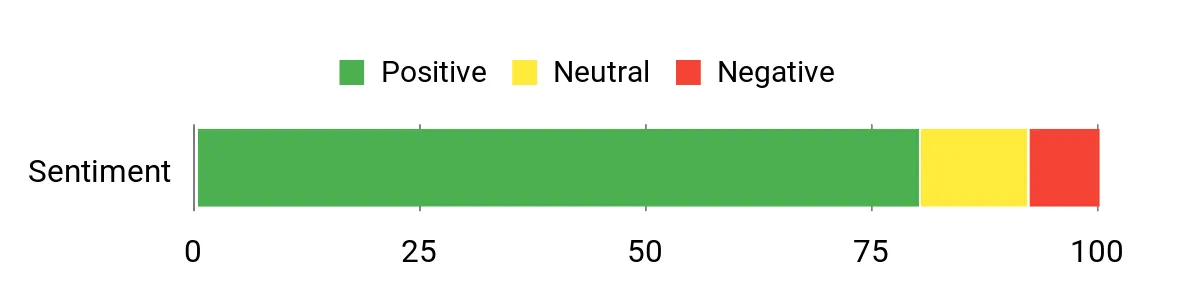
The existing source summary highlights easy setup, useful interior space and protection during rain or light snow. It also notes condensation and stress around pole junctions as concerns to monitor. Review themes and product revisions can change, so check recent verified reviews, owner photos and the current seller description before buying.
Customer Feedback Note: The chart below reflects the article’s existing feedback snapshot and should not be treated as a live rating or independent survey.
Seasonal Benefits
The full outer layer and listed PU5000mm coating are useful for wet, cold conditions, while the inner ventilation features help manage moisture during milder trips. Ventilation still requires active management: open available vents, avoid bringing wet gear into the sleeping area and keep the fly properly tensioned.
Durability
Aluminum poles and a polyester shell are appropriate for regular backpacking use, but longevity depends on site selection, correct guying, careful zipper use and avoiding excessive snow accumulation. Use a compatible footprint or groundsheet that does not extend beyond the tent floor.
Check Current Amazon Availability
This is the most compact option in the lineup for a solo camper. The narrow floor reduces campsite space and packed bulk, while the freestanding dome design is simpler to pitch on imperfect ground than many trekking-pole shelters.
At roughly 4.4 pounds, it is compact rather than truly ultralight. The 31.8-inch floor width also leaves limited room for wide sleeping pads or bulky winter gear, so check your pad dimensions and plan to store only dry, non-combustible items in the vestibule or designated storage areas.
Why You’ll Like It
- Dedicated one-person dimensions for a smaller campsite footprint
- Freestanding aluminum-pole structure
- Listed PU5000mm water-resistance technology
- Full-length floor suitable for most adult sleepers
Who Should Buy This
It fits solo backpackers, bikepackers and motorcycle campers who want a simple cold-weather shelter and can accept a snug interior.
Who Should Avoid This
Choose another model if you use a very wide sleeping pad, need substantial interior gear storage, expect severe snow loading or prioritize sub-three-pound trail weight.
What People Say
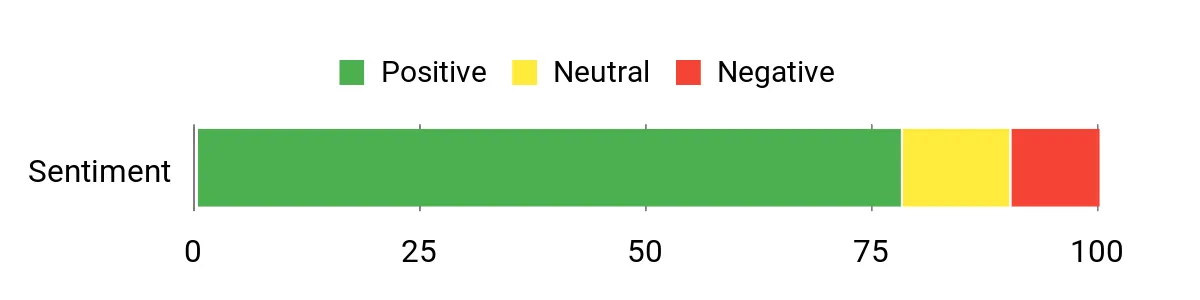
The existing source summary emphasizes straightforward pitching, compact packed size and protection from rain or light snow. It also flags condensation and possible stress at pole junctions. Check recent verified reviews for updates to materials, included accessories and seller support.
Customer Feedback Note: The chart below reflects the article’s existing feedback snapshot and should not be treated as a live rating or independent survey.
Seasonal Benefits
The full rainfly and seller-listed waterproof coating support use in wet and cold conditions, while mesh and door ventilation can help during shoulder seasons. Because the interior is small, condensation management is especially important.
Durability
The aluminum poles and polyester fabrics are practical for regular recreational use. Protect the floor, avoid over-tensioning clips, inspect seams before trips and remove accumulating snow rather than allowing weight to build on the canopy.
Check Current Amazon Availability
The ShinHye stands out for its listed 210D Oxford floor and two-door layout. Those features are useful when two campers need separate entry points or when the ground is rougher than a typical maintained campsite.
Its 5.5-pound weight is reasonable for a robust two-person recreational tent but not ultralight. The seller uses strong weather language, yet buyers should still treat it as a budget cold-weather backpacking shelter rather than assuming it can replace a proven expedition tent.
Why You’ll Like It
- 210D Oxford floor for added abrasion resistance
- Two doors for easier entry and ventilation
- Listed PU5000mm coating with sealed-seam construction
- Freestanding setup with aluminum poles and stakes
Who Should Buy This
It suits two campers who want easier access, a more substantial floor and a practical shelter for wet winter weekends, hunting camps or motorcycle trips.
Who Should Avoid This
Look elsewhere if your priority is minimum trail weight, independently documented alpine performance or a shelter designed for sustained heavy snow loads.
What People Say
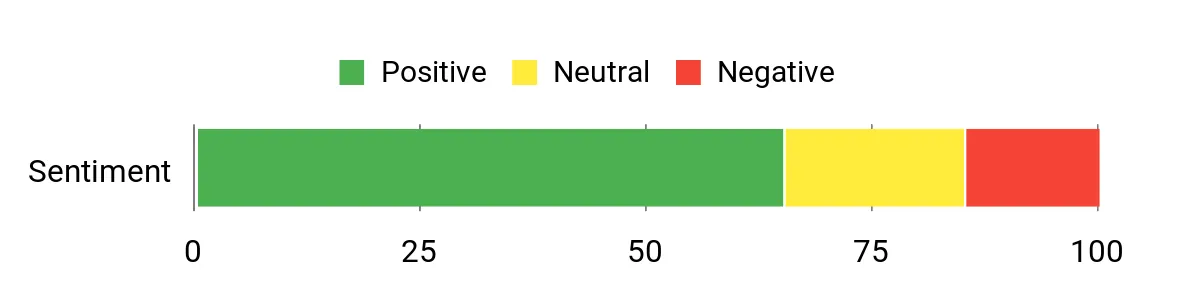
The existing source summary points to easy pitching, broad rainfly coverage and a useful floor and vestibule arrangement. It also mentions zipper concerns and a preference for stronger stakes among some users. Verify the latest included components and recent owner feedback before purchase.
Customer Feedback Note: The chart below reflects the article’s existing feedback snapshot and should not be treated as a live rating or independent survey.
Seasonal Benefits
The double-layer layout, full fly and listed PU5000mm coating support use in cold rain and light snow. Two doors and ventilation openings make it easier to regulate airflow when temperatures rise or condensation increases.
Durability
The 210D Oxford floor is the clearest durability advantage in this comparison. Zippers, clips, stakes and seams remain common wear points on any budget tent, so inspect them before each trip and carry a repair sleeve, patches and suitable stakes for the ground conditions.
Check Current Amazon Availability
Detailed Winter Tent Comparison
| Product Name | Image | Capacity | Dimensions (L x W x H) | Listed Weight | Listed Water Resistance |
|---|---|---|---|---|---|
| Underwood Aggregator 2-Person 4 Season Tent |
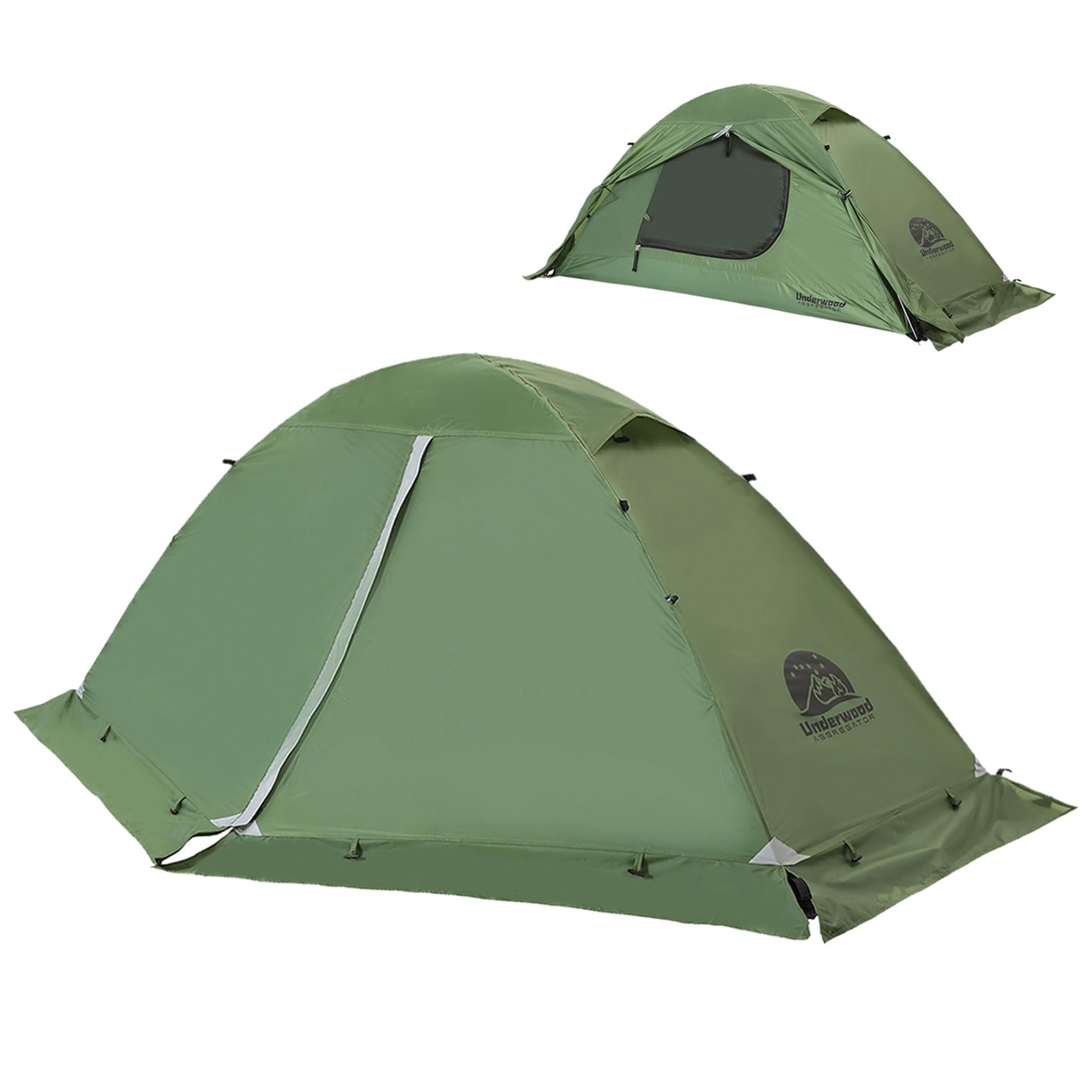 |
2 people | 86.6"L x 59.1"W x 45.3"H | 2.6 kg / 5.73 lb | PU5000mm |
| Underwood Aggregator 1-Person 4 Season Tent |
 |
1 person | 86.6"L x 31.8"W x 35.8"H | About 2 kg / 4.4 lb | PU5000mm |
| ShinHye 1/2 Person Backpacking Tent |
 |
2 people | Outer: 86.6"L x 55"W x 43.3"H | 5.5 lb | PU5000mm coating and sealed seams |
Before You Buy
- Check the exact variant: Confirm capacity, color and dimensions on the product page before ordering.
- Match the shelter to the forecast: A four-season label does not guarantee safe performance in heavy snow, severe wind or exposed alpine terrain.
- Measure your sleep system: Compare floor width and length with your sleeping pad, winter bag and gear.
- Plan for condensation: Favor designs with controllable vents and keep wet clothing outside the sleeping compartment.
- Bring repair and anchoring gear: Carry suitable stakes, extra guylines, a pole sleeve and fabric patches.
- Check current terms: Review the latest included accessories, warranty, return policy and seller information.
FAQ
How Do I Choose a Winter Tent?
Start with the worst realistic conditions you expect, then compare pole structure, fly coverage, ventilation, floor construction, guy-out points, capacity and packed weight. For recreational winter camping below tree line, a well-pitched double-layer tent with strong anchoring and appropriate site selection may be sufficient. Severe alpine storms and sustained snow loads call for a purpose-built mountaineering shelter.
Are These Expedition Tents?
No. These are affordable backpacking tents marketed for four-season or cold-weather use. Their listed features may suit recreational winter trips, but the article does not establish independent snow-load, wind-tunnel or expedition testing. Do not rely on marketing labels alone for high-consequence conditions.
How Can I Reduce Condensation Inside the Tent?
Use all available vents, keep the fly properly tensioned, avoid pressing sleeping bags against the walls and store wet clothing outside the sleeping compartment. Choose a site away from low, damp ground when possible, and wipe interior moisture with a small absorbent cloth in the morning.
Can I Cook or Use a Heater in a Tent Vestibule?
No. Do not operate stoves, grills, charcoal, open flames or fuel-powered heaters inside a tent or enclosed vestibule. Fire, melting fabric and carbon-monoxide buildup can become life-threatening quickly.
What Gear Helps You Stay Warm in a Winter Shelter?
A temperature-appropriate sleeping bag and a high-R-value insulated sleeping pad make the largest difference because the tent itself offers limited insulation. Add dry base layers, a warm hat, insulated socks and a hot-water bottle prepared safely outside the shelter. A properly sized footprint can protect the tent floor, but it is not a substitute for an insulated sleeping pad.
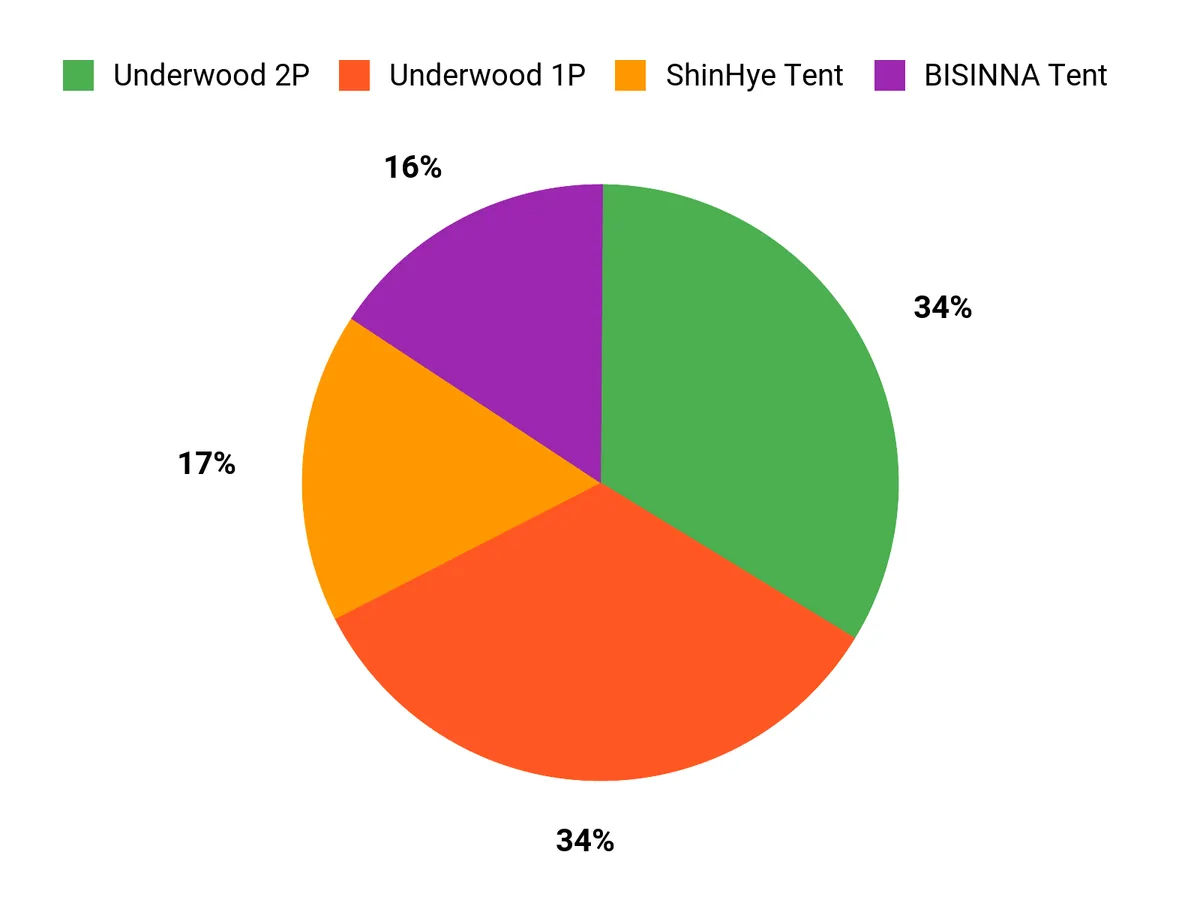
What Campers Prefer
The main decision is space versus carrying weight. The Underwood 2-Person gives two campers more room, the Underwood 1-Person reduces width for solo travel, and the ShinHye adds a more substantial floor and two-door access. The chart below is retained from the original article as a visual summary; it is not presented as an independent consumer survey or live market data.
Wrapping Up
The Underwood 2-Person is the most balanced choice for two campers or one person who wants additional room. The Underwood 1-Person makes more sense when campsite footprint and solo use matter most, while the ShinHye 2-Person is the better fit when you value a 210D Oxford floor and two-door access.
Whichever tent you choose, confirm the exact product variant, inspect every component before leaving home and match the shelter to the conditions rather than relying on a four-season label. Pair it with an appropriate sleep system, safe winter-camping practices and a conservative weather plan.
Affiliate Disclosure: This roundup is reader-supported. When you click qualifying Amazon links, the publisher may earn a referral commission at no additional cost to you. Product details, seller terms and availability can change, so verify the current listing before purchasing.