
Winter camping demands more from a shelter than a typical summer campground trip. A useful winter tent should help block wind-driven snow, protect your sleeping system from precipitation, manage condensation and remain stable when properly staked and guyed out.
A tent does not replace an insulated sleeping pad, a temperature-appropriate sleeping bag or careful campsite selection. Its main job is to create a protected space around that equipment. This guide compares five manufacturer-listed four-season shelters for different uses, including compact backpacking tents, a heavier two-person option and a roomy hot-tent basecamp.
Key factors to compare: pole structure, ventilation, listed waterproof rating, snow-skirt design, packed weight, usable space, included components and the type of winter conditions you realistically expect.
Affiliate disclosure: This roundup is reader-supported. When you click an Amazon link, we may earn a referral commission on qualifying purchases at no additional cost to you. Product configurations, specifications and availability can change, so confirm the selected version on Amazon before ordering.
Quick Verdict
Underwood Aggregator: The most balanced compact choice for casual winter backpacking or short below-tree-line trips.
Naturehike Ranch Fire Teepee: The best match for a transported hot-tent basecamp, provided you understand that the floor and inner tent may be separate purchases.
BISINNA four-season tent: A straightforward two-person option for campers who want a snow skirt, two-person dimensions and a moderate listed packed weight.
Camppal four-season tent: The heavier option for buyers who prioritize a three-pole crossing structure, two doors and more protected gear space.
ShinHye four-season tent: The lowest listed-weight option in this group, but not a verified expedition shelter and not a responsible “extreme cold” recommendation.
Top Picks
|
Category |
Product |
Best For |
Main Limitation |
|---|---|---|---|
|
🏆 Best Overall Balance |
Compact winter camping and shorter backpacking trips |
Snug for two people with bulky winter gear |
|
|
🔥 Best Hot-Tent Basecamp |
Car camping, hunting camps and transported group shelters |
Floor and inner tent may be sold separately |
|
|
🎯 Best Straightforward Two-Person Pick |
Couples or solo campers who want extra gear room |
Thin floor protection makes a footprint advisable |
|
|
🛡️ Best Robust Pole Layout |
Winter car camping, motorcycle trips and shorter carries |
Heavier than the other two-person options |
|
|
🚀 Lowest Listed Weight |
Weight-conscious short winter trips |
No verified expedition or heavy-snow-load rating |
How We Picked These Winter Tents
We compared the factors that most directly affect practical winter use: listed waterproofing, pole arrangement, ventilation, snow-skirt coverage, floor and fly materials, usable dimensions, packed weight, access, vestibule space and setup complexity.
We also considered whether each shelter solves a distinct problem. Four products are compact two-person tents, while the Naturehike is a modular hot-tent shelter designed for a transported basecamp. The latter should not be compared directly with a small backpacking tent on weight or occupant capacity alone.
Important limitation: Inclusion in this guide does not mean that a tent has been independently snow-load tested or certified for expedition use. Manufacturer terms such as “four season,” “snowproof” and “extreme weather” should be treated as listing descriptions rather than proof that the shelter is suitable for exposed alpine storms.
Winter safety note
Do not use a fuel-burning stove, heater, grill or lantern inside a tent unless the tent and appliance manufacturers expressly permit that exact enclosed-space setup and provide complete instructions. Maintain required ventilation and clearances, use the correct stove jack and spark arrestor, and never sleep with a stove or heater operating. A carbon-monoxide alarm is supplementary protection, not a replacement for ventilation or manufacturer instructions.
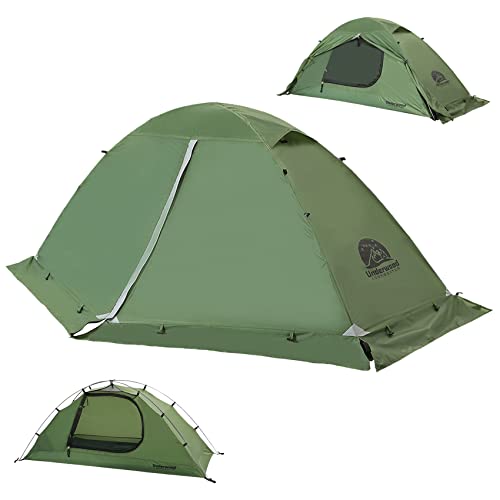
Underwood Aggregator 2-Person 4-Season Tent

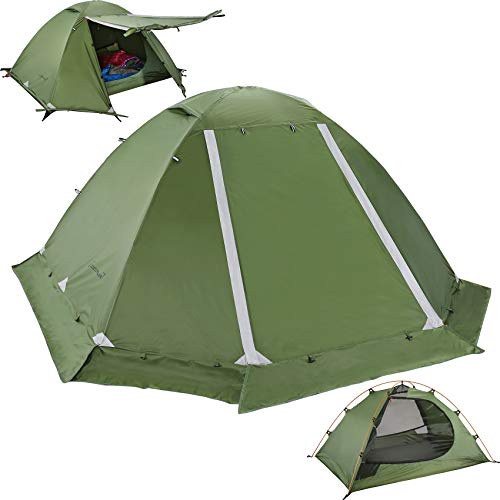


The Underwood is the strongest all-round match in this group for campers who want a conventional two-person winter tent without moving into hot-tent or expedition-tent territory. Its listed 86.6 x 59.1-inch floor provides enough length for many adults, while the 45.3-inch center height gives more sitting room than some low-profile shelters.
The freestanding structure, aluminum poles and full rainfly simplify setup compared with non-freestanding winter shelters. A small vestibule gives you a protected place for boots or a compact pack, and the rollable snow skirt can help reduce wind-driven snow around the fly.
The main compromise is space. Two adults can fit according to the listed dimensions, but winter sleeping bags and bulky gear make it more practical for one person plus equipment or two disciplined campers who store most gear outside the sleeping area.
Who Should Buy This
Solo winter campers, couples who pack efficiently, motorcycle campers and backpackers taking shorter below-tree-line trips where heavy snow accumulation is not expected.
Who Should Avoid This
Campers who need standing room, generous indoor gear storage or a shelter with independently documented expedition-level wind and snow performance.
Reported Review Themes
The source review summary highlights quick pitching, compact storage, rainfly coverage and useful interior organization. It also notes recurring concerns about tight two-person space, condensation and stress around the pole-crossing area.
These themes should be treated as a review snapshot rather than a guarantee. Check recent critical reviews for reports involving the exact color, size and seller you intend to order from.
Ease of Use
|
Feature |
Ease Level |
|---|---|
|
Freestanding setup |
Easy |
|
Packing and stowage |
Easy |
|
Rainfly and vestibule setup |
Easy |
|
Condensation management |
Moderate |
|
Carrying weight |
Moderate |
Durability and Specification Notes
The Amazon description lists a 5.73 lb product weight, while another structured field on the same page shows a higher minimum trail-weight figure. Because packaged and trail weights can be defined differently, confirm the selected variant before planning pack loads.
The PU5000mm figure describes the listed water-resistance technology. It does not establish how much snow the pole structure can safely support. Clear accumulating snow and avoid treating the tent as a substitute for an expedition shelter.
Key Benefits
- Freestanding design that is relatively simple to pitch
- Full rainfly and rollable snow skirt
- Listed PU5000mm water-resistance technology
- Aluminum poles and a protected vestibule
- Compact dimensions for short winter trips and transported camping
Check Current Amazon Availability
Naturehike Ranch Fire Teepee Tent

The Naturehike Ranch Fire Teepee solves a different problem from the two-person dome tents. Its 157.5 x 157.5-inch shelter footprint and 98.4-inch peak height create a basecamp where occupants can stand, organize equipment and spend more time sheltered during cold-weather trips.
The shelter is listed at 11.9 lb, making it more appropriate for car camping, ATV-accessed camps, hunting camps and other transported setups than conventional backpacking. Capacity also depends on the interior configuration. The manufacturer describes room for up to six people on compact pads, four with cots, or fewer occupants when an inner tent and stove setup consume floor space.
Before buying: Confirm exactly which Naturehike component is selected. The shelter, inner tent and floor are modular items and may be sold separately. A listing for the fly or shelter alone should not be assumed to include an enclosed inner tent or groundsheet.
Who Should Buy This
Car campers, hunters and small groups who want standing height and a manufacturer-provided stove-jack location in a transported winter basecamp.
Who Should Avoid This
Backpackers seeking a light complete shelter, buyers who expect a sewn-in floor, or anyone unwilling to follow strict stove, fire and carbon-monoxide precautions.
Reported Review Themes
The source review summary emphasizes generous headroom, the snow skirt, ventilation openings and the usefulness of the stove-jack configuration. It also identifies condensation, tie-point strain and confusion about separately sold components as concerns worth checking in recent reviews.
Ease of Use
|
Feature |
Ease Level |
|---|---|
|
Shelter setup |
Moderate |
|
Staking and guying |
Moderate |
|
Component selection |
Requires Care |
|
Door access |
Easy |
|
Portability at 11.9 lb for the shelter |
Best for Transported Camps |
Durability and Stove-Safety Notes
The listing describes 68D 210T flame-retardant polyester, an aluminum-alloy center pole, a snow skirt and PU3000mm-listed water resistance. “Flame retardant” does not mean fireproof, and sparks, excessive heat or incorrect clearances can still damage the shelter or start a fire.
Use only a compatible stove setup permitted by the tent and stove manufacturers. Complete the stove-jack installation exactly as directed, maintain ventilation, protect the ground, use a spark arrestor and keep combustible equipment away from the stove and flue. Never leave the stove unattended or operate it while occupants are sleeping.
Key Benefits
- Standing height and a large octagonal shelter area
- Manufacturer-provided stove-jack locations
- Snow skirt and upper ventilation openings
- Listed PU3000mm water resistance
- Useful group space for transported winter camps
Check Included Components on Amazon
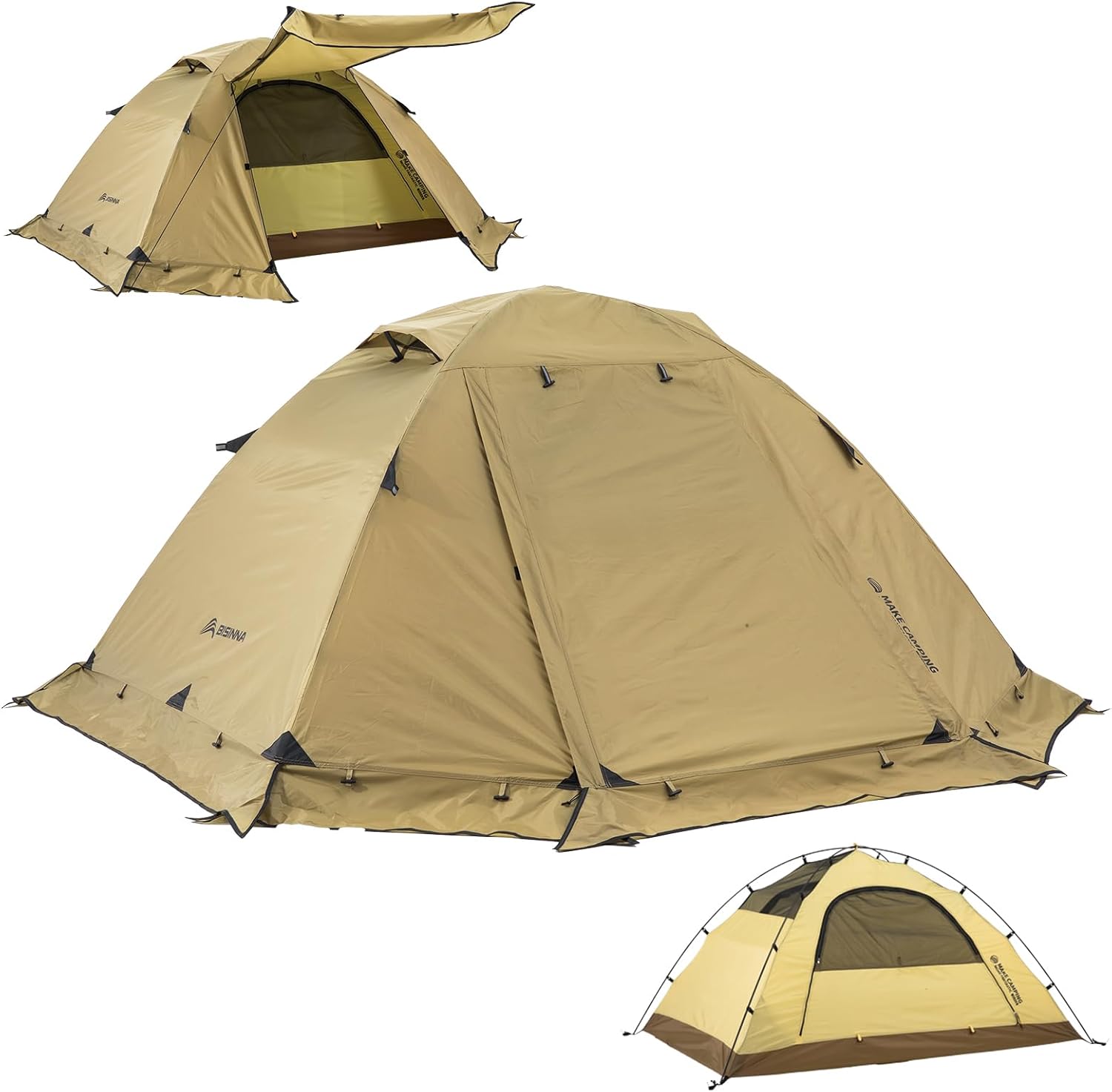
BISINNA 4-Season 2-Person Tent
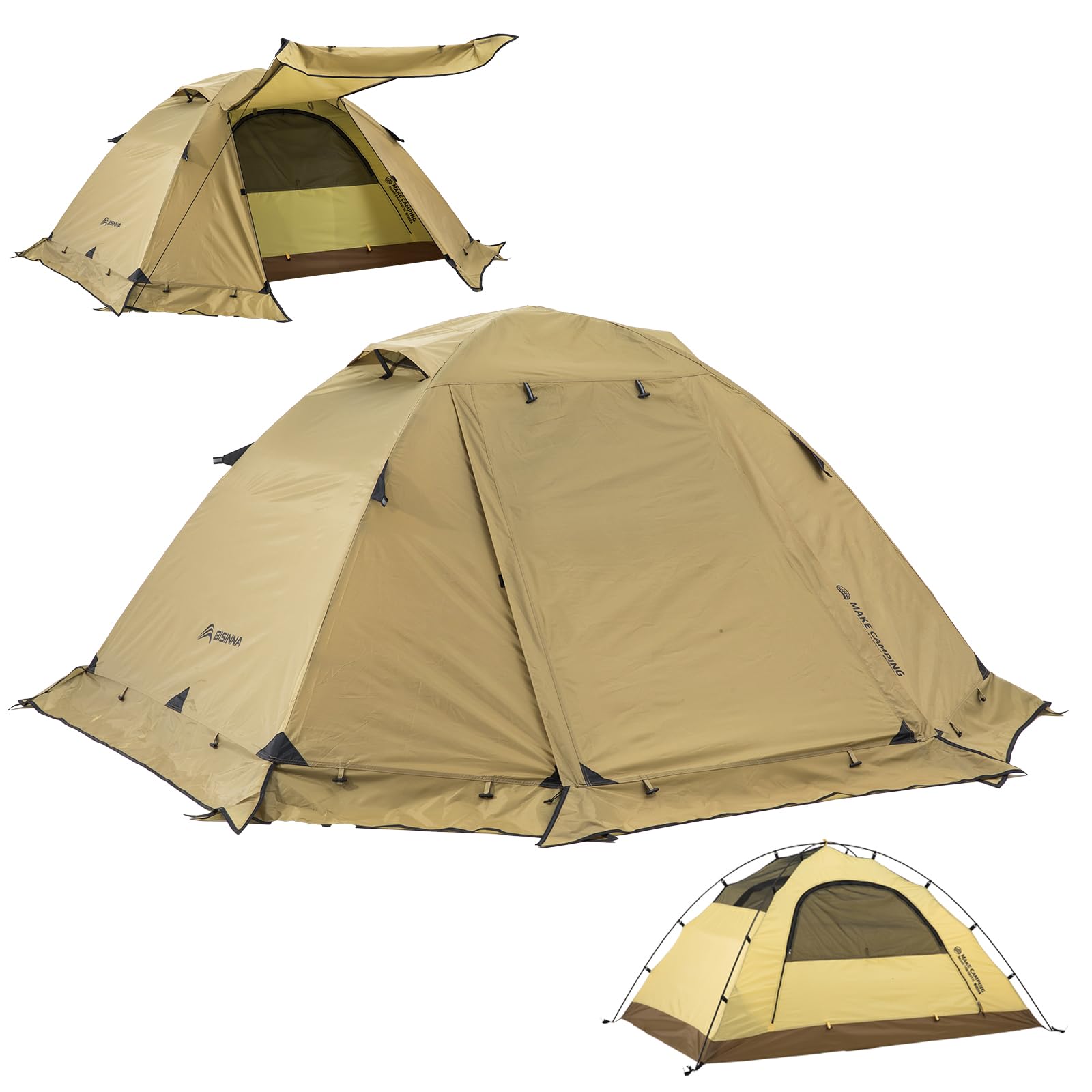
The BISINNA is a straightforward choice for campers who want a conventional two-person winter layout without the extra weight and setup considerations of a hot tent. The listed interior measures 82.6 x 59 x 43.3 inches, giving it enough width for two compact sleeping pads or a more comfortable solo setup with winter gear.
Its rollable snow skirt makes the design more adaptable across seasons, while the small foyer provides a place to move damp footwear or selected equipment outside the sleeping area. The listed 6.4 lb weight is manageable for short-distance backpacking, bike or motorcycle trips, although it is not ultralight by modern backpacking standards.
The thin floor is the clearest hesitation. A correctly sized footprint can reduce abrasion and mud exposure, but it should not extend beyond the tent floor where it could collect rainwater.
Who Should Buy This
Solo campers wanting extra room, couples on shorter trips and buyers who prefer a conventional two-person dome-style shelter with a snow skirt.
Who Should Avoid This
Long-distance backpackers focused on minimum weight or campers expecting a roomy two-person interior for large winter bags and all equipment.
Reported Review Themes
The source review summary highlights simple setup, useful rainfly coverage, two-person floor space and a manageable packed size. The cautions focus on the floor material, plastic fittings, zipper handling and condensation when ventilation is restricted.
Ease of Use
|
Feature |
Ease Level |
|---|---|
|
Setup |
Easy |
|
Packing |
Easy |
|
Ventilation management |
Moderate |
|
Doors and foyer access |
Moderate |
|
Portability at a listed 6.4 lb |
Moderate |
Durability and Specification Notes
The listing identifies 210T polyester, a PU3000mm coating and aluminum-alloy poles. Those specifications make the tent relevant for ordinary winter camping, but they do not prove a specific wind speed or snow-load capacity.
Use a footprint on abrasive ground, avoid forcing cold zippers and keep the fly evenly tensioned. Open available vents even in cold weather to reduce moisture accumulation.
Key Benefits
- Conventional two-person winter-tent layout
- Rollable snow skirt for seasonal flexibility
- Listed PU3000mm water-resistant coating
- Foyer space for selected wet or dirty equipment
- Manageable listed weight for short-distance travel
Check Current Amazon Availability
Camppal 2-Person 4-Season Tent

The Camppal is the heavier two-person option, but its three crossing poles and extended outer-tent area make it appealing when structure and protected gear space matter more than minimizing every pound. The listed inner floor measures approximately 94 x 55 inches with a 43-inch height.
Two doors make it easier for partners to enter without climbing over each other, and the ventilation windows give campers more control over moisture than a completely sealed design. The listed fly and floor water-resistance range is 3500–4000mm, depending on the component.
Weight needs careful interpretation. Amazon lists an approximately 8.8 lb item weight and a 7 lb minimum trail weight. That makes it better suited to car camping, motorcycle travel, pulk-supported trips or shorter carries than weight-focused backpacking.
Who Should Buy This
Campers who value a three-pole crossing layout, two doors and vestibule space more than minimum packed weight.
Who Should Avoid This
Long-distance backpackers or buyers who expect a spacious two-adult interior despite the compact 55-inch width.
Reported Review Themes
The source review summary highlights solo setup, wind handling, rainfly coverage and heat retention. Its recurring limitations are tight two-person space, reduced airflow with the fly fully closed and the need to handle zippers and attachments carefully.
Ease of Use
|
Feature |
Ease Level |
|---|---|
|
Three-pole setup |
Easy to Moderate |
|
Packing |
Moderate |
|
Ventilation management |
Moderate |
|
Two-door access |
Easy |
|
Portability |
Best for Short Carries |
Durability and Specification Notes
The listing identifies a 300D Poly Oxford material, three aluminum poles, two doors, eight guylines and 15 stakes. These details support a more substantial structure than the lighter models, but they still do not provide an independently verified wind-speed or snow-load rating.
Stake every required point, use the guylines before weather deteriorates and remove snow from the fly instead of allowing it to accumulate overnight.
Key Benefits
- Three crossing poles for a more supported shape
- Two doors and ventilation windows
- Extended outer area for protected equipment storage
- Listed 3500–4000mm water resistance
- Well suited to transported winter camping and shorter carries
Check Current Amazon Availability
ShinHye 2-Person 4-Season Tent

The ShinHye has the lowest clearly listed minimum trail weight in this comparison at 5.5 lb. Its 82.6 x 55-inch floor and 43.3-inch height make it a compact alternative for solo users or two campers who keep most equipment in the vestibule or outside the sleeping area.
The listing describes a double-layer structure, two doors, two ventilation windows, a snow skirt, aluminum pole components and PU5000mm-coated fabric with sealed seams. Those are useful winter features, but the seller’s use of terms such as “extreme cold” should not be interpreted as an expedition certification.
Warranty information on the Amazon page is also inconsistent: the promotional copy and structured product fields do not show the same period. Confirm the current warranty and responsible seller before ordering.
Who Should Buy This
Solo campers and weight-conscious pairs planning short, conservative winter trips where low packed weight matters more than generous interior space.
Who Should Avoid This
Campers facing severe alpine storms, prolonged heavy wet snow or any trip that requires independently documented expedition performance.
Reported Review Themes
The source review summary emphasizes quick setup, compact storage, rainfly coverage and the stability of the aluminum components. The recurring cautions concern two-person space, zipper longevity, the tight stuff sack and the quality of smaller accessories.
Ease of Use
|
Feature |
Ease Level |
|---|---|
|
Setup |
Easy |
|
Packing into the supplied bag |
Moderate |
|
Ventilation management |
Moderate |
|
Two-door access |
Easy |
|
Portability at a listed 5.5 lb |
Easy to Moderate |
Durability and Specification Notes
The listing identifies 210T polyester, a 210D Oxford floor, aluminum components, sealed seams and PU5000mm-listed water resistance. These specifications are useful for comparing the tent with the other compact models, but they do not establish severe-wind or heavy-snow structural performance.
Use a footprint, avoid forcing zippers when fabric is under tension and replace marginal stakes before camping in frozen, loose or snow-covered ground.
Key Benefits
- Lowest listed minimum trail weight in this comparison
- Snow skirt and full double-layer configuration
- Two doors and ventilation windows
- Listed PU5000mm coating and sealed seams
- Compact dimensions for solo use or disciplined two-person travel
Check Current Amazon Availability
Before You Buy a Winter Tent
- Define the trip: Below-tree-line campground use is different from an exposed alpine route.
- Check the complete packed weight: Trail, minimum and packaged weights may exclude different components.
- Confirm what is included: Hot-tent floors, inner tents and stove accessories may be separate purchases.
- Size up for winter gear: A two-person tent is frequently more comfortable for one person plus a large sleep system.
- Do not compare waterproof ratings alone: Pole design, seams, anchoring and fly geometry also affect winter performance.
- Plan for condensation: Keep vents open, store wet equipment outside the sleeping area and avoid breathing into your sleeping bag.
- Inspect warranty details: Confirm the current seller, return terms and written warranty on the product page.
- Practice before the trip: Pitch the shelter, attach the fly and use the guylines at home before attempting setup in cold wind.
[Amazon Products Picked for You]

Lightweight and Durable: The OneTigris STELLA Camping Tent features a lightweight and durable 20D Nylon outer fabric with a single-layer silicone coating, making it both sturdy and easy to carry at only 4.4lb/2kg. Suitable for backpackers, bushcrafters, everyday campers, and families Waterproof: With a 3000mm waterproof rating, the STELLA camping tent is perfect for use in all weather conditions. The removable blackout outer tent allows for greater flexibility in use.

Durable Materials: Made of TC (Technical Cotton) fabric, our tent offers excellent durability and breathability, helping reduce interior condensation and making it suitable for year-round use. (Note: The cotton material provides limited insulation, so please use with caution in extreme heat or cold.) Sturdy galvanized iron center and door poles ensure reliable stability.
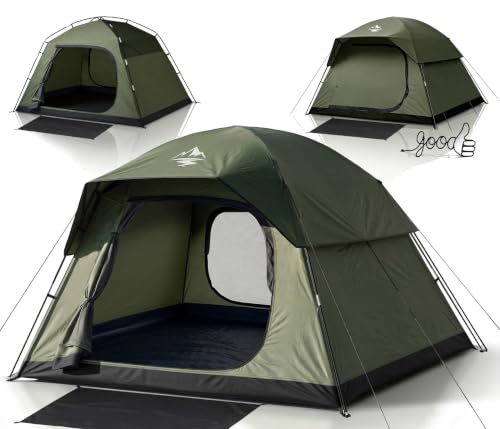
𝐄𝐱𝐭𝐫𝐚 𝐒𝐩𝐚𝐜𝐞 𝐘𝐨𝐮 𝐂𝐚𝐧 𝐅𝐞𝐞𝐥: This camping tent offers an extended floor design with extra length compared to standard models, giving 3–4 adults more room to sleep comfortably with gear. No tight space or discomfort, making this Purebox tent ideal for family trips and group adventures. Enjoy a more relaxed outdoor experience with a roomy 4 person tent built for real comfort.
Winter Tent Safety and Setup Tips
Choose a Conservative Campsite
Avoid avalanche runout zones, dead branches, exposed ridgelines and depressions where cold air or meltwater can collect. Look for a naturally protected site while maintaining a safe distance from unstable trees and other overhead hazards.
Anchor for the Surface
Standard stakes may not hold in powder or hard frozen ground. Snow stakes, buried deadman anchors or appropriately placed equipment anchors can provide better holding power. Tension every required guyline before conditions deteriorate.
Remove Accumulating Snow
Do not assume a listed four-season tent can safely carry unlimited snow. Brush snow from the fly periodically, keep guylines tensioned and inspect the pole structure for deformation.
Manage Moisture
Condensation is normal when warm, humid air meets cold fabric. Open vents, avoid blocking airflow with equipment and keep wet boots and clothing in a vestibule or other protected area when practical.
Rely on Your Sleep System for Warmth
Choose an insulated sleeping pad and sleeping bag appropriate for the expected low temperature. Dry base layers, food, hydration and proper campsite selection usually matter more to overnight warmth than small differences between tent fabric coatings.
FAQ
How Do I Choose the Right Winter Tent?
Start with the most severe conditions you reasonably expect. For shorter below-tree-line trips, a compact manufacturer-listed four-season tent with aluminum poles, a full fly, ventilation and a snow skirt may be sufficient. For exposed routes, technical climbs or prolonged heavy snowfall, look for a shelter with a documented expedition history, stronger pole geometry and manufacturer guidance for severe conditions.
Next, compare usable dimensions rather than relying only on the occupant number. A two-person winter tent may fit two sleeping pads but leave little space for insulated clothing, boots and packs. Solo users often benefit from choosing a two-person model.
Does a Four-Season Tent Keep You Warm?
A tent can reduce wind exposure and protect your sleeping system from snow or rain, but most tents provide limited insulation. Your sleeping pad, sleeping bag, clothing, food and moisture management provide most of your overnight warmth.
How Do I Reduce Condensation?
Use every available high and low vent, keep wet gear outside the sleeping area when practical, avoid cooking in the sleeping compartment and maintain a gap between sleeping bags and the tent wall. Completely sealing a tent often increases condensation rather than solving it.
What Does a PU3000mm or PU5000mm Rating Mean?
The figure is a manufacturer-listed measure associated with water resistance. A higher number can indicate greater resistance to water pressure under the relevant test method, but it does not describe pole strength, wind stability, seam quality, snow shedding or the entire tent’s real-world performance.
Can I Use a Wood Stove in Any Tent with a Stove Jack?
No. A stove-jack opening does not make every stove, flue or installation safe. Use only combinations permitted by the applicable manufacturers. Follow all instructions for ventilation, clearances, spark control, floor protection and supervision. Never operate a stove or fuel-burning heater while occupants are sleeping.
Are These Tents Suitable for Extreme Alpine Conditions?
They should not automatically be treated as expedition shelters. Manufacturer-listed four-season features make them relevant for cold-weather camping, but none of the listings in this roundup provides a complete independently verified snow-load or wind-speed certification. Choose a proven expedition model for technical routes, exposed camps or severe forecast conditions.
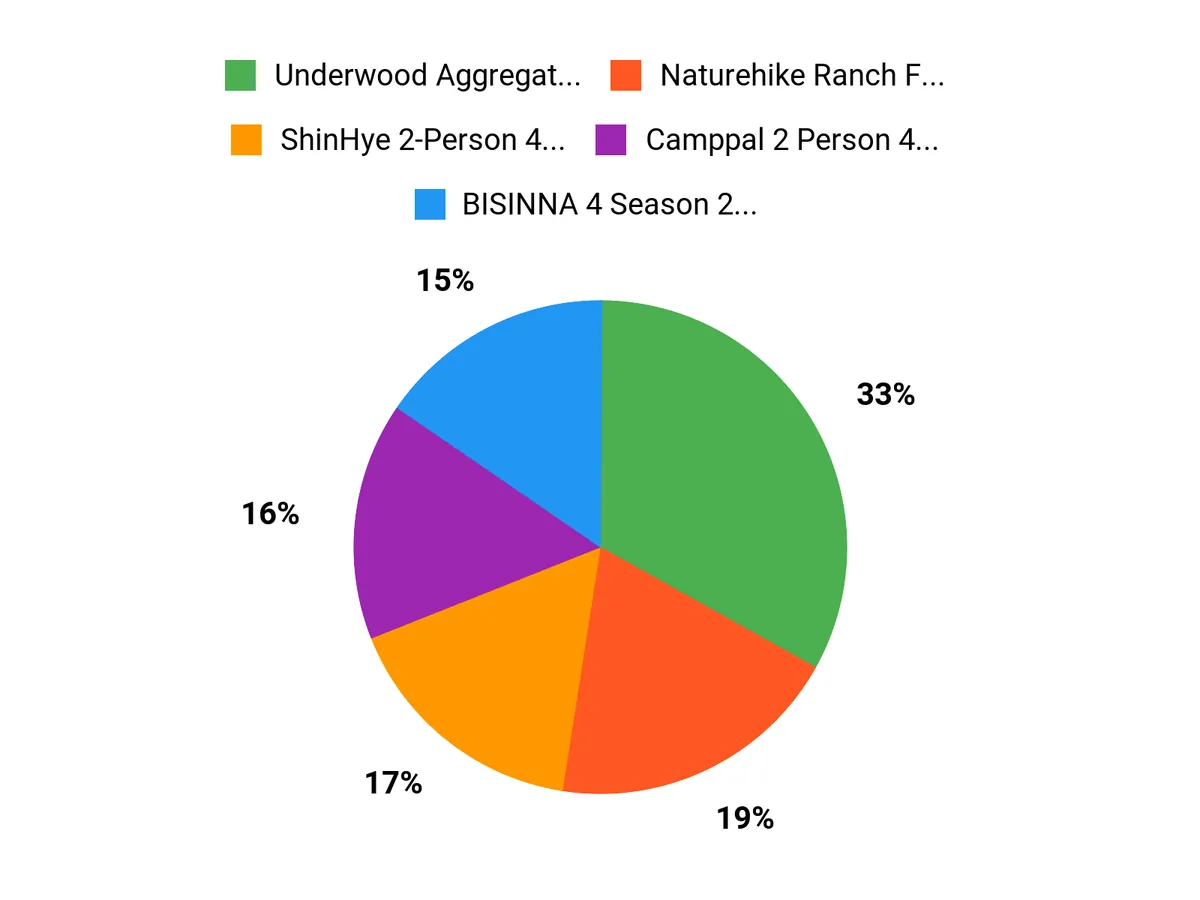
What Campers Prefer
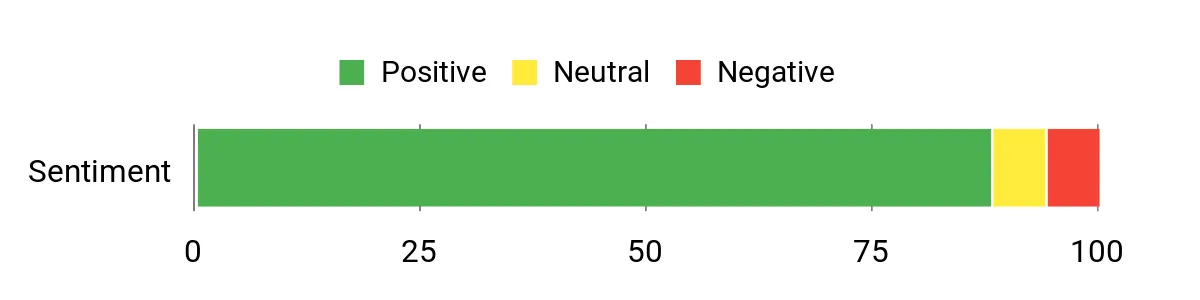
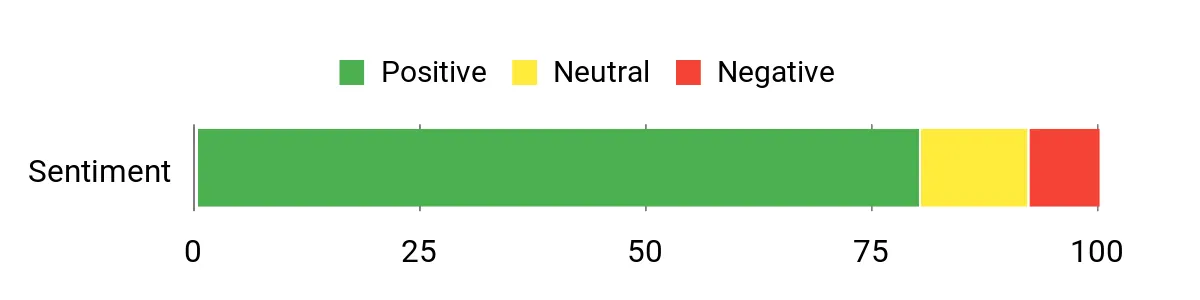
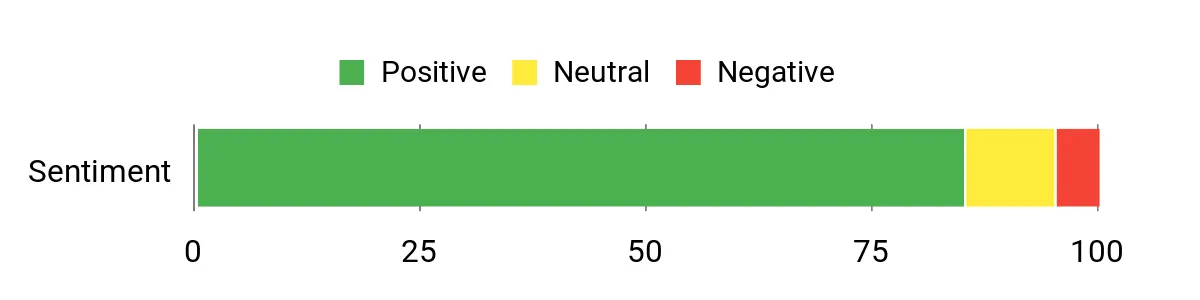
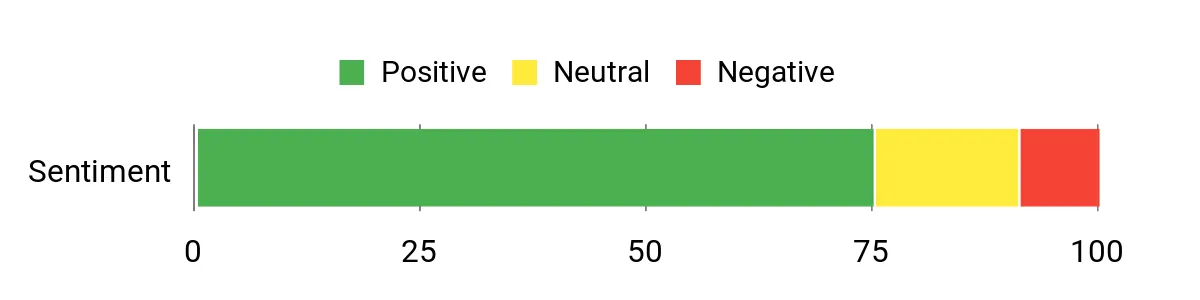
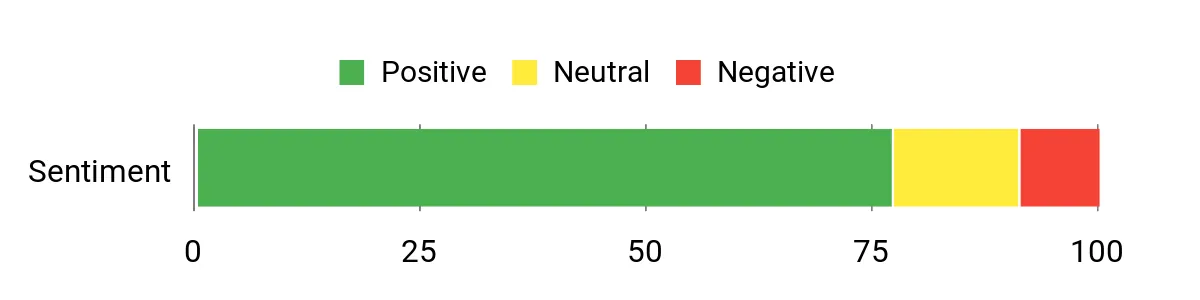
The original preference snapshot suggests that compact dome tents appeal most to buyers prioritizing packability, while the Naturehike attracts campers who value standing height and communal basecamp space. Treat the chart as a historical content snapshot rather than a current poll or universal buyer ranking.
Final Recommendations
Choose the Underwood Aggregator for the most balanced compact winter-camping package in this group.
Choose the Naturehike Ranch Fire Teepee when standing room and a transported hot-tent basecamp matter more than weight, after confirming the included components.
Choose the BISINNA for a simple two-person layout with a snow skirt and moderate listed weight.
Choose the Camppal when you prefer a three-pole crossing structure, two doors and more vestibule coverage and can accept additional weight.
Choose the ShinHye when the lowest listed weight in this comparison is the priority, while keeping the trip conservative and confirming current warranty and seller details.
No matter which shelter you select, match it to the forecast, terrain and consequences of failure. Practice pitching it before departure, carry appropriate anchors and repair materials, and use a properly rated sleeping system rather than relying on the tent alone for warmth.
Full Winter Tent Comparison
| Product | Image | Best For | Occupancy | Dimensions (L x W x H) | Listed Weight | Water Resistance | Important Note | Amazon |
|---|---|---|---|---|---|---|---|---|
| 1/2 Person Backpacking Tent for 4-Season – Winter Waterproof Tent |
 |
Balanced compact winter camping | 2 Person | 86.6″L x 59.1″W x 45.3″H | 5.73 lb product weight listed; another Amazon field shows a higher trail figure | 5000 mm PU | Best treated as a roomy solo or compact two-person tent | Check Details |
| Naturehike Ranch Fire Teepee Tent |
 |
Transported hot-tent basecamp | Up to 4–6 depending on configuration | 157.5″L x 157.5″W x 98.4″H | 11.9 lb shelter | 3000 mm | Shelter, inner tent and floor may be separate purchases | Check Components |
| BISINNA 4 Season Tent for Backpacking |
 |
Straightforward two-person winter camping | 2 Person | 82.6″L x 59″W x 43.3″H | 6.4 lb | 3000 mm PU | A footprint is advisable for abrasive campsites | Check Details |
| 2 Person Backpacking Tent |
 |
Robust pole layout and transported camping | 2 Person | 94″L x 55″W x 43″H | 7 lb minimum trail weight; 8.8 lb listed item weight | 3500–4000 mm | Heavier than the other compact two-person options | Check Details |
| 1/2 Person Backpacking Tent for 4 Season |
 |
Lowest listed weight in this comparison | 2 Person | 82.6″L x 55″W x 43.3″H | 5.5 lb minimum trail weight | 5000 mm PU | Not independently verified for extreme alpine conditions | Check Details |
Disclosure: This roundup is reader-supported. When you click through Amazon links, we may earn a referral commission on qualifying purchases. Prices, sellers, specifications, warranties, ratings and availability can change after publication.
[Amazon Products Picked for You]

FOUR SEASON TENT: While other 3 season tents are only available for spring, summer, and fall, this extreme weather tent is suitable for all seasons of the year. In winter, the snow skirt of this 1 person backpacking tent makes sure that it can keep snow away. The rollable design makes it convenient when there is no snow around. In other seasons, the mesh design of the 4 season backpacking tent keeps bugs away while the double-layer door ensures ventilation
FOUR SEASON TENT: While other 3 season tents are only available for spring, summer, and fall, this extreme weather tent is suitable for all seasons of the year. In winter, the snow skirt of this 1 person backpacking tent makes sure that it can keep snow away. The rollable design makes it convenient when there is no snow around. In other seasons, the mesh design of the 4 season backpacking tent keeps bugs away while the double-layer door ensures ventilation

